


user_school

Heartwarming Moments Abound at Grandparents Day Carnival


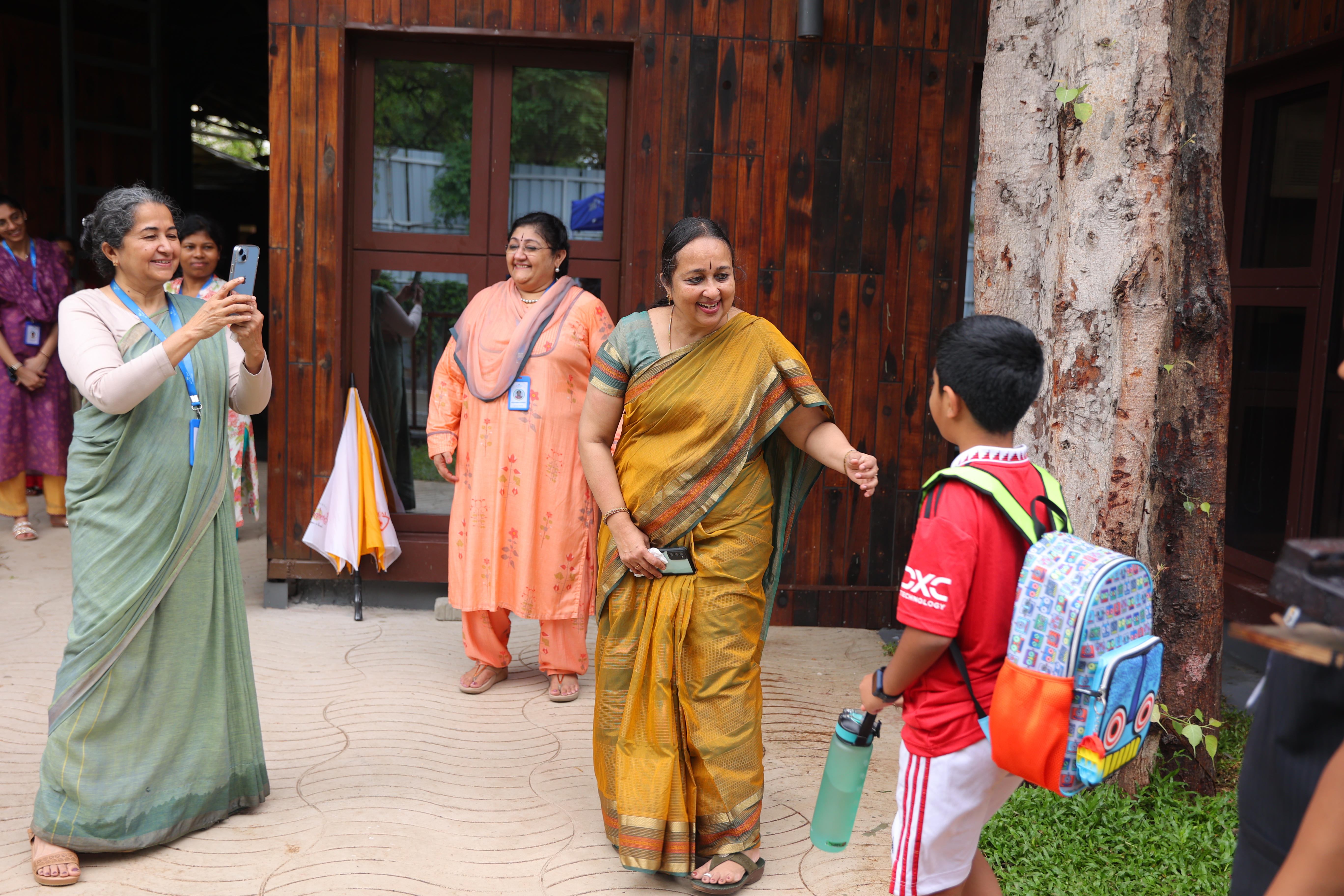
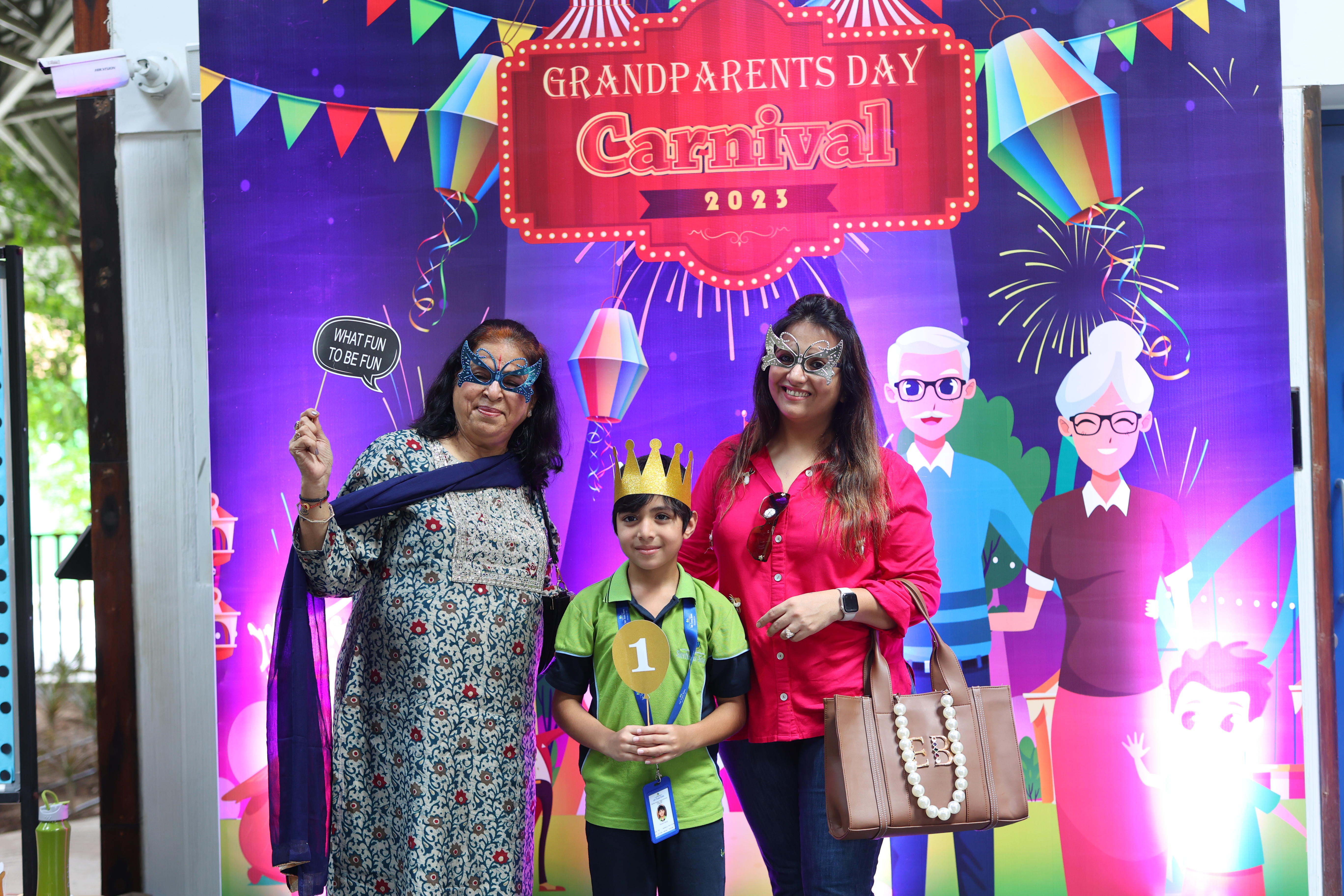
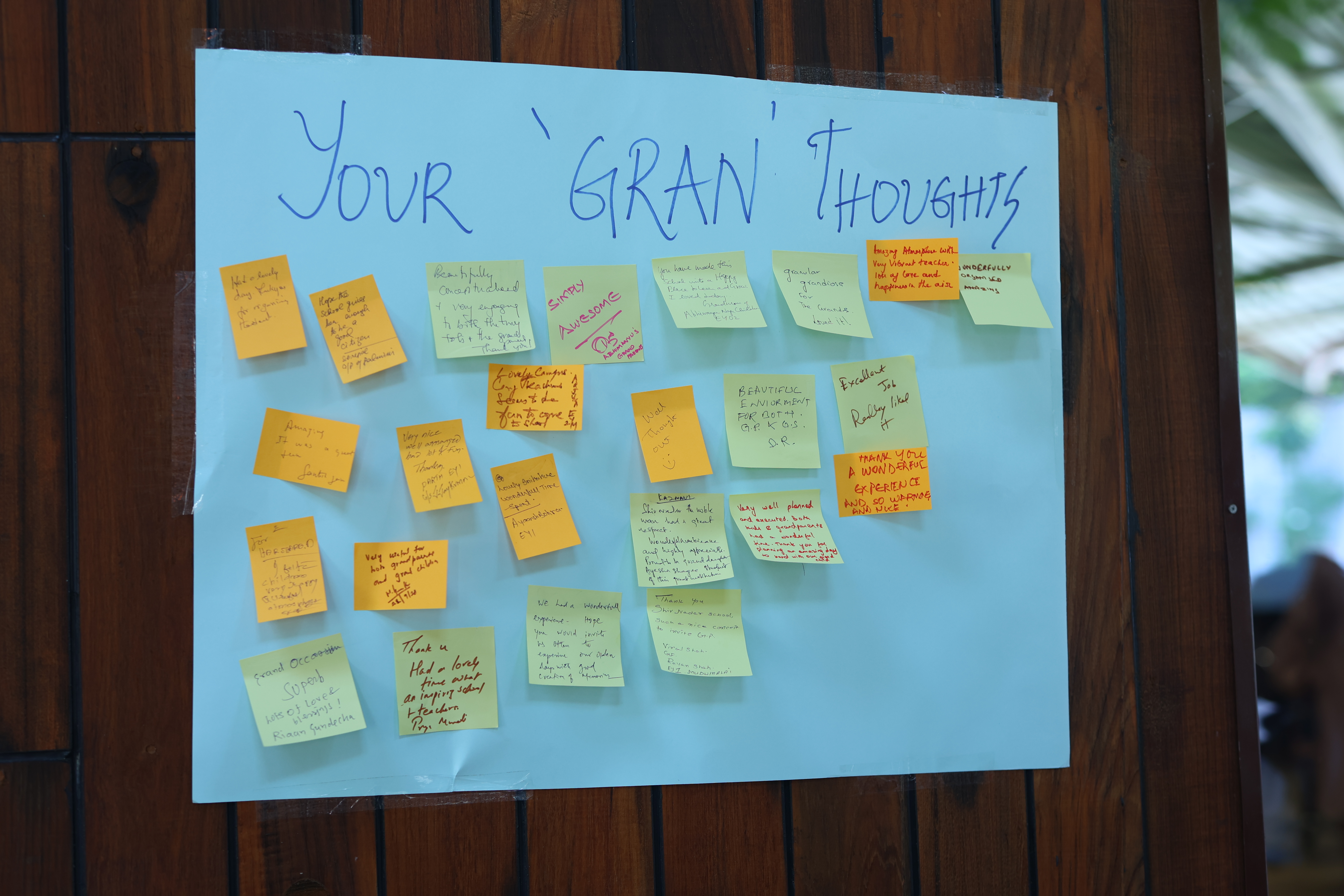
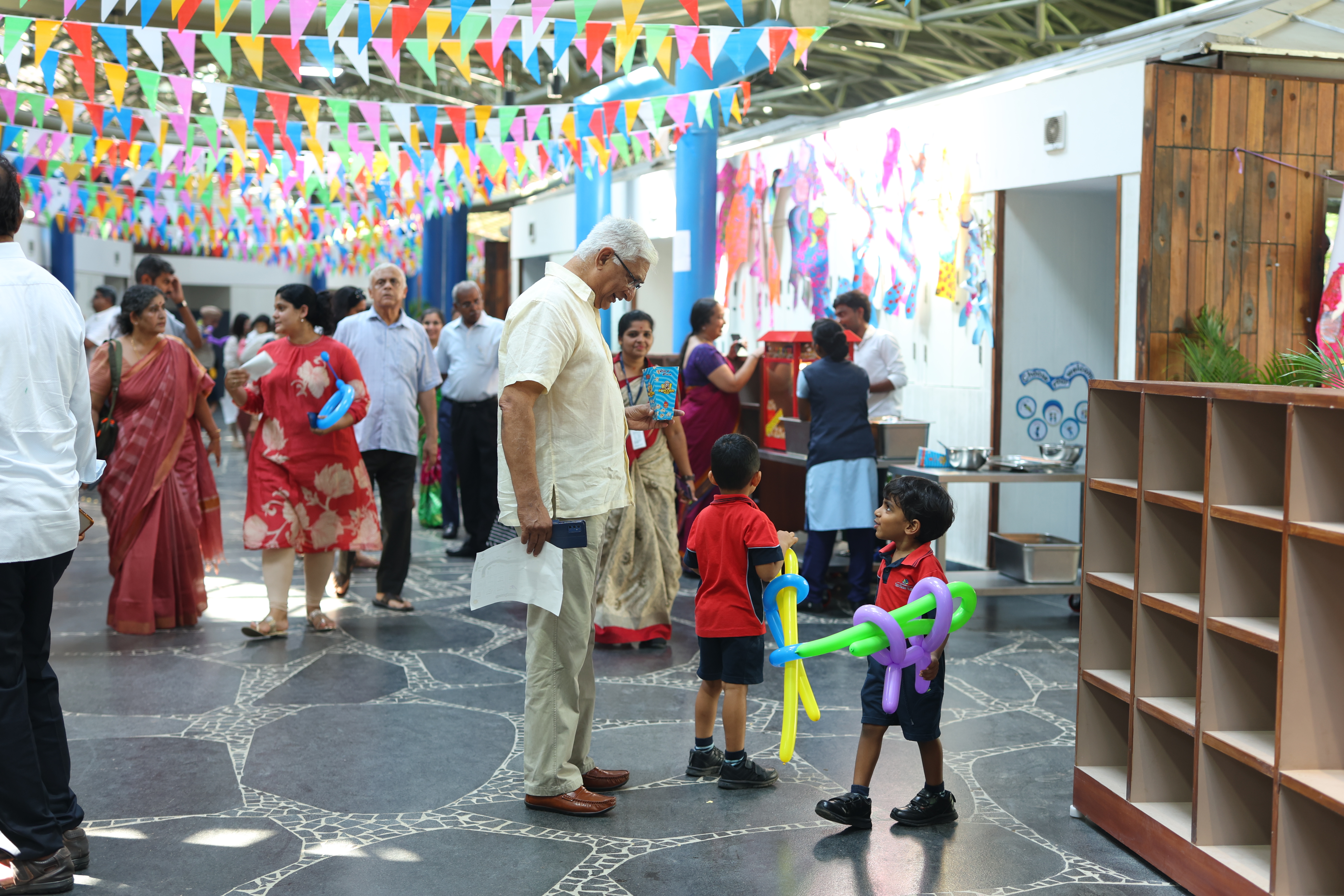
In a day filled with love, laughter, and cherished connections, our recent Grandparents Day Carnival proved to be an unforgettable event. Grandparents and parents alike were welcomed with open arms and radiant smiles as they entered the heart of our school family.

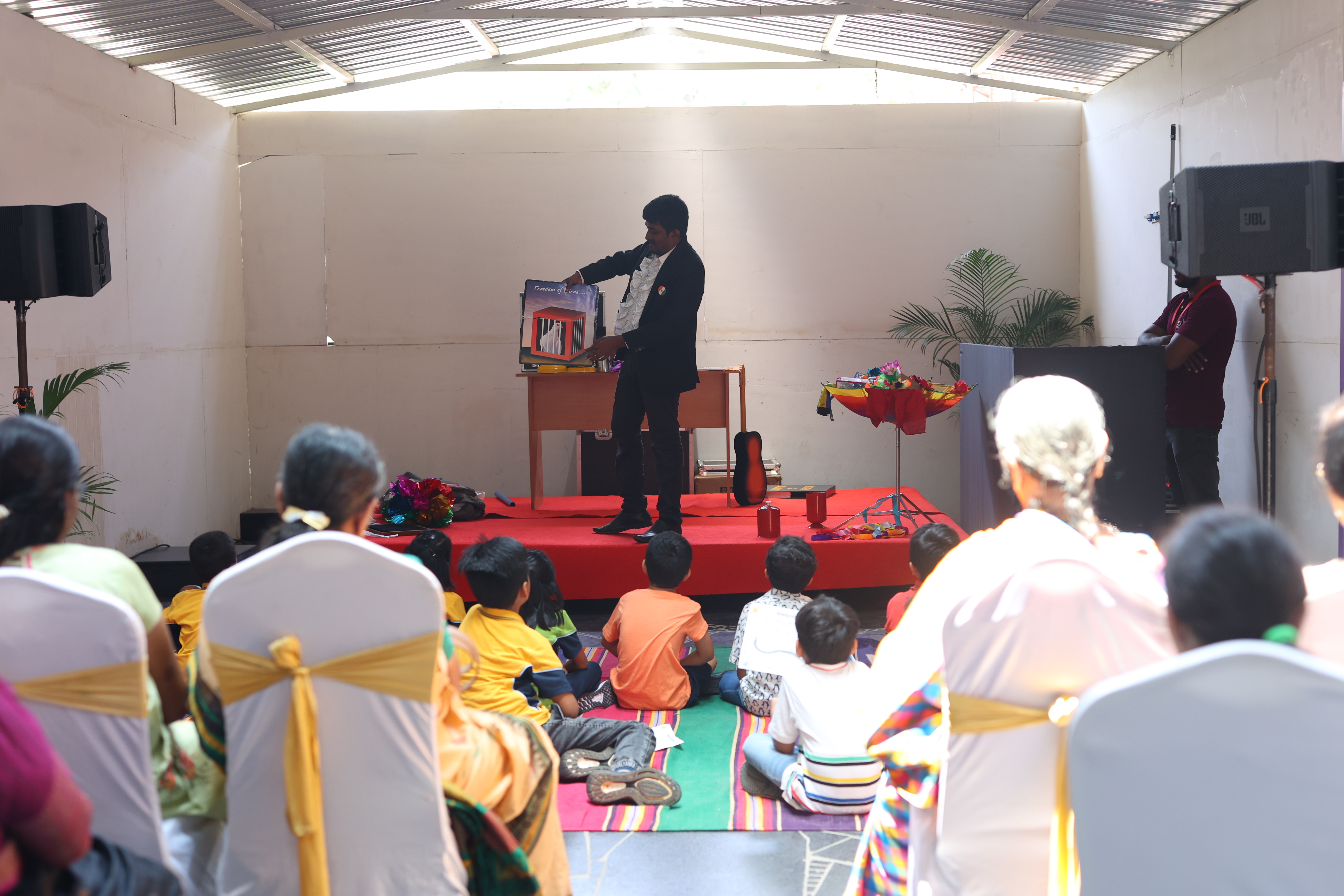
The festivities commenced with a warm reception that set the tone for a day brimming with interactive games and activities thoughtfully prepared for our beloved guests. To kick things off, a mesmerizing magic show captivated all in attendance, ushering in a day that promised both nostalgia and amusement.

Throughout the event, students and their grandparents enjoyed an array of entertaining games, including classics like "Limb to Win," "100 to Win," and "Pin the Tail." These activities brought generations together, fostering shared memories and laughter.

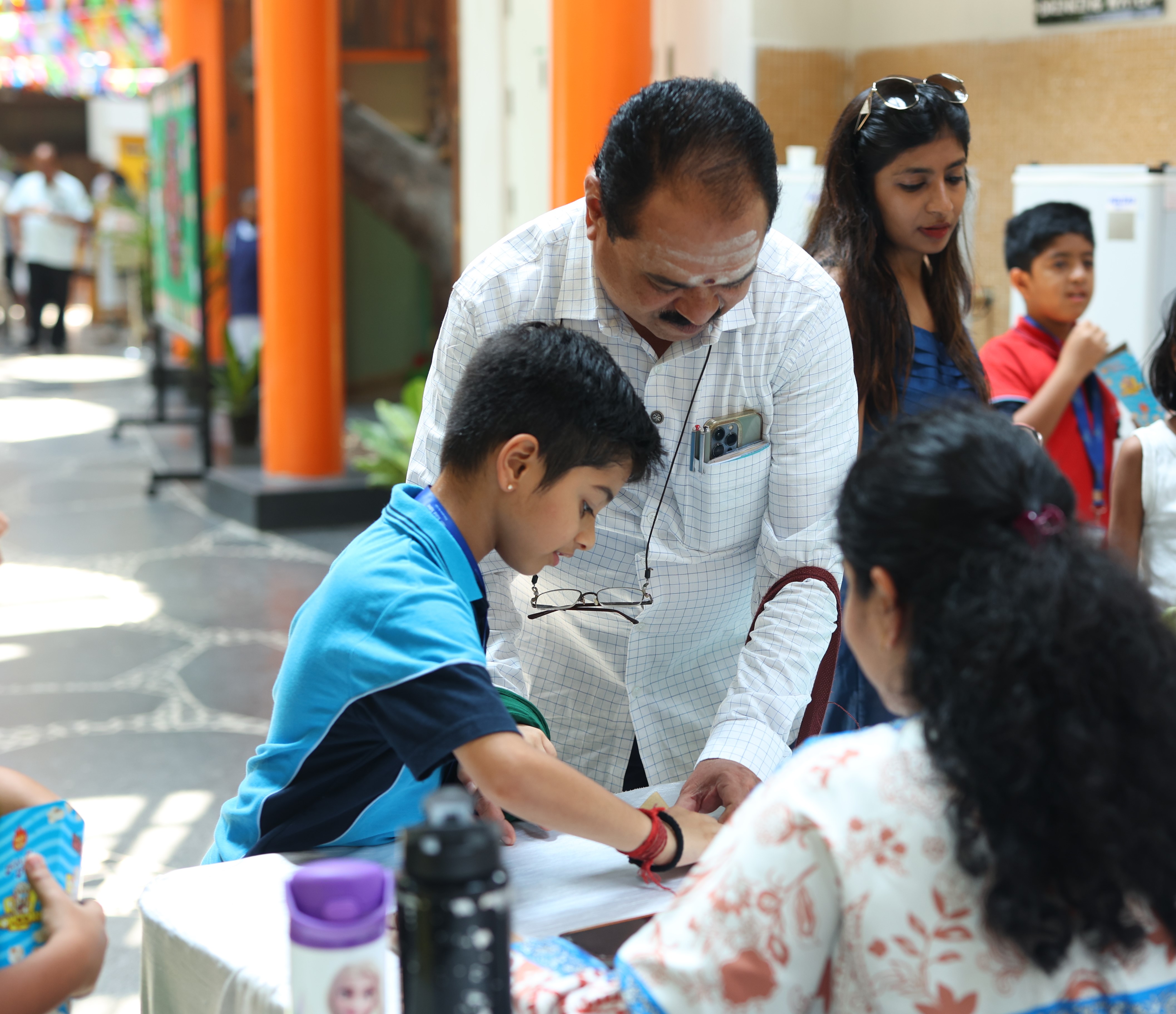
The art corner was a true hit, where students and their grandparents collaborated on crafting beautiful bracelets with an array of colorful beads. At the tattoo corner, matching tattoos became a delightful memento of the day's festivities. And no one left empty-handed, as every child received a special gift from the talented balloon bender!

As the day drew to a close, the departing grandparents left with hearts undoubtedly brimming with joy and faces aglow with the warmth of cherished moments. The bonds strengthened, the laughter shared, and the love exchanged on this special day will forever hold a special place in our hearts.


School Life ,

Celebrating 77 Years of India's Independence with Pride


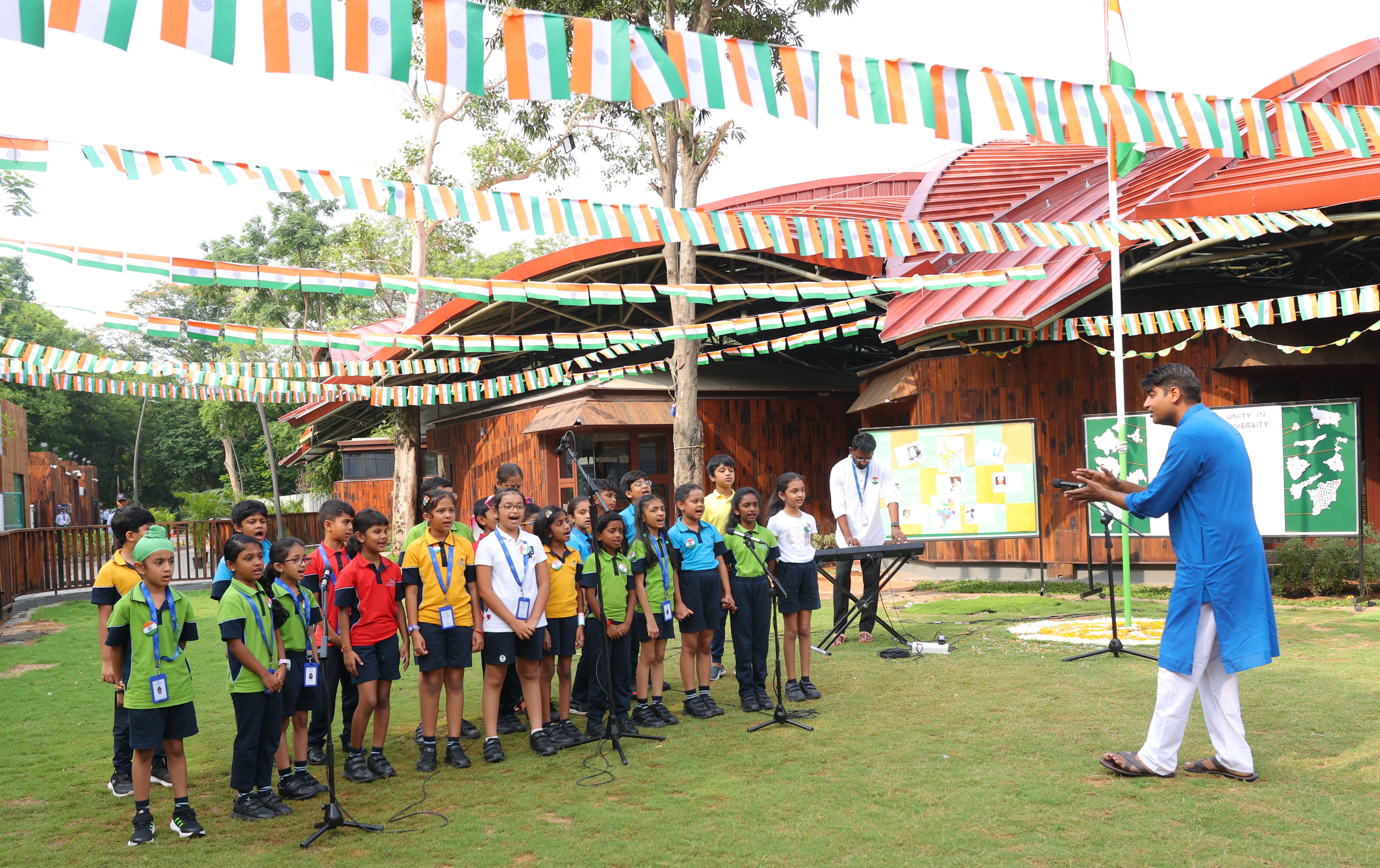
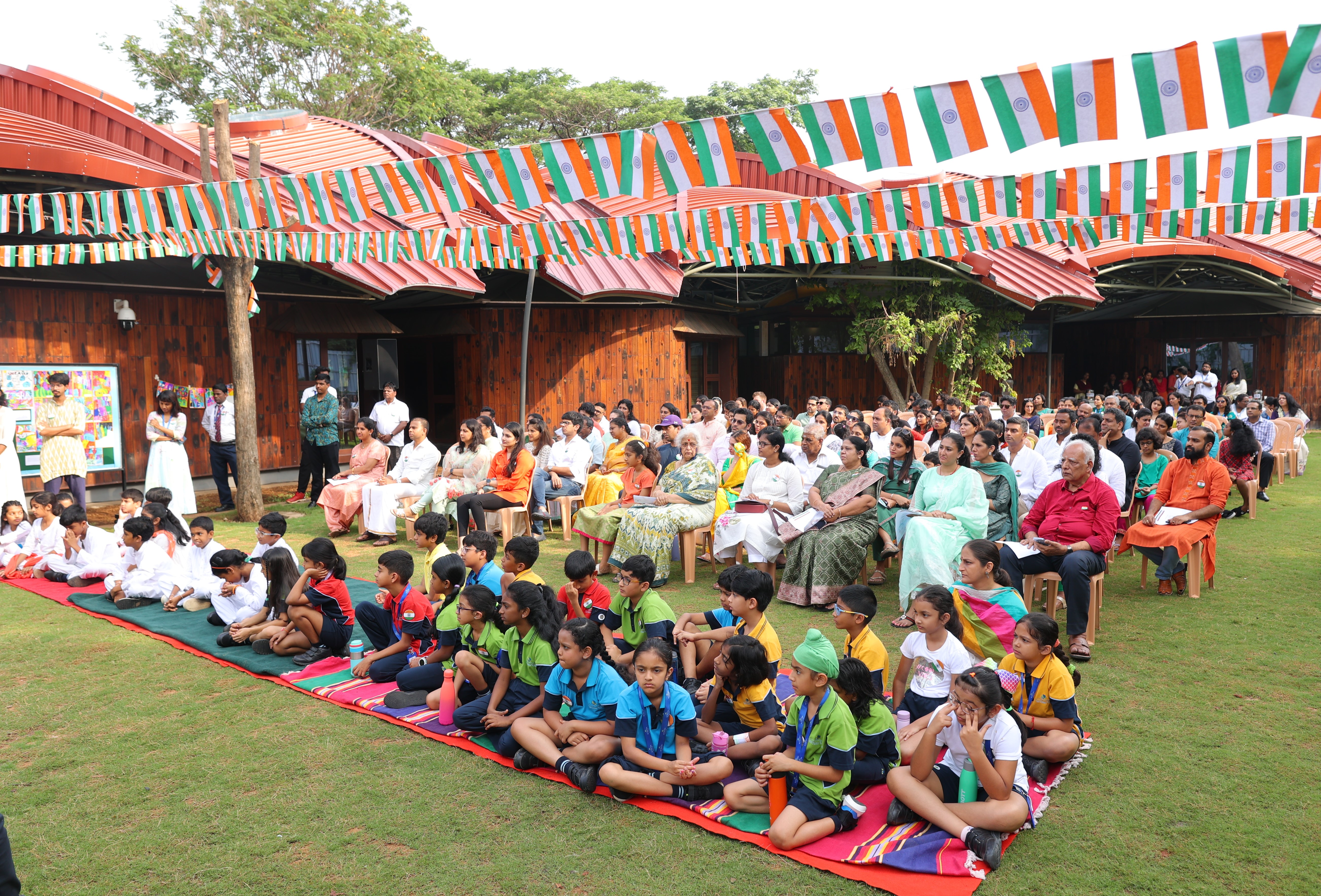
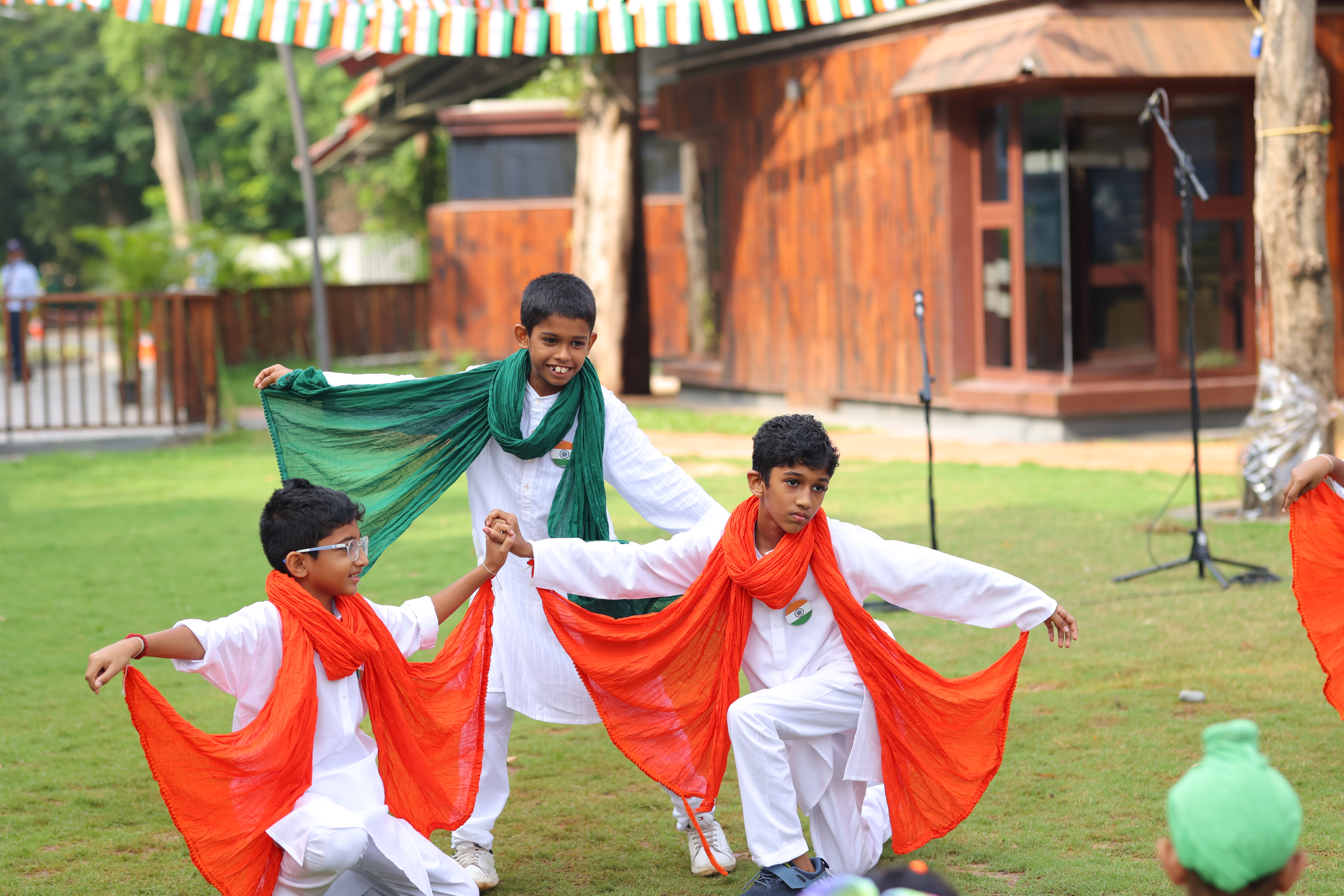
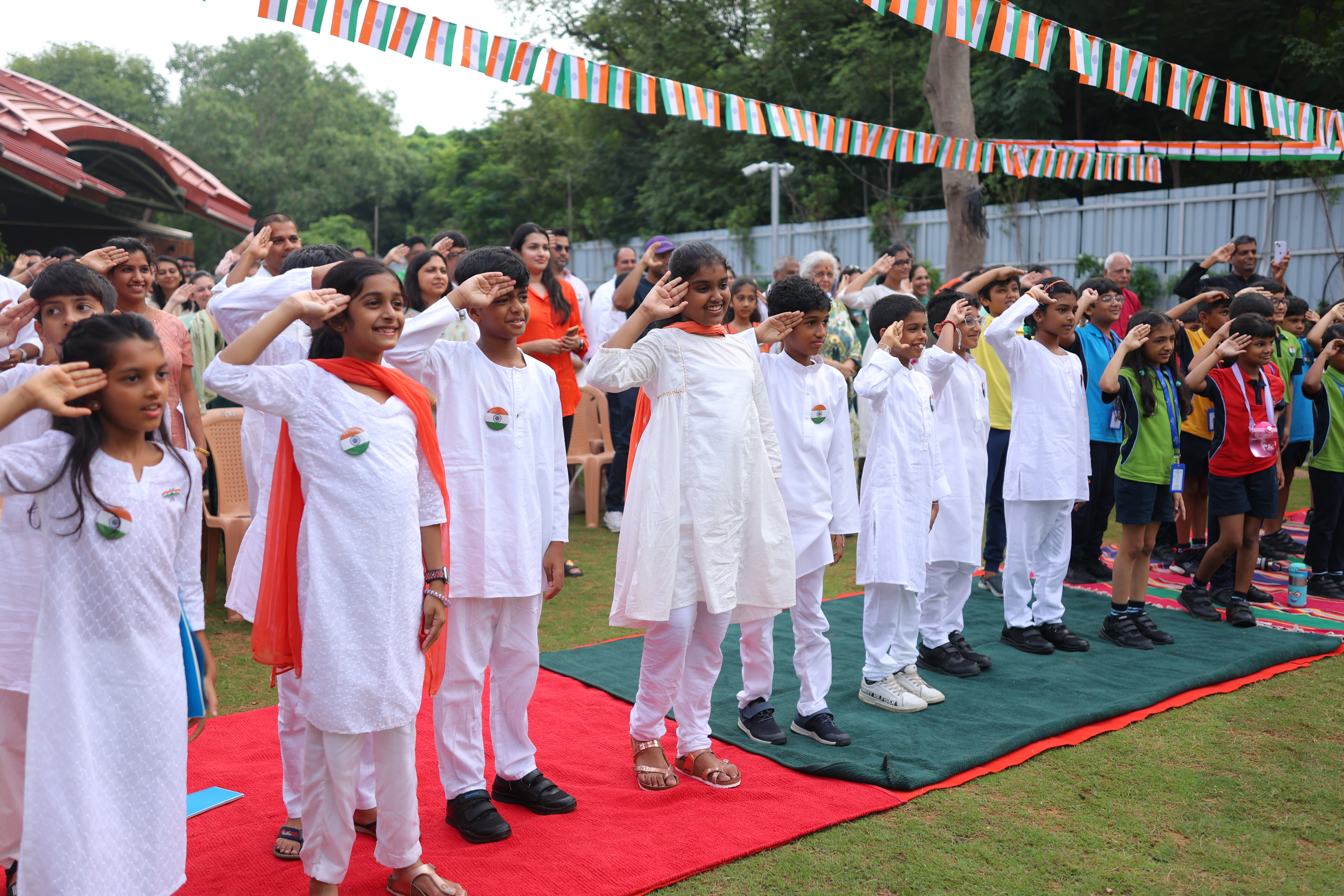
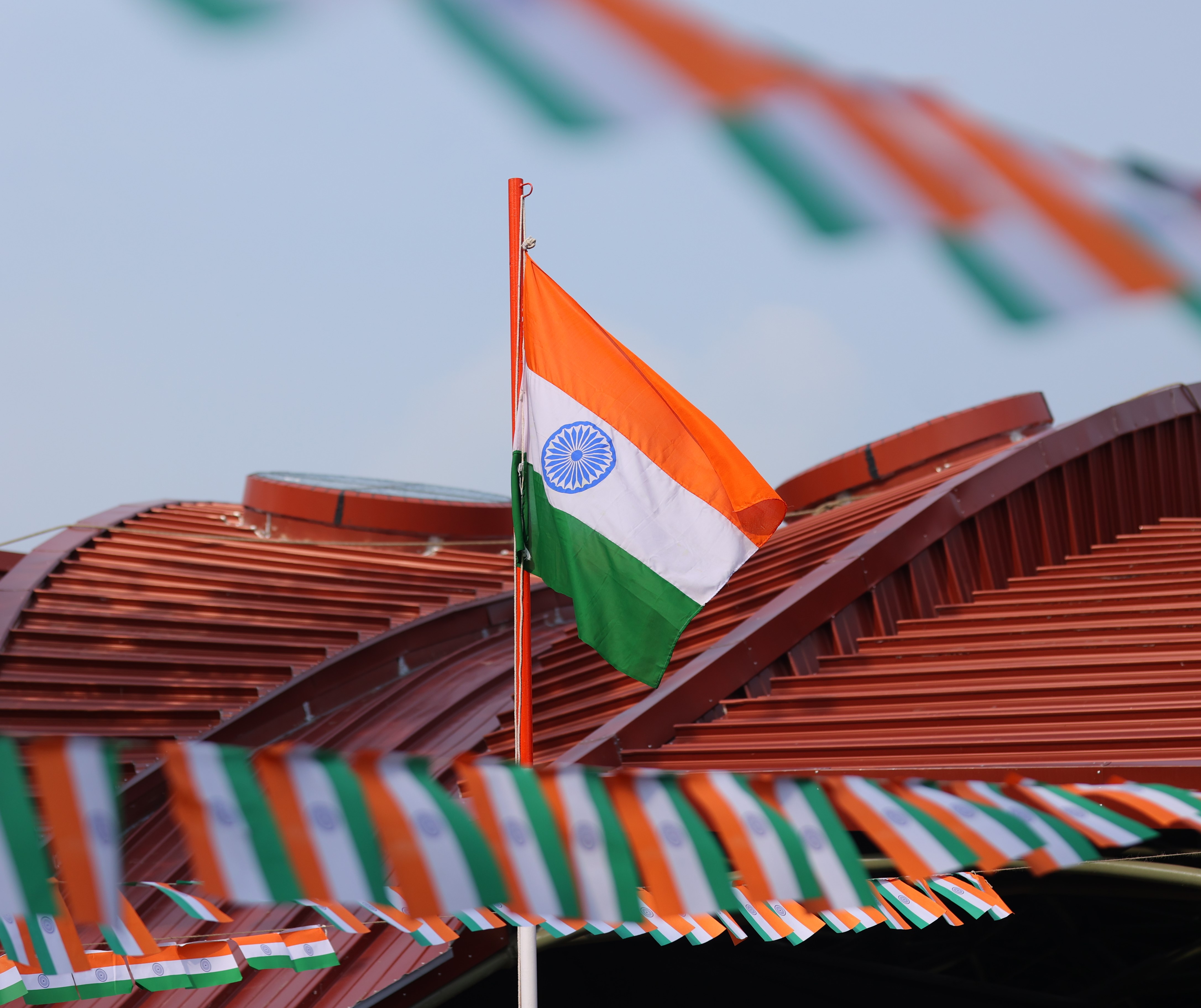
We are thrilled to share the joyous moments we experienced during our 77th Independence Day celebration here at Shiv Nadar School, Chennai. This marked our first major event of the academic year, and it was a heartwarming testament to the spirit of unity and patriotism that thrives within our school community.

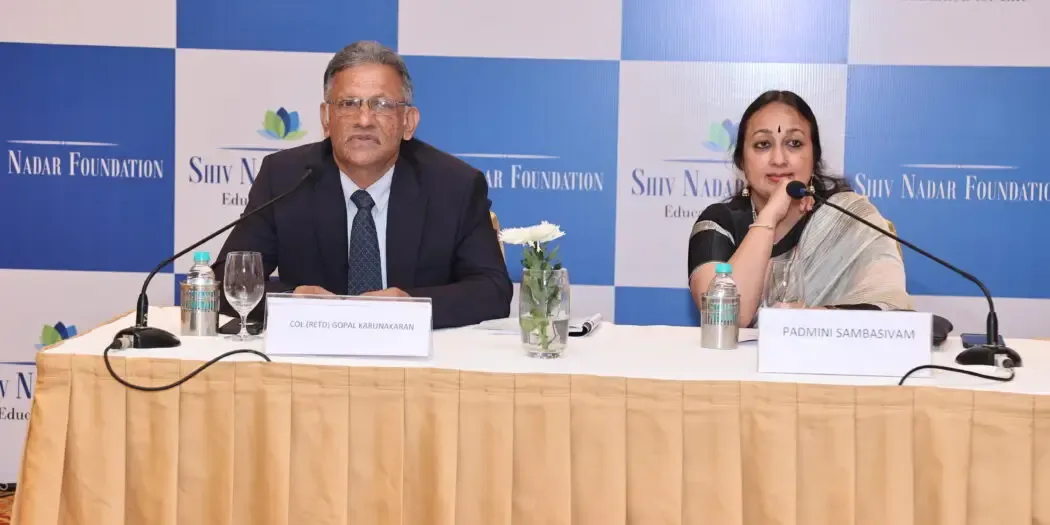
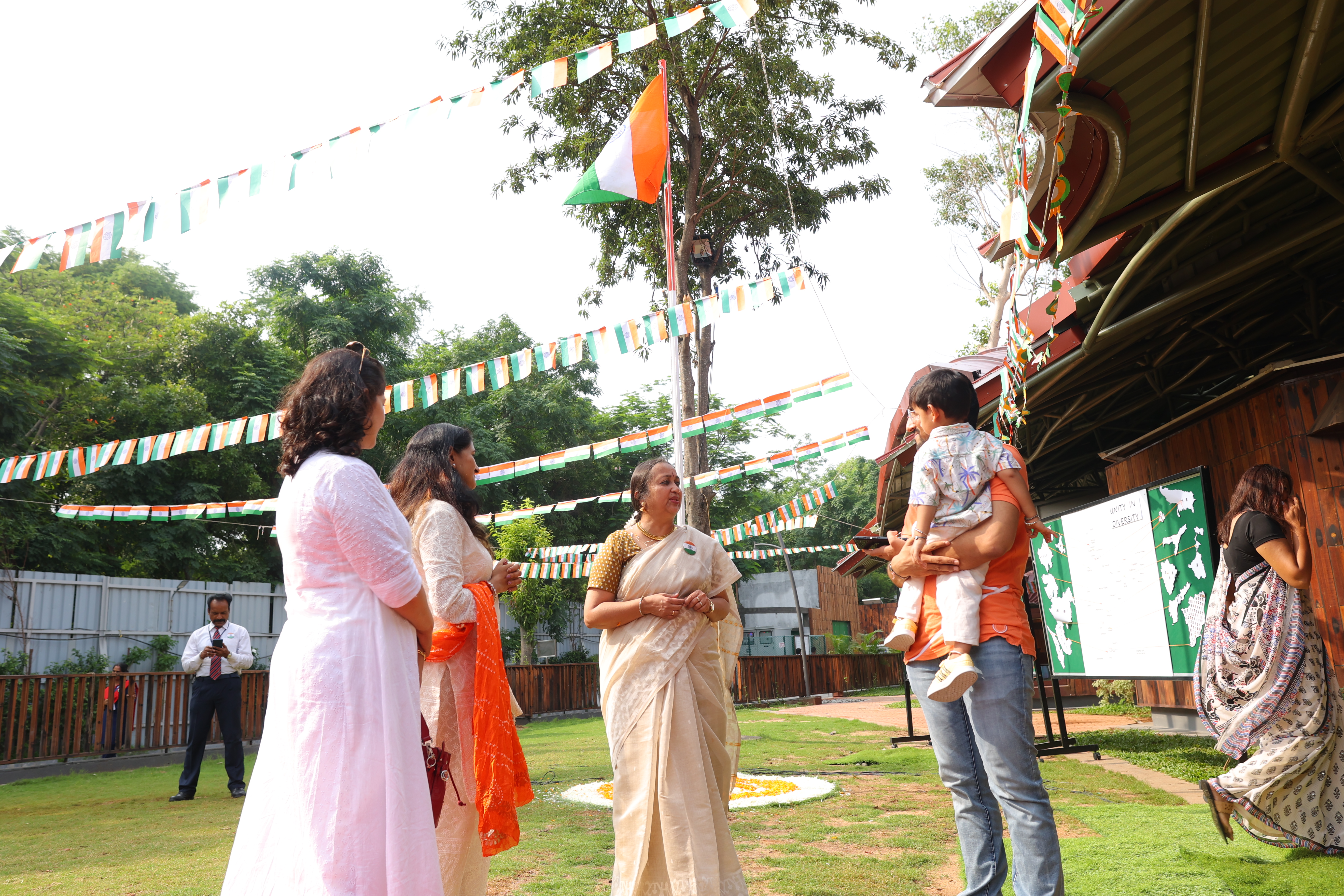
Our Principal, Ms. Padmini Sambasivam’s address set the tone for the day, encapsulating the essence of this historic occasion. Her words resonated deeply with both our students and parents, emphasizing the significance of our shared history and the responsibilities that come with the privilege of being a part of this great nation.

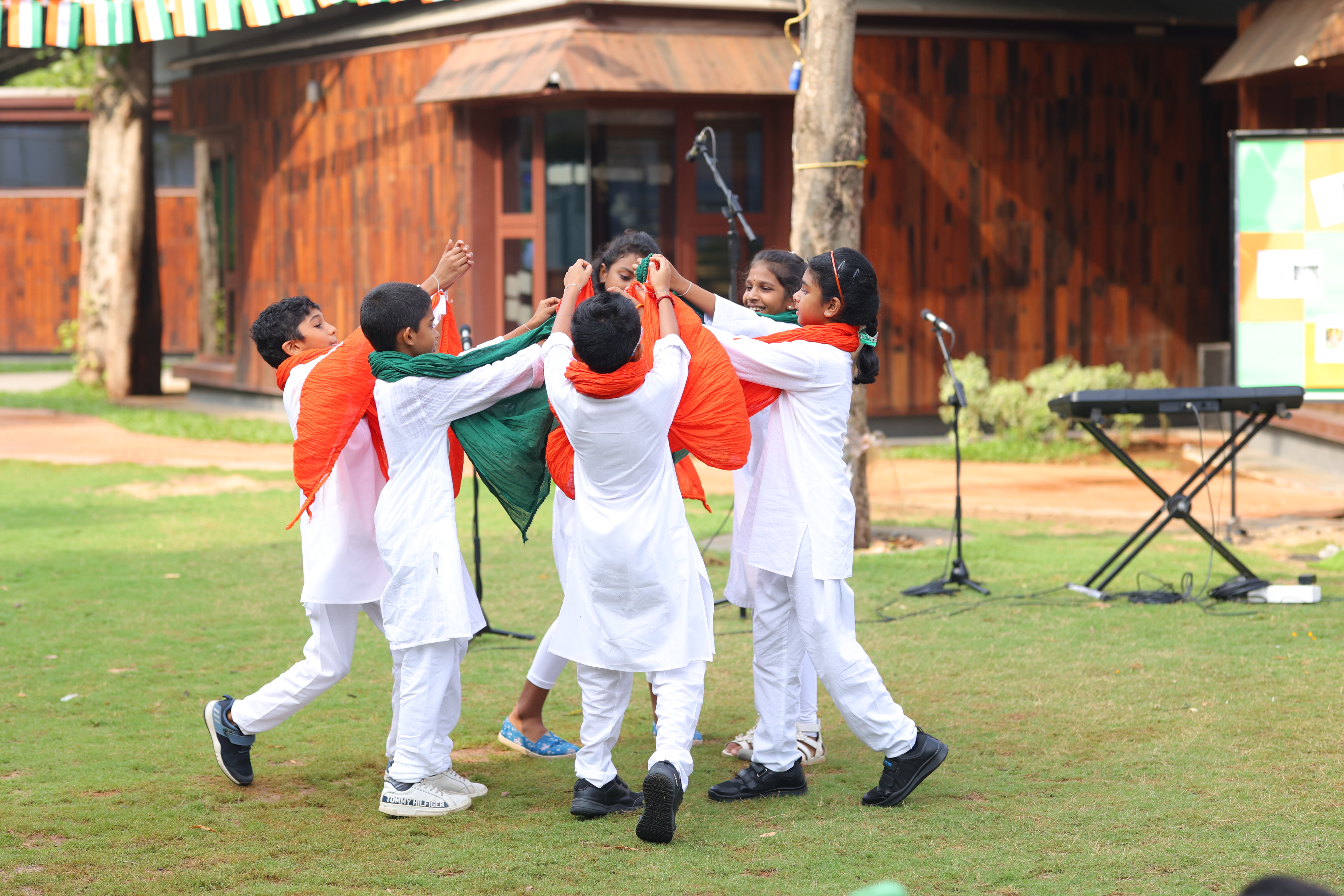
The highlight of the day was undoubtedly the student performances. With a touch of humour that had parents guffawing, our students narrated and enacted the inspiring story of Velu Nachiyar – a brave queen from Tamil Nadu who championed our freedom struggle. The portrayal was not just a performance; it was a vivid depiction of courage and determination that left an indelible mark on everyone present.

The air was charged with patriotism as our young voices echoed through the corridors, singing soul-stirring patriotic songs in three different languages, English, Hindi and Tamil. It was a true representation of the diversity that unites us as Indians. The energy reached a crescendo when our spirited dancers took the stage, capturing hearts with their vibrant moves to the iconic "Jai Ho" song.

The heartwarming part of the celebration was seeing our parents fully immersed in the festivities. As they enjoyed the show, we noticed the warmth of camaraderie filling the atmosphere as parents shared conversations and laughter, strengthening the bonds of our school community.

We extend our heartfelt gratitude to our students, parents, and staff members for making this day so memorable. As we look back on this joyous occasion, let us remember that the spirit of independence lives within each of us.  Let us continue to honor the sacrifices of our forefathers by nurturing the values of freedom, unity, and progress


School Life ,

A Guide to Understanding the IB (DP & MYP) Curriculum

Introduction

Education systems worldwide are redefining conventional teaching strategies to better equip pupils for the complexity of the contemporary world, which is marked by globalisation and rapid technical developments. The International Baccalaureate (IB) leads this transformation in education with a program that encourages more than just academic success. It also supports critical thought, cultural understanding, and respect.

This guide is designed to give you a deep understanding of the IB curriculum, focusing particularly on the Middle Years Programme (MYP)) and the Diploma Programme (DP). There are many benefits of an IB education. We will look at the structure of MYP and DP. We will also look at how both programs are different and how the IB prepares students for them. Whether your role is that of an instructor, parent, or student, this blog will provide insightful analysis of how the IB promotes the growth of well-rounded, informed, and compassionate global citizens.

IB as a Curriculum and Its Global Acceptance

The International Baccalaureate Programme was first developed in Geneva, Switzerland, in 1968. This programme was primarily designed for the students who moved between countries with a uniform, high-quality education. IB has expanded greatly within the last 50 years. It is being provided at about 5,000 institutions across more than 150 countries. The great adoption of this program indicates that it satisfies the demands of a society that is becoming more and more linked by technology.

At the core of the IB's success is its global framework. The curriculum incorporates international points of view into its teaching and learning strategies, therefore transcending conventional limits of education. This method guarantees that pupils are not only learning but also growing in awareness of many civilisations and world problems.

The IB curriculum is well recognised and credited by colleges worldwide. Many colleges of higher education appreciate the IB diploma's depth and breadth of study as well as the critical thinking and research skills students acquire. Sometimes, institutions honour the demanding aspect of the curriculum by offering advanced placement or credits to IB graduates.

Moreover, the IB's focus on developing qualities like critical thinking, open-mindedness, and moral behaviour fits the skills needed in today's workforce. Companies understand that IB graduates are typically ready for the rigours of the contemporary workplace and capable of working together across disciplines and cultures.

Advantages of an IB Education

Selecting an IB education has several advantages outside of just intellectual development. Here are several main benefits:

  • Holistic Development: The IB curriculum is meant to grow an individual holistically. It fosters ethical, emotional, and physical development by juggling extracurricular activities with classroom learning.
  • International-mindedness: The IB invites students to examine problems from many angles, promoting empathy and understanding. This international-mindedness develops :global citizens who are able to negotiate in many cultural settings.
  • Strong Academic Foundation: The DP curriculum: calls for students to research disciplines spanning six areas, including languages, social sciences, experimental sciences, mathematics, and the arts. This guarantees a complete education and the capacity to make links between many fields.
  • Critical Thinking Skills: Through components such as Theory of Knowledge and the Extended Essay, students improve their capacity for critical information analysis, argument development, and introspection.
  • Research and Writing Proficiency: In higher education, the research techniques and academic writing abilities developed by the Extended Essay and other tests are extremely valuable.
  • Language Acquisition: Learning a second language improves cognitive skills and cultural understanding, therefore preparing pupils for a multilingual global society.
  • Community Engagement: The DP's CAS (Creativity, Activity, Service) component inspires students to interact with their local communities, therefore fostering leadership qualities and social responsibility.
  • Adaptability and Resilience: The demanding character of the IB courses teaches pupils organisation, time management, and endurance.
  • Global Education Recognition: Recognised as an international certification, the IB diploma helps students who may choose to study overseas by providing flexibility. It also helps them in university admissions.

Framework

The IB curriculum is designed to provide learning continuity across three programs:

  • Primary Years Program (PYP) for pupils ranging in age from 3 to 12.
  • Middle Years Program (MYP), which is for 11 to 16-year-olds.
  • Program for Diploma Awards (DP): For 16 to 19 year olds.

The guide will concentrate on the two important phases of secondary school: the MYP and the DP curricula.

Middle Years Programme (MYP)

The MYP curriculum is a rigorous structure that inspires students to establish practical connections between their studies and their surroundings. It encourages students to connect the real world with traditional courses and prioritises intellectual challenges.

Key features of the MYP include:

  • Subject Groups: The MYP consists of eight subject areas: Language Acquisition, Language and Literature, Individuals and Societies, Sciences, Mathematics, Arts, Physical and Health Education, and Design.
  • Global Contexts: These structure learning in significant ways and provide common points of entry for enquiries about what it means to be globally focused.
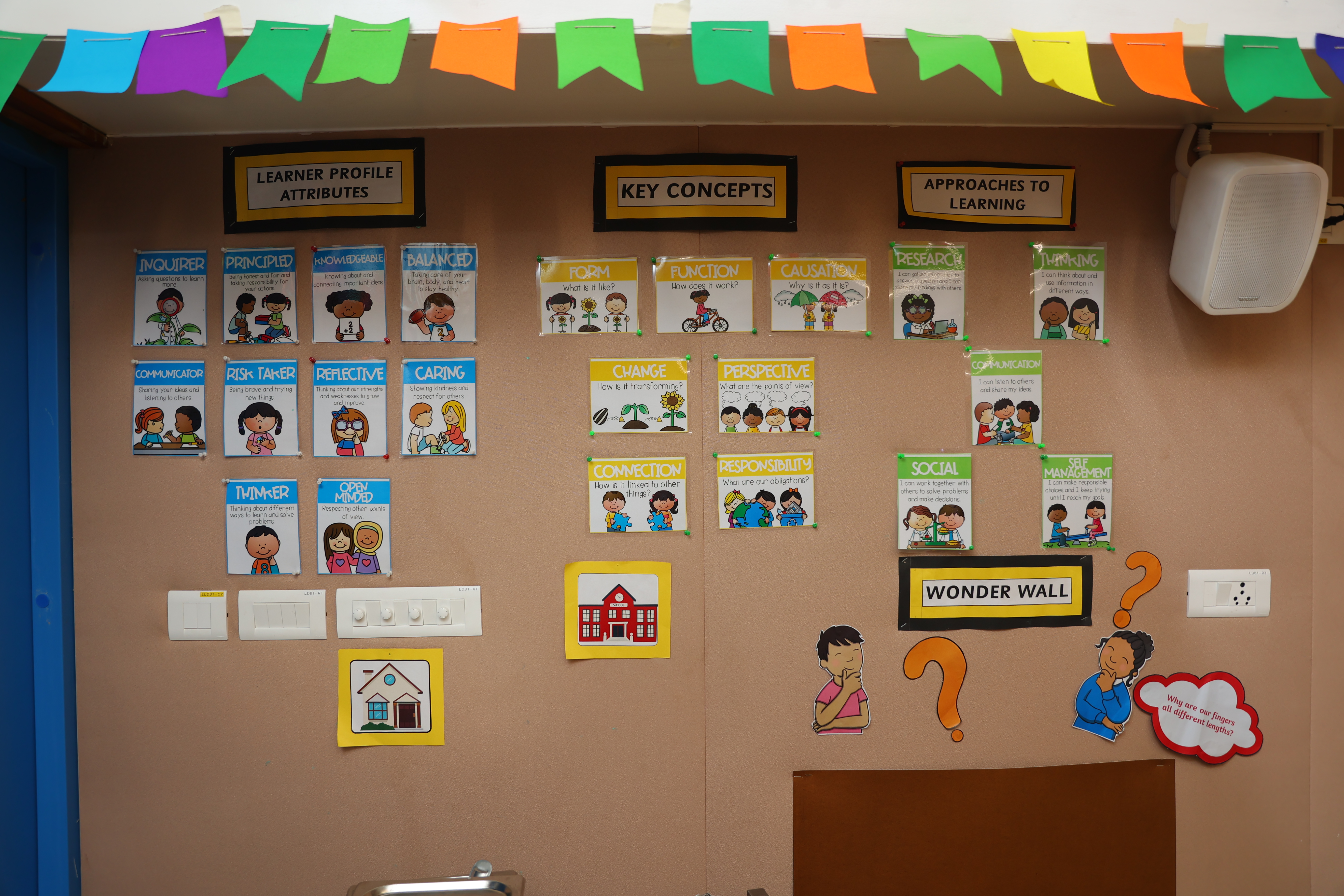
  • Approaches to Learning (ATL): These are skills including communication, social, self-management, research, and thinking that allow students to "learn how to learn."
  • Service as Action: Students inspire awareness and responsibility by helping others in society.
  • Personal Project: In their final year of the MYP, students work on a significant project that showcases their ability for independent research and demonstrates their acquired skills.

Diploma Programme (DP)

The DP curriculum is a two-year comprehensive and balanced course finishing in final examinations. It aims to provide students with a great depth of knowledge. Notable components include:

Six Subject Groups: Students choose courses from six topic categories to guarantee a range of knowledge. Studies in Language and Literature, Language Acquisition, Individuals and Societies, Sciences, Mathematics, and the Arts include these categories.

  • Three Core Elements:
    • Theory of Knowledge (TOK): An interdisciplinary course exploring the nature of knowledge across disciplines.
    • Extended Essay (EE): An independent, self-directed piece of research culminating in a 4,000-word paper.
    • Creativity, Activity, Service (CAS): It helps the students to engage in artistic pursuits, community service, and sports.
  • Assessment: The DP uses a variety of assessment techniques to measure student achievement against well-defined criteria. These include internal assessments (coursework) and external assessments (exams).

The DP curriculum is designed to be academically challenging and prepare students for university-level education. The combination of subject depth and the development of critical thinking skills makes IB graduates highly sought after by universities.

Transition from MYP to DP

The transition from the MYP curriculum to the DP curriculum represents a turning point in a student's academic career. The MYP lays the basis by developing basic skills and attitudes the DP polishes even further.

Preparation through MYP:

  • Skill Development: The MYP's emphasis on the Approaches to Learning gives students self-management, communication, and research tools.
  • Conceptual Understanding: Students grow to grasp important ideas that the DP revisits and expands upon.
  • Personal Project Experience: Completing the MYP Personal Project, like the Extended Essay in the DP, gives students practice in independent research.
  • Interdisciplinary Learning: The MYP's multidisciplinary courses equip students for the integrated character of the Theory of Knowledge course.

Challenges in Transition:

  • Increased Academic Rigour: With more homework and tests, the DP expects a better degree of critical thinking and analysis.
  • Time Management: Managing the demands of six studies plus the fundamental elements calls for good time management.

Support Strategies:

  • Orientation Programmes: Orientation programs offered by schools assist students in grasping DP expectations.
  • Mentorship: Giving pupils mentors or advisers will enable them to negotiate the growing pressures.
  • Skill Workshops: Providing courses on study techniques, essay writing, and research methods helps to smooth the change.

Understanding the connection between the MYP and DP will help students to use their past knowledge and face the DP with confidence.

Real World Application

The International Baccalaureate Program stands out for stressing the need to use knowledge in practical contexts. The IB understands that students should be ready to handle world issues and that education ought to go beyond the classroom.

Global Contexts and Issues:

  • Environmental Sustainability: Subjects include talks on environmental sustainability, therefore motivating pupils to think about how their actions could affect the surroundings.
  • Cultural Understanding: Through language studies and humanities, pupils investigate several civilisations, therefore developing respect and empathy.
  • Ethical Considerations: Classes such as TOK and CAS inspire students to examine ethical questions, therefore strengthening their moral framework for guiding their decisions.

Community Engagement:

  • Service Learning: Service learning calls on students to participate in community service, using their talents to help others—both the MYP and the DP.
  • CAS Projects: Students work on CAS Projects, which integrate creativity, action, and service. Examples include planning environmental campaigns or community events.

Getting ready for world careers:

  • Interdisciplinary Approach: Integration of knowledge across disciplines helps students to be ready for professions demanding creative problem-solving.
  • Language Skills: Mastery of other languages creates prospects in non-governmental organisations, diplomacy, and international business.
  • Research Skills: Emphasising independent research helps pupils be ready for occupations that require analytical and inquisitive skills.

Technological Literacy:

  • Integration of Technology: The IB promotes the use of technology as a tool for learning and communication, therefore arming pupils for a digital world.
  • Digital Citizenship: Students study digital citizenship—that is, responsible technology usage and how digital media affects society.

Case Studies and Hands-on Experience:

  • Scientific Experiments: Practical experiments help students grasp scientific ideas and approaches.
  • Business Simulations: In courses like business management and economics, students participate in simulations reflecting actual market dynamics.

Worldwide Problems and Solutions:

  • Extended Essay Subjects: Many times, students choose subjects that touch on world affairs, therefore fueling scholarly debates and possible answers.
  • TOK Debates: Through careful examination of knowledge claims, students develop to negotiate difficult problems with nuanced awareness.

By means of these experiences, the IB curriculum guarantees not only knowledge but also the ability of applying learning to contribute significantly to society.

Conclusion

All things considered, the International Baccalaureate presents a transforming learning environment ready for the challenges of contemporary society. By stressing a global framework, encouraging the growth of global citizens, and including practical applications in its courses, the IB produces students who are informed and ready for a dynamic world.

The path across the MYP curriculum and DP curriculum gives students the tools and attitudes they need to succeed in future professions and further education. The IB's all-encompassing approach guarantees that graduates have not just high intellectual ability but also possess the critical thinking skills, cultural awareness, and ethical roots required to negotiate and help to shape a linked global society.

Selecting the IB is an investment in global education that opens doors to endless possibilities. It motivates pupils to make a difference in the world and helps them to realise their true potential.

2024-10-16

590+

Students

1:9

Teacher Student Ratio

Nur – VIII

Grades

  • IB PYP Authorised and
    MYP Candidate School*

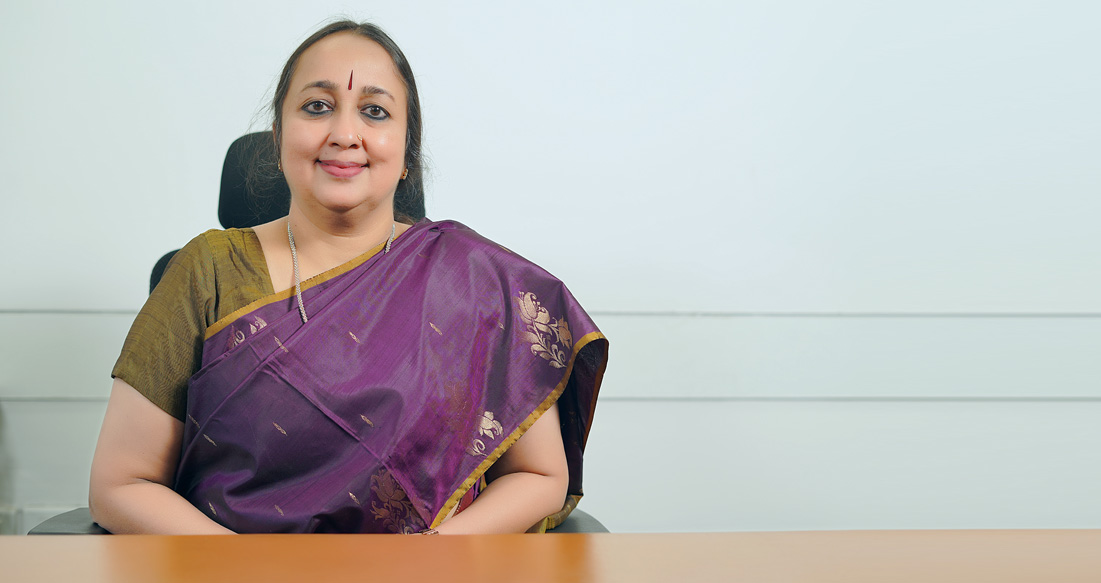
    Principal's MessagePadmini Sambasivam

    Greetings from Shiv Nadar School, Chennai!

    “The highest education is that which does not merely give us information but makes our life in harmony with existence.” – Rabindranath Tagore

    It is no secret that we are at the forefront of one of the most exciting and promising moments in history. Explosion of information coupled with breathtaking advances in technology and Globalization of markets have thrown open opportunities for growth and prosperity.

    Anandam 2025 | Journey Across Borders

    Campus ecology

    Nature holds the key to our aesthetic, intellectual, cognitive, and even spiritual satisfaction. – Dr. Edward O. Wilson

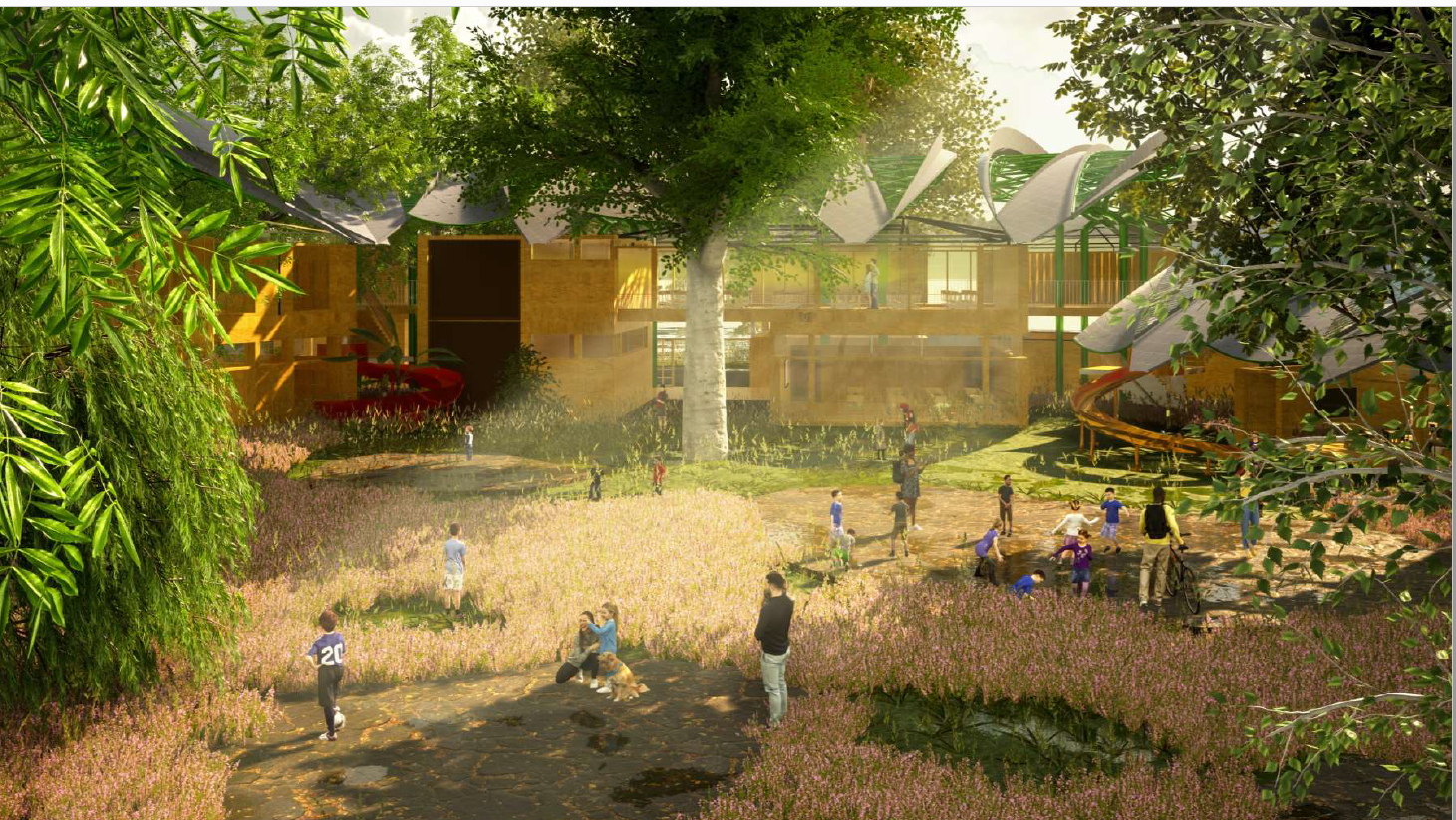
    As parents, we wish our children to grow into curious learners, independent thinkers, and mindful individuals. And no better avenue to ensure this than the Shiv Nadar School, Chennai, with its natural surroundings.

    Research has proven that closeness to nature can profoundly impact a child’s physical and emotional well-being and cognitive understanding. Calm surroundings stimulate the senses and create a context to bring out the most creative forms of self-expression.

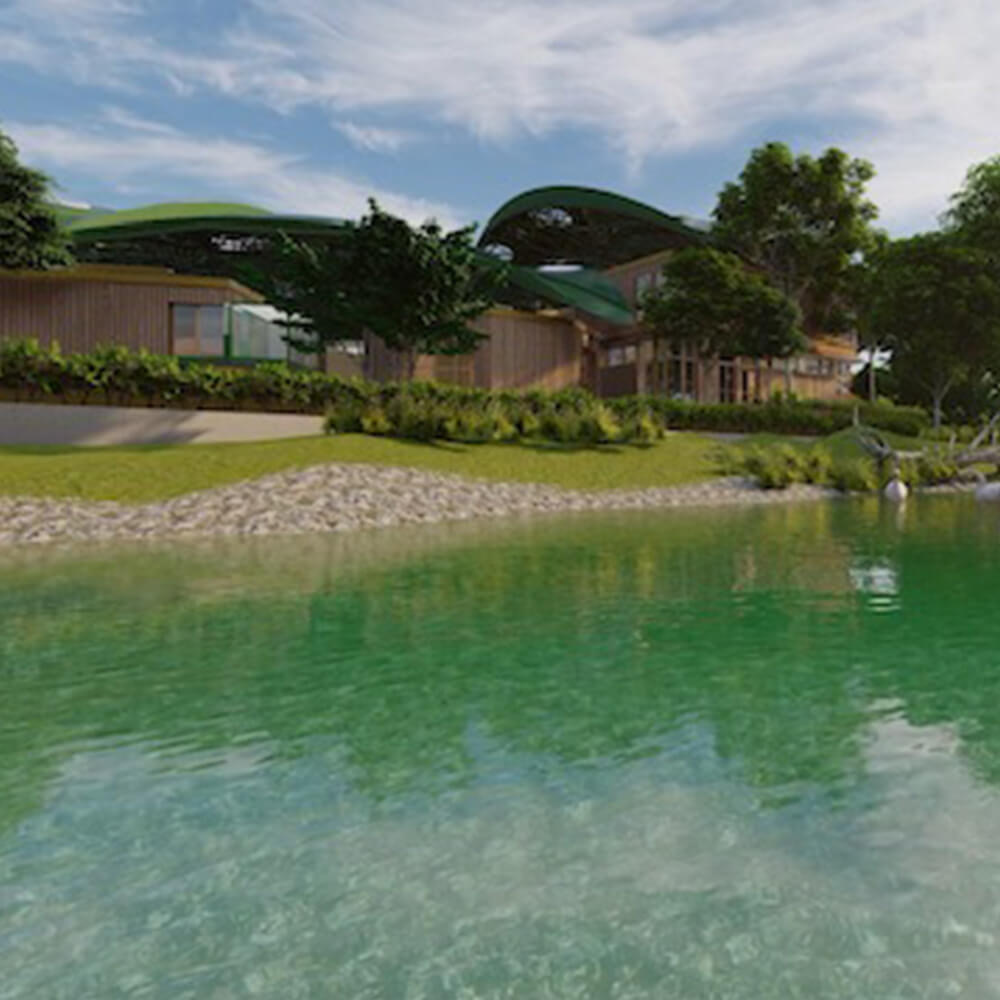
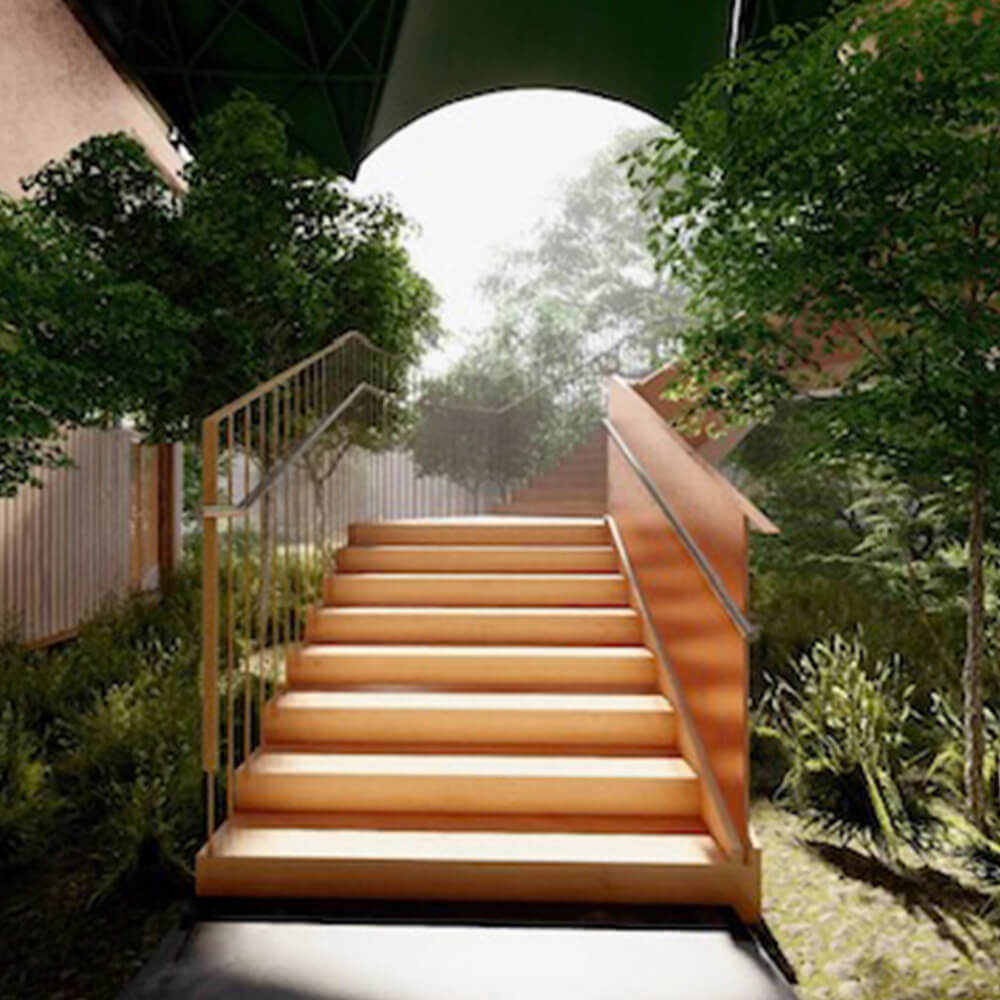
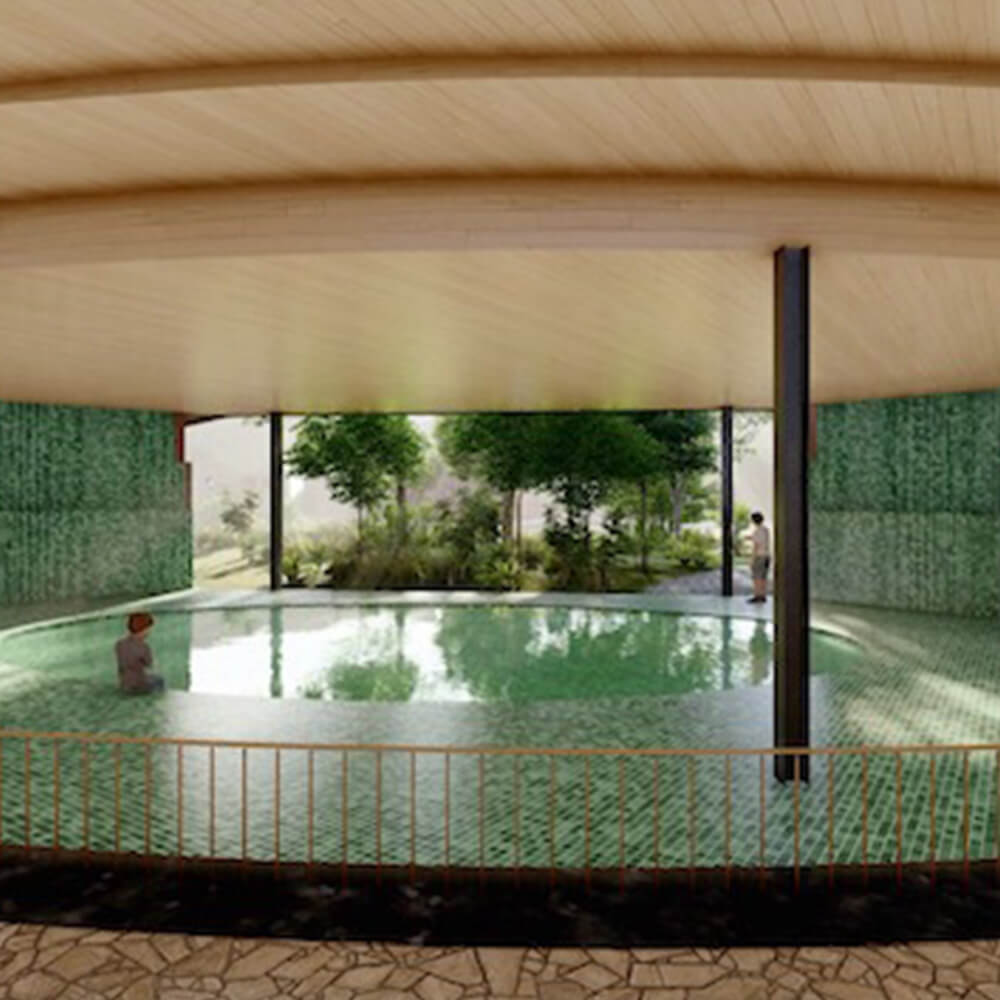
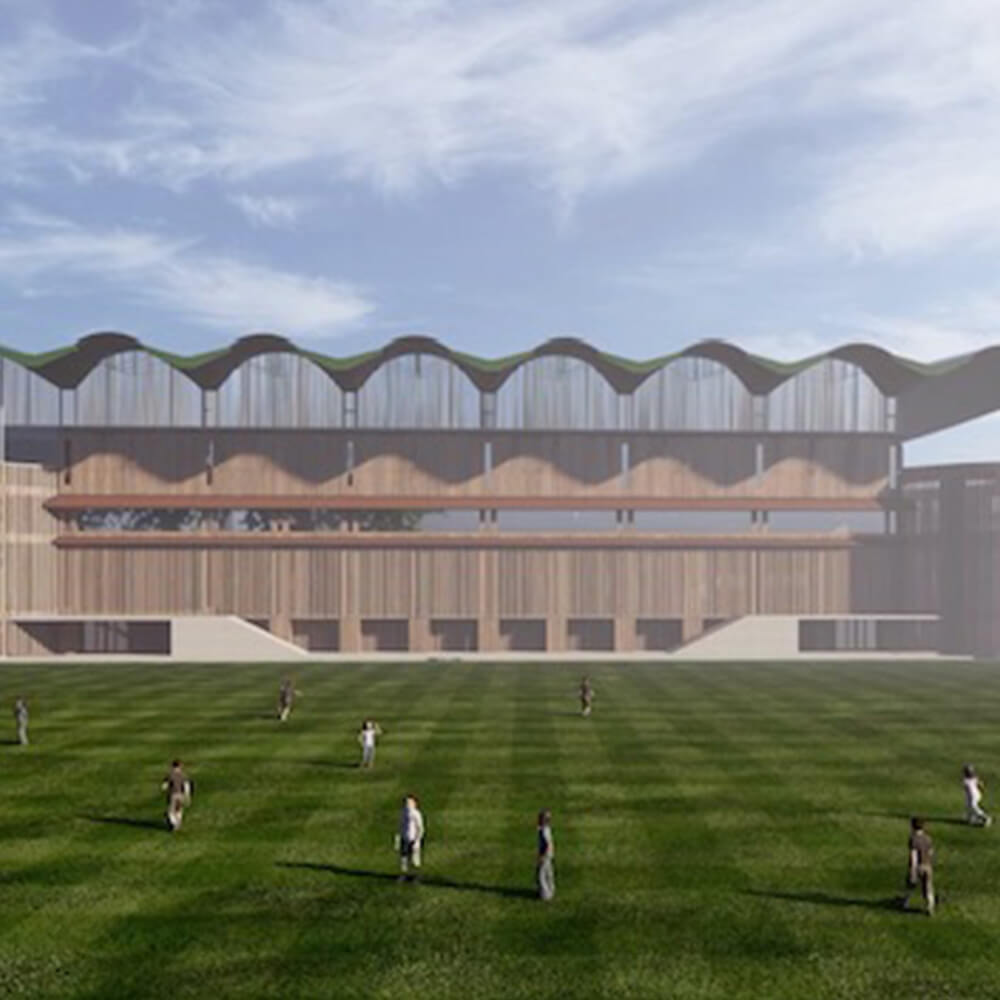
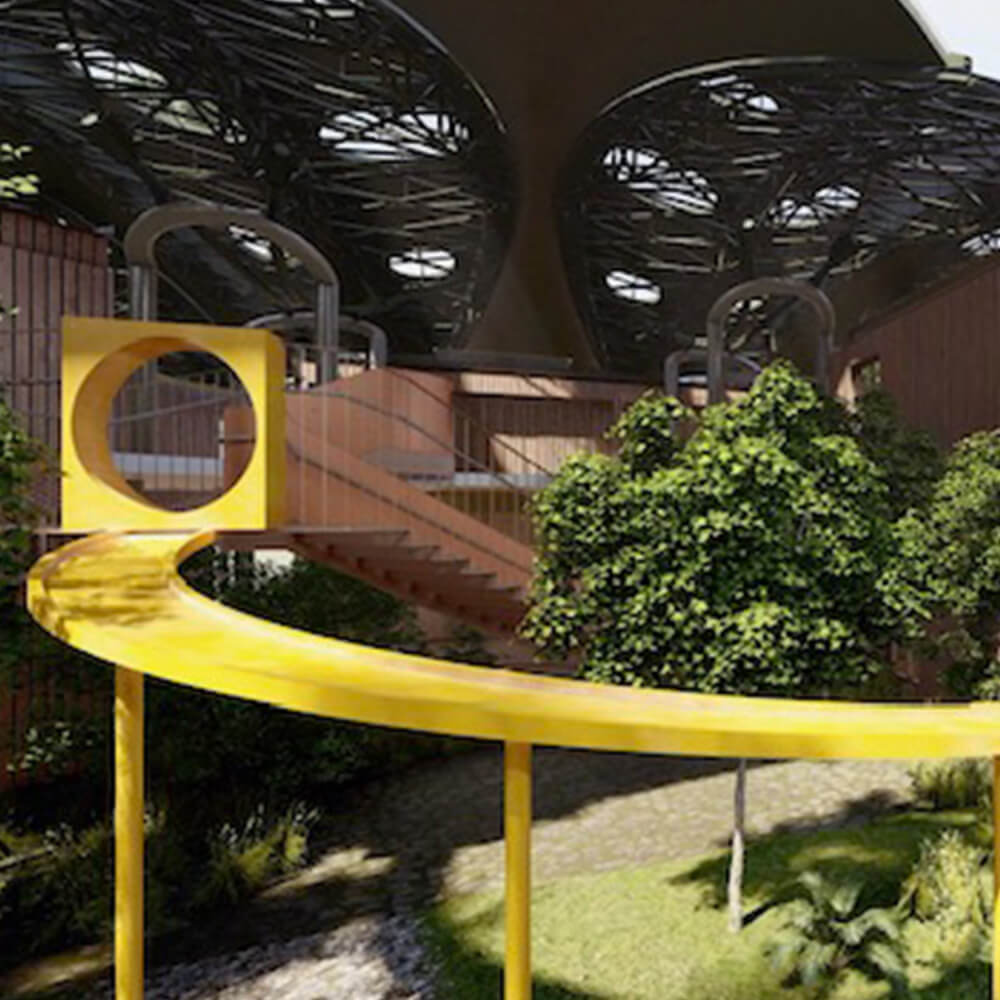
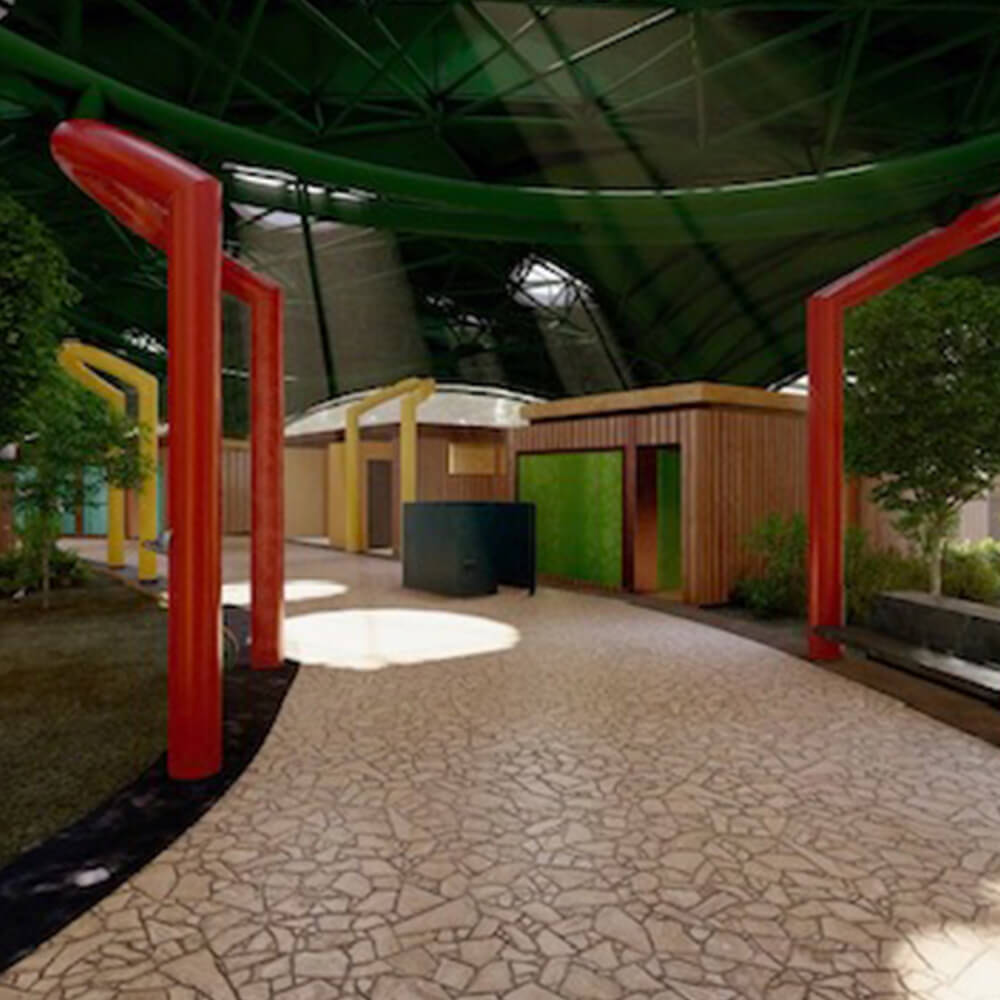
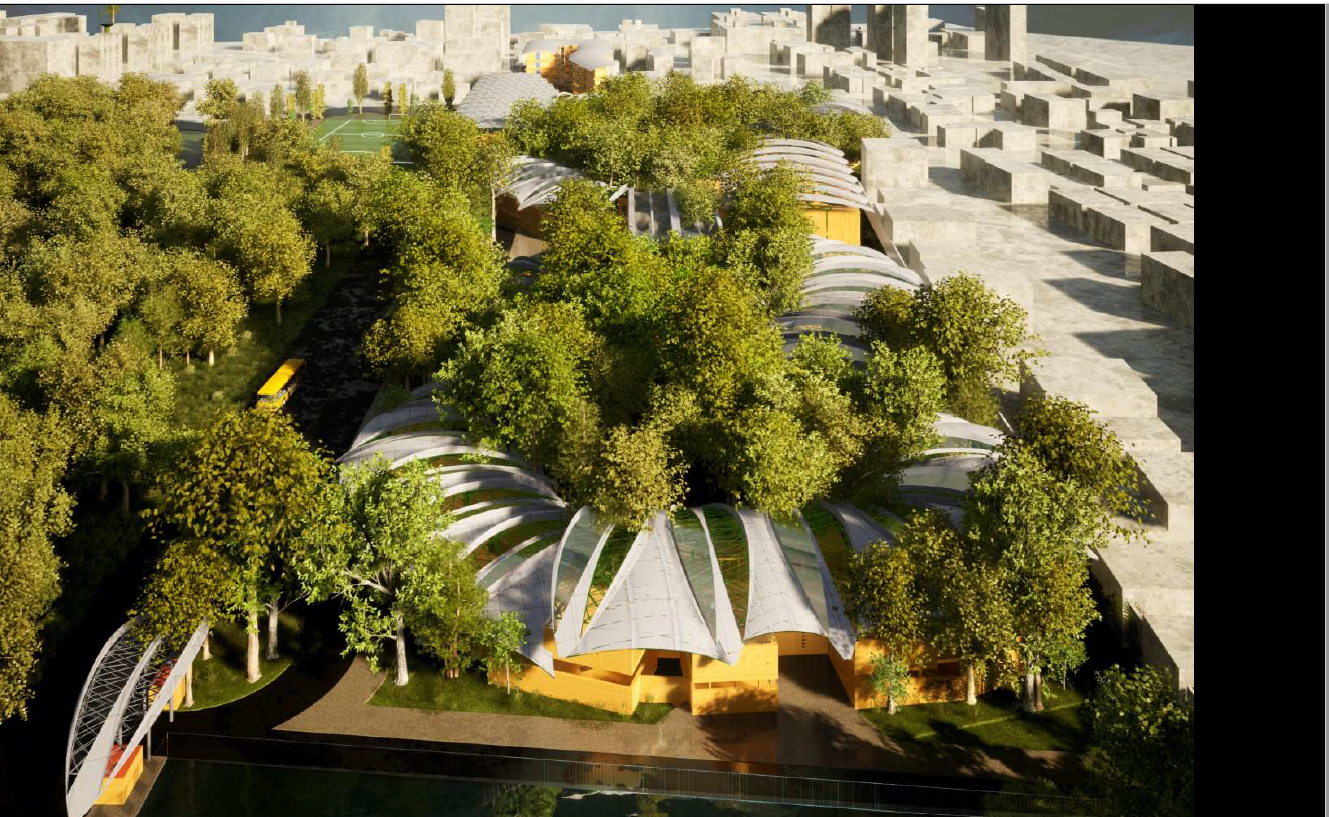
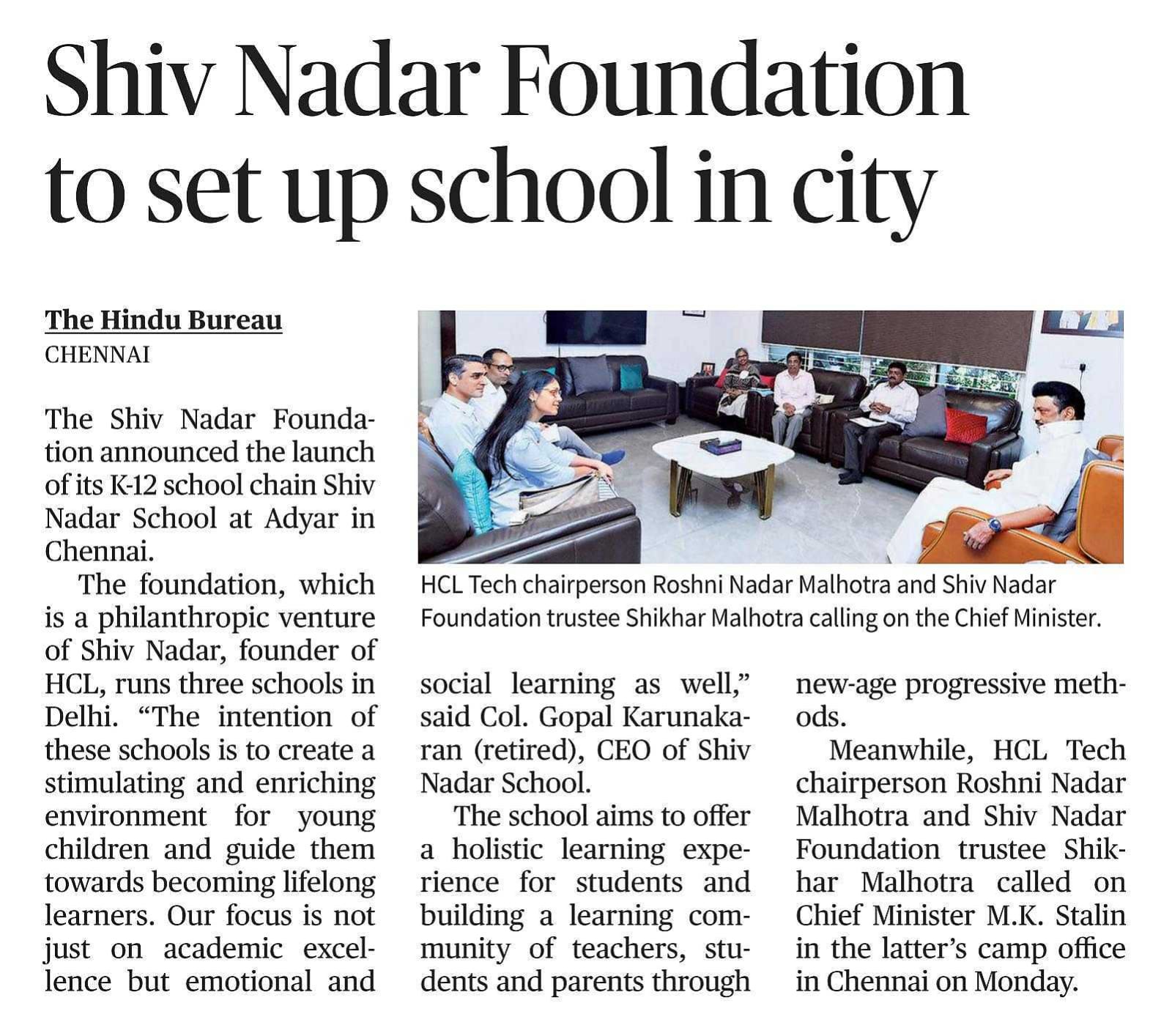
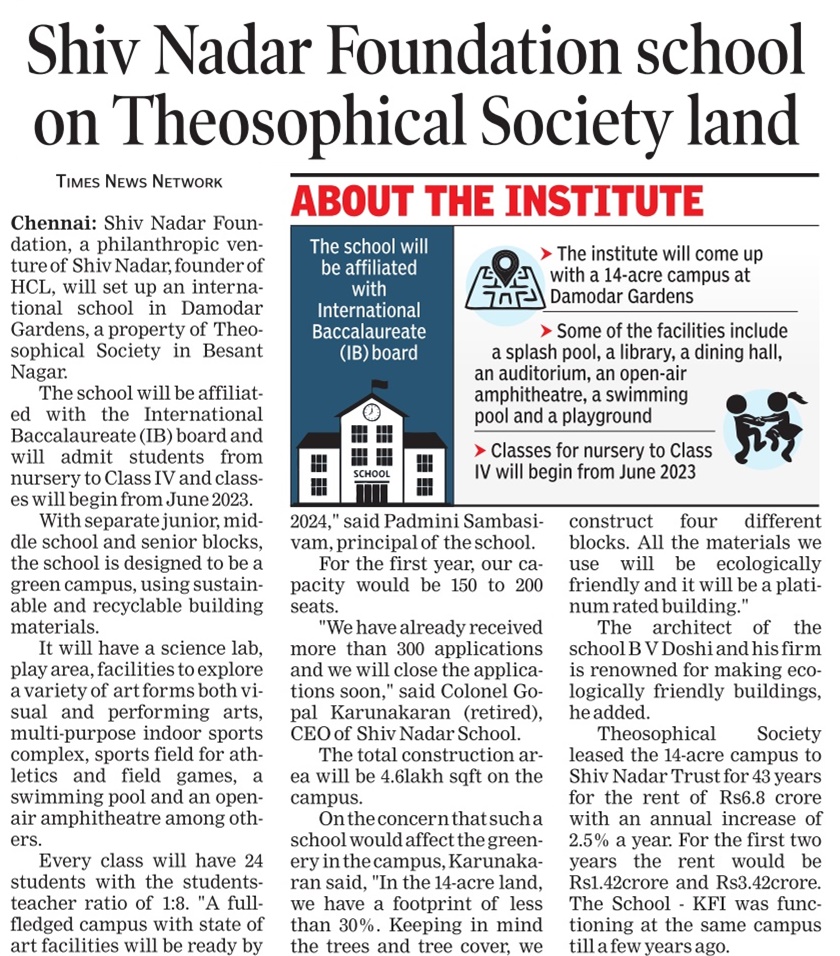
    For the 14-acre campus at Chennai, we are focused on leveraging the richness of the green environment to enrich learning outcomes. We turned to Padma Bhushan awardee Dr. B V Doshi, who readily agreed to conceptualise and design the campus. Dr. Doshi has played a crucial role in shaping India’s sustainable architecture discourse. In keeping with his philosophy, the school building will be a blend of aesthetic sensibilities with a sustainability focus.

    Outdoor and indoor spaces would flow seamlessly, integrating the overall landscape and making room for existing trees and plants. Around three-fourths of the total area will be enclosed in green cover. 

    A team of environmentalists, landscape consultants, and a dedicated horticulturist is onboard to assist us in sustaining the ecological balance. While most of the trees will be maintained, a few will be transplanted with utmost care. 

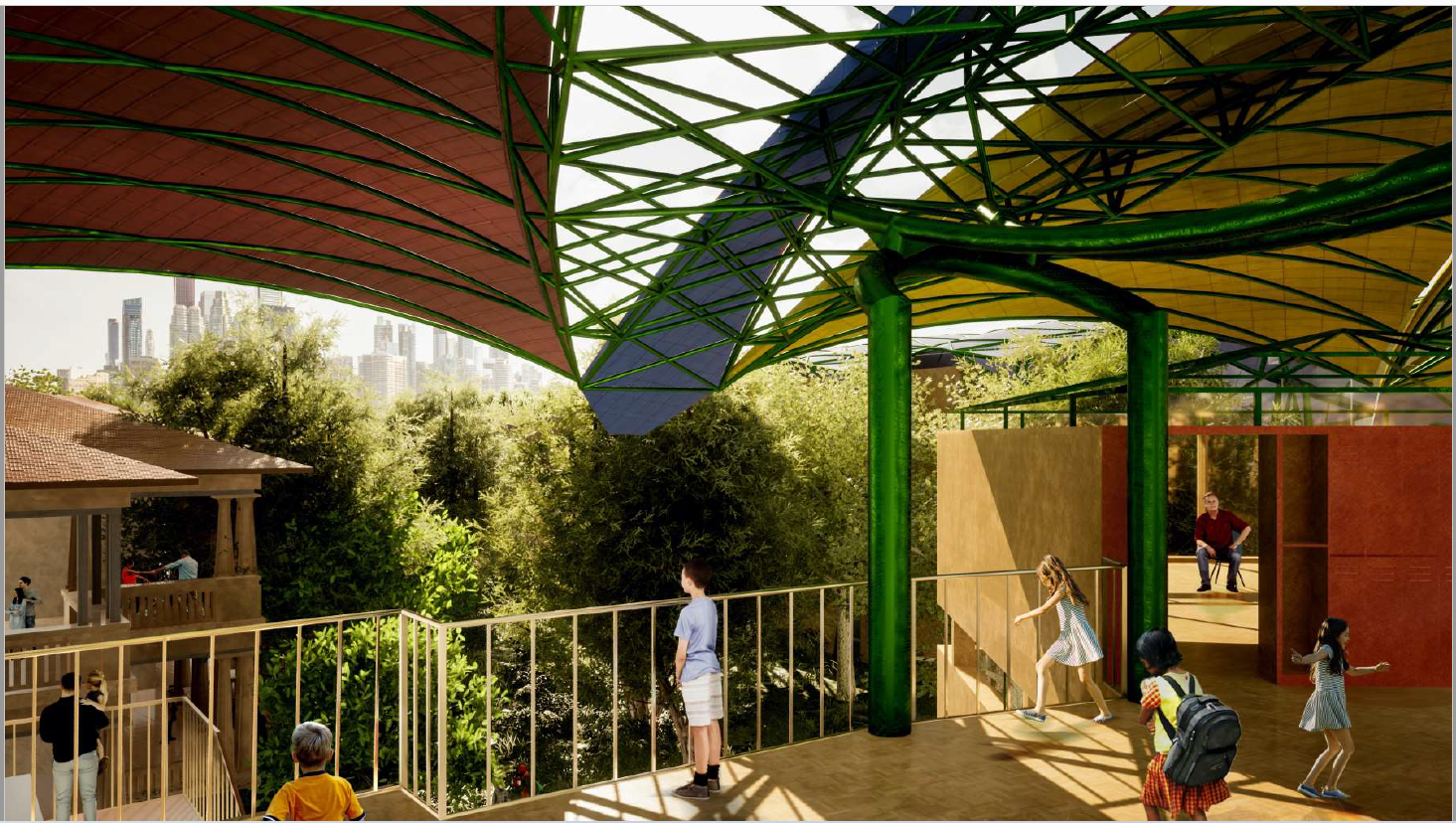
    Effective rainwater harvesting to replenish the existing water body, solar panels to meet 25% of the overall energy needs, wastewater treatment strategies, and flora and fauna documentation would be undertaken meticulously. A combination of air-conditioning and natural ventilation is planned to suit the city’s hot and humid weather conditions, and the building is devised to achieve the highest IGBC rating. 

    We aim to build awareness about the benefits of eco-friendliness, which we call ‘Ecosophy.’ With a blend of innovative design and smart technology, SNS Chennai will be a net-zero built environment--a robust ecosystem that enables ‘learning by seeing’ and would shape our children into conscious consumers, encouraging them towards sustainable living.

    FAQs

    1. What is the academic session for the school?

    The school’s academic session is from July to May.

    2. Where is the school located?

    Nestled amidst the lush greenery in the heart of Chennai, adjacent to the Adyar River, the school campus is well-connected to Alwarpet, Besant Nagar, and OMR. It is located just 3 km from Besant Nagar Beach, with the Anna Centenary Library, Top Universities, and the Planetarium all in close proximity.

    3. What facilities and classes does the school currently offer?

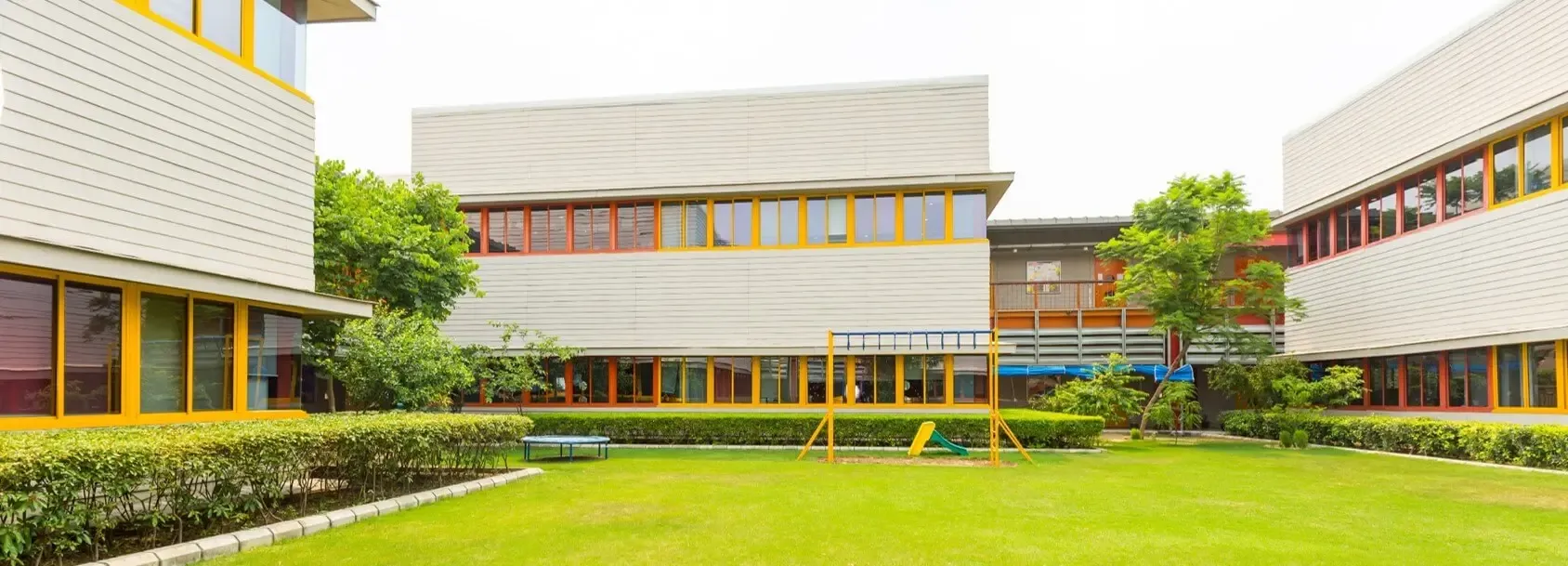
    For the 2025-26 academic year, Shiv Nadar School, Chennai offers classes from Nursery to Grade 8. Our campus includes a dedicated play area, art room, performing arts room, multi-purpose hall, and various exhibition spaces.

    We are steadily expanding and aim to develop a fully-fledged K-12 international campus with state-of-the-art facilities, spanning 4.1 lakh sq. ft., by 2026. A detailed list of planned facilities and the proposed school layout is available through our Parent Partnership Office.

    4. When does the registration process typically begin?

    Admissions for EY1 (Nursery) generally begin by the end of August for the following academic year, while admissions for all other grades start in September. Exact dates will be published on our website closer to the registration opening.

    5. What is the admission process for Shiv Nadar School Chennai?

    Parents must complete the admission form available on our website. After submission of the form, they will be invited for a meeting with our Parent Partnership Office and the Principal. As part of the process, students will undergo a baseline assessment. For further details, you can contact the Parent Partnership Office.

    6. What are the age requirements for the nursery (EY1) grade?

    The child should have completed 3 years as of 31st May of the academic year for which you are applying.

    7. Which Board/ Curriculum will you follow?

    Shiv Nadar School Chennai is now a Candidate School* for the IB Primary Years Programme (PYP) and the IB Middle Years Programme (MYP).

    This step reflects our commitment to offer a globally benchmarked, inquiry-driven education. We aim to be an IB authorized school offering the IB-PYP, MYP and DP programmes.

    Candidacy is the first step toward IB authorization, and we look forward to working with the IB community as we strengthen our programme and empower students for future-ready learning!

    *This school is pursuing authorization as an IB World School. IB World Schools share a common philosophy- a commitment to high-quality, challenging, international education- that we believe is important for our students. Only schools authorized by the IB Organization can offer any of its four academic programmes: the Primary Years Programme (PYP), the Middle Years Programme (MYP), the Diploma Programme (DP), or the Career-related Programme (CP). Candidate status gives no guarantee that authorization will be granted. For further information about the IB and its programmes visit http://www.ibo.org.

    8. What are the timings of the school?

    School timings are from 8:30 AM to 12:30 PM for Early Years and from 8:00 AM to 3:00 PM for PY1 (Grade 1) onwards.

    9. What is the Class size for Shiv Nadar School Chennai?

    The class size for each grade is 26 students.

    10. How many sections will the school have?

    Shiv Nadar School Chennai shall maintain three sections across all grades.

    11. What are the extracurricular activities in the school?

    The school provides a diverse range of non-academic opportunities, recognizing that music, dance, art, sports, theatre, and other co-curricular activities play a vital role in shaping essential life skills for our future change-makers.

    Specialized programs such as AHA! Education for Life, Outbound Learning Experiences (OLEs), student exchange programs, and interactive workshops foster holistic development, empowering students to explore, experience, and express themselves through their passions.

    For additional information, please visit https://shivnadarschool.edu.in/aha

    12. Does the school plan to provide transport facilities to students?

    The school has air-conditioned buses with CCTV cameras and GPS tracking to ensure a comfortable and safe journey. The buses shall ply on all major routes across Chennai. More information and detailed route plan can be availed at the Parent Partnership Office.

    13. Will the school provide meals to students?

    The school provides nutritious and well-balanced meals for both breakfast and lunch. Our carefully curated menu is designed to meet students' dietary and nutritional needs. Meals are prepared in a hygienic environment, adhering to strict food safety standards.

    14. What aspects of safety have been considered?

    The safety of every Shiv Nadar School student is our top priority. We have robust systems and processes in place to ensure a secure environment both on campus and during transit. Our campus is equipped with electronic monitoring systems, and a full-time safety officer oversees continuous safety checks.

    15. How many campuses does the school have?

    Shiv Nadar School has three campuses across NCR: Noida, Gurugram, and Faridabad. The Chennai campus is our newest endeavor, built on the foundation of our decade-long experience.

    16. How can parents contribute to school development?

    At Shiv Nadar School, the onus of a child’s development is a partnership of equals between the educator and the parents. We have structured processes in place to allow parents to assume a more active role at school and contribute to the school community. Further details on the same can be obtained from our Parent Partnership Office.

    17. How can I know more about the school?

    Parents can connect with our Parent Partnership Office to request a campus tour or visit our website for more information.

    18. What are the other languages (foreign) that would be available at the school?

    Early years educators are mindful that students may communicate in their mother tongue. Language learning at the Shiv Nadar School includes the development of home and family languages, languages of the school, additional languages and literacy. All students can learn more than one language like Spanish and French, from grade three onwards.

    Children will be exposed to Tamil and Hindi from Nursery upwards.

    19. What are the grade levels offered at the school?

    Currently, we offer from EY1 (Nursery) to Grade 7 (MY2). For the academic year 2025-26, we will extend up to Grade 8 (MY3)

    20. What is the school’s progression plan?

    We currently offer classes up to Grade 7 (MY2) and will expand organically by adding one grade each year. Grade 8 will be introduced in 2025-26, followed by Grade 9 in 2026-27, continuing this progression until Grade 12.

    21. How do you ensure the quality of the faculty of the school?

    Great care is taken in recruiting our teachers - who we believe are the pillars of a great school. Apart from the requisite academic and professional qualifications, a deep affection for children, a love of learning and a passion for the job are essential qualifications to be a Shiv Nadar School teacher. We believe that the right attitude is of great importance.

    To ensure that we select educators with the right attitude, we have put in place multiple processes for the recruitment of teachers. It involves a deeply self-reflective application form, multiple psychometric tests, and three levels of interviews by experts.

    The pre-service includes 80 hours of training to hone skills and develop a thorough understanding of the curriculum and the ability to teach in a Shiv Nadar school classroom. All teachers undergo a one-year probationary period, thus ensuring we retain the best. Understanding the best uses of technology and interpersonal & communication skills are also essential attributes of the teachers at Shiv Nadar Schools.

    22. What kind of indoor and outdoor sports do you provide on campus?

    The school will provide the following sports facilities: Soccer, Cricket, Rugby, Gymnastics, Martial Arts, Swimming & Track and Field.

    News & Events

    Media

    Awards

    Publications

    *Shiv Nadar School Chennai is a Primary Years Programme (PYP) Authorised World School and an MYP candidate school. IB World Schools share a common philosophy- a commitment to high-quality, challenging, international education- that we believe is important for our students. Only schools authorized by the IB Organization can offer any of its four academic programmes: the Primary Years Programme (PYP), the Middle Years Programme (MYP), the Diploma Programme (DP), or the Career-related Programme (CP). Candidate status gives no guarantee that authorization will be granted.

    For further information about the IB and its programmes visit http://www.ibo.org.

    Subscribe to Chennai