



Anairrah Kalra Shines at the 6th Acropolis International Wushu Championship 2026

Kalra

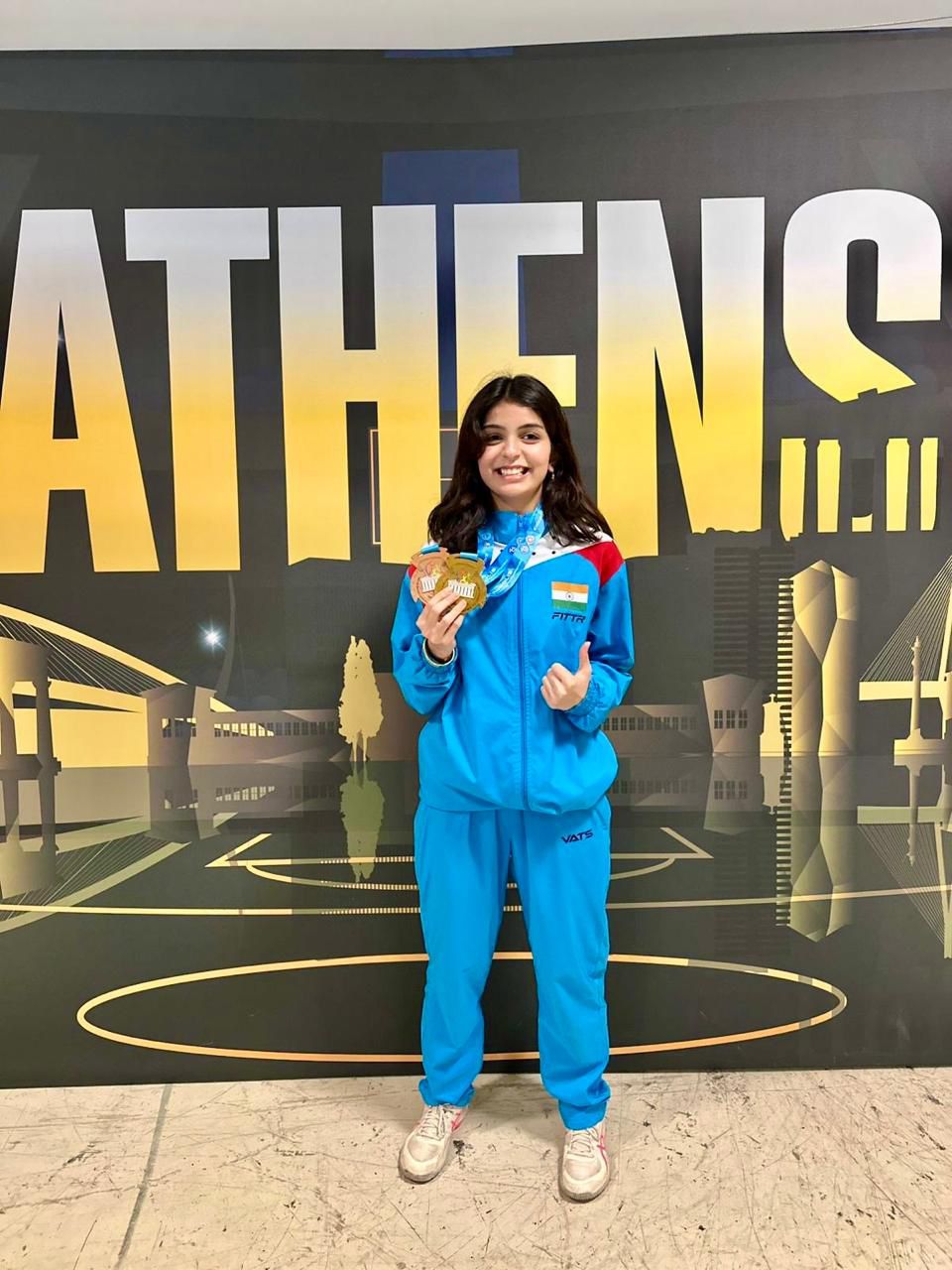
Anairrah Kalra from IB MYP 2 at Shiv Nadar School, Faridabad, proudly represented India at the 6th Acropolis International Wushu Championship 2026.

Competing on an international platform against athletes from 24 countries, she delivered an outstanding performance at the championship held at Sunel Arena Stadium, Athens (Greece) from 12 to 16 March 2026.

In the U-15 Girls Nanquan (Traditional Event) category, Anairrah competed against 9 international participants and secured the Bronze Medal, marking a proud moment for India.

She further competed in the Double Weapon Routine category, which featured 12 strong participants. With remarkable determination, confidence, and skill, Anairrah delivered an exceptional performance and secured the Gold Medal, outperforming competitors including a Greek athlete.

A strong reflection of discipline, resilience, and excellence on the global stage.

ALL ,

Arts ,

Award ,

Badminton ,

Board ,

Competition ,

Curriculum ,

School ,

Outdoor Learning Experience: Kabini, Mudumalai and Ranthambore


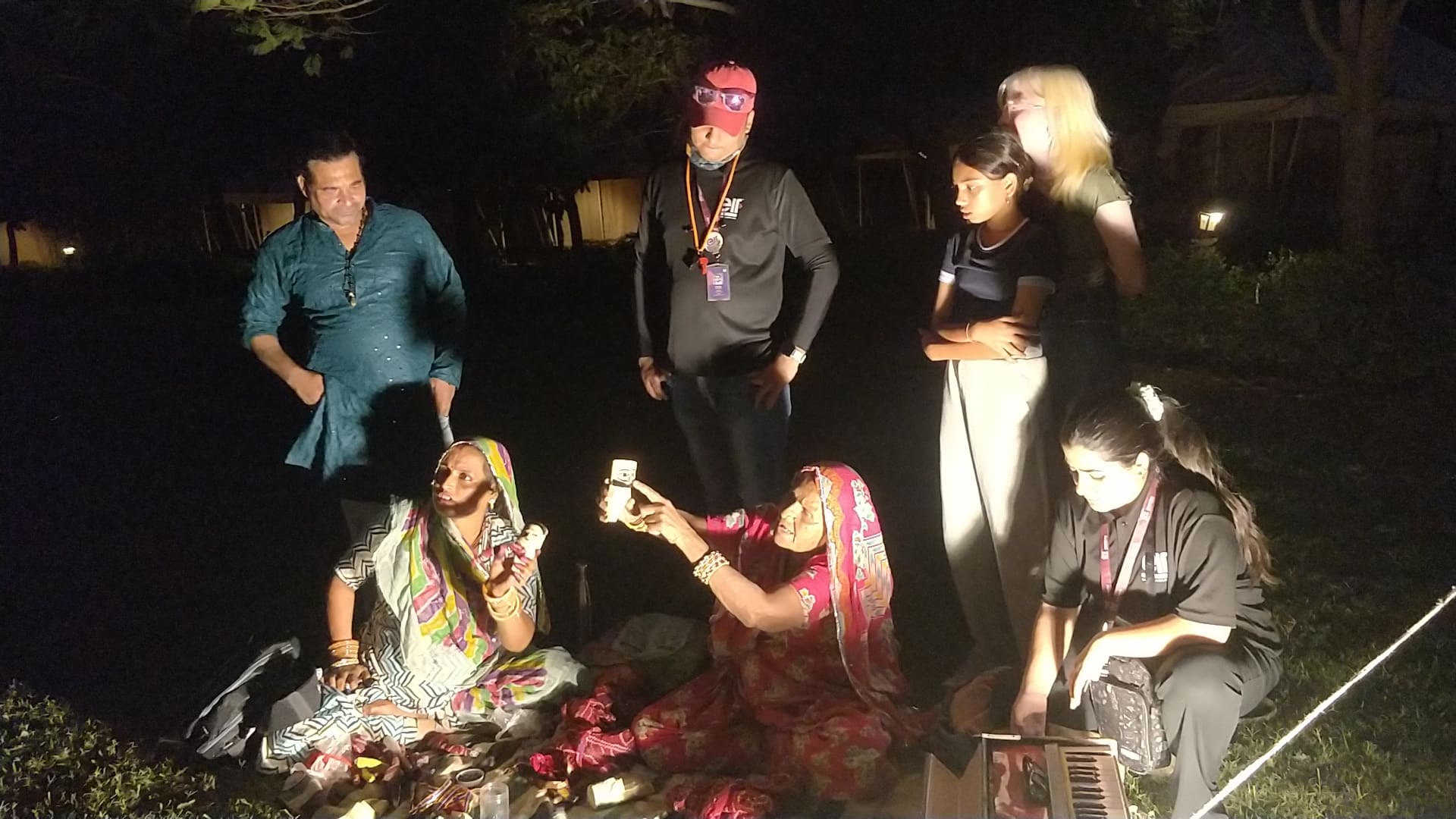
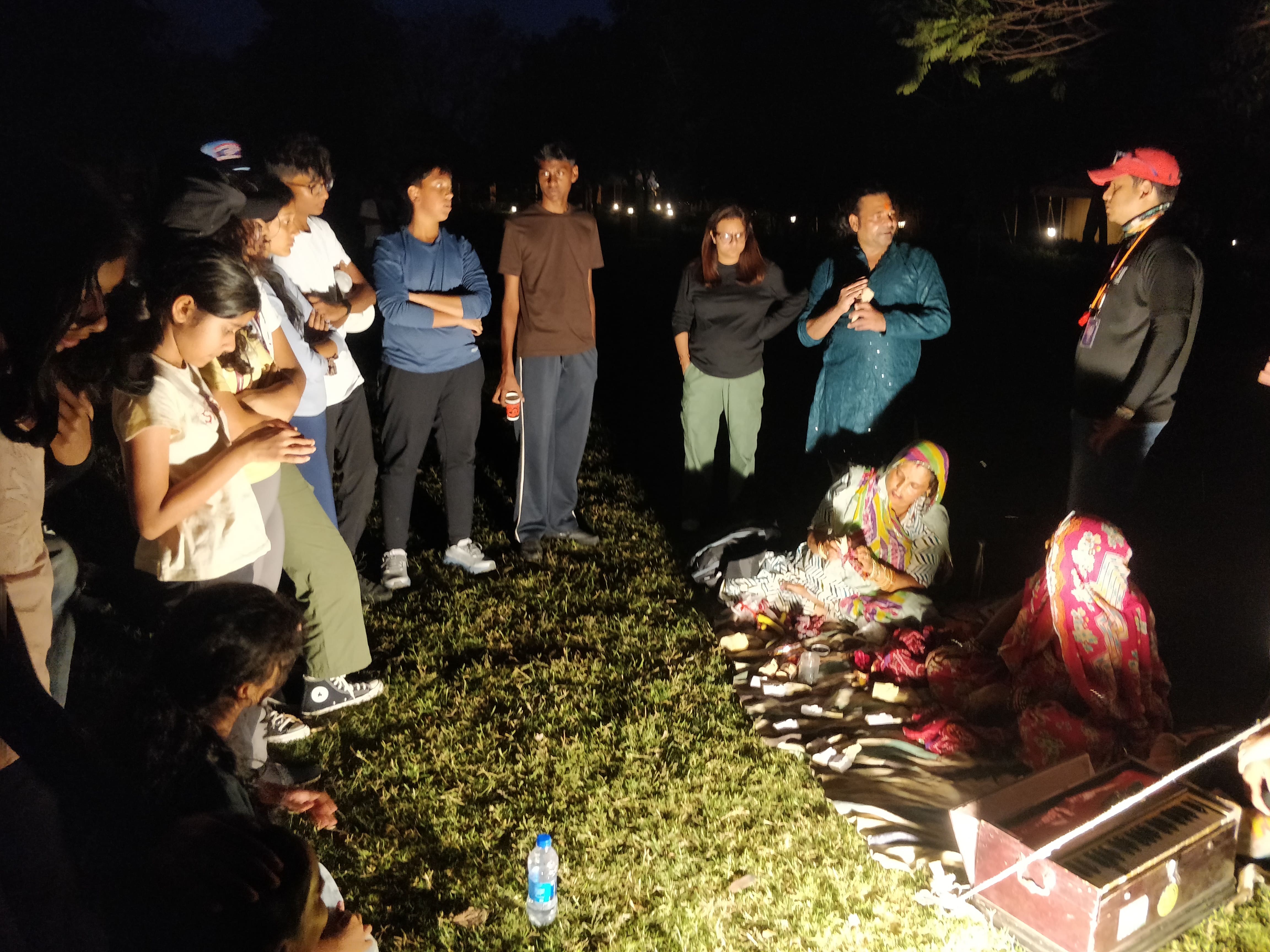
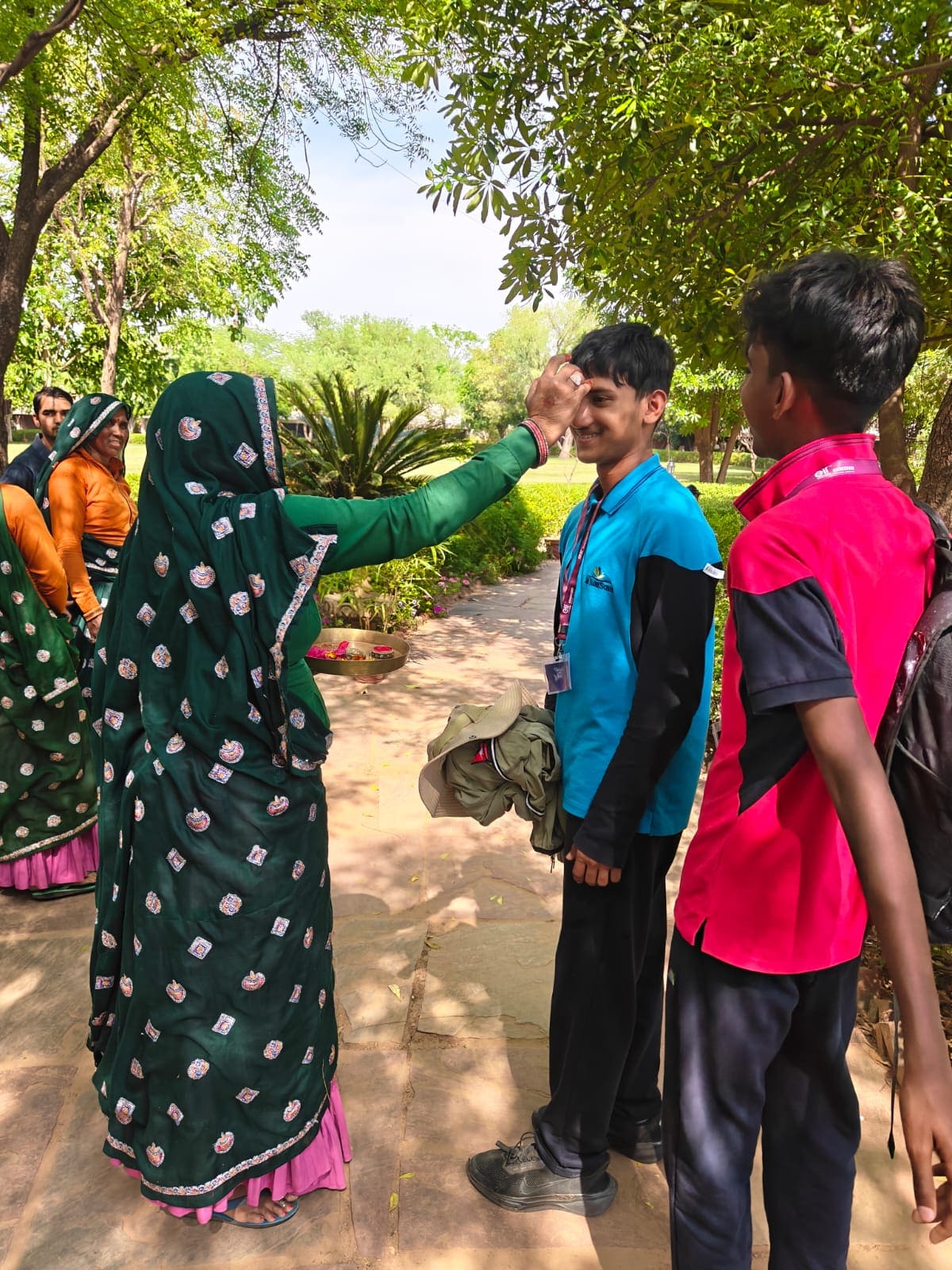
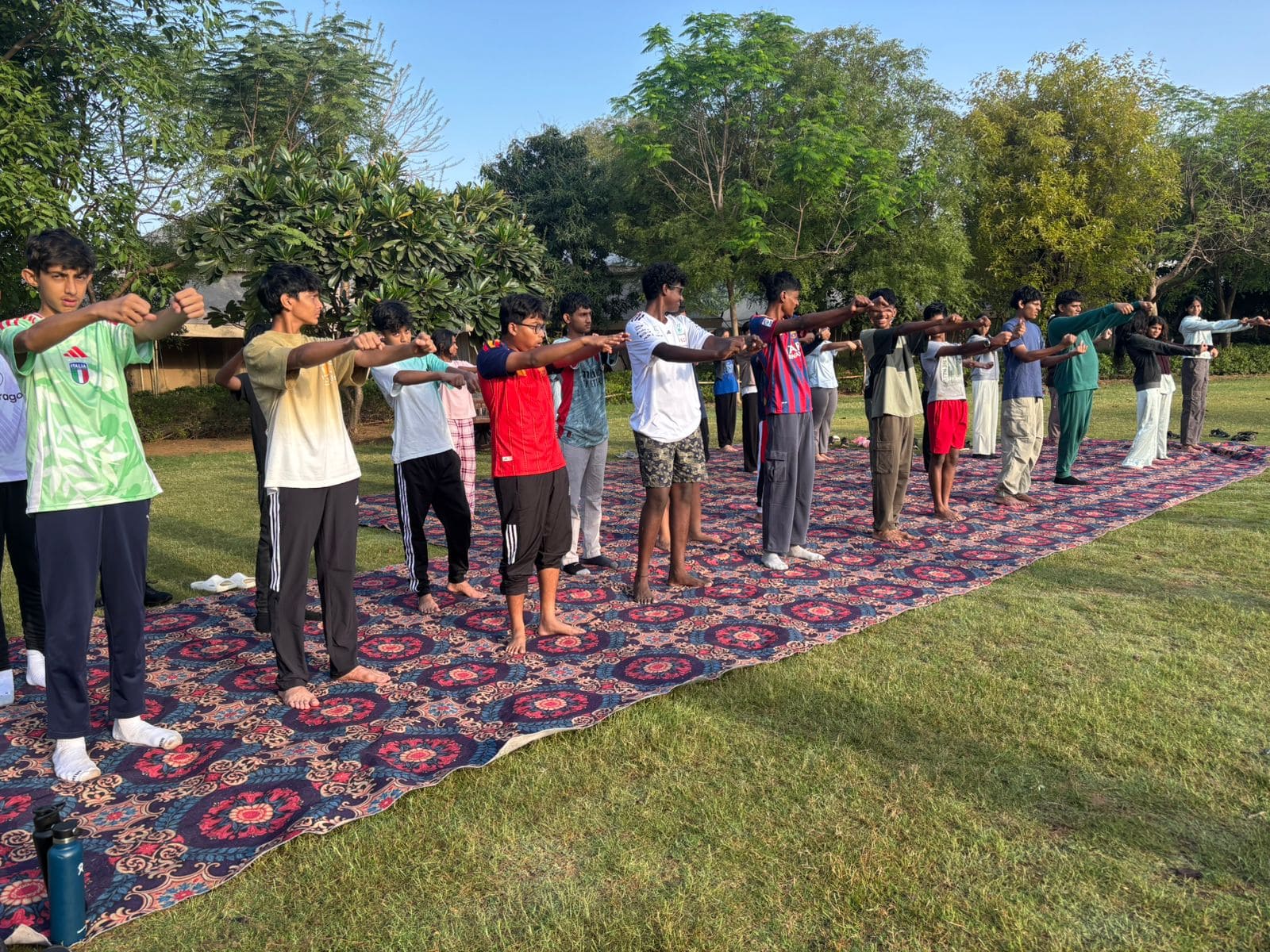
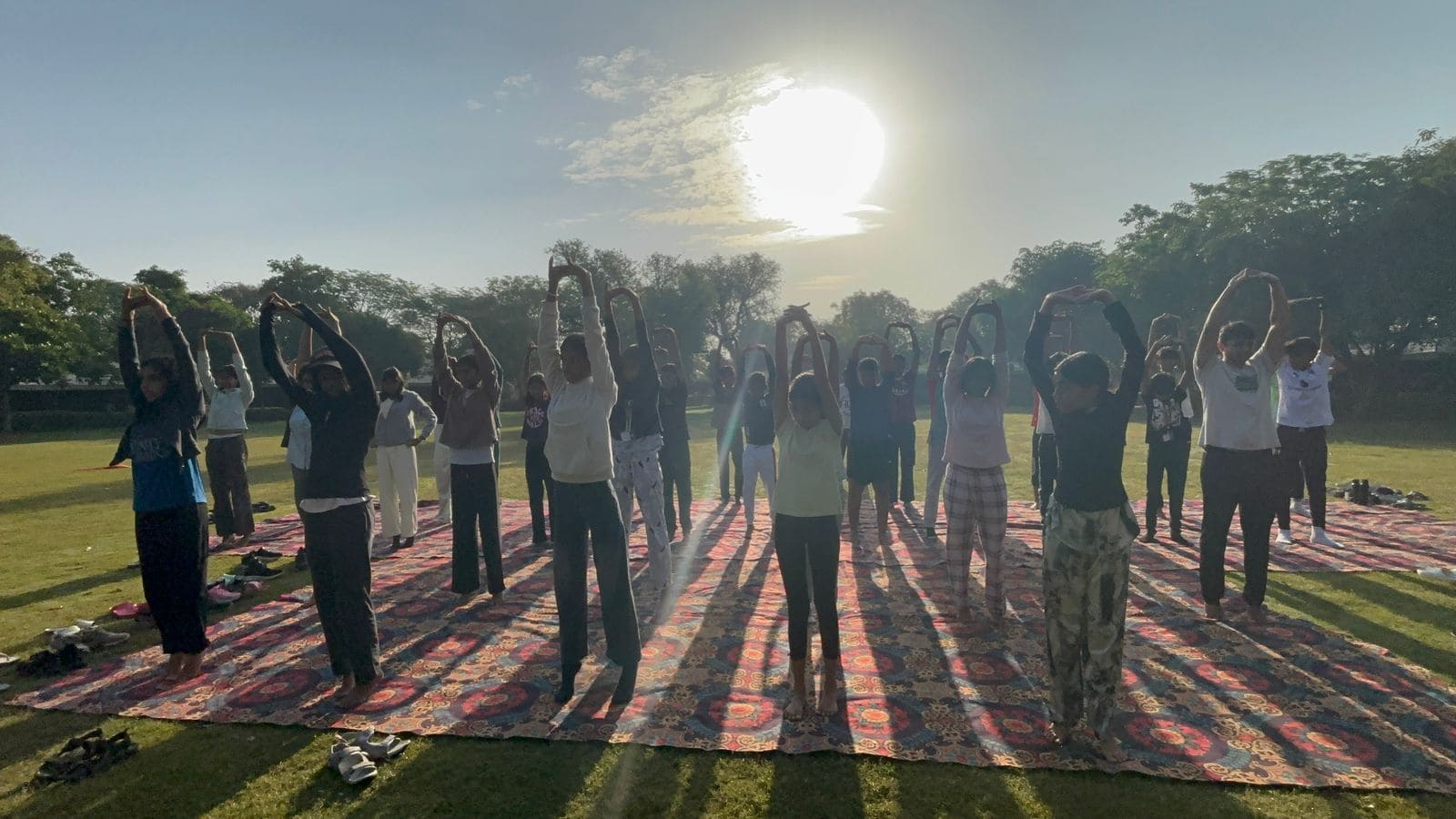
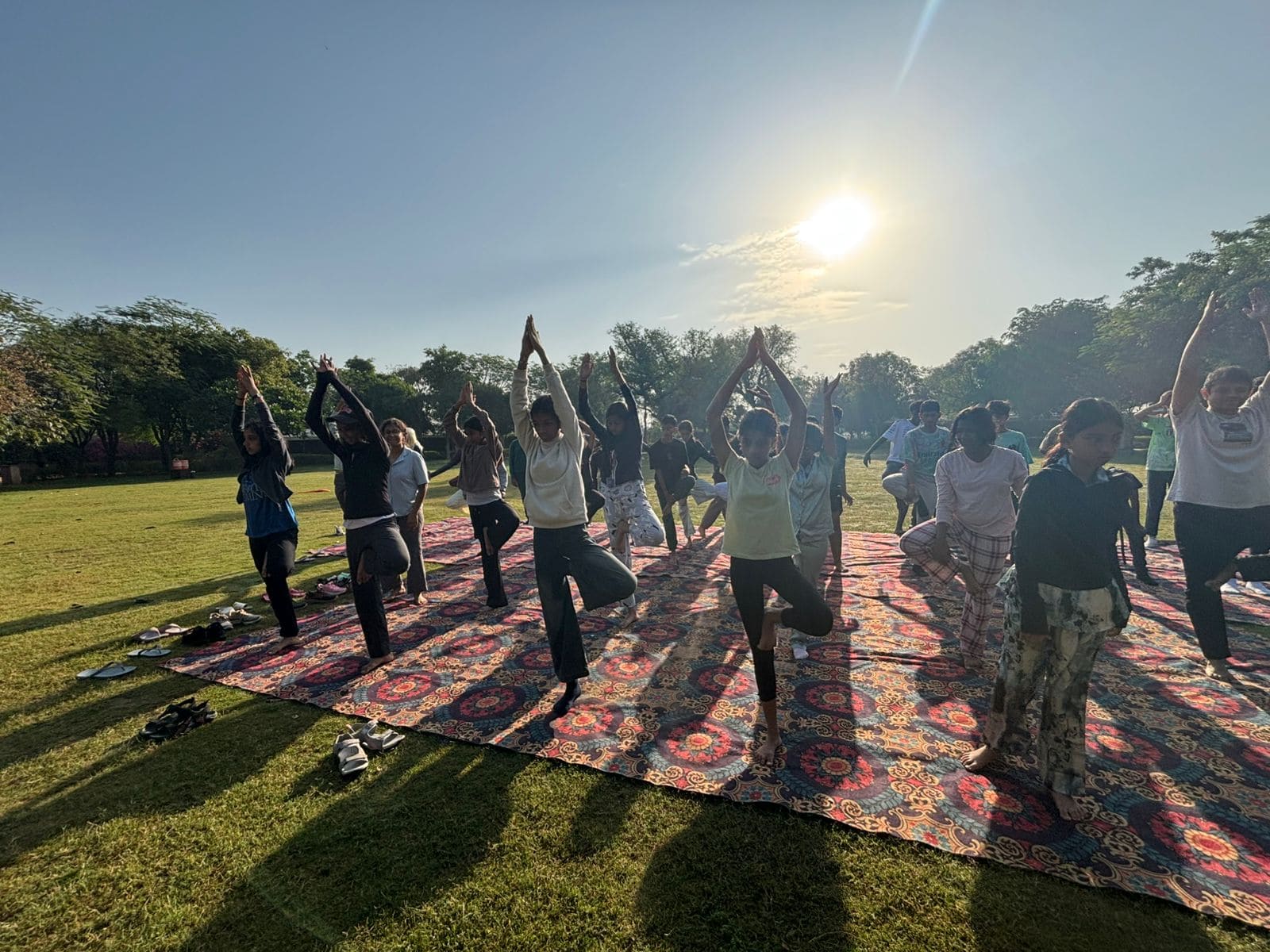
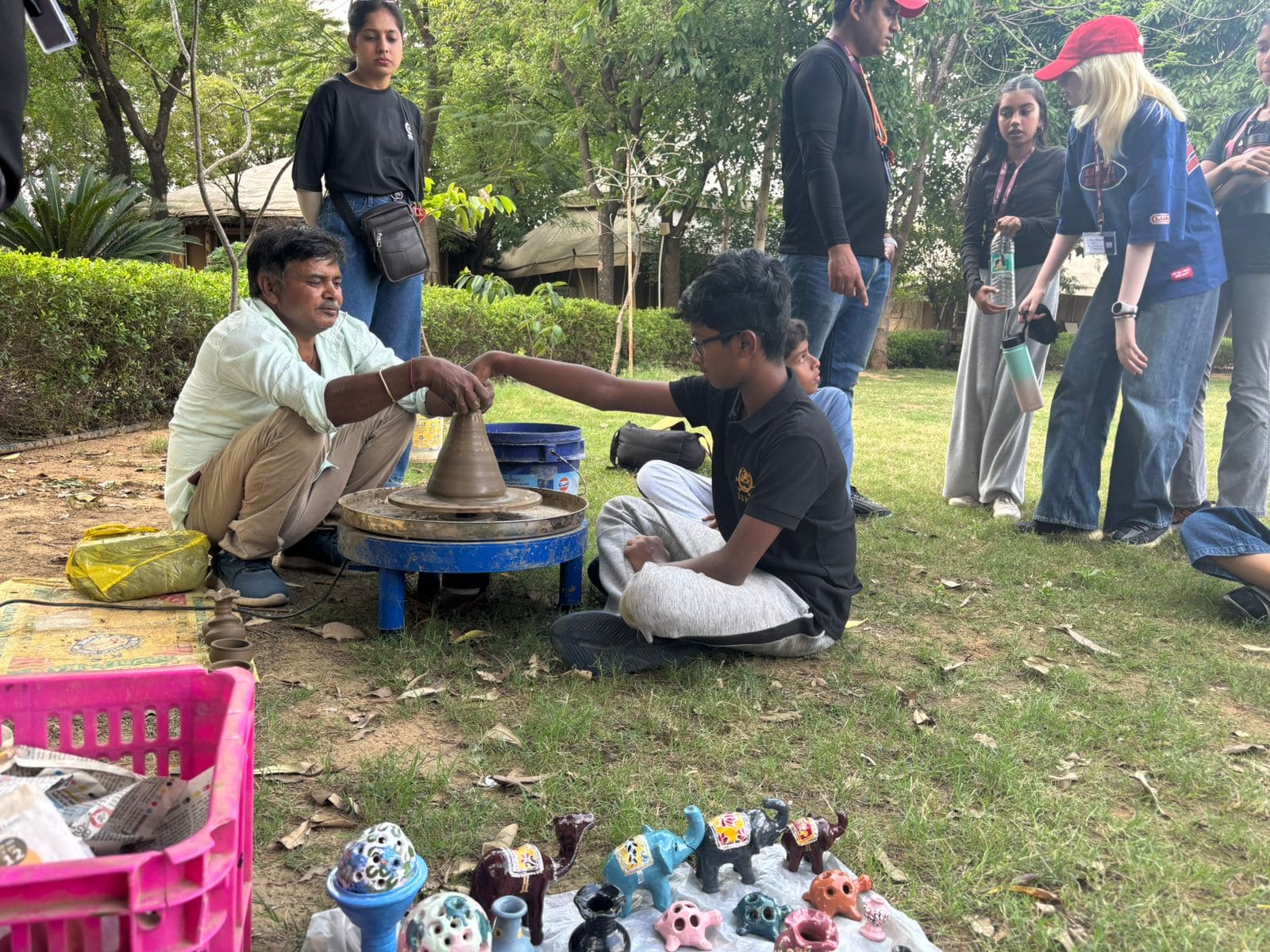
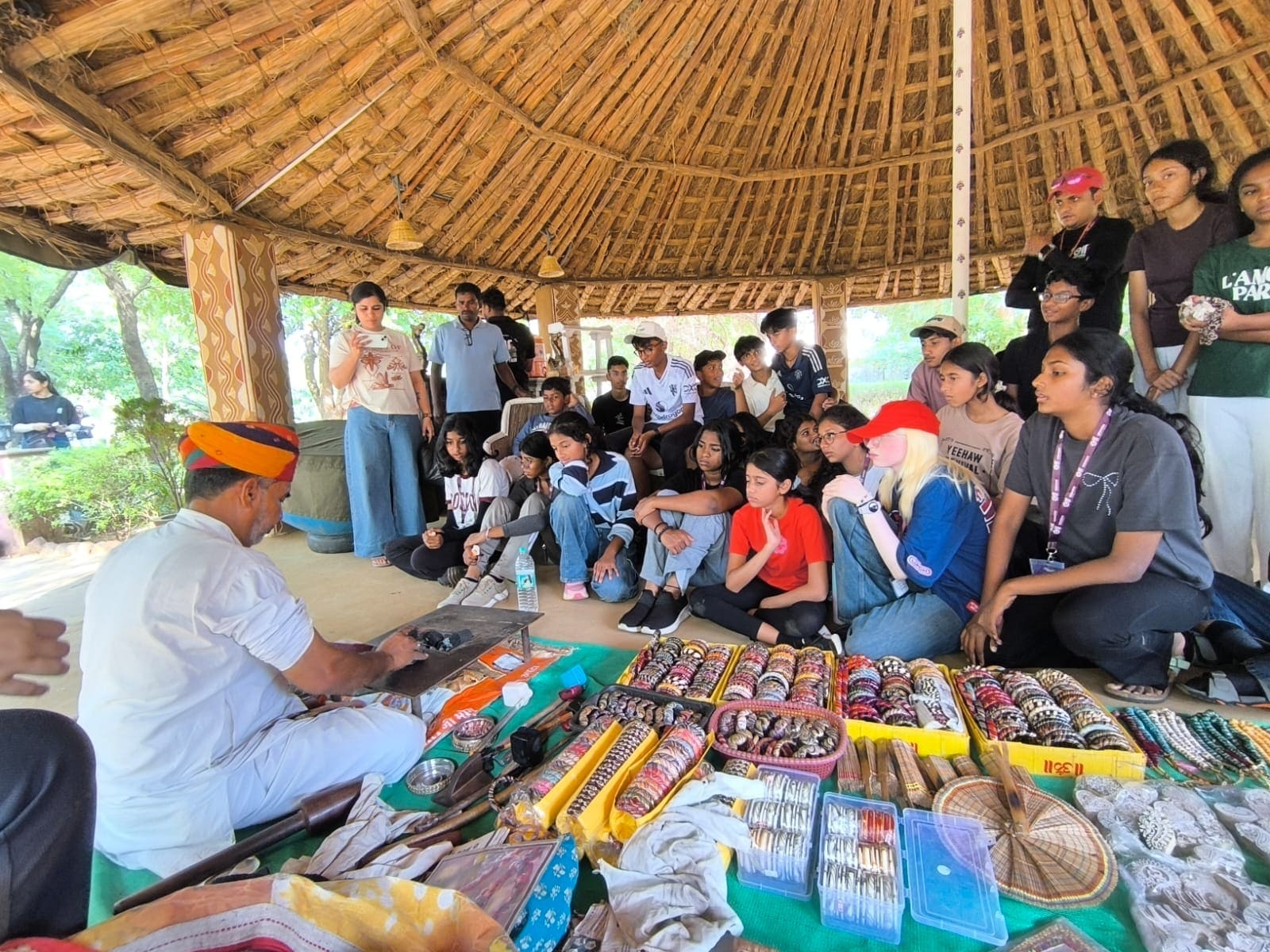
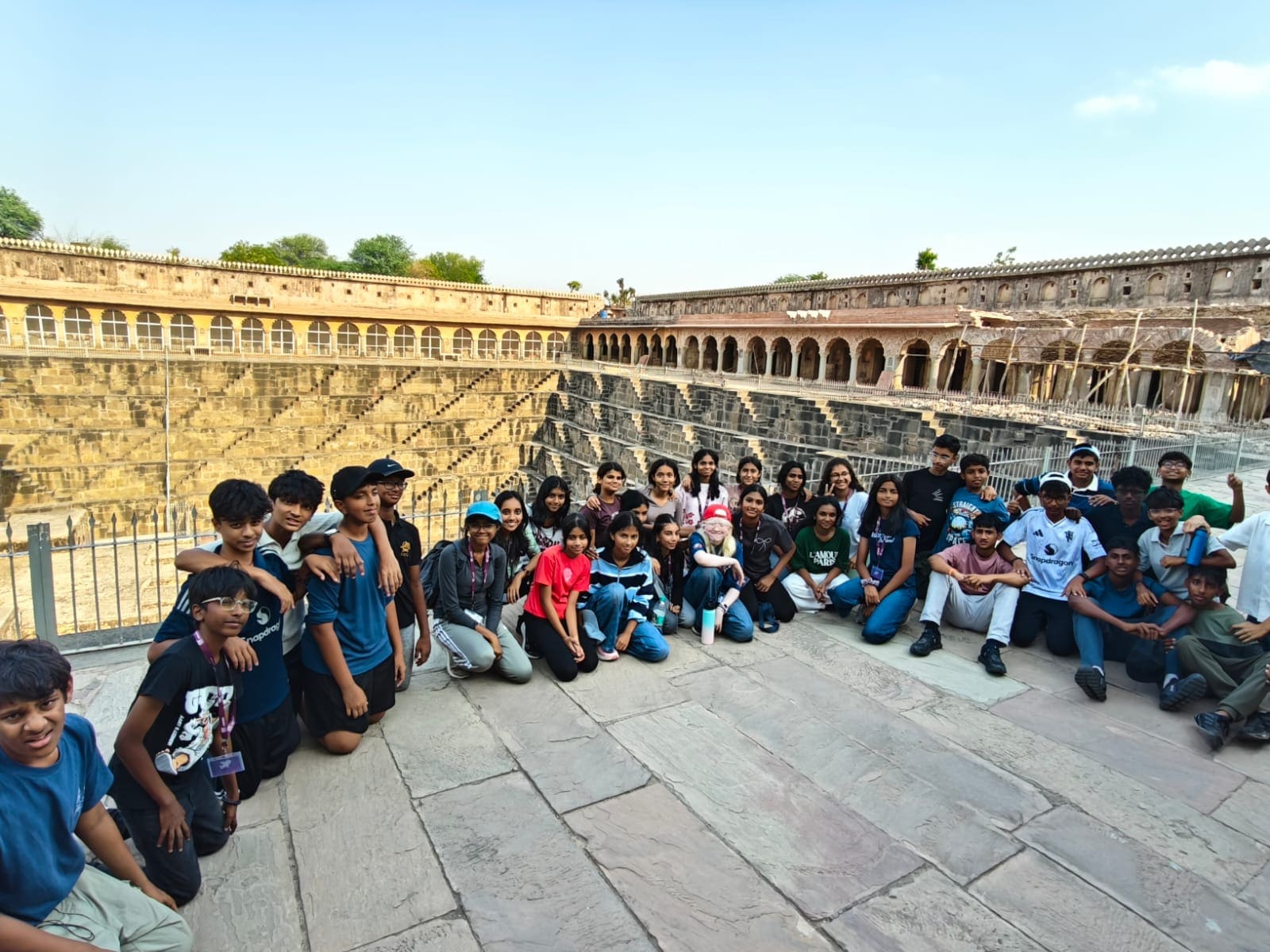
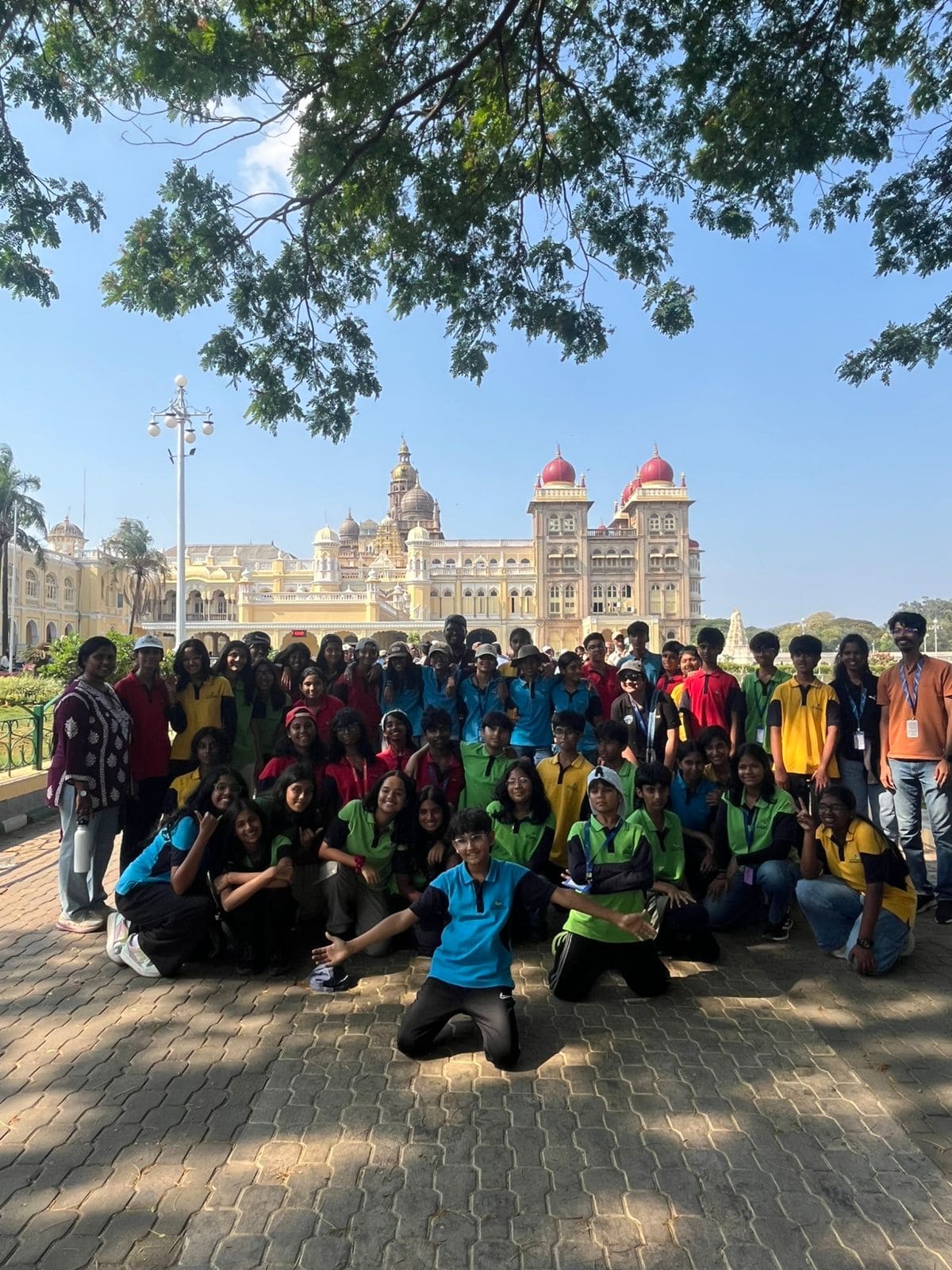
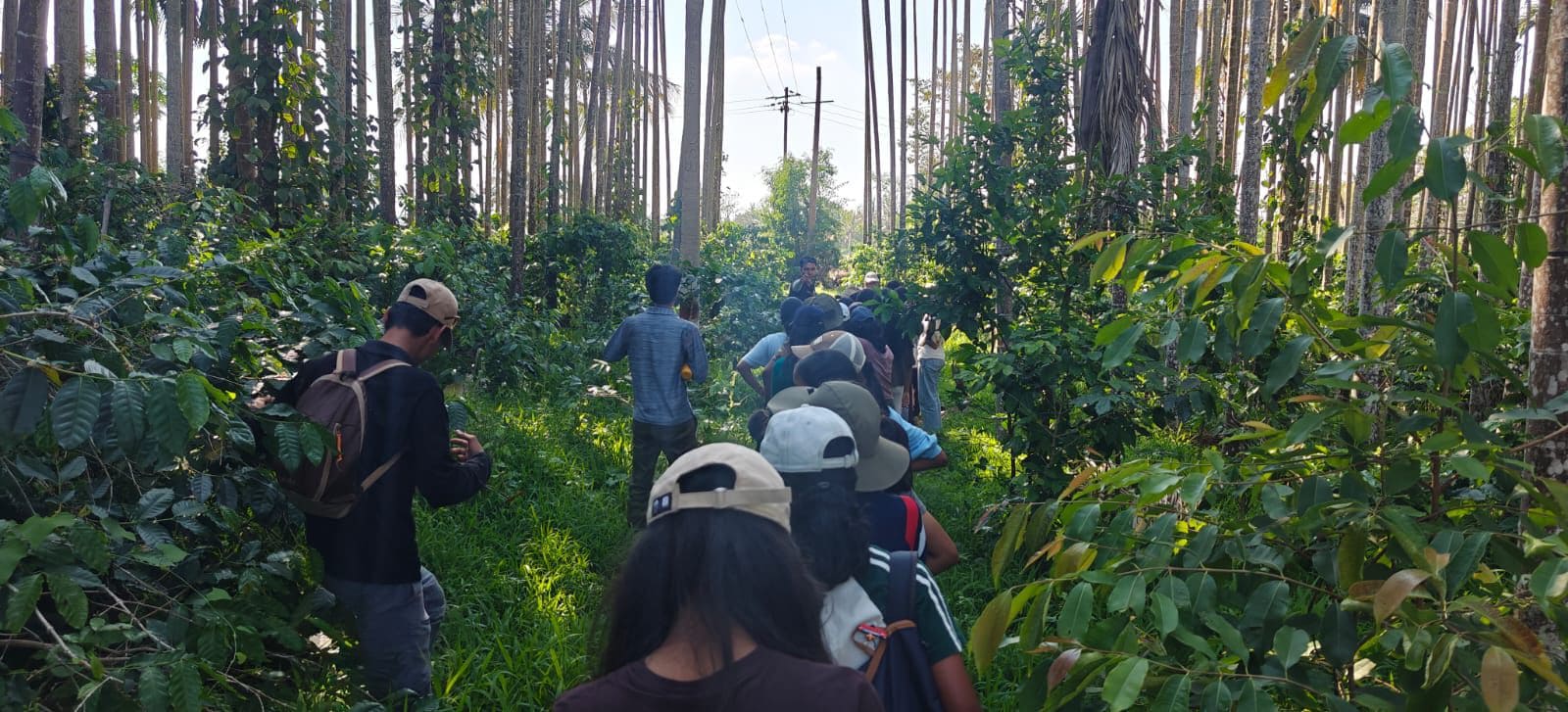
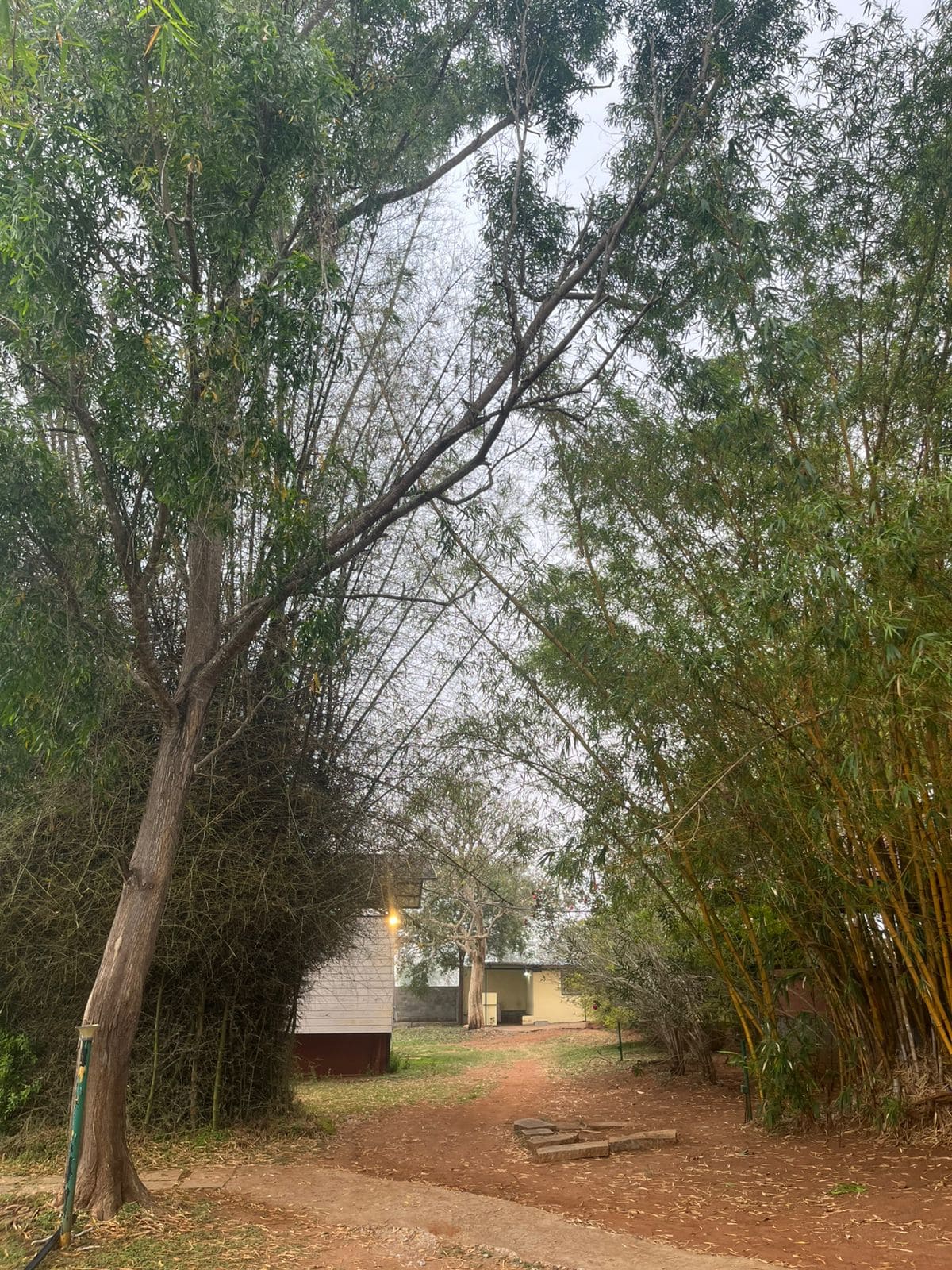
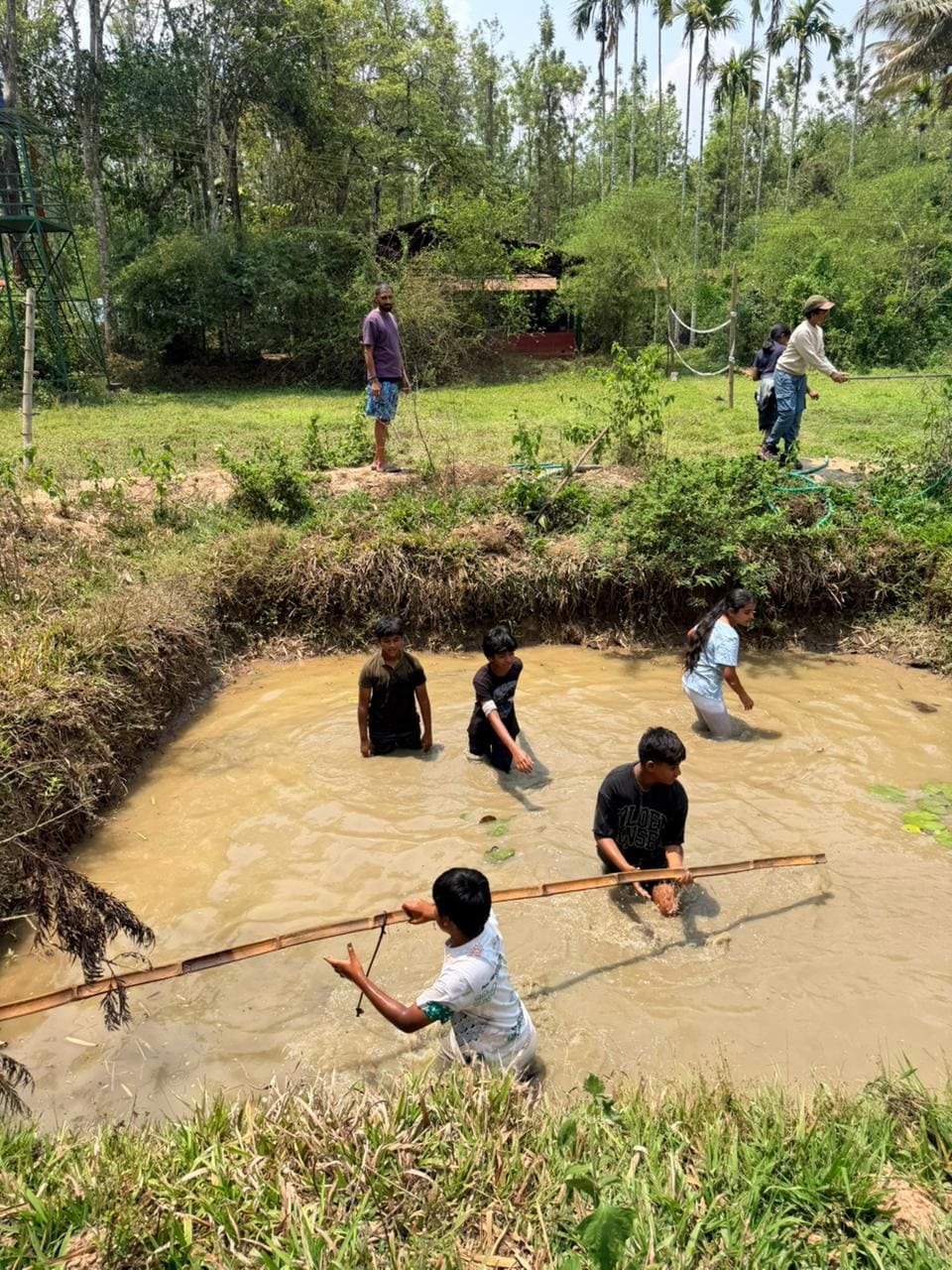
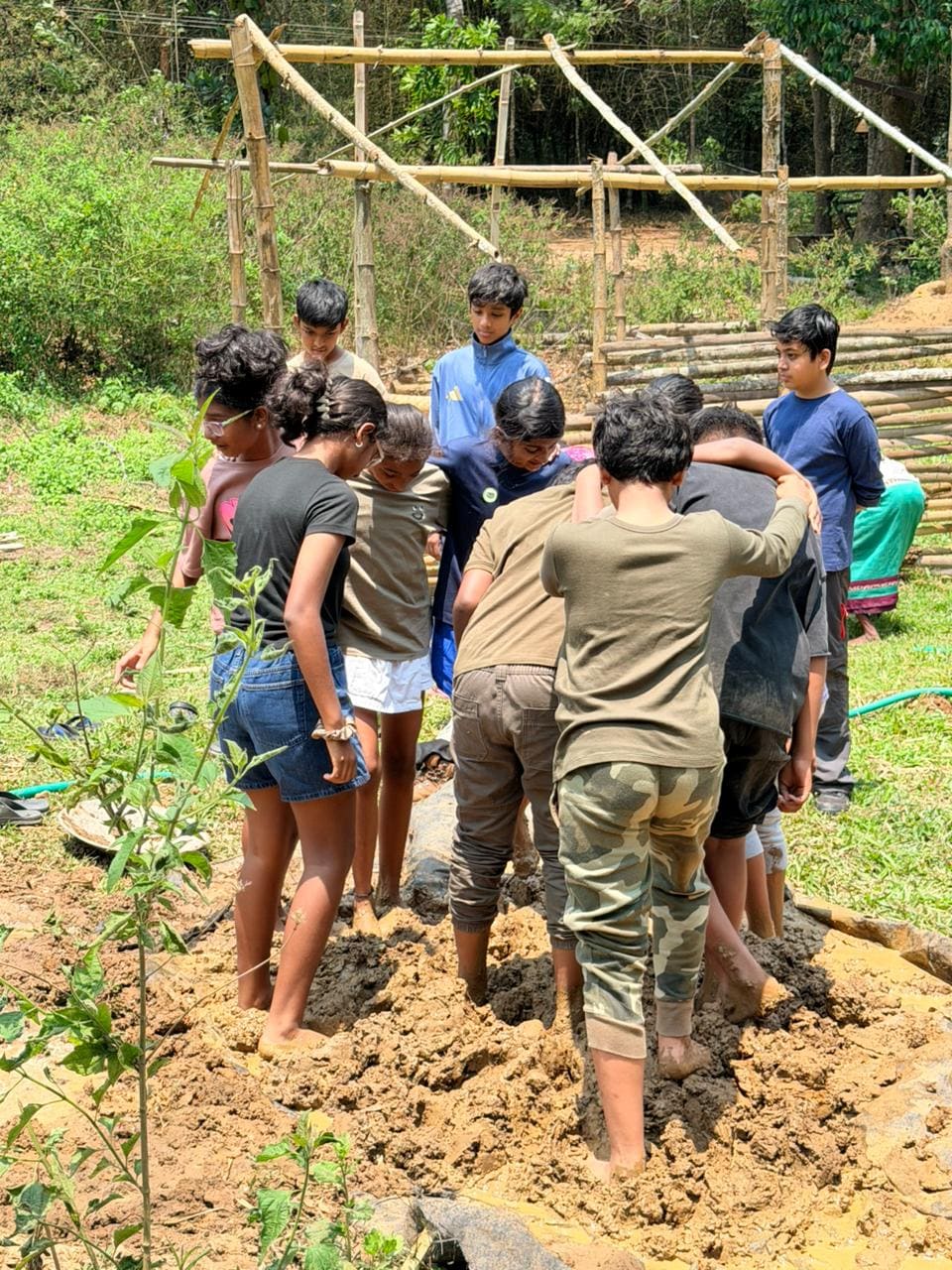
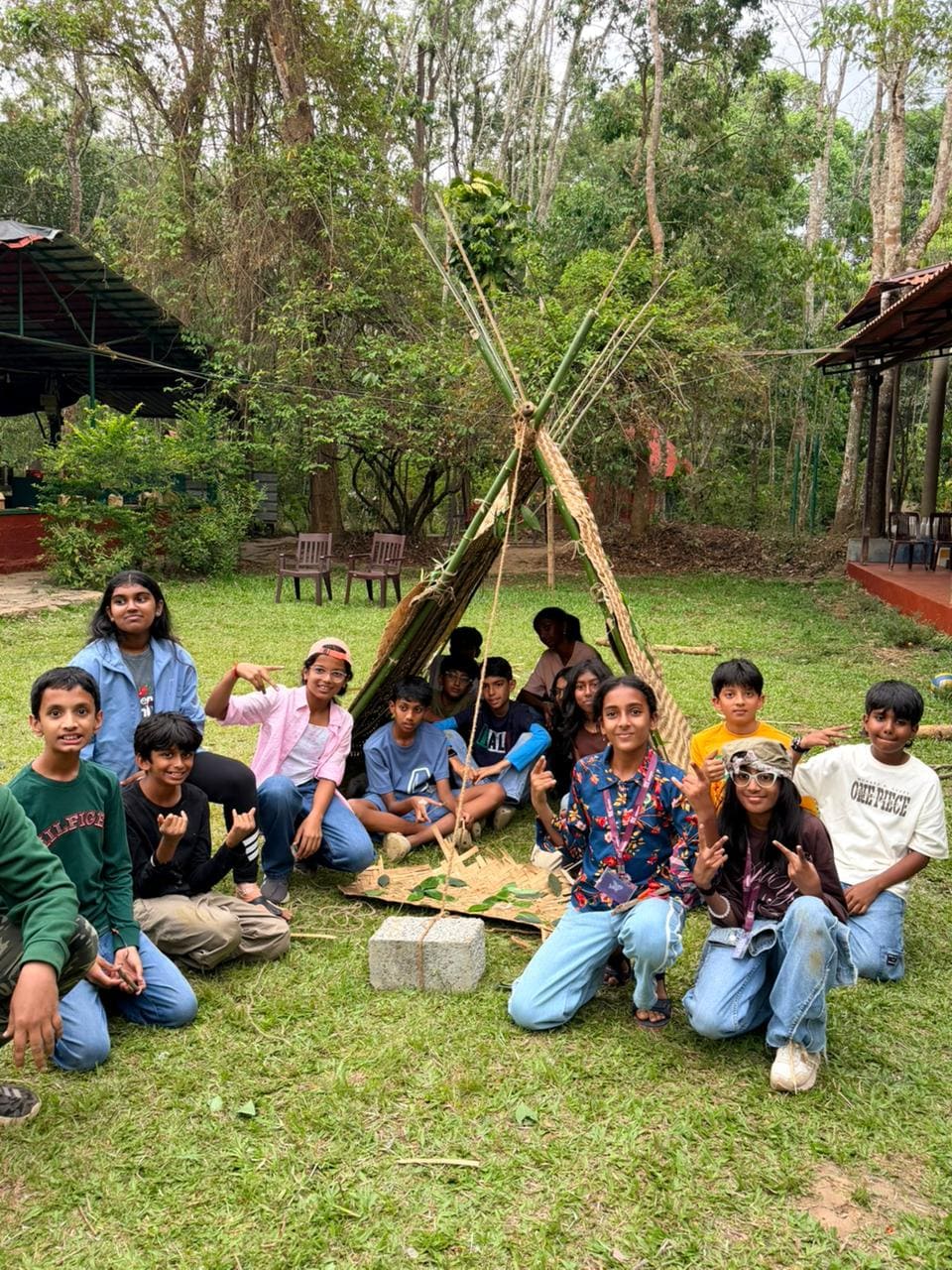
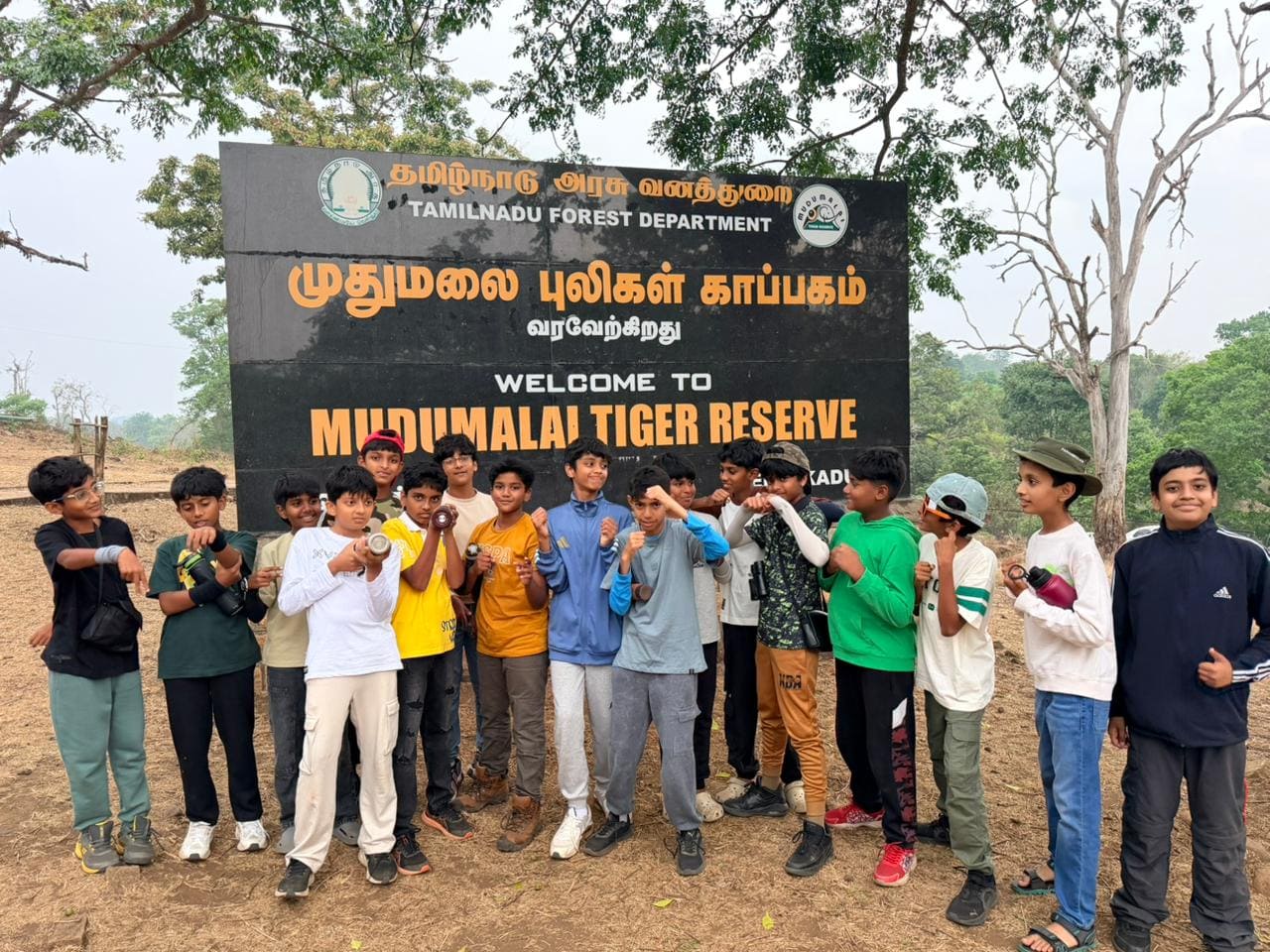
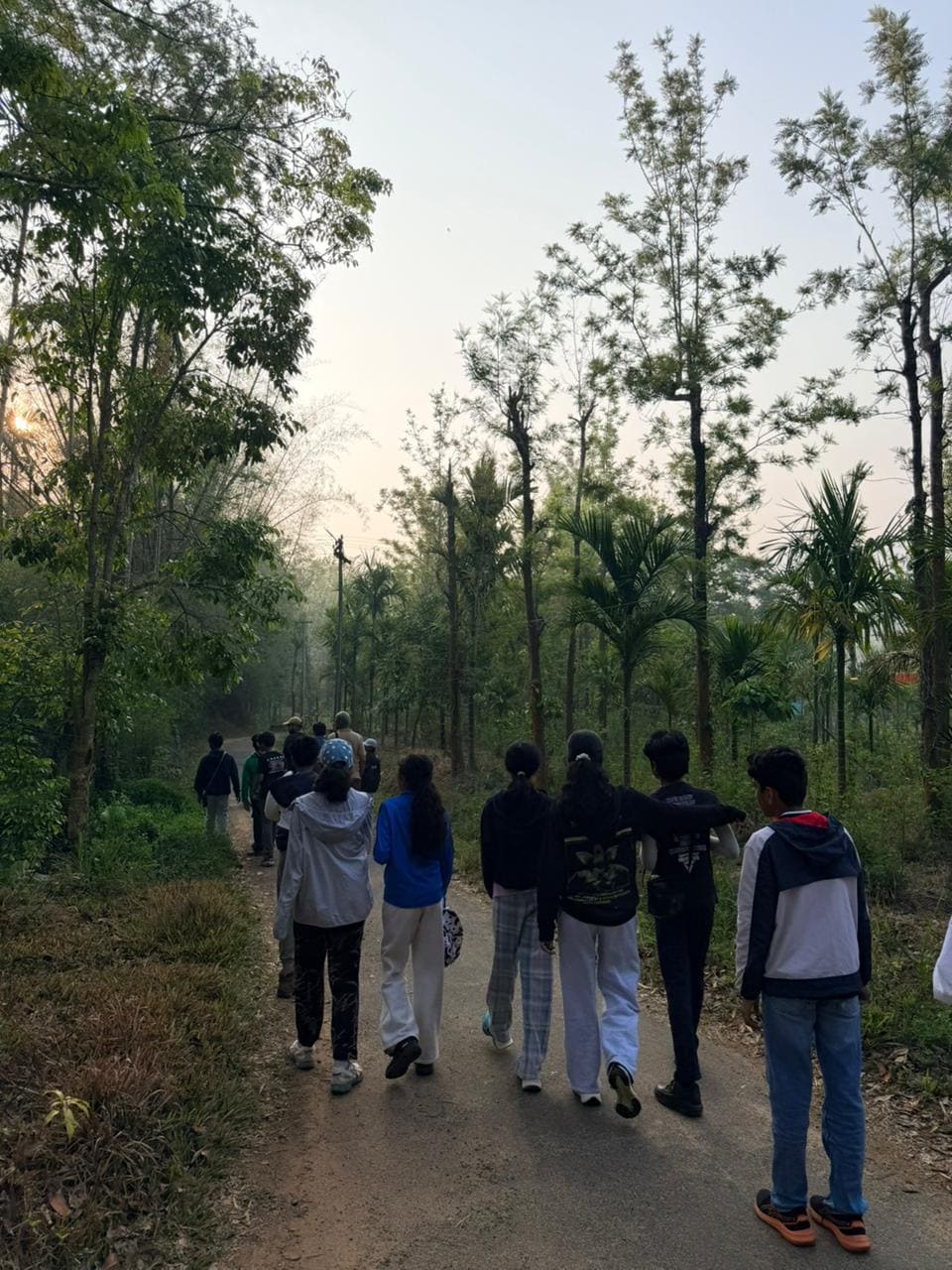
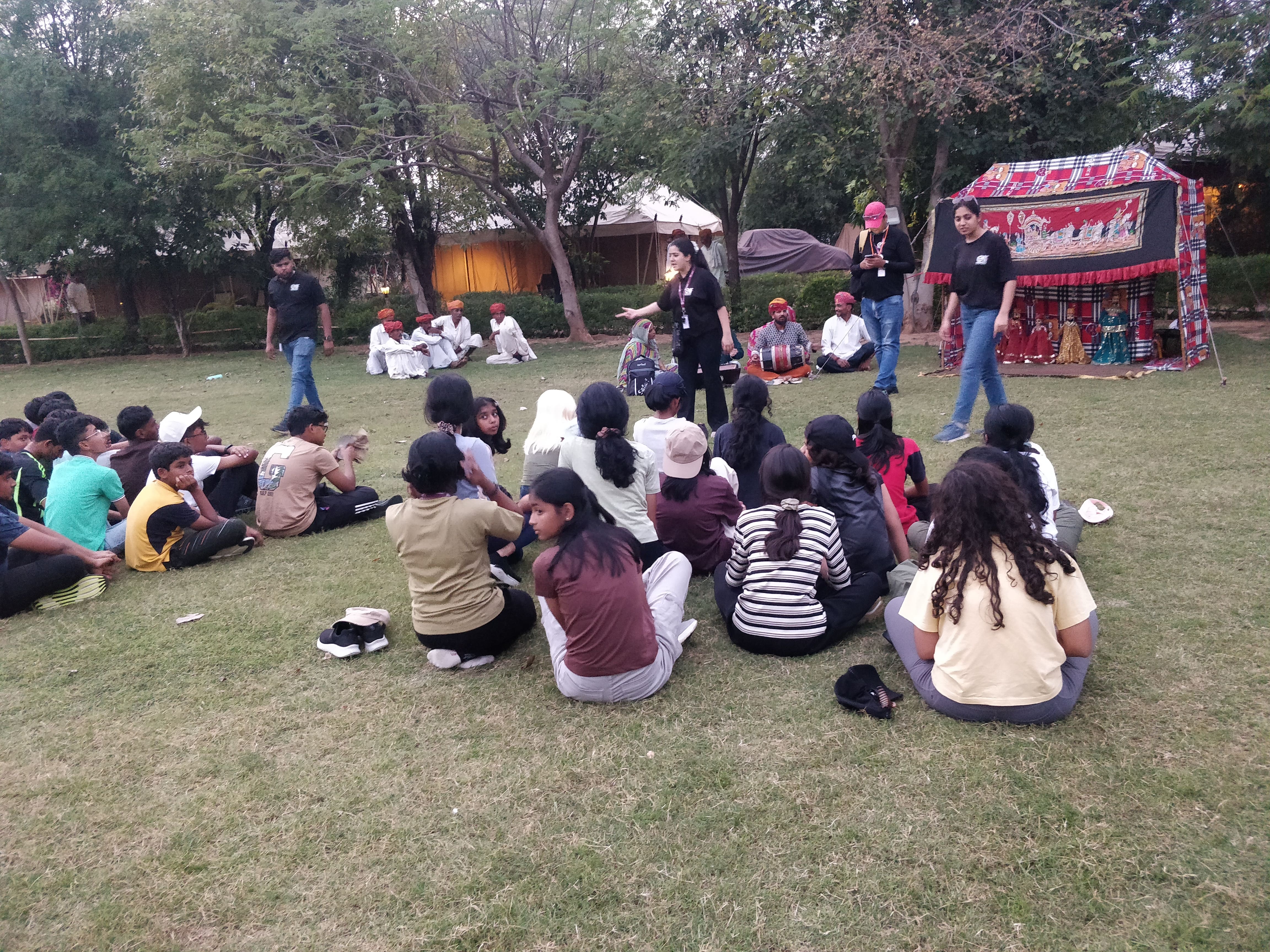
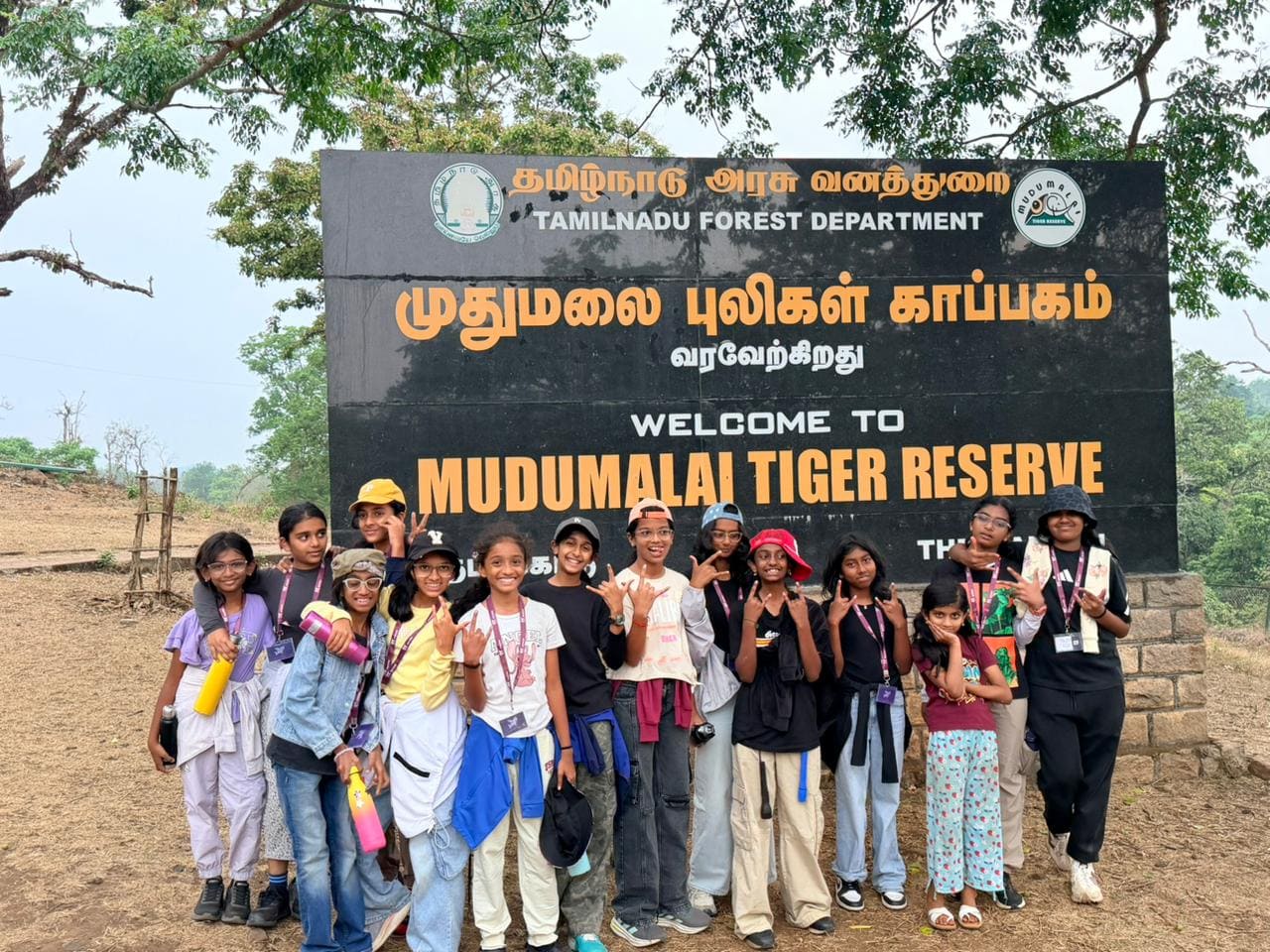
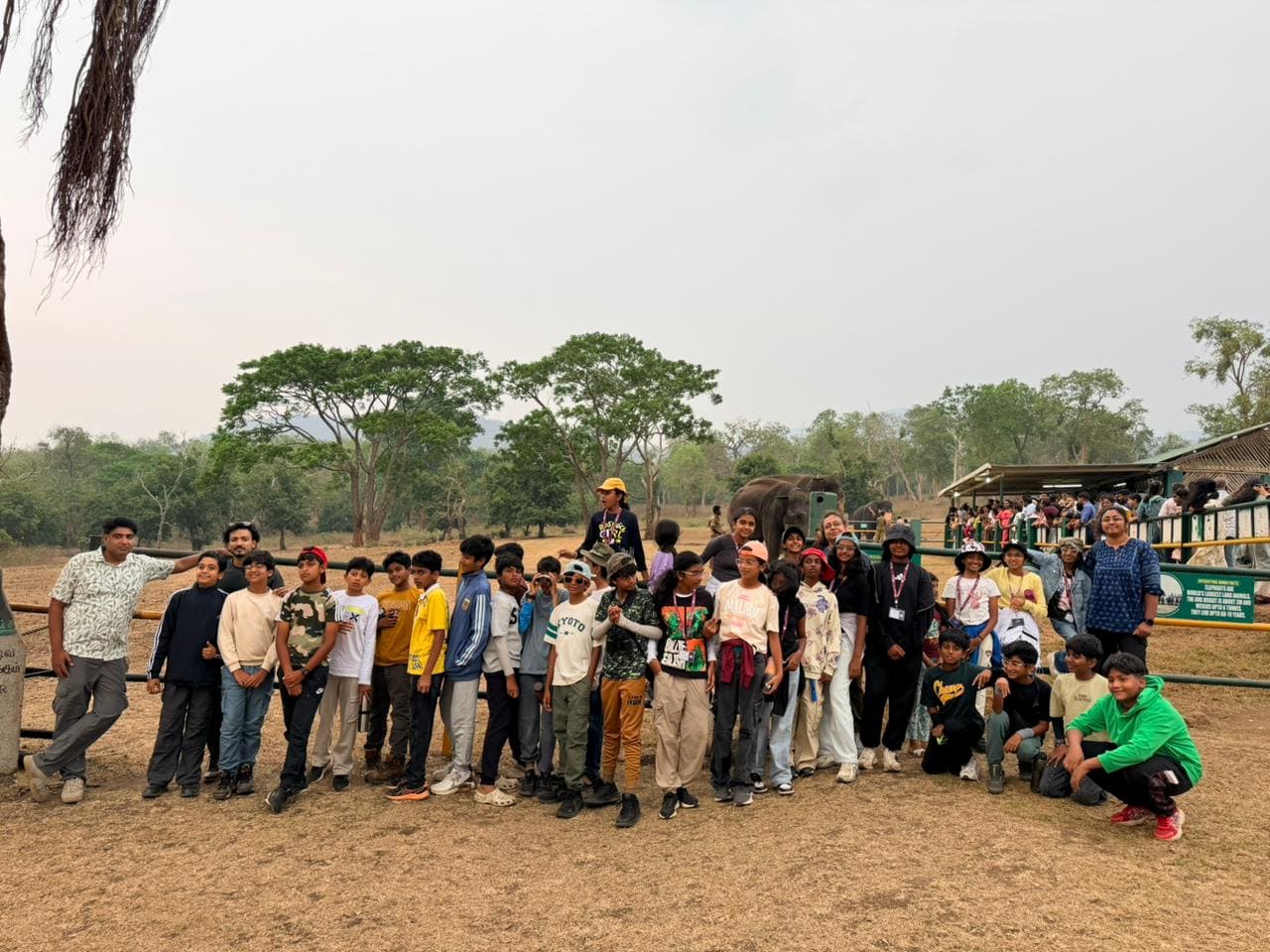
Our Middle Years students recently embarked on their Outdoor Learning Experience (OLE) journeys to Mudumalai (MY1), Kabini (MY2), and Ranthambore–Abhaneri (MY3)—immersing themselves in environments that offered rich opportunities for exploration, connection, and growth.

Set against diverse natural and cultural landscapes, these experiences encouraged students to step beyond familiar routines and engage meaningfully with the world around them. From navigating forest trails to observing wildlife habitats, each location offered its own unique context for learning.

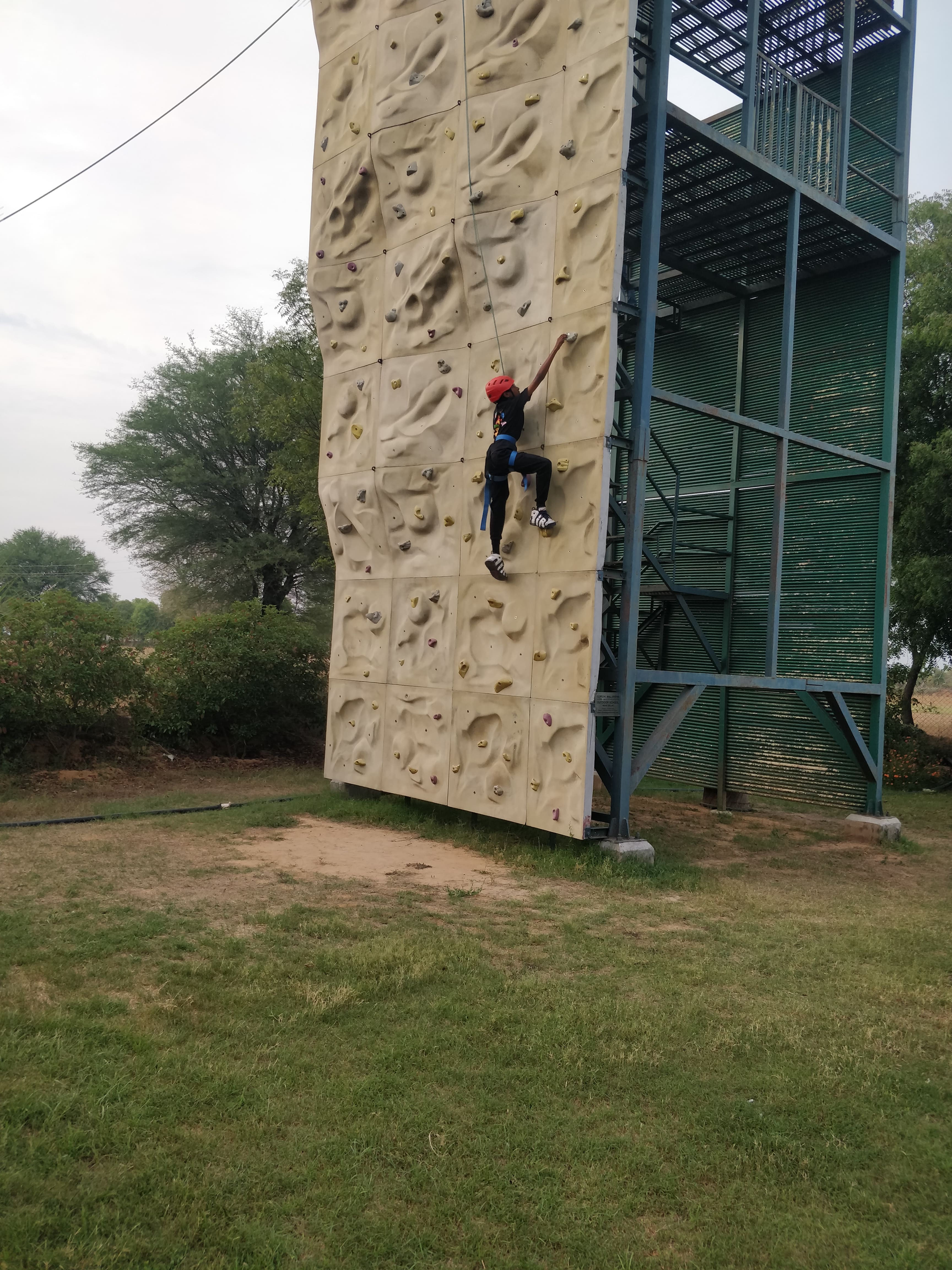
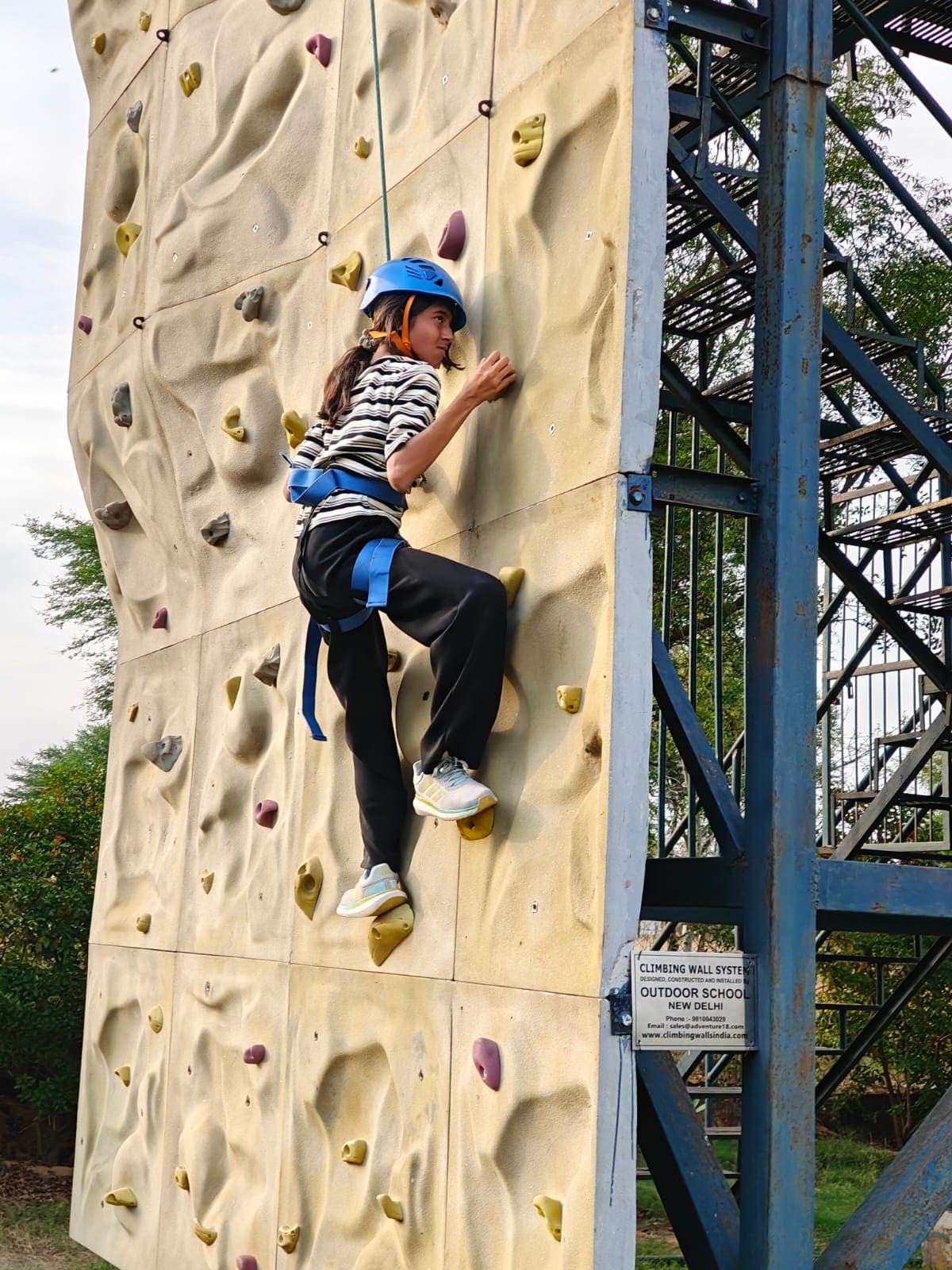
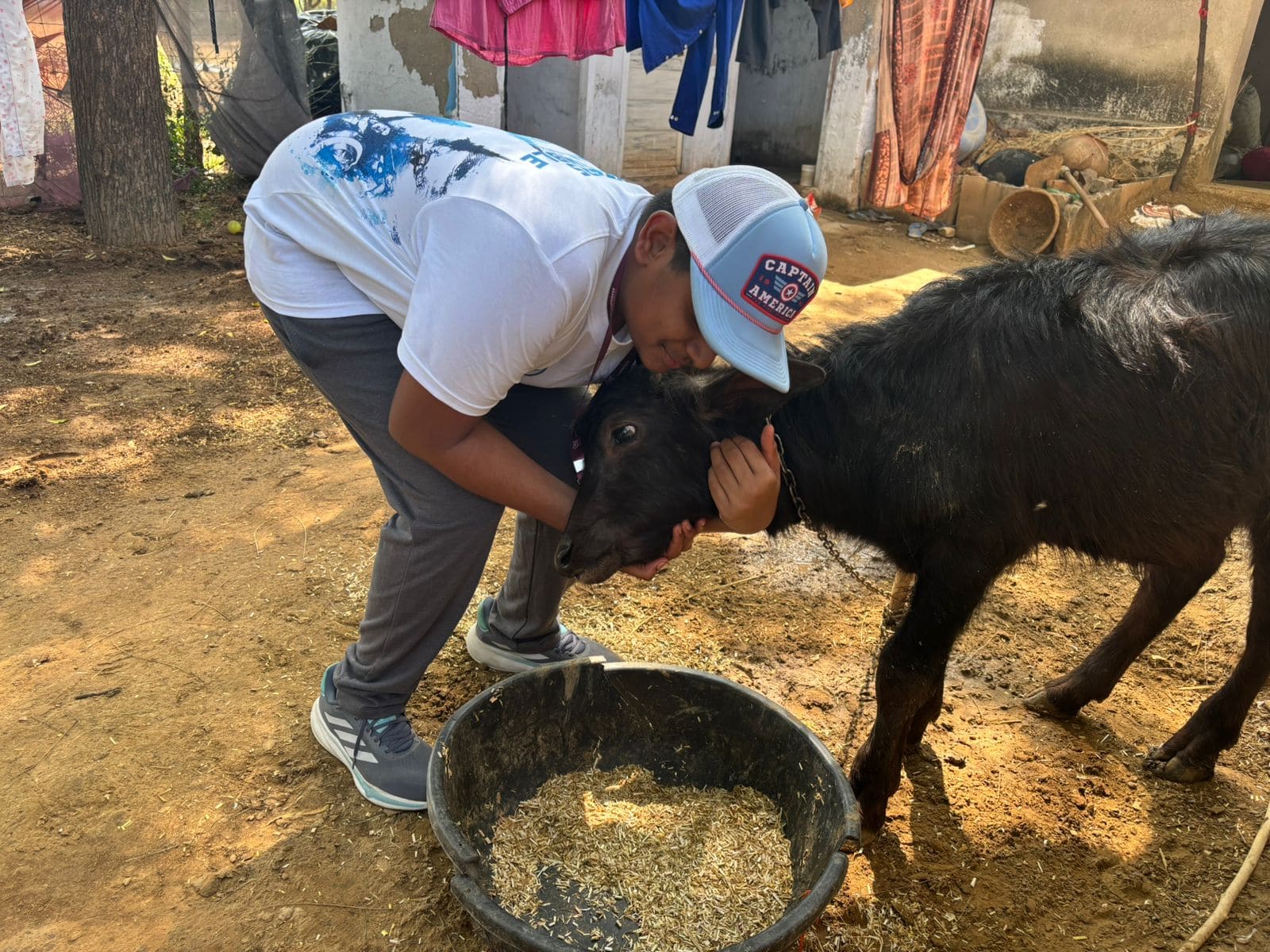
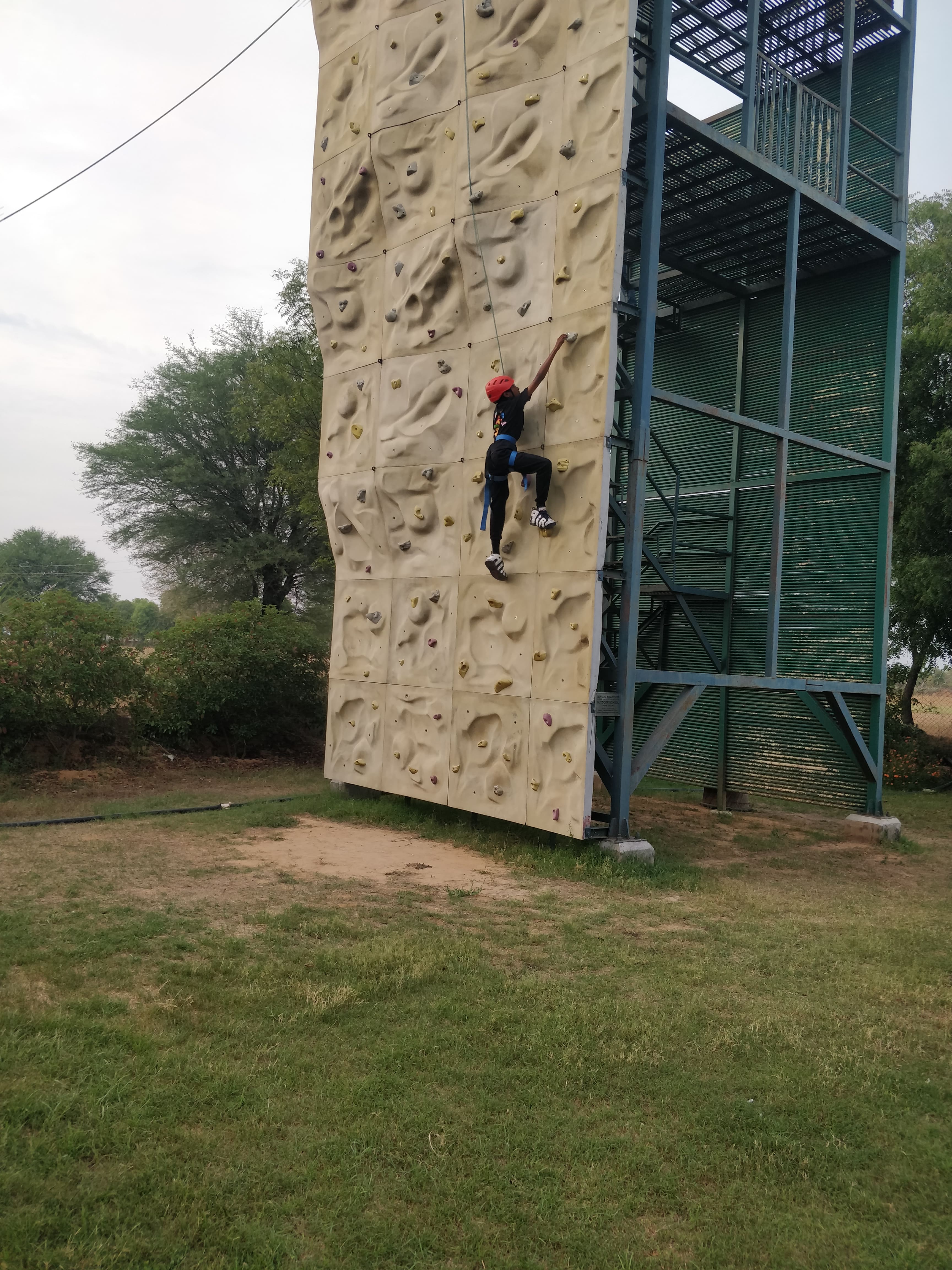
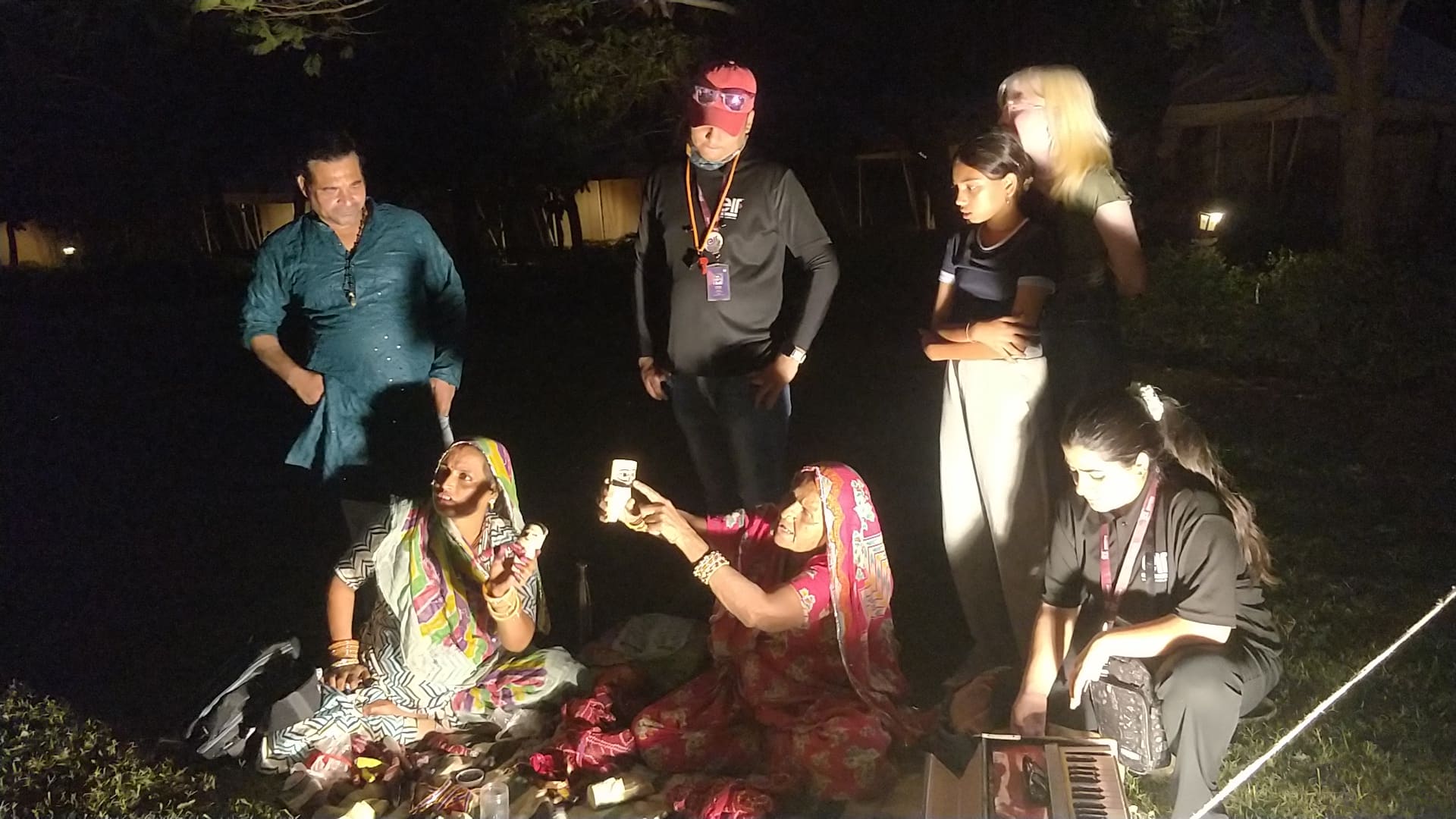
Students participated in a range of activities that challenged both body and mind, including rock climbing and rappelling, which built resilience, confidence, and trust. Creative experiences such as pottery sessions with local artisans provided insight into traditional crafts, while interactions within villages allowed students to experience a day in the life of local communities—fostering empathy, respect, and a deeper understanding of different ways of living.

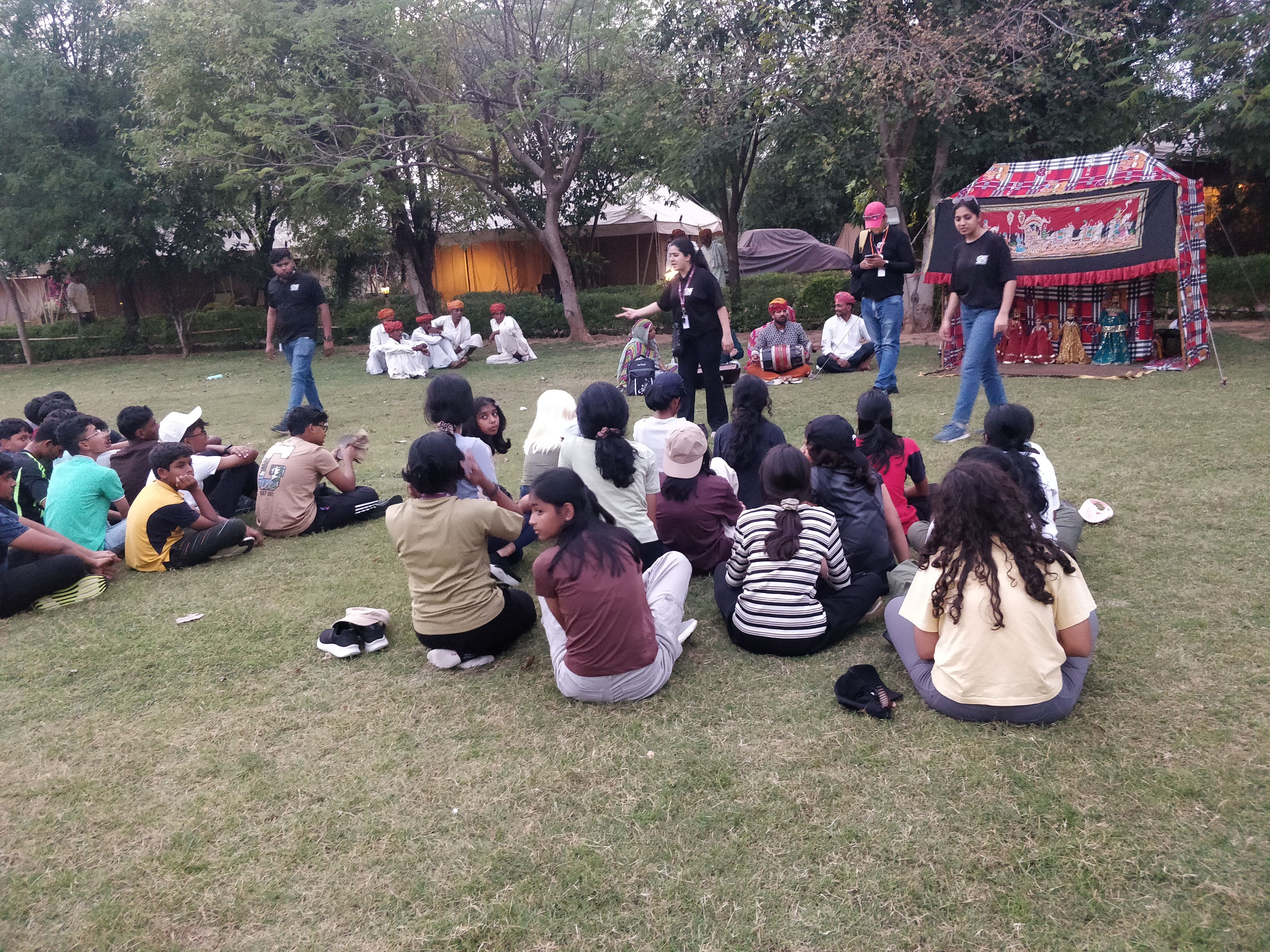
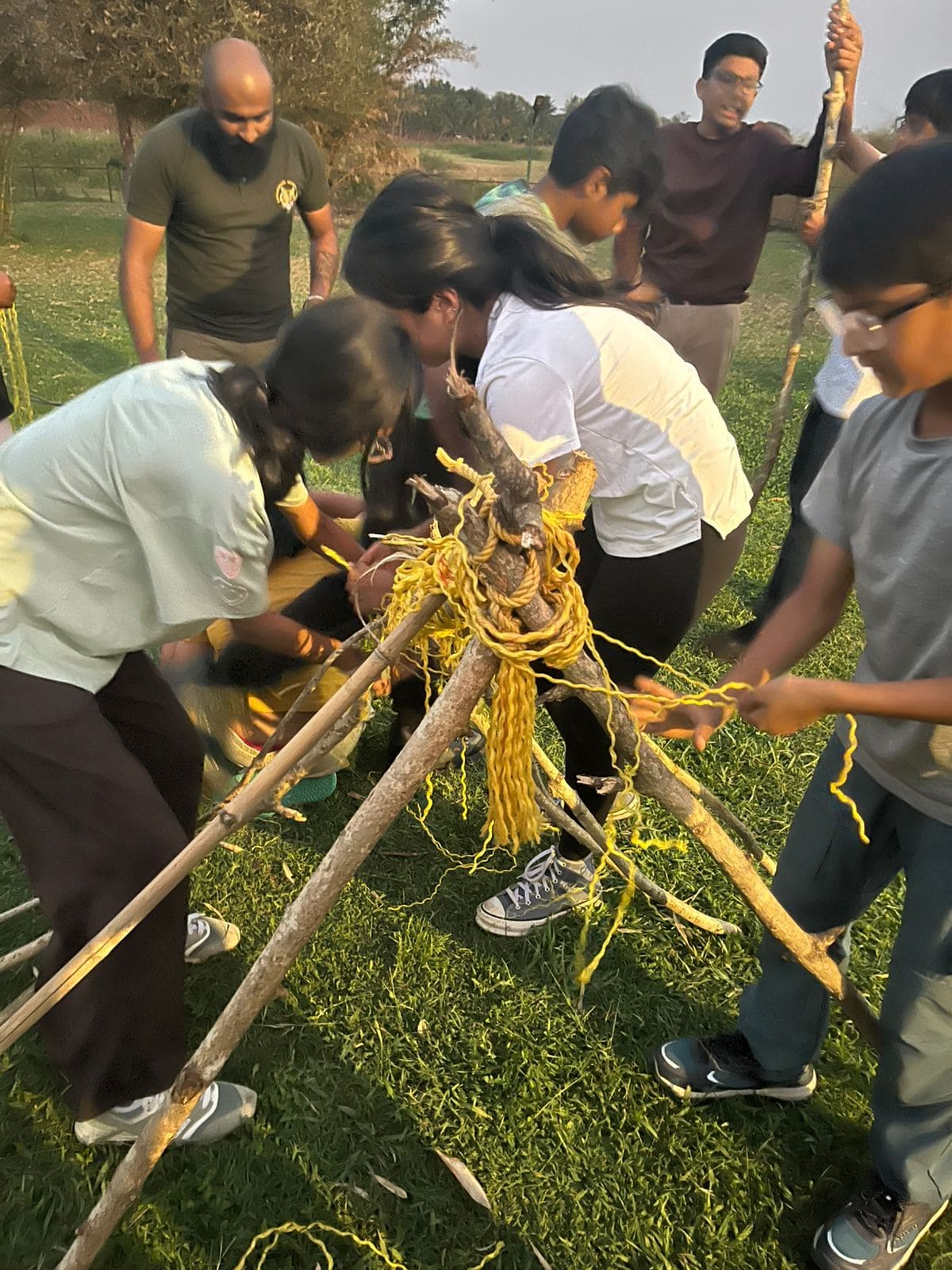
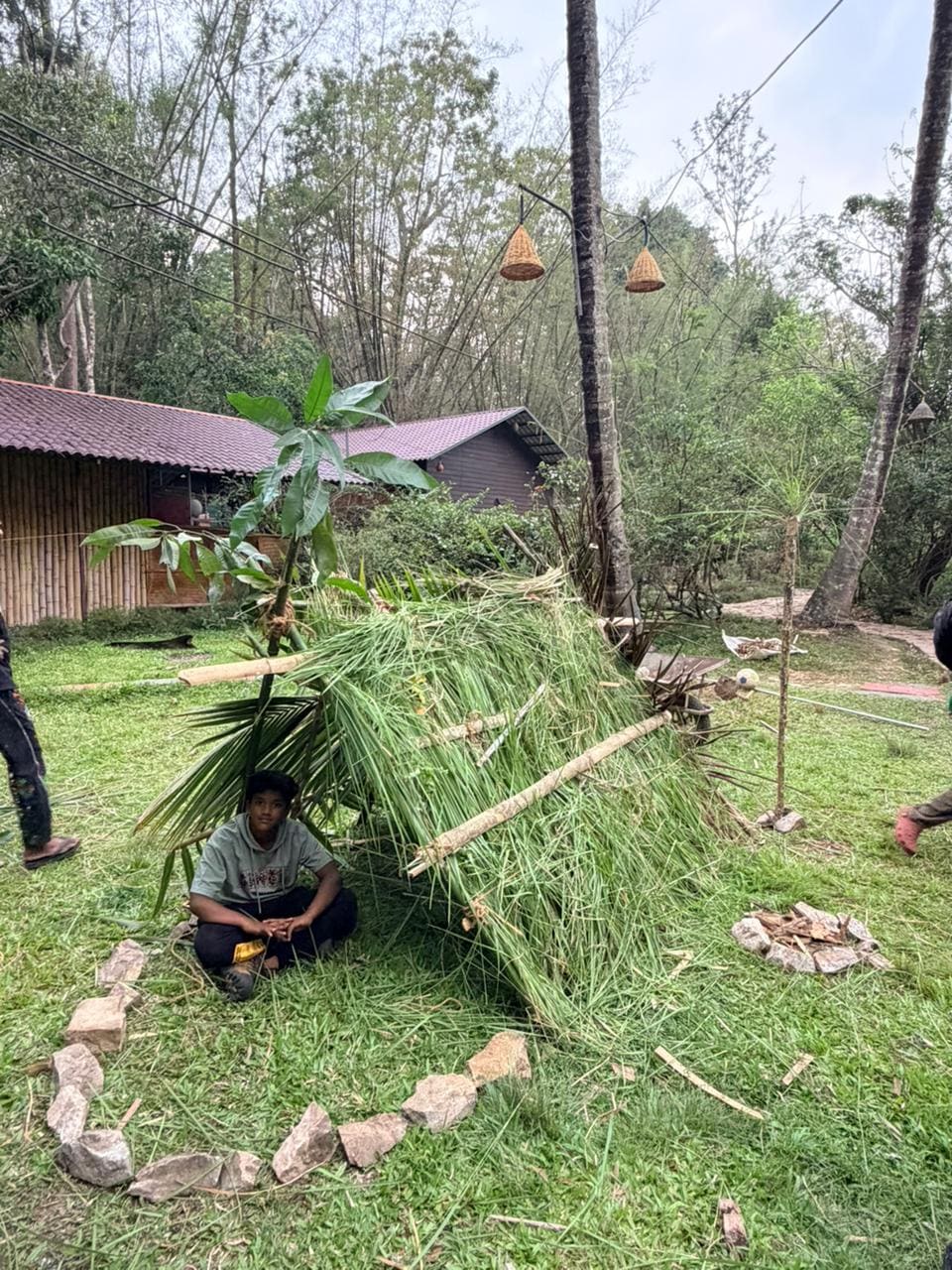
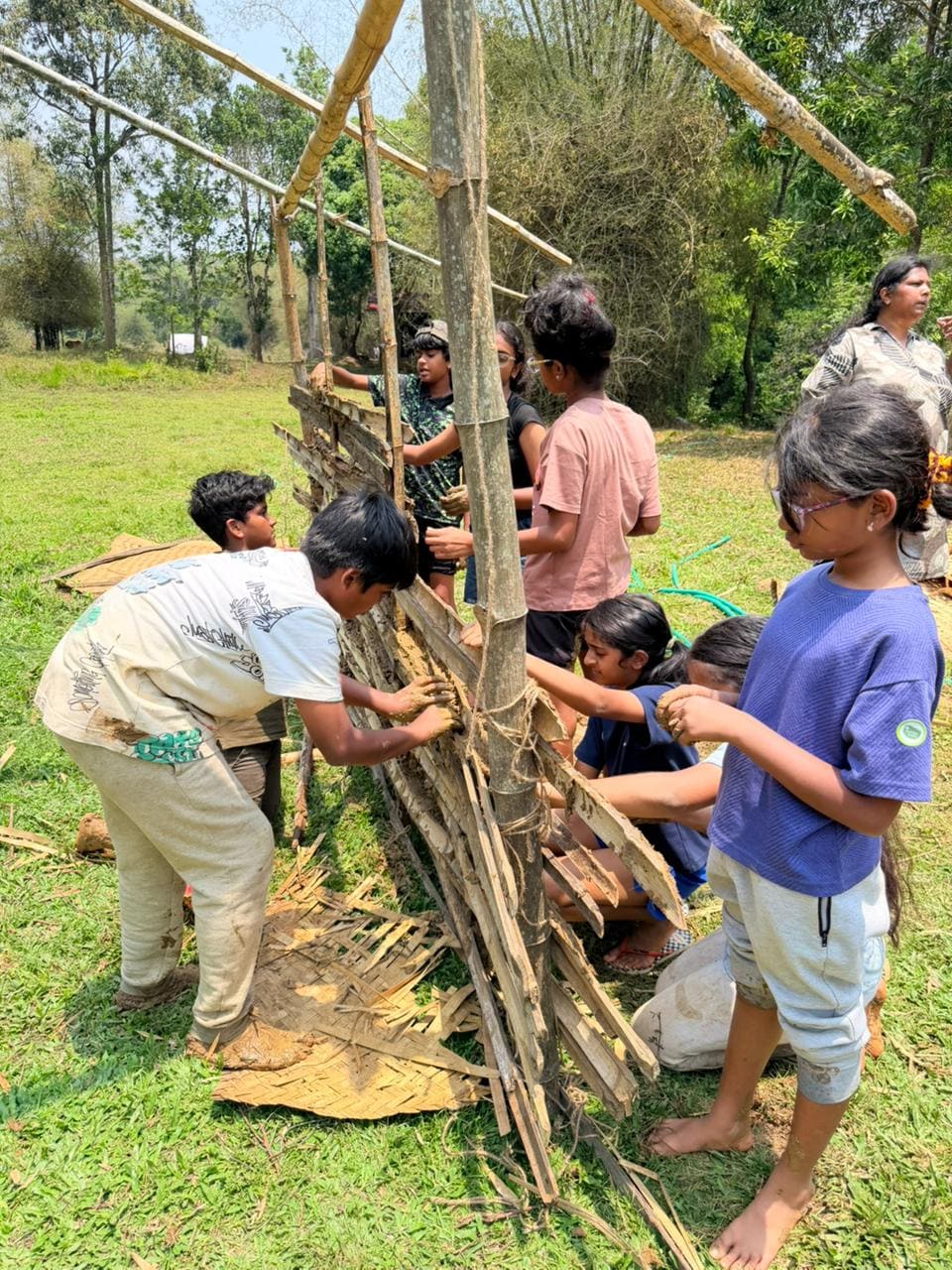
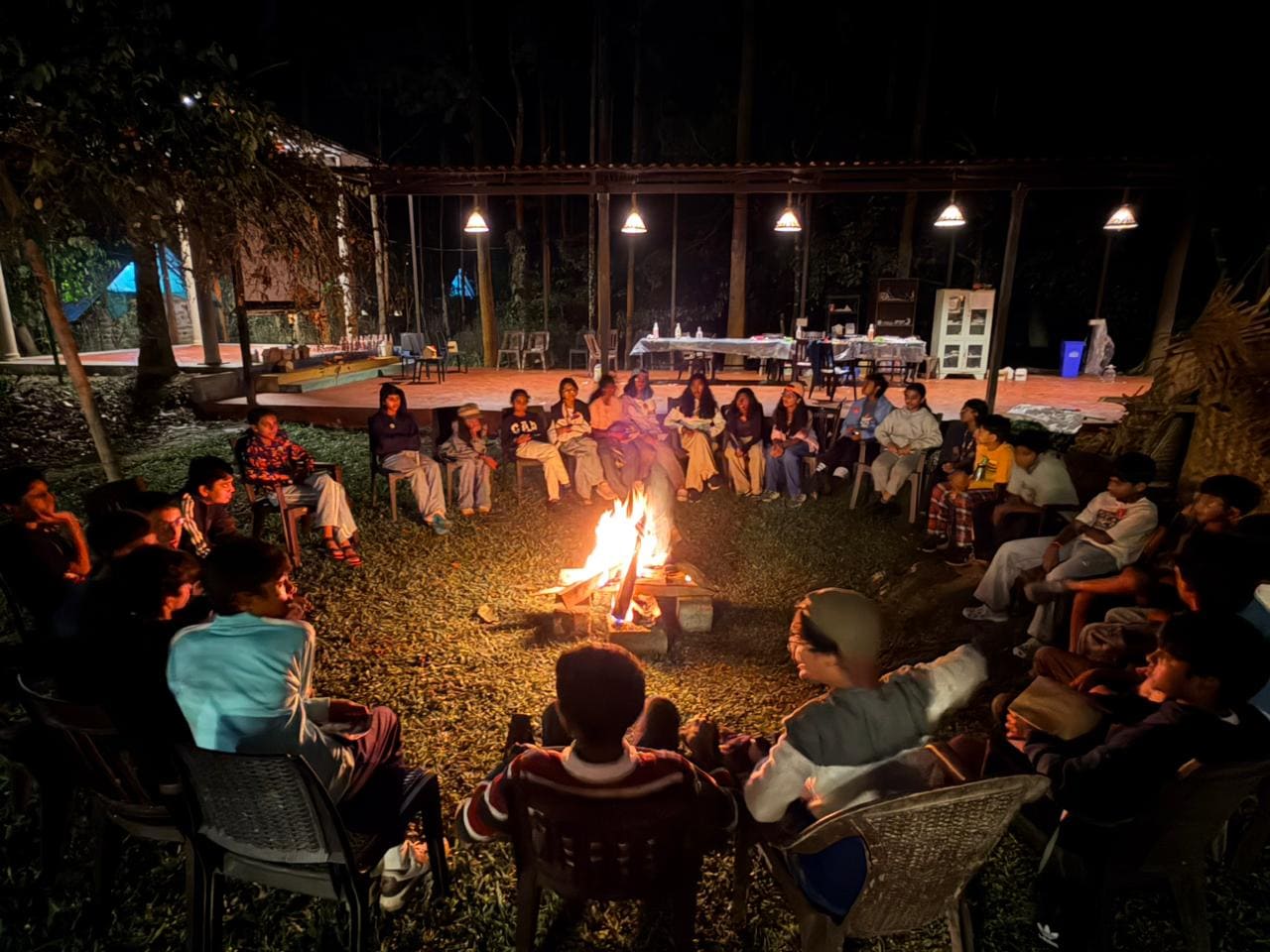
The camps were equally filled with moments of joy and collaboration. Students worked together to build shelters using natural materials like leaves, twigs, and stems, engaged in team games, and shared stories and songs around the campfire—strengthening bonds and creating lasting memories.

Across all three locations, the OLE was not just about adventure, but about developing independence, adaptability, and a sense of responsibility. Students learned to navigate unfamiliar situations, support one another, and reflect on their experiences—gaining perspectives that extend far beyond the classroom.

The Outdoor Learning Experience continues to be a meaningful part of our programme, offering students the space to discover not only the world around them, but also their own capabilities within it.


Curriculum ,

Education ,

Education For Life ,

Environment ,

IB ,

Innovation ,

Middle ,

Nature ,

Outbound Learning ,

School ,

Travel ,

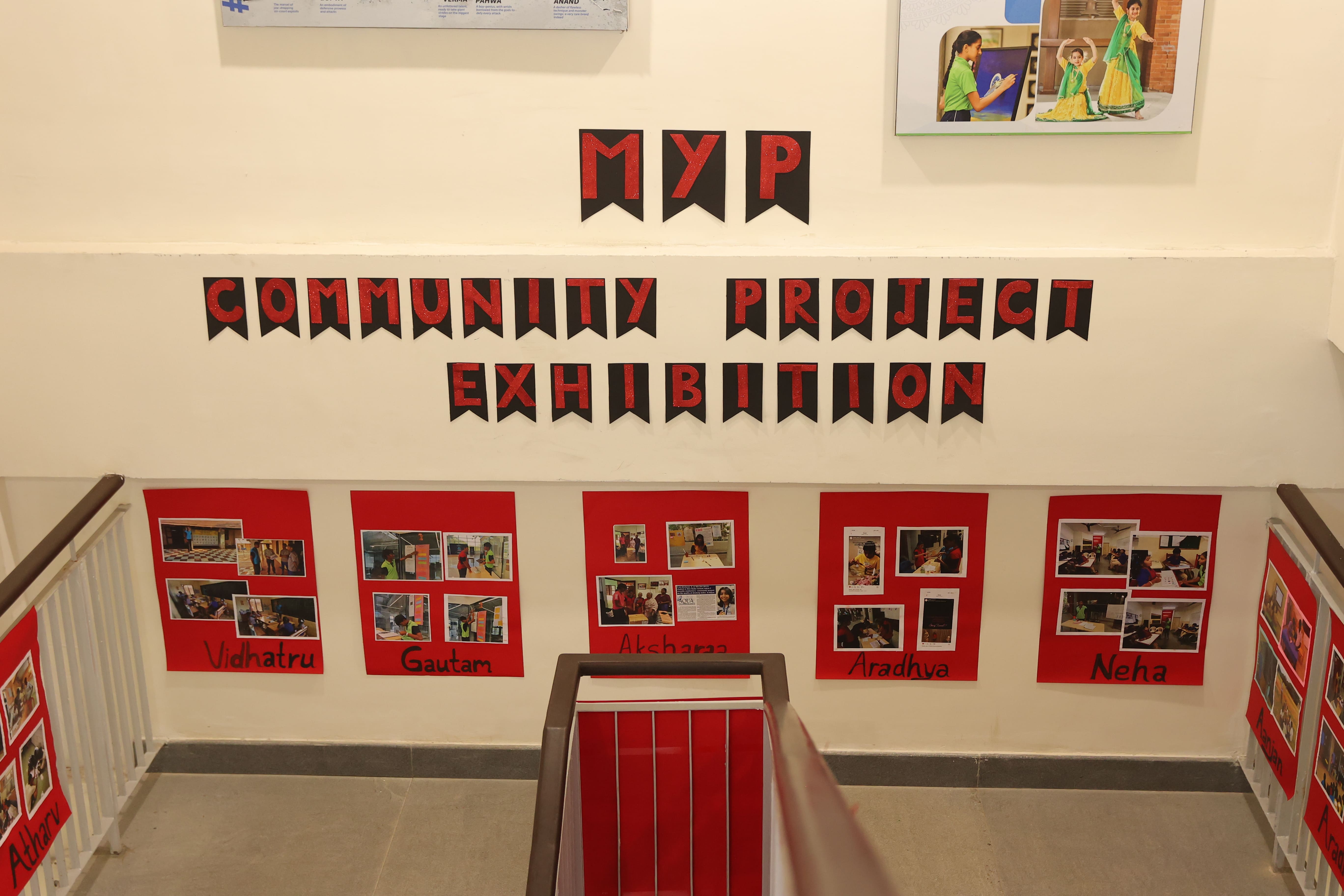
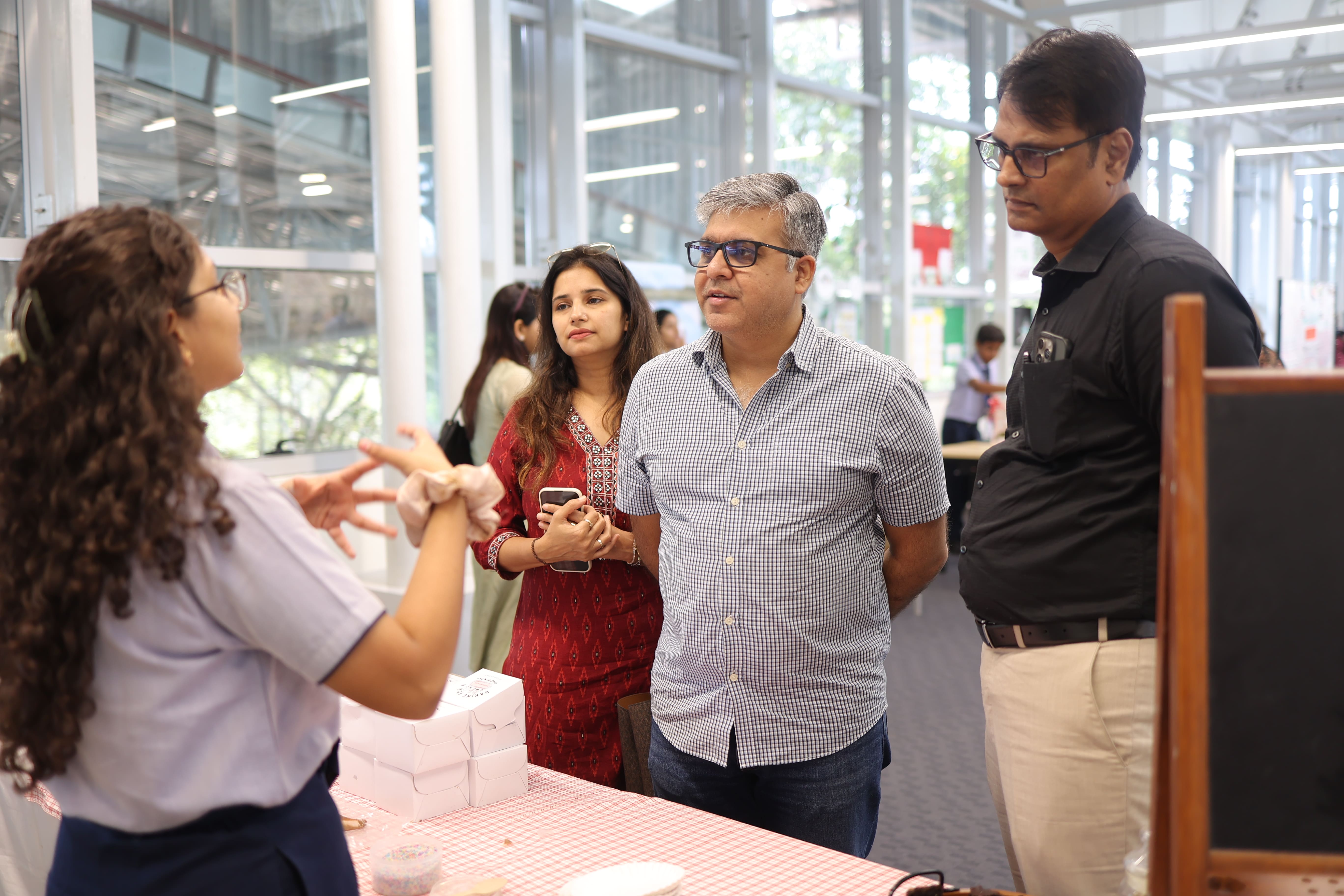
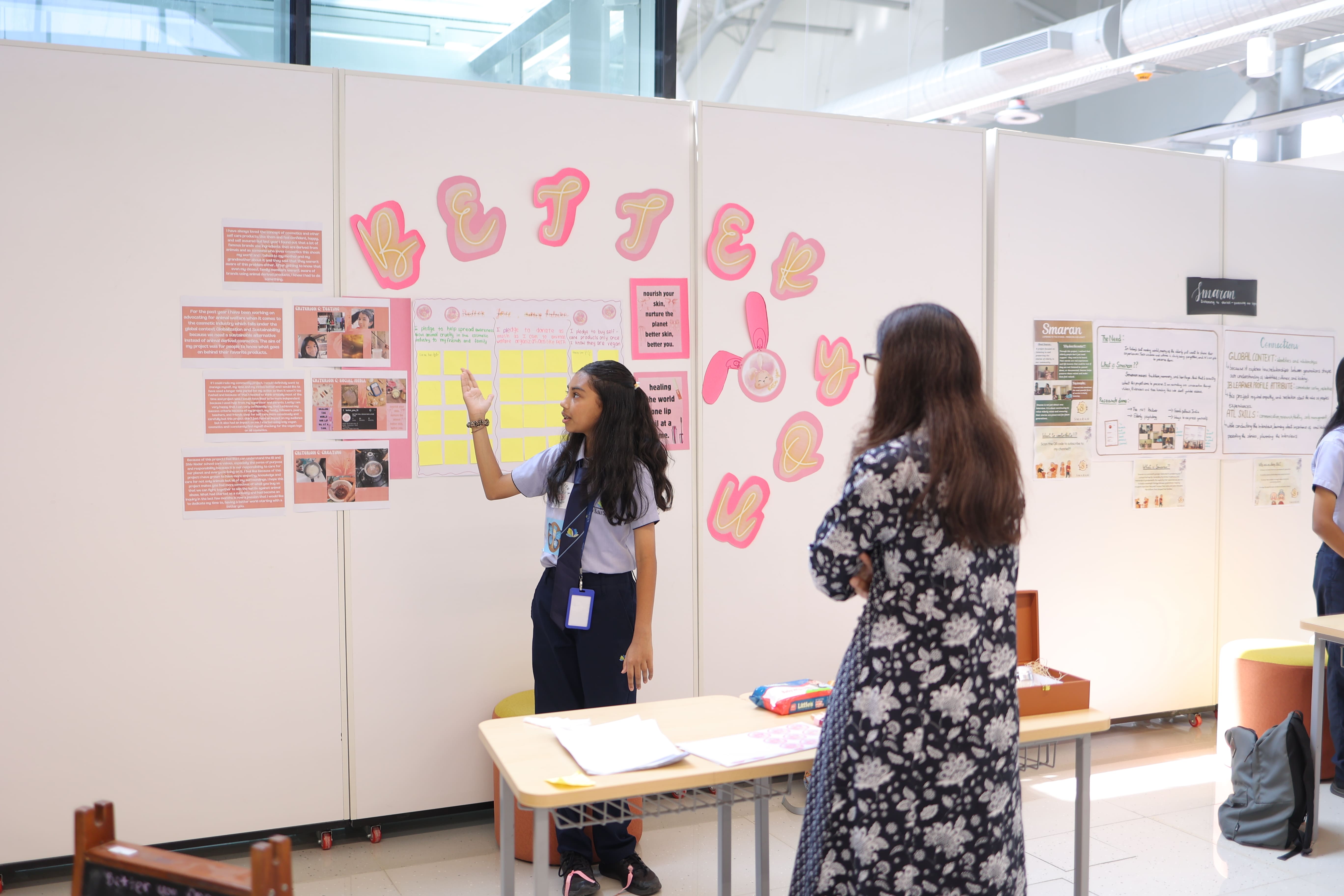
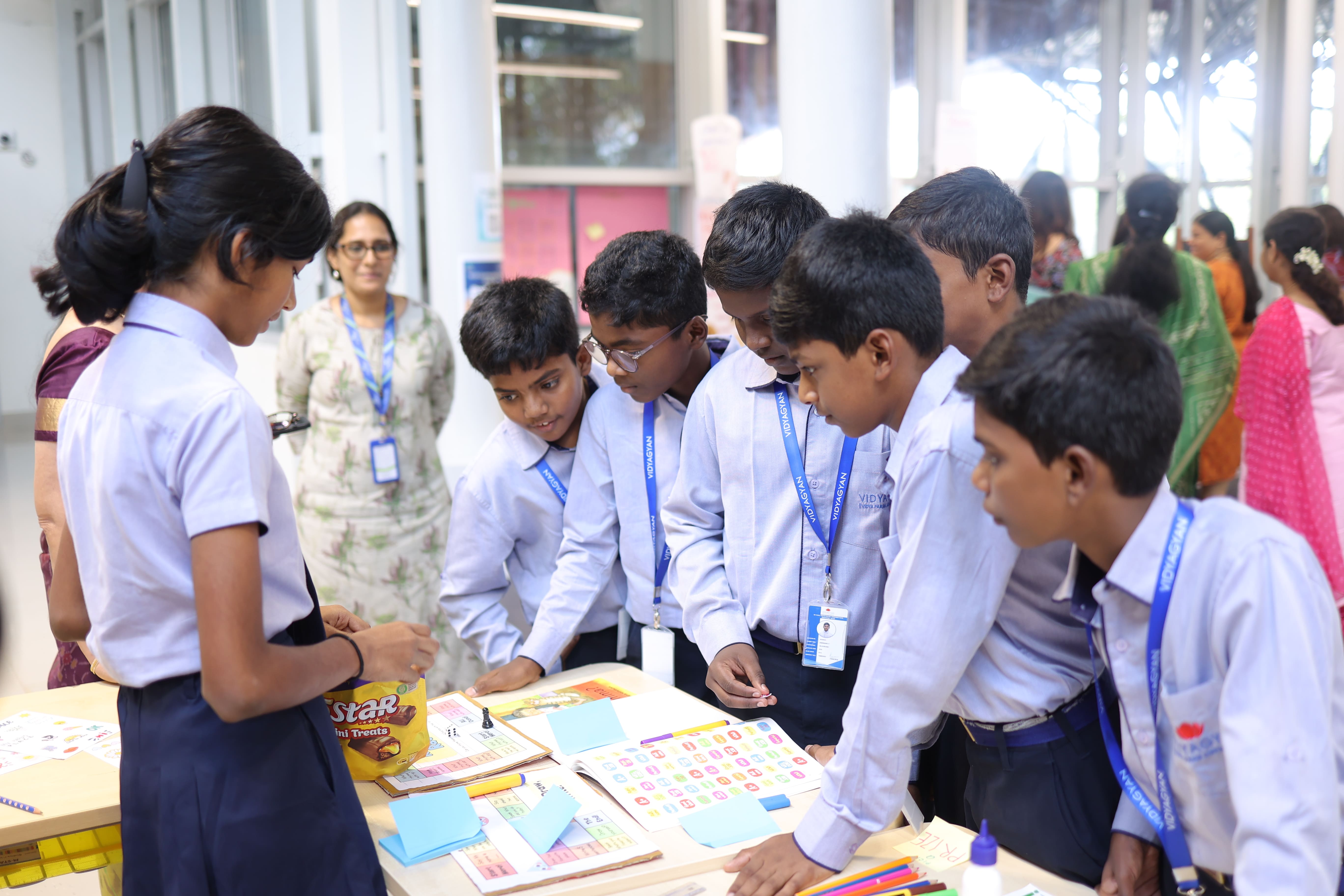
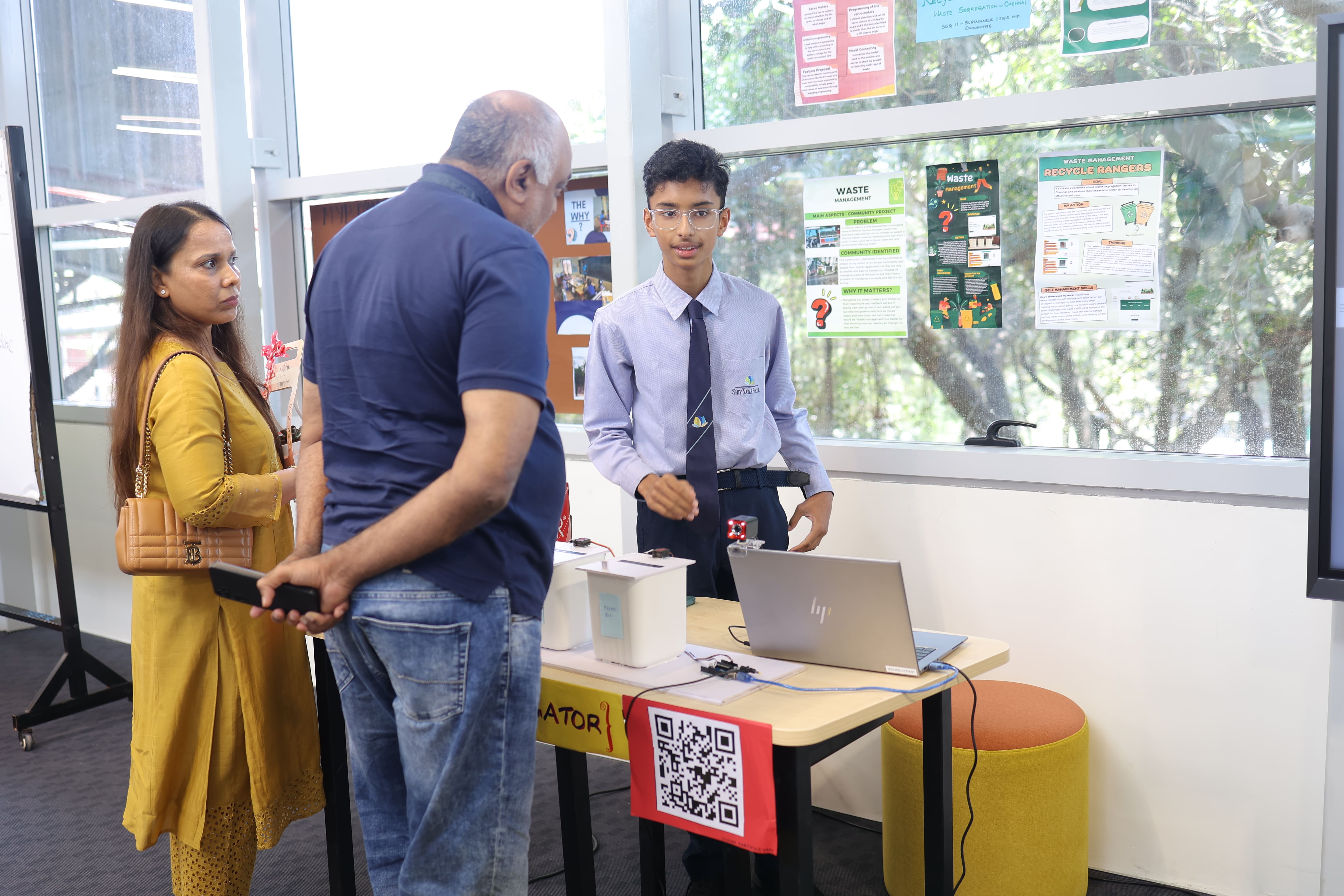
MY3 Community Project 2025–26: Service in Action


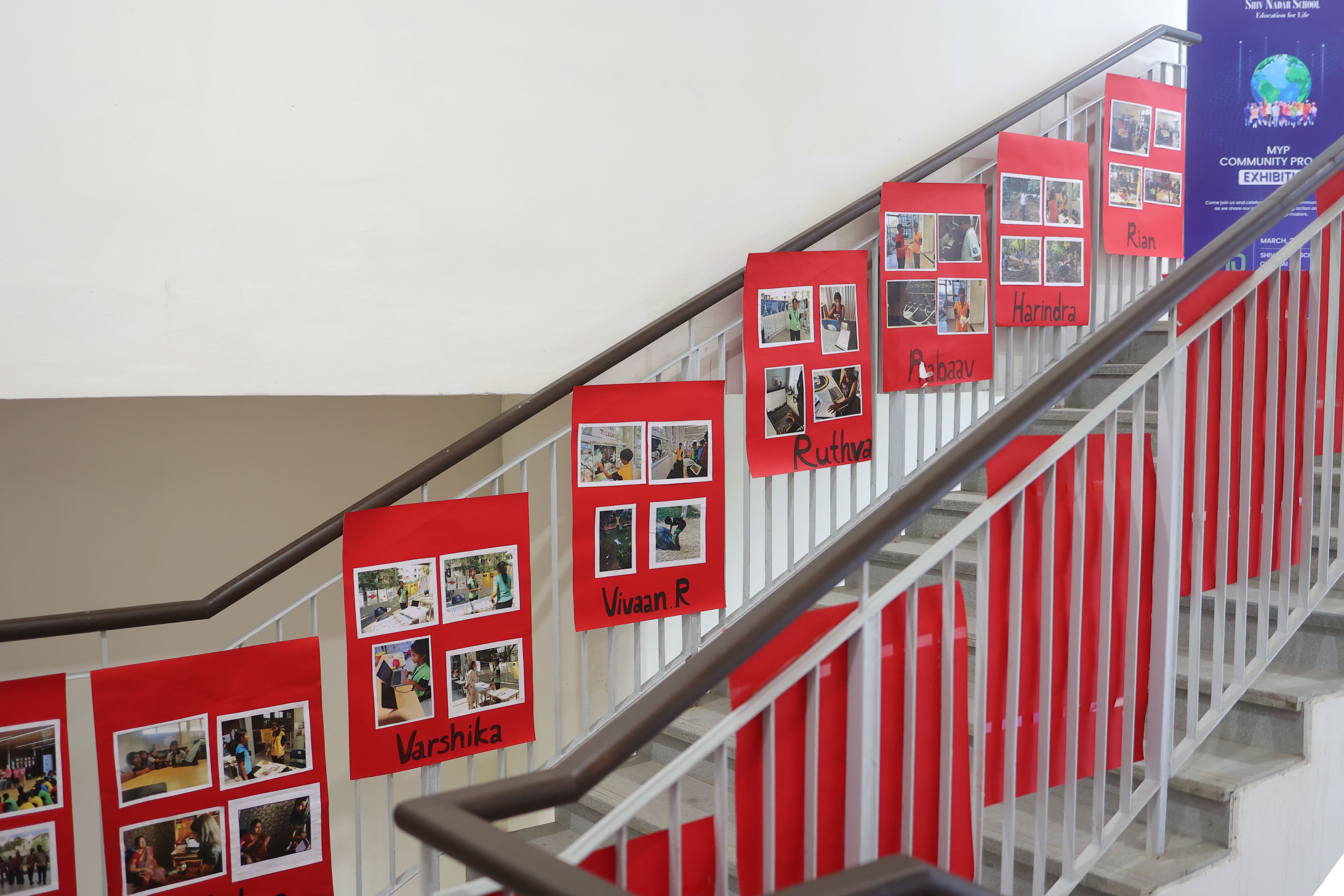
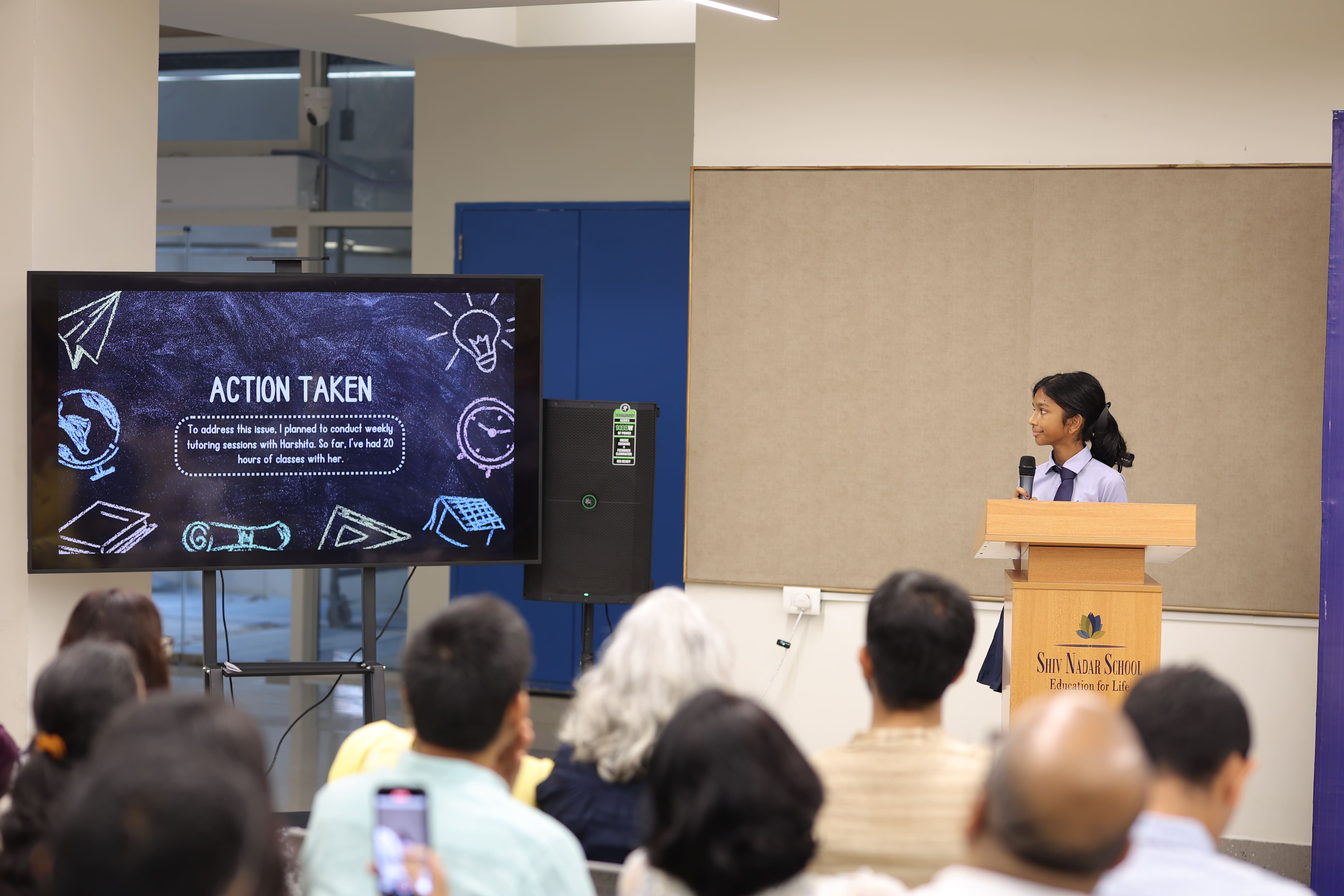
The MY3 Community Project is a powerful culmination of the Middle Years Programme, centred on community, service, and student agency. It encourages learners to explore their rights and responsibilities, engage in meaningful inquiry, and take purposeful action to address real-world needs.

As a sustained, self-directed project, the Community Project enables students to move beyond the classroom—developing awareness of diverse communities and responding through thoughtful and impactful service. It is a journey that combines research, reflection, and action, allowing students to translate learning into meaningful contributions.

A Cycle of Inquiry and Action

Guided by the MYP framework, students engage in a continuous cycle of:
Investigating, Planning, Taking Action, and Reflecting.

Through this process, they develop essential skills such as critical thinking, communication, self-management, and collaboration, while also demonstrating responsibility and a commitment to making a difference.

The project aims to empower students to:

  • Engage in sustained, in-depth inquiry within a global context
  • Generate new insights and deepen understanding
  • Demonstrate perseverance and ownership over an extended period
  • Communicate effectively across diverse contexts
  • Take responsible action as a result of their learning
  • Reflect on their journey and take pride in their achievements

Diverse Projects, Meaningful Impact

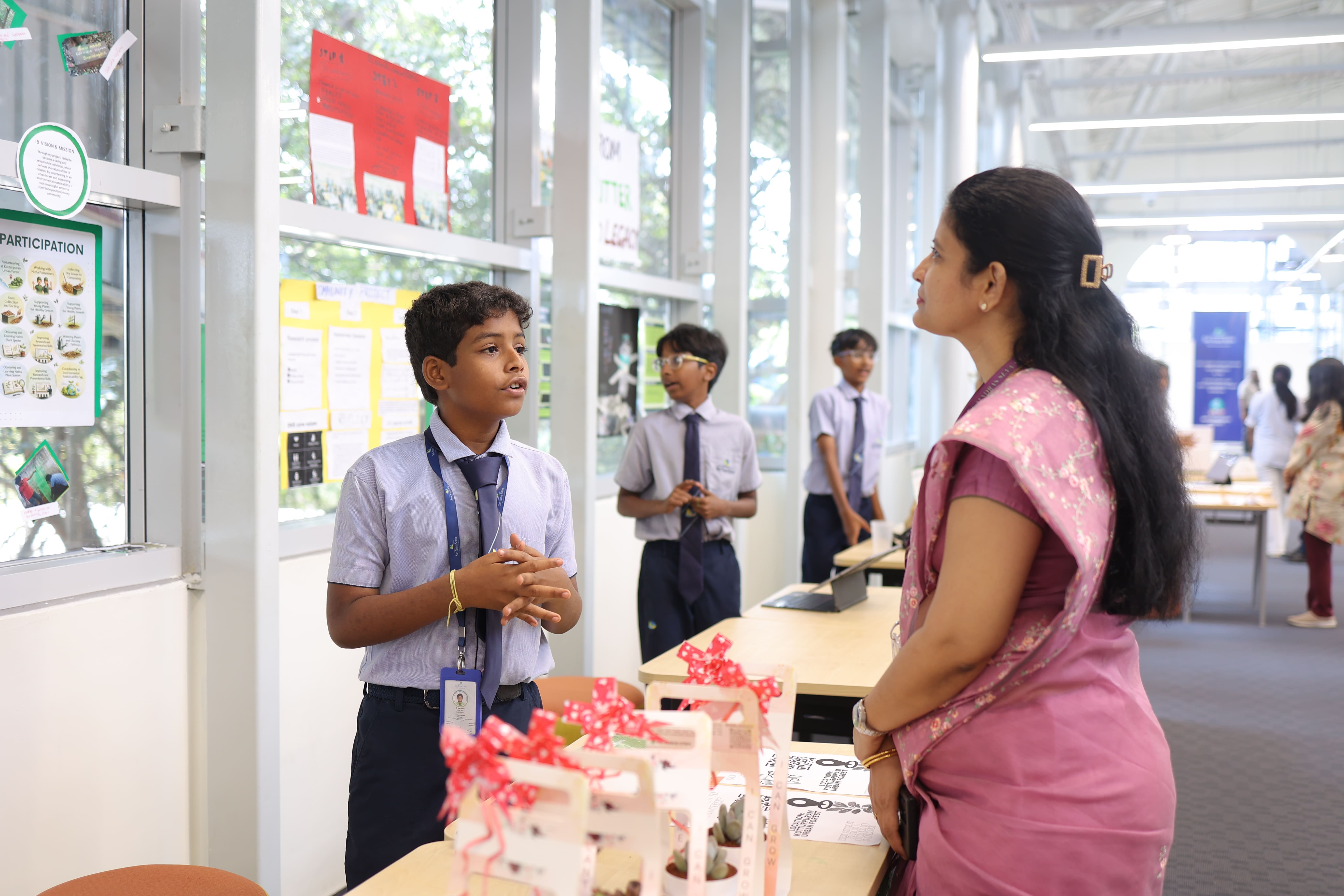
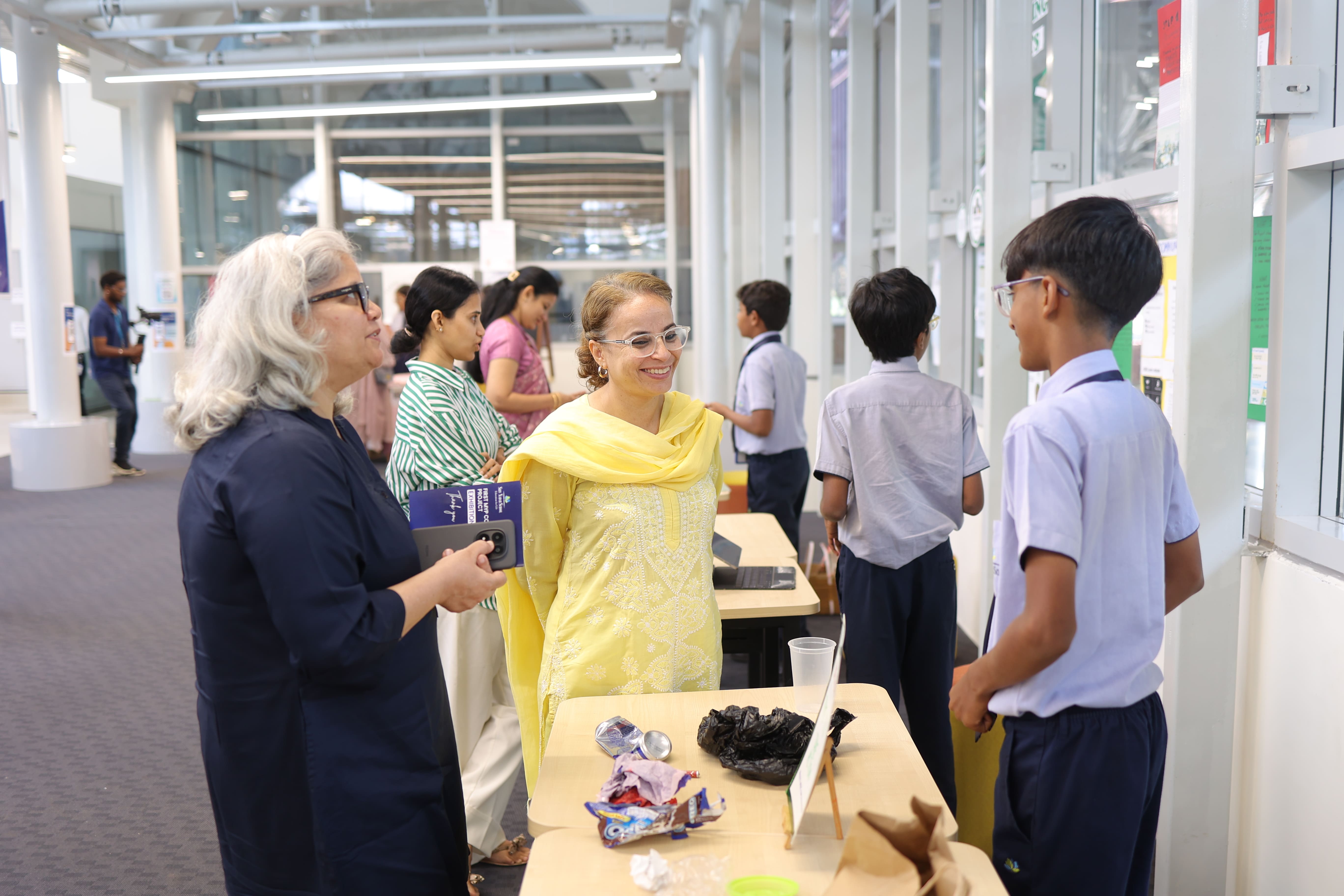
This year, 36 students undertook projects that were deeply personal and purpose-driven. Spanning direct service, advocacy, research, and indirect service, the projects reflected both breadth and depth of engagement across key areas:

  • Education & Skill Development: Tutoring, literacy initiatives, sports coaching, AI literacy, and life skills for underprivileged and neurodivergent learners
  • Health, Safety & Well-being: Menstrual health awareness, first aid training, digital safety for elders, nutrition, and child safety initiatives
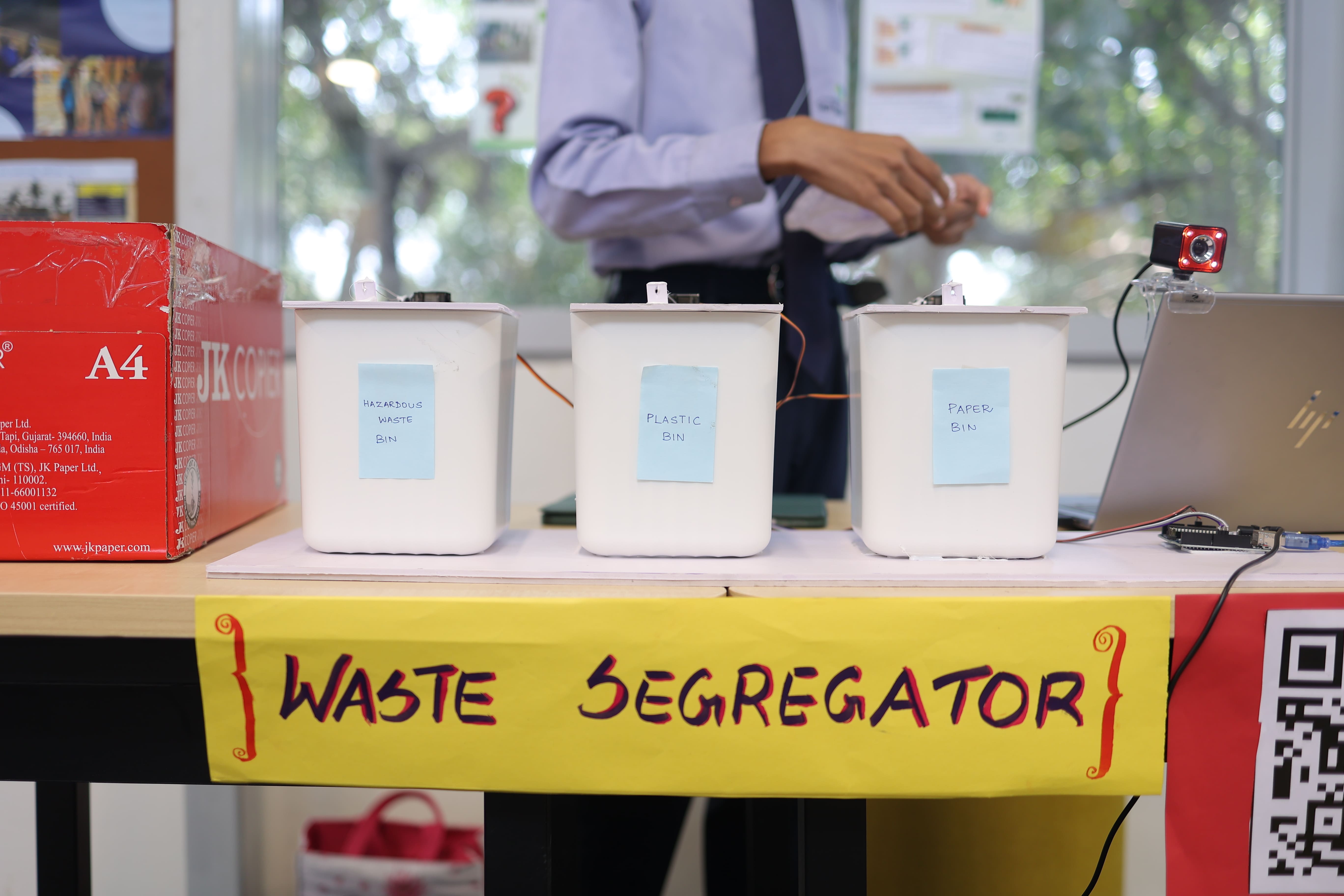
  • Environmental Sustainability: Clean-up drives, waste management, recycling initiatives, conservation efforts, and community gardening
  • Equity, Inclusion & Social Justice: Advocacy on the pink tax, voter awareness, digital literacy for domestic helpers, and support for diverse communities
  • Animal Welfare: Stray dog care, adoption advocacy, and awareness on coexistence and ethical practices
  • Entrepreneurship & Livelihood: Skill-building initiatives, including baking and awareness around sustainable consumer choices

Growing as Reflective Changemakers

The MY3 Community Project is more than an academic milestone—it is a transformative experience that nurtures empathy, resilience, and a sense of purpose. Through their projects, students not only addressed real-world challenges but also developed a deeper understanding of their role as active and responsible members of society.

As they move forward, these young learners carry with them the confidence to lead, the compassion to care, and the conviction to create meaningful change in their communities.


Creative ,

Curriculum ,

Education ,

Education For Life ,

IB ,

Innovation ,

Leadership ,

Middle ,

Progressive ,

School ,

Secondary ,

The PYP Exhibition: Sharing the Planet in Action


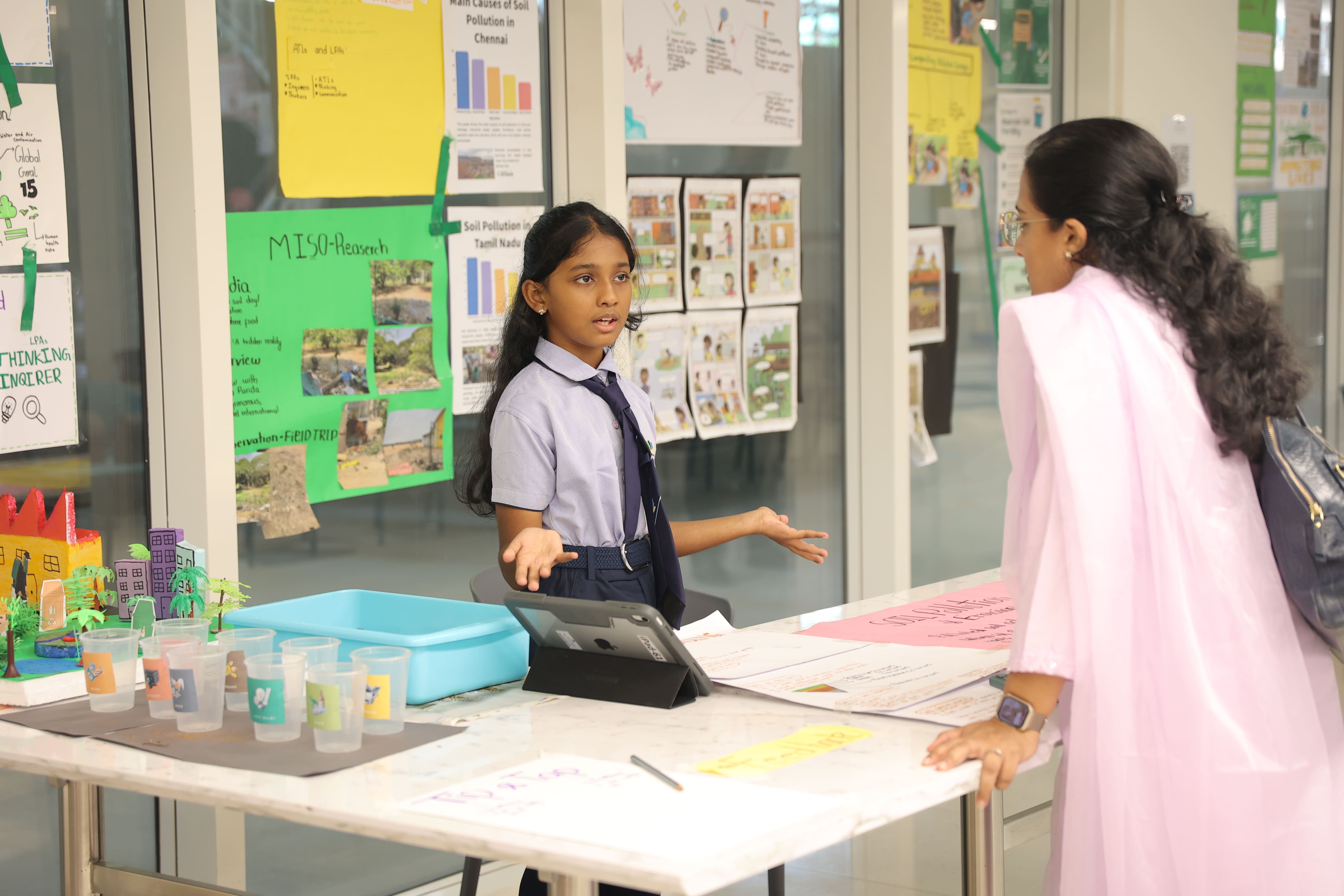
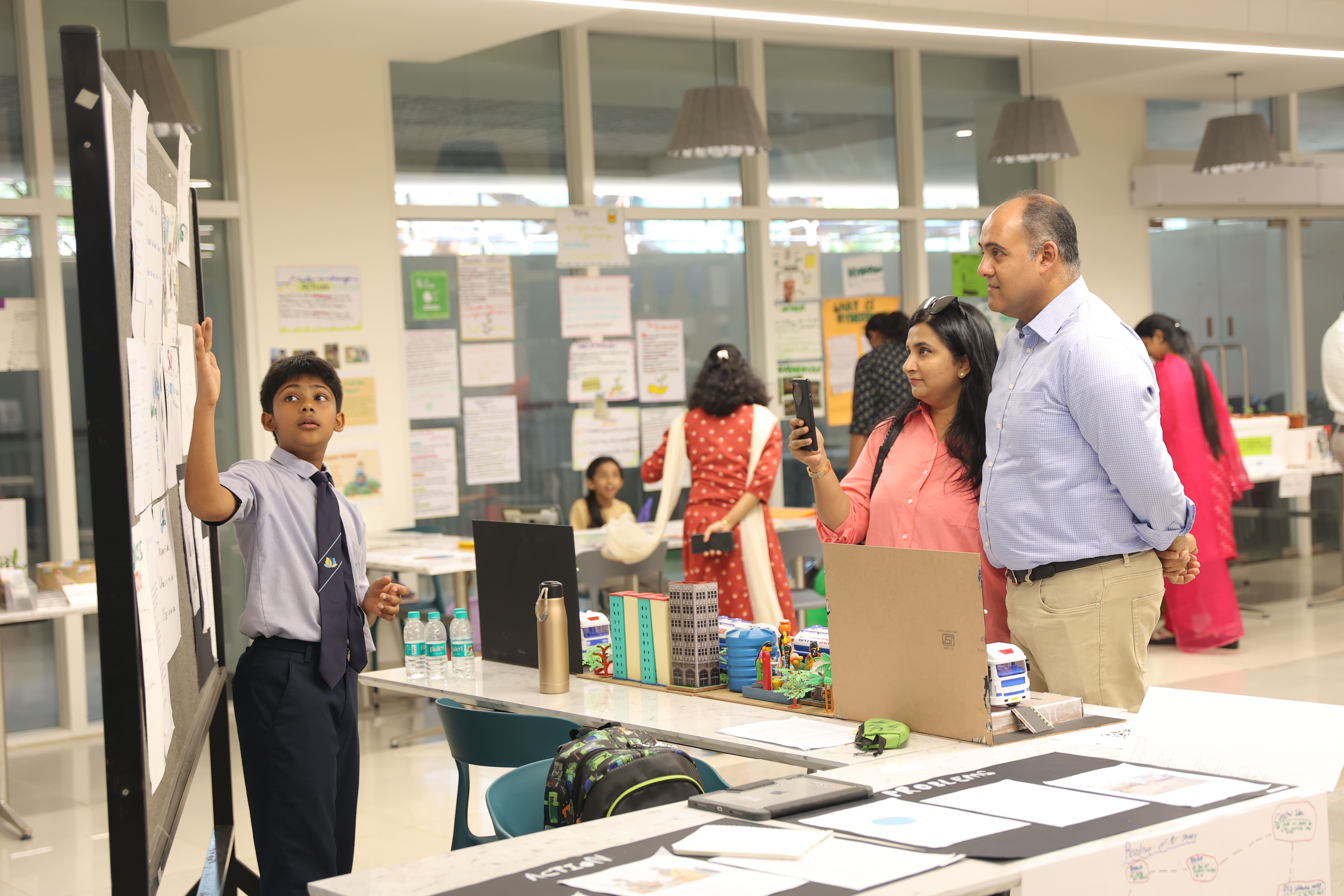
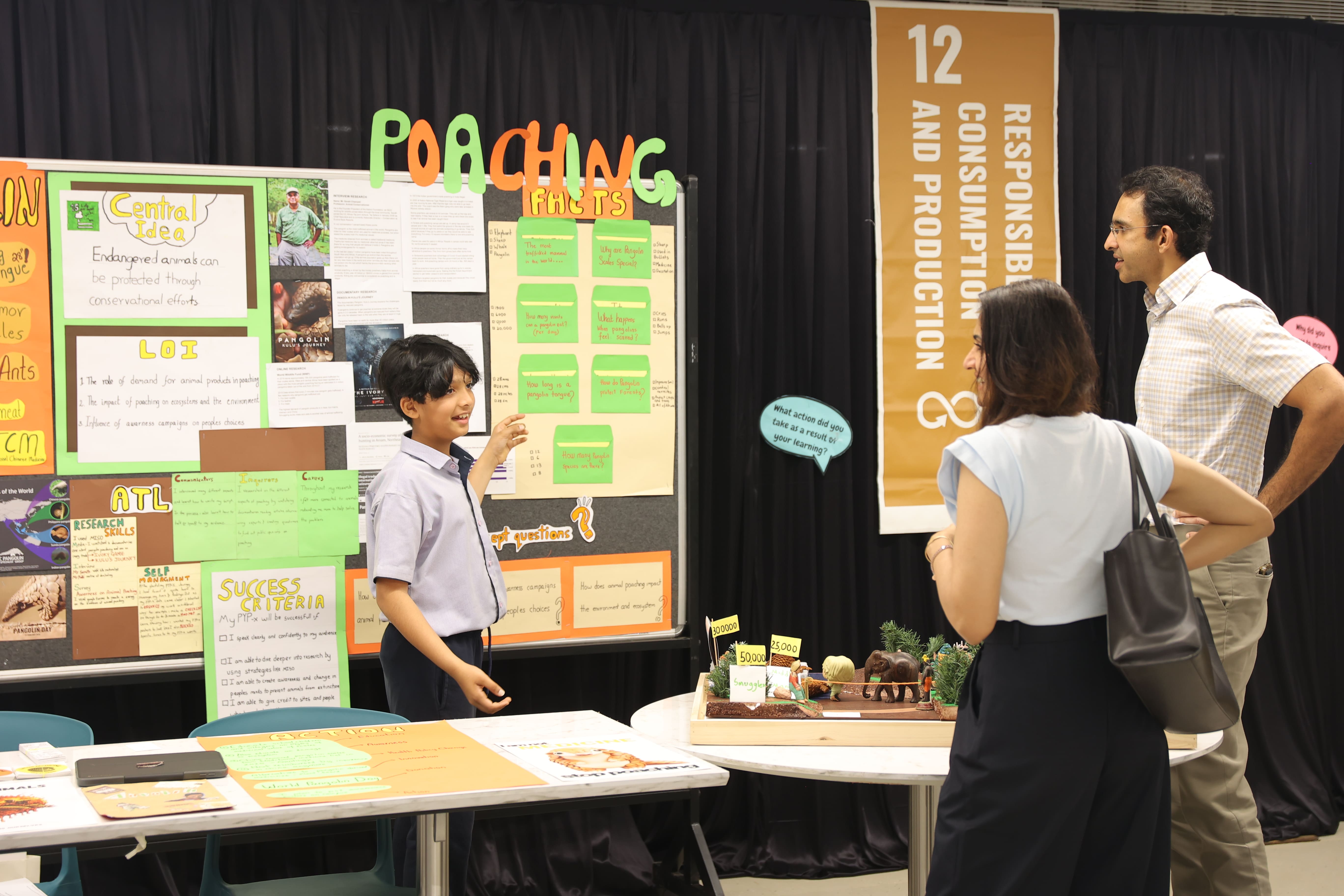
The PYP Exhibition (PYPX), centred on the transdisciplinary theme Sharing the Planet, was a powerful culmination of inquiry, student agency, and meaningful action. More than a final showcase, it reflected a sustained journey of curiosity, reflection, and growth.

This journey began in the final month of Grade 4, when students were first introduced to the concept of the exhibition. That early thinking carried forward into Grade 5, where ideas and discussions across Units of Inquiry were continuously connected back to the PYPX, deepening understanding and purpose.

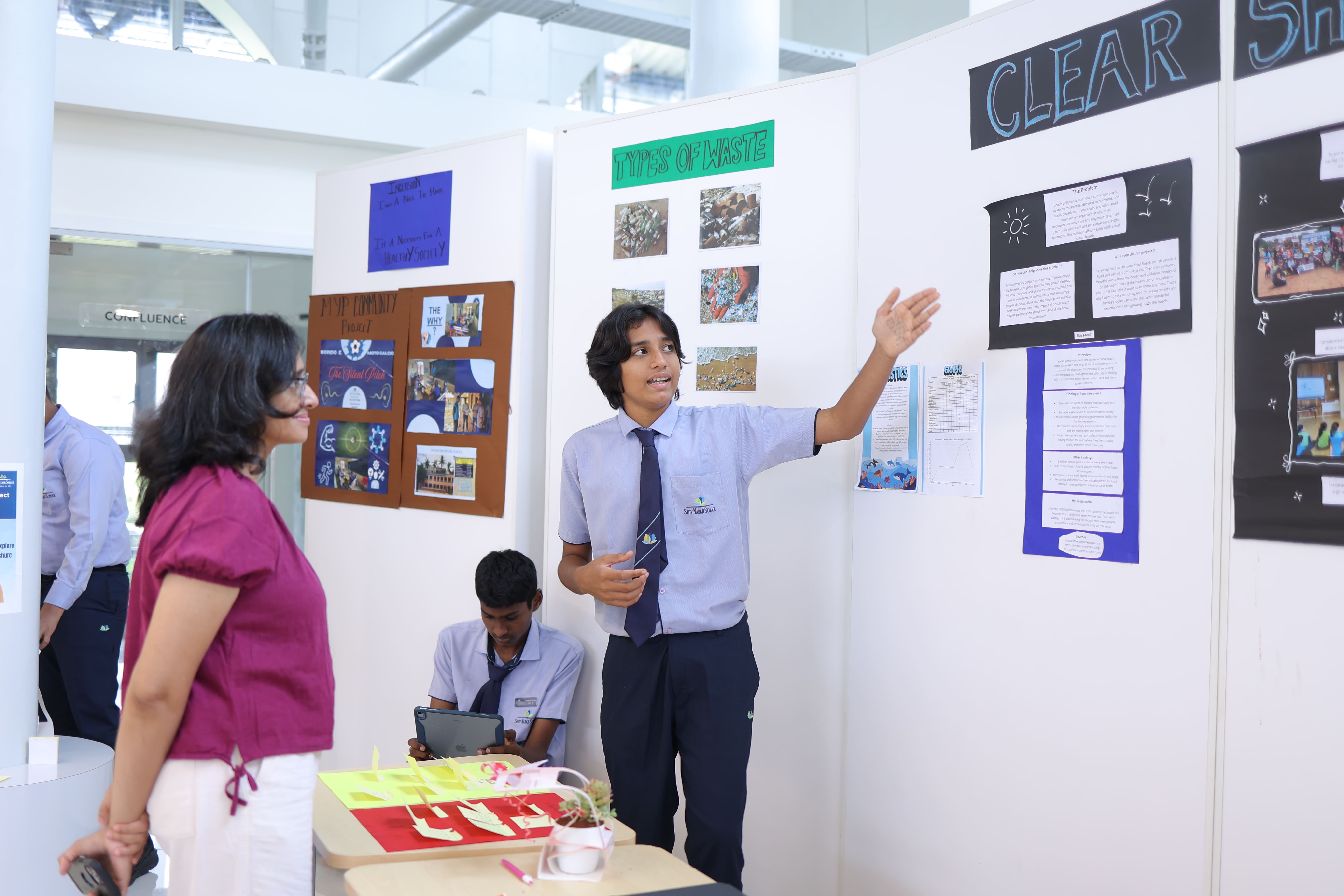
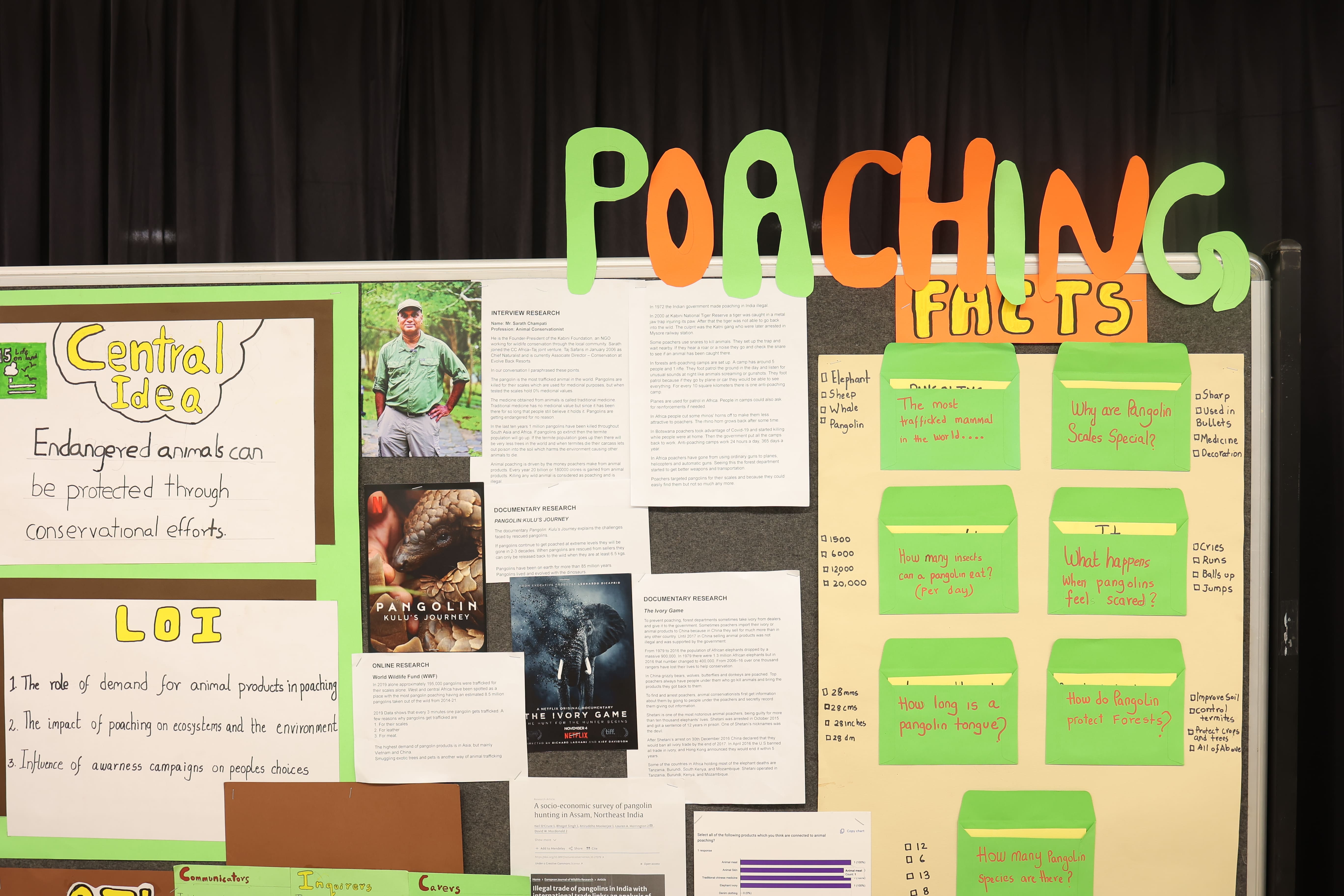
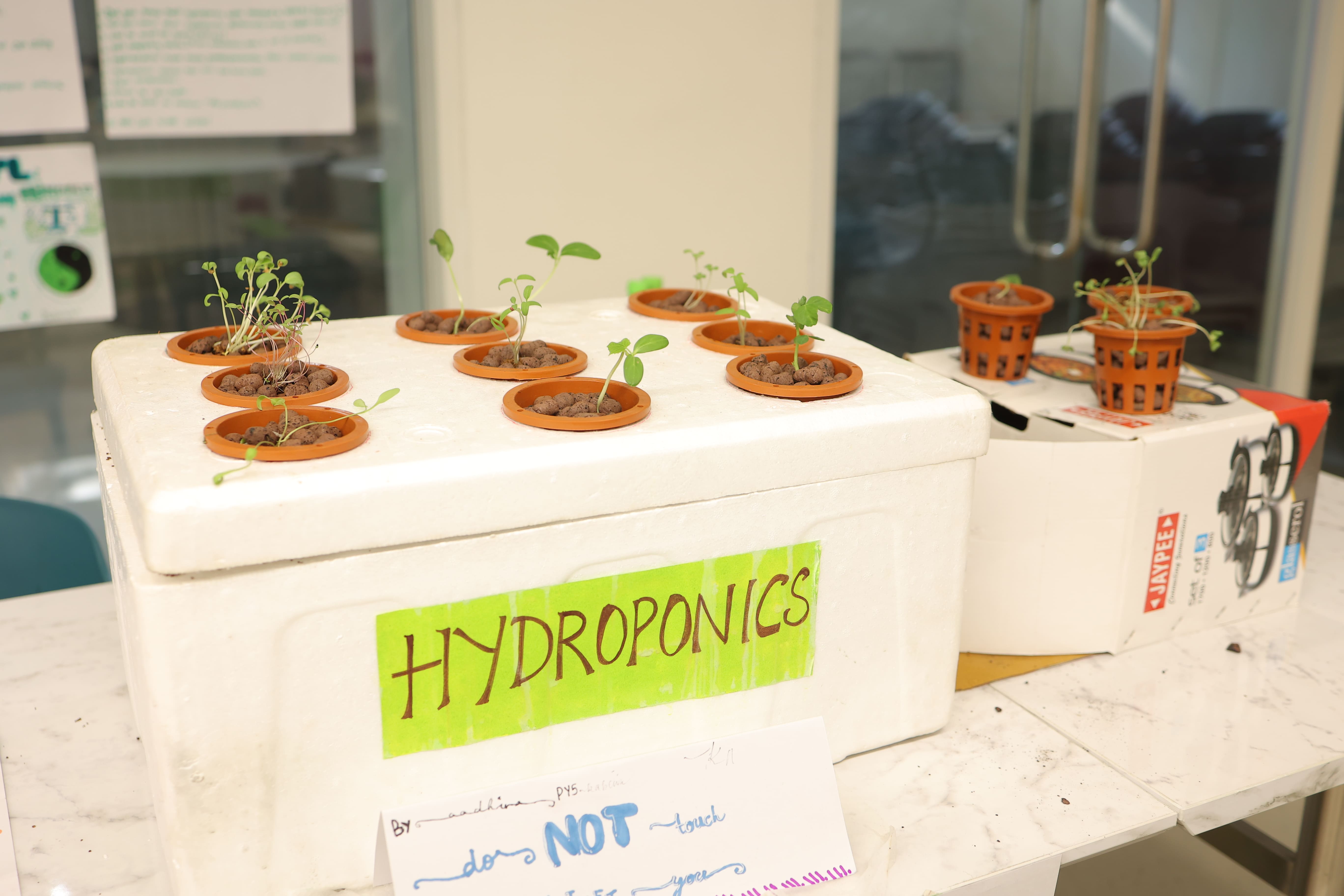
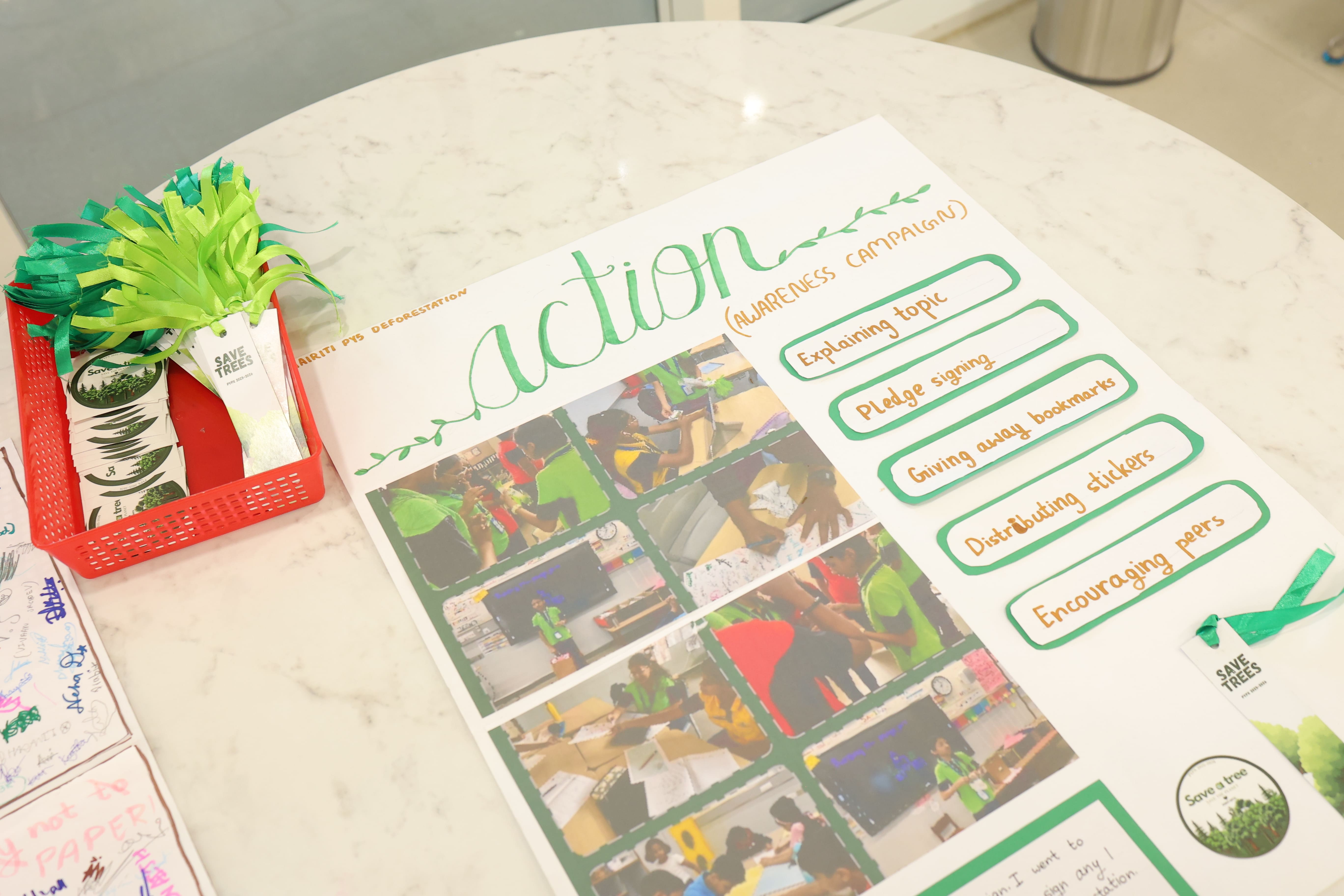
Throughout the process, students explored a wide range of real-world issues, including multidimensional poverty, the importance of reading, waste management, sustainable futures, stray dog management, and global warming. Taking full ownership of their learning, they developed their own central ideas, identified key concepts, and designed lines of inquiry—demonstrating both independence and depth of thinking.

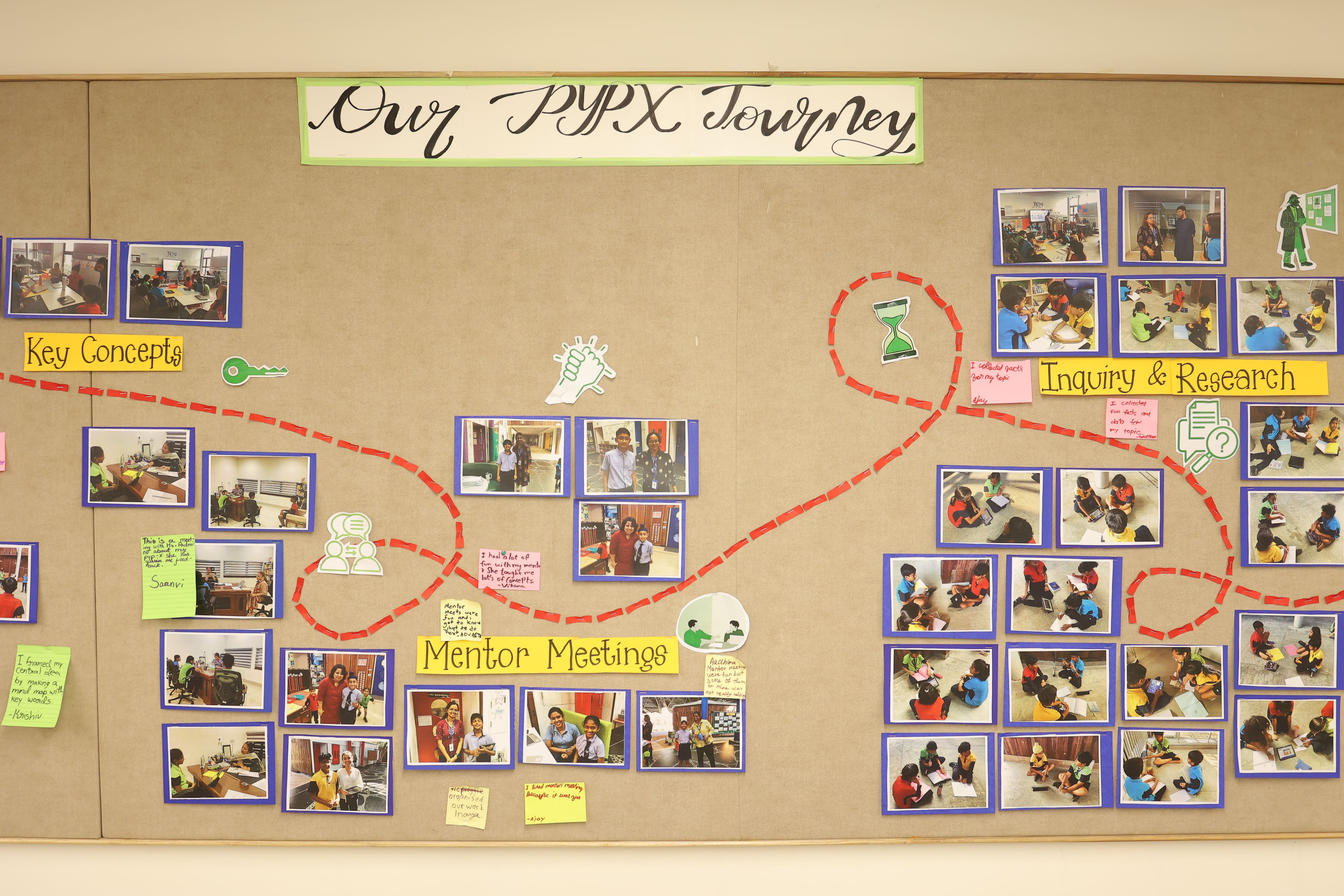
Research was guided by the MISO framework—Media, Interviews, Surveys, and Observations—enabling students to gather diverse perspectives and engage meaningfully with their topics. They independently scheduled mentor meetings, managed timelines, and collaborated with peers, reflecting strong self-management and teamwork.

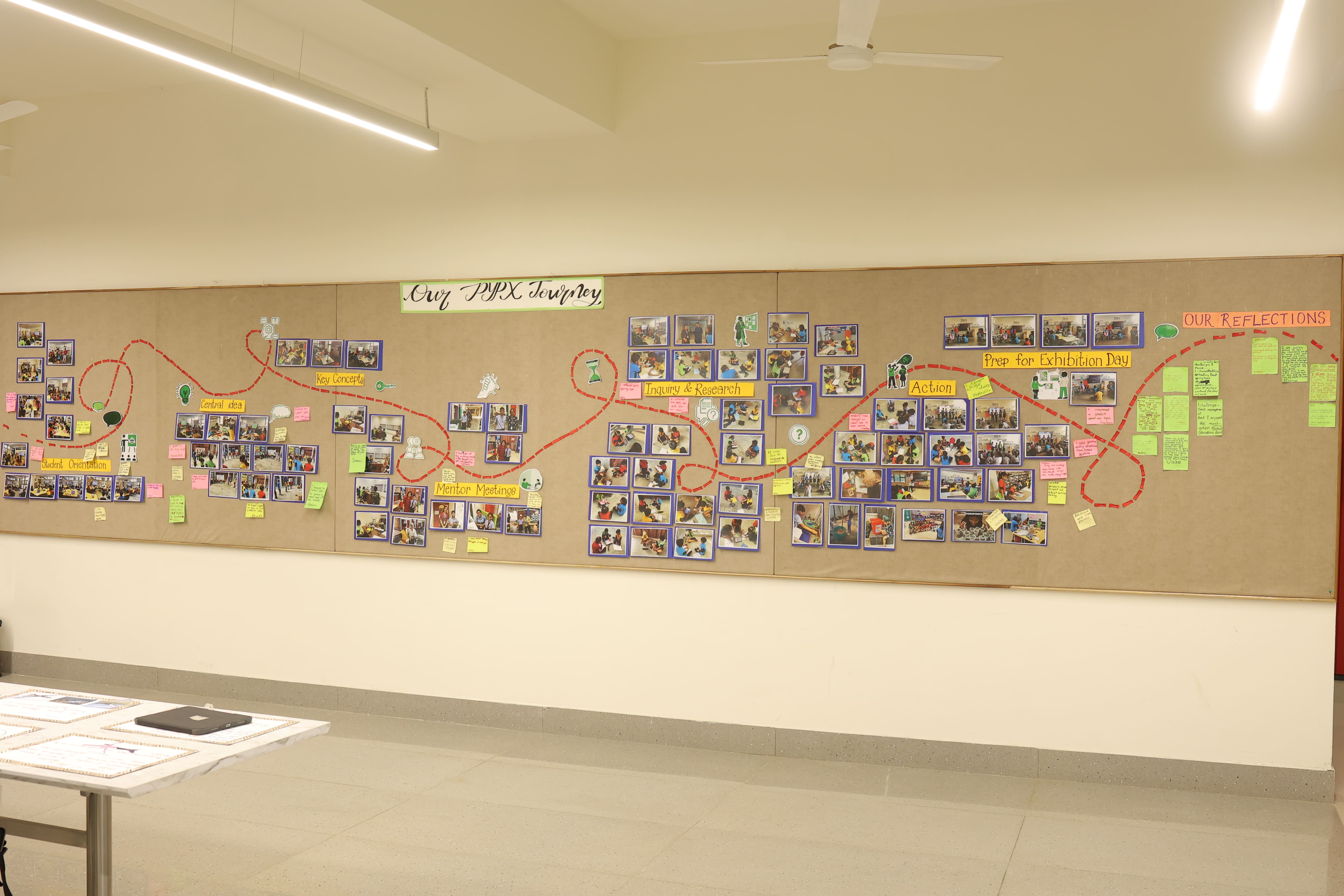
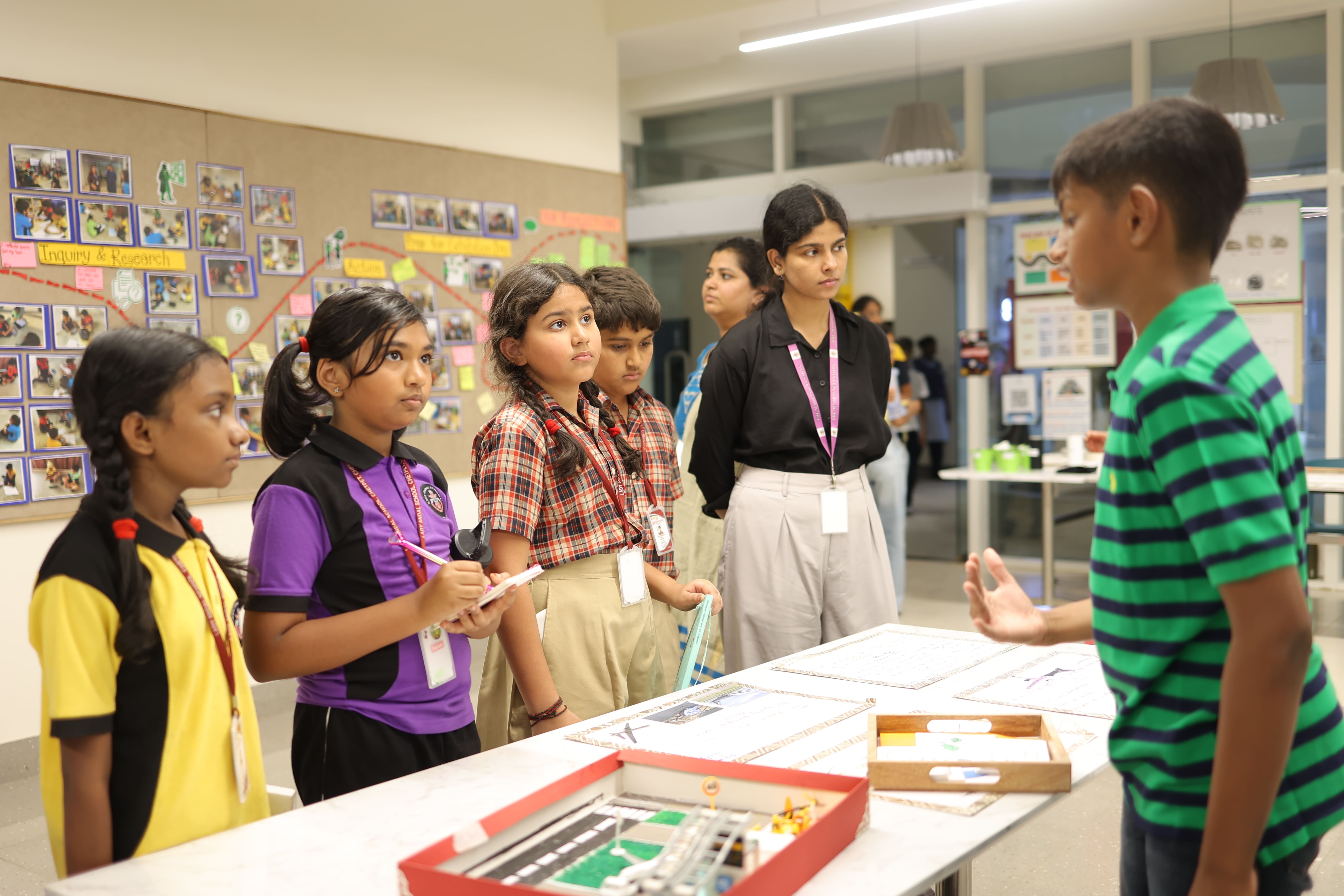
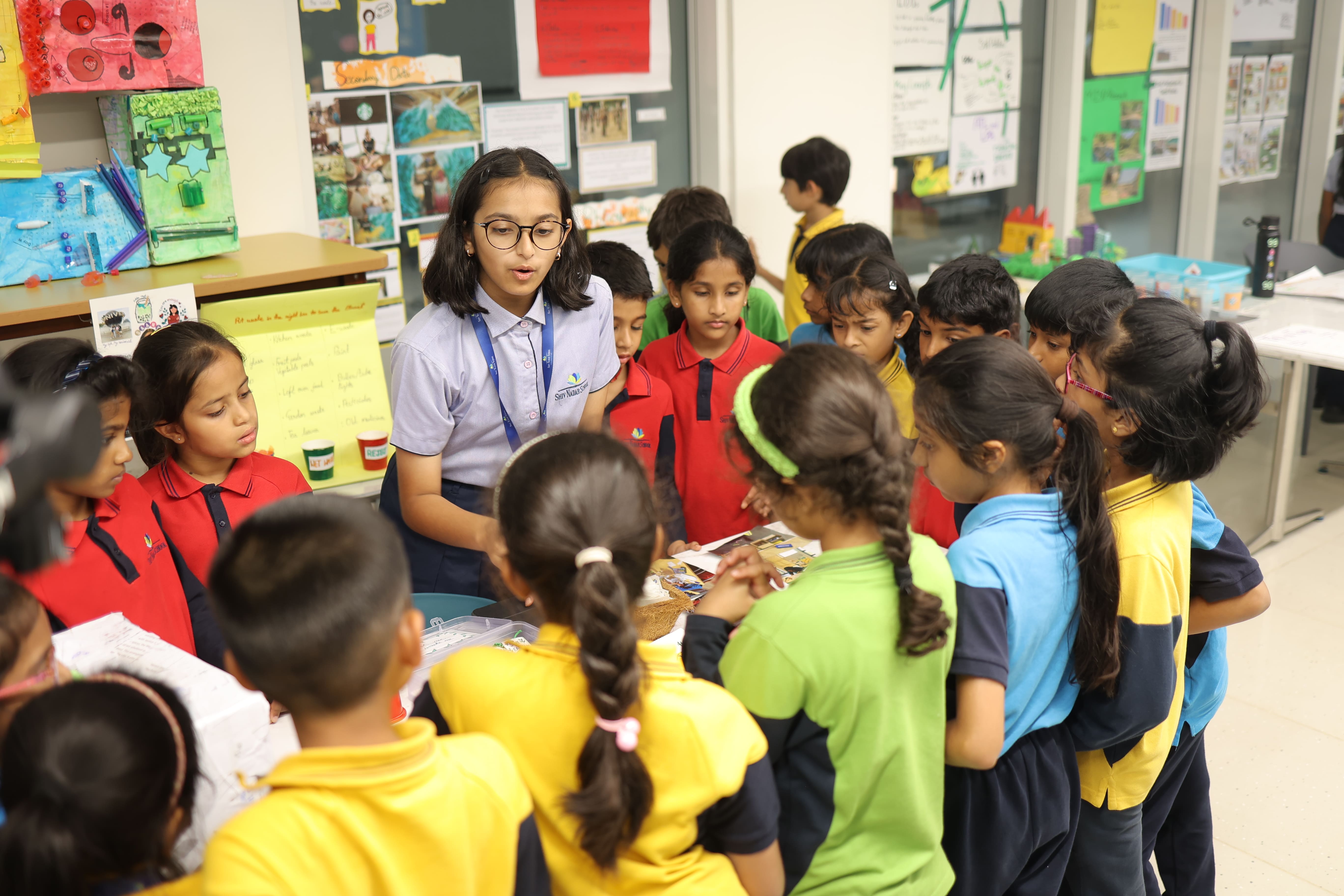
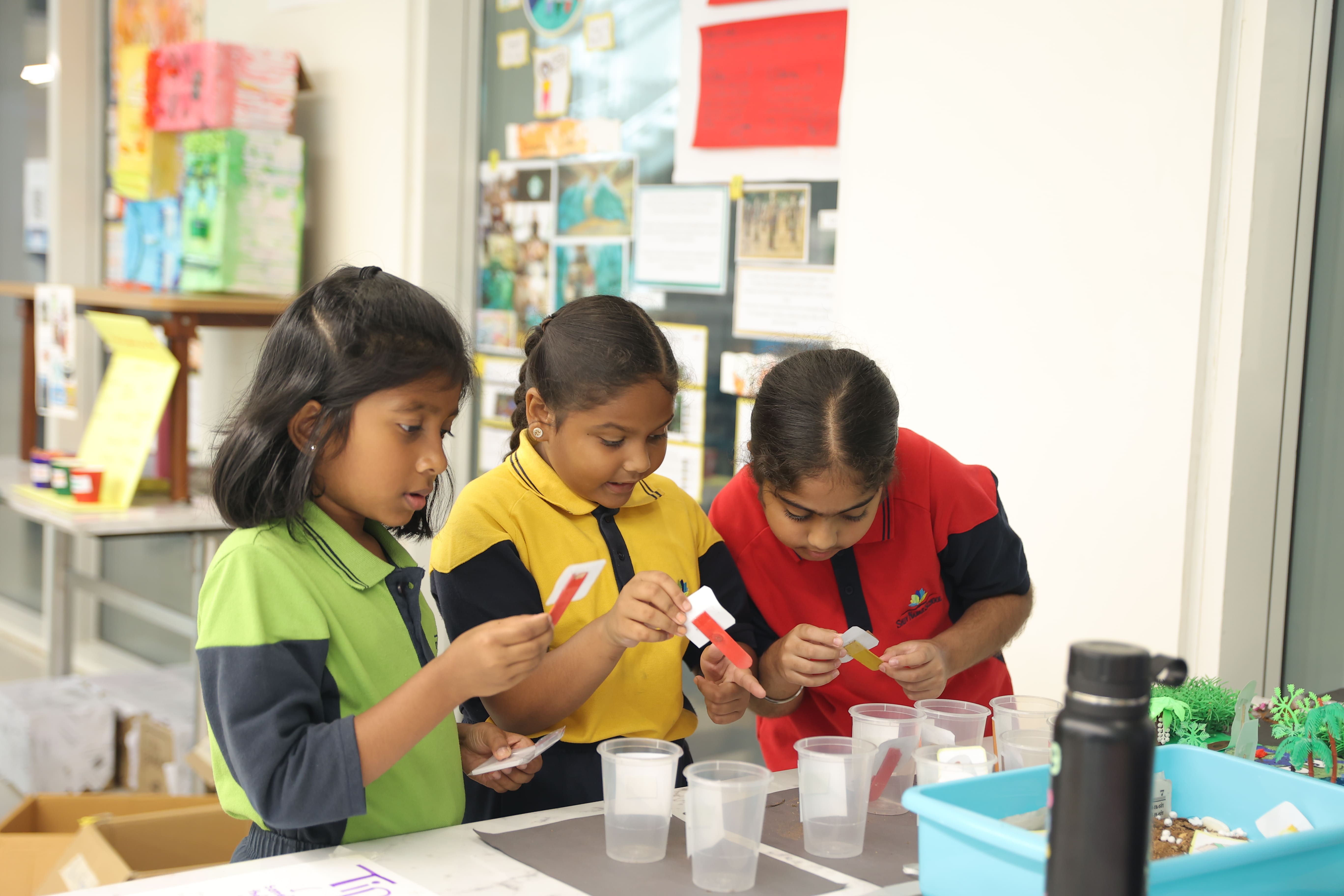
The emphasis throughout was on the process as much as the product. Students regularly reflected on their learning, refining their ideas and approaches along the way. Their journey was captured through a thoughtfully curated display of photographs and reflections, making their thinking visible.

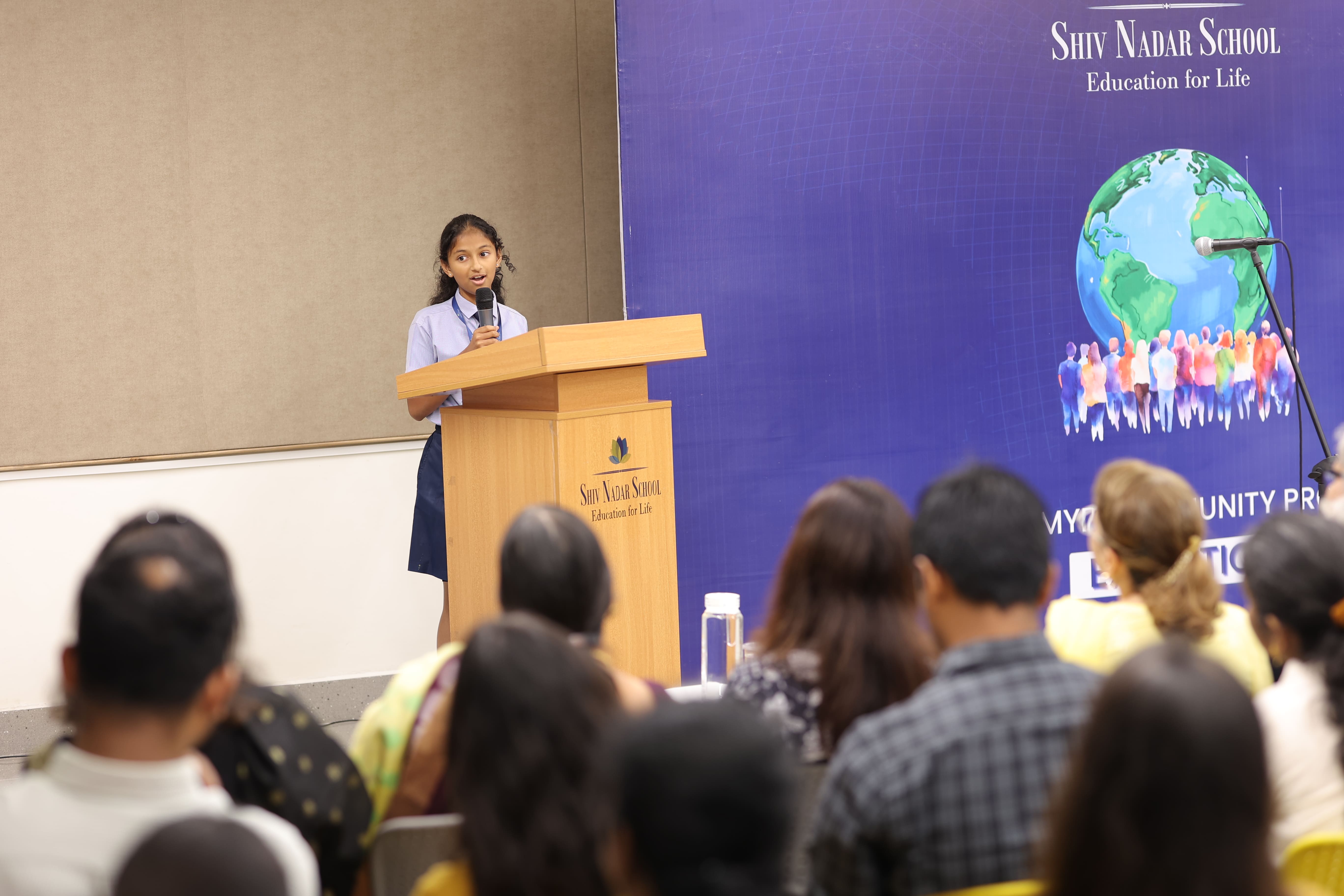
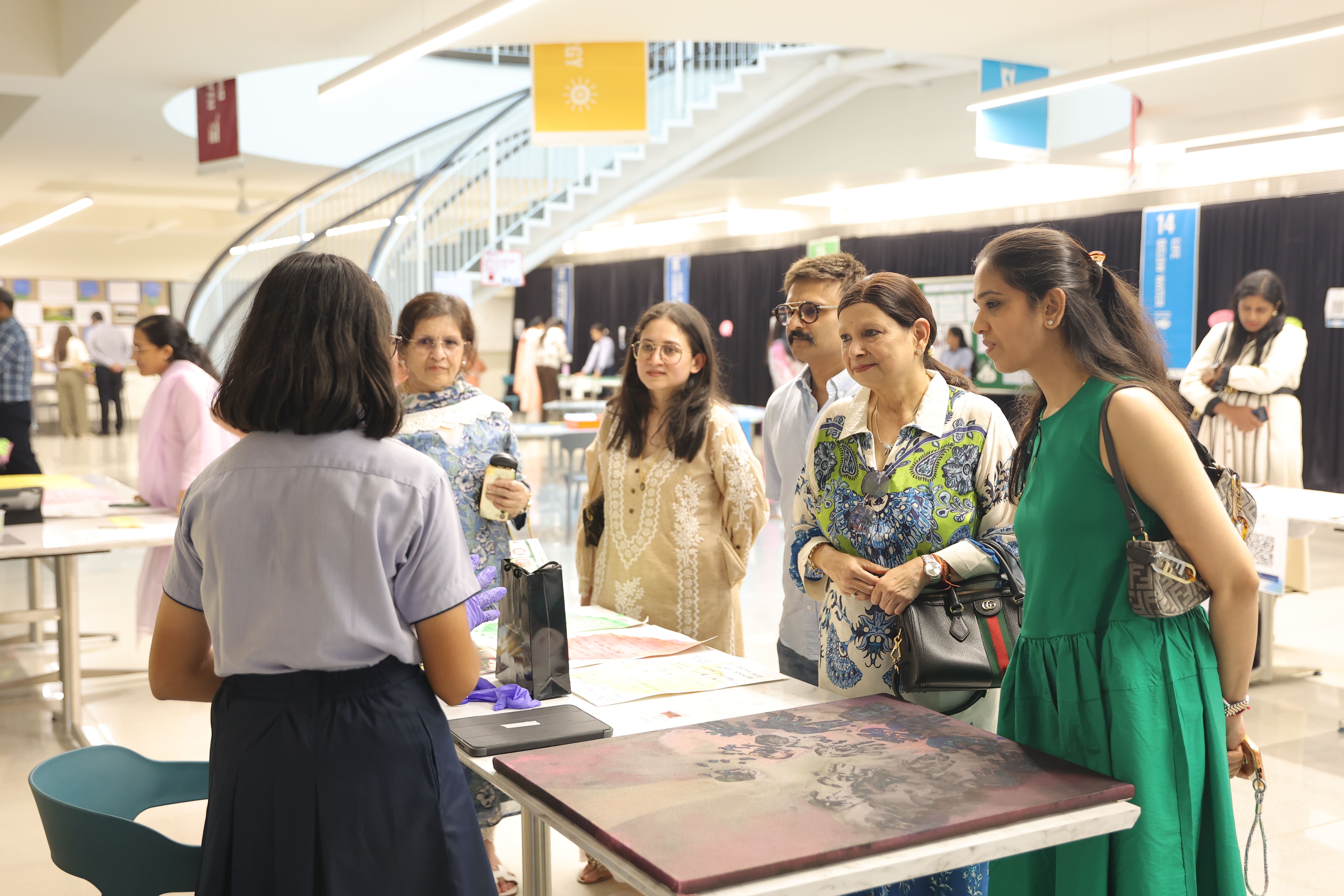
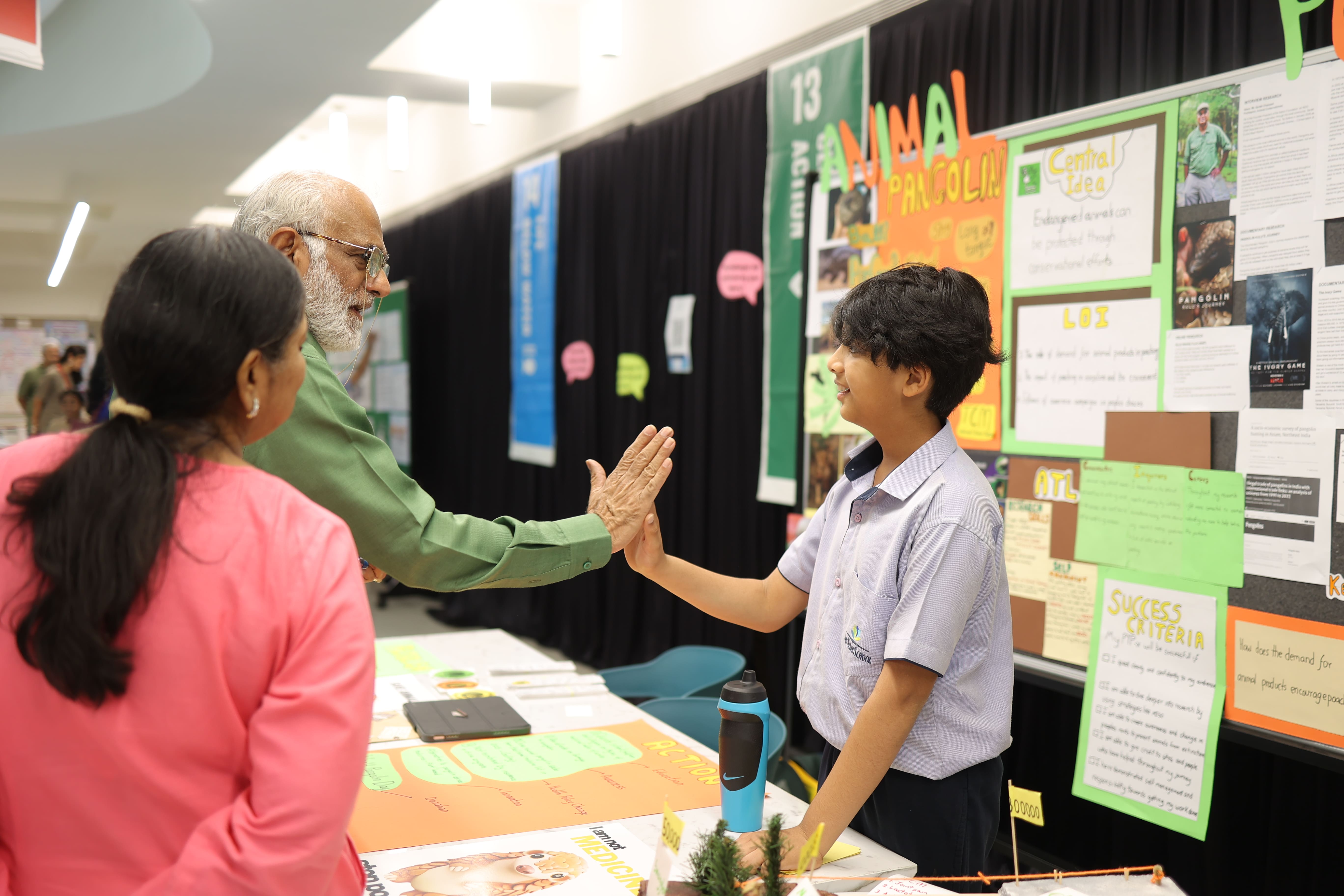
On exhibition day, the campus welcomed parents and visitors from other schools. Students presented their work through minimalist, student-created displays, choosing handwritten and illustrated formats that reflected authenticity and ownership.

The reflections that followed were equally meaningful. Many students recognised the importance of time management and focus, with one sharing, “When it’s PYPX time, think about nothing else.” Such insights highlighted the depth of engagement and commitment throughout the journey.

The day concluded on a celebratory note, with students coming together over shared moments of joy—marking not just the end of the exhibition, but the culmination of a transformative learning experience.

The PYP Exhibition stands as a testament to how young learners, when given voice and choice, can grow into thoughtful thinkers and responsible changemakers.


Curriculum ,

Education ,

Education For Life ,

IB ,

Innovation ,

Leadership ,

Primary ,

Progressive ,

School ,

My World, Theme – I Love Transport – Vehicle Rides Experience for Nursery Students


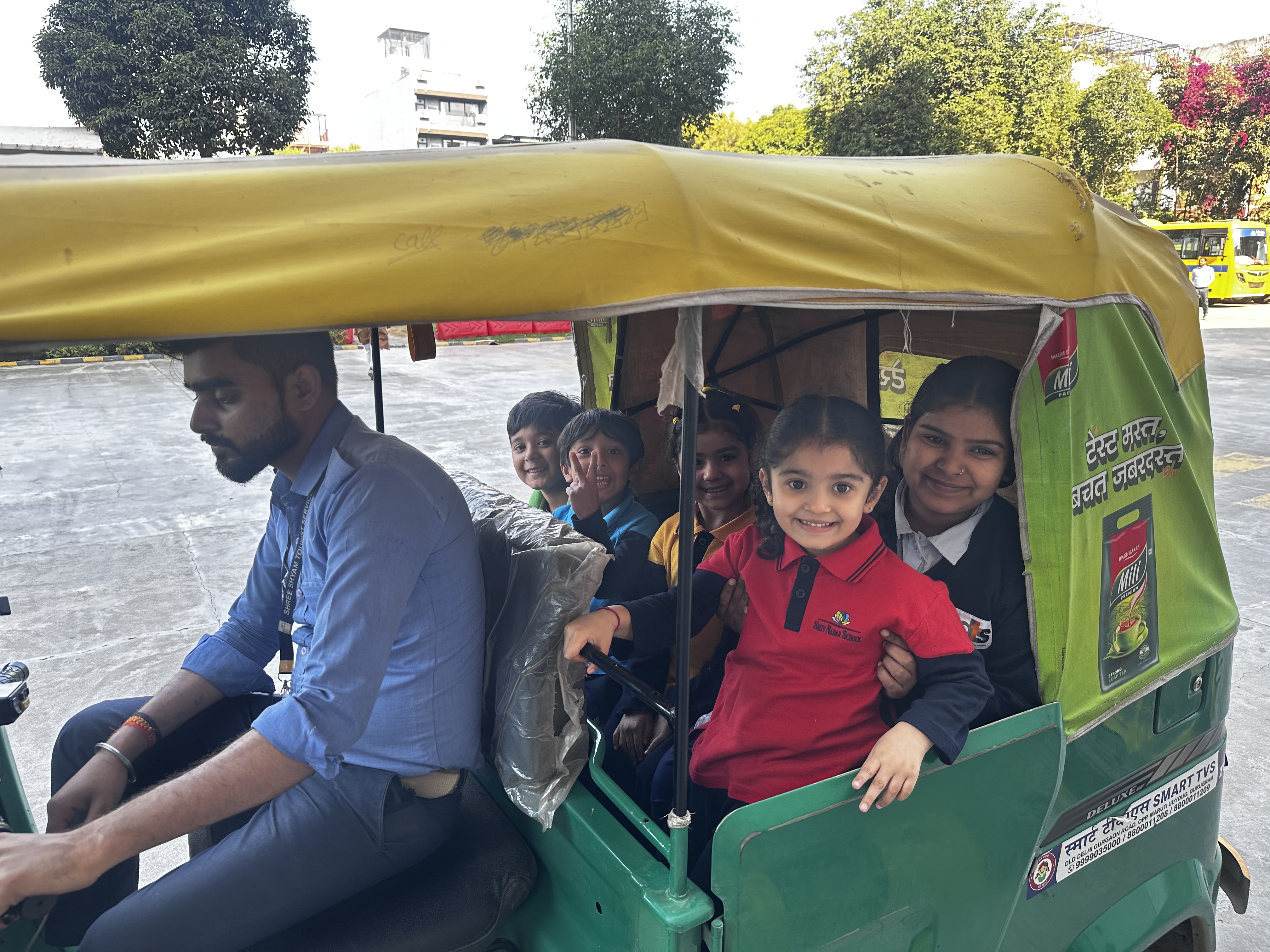
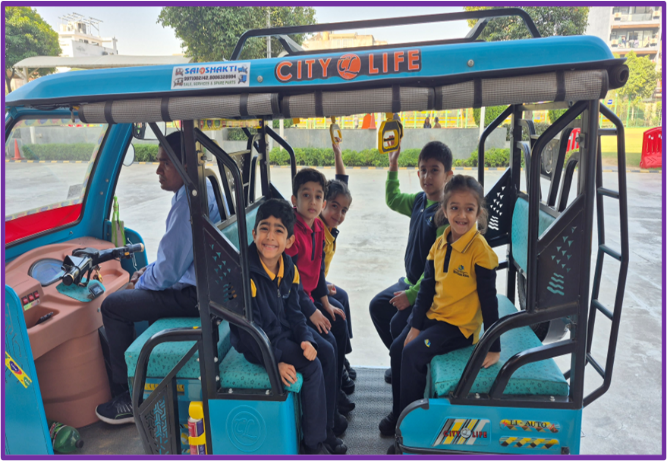
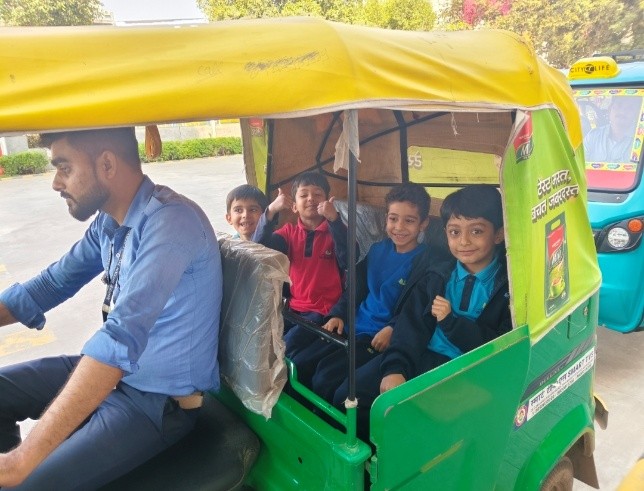
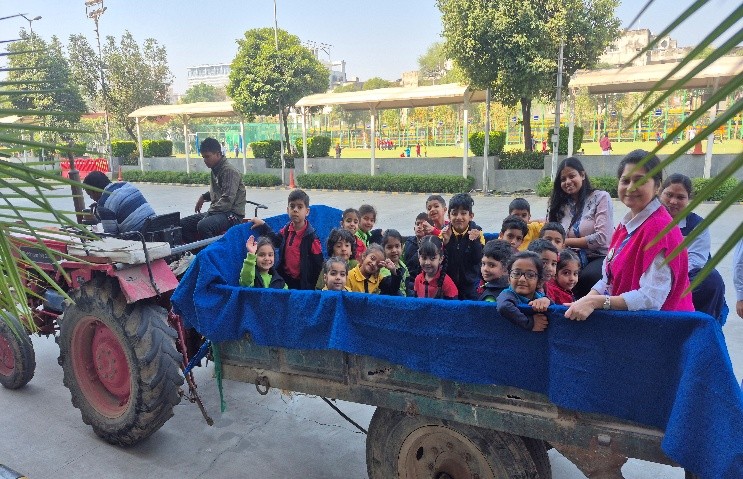
Under the theme “I Love Transport,” our Nursery students participated in a fun-filled and educational vehicle ride activity planned to give them real-life exposure to different modes of transport. The young learners had the exciting opportunity to explore and experience three types of vehicles: an electric vehicle (EV), a tractor, and a three-wheeler.
The students were thrilled as they observed each vehicle closely and enjoyed short rides, which helped them understand how these vehicles move and what makes each one unique. They noticed the differences in size, speed, sound, and structure, making the experience both enjoyable and meaningful.
Following the ride, an interactive discussion session was conducted in the classroom. During this session, students eagerly shared their observations. They talked about the number of wheels each vehicle had, how many people can travel in them, and the kind of distances each vehicle can cover and so on. The students pointed out how the tractor is strong and used for heavy work, EV was quiet and smooth and the three-wheeler sparked curiosity due to its unique shape and number of wheels.
This activity not only enhanced their observational and speaking skills but also helped them build basic awareness about transport in a playful and engaging manner. Overall, it was a joyful learning experience that connected classroom concepts with real-world understanding.


Education For Life ,

RockSport - Out door activites | Nursery and Grade I


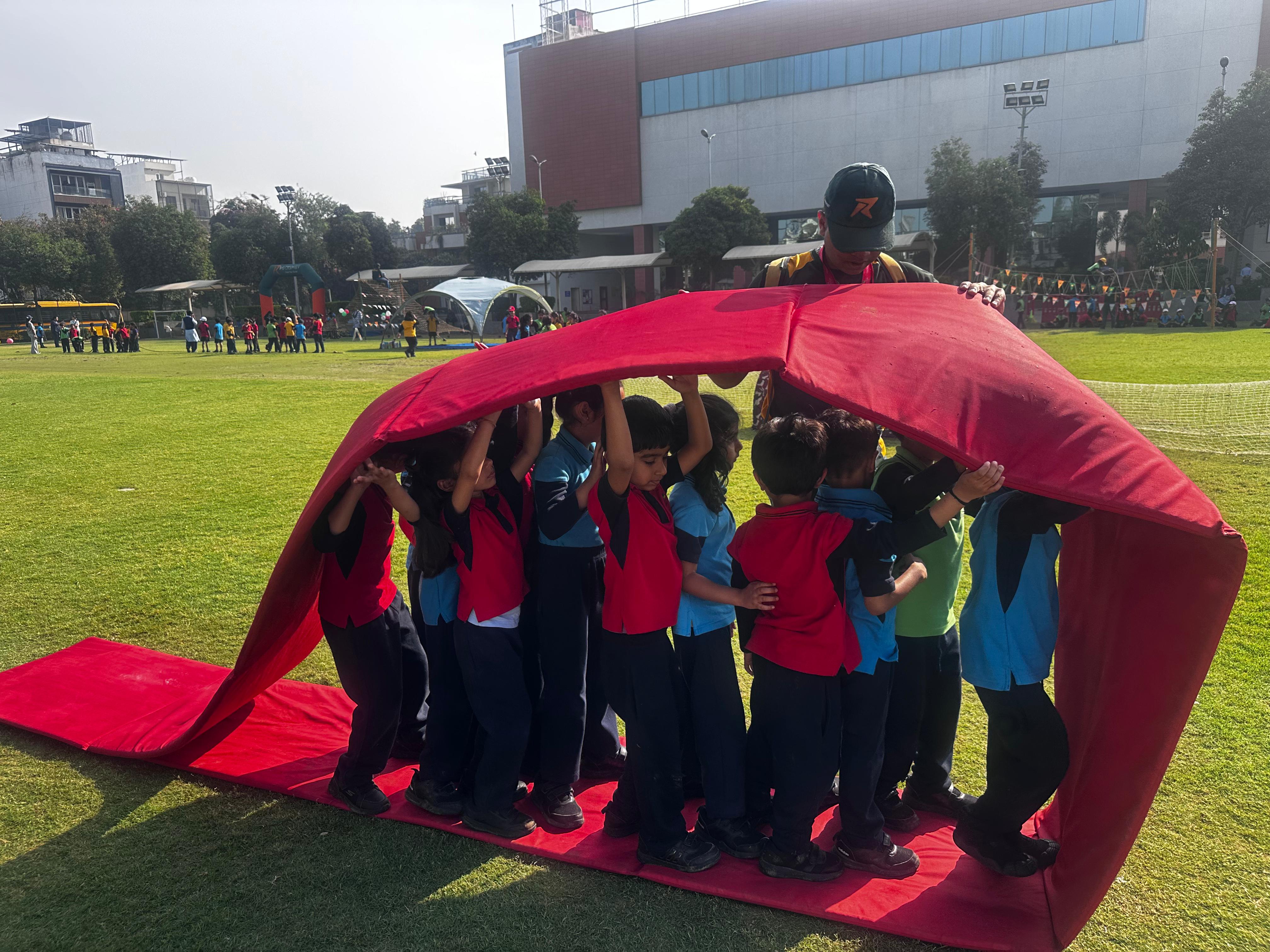
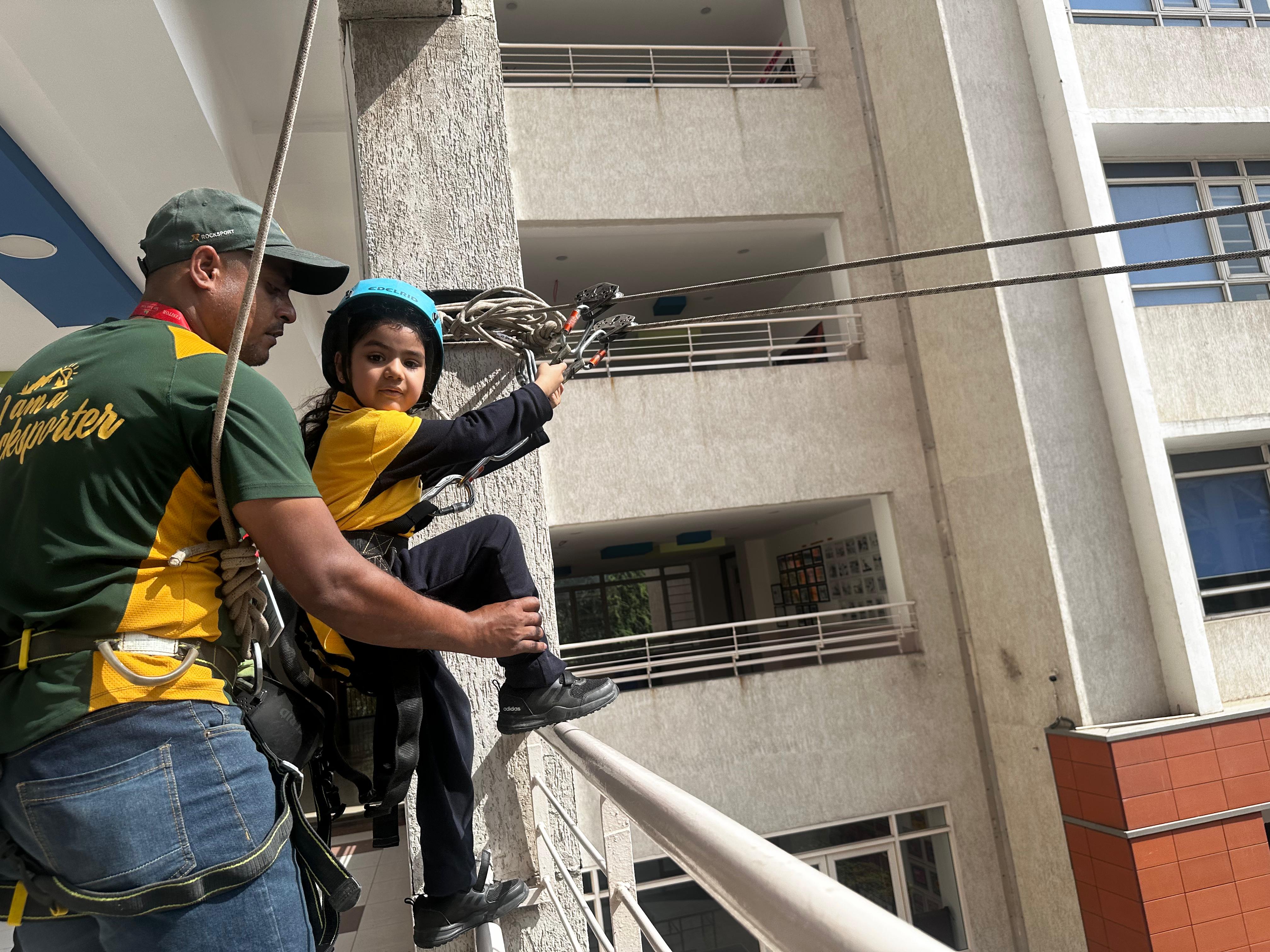
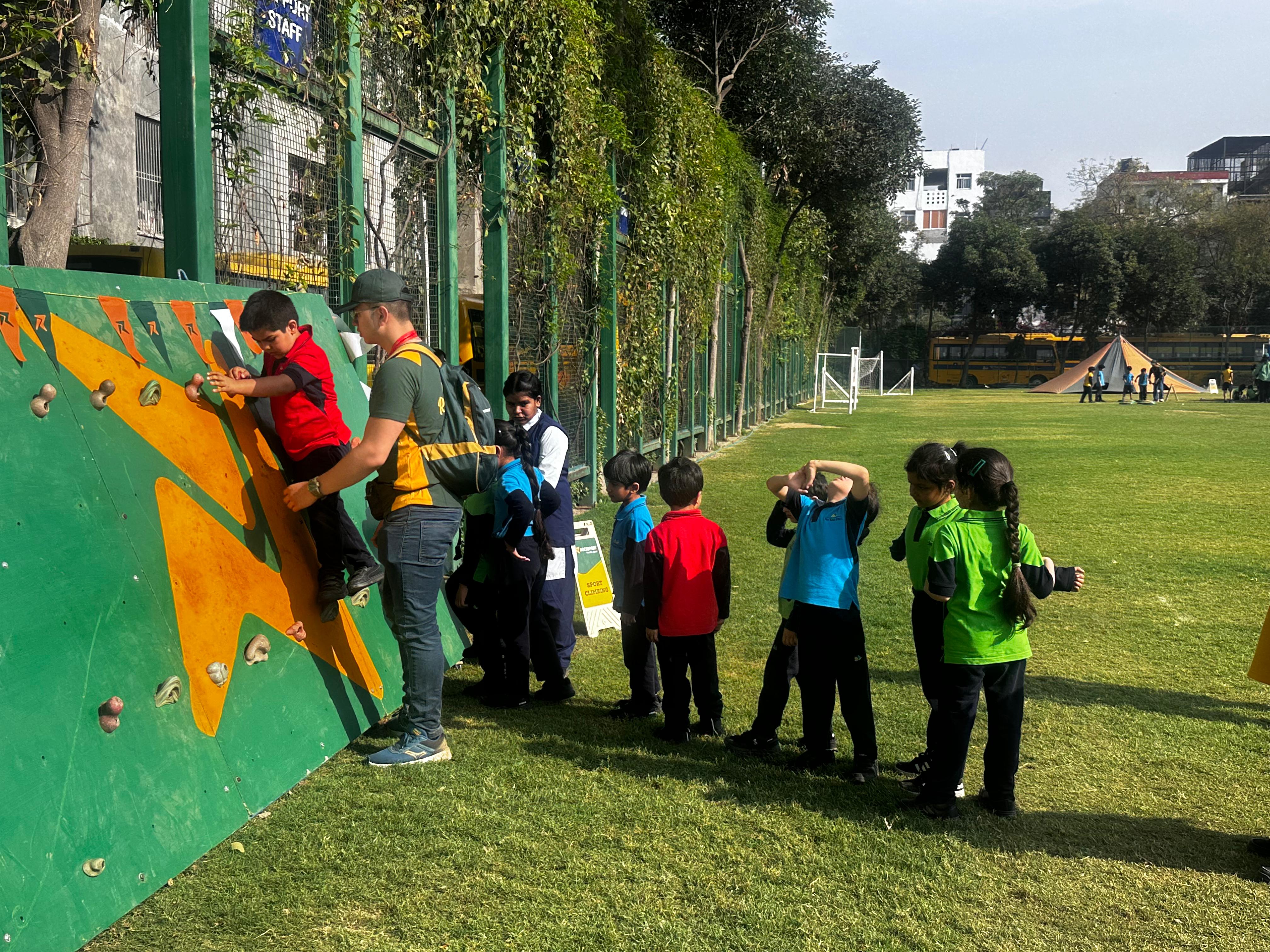
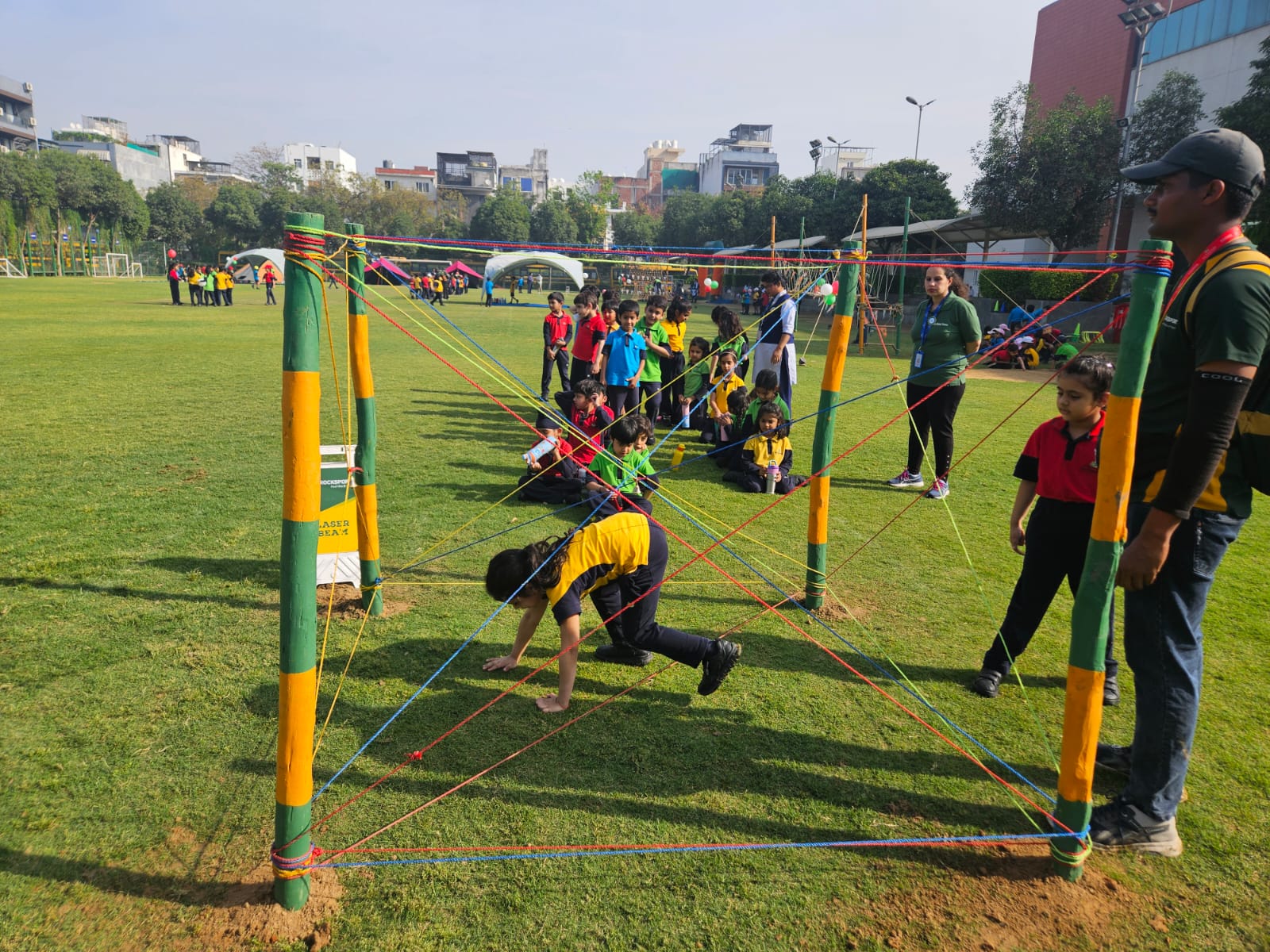
Rocksport activities have long been a cherished annual experience at our school, and we were thrilled to reintroduce them this year in the physical space. This much-awaited event brought immense excitement, especially for our young learners from Nursery and Grade 1, who eagerly embraced the opportunity to participate in a range of engaging and age-appropriate outdoor challenges.
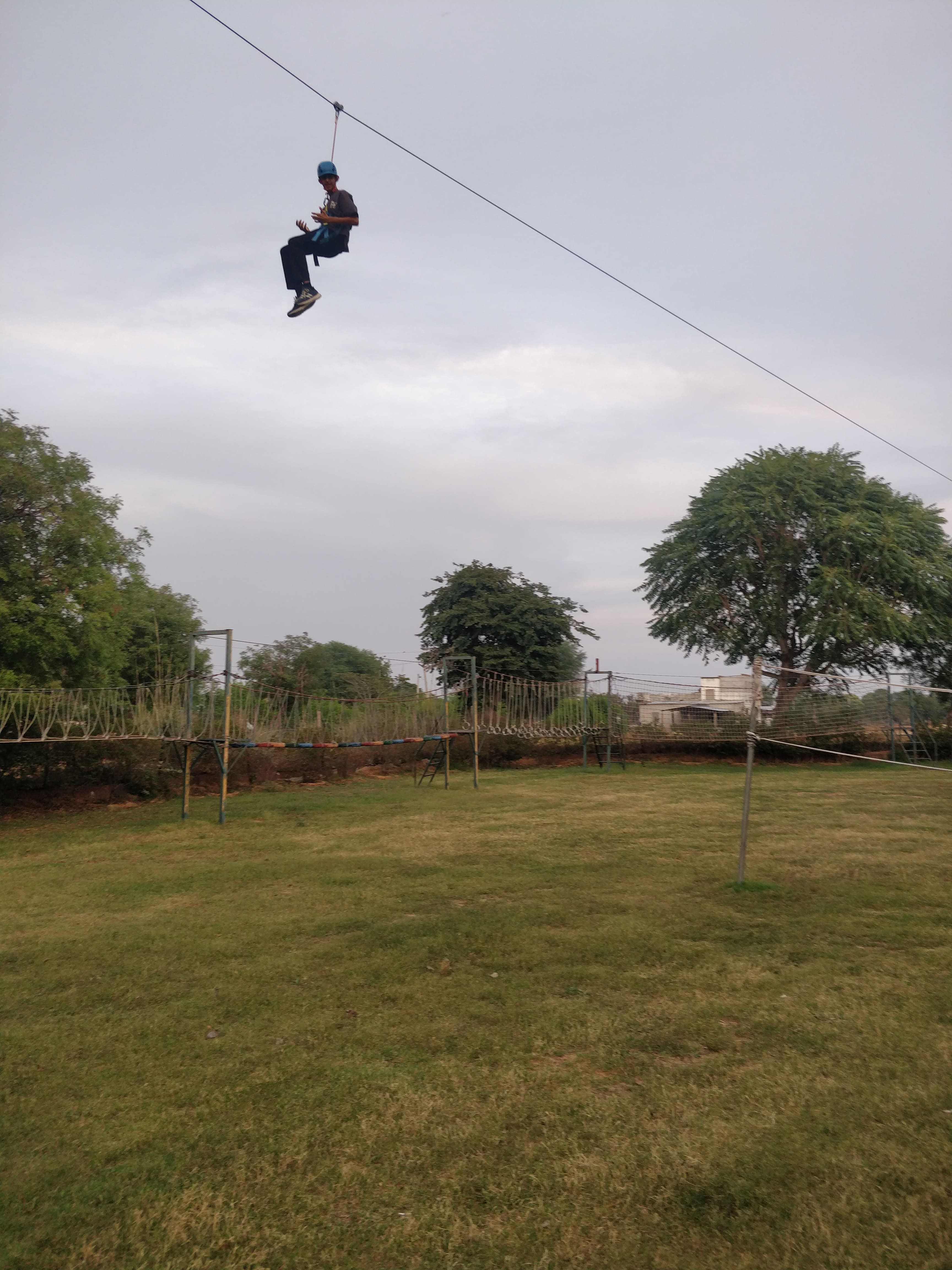
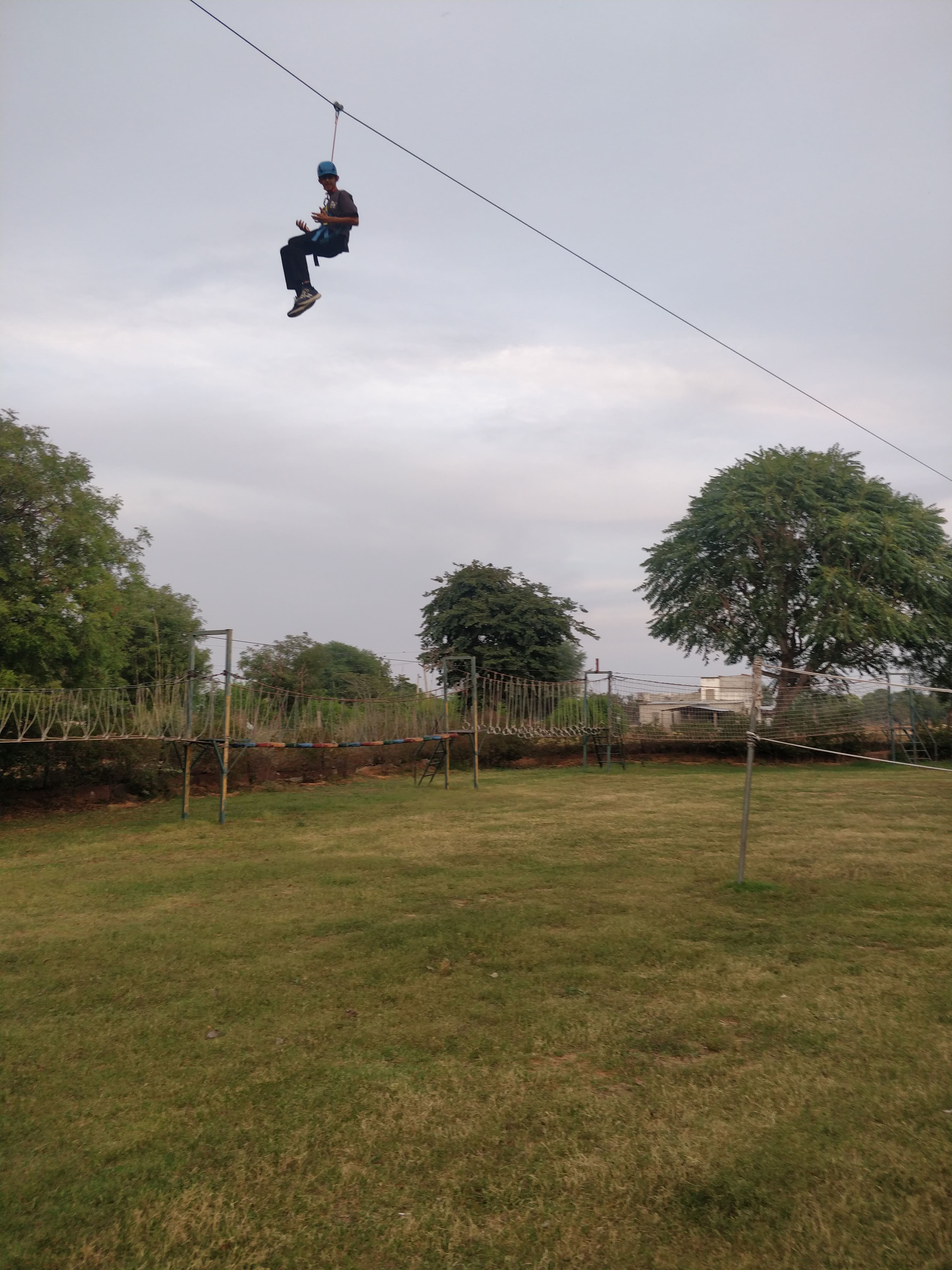
The students explored activities such as the Burma Bridge, Commando Net, Zipline, and more, each thoughtfully designed to ensure both safety and enjoyment. These activities not only introduced children to new physical experiences but also encouraged them to step out of their comfort zones in a supportive and encouraging environment. It was heartening to see their enthusiasm as they attempted each challenge with curiosity and determination.
Spending time outdoors and engaging in active play is a vital component of early childhood development. Through these Rocksport activities, children had the opportunity to strengthen their gross motor skills, improve balance and coordination, and develop better body awareness. More importantly, these experiences nurtured a sense of independence and self-confidence, as students learned to trust their abilities and celebrate their achievements, no matter how big or small.
The day also provided a wonderful platform for social interaction and collaborative learning. As students navigated the activities, they cheered each other on, waited patiently for their turns, and worked together to overcome small challenges. These moments fostered teamwork, communication, and empathy, helping children understand the value of supporting one another.
Overall, the Rocksport experience was not just about physical activity; it was about joyful learning, exploration, and growth. It created lasting memories for our Nursery and Grade 1 students, leaving them with a sense of accomplishment and excitement for future adventures.


School Life ,

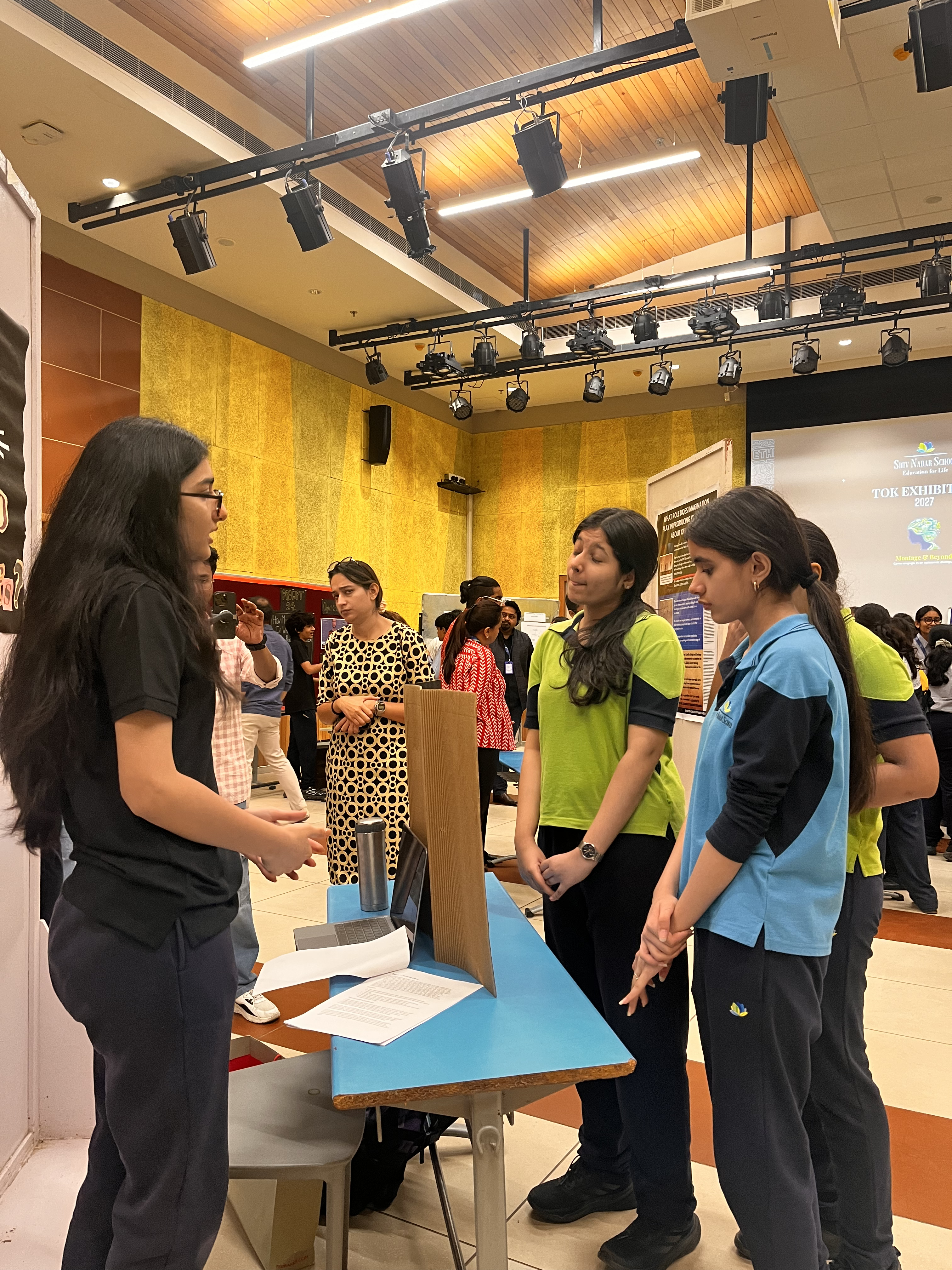
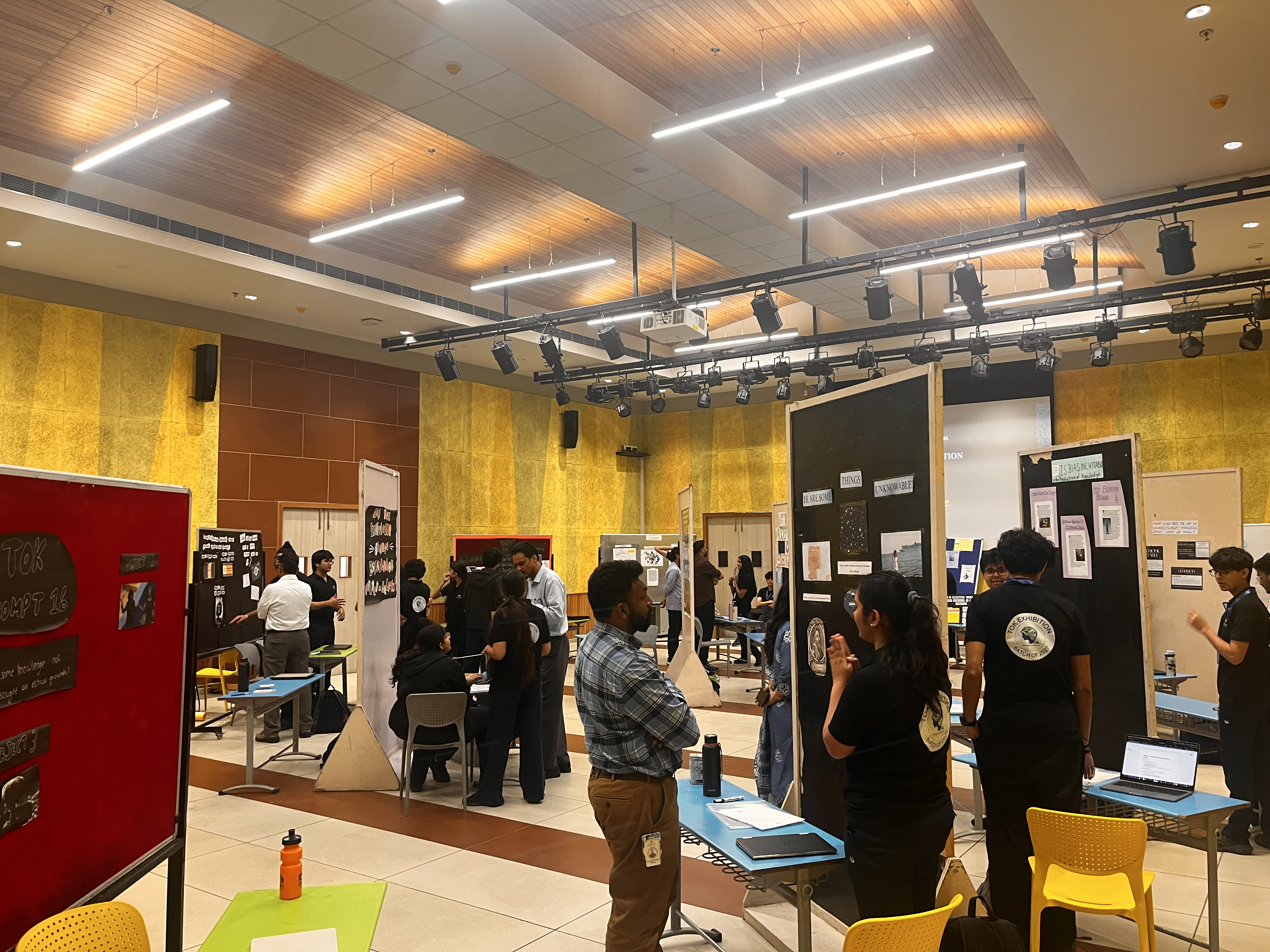
Montage & Beyond 2026, Decoding the Process of Knowing: The Theory of Knowledge (TOK) Exhibition


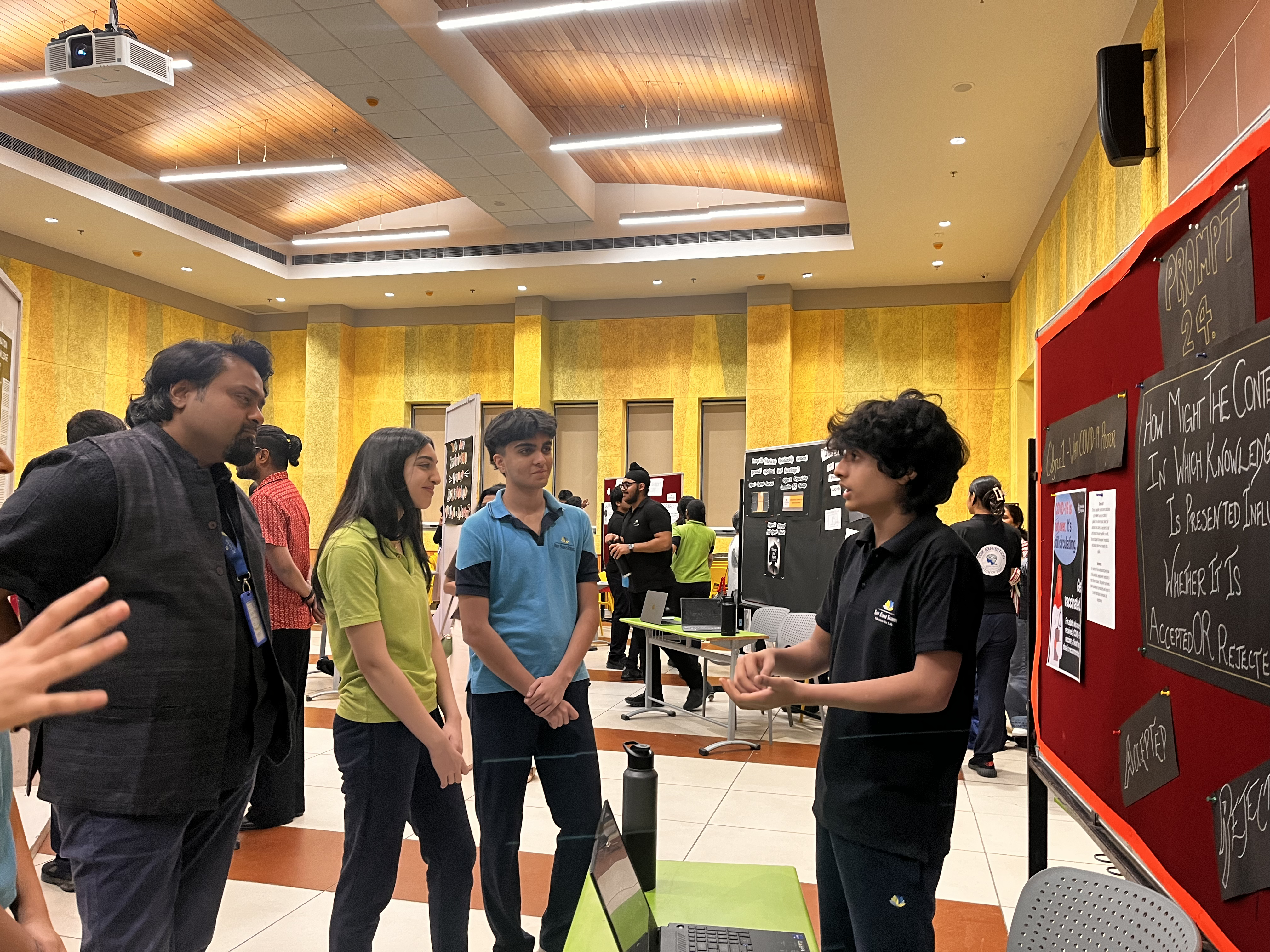
Our recent Theory of Knowledge (TOK) exhibition transformed the campus into a dynamic forum for intellectual inquiry, welcoming an engaged audience of parents, faculty members, and guests.

The event commenced with a thoughtful introduction by our student anchors, who set the context for the TOK course and the exhibition itself. They emphasized that the showcase was not merely a one-way presentation, but an active dialogue between the students and their visitors, designed to explore the complex and fascinating process of how knowledge is produced, organized, and understood.

Glimpses from the Exhibition Through deep discussions anchored by carefully chosen objects, students tackled profound epistemological questions. Here are a few highlights from the interactive displays:

  • The Power of Context: By analyzing the release of the WikiLeaks 'Collateral Murder' video alongside the highly varied global reactions to the movie Barbie, students demonstrated how cultural context and personal backgrounds heavily influence the acceptance or rejection of knowledge.
  • Imagination in Knowledge Production: The crucial role of imagination in the Natural Sciences was explored through an image of the first stained neuron observed under a microscope—an object that historically sparked diverse theories about brain cell functions. Blurring the lines between art and science, students also discussed how filmmaker Christopher Nolan’s creative visualization of the black hole 'Gargantua' proved so scientifically insightful that it led to two peer-reviewed astrophysics papers mathematically verifying the concept.
  • The Impact of Organization: How does the "bracketing" and organization of knowledge shape our reality? This concept was poignantly illustrated through a student’s own report card and its impact on self-perception. This everyday object was compared to the historical marvel of Mendeleev’s periodic table, where the deliberate grouping of elements and the intentional gaps left behind successfully predicted the existence of undiscovered elements.

The exhibition was a resounding success, showcasing our students' advanced critical thinking skills and their ability to navigate the intricate landscapes of truth, perspective, and imagination alongside the broader school community.


Education For Life ,

Iha Joshi Shines at ITF Junior World Tennis Tour (J60), Dehradun

Iha Joshi

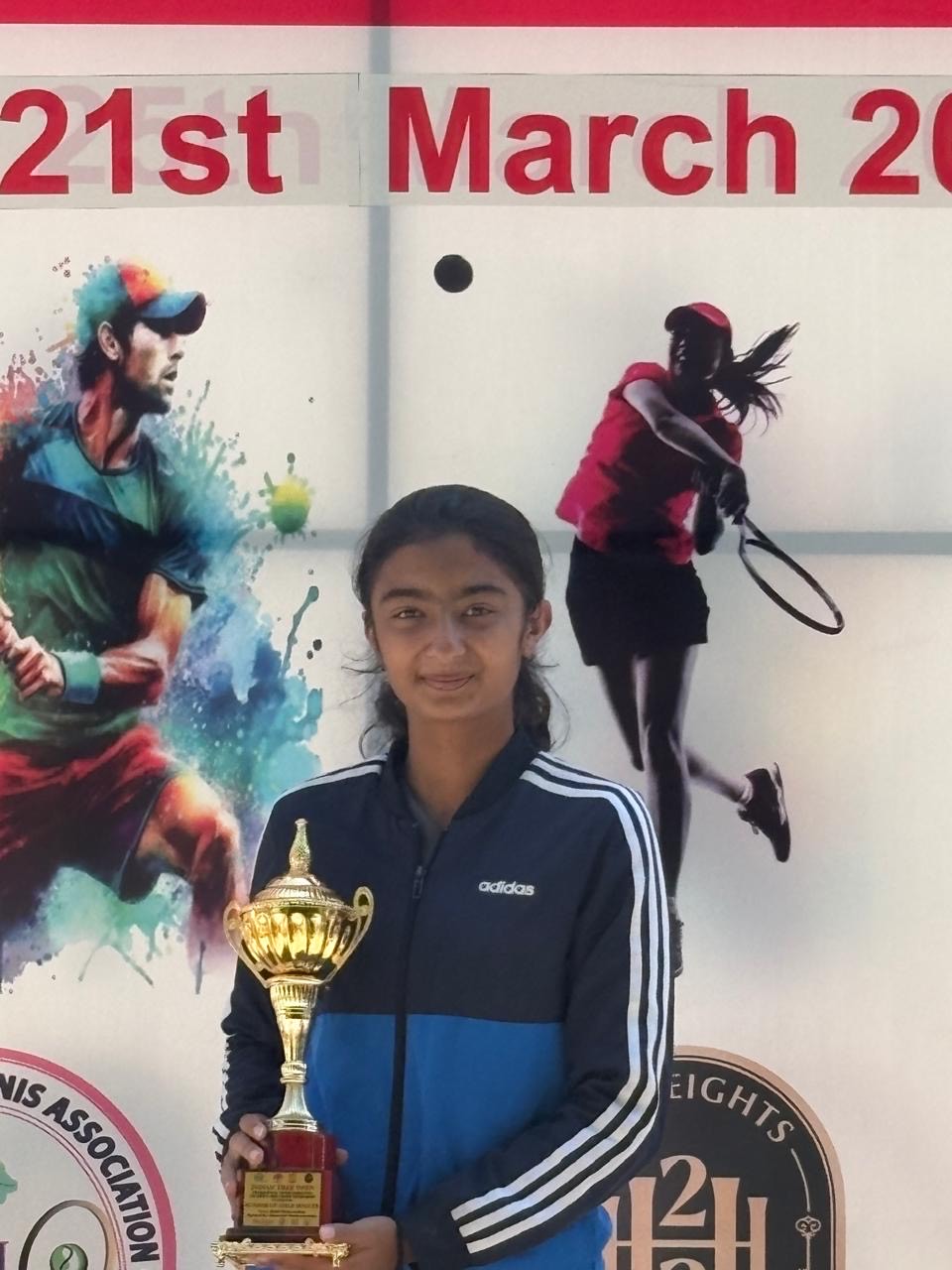
Iha Joshi, a student of Grade 10 (Corbett) at Shiv Nadar School, Faridabad, has secured the Runner-Up position at the ITF Junior World Tennis Tour (J60) held in Dehradun from 16 to 22 March 2026.

This is a significant milestone, as the ITF Junior Circuit is an international ranking tournament, where players compete at a highly competitive level. Iha’s performance not only reflects her skill and determination but also marks an important step in her global tennis journey.

What makes this achievement even more commendable is Iha’s ability to balance her academic commitments alongside rigorous training, demonstrating discipline, resilience, and focus. Competing in international tournaments often requires extensive travel and exposure, making her accomplishment all the more noteworthy.

We congratulate Iha on this remarkable achievement and wish her continued success as she scales new heights in the sport.

ALL ,

Arts ,

Award ,

Badminton ,

Board ,

Competition ,

Curriculum ,

School ,

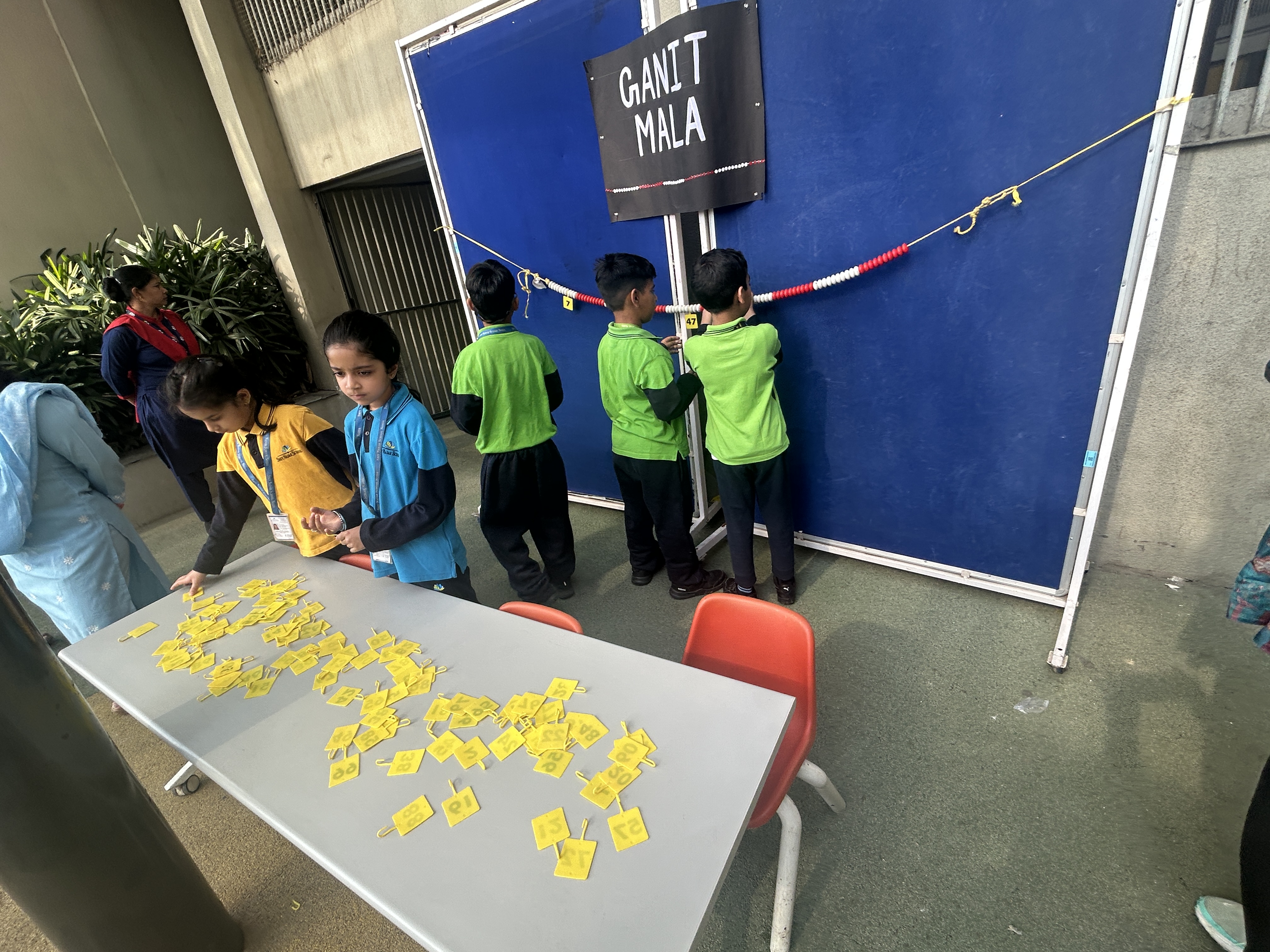
Grade 2 Fun Fair: A Joyful Celebration of Learning


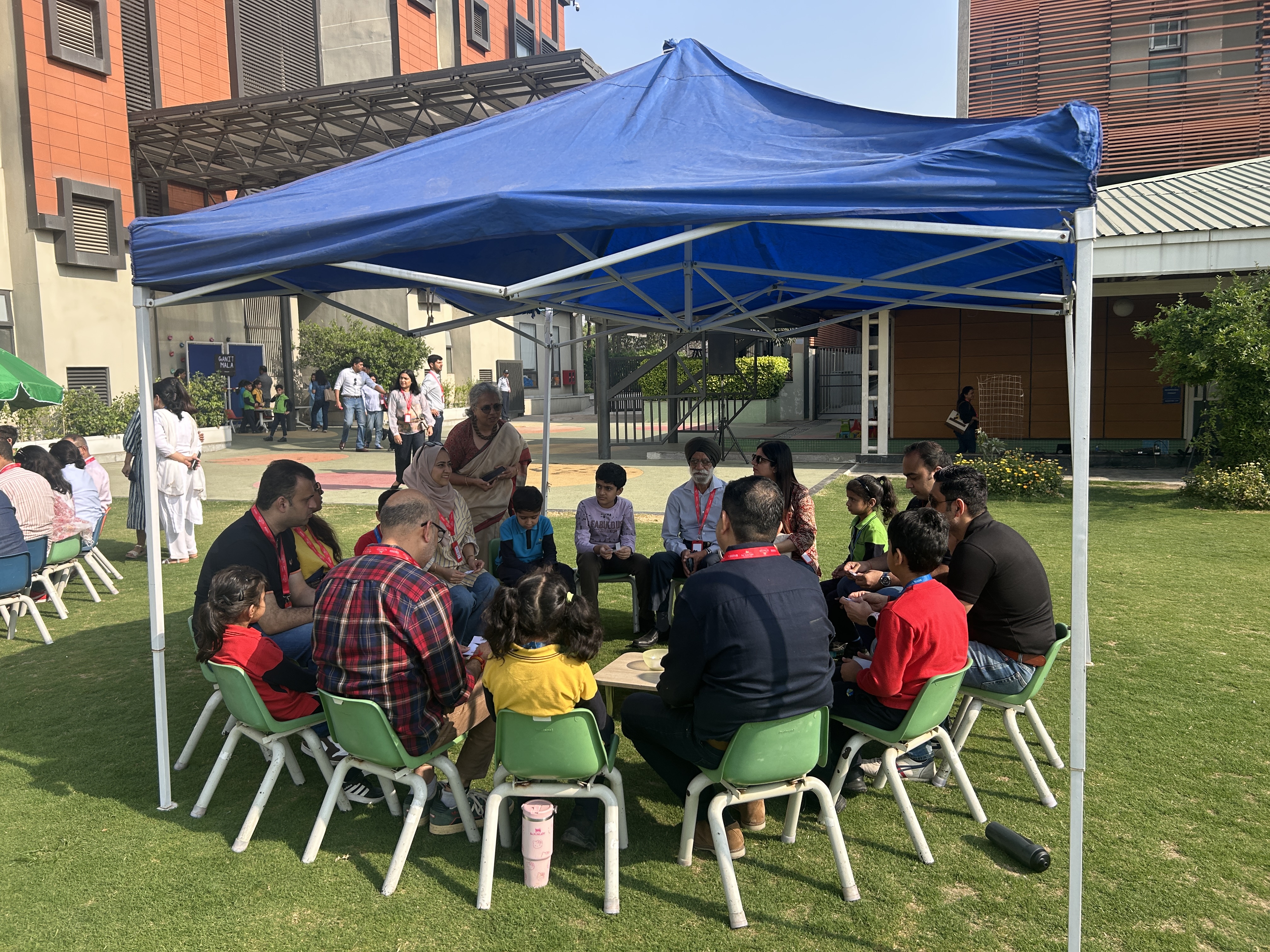
The Grade 2 Fun Fair was a joyful celebration of the learners’ journey and a wonderful culmination of their learning across different domains. It gave an opportunity for the children to showcase their understanding and skills by engaging their parents in a variety of thoughtfully designed activities. It beautifully reflected the children’s confidence, creativity, and sense of responsibility. 

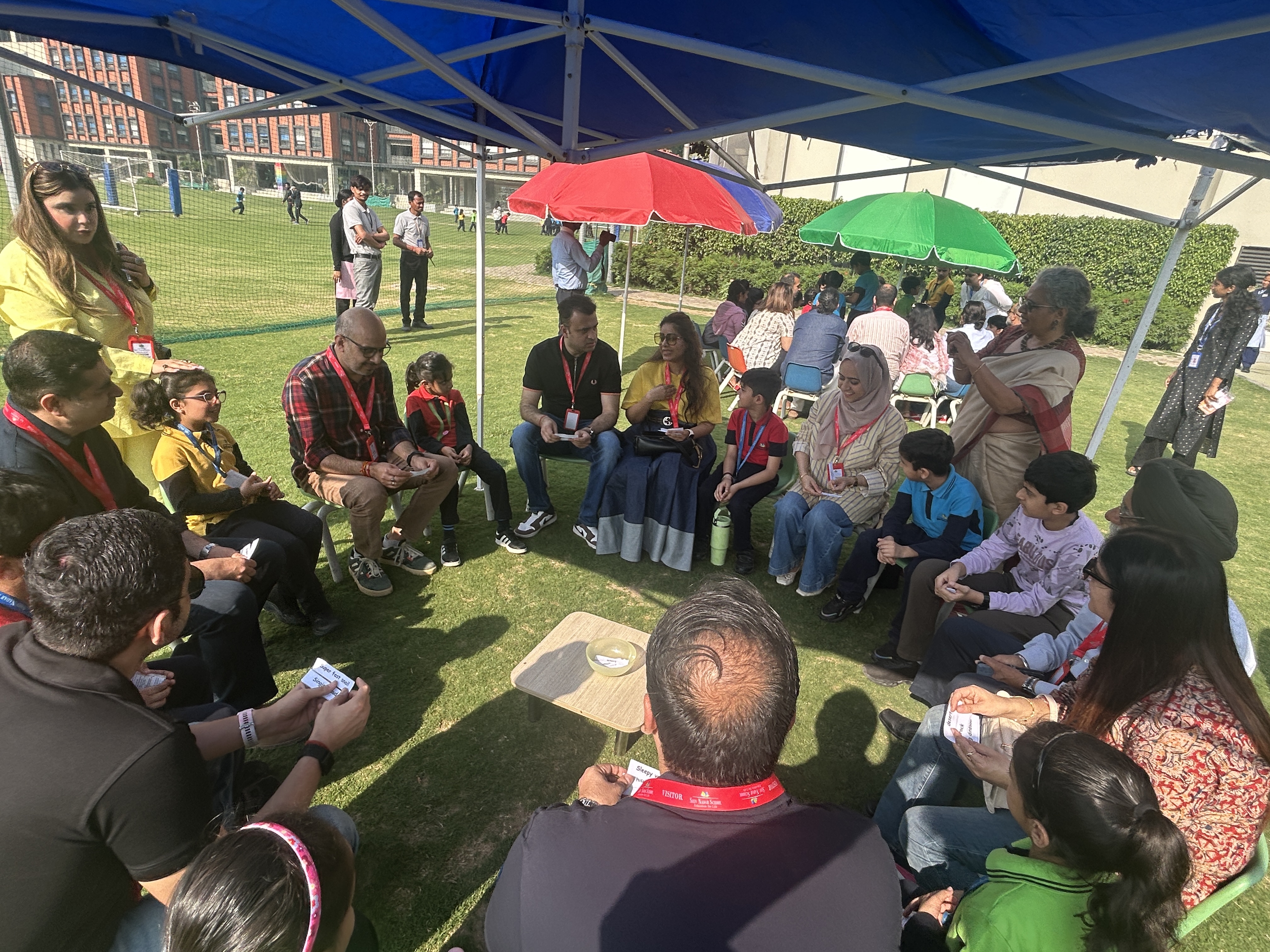
Taking complete ownership of their learning, the learners confidently conducted different game corners and invited their parents to participate. Each activity reflected the concepts and skills they had explored in class.

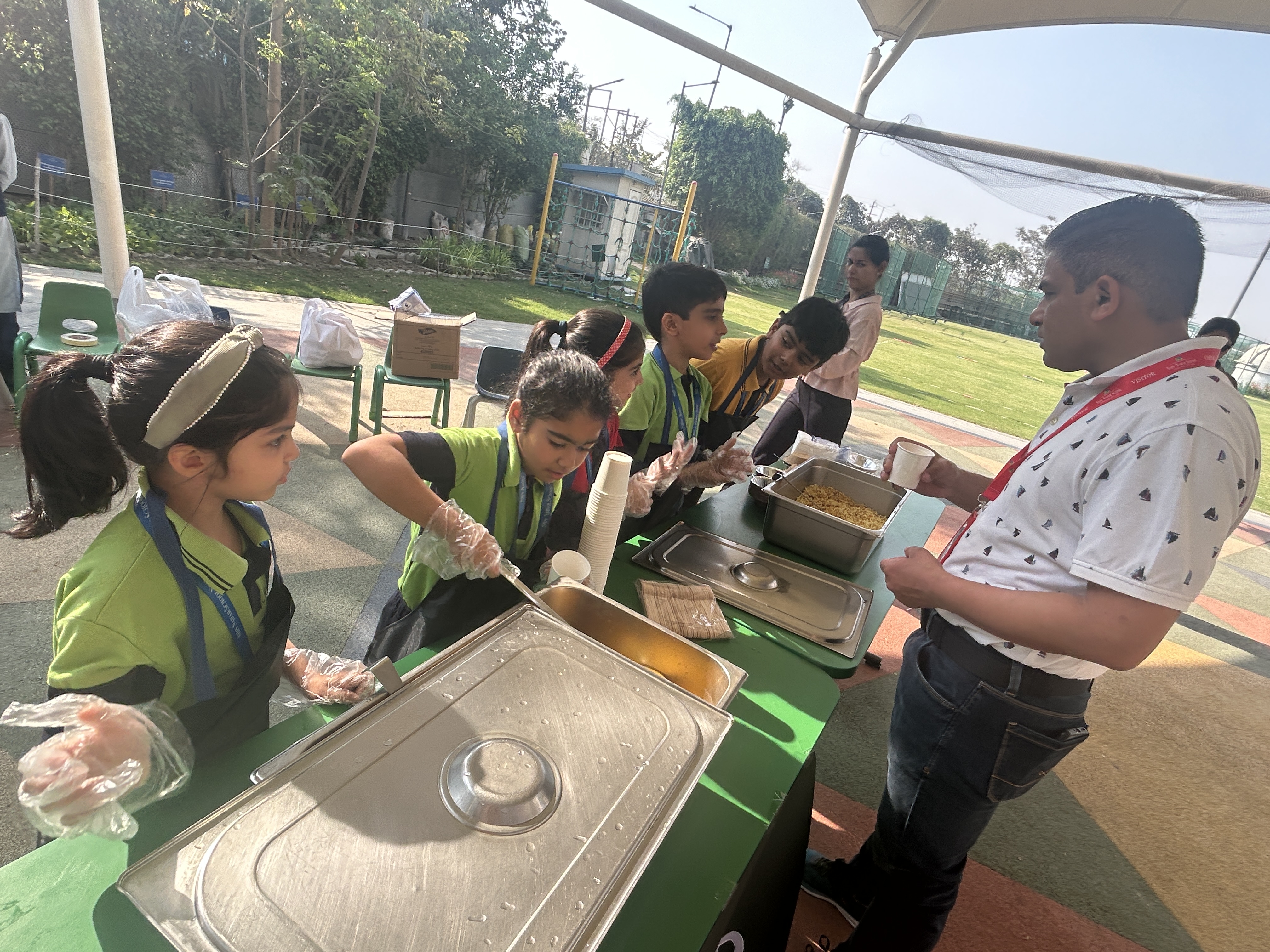
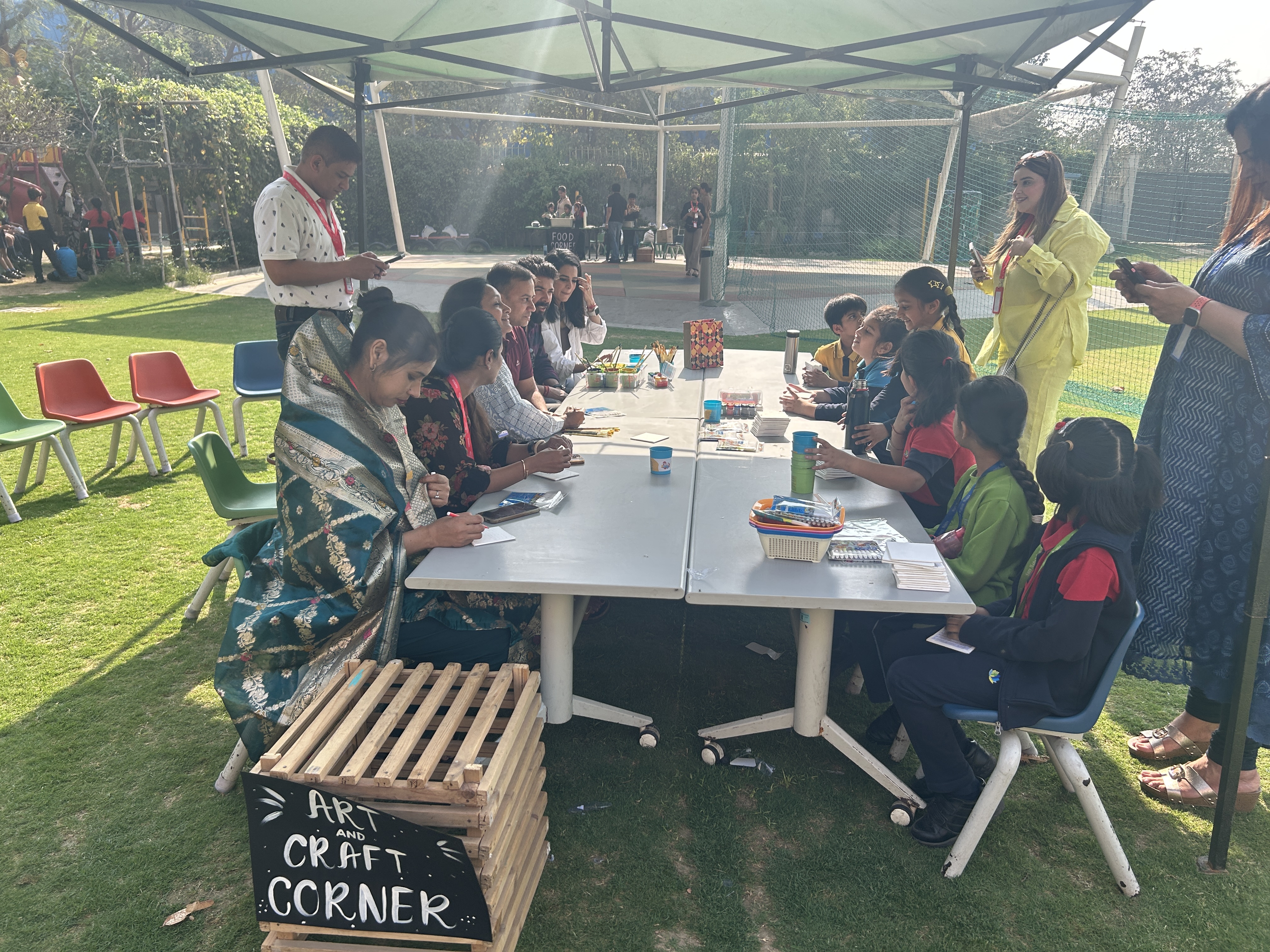
The language corner came alive as learners creatively wove stories, using their imagination and storytelling skills to engage their audience. The art station showcased their creativity, where children enthusiastically worked alongside their parents to create colorful pieces.  Children took ownership of their learning during the fun fair, confidently managing the stalls and independently guiding their parents through their learning journey. Parents along with children thoroughly enjoyed the experience, making it both fun and meaningful.

Adding to the festive spirit, the learners also served delicious snack and refreshing drinks, taking pride in hosting and ensuring everyone felt welcomed.     


Education ,

Education For Life ,

School ,

The Power of Questions: Nurturing thinking in an inquiry classroom

What makes learning meaningful?

Is it the information students remember? Is it the answers they write in an examination in a limited amount of time? Or is it something deeper- the ability to think, question, and make sense of the world around them?

In an inquiry-based classroom, particularly within the IB Middle Years Programme (MYP), learning begins with questions of different shapes and sizes and not just a predefined set of facts to be learnt. Questions are the engine of inquiry. They stimulate curiosity, guide investigation, challenge assumptions, and ultimately help students construct conceptual understanding.

However, an important misconception about inquiry is that every question must be profound or philosophical. Effective inquiry classrooms value questions at different levels. Some questions simply help students observe. Others prompt analysis. Still others push students to form conceptual generalisations. Together, these layers of questioning support the gradual development of thinking.

Read More: A Guide to Understanding the IB (DP & MYP) Curriculum

At its heart, inquiry is about creating learning experiences where students are encouraged to wonder:

Why does this happen?

How does this work?

What might this mean beyond this situation?

These are the questions that move learning from facts to understanding. 

Educational research on concept-based inquiry suggests that inquiry learning often begins by engaging students emotionally and intellectually, activating their prior knowledge, and inviting their initial questions before deeper investigation begins. In the MYP classroom, this phase is essential because it creates the conditions for meaningful learning rather than passive reception of information. 

A simple example illustrates how questioning can spark thinking. 

Recently, our MY1 students visited Dakshina Chitra, the living heritage museum in Chennai that showcases traditional homes and cultural practices from across South India. Rather than experiencing the visit as a passive tour, students were provided with a worksheet designed around guiding questions. These prompts asked them to observe details carefully: 

  • What materials are used to build these houses?
  • Why might homes in different regions look different?
  • What similarities and differences do you notice across architectural styles? 

At first glance, these questions appear straightforward. Yet they encourage students to move beyond observation to analysis and interpretation. As students explored the houses, discussions began to emerge. Some noticed that roof structures varied across regions. Others wondered whether climate influenced building materials. Gradually, students began connecting their observations to broader ideas about environment, culture, and adaptation. 

In this way, structured questioning became the starting point for conceptual understanding, a central goal of the MYP framework. 

As students progress through the programme, the nature of questioning evolves. In earlier years, teachers often provide more structured inquiry to guide thinking. Over time, students begin to take increasing ownership of the inquiry process. 

Read More: Community Project Session for IB MYP 3 at Shiv Nadar School Faridabad 

This shift becomes particularly visible in MY3 through the Community Project. Here, students are encouraged to identify issues that matter to them within their communities. Instead of receiving predetermined research questions, students frame their own inquiries: 

  • What challenge in our community needs attention?
  • Why does this issue exist?
  • What action could help address it? 

These questions reflect a deeper level of thinking because students are defining problems, exploring perspectives, and planning action. They go beyond simply gathering information. In this process, the teacher's role shifts from delivering knowledge to facilitating inquiry. 

Similarly, in science classrooms, students often design their own investigations. A teacher might begin with a broad conceptual question such as: What factors influence plant growth? Students then refine this into testable inquiries, designing experiments, collecting data, and reflecting on results. Through this process, they develop key Approaches to Learning (ATL) skills such as research, critical thinking, and self-management, along with disciplinary knowledge. Others help them organize their thinking and identify patterns. 

Read More:  Shiv Nadar School Noida is now an IB MYP Authorised School 

What becomes evident across these experiences is that questions guide every stage of learning. Some questions help students engage with a topic. Some help them investigate evidence.Eventually, students begin forming generalisations- statements of understanding that connect concepts and can be applied beyond a single example. When students reach this stage, they are developing ideas that can transfer to new contexts, which is beyond the recall of information without a context. 

This is one of the most powerful goals of the IB philosophy: helping learners build knowledge that is transferable and meaningful. This also helps in furthering our commitment to lifelong learning at Shiv Nadar School

Yet perhaps the most significant shift in an inquiry classroom occurs when students themselves become the questioners. Instead of waiting for the teacher’s prompts, they begin to ask: 

  • Is this always true?
  • What evidence supports this idea?
  • Could there be another explanation? 

These moments signal something important. They show that students are developing agency as learners, instead of merely participating in lessons as passive listeners. This is the goal of our MYP classrooms. 

In the end, the success of an inquiry classroom may not be measured by how many answers students produce, but by the quality of the questions they learn to ask to pursue meaningful journeys responding to those questions. When classrooms nurture curiosity, encourage reflection, and value thoughtful questioning, they cultivate learners who are prepared for the complexities of the world beyond school, beyond any single examination. 

Perhaps, then, the most important question we can ask ourselves as educators and caregivers is this: 

Are we creating spaces in the classrooms and outside where curiosity thrives? Are we modelling the thinking process that we want our children to embody? 

Because when students learn to ask meaningful questions, they begin to see learning as a journey of discovery of their own selves and the world around them.  

2026-03-19

Subscribe to Mar 2026