


Origami Art Session


As part of the Children’s Day Week celebrations, a special Origami Session was organised for the students of the Primary Wing. The session was facilitated by Mr Yogesh Rai from Jaipur, an artist who has been practising this intricate art form for many years. He demonstrated how to create a variety of beautiful objects such as trees, garlands, flowers, and rangoli designs using paper folding and cutting techniques.
To ensure that every child could participate meaningfully, the activity was conducted in three separate sessions for Grades 3, 4, & 5. After watching the demonstration, students enthusiastically tried their hands at making their own paper creations.
Each student received a booklet containing additional origami designs along with coloured sheets, encouraging them to continue exploring and creating more paper art at home.


Story Telling Session- Grades 3 and 4


The storytelling session aimed to inspire environmental awareness through music, rhythm, and engaging narration. Using song, humour, and interactive storytelling, students were encouraged to reflect on the impact of pollution and the importance of mindful choices. The session fostered joy, connection, and responsibility, reminding learners that small actions can help protect our planet. With his engaging blend of music and narrative, Mr Kapil brought warmth, rhythm, and life to the story, instantly drawing the students into his world of imagination and reflection.
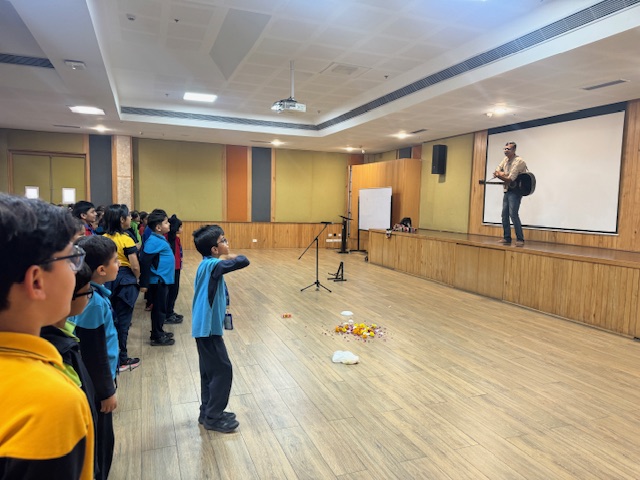
The session began with a lively guitar rendition of “We’ve Got the Whole World in Our Hands,” which set a cheerful and participative tone. Through rhythm, song, and expressive storytelling, he highlighted the growing problem of pollution and how human actions affect our environment. The message, delivered in a fun and meaningful way, urged everyone to consume less, conserve more, trash less, and waste no more.
 

As the President of the Kutumb Foundation, Mr Kapil believes in the power of drama and storytelling to create reflective learning spaces. His interactive performance, laced with humour, song, and thoughtful insights, encouraged students to think about small but
impactful ways to care for the planet.


The session had students smiling, singing along, and feeling inspired. A wonderful reminder that stories and music can connect, uplift, and awaken responsibility in each of us.


Education For Life ,

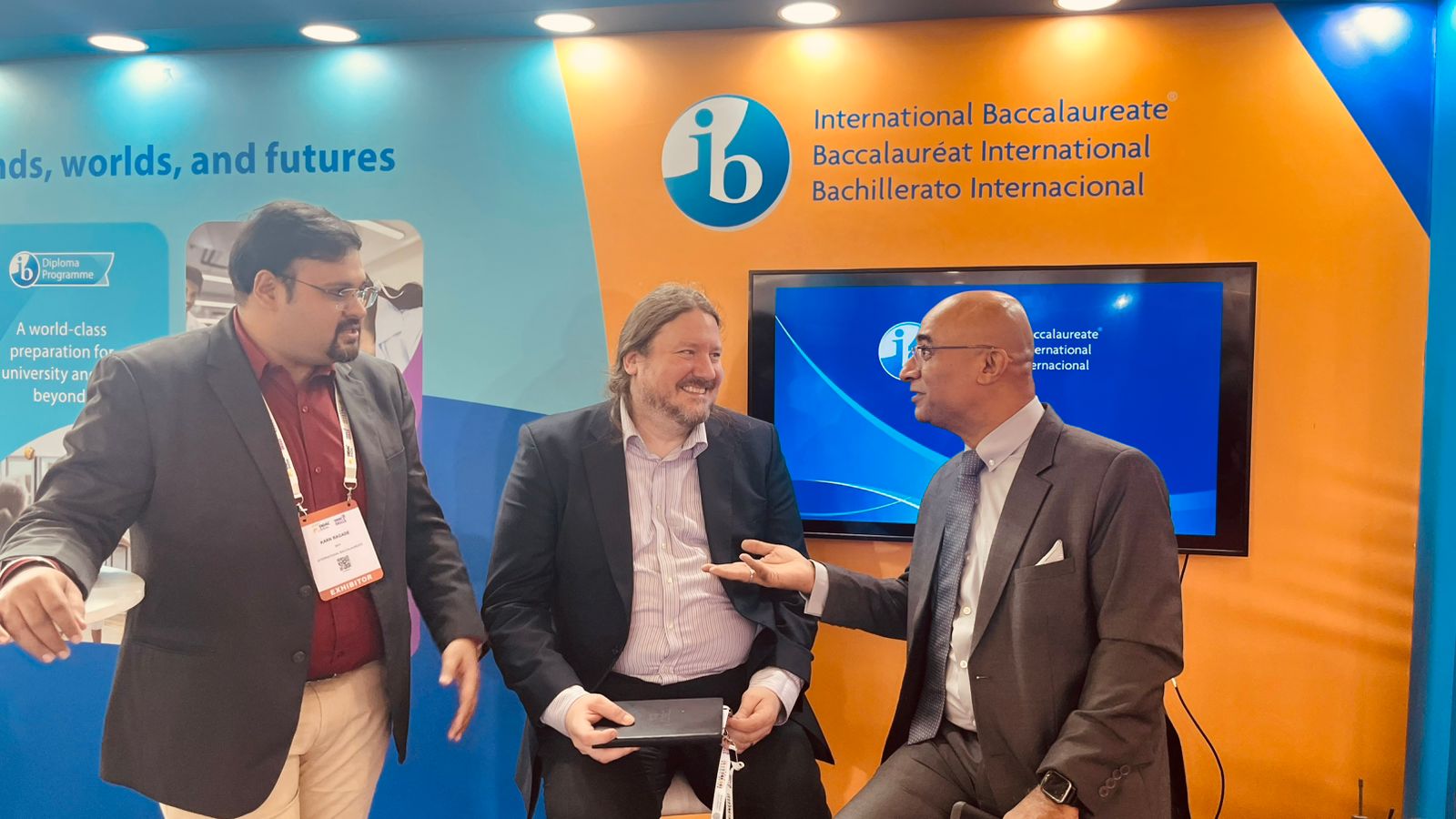
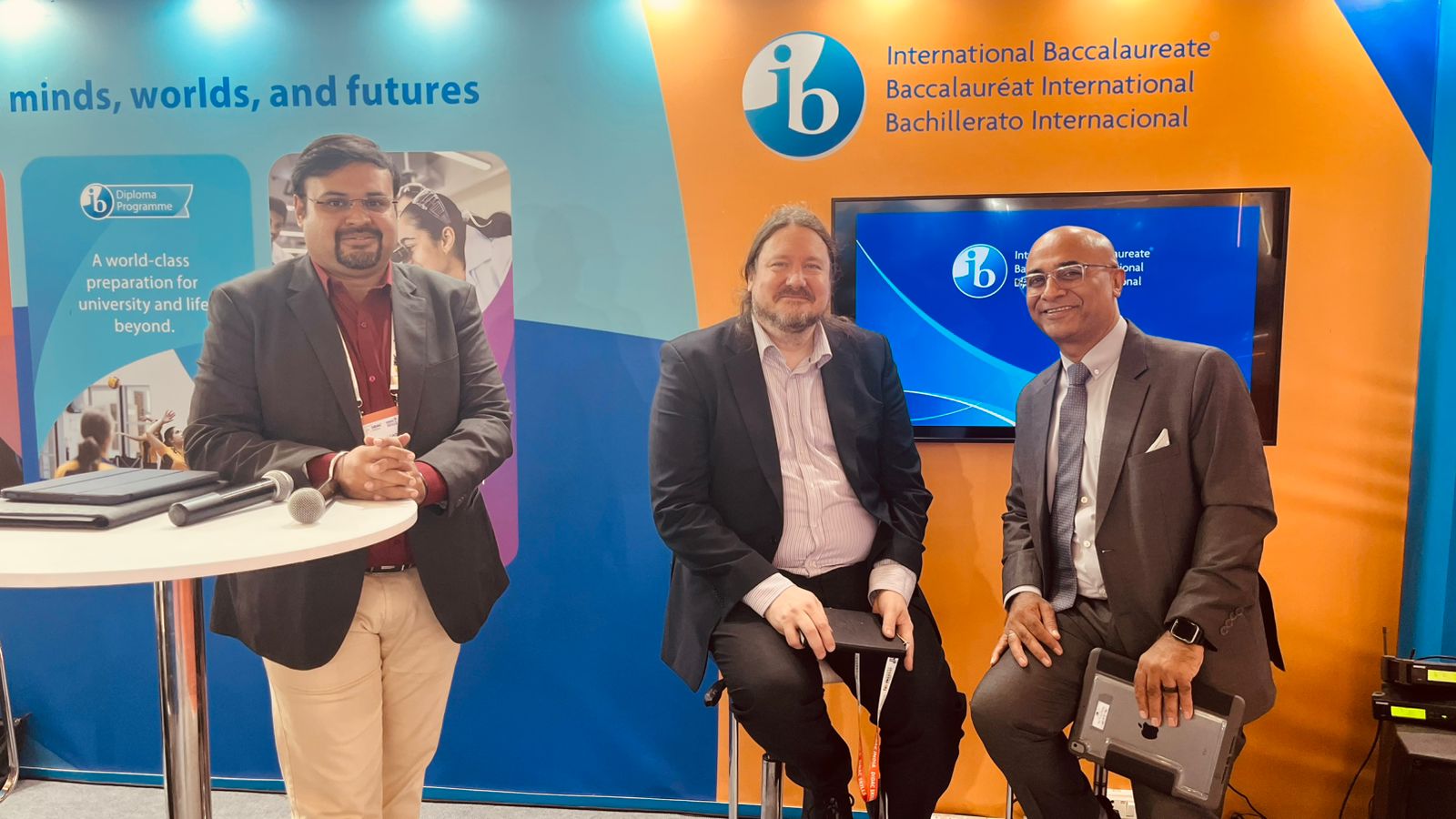
Beyond the Algorithm : A Fireside Chat with Dr Matthew Glanville


The conversation circled around one idea: machines can give answers, but they cannot care, read a room, or act with values when things get uncertain. Our kids can! And that is what schools should double down on. Mr Matthew pushed this further with three sharp points:

  • The future of assessment is digital, interactive, and built for real-time feedback
  • Student agency will shape how learning is shown, not just how tasks are designed
  • Intent matters more than format - assessment should grow curiosity, integrity and imagination

Mr Arora is of the thought that authenticity will not come from blocking AI. It will come from tasks where thinking is visible, such as iterations, reflections, oral defences, and live reasoning. When students see their work as a mirror, integrity follows by choice, not policing. So the wonderment here is "If AI can do so much, what's the one assessment practice we must retire to keep learning human and meaningful?" 

You may share your thoughts to [email protected]


School ,

IDA Award 2025

IDA

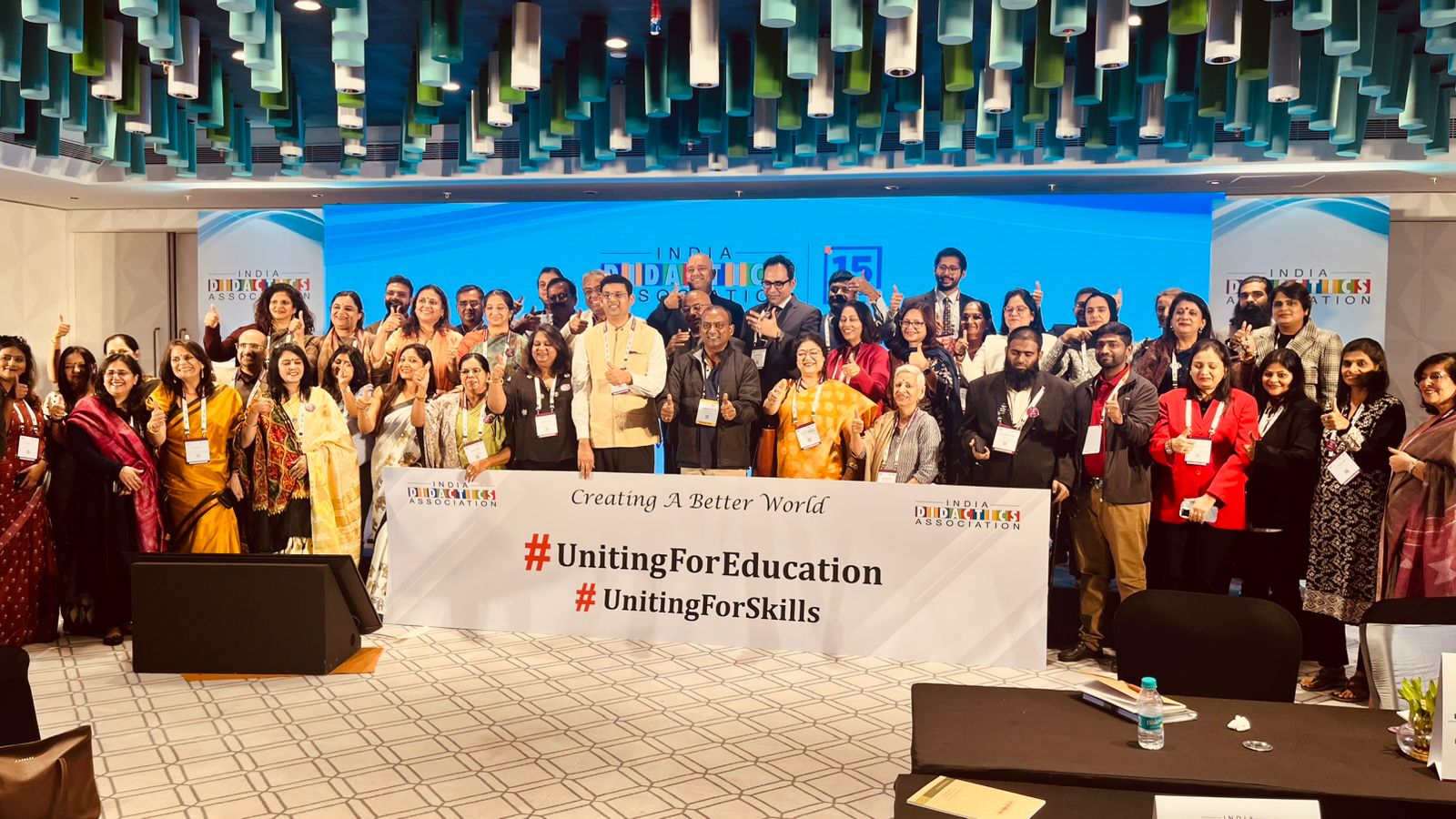
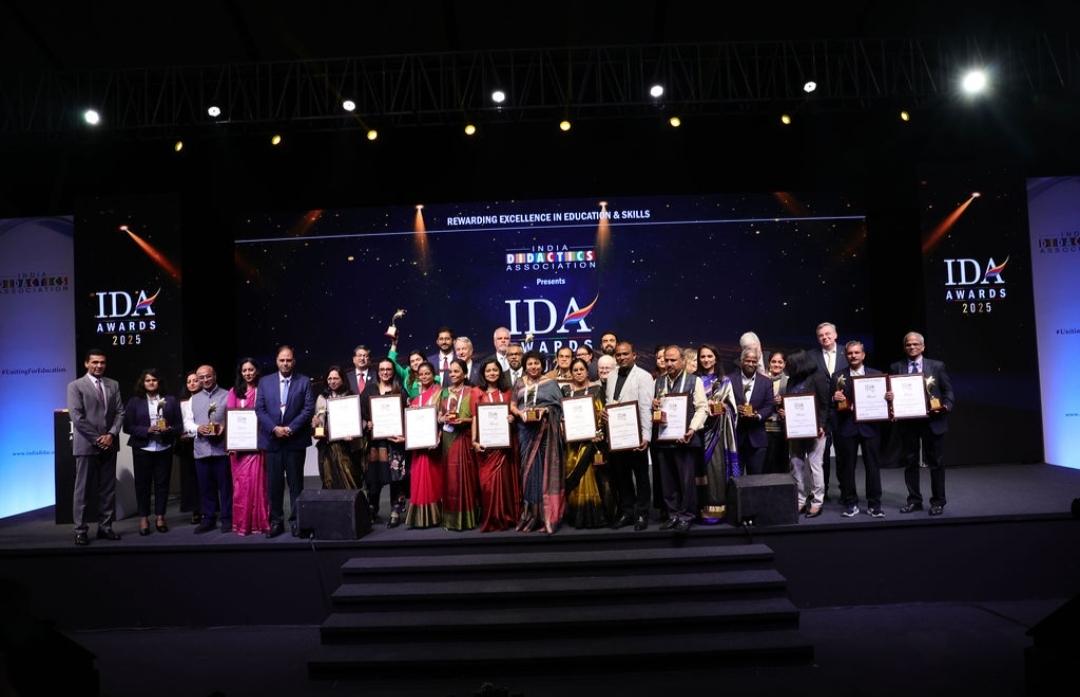
The IDA Awards celebrate innovative and pioneering initiatives by Educational Institutions/Organisations, highlighting their profound impact on student learning outcomes. Their mission is to honour and reward institutions that are Re-Discovering, Re-Defining & Re-Imagining the teaching-learning process and preparing students for life.

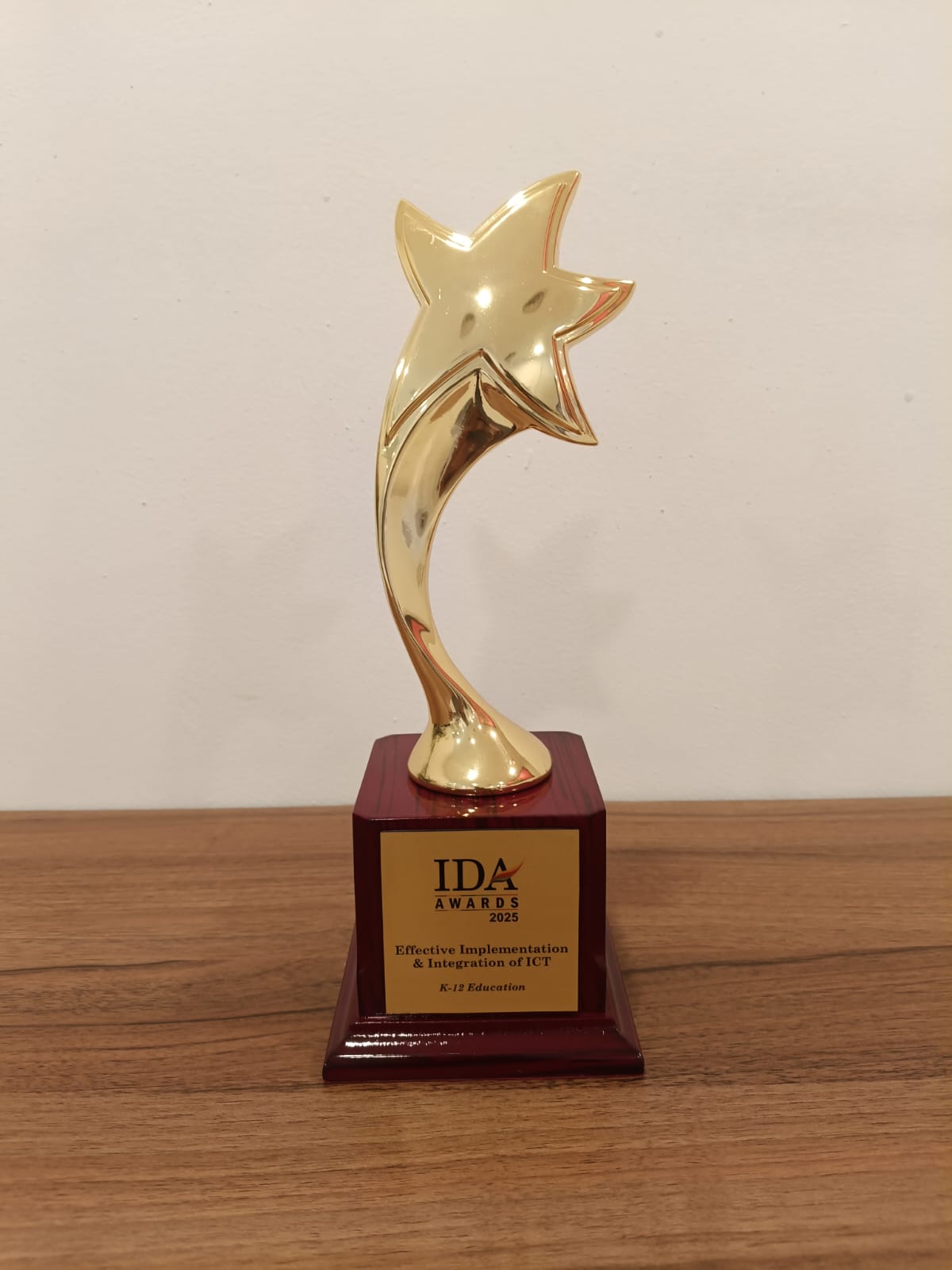
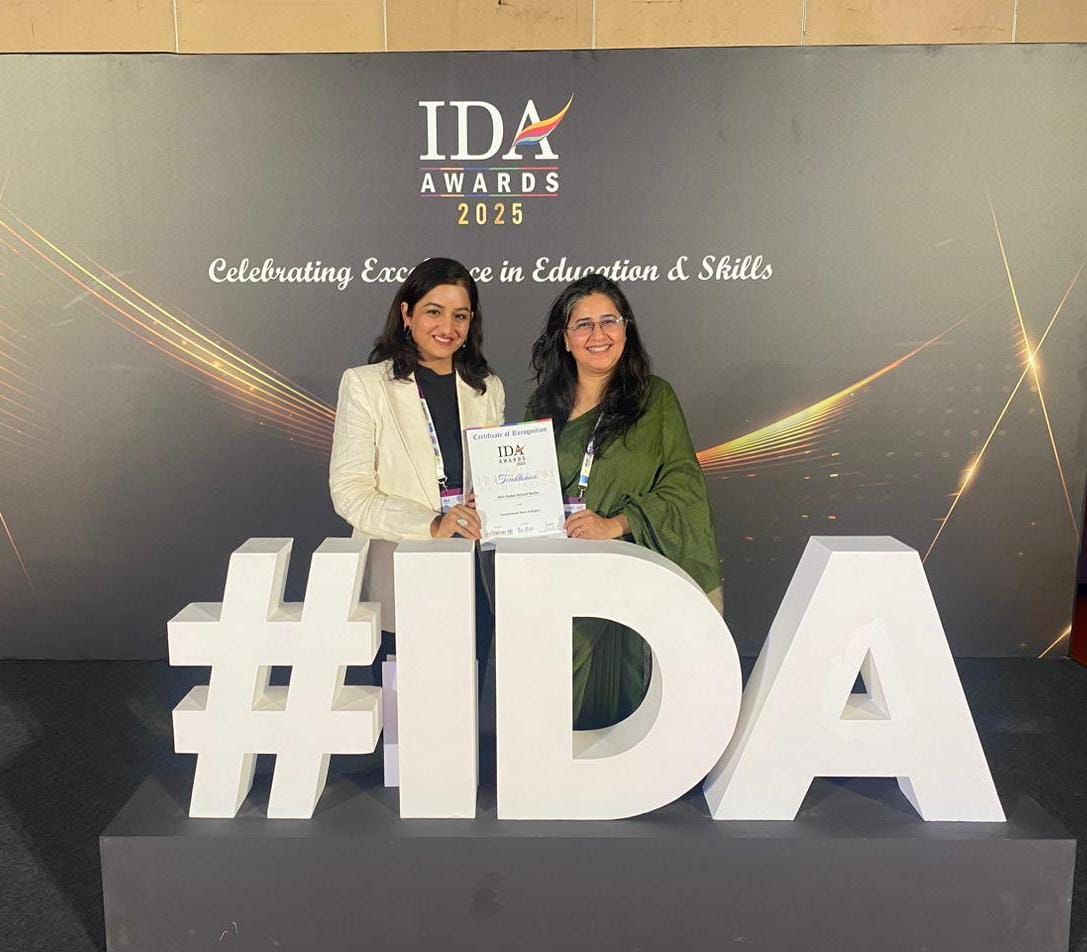
On behalf of our Chairman, CEO, staff, students and parent community, our Principal, Mr Sameer Arora and the Parent Partnership Manager, Ms Pallavi Mahanta had the opportunity to collect the IDA Awards for Effective Implementation and Integration of ICT in K to 12 Education at the function held on 18th Nov. 2025.
 

School ,

Shiv Nadar School Recognized for Early Years Excellence

IDA Award

Shiv Nadar School, Noida is delighted to share that our Early Years Program has been awarded the DIDAC Torch Bearer Certificate in the category “Pioneering Wellbeing, Engagement & Capacity Building."

Presented by the IDA Awards, this honour recognizes our unwavering commitment to building a nurturing, inclusive, and inspiring environment where every young learner feels supported and empowered to flourish.

Award ,

Curriculum ,

School ,

Outstanding Performance at the Athena Inter-School Tournament

Football Winner

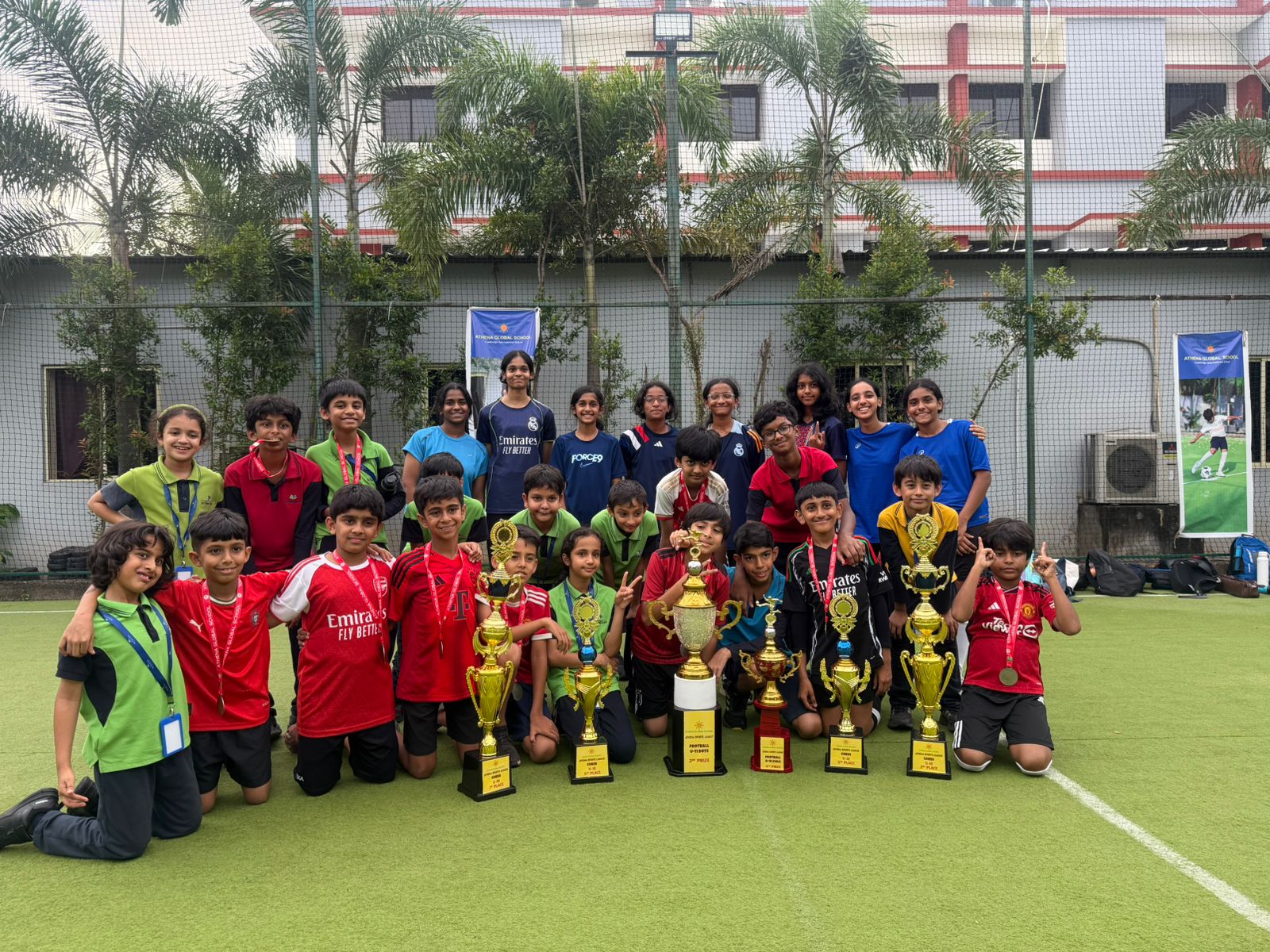
Our learners delivered an impressive performance at the Inter-School Football and Chess Tournament hosted by Athena School from 20th to 22nd November. Competing against 15 schools across Chennai, they showcased exceptional skill, resilience, and sportsmanship.

Football Results

  • U-11 Boys: 2nd Place (16 teams)
  • U-15 Girls: 4th Place (12 teams)

Chess Results
U-10 Category (53 participants, 15 schools):

  • 1st Place: Rishaan Arnav Sandeep (PY4)
  • 2nd Place: Agastya Raghavan Kannan (PY4)
  • 5th Place: Sitara Watwani (PY4)

U-12 Category (44 participants, 15 schools):

  • 5th Place: Samar Ram (MY1)
  • 6th Place: Dheeran Rajiv (MY1)
  • 8th Place: Anirudh Vijaykrishnan (MY1)

These achievements reflect the strong focus, determination, and competitive spirit of our learners. We applaud every participant for representing the school with pride and excellence.

ALL ,

Arts ,

Award ,

Badminton ,

Board ,

Competition ,

Curriculum ,

School ,

Game Design with Purpose


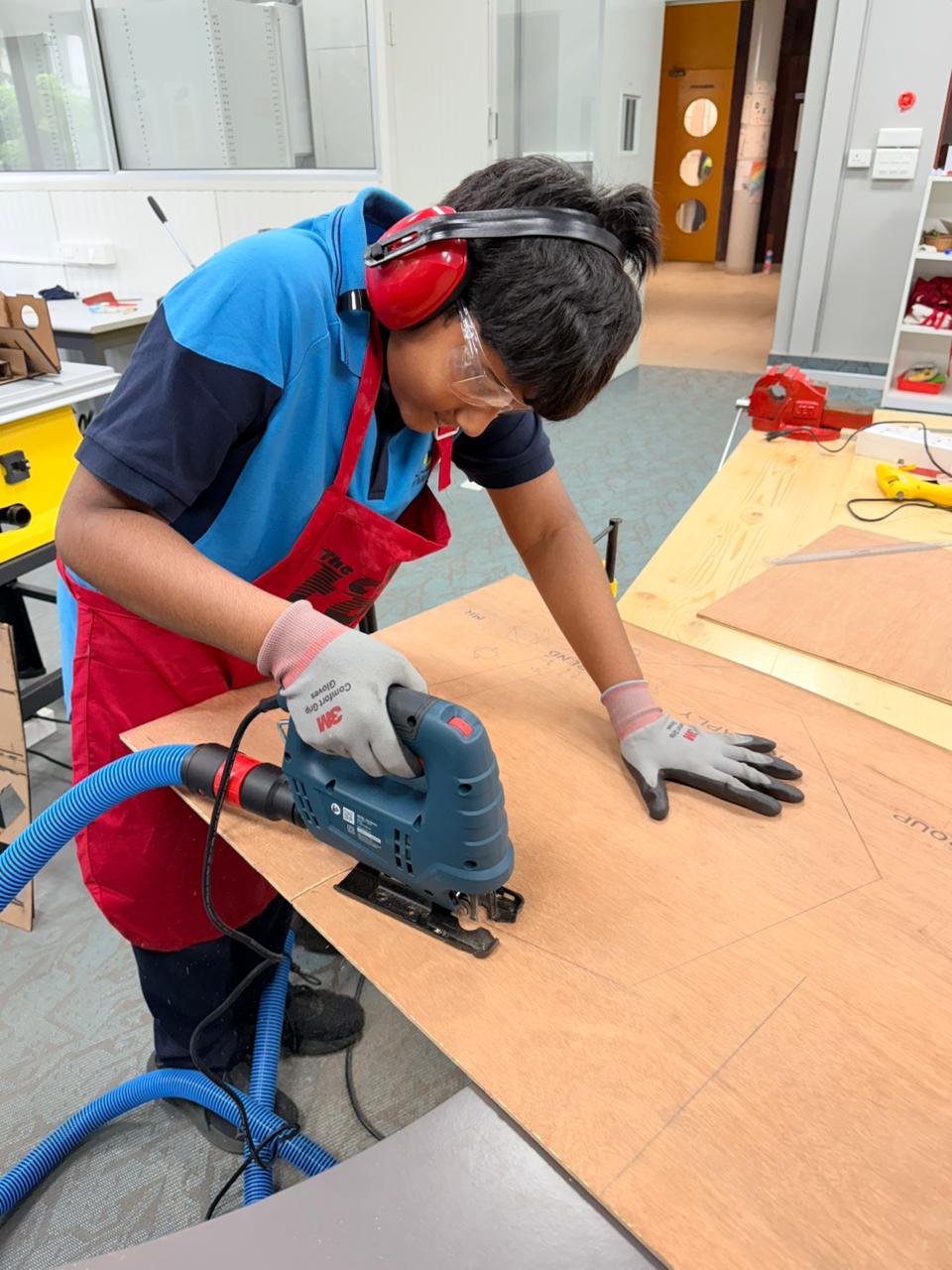
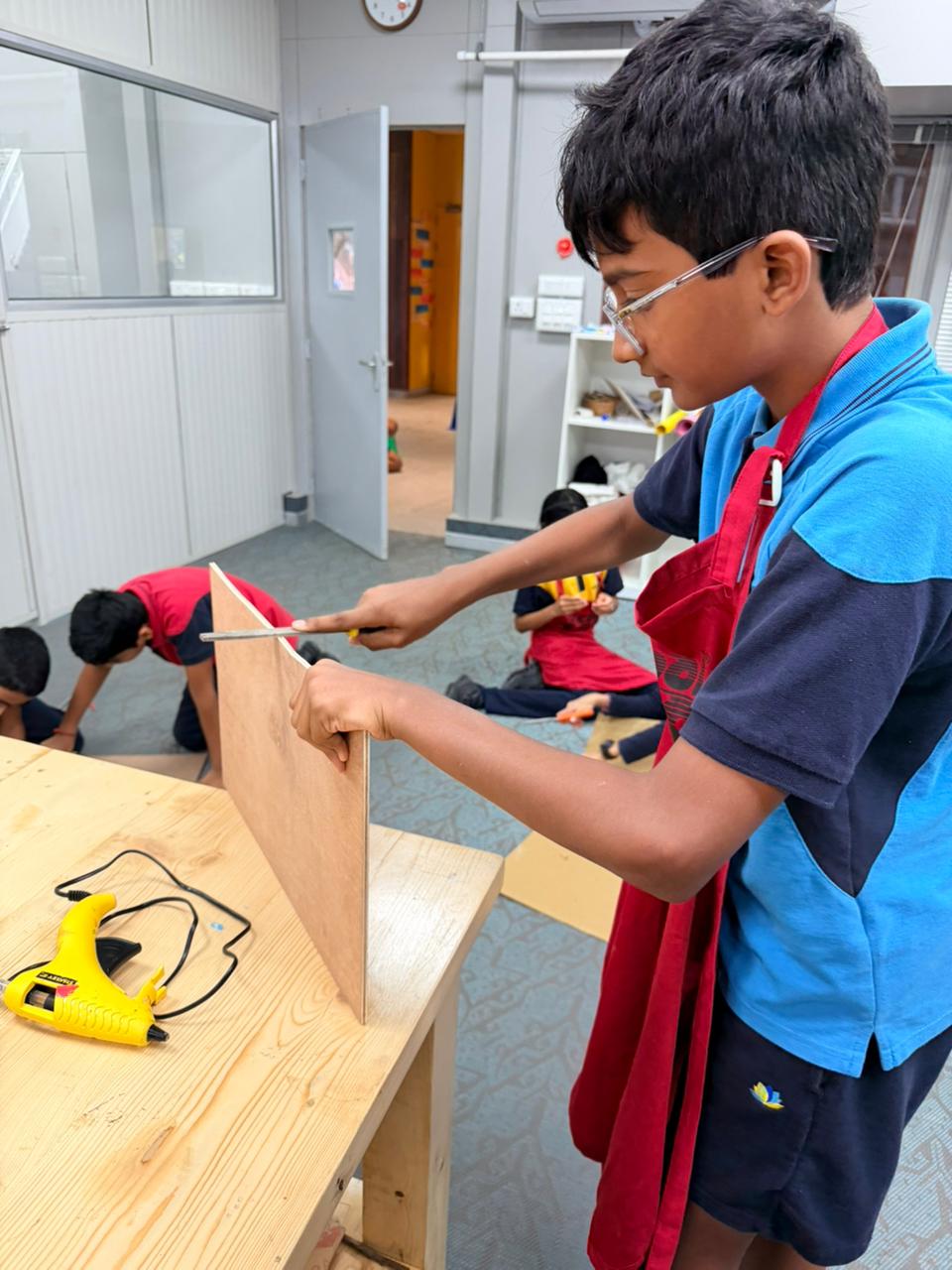
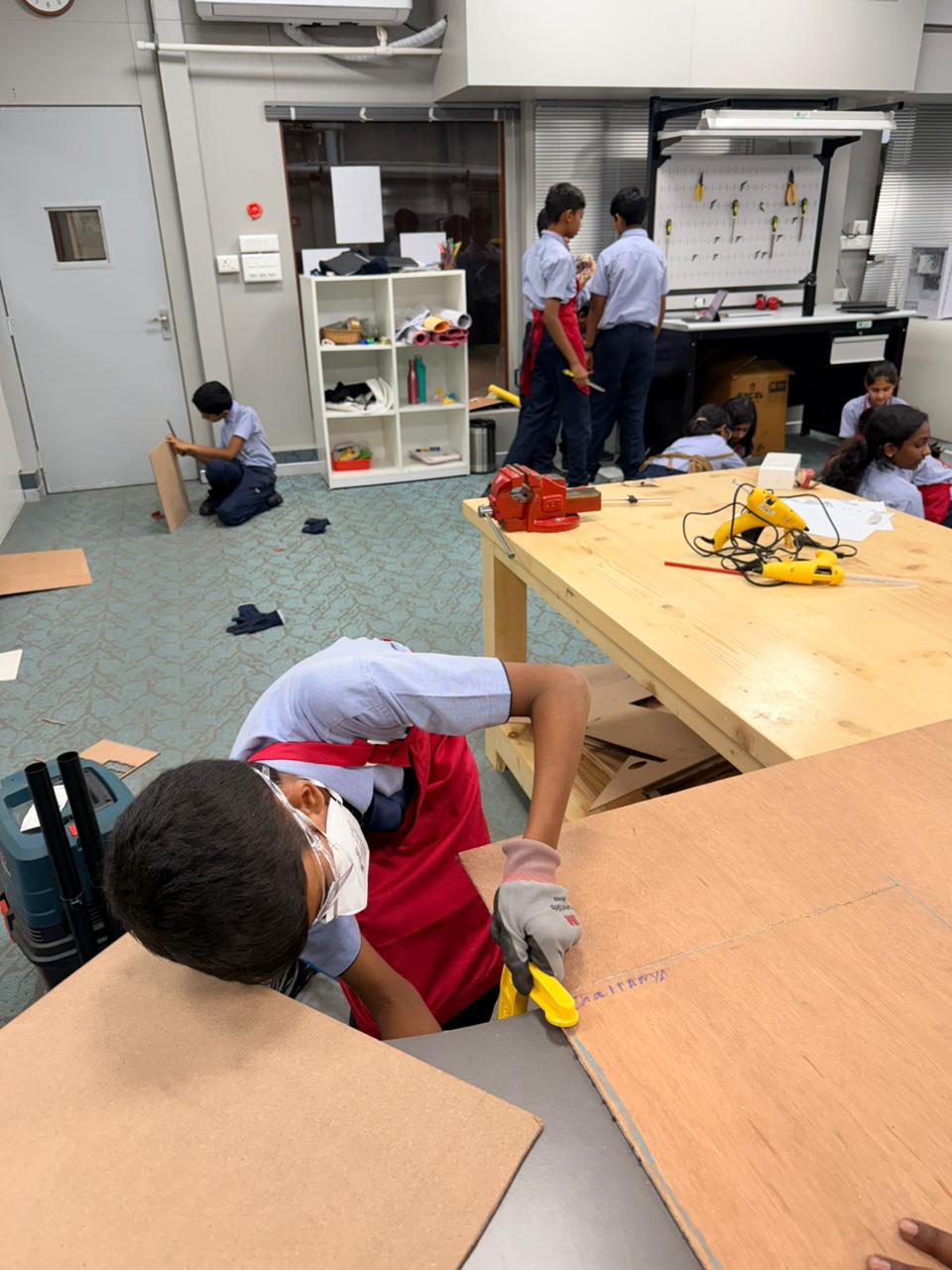
In an inspiring blend of creativity, collaboration, and environmental awareness, our MY1 learners stepped into the Makerspace to design and build their own educational board games. Their mission: to deepen understanding of SDG 14: Life Below Water and SDG 15: Life on Land.

Through hands-on creation, students explored real-world environmental challenges—pollution, biodiversity loss, conservation efforts—and transformed these ideas into interactive, imaginative games. Every element, from rules to artwork to gameplay strategy, was crafted to spark conversation and encourage players to think critically about protecting our ecosystems.

What emerged were not just board games, but thoughtful learning tools that reflect how creativity can amplify awareness and make complex global issues accessible.

By designing with purpose, our learners demonstrated that play can be powerful—and that young minds can lead the way in advocating for a sustainable future.


Creative ,

Curriculum ,

Education ,

Education For Life ,

IB ,

Innovation ,

Middle ,

Progressive ,

School Life ,

Science ,

Secondary ,

Visual Arts ,

Listening to the Hundred Languages of Children

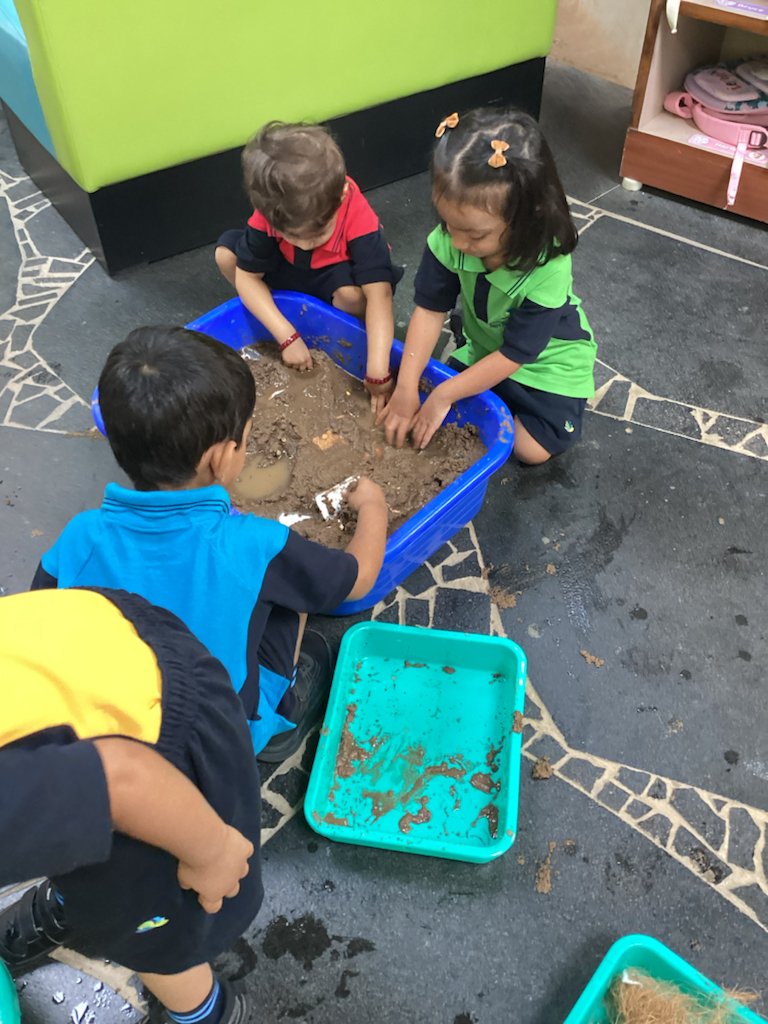
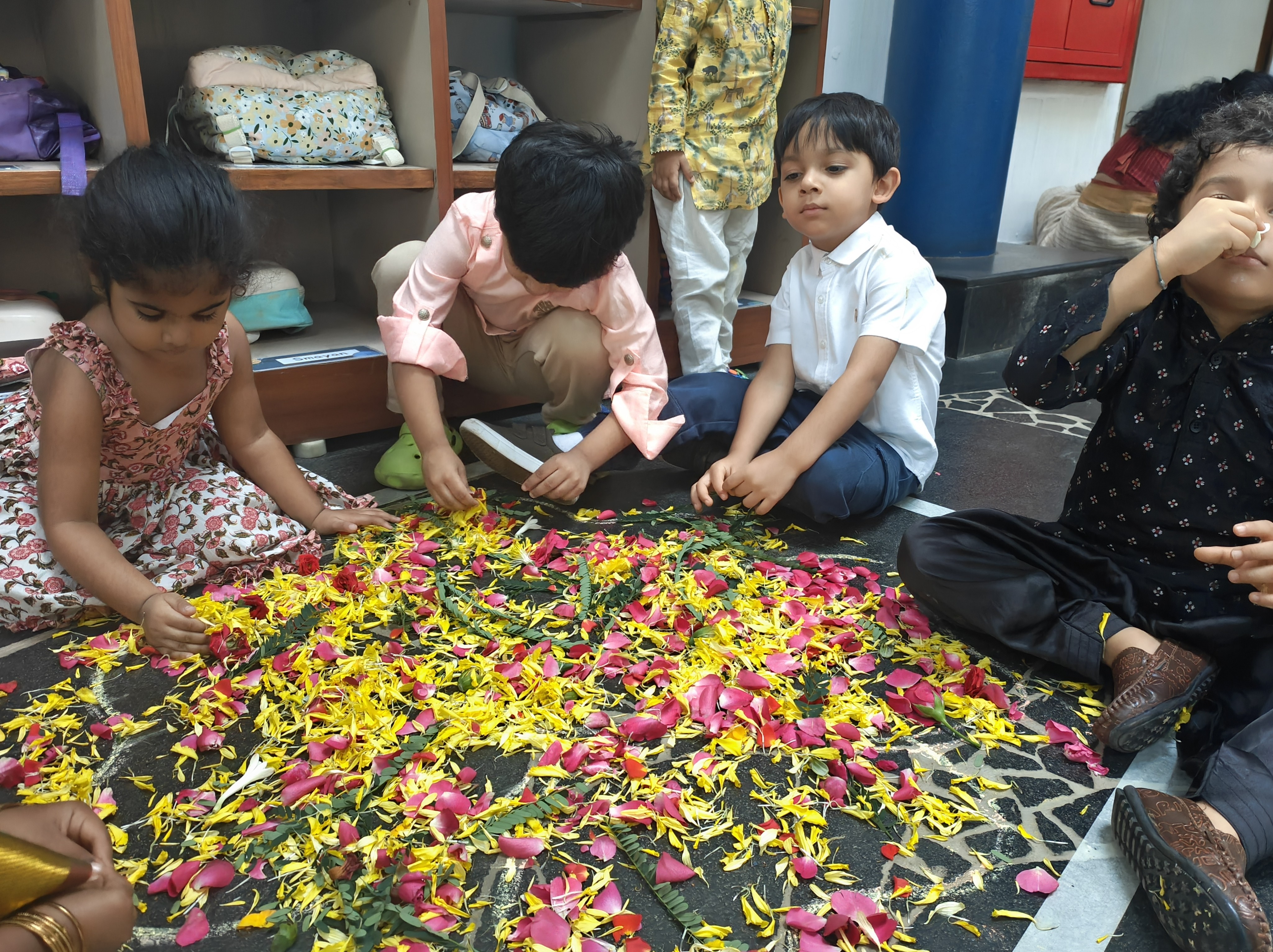
At Shiv Nadar School, our Early Years classrooms are places of wonder — where play based learning is not just an activity but a way of thinking, exploring, and expressing. We believe that every child speaks in a hundred different ways: through movement, art, storytelling, laughter, and curiosity. Our approach to play based learning in early childhood ensures that children discover, question, and create through meaningful, joyful engagement. 

In our learning spaces, children are encouraged to express what they know and feel through hands-on play based learning activities. Every block tower, every song, every brushstroke tells a story of discovery and growth. 

Exploration and Wonder

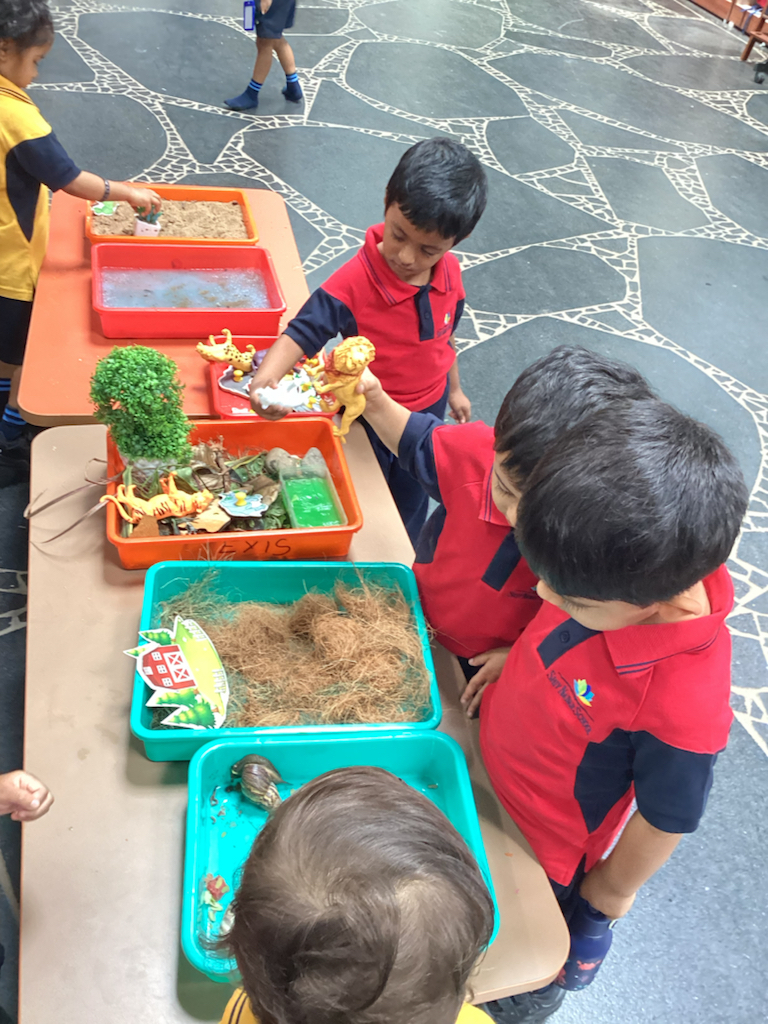
Our learners are natural explorers. They use their senses and imagination to make sense of the world  around them. During our recent inquiry into Living Things and Celebrations, classrooms came alive with small-world setups — jungles, oceans, and deserts filled with creatures and stories. 

“Look, the polar bear needs snow!” a child explained, carefully placing cotton near a model animal. In that moment of learning through play in early childhood education, science and storytelling came together beautifully. 

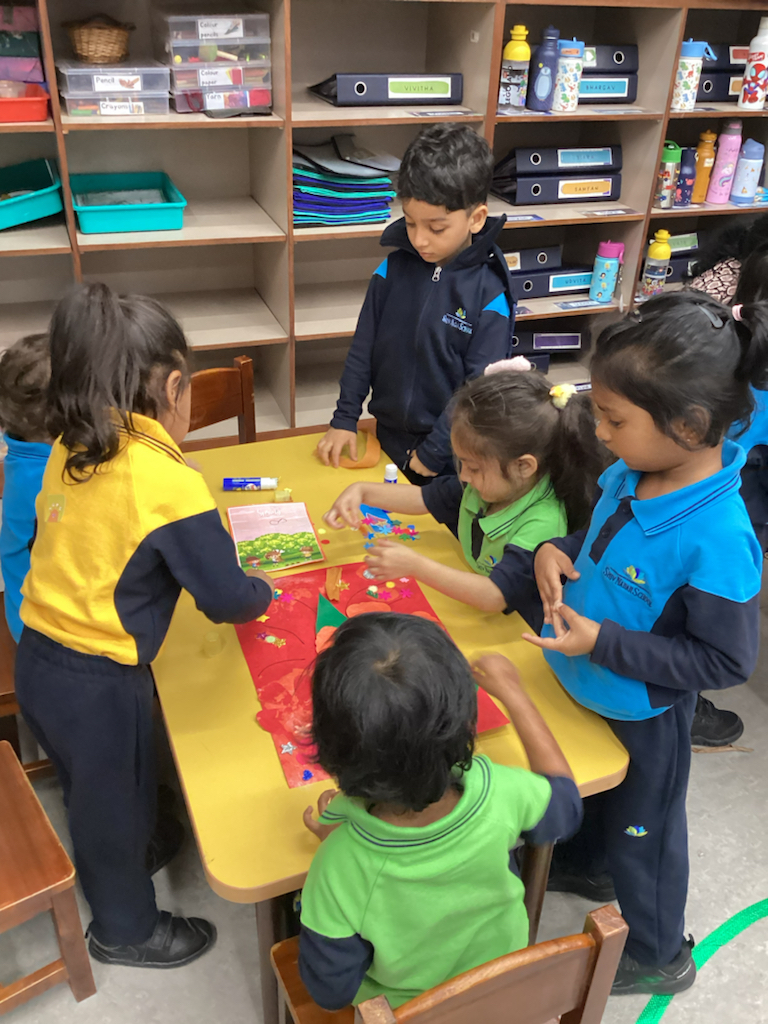
Learners also explored festivals through art and music. Bright colors, joyful patterns, and rhythmic beats filled our spaces. “I’m painting fireworks because they make people happy,” said another child, showing how emotion and creativity are deeply linked. 

For teachers, every playful moment became a window into children’s thinking. Through observation and gentle questions — “What makes this animal special?” or “How does your celebration sound?” — we guided learners to deepen their curiosity and understanding. These interactions highlight how early years learning through play forms the foundation for inquiry and imagination. 

Collaboration and Expression

As learners grow, their play naturally becomes more social and expressive. In our Early Years classrooms, collaboration is at the heart of play based learning. 

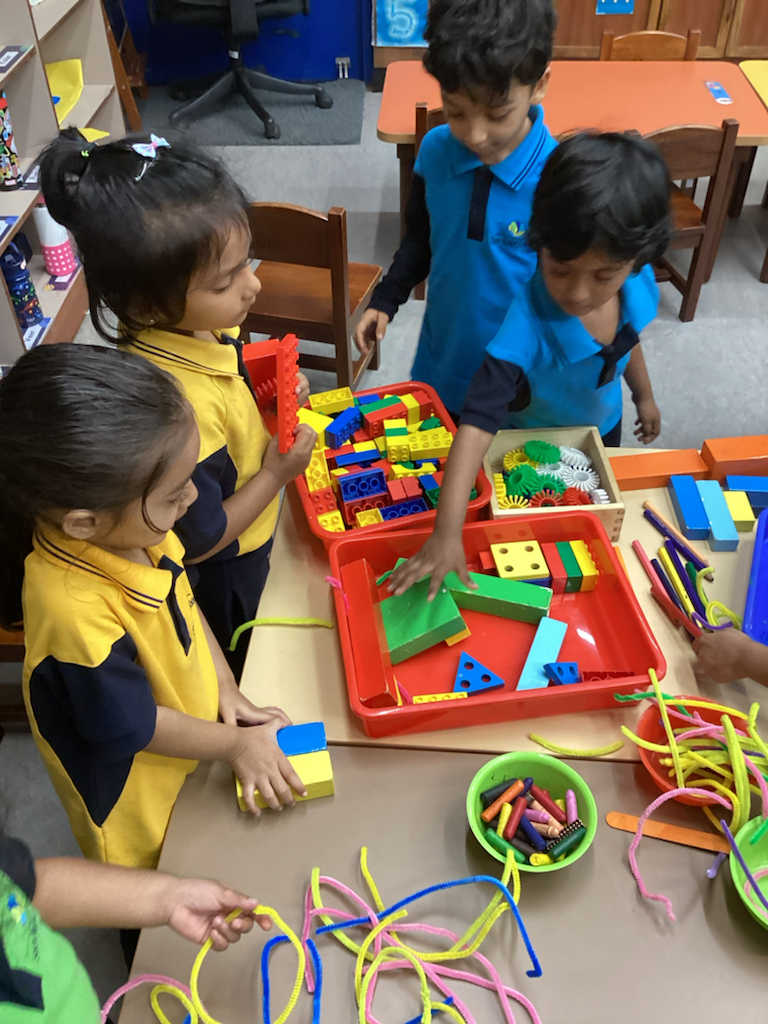
During our unit on Communities and Family, learners designed homes and community spaces using blocks and loose parts. “We need a roof so it doesn’t rain inside,” one suggested. Together, they planned, built, and reflected — developing problem-solving and teamwork skills in the process. 

Dramatic play areas buzzed with activity. Through role play, learners explored empathy, responsibility, and belonging — core benefits of play based learning in early childhood. 

Art also became a shared language. Family portraits, drawings of plants, and collaborative murals reflected how children see growth, change, and connection. These experiences show how playing and learning through play in early childhood education support communication, confidence, and care — key qualities that define our philosophy. 

Reflection and Representation

In EY3, reflection becomes a natural extension of play. Children revisit their experiences, look at photos, drawings, and portfolios, and talk about what they’ve learned. 

“I remember when we planted this seed — now it’s growing!” a child shared during a reflection circle. Revisiting moments like these helps children see their own growth — both in skill and in self-awareness. 

Storytelling and journaling are other powerful tools for reflection. When children narrate how they cared for plants or helped a friend, they express empathy and understanding. “I water my plant every day because it gets thirsty like me,” one child said — a small but profound connection between care and compassion. 

Quiet moments of observation also play an important role. Watching shadows move or sketching leaves nurtures mindfulness, patience, and wonder, reinforcing the reflective side of early years learning through play. 

The Many Languages of Learning

Across our Early Years classrooms, we see the harmony of many languages — exploration through play, expression through collaboration, and reflection through representation. 

Every playful interaction reveals deep thinking. Every creation, conversation, and story tells us how children see their world. 

At Shiv Nadar School, play based learning is the foundation of learning. It is through learning through play in early childhood education that children inquire, imagine, and build meaningful connections. When we listen closely — not only with our ears but with our hearts — we discover that children are not just learning about the world; they are teaching us how to see it. 

“When we listen with wonder, we realize that every moment of play is a moment of learning.”

2025-11-26
Shiv Nadar School, Faridabad Shines at the Ethics Olympiad 2025

Ethics

The Ethics Olympiad is known for building essential skills in young learners - analytical reasoning, collaborative problem-solving, and thoughtful communication. Students engage with complex and often sensitive ethical dilemmas while upholding the principles of respect, clarity, and constructive dialogue. Though the issues discussed are serious, the experience remains enriching and enjoyable as participants interact with peers from around the globe.

This global competition draws nearly 300 schools worldwide and is divided into regional zones. In our zone—which included 23 teams from Western Australia, India, and Singapore, our students delivered an outstanding performance.

Team Achievements

We proudly fielded two teams this year:

Team 1
Samairah (8 MYP), Samreen Arora, Myrah Khattar, Aarika Malhotra
Award: Honourable Mention

Team 2
Advik Bhanwala, Atharv Bagria, Adheesh Kapur
Award: Silver Medal

Team 2’s remarkable performance placed them second in the region, earning a Silver Medal and an invitation to the International Round scheduled for February.

Event Format

The competition is conducted online via Zoom, with each school registering 5–10 participants. Over the course of the day, teams take part in four rounds of ethical case discussions. They are evaluated on criteria that recognise well-reasoned arguments, clear communication, teamwork, and respectful engagement.

Gold, Silver, and Bronze medals are awarded at the end of each regional event. Gold and Silver winners advance to represent their zone at the International Ethics Olympiad.

ALL ,

Arts ,

Award ,

Badminton ,

Board ,

Competition ,

Curriculum ,

School ,

Urvashi Virmani Honoured at Sahodaya Utkrisht Shikshak Puraskar 2025

Urvashi

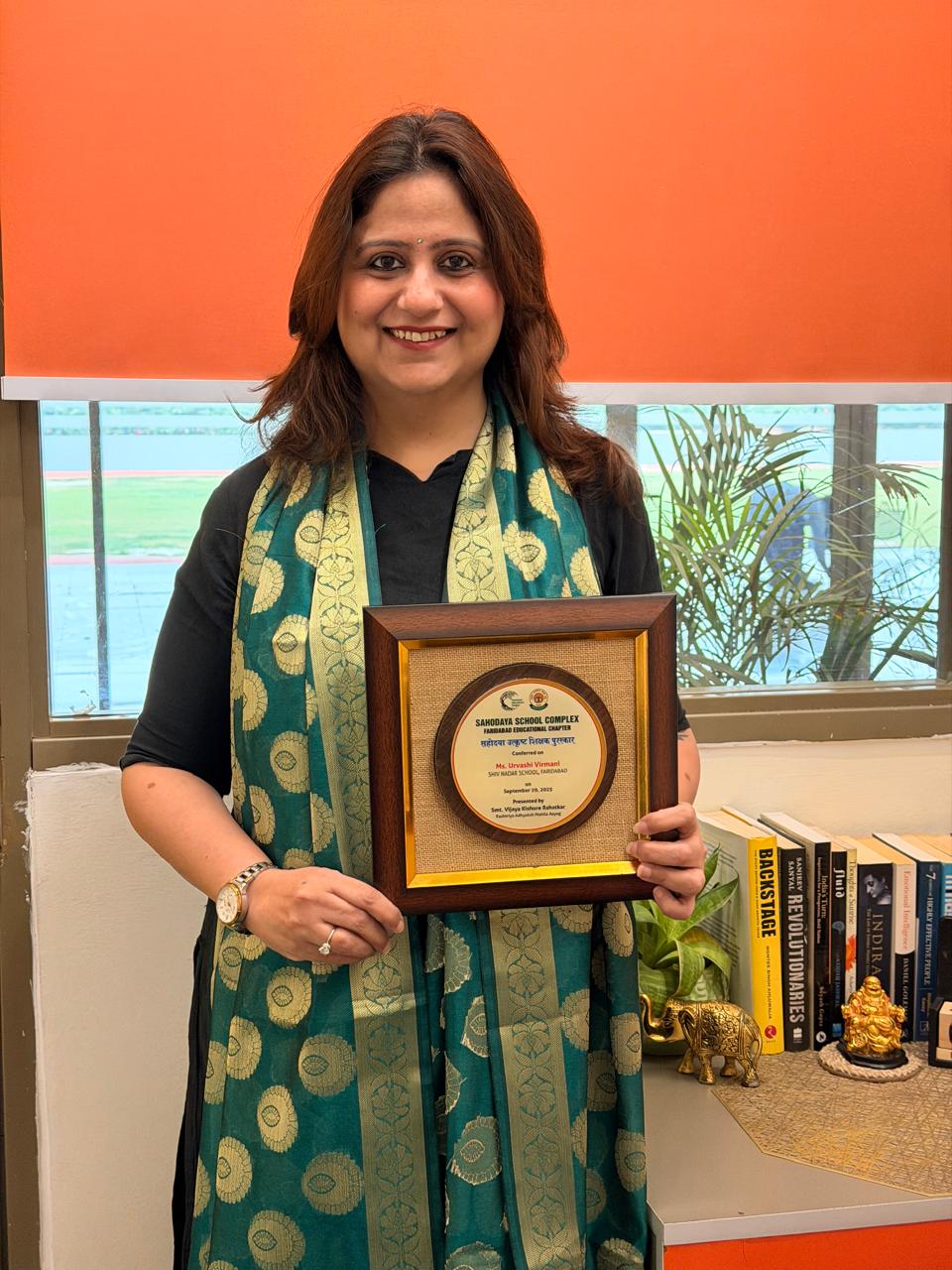
Urvashi Virmani, Head of Computer Science at Shiv Nadar School, Faridabad, has been recognised at the Sahodaya Utkrisht Shikshak Puraskar 2025, organised by the Sahodaya School Complex, Faridabad Educational Chapter.

This recognition reflects her consistent dedication to strengthening digital learning, guiding students with clarity and empathy, and building a robust technology-driven culture across the school. Urvashi’s commitment to excellence and her ability to empower both students and teachers continue to make a meaningful difference in our learning community.

ALL ,

Arts ,

Award ,

Badminton ,

Board ,

Competition ,

Curriculum ,

School ,

Subscribe to Nov 2025