


BRIDGES OF FRIENDSHIP ACROSS THE OCEANS

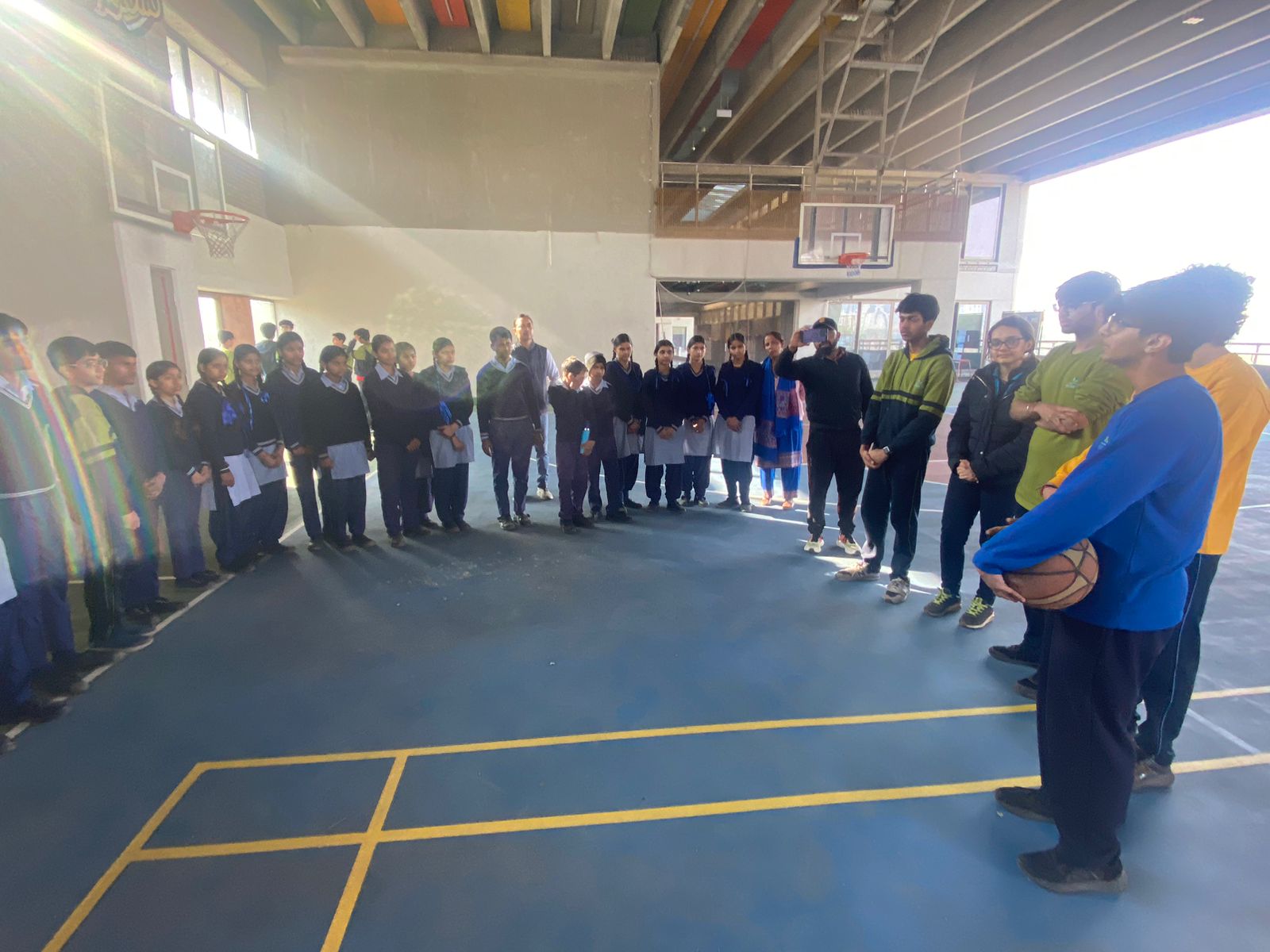
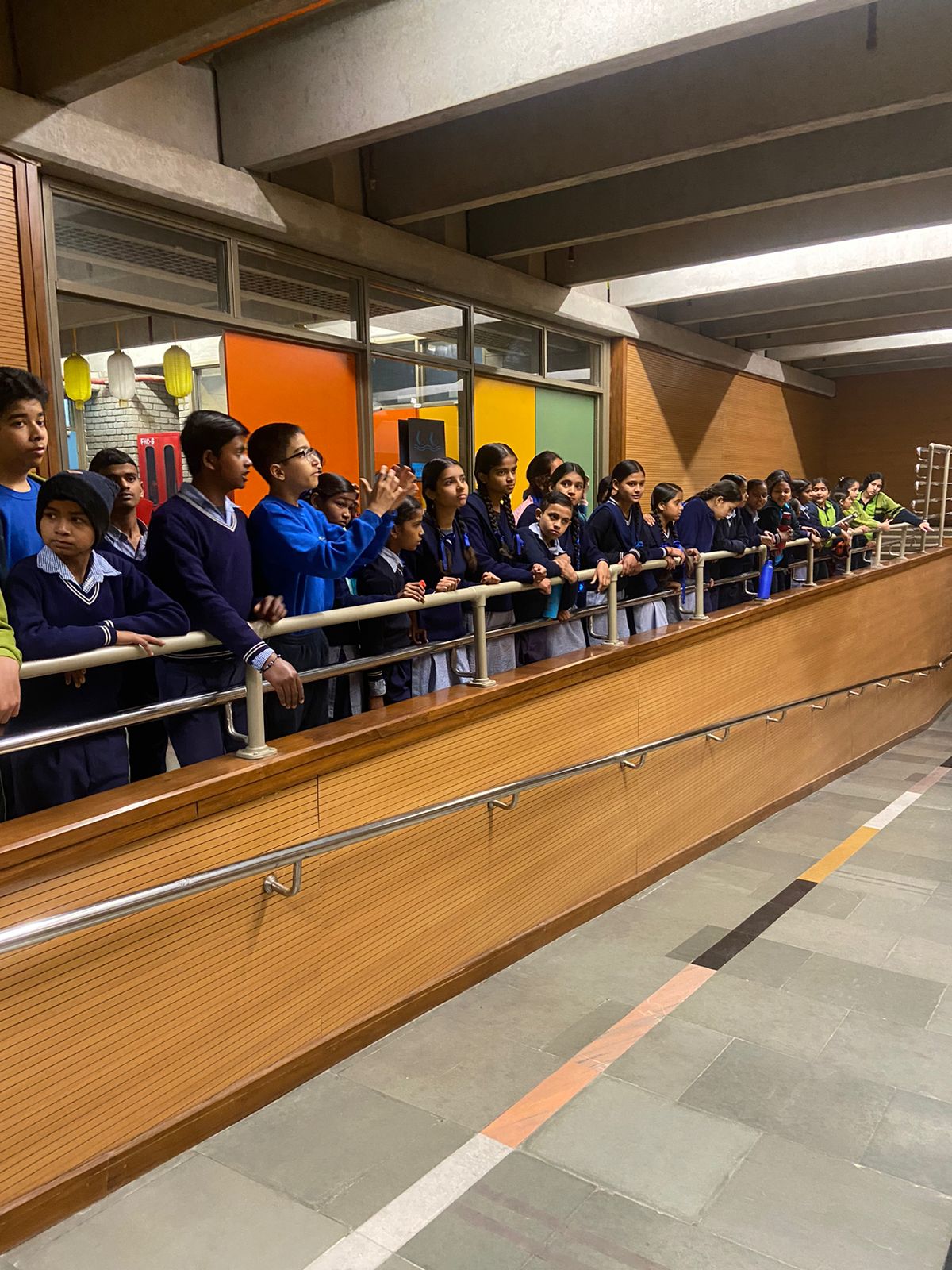
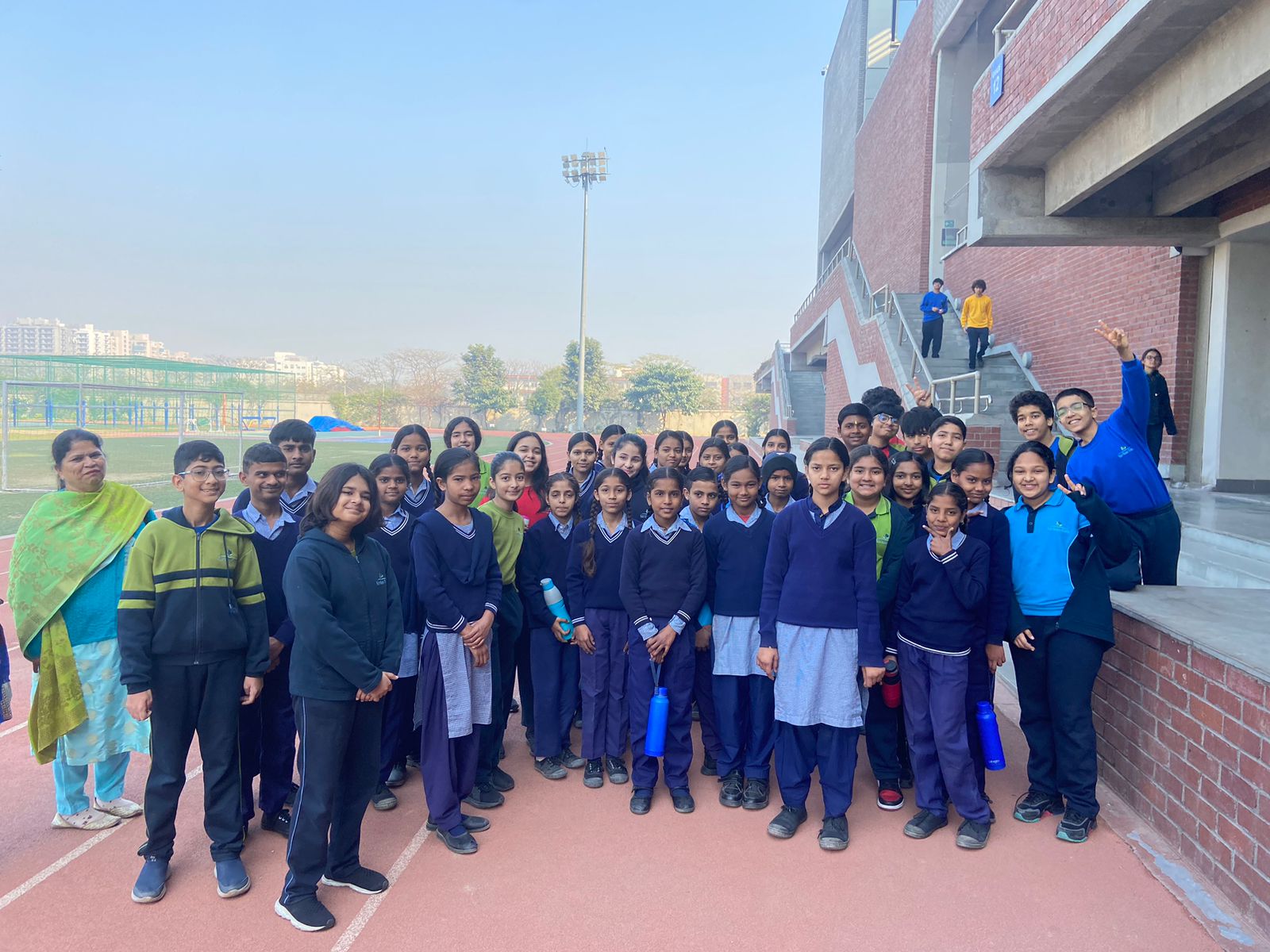
Australia-India BRIDGE School Partnerships Project – 9th to 19th March 18. Our adventure began as we gathered at 0600 hrs at Terminal 3, IGI Airport, New Delhi. It was as if there were three factions in that one larger group –excited students, anxious parents and the teachers.  Those few moments of us standing outside the airport entrance went by as if in a few seconds, and …we were off!

We reached the International Terminal at Sydney Airport the next morning after a layover at Singapore. It was a rushed experience as it involved figuring out how to go about immigration at Sydney’s international terminal, and then rushing to catch a transfer bus to the domestic terminal to take a Virgin Australia flight to Townsville, our final destination. Our onward journey had almost come to an end!

Just before our descent in Townsville, North Queensland, I woke up from a deep slumber and looked out of my window. What I saw was beauty I had never witnessed before in my life. Clear skies, white candyfloss clouds, wide roads, the sea, and green all around. It was a simply breathtaking view… and one could only anticipate what more the trip withheld.a

Our host families, along with Ms Elena Hawkins (the Head of Department of International Programs at our host school, Kirwan High School) and her team, received us at the airport. My host family – The Browns, along with their friends Lilly and Kylie were there to meet me and I knew immediately that my stay with them would be a wonderful experience. The Browns and their friends then took me to Castle Hill, an isolated pink granite monolith from where one can view the entire city, including Magnetic Island, an island just off the coast of Townsville.

On the next day, Sunday – 11th March, most of the host families took us Indian students to places of interest, and for me this meant a visit to the Rock Pool and The Strand.a

12th March, Monday, was our first day at KSHS – Kirwan State High School. Our host families packed lunch for us and dropped us off at school. The school had arranged a welcoming ceremony for us, where we were introduced to our school buddies. These buddies were to help us and take us to their classes in school. After the welcome Ceremony, we were introduced to some of the art forms of the aboriginal (throwing spears and Boomerangs, playing didgeridoo or the yigi-yigi) by the art teacher Les Tanner. We also tried our hand at making some native dishes like Vegemite Scrolls, Pavlova cake (a fruit dessert), scones and cookies.

aa

The next day, we visited the Port of Townsville, a commercial port that dates back to the 1880’s. We were given a short tour and presentation of the port. Since Townsville is near the central section of the Great Barrier Reef, the Port Authorities take utmost care not to damage the ecosystem of the Reef.

The much awaited full day excursion to Magnetic Island was slated for 14th March. We travelled to “Maggie” as it is locally called, by ferry and travelled around the island by bus. We spent time at Horseshoe Bay and swam in the sea. We saw the cutest Rock wallaby at a bus stop on the island.

We visited the James Cook University, Townsville campus the following day, and were given a campus tour. We also got a chance to observe the Marine Biology and Chemistry lab classes, where we watched specimens of Phytoplankton with live forms of zooplankton. The University personnel had put together a presentation about their University and the courses conducted there.

a

But this week was not only a sightseeing excursion. We attended classes with our school buddies and worked on our Sustainability and IT projects collaboratively with them. As part of the Sustainability project, we built water filters with specific materials like coal, sand, gravel, sponge, etc.

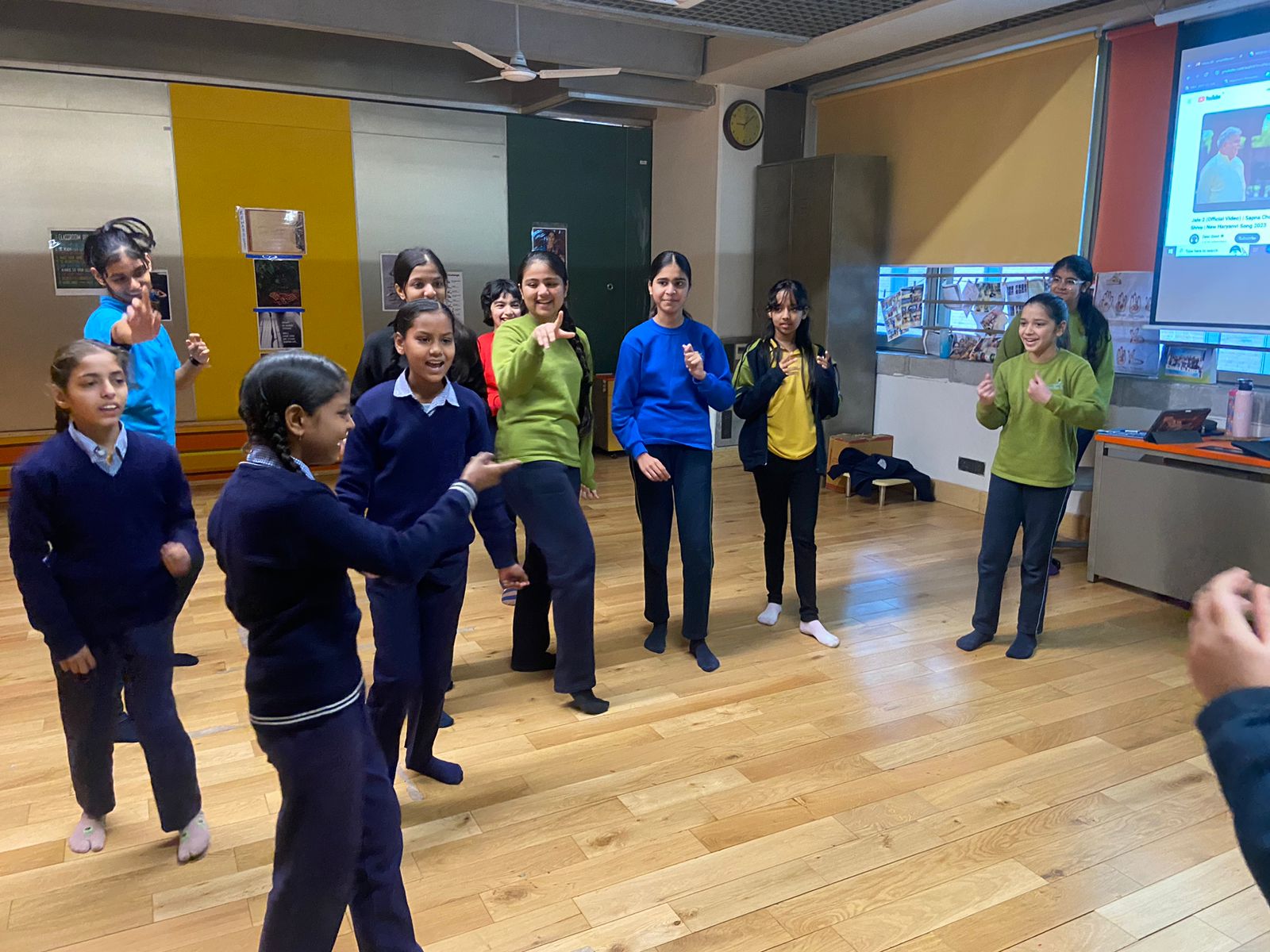
On our last day in KSHS, we performed a song and a solo guitar performance as a token of gratitude to our host school during a Special Assembly. We also presented a set of paintings done by the Primary school students of our school to KSHS. This was followed by a fun-filled session on bush dancing, a local folk dance form.


a

Saturday was our last day with our host families. My host family took me to the hugely popular Billabong Sanctuary. I indulged myself by cuddling koalas and wombats, feeding little joeys and ducks, holding a writhing carpet python and a freshwater crocodile. We saw the giant Salty, Jaws, being fed and took selfies with dingoes.

The moment for goodbye came all too soon. And Sunday saw us bidding adieu to our lovely host families who had looked after us so well for the entire week. The journey home was filled with happy memories of Australia. While we were eager to return home, we were hit by bouts of nostalgia of the week gone by. We returned to our Indian families loaded with souvenirs, memories and a !


a

Friendships forged and bonds strengthened with friends- old and new, Indian and Australian. This “Bridge Program” really did live up to its name for its built bridges of friendship across the oceans.

– Ananya Bhagwat, Grade 9 , Shiv Nadar School Gurgaon

2018-03-29

The Western Music Choir Concert, Resonance 2019, was held on November 25. It was the jubilant culmination of the year-long Shiv Nadar School Gurgaon Choir Program. The audience buzzed, itching for the concert to begin. Backstage, the atmosphere was sligh

The Western Music Choir Concert, Resonance 2019, was held on November 25. It was the jubilant culmination of the year-long Shiv Nadar School Gurgaon Choir Program.

The audience buzzed, itching for the concert to begin. Backstage, the atmosphere was slightly different - the choir students were sat in a group, tense yet cheery. All clad in red and black, they encouraged one another as they waited for the show to begin.

Outside, concert manager Reva Bharti takes the stage. “‘Music brings people together. No matter what language we speak, what community we belong to, the form of our politics or the expression of our love, music proves that we are all the same,’” she begins, quoting John Denver. The audience immediately quietens down.

The Western Music Choir at Shiv Nadar School, Gurgaon was conceptualized to bring together the best musical talent and facilitate them into creating a unified community of performers, irrespective of age, background or musical taste.

a

Making up the choir is 44 passionate students from Grade 5 to Grade 11. They come out in full force for the first performance of the afternoon with a spirited rendition of "I’m On My Way". "I don’t know where I’m going, but I know what to do!", they sing, with the sort of talent that completely defies their tender age.

We are then treated to performances by the students in smaller groups of fours and fives. Spanning genres and styles, they take the audience through ballads such as "Falling Slowly", classics like “Hey Jude” and inspirational pieces such as "I Hope You Dance", "A Million Dreams", "We Could Fly" and an original song composed by music mentor Ms Manta Sidhu, "Rise".

a  a 

They prove that their musical skills know no barrier even when it comes to language, showcasing their expertise in the French classic “La Vie En Rose”, the Spanish “Mil Pasos” and the closing number, an African/Swahili piece “Ingoma” for which the choir comes out in full force once again.

The students on stage perfectly capture the spirit of the Western Music Choir Program. For them, it isn’t just about honing their skills in music alone. In their journey, they are encouraged to move far beyond their comfort zones and develop skills that, in the beginning, may seem out of their horizon - be it in terms of their vocal range, their capacity to learn vocal harmonies under a time crunch or keeping up with their rigorous practice schedule even at the end of the most exhausting school days. They are also encouraged to learn and perform songs in foreign languages not only to expand their knowledge in music, but also in a bid to enhance their ability to embrace other cultures.

a   a

As a part of the choir, students get familiar with a wide variety of musical styles with the intention of broadening their sensibilities as musicians. In addition, they also get the opportunity to explore their potential as solo performers, with parts assigned on the basis of their individual singing styles, vocal ranges and voice modulation skills. Above and beyond, the SNS Choir Program has always sought to create an environment that helps develop the spirit of team work, good will and Kindliness.

During the concert, we are treated to thirteen songs in total. One of the highlights of the evening is a moving rendition of "Sleepsong Lullaby" performed by the choir. The audience sits utterly enraptured throughout. Another high point is “Ingoma”, as the choir sings with an infectious energy and zeal - the passion in their performance evident for all to experience as the choir sways in unison, one with the rhythm.

Music mentor Ms Manta Sidhu is sat in the audience too, right at the front, on her knees almost throughout the concert. Her commitment and devotion is immediately obvious as she lovingly conducts the choir, encouraging the students where they may hesitate and cheering them on through their performances.

The evening concludes with a thank you address from Ms Sidhu, closing words from Ms Monica Sagar, Prinicipal, Shiv Nadar School Gurgaon and certificates distributed to all the choir members. Grade 9 vocalist and pianist Sparsh Jha was awarded Performer of the Year, to thundering applause and cheers from both the audience and his peers.

<Performance of the Year Pic> <Group Photo>

Reva once again takes the stage as she closes the evening with a befitting quote from American Author Henry van Dyke. “The woods would be very silent if no birds sang there, except for the ones that sang best.” Indeed, words to live by.

2019-12-04

Colloquium : Where Innovation Meets Imagination

On the chilly morning of December 20, seven teams of Grade 10 students from Shiv Nadar School Gurgaon and Noida stand ready and waiting to take the stage. Today, they must present projects they’ve been tirelessly working on. After six months of brainstorming, conceptualising, prototyping and perfecting, in the Wildcats Hall of our Gurgaon campus, we are just about ready to begin. Welcome to Colloquium 2019.

s

Our students undergo an integrated IT curriculum which includes Robotics, Animation, Graphics, Sound Production, Programming and more. When they reach Grade 10, they are given the opportunity to implement their knowledge by way of a six-month long Capstone project. These projects are ideated by the students, and are designed to solve real world issues. In developing their presentations, the students bring more than just their IT learning to the table; they also showcase their critical thinking, communication skills and market understanding.

Colloquium, our annual tech event, provides a platform for students to present seven of the most innovative projects, to be adjudged by an external jury. This year, Mr Rajiv Makhni, India’s Tech Guru and Managing Editor of Technology, NDTV, Mr Raj Rishi, Chief Business Officer - Corporate Travel, MakeMyTrip and Mr Hitesh Oberoi, MD and CEO, InfoEdge (Naukri.com), graced the occasion, constituting the esteemed panel of judges.

Up first was Team Hoverchair. The aim of their project was to make a customizable and cost-effective wheelchair in the aid of the physically challenged and senior citizens, to enable them to lead an independent lifestyle. Upon brainstorming and understanding the flaws of existing manual and electric wheelchairs in the market, they came up with their design – a customised wheelchair, installed on a hoverboard base, with levers installed on either side to enable the user to manoeuvre the hoverchair. Each of the jury members had a quick whizz on the Hoverchair prototype, post the students’ presentation.

Taking the stage next is Team Speranza – a 6-member all-boys team whose innovation is a wearable, non-transmitting, abdominal belt designed for pregnant women to count the number of foetal kicks. Their passionate presentation, artfully sprinkled with moments of humour, held all of our attention as they took us through their journey, from coming up with the idea and concept, to refining the design and technology they used as they went along.

Team Ignara came next, carrying exquisitely crafted lights and placing them in front of the audience as their journey video was played. The video captured the essence of the project, showcasing the all-girl team’s repeated visits to a basti without access to electricity. Their aim was two-fold; creating beautiful solar lights made of upcycled plastic bottles to illuminate homes, as well as to empower local youth into making these cost-effective solar lights themselves.

The fourth Team to come up on stage was Team Pawsitivity. With the aim of using 3-D printing technology to facilitate disabled dogs with prosthetic paws and limbs, they showed us the positive outcomes their innovation – at a local shelter, three disabled dogs were shown taking confident strides, walking and running happily, newly fitted with their prosthetics. Greeted with multiple rounds of thunderous applause from the audience, India’s Tech Guru, Mr Rajiv Makhni, said he had a tear in his eye after watching the dogs being able to run again.  

Next in line is Team Sonus, a 3-member team made of passionate music-lovers. Their innovation was a wearable device through which hearing-impaired people can feel music. Their presentation took us through their process – including multiple visits to an organisation catering to the hearing-impaired - and subsequent testing on people of varied levels of hearing. Designed as a jacket with arm pads, each of the 3 judges came up to the stage to wear and test out the product for themselves. “I’m stunned at both the idea and implementation,” remarked Mr Makhni, “Fantastic thought process.”

The penultimate team to present their project was Team Fluid Force. Tackling the issue of the alarming amount of water wasted during the RO water filtration process (for every litre of water purified, 3 litres go down the drain), the team proudly informed the audience that they saved more than 40,000 litres of water in just 15 days with their device installed at 5 properties, both residential and commercial. Received with thunderous claps, the team’s engaging presentation held our rapt attention.

The final team at the event was Team Marina – with a visionary project to clean out garbage from both the surface and sub-surface of rivers. Their device was a remotely-operated vehicle, fixed with a camera, to enable garbage-collection. Their presentation highlighted the critical point our rivers and oceans are at, as well the plight of marine fauna in the context of plastic pollution. They finished off with an on-stage demonstration of their device.

Post the seven presentations, some of the students in the audience had us entertained as they came up to the stage to discuss which projects resonated with them and why, as well as talking about their ideas for their own capstones in the future! Shiv Nadar School Faridabad also made its own presence felt at the event, with a small video of the grade 9 students’ invention, “ALT” – a mist tap fixed throughout the Faridabad school campus, in a bid to conserve water.

Subsequently, post a quick deliberation, the jury returned to announce the results. Mr Makhni graced the stage and declared Team Fluid Force to be the winners! They were awarded with a trip to CERN in Geneva, Switzerland. In second place, came Team Pawsitivity, with each member winning an iPad. Garnering special mentions from the judges were Team Hoverchair and Team Speranza.

Concluding the event, each of the jury members were presented with 3-D printed miniature models of themselves. They also delivered a few parting words each, lauding the level of innovation and critical thinking as also the students’ presentation and communication skills.

Our belief is that schools must serve as a launchpad in the emergence of the next generation of innovators, entrepreneurs, social scientists and future visionaries. Twenty-first century problems can only be solved with a twenty-first century attitude – inventing solutions that are, in equal parts, innovative, disruptive and fearless.


2019-12-27

Celebrating Abilities!

“We all should know that Diversity makes for a rich tapestry, and we must understand that all the threads of the tapestry are equal in value no matter what their color.”
- Maya Angelou

All over the world, December 3 is celebrated as the International Day of Persons with Disabilities (IDPD). Through this day, the UN aims to spread awareness around disability, increase acceptance of people with disability and applaud their achievements. At Shiv Nadar School, we observe December 2 to 6 as “Ability Week”, a week dedicated to understanding and celebrating diverse needs and inclusion. For us, fostering true inclusion includes shattering every barrier of discrimination, be it ability, gender, ethnicity, or any other such bias.

img

Every individual has diverse needs, strengths and vulnerabilities, the only true disability that can exist is a disabling environment. We have thus created an inclusive space, not only through extensive investment in infrastructure, resources, and trainings, but also through focussed efforts towards sensitization of the entire ecosystem, especially when it comes to the needs of students with special educational needs (SEN) as well as those with disadvantaged socio-economic backgrounds.

As a part of the Ability Week, a plethora of activities, events, and discussions for our students were facilitated at all 3 campuses of Shiv Nadar School.

img

Shiv Nadar School Gurgaon aired special videos and short films dedicated to celebrating diversity such as “The Crayon Box That Talked” and “Ian”, with discussions and reflections following suit. There was a special assembly based on the theme “We Shall Overcome” and students were encouraged to create artwork that showcased what ‘equality’ and ‘inclusion’ meant to each child.

Shiv Nadar School Noida celebrated the week by holding sensitization fairs to build awareness on various aspects of inclusion. The fairs also saw the involvement of organisations such as Feet Me Up and Muskaan Foundation. Recognizing the role of multi-sensorial play in the rapid development of the brain during the early years, a sensory exploration circuit was held for students of the Early Years School, where they could engage all seven of their senses through various activities and play. Aligned with our motto of ‘Education for Life’, a panel discussion was held around the theme of “Transitioning from School to College for students with diverse needs. Several eminent speakers presented their perspectives – ranging from the accommodations available in colleges, to the rights of the differently-abled.

img

Shiv Nadar School Faridabad conducted special assemblies, not just to disseminate information, but also to give voice to student perspectives on inclusion. The dialogue was further facilitated with various bulletin boards. The week concluded on a high note with the acclaimed disabled rights activist, Jo Chopra on campus and her presentation on mainstreaming and children with disabilities. An engaging round of Q&A followed, with an audience that included both mainstream teachers as well as special educators.

img

Across all three of our schools, we have seen joy, creativity, and togetherness during this week as we celebrated the uniqueness in each child. Inclusion can only be facilitated within a broader culture of collaboration, mutual respect, support and problem-solving – a vision that must involve not just the entire school community, but all of society as a whole.

2019-12-18

The Many Miracles of Mindfulness

“Waking up this morning, I smile. Twenty-four brand new hours are before me. I vow to live fully in each moment and to look at all beings with eyes of compassion.”

― Thich Nhat Hanh


Walking into Shiv Nadar School Noida on a typical winter afternoon, one would have seen the usual sight – corridors bustling with cheery students and staff, and the grounds awash with happy children playing, running and having fun. But December 18 was ever-so-slightly different! The afternoon saw a small group of people, led by six robe-clad monastics, walking in perfect unison through the school campus. With gentle smiles on their faces, the monks gave us instructions on how to perform “walking meditation”. This was one of the many techniques taught to parents, educators and students as a part of the three-day Mindfulness Retreat.

Simply put, mindfulness is a state of perfect awareness in the current moment. This includes awareness of what goes on within as well as outside our minds. It refers to paying attention to one’s moment-to-moment internal and external experience — thoughts, emotions, sensations, the surrounding environment — with an attitude of nonjudgement, irrespective of whether these experiences are negative or unwanted.

i

Mindfulness-based interventions have, in fact, been proven to positively alter the structure of the human brain. It can improve attention spans and concentration, enhance social-emotional learning, develop interpersonal awareness and skills, strengthen cognitive awareness and enhance inner resilience. Much as the physical body strengthens with exercise, so too does the brain with meditation and mindfulness. For students and educators alike, cultivating mindfulness can be a powerful tool in their arsenal when dealing with stress, anxiety and depression.

Recognising the multitude of benefits offered by the simple practice of mindfulness, we have inculcated it as a way of life at Shiv Nadar School – it is a part of our day-to-day functioning. All of our in-house school programs begin with our mindfulness bell. Mental health sessions are frequently organized with a focus on teaching effective mindfulness strategies. We have thus created a cohesive, compassionate and harmonious learning community in school.

Recently, Shiv Nadar School Noida in collaboration with the Ahimsa Trust, organized the Mindfulness Retreat from December 18-20. Being one of the many parent partnership and engagement initiatives undertaken by the school, participants at the Retreat included parents, school staff as well as students. Six monastics following the Plum Valley Tradition (founded by Nobel Peace Prize Nominee Thich Nhat Hanh) had come to the school. Teaching us about mindfulness and its significance in our lives, they each spoke of their unique personal journeys and how mindfulness practices impacted their lives. They also expounded upon the theme of the Retreat, which was “Interbeing” – referring to the interdependence and interconnectedness of all things in nature.

i


All three days began with a beautiful musical medley; these simple, catchy and affirming performances were led by the monks, with children from the Early Years and Primary sections singing along with the audience. This performance set a positive tone for the events of the day to follow. Mindful eating was also practiced on all three days, with the monastics teaching the participants the beauty of silent eating and practicing gratitude. Other events included talks, guided meditations, instruction in mindfulness techniques, deep relaxation meditations and more. All three days concluded with an activity called “Circle of Sharing” – where the participants were all divided into smaller subsets, each group led by a monastic, to facilitate a non-judgemental space for sharing. This was not just a way for people to open up and discuss personal issues and anecdotes, but also a way in which they could discuss how to inculcate mindfulness practice in their day-to-day life.

Living in an era full of distractions, mindfulness finds significance today more than ever before. As 2019 draws to an end, let us welcome the new year with a fresh perspective; facing challenges while putting our best foot forward and making a commitment to better ourselves, both physically and mentally, every single day. In this context, the world must evolve from treating mindfulness as a well-meaning option, to considering it as an integral way of life.


2019-12-31

Always Learning, Ever Evolving

From the simple act of holding her student’s hand, to being a role model in his life, a teacher dons many hats. She touches students’ lives in countless ways, both big and small, tangible and intangible. Teachers help students push the boundaries of what they think they’re capable of, allowing them to think bigger and dream louder.

At Shiv Nadar School, we recognize that a vital part of improving student achievement is through the professional development of teachers, especially in the context of the ever-changing landscape of education. Student learning is thus a direct consequence of teacher learning and in this context, Shiv Nadar School’s Continuous Professional Development program was instituted to ensure high standards of teaching and learning, enabling members of staff to enhance their skills and competencies.

img


One of the aspects of the program, In-Service Teacher Empowerment, occurs over multiple blocks through the year. The recently concluded January block focuses on collaborative curriculum planning, based on the experience of the previous year. Teachers’ annual curriculum plans are reviewed and tweaked in preparation for the new academic session.This year, teachers from all three of our campuses underwent a workshop on Webb’s Depth of Knowledge (DoK) framework and the subsequent learning outcomes. A subject-based teacher assessment is also a part of the In-Service. This is an annual feature, the objective of which is to identify the areas of strengths and areas that need improvements, among the teachers.The next block of the In-Service (in March) is subject-specific and is in preparation for the new academic session. This is followed by another block in June, in which a bouquet of training workshops is organized for the teachers’ benefit.


img


Other aspects of the Continuous Professional Development program include national and international school partnerships and educator study tours, internal and external workshops, seminars and conferences, class observation, peer observation, lecture capture and more. Once a week, the teachers of the school also have Extended Days, which serve as time for internal, peer-to-peer training. Each of our three campuses also organizes its own workshops and seminars for teachers on an as-needed basis.


img

Educators play one of the most crucial roles in facilitating today’s youth to become tomorrow’s leaders. The Shiv Nadar School teacher has certain essential skills. She isn’t limited to a mastery over her curriculum with good class management skills, but is also equally at ease with a knowledge of diverse learning styles, an understanding of child psychology, as well as the ability to effectively leverage technology in the teaching-learning process. It is therefore imperative that a sustained and ongoing effort is made to ensure the professional and holistic development of teachers, which will in turn inform holistic development in students.

2020-01-25

Pandemics & History

The entrance of pandemics on the world stage is as old as the Greek language itself. Communicable diseases existed during humankind's hunter-gatherer days, but the shift to agrarian life 10,000 years ago created permanent communities. This was the advent of pandemics.

Much of our world history is based on conquest, war, revolution, political affiliation, the entrenchment of racial and economic discrimination, and religion. Pandemics play the role of an ally or a foe, which changes the course of history.

Many a time, it favours the fall of civilisations such as the 430 BCE pandemic in Athens which allowed the Spartans to steamroll through the city state of Athens. This led to the end of the Greek golden age. Or the extermination of the Inca and Aztec populations due to the smallpox epidemic during the Spanish Inquisition.

On the other hand, it has also been a saviour, a pall-bearer of peace and freedom, an ally to revolution. Chattel slavery and the end of colonisation in the New World was only possible due to the lack of immunity of the Europeans. When Napolean Bonaparte sent an armada to reinstate slavery in Haiti, his army was defeated by a slave revolution due to yellow fever. This also led to the Haitian revolution and Louisiana Purchase of 1803.

img


Hence, epidemics have had contradicting positions in world history and have been a mediating force in the rise and fall of civilisations and social structures. But an interesting feature about pandemics is their role in politics and religion.

Diseases have led to the marriage between state and religion, which has survived from the times of the Late Roman and Byzantine empires to today's superpowers. Even if they do not have a state religion, they are influenced by it. For example, in Britain during 444 CE the Cyprian Plague became a cause of obstruction in the fight of the Britons against the Picts, leading to the conquest of the British Isles by the Saxon Kings.

In 541 CE due to the Justinian Plague, Emperor Justinian was unable to unite the Roman empire, which led to a rapid spread of Christianity. During such periods of turbulence, there is not only a resurgence of faith but a need for the reason of these omens, which modern science calls epidemics. This can be seen in the form of myths and folklore, as well as religious beliefs, during the 11th century to the 19th-century.

When Leprosy struck during the Middle Ages, it was considered a punishment by the gods, while folklore of the undead such as Lugat and Moroi began in Eastern Europe. From the 19th century onwards there was an increase in the number of victims due to epidemics. This brought forth two important points which were sanitation and political oppression. The Paris Commune was an instance of radical socialist movements.

img


While pandemics have taken many lives over time, an acute sense of optimism can be felt. Due to the presence of pandemics, we as humans have developed ways to prevent the spread of these diseases. There have been advances in medicine, which not only includes finding cures or vaccines but also creating specialised branches of medicine, the discovery of new viruses and bacterium, medical institutions such as modern hospitals and Pharmaceuticals began coming into existence.

Florence Nightingale was a revolutionary in the field of nursing, and her example was used for treating patients with Spanish Flu. Modern times have benefitted from the failures of the past - from social campaigns to raise funds in the fight against AIDS during the 1980s, to organisations which send doctors to treat patients such as Doctors Without Borders during the Ebola Crisis in Africa.

img


Now, yet again we are faced with a similar challenge in the form of COVID-19, with many countries trying to combat the outbreak on a war footing. As the pandemic sweeps across the world, cities going on full lock down, travel restrictions and social isolation have all become the norm. COVID-19 has broadened the scope of zoonotic diseases as a branch of study, caused heavy setbacks upon the world economy and has many of us rethinking our food habits too.

Hence, this has and will further change our lives and our world in multiple ways. In a sense, perhaps we owe today's achievements, not to the wisdom of our ancestors, but the existence of their foe - pandemics.

I suppose Martin Luther King was correct... “We are not makers of history. We are made by History."


Written by Aaryan Sridharan, Grade XII, Shiv Nadar School Gurugram

2020-03-19

Books to the Rescue!

As the Covid-19 pandemic outbreak continues and all of us stay safe in isolation, our books can provide us with some much-needed inspiration and positivity. This is the perfect time for us to revisit old favourites or discover some new page-turners. In this blog post, our CEO, Col Gopal Karunakaran, takes us through ten of his favourite reads, in no particular order. Be prepared to be captivated as his list touches upon life, play, management, business, spirituality and a lot more!

The Last Lecture by Jeffrey Zaslow & Randy Pausch

Dr Randy Pausch, a professor of Computer Science at Carnegie Mellon University, was once asked to deliver a ‘last lecture’ to his students. This was somewhat of a tradition; professors would pretend it’s the last time they could speak to their students. But Dr. Pausch didn’t have to pretend – he was living with terminal cancer. Delivering a lecture that was optimistic, humorous and powerful, he spoke of achieving one’s dreams and enabling others to achieve theirs. His book “The Last Lecture” outlines everything from the lecture, plus other pearls of wisdom and Dr Pausch’s personal anecdotes.


Range: Why Generalists Triumph in a Specialized World by David Epstein

In this book, Mr. Epstein talks of how diverse experiences across multiple fields is more relevant for today’s world, and makes a case against overspecialization. He overthrows the existing formula for success – instead, he argues that fostering solutions to modern day problems needs generalist thinking, based on knowledge and experience gathered from multiple fields. Full of interesting anecdotes of generalists achieving success, this is a highly enjoyable read.

img

The Tao of Physics by Fritjof Capra

The famed German quantum physicist Werner Heisenberg came to India to deliver a lecture and found that Indian philosophy held similar ideas to those he was developing in quantum physics. Niels Bohr had a similar experience when he went to China. In this book, Mr. Capra explores the many parallels between Eastern culture, such as Buddhism, Hinduism and Taoism, and modern quantum theory. Published in 1975, it was one of the first to lend a spiritual significance to subatomic phenomena – and is still widely read and enjoyed today.

21 Lessons from the 21st Century by Yuval Noah Harari

Known for his renowned work about our past (Sapiens: A Brief History of Humankind) and about our future (Homo Deus: A Brief History of Tomorrow), this book is about understanding the present. Intended to stimulate the reader to think about issues in the global landscape, the book has been constructed as a collection of Dr Harari’s essays. It has been divided into multiple sections, which broadly touch upon technology, politics, religion and more. This is a must-read for anyone who, as the author says, “would like to participate in some of the major conversations of our time.”

Light from many Lamps, edited by Lillian Watson

Nothing short of a classic, this book is a treasure trove of life’s most important wisdom. Originally published in 1951, it is equally relevant today as a manual for facing life’s daily challenges. A compilation in the form of passages, poems and quotations by people through the ages, this book can serve as a good friend through difficult times.

img

Happiness by Matthieu Ricard

Dr Ricard, a Frenchman specialising in Molecular Genetics, decided to take up Tibetan Buddhism and live in the Himalayas. Synthesising centuries of Buddhism along with psychology and neuroscience, Dr Ricard makes a passionate case for regarding happiness as a skill – and the goal to get better at this skill, he argues, is at least as important as our other goals in life.

Play: How it Shapes the Brain, Opens the Imagination, and Invigorates the Soul by Stuart Brown

A book written about how the blissful joy of play plays a crucial role in developing our social skills, intelligence, creativity, problem-solving, risk-taking and more. An enjoyable read based on research and anecdotes, it is a treasure of a book in which Dr Brown notes how play can be effective in adult life, the workplace and in the broader context of freeing ourselves in the world, enough to lead a more playful, creative and progressive life.

Winning by Jack Welch & Suzy Welch

With ideas grounded in experience, this is a practical book on management and business. Written in a straight-talking, no-nonsense tone of voice, this is a riveting read that not only talks of efficiency and business, but also work-life balance and managing one’s career.

Jonathan Livingston Seagull by Richard Bach

This is a fable about a seagull, who is frustrated with the meaningless rigmarole of daily life. Driven by curiosity and passion, he repeatedly pushes boundaries and flies higher and higher. Mr Bach, a pilot, uses Jonathon’s life as a seagull and the metaphor of flight to inspire people to see beyond inconveniences and embark upon an audacious quest for achieving a higher purpose.

img

The Fountainhead by Ayn Rand

Having achieved the status of a modern classic, the novel details the story of an individualistic and innovative architect going against the grain in his craft with unyielding integrity. It is a fascinating story with well-developed characters, and might make one reconsider one’s beliefs and assumptions.

What are your favourite reads? Write back to us on social media using the hashtag #SNSReads with a picture of the book. And don’t forget to tag us, so that we can feature you on our daily stories!

2020-04-13

How to Make Online Teaching-Learning More Efficient

As we enter a new world where social isolation has become the norm, the disruption to our lives has been sudden and drastic. Education has seen a dramatic change too, moving from real world classrooms to a virtual setting. As schools rapidly scramble to adjust to the digital classroom, we explore how online learning can be made truly effective.

Setting Clear Expectations

Traditional face-to-face teaching largely involves instruction and note-taking. However, with the transition to digital devices, it must be acknowledged and accepted that the virtual classroom cannot have the same flow of a traditional one.

The time is upon us to figure out what the new normal is. Moving towards a “blended learning” model - a mix of some real-time interactive online sessions and some offline engagements to reinforce or dive deeper into the concepts – could be a successful approach.

Going into online teaching with a learner’s mind-set

The success of a new model is dependent largely on how well it is embraced. Moving forward while anticipating teething issues, perhaps such as technological or network issues, and instituting a robust feedback mechanism is crucial. The key is to accept the fact that things may not be as flawless as we would like them to be, despite our best efforts, and meeting challenges with resilience.

Ensuring Real Learning

Online teaching can be used as a way to re-craft mainstream teaching. A mix of synchronous and asynchronous modes of teaching can be instituted. Notably, the time is ripe for the teacher to play the role of a facilitator in a largely student-led model.

All elements of a school’s timetable should ideally be addressed but in cognizance of the fact that online classes would have a different format. For efficient transaction and immersion, it is a good idea for the student to be assigned pre-class work.

Keeping the focus on formative, rather than summative, assessment is also a hallmark of online teaching. The test or assignment should not offer judgements; it should rather inform teaching processes. Focusing on developing deep learning, the test should be a tool for the teacher to assess how far each student has progressed and where a student needs help.

img

Moreover, assigning students relevant and engaging tasks as a part of unit plans that focus on concept-based learning are key to student success. These plans encourage and support self-paced learning that is more personalised.

Finally, for a student to be engaged in class, appropriate guidelines should be in place. For example, simple “class rules” such as raising one’s hand and allowing the teacher’s acknowledgement before unmuting and other basic tenets can go a long way in ensuring decorum in the online class. Such rules can also be in place to facilitate peer-to-peer communication.

Setting the Appropriate Duration

The duration of the online school day should more or less mirror that of a typical school day. Keeping in mind the need to limit screen time, depending on the age of each cohort, only 30 - 40 minutes to a maximum of 3 hours of direct engagement with any device must ideally be prescribed. However, the time the student spends on his/her own on research, inquiry, reflection, practice and written assignments that online classes will enable and support (along with setting time aside for meals, breaks etc), is the key to efficient learning in an online model.

Being Mindful of Issues at Home

Individual households and families have their own issues. With the pandemic forcing parents to work from home (and families to work for home!), issues such as a limited number of devices, limiting screen time, space issues etc must all be taken into account.

A well-planned timetable shared well ahead of time with parents and setting routines at home will go a long way in addressing these challenges. A designated space for facilitating learning at home is also critical for a child to succeed in learning online.

Taking Care of Holistic Learning

A holistic approach to student development must also be addressed by the online model. It is thus important to timetable not just scholastic engagement, but equally importantly, co-scholastic and pastoral engagements as well. Especially in the current context, engaging students in art and movement is the need of the hour not just to enhance and enrich the student’s academic performance, but also, as in traditional school, for the sake of art itself.

The current situation may be embraced as an opportunity to re-assess how learning is facilitated in traditional school. At Shiv Nadar School, weaving technology in curriculum delivery has remained a pillar in the traditional school. While the current jump to online instruction may be temporary, the school will continue to use technology, as it always has, in the teaching and learning processes.

2020-05-05

Raising Responsible Leaders

Ms Shashi Banerjee, Principal, Shiv Nadar School Noida, has authored the following piece. This was initially sent out as a letter to the parents.

Dear Parents,

Our children have braced the cataclysmic change in their immediate world with amazing resilience and by and large, a quiet acceptance. In most cases, they have provided unconditional support and love to their elders by shouldering responsibilities as much as has been possible in keeping with their age and individual capacities. This is certainly a time to express our gratitude for the hope they offer and stand for.

Children of these times, especially the past decade or so, are equal victims to environmental degradation at all levels - of the physical erosion of our natural environment, reckless growth and development of consumption and consumerism, an all-time low in socio-political discourse and unmediated lifestyle role-modelling offered as variant models of modernity and liberalism which strongly clash with traditional value systems. As victims of this onslaught, many of these adolescents have not had any moral or spiritual anchor to hold on to, and thence emerges an aberration in social behavior - such as the 'locker room episode' - an anomalous sporadic social eruption sending moralists and masses across into an angry chorus of 'Let's fix them - did I not say, this technology is the evil that spoils them?' This simmers, till the next big thing gets exposed. And the world carries on bearing little or no accountability for the actions of their young ones, though thankfully, many do acknowledge and constantly engage with how best to empower our young to thrive and, together, build a better world.  

Thinking objectively, beyond all the outrage, it saddens me that perhaps the society, and we as adults, have failed our young people. When in the process of becoming adults do our children get conditioned into such structures and systems? Does this not come from the socialization process, learned behaviours and attitudes from seeing all that is modelled around us - in family conversations, in movies, in advertisements, in songs, and subtly in so much around us?

It is perhaps a time for all of us to look within and wonder what we need to review and reconstruct to ensure that we scaffold our children to be respectful adults. To themselves and all around them. 

We, at School, talk about digital citizenship and cyber safety as part of our curriculum and we go deeper into age appropriate topics of gender sensitivity, the thought and vocabulary of respect and equality, sexuality and more in a safe and non-judgmental space. There are no taboo topics - for that is what creates a repressed mind more often than not, channelized towards inappropriate behaviors. 

img

As a School, through the curriculum of scholastic and co-scholastic engagement and wellbeing sessions, we constantly create environments and lessons that engage the student to think critically, to question, to reflect and to share their voices. To have thoughts, feelings, opinions and actions that they take ownership of. To empower each of them to find meaning and purpose for themselves and what they can contribute as global citizens. We will continue to create safe spaces where students can express their individuality and stand tall whether or not they 'fit' in.

This integrated, concept-based curriculum is woven into lesson plans and into a daily/weekly/ monthly/yearly timetable in the following ways:

1.      Social, Emotional, Physical and Ethical well-being modules as part of their 'Health and Well-being Classes' - spiritual well-being through the practice of mindfulness and attitude and skill building through Aha Sports. 

2.      Development of empathy and connect with the self and community through the exploration of traditional and non-linear forms of learning in the Co-Scholastic and Aha Arts programmes.  

3.      Environmental education through Sustainable Development Goals, based on Design Thinking. 

4.      Robust Technology learning programme infusing Digital citizenship enabling creativity and innovation, reducing consumption. 

5.      Problem and Project-based learning through programmes such as the Capstone. 

6.      Career Guidance and Self-awareness building through Internships and Work life exposure. 

7.      World affairs and higher order thinking, reading, listening and writing skills through the learning modules of Education for Life, Model United Nations, Literary, STEAM and Electoral Literacy Clubs, Exchange programmes, Community, Service and Outbound Learning Experiences. 

However, the efficacy of all these inputs and the entire paradigm of raising ethical, responsible, happy, aesthetically sound and purposeful citizen leaders, persons of substance, is subject to the harmony of this critical relationship between Parents, School, Family and Friends, and the immediate and larger Society.  This could be summed up as the 'Village ' that raises the child. 

The New World demands our attention in revisiting parenting, schooling and community interaction norms. Each one of us will need to re-examine our roles and responsibilities, our do's and don'ts, in order to raise a worthy individual who could be valued and would thrive and contribute (not just live) with dignity. 

What can you do as a parent? 

As a parent, there is nothing more important than to keep channels of communication open. This is the toughest when the child is an adolescent - moody and uncommunicative. Do not give up! This is when they need us most. We may feel unloved and not needed, and it takes enormous patience and unconditional love to not give the same back.

They need love. They need boundaries. They need conversations. As they grow they need consistently to see us model the values that we hold dear, hear us share our principles, our non-negotiables and for us to know that even when they do not seem to be listening, it is stored away somewhere. Let us hold firm to the non-negotiables, even in the face of tantrums and recalcitrance. Let us not be afraid of difficult conversations - our children need them.

Instinctive and informed parenting and value-led education are effective known ways to educate and guide our young for life. Together, let us continue to raise ethical, responsible, happy, contributive and purposeful leaders of an ever-evolving brave new world!


2020-05-29

Subscribe to Science