



Celebrating the Timeless Legacy of Rabindranath Tagore | Special Assembly by Grades 1 and 2
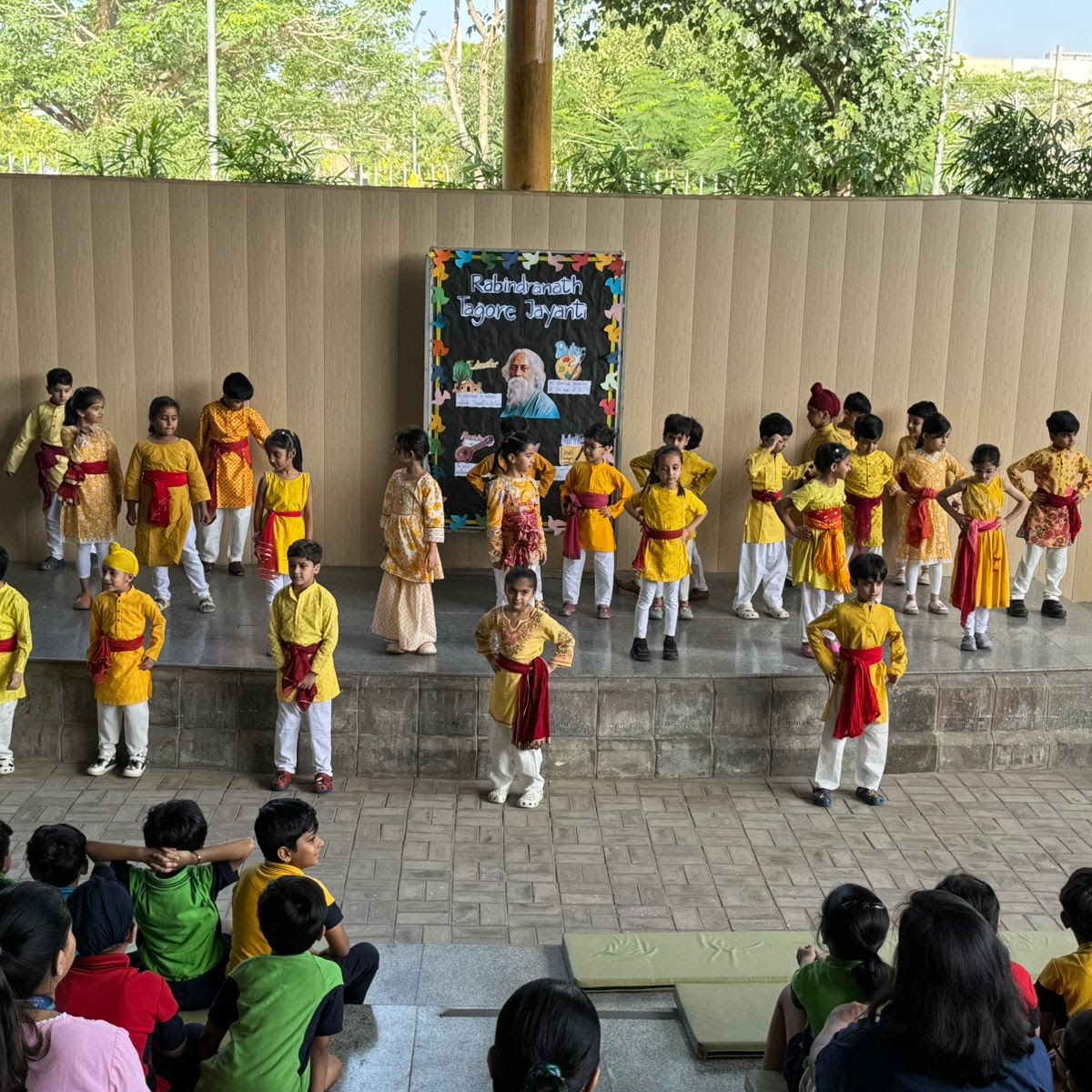
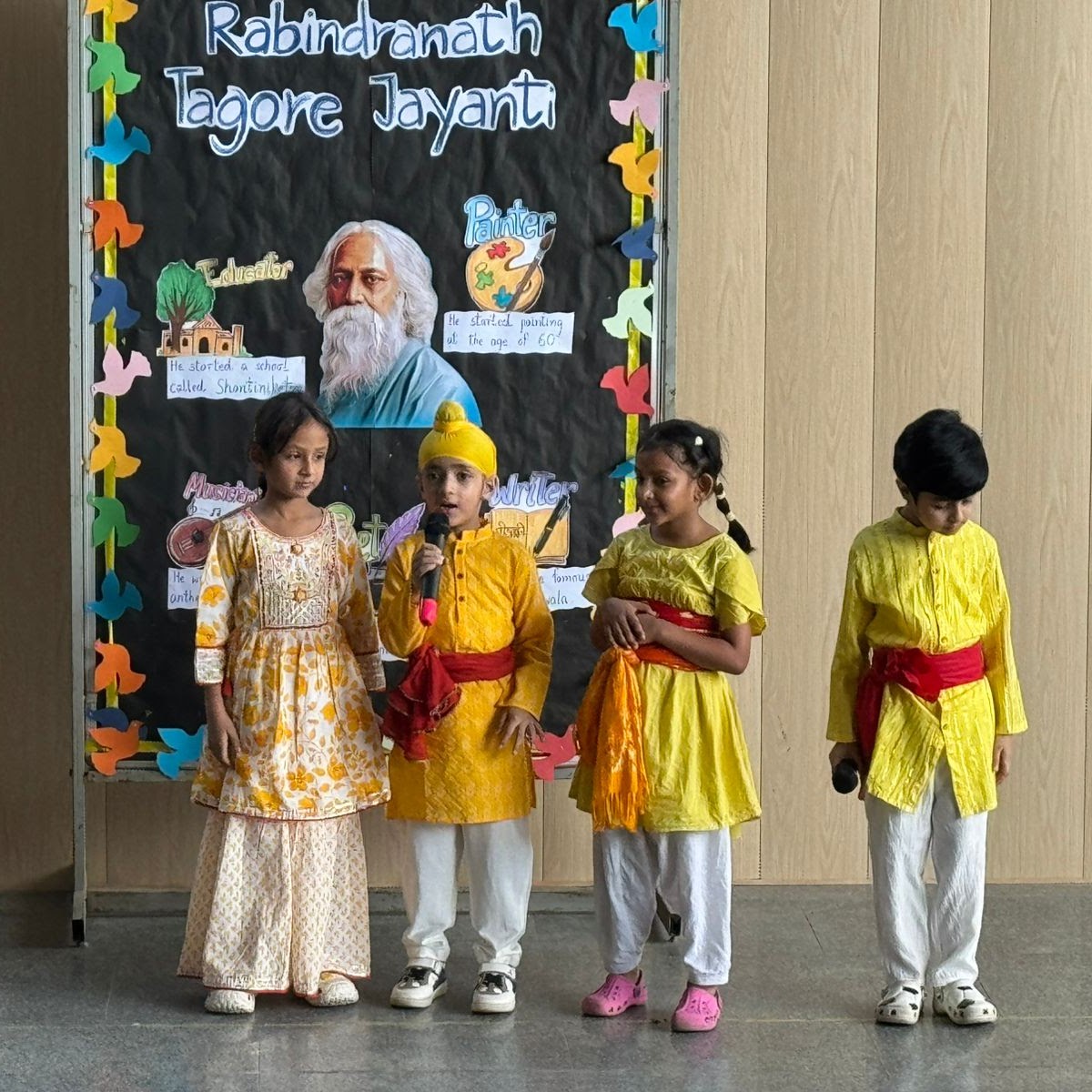
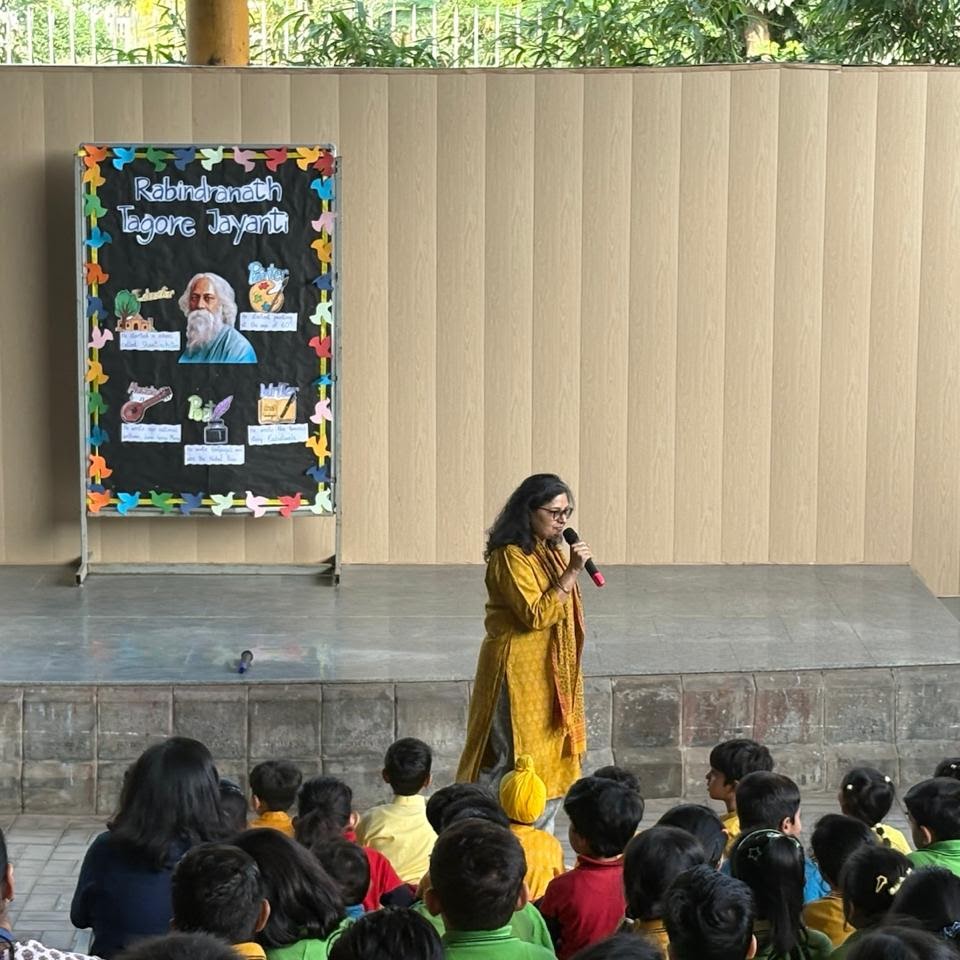
At Shiv Nadar School Faridabad, learners of Grades 1 and 2 came together on 5 May to commemorate Rabindranath Tagore Jayanti through a thoughtful and enriching special assembly that celebrated the life, values, and literary contributions of Rabindranath Tagore.
The assembly began with a mindfulness chant and the soulful Astoma Prayer, creating a calm and reflective atmosphere for the morning. Learners beautifully recited Where the Mind is Without Fear along with its meaning, reflecting on Tagore’s vision of freedom, knowledge, and unity.
A short role play inspired by his poems and stories brought his literary contributions to life in an engaging and age appropriate manner. Musical performances on Phule Phule and Amra Shobai Raja added joy and vibrancy to the celebration, showcasing the learners’ enthusiasm and appreciation for cultural expression.
Learners shared interesting facts about Rabindranath Tagore’s life and achievements, helping deepen everyone’s understanding of his enduring legacy. The gathering was further enriched by an address from Principal Ms Deblina Chakraborty, whose thoughtful words inspired learners to reflect on Tagore’s values and contributions to literature, education, and society.
The assembly concluded with the National Anthem, leaving the audience with a sense of pride, inspiration, and cultural appreciation. The celebration served as a meaningful tribute to Rabindranath Tagore’s timeless legacy while encouraging learners to value literature, creativity, and thoughtful expression.
A Celebration of Love, Gratitude, and Togetherness | Mother’s Day at Foundation Years to Kindergarten
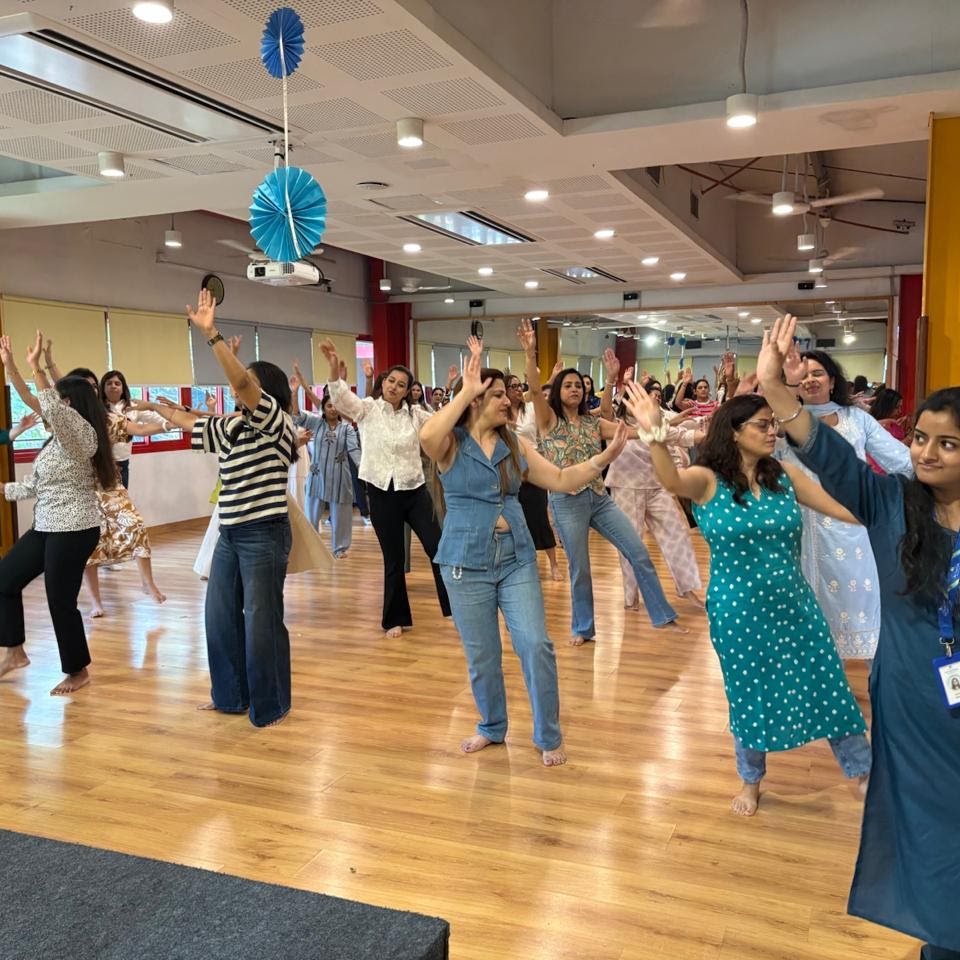
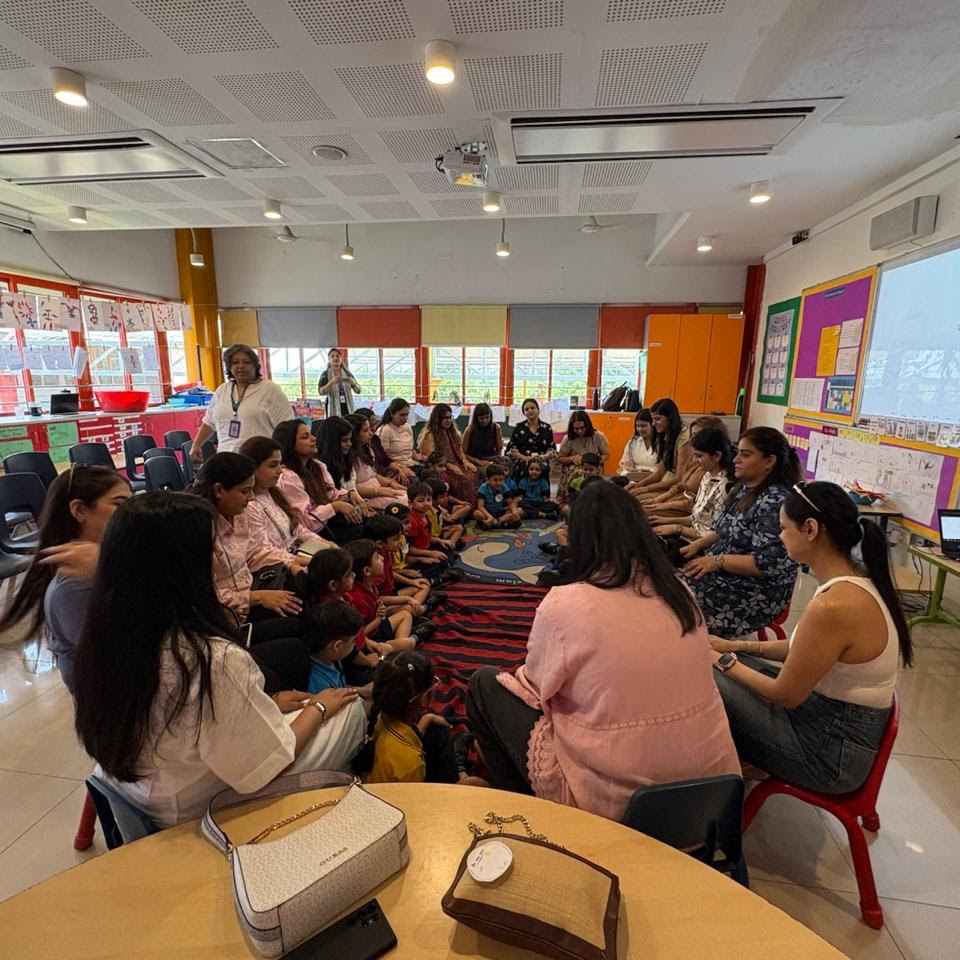
At Shiv Nadar School Faridabad, Mother’s Day was celebrated with warmth, joy, and meaningful moments across the Foundation Years, Nursery, and Kindergarten sections. The celebrations were thoughtfully designed to honour the special bond between mothers and children through performances, interactive activities, games, and collaborative experiences.
The Foundation Years learners welcomed their mothers with an engaging Music and Movement session, followed by Circle Time and a special co-creation craft activity that encouraged joyful bonding and shared creativity.
In Nursery, the celebration came alive with delightful performances, interactive games, and a co-creation craft activity that filled the learning spaces with excitement, laughter, and togetherness.
Kindergarten learners expressed their love and gratitude through a heartfelt presentation for their mothers, followed by engaging games and a fire-free cooking activity that encouraged collaboration, creativity, and hands-on learning. The celebration concluded with learners presenting handmade photo frames as tokens of love and appreciation.
The celebration reflected the school’s commitment to creating meaningful learning experiences that nurture emotional connections, creativity, and community spirit, while creating cherished memories for both mothers and children.
Young Chess Talent Shines at State Championship
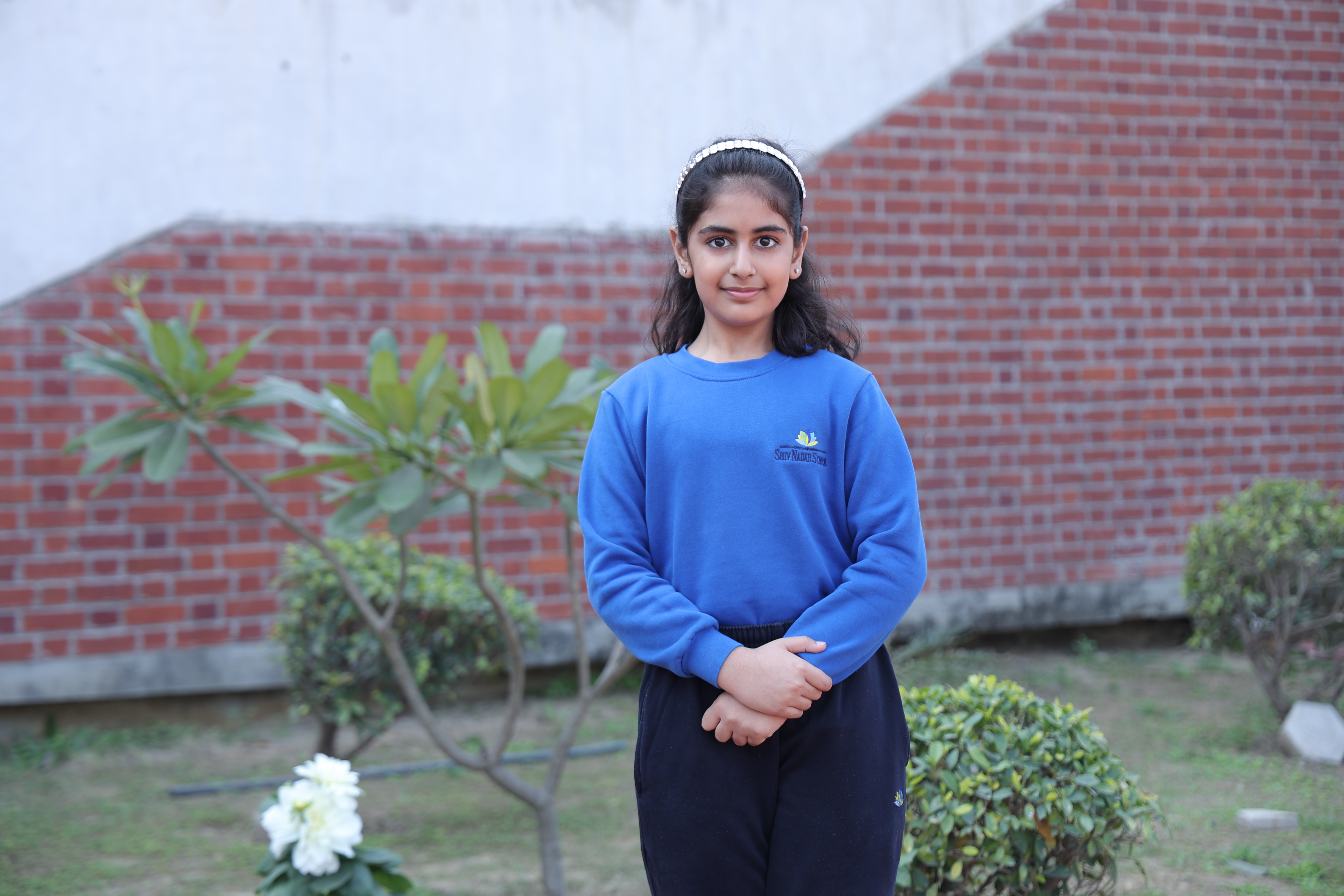
Shiv Nadar School Faridabad proudly celebrates the wonderful achievement of Alishka Rakheja of Grade 4, who secured the 2nd Position in the Under 9 Girls category at the 30th Haryana State Chess Championship held on 9 and 10 May in Bahadurgarh.
Alishka’s sharp strategic thinking, focus, and perseverance earned her a trophy along with a cash prize of ₹2,500. With this achievement, she has now secured a direct entry to represent Haryana at the National Under 9 Girls Chess Championship.
We congratulate Alishka on this remarkable accomplishment and wish her the very best for the national championship ahead.
Double Gold for Atharv Bhardwaj at State Kickboxing Championship
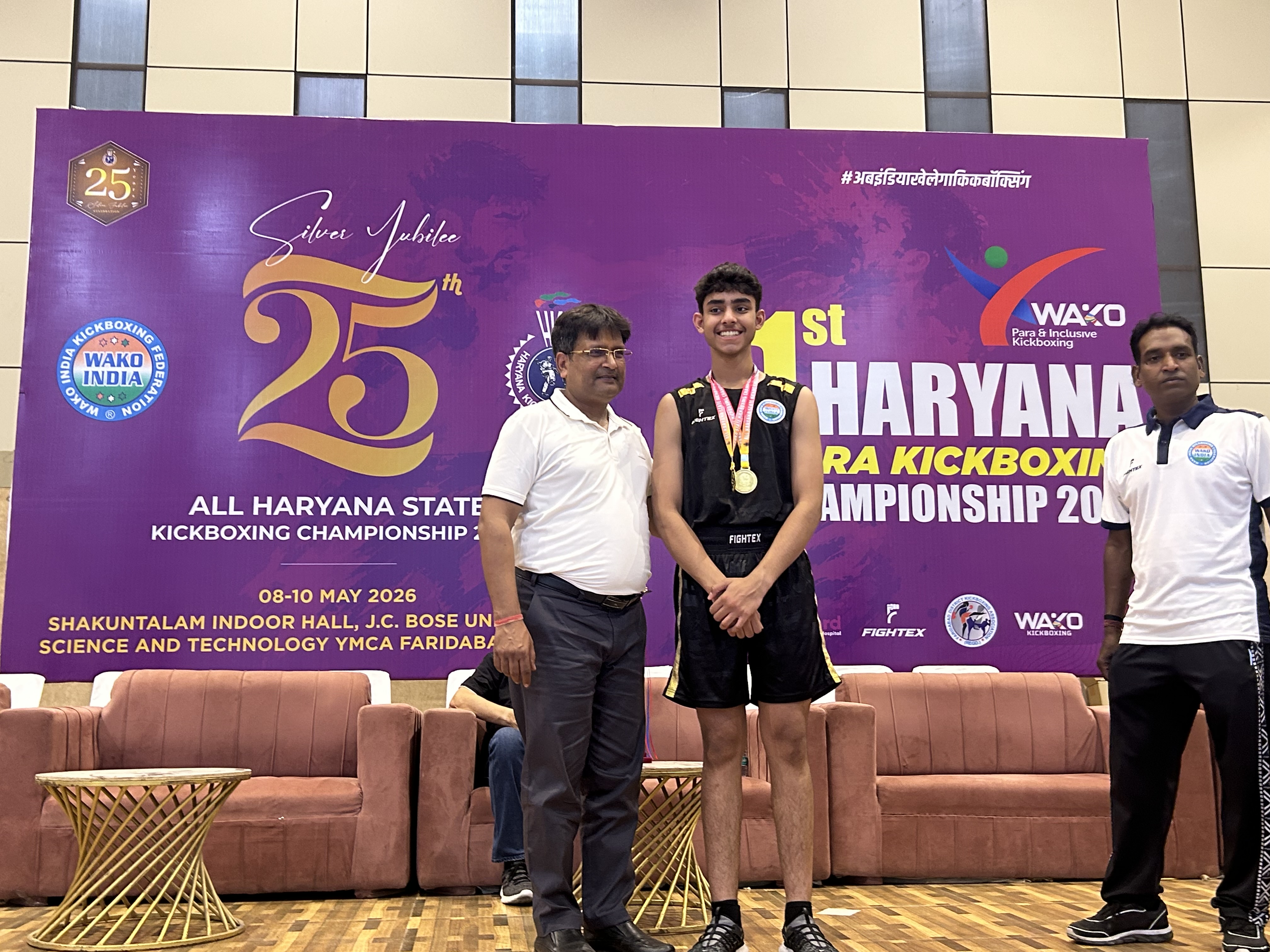
Shiv Nadar School, Faridabad proudly congratulates Atharv Bhardwaj of Grade 10 for his commendable performance in martial arts at the 25th All Faridabad District Kickboxing Championship, held on 9–10 May 2026.
Atharv secured:
• 1st Position in Kicklight
• 1st Position in Light Contact
His dedication, discipline, and perseverance continue to make the school community proud. Atharv is now set to represent at the National Championship, scheduled from 17–21 June 2026.
We wish him the very best for the upcoming nationals and future achievements ahead.
Young Wildlife Photographer Shreyovi Mehta Honoured as FFF Icon at CNBC-TV18 Future. Female. Forward – Season 4

Shiv Nadar School Faridabad proudly celebrates the remarkable achievements of Shreyovi Mehta, a Grade VII student, who continues to earn international recognition for her exceptional work in wildlife photography at a very young age.
Shreyovi has been widely acknowledged on prestigious global platforms, including the internationally acclaimed Wildlife Photographer of the Year competition hosted by the Natural History Museum. At just nine years old, she achieved Runner-Up in the “10 Years and Under” category for her photograph In the Spotlight, selected from tens of thousands of entries from across the world.
Over the years, she has continued to receive international appreciation for her ability to capture emotion, behaviour, and storytelling in the natural world through her lens. Her recognitions include Highly Commended entries at the Wildlife Photographer of the Year competition in both 2024 and 2025 for her photographs Height Advantage and Wetland Spat. She was further recognised as the Winner in the Under 20 Category at the Siena International Photo Awards.
Most recently, on 7 May 2026, Shreyovi was honoured as an FFF Icon at the Mumbai edition of CNBC-TV18 Future. Female. Forward – The Women’s Collective. Anchored in the theme “The Power of Equity. The Power of New India,” the platform celebrates inspiring women and young changemakers who are contributing meaningfully across sectors through leadership, innovation, and impact.
Shreyovi’s journey into wildlife photography began at the age of two, inspired by her father, a wildlife photographer. Spending time in forests and national parks helped her develop a deep connection with nature while nurturing qualities such as patience, observation, resilience, and discipline.
Her work reflects not only artistic excellence but equally a strong sense of environmental sensitivity and awareness. Through her photography, she brings attention to the beauty and fragility of wildlife, inspiring empathy and responsibility towards conservation.
At Shiv Nadar School Faridabad, we take immense pride in celebrating learners who pursue their passions with commitment, curiosity, and purpose. Shreyovi’s journey reflects the spirit of exploration, creativity, and experiential learning that the school strives to nurture in every learner.
We congratulate Shreyovi on her exceptional accomplishments and wish her continued success as she continues to inspire audiences globally through her lens and her love for the natural world.
Shiv Nadar School Faridabad Celebrates Outstanding Grade 10 Board Results
Shiv Nadar School Faridabad proudly celebrates the exemplary performance of its students in the Grade 10 Board Examinations, marking a significant milestone for the school’s 6th graduating Grade 10 batch.
The results are a reflection of the students’ perseverance, discipline, and commitment to excellence, supported by the constant encouragement of teachers and parents throughout their academic journey.
Grade X Board Results | 6th Batch
Pass Percentage: 100%
Top Score: 99.6% – Gunnika Khurana
School Average: 87%
Students Scoring 90% and Above: 46%
The school applauds the hard work, sincerity, and resilience demonstrated by every learner. Beyond academic success, these outcomes reflect the spirit of determination, consistency, and purposeful learning that students have nurtured over the years.
Shiv Nadar School Faridabad also acknowledges the unwavering support of its parent community and the dedication of its educators, whose partnership and guidance have played a pivotal role in shaping this achievement.
At Shiv Nadar School Faridabad, education is viewed as a journey of holistic growth that extends beyond examinations and marks. The school remains committed to nurturing curious, reflective, compassionate, and future-ready learners equipped to contribute meaningfully to the world around them.
As students prepare to step into the next phase of their academic journey, the school extends its heartfelt congratulations and wishes them continued success in all their future endeavours.
Shiv Nadar School Faridabad Hosts Enriching Dhrupad Lecture-Demonstration in Collaboration with SPIC MACAY
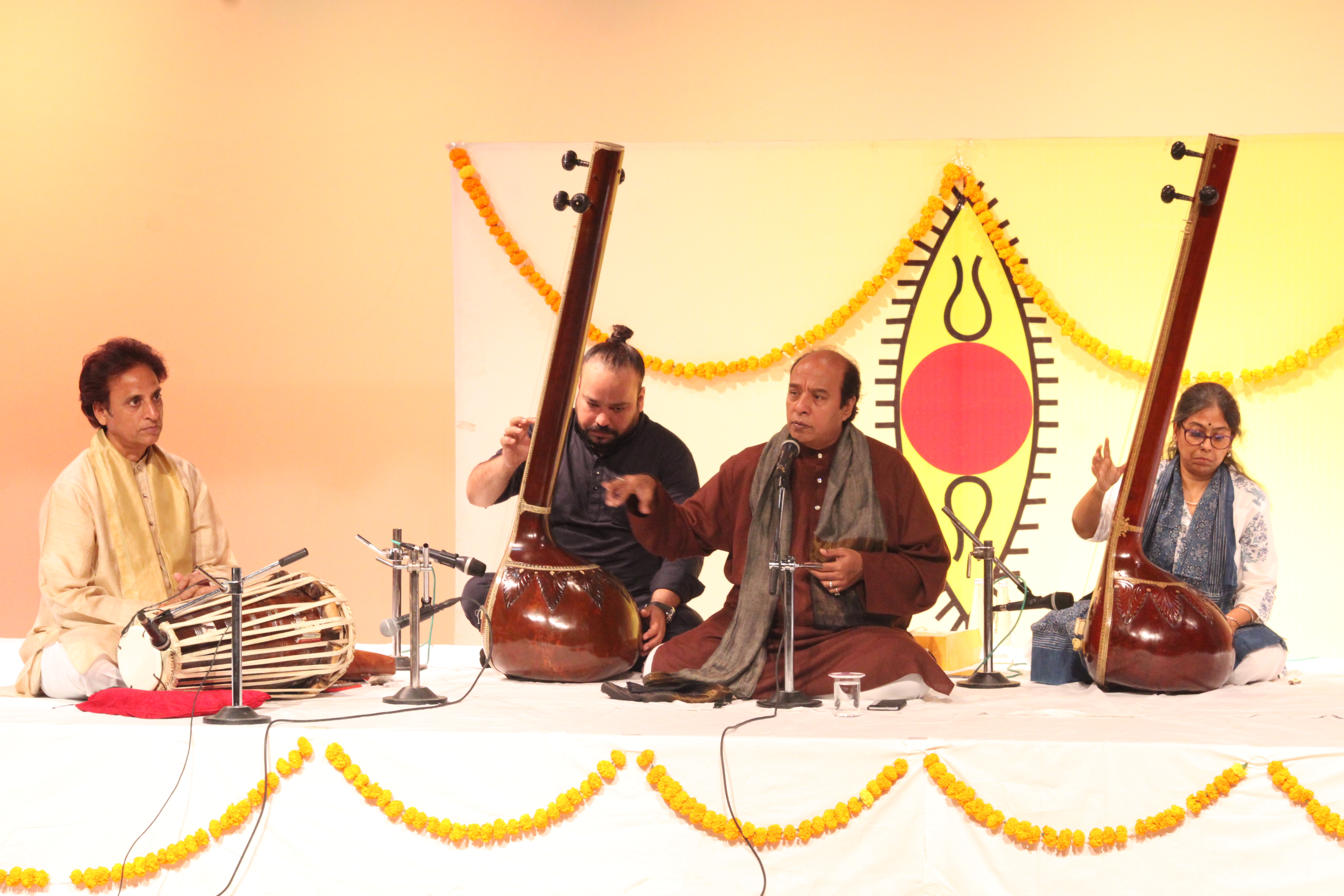
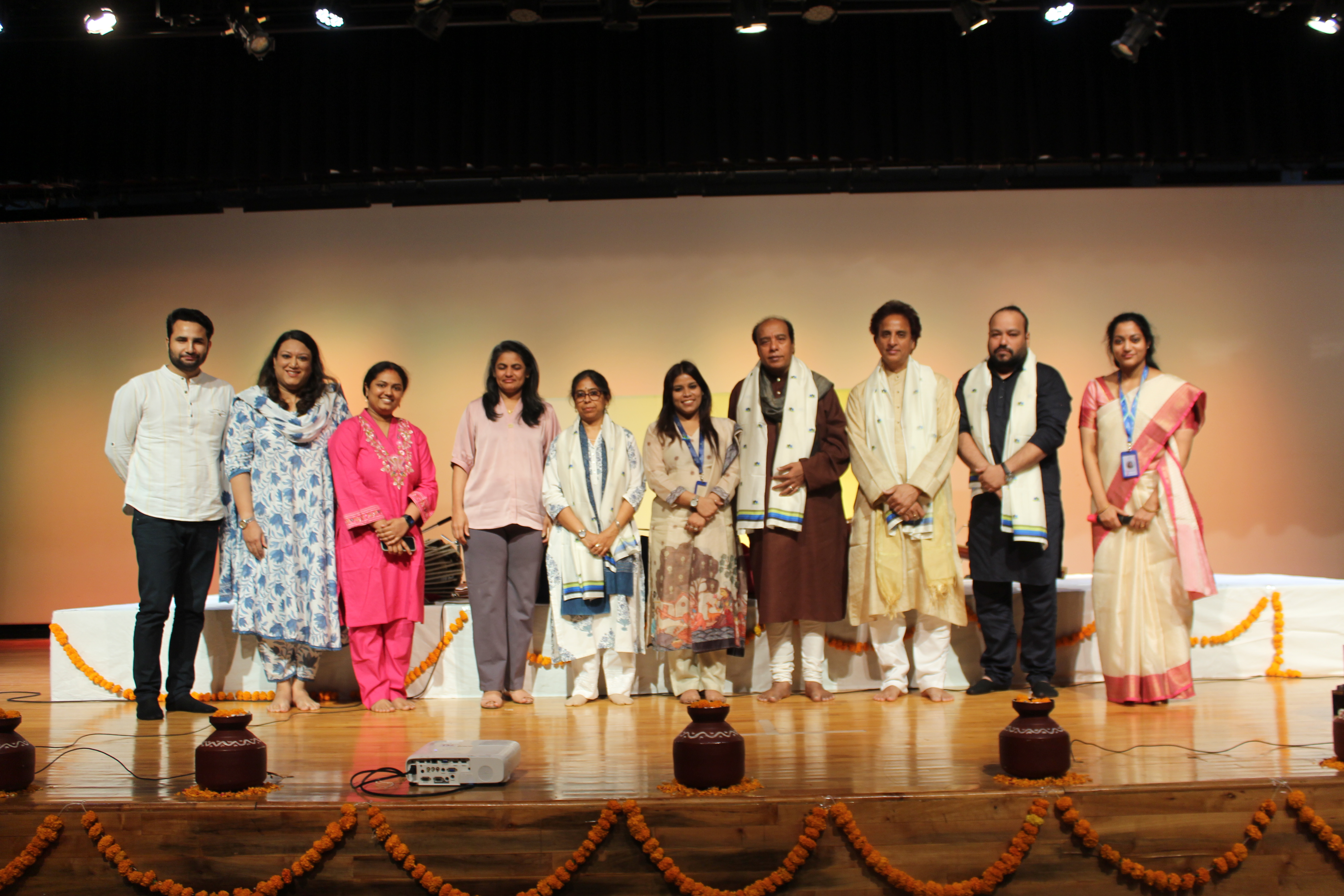
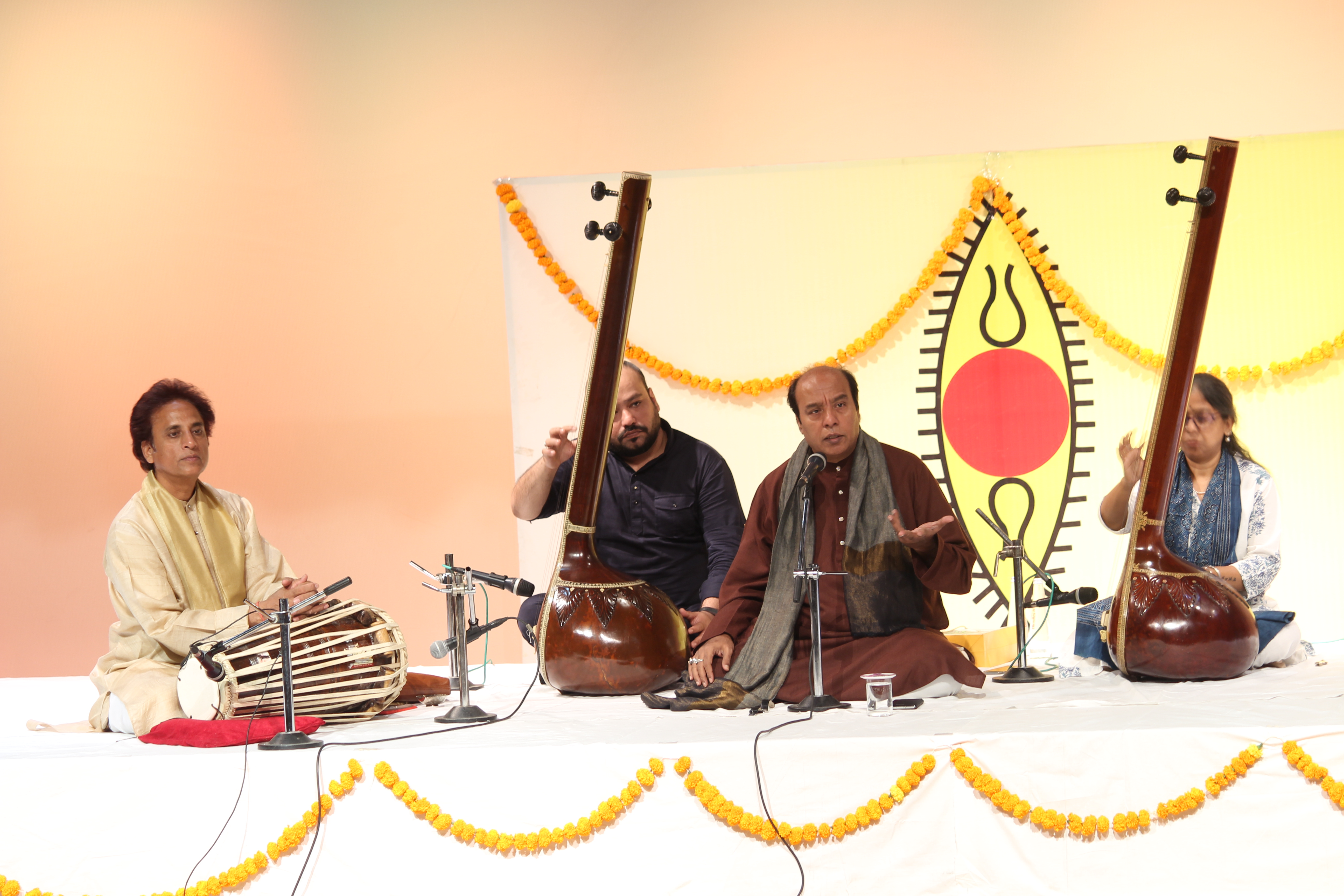
Shiv Nadar School Faridabad, in collaboration with the Society for the Promotion of Indian Classical Music and Culture Amongst Youth (SPIC MACAY), hosted an enriching Dhrupad lecture-demonstration by the renowned Ustad Faiyaz Wasifuddin Dagar, accompanied by Pandit Mohan Shyam Sharma.
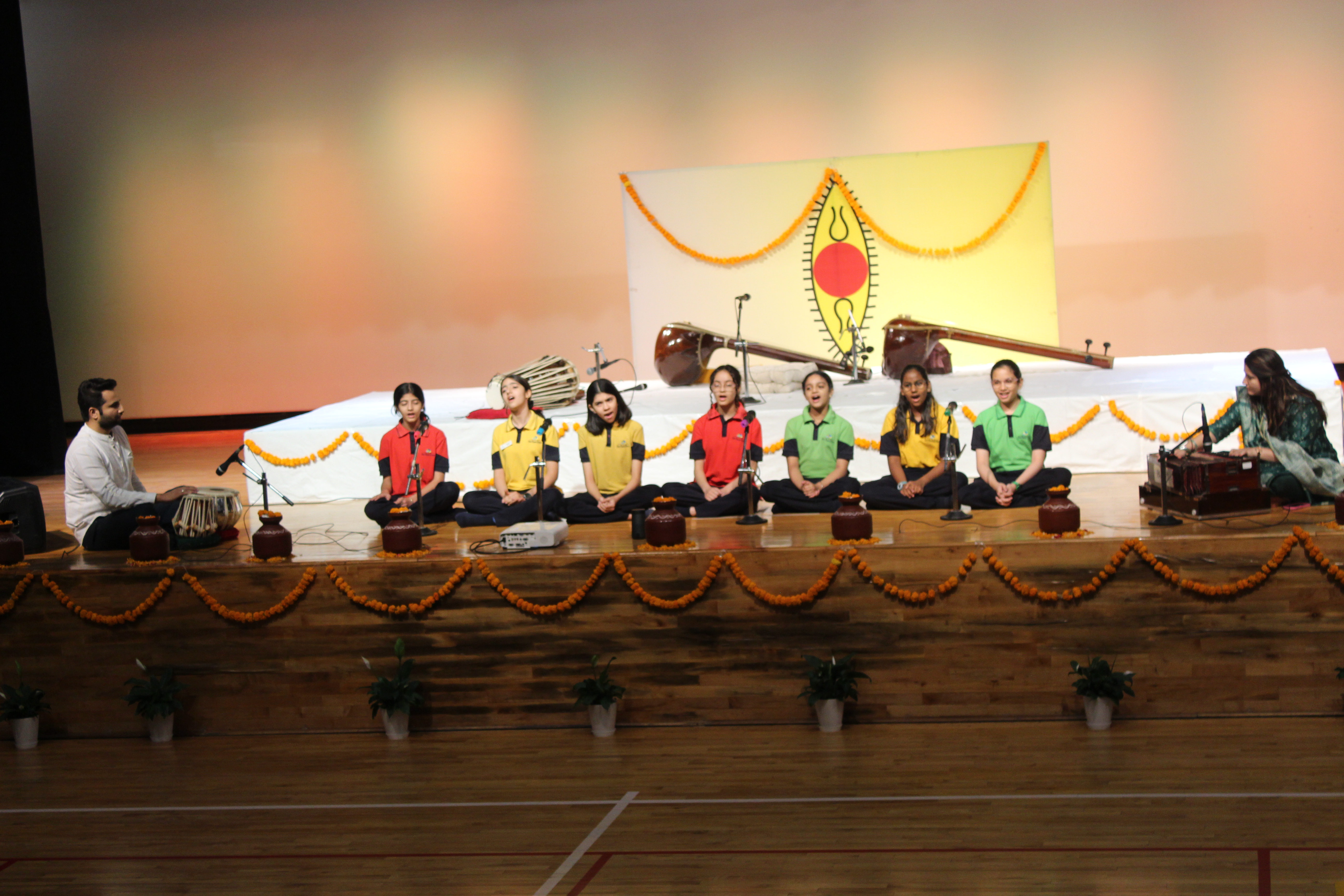
The session commenced with the ceremonial lamp lighting followed by a soulful student invocation, setting a reflective and culturally immersive tone for the experience.
Through the lecture-demonstration, students were introduced to the essence of Dhrupad, one of the oldest forms of Indian classical music, known for its depth, meditative quality, and emphasis on raag purity. Ustad Dagar shared valuable insights into the philosophy, structure, and discipline of the art form, helping students appreciate the richness and legacy of Indian classical traditions.
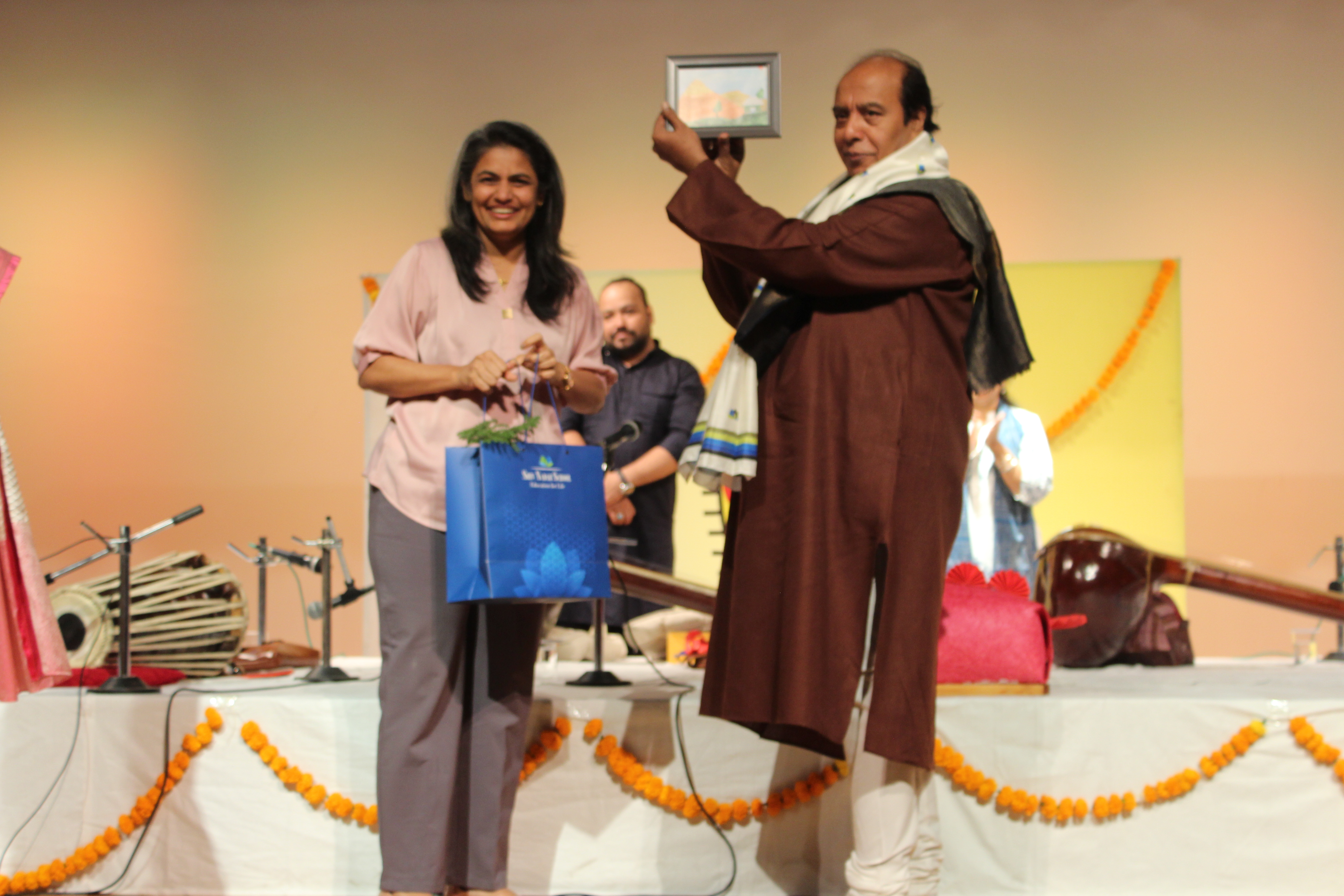
The interactive session encouraged students to engage thoughtfully through questions and discussions, creating a meaningful exchange between the artists and the audience. The programme concluded with a heartfelt vote of thanks delivered by Ms. Shilpa Khadse.
The experience served as a valuable cultural engagement for students, deepening their understanding of India’s artistic heritage while fostering appreciation for classical music and traditional art forms.
Senior Years Wellbeing Initiatives Foster Connection, Reflection, and Mindful Growth at Shiv Nadar School Faridabad
Wellbeing sessions in the Senior Years at Shiv Nadar School Faridabad commenced with a strong focus on building connections, strengthening self-awareness, and supporting students as they transitioned into new class environments.
Building Connections and Identity Through Wellbeing
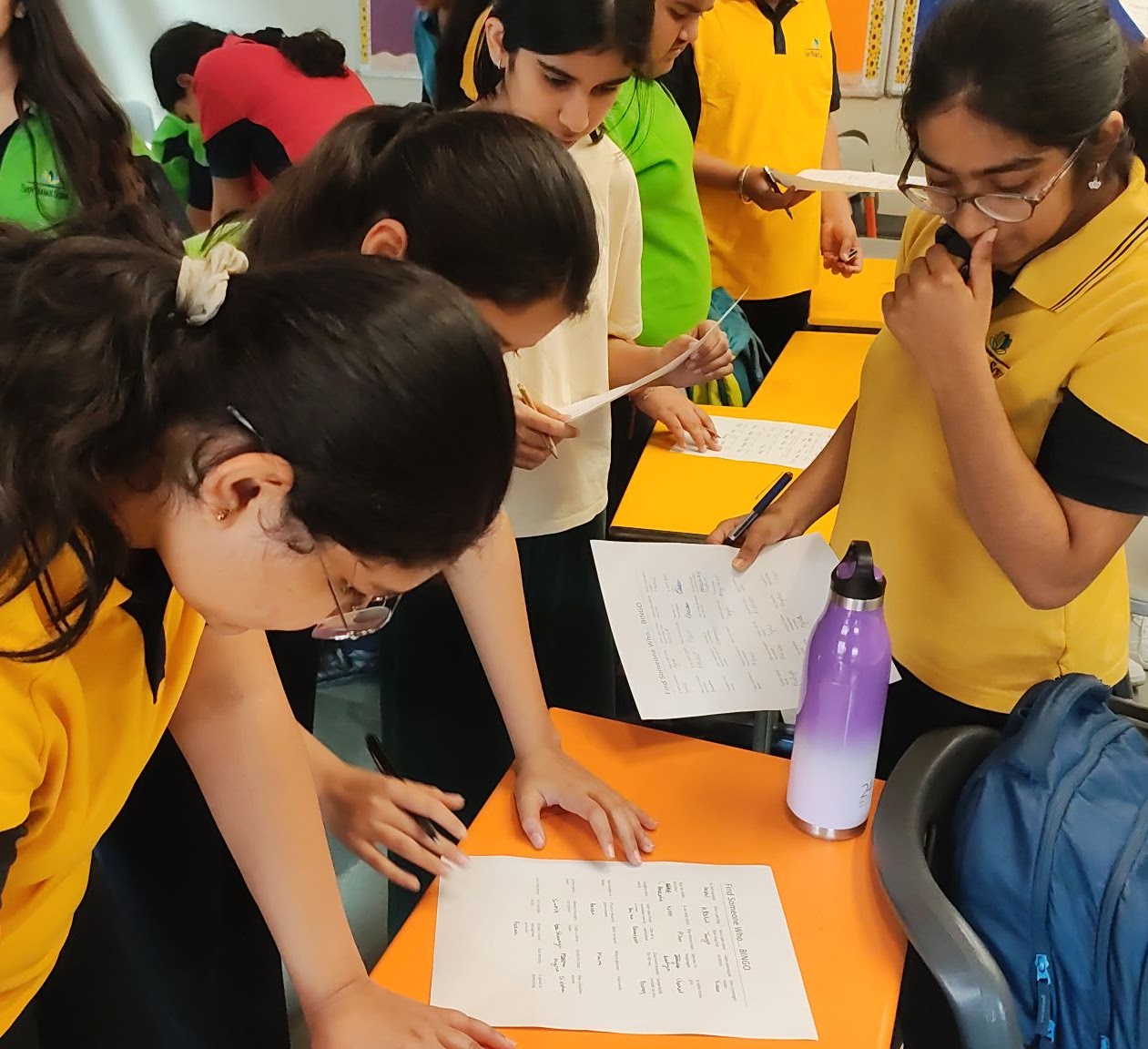
To encourage meaningful interactions and ease students into their new classroom communities, students participated in a shuffled Bingo interaction activity designed to help them engage with peers, discover shared interests, and appreciate individual differences.
The activity encouraged students to reflect on themselves while building new social connections, supporting identity formation and nurturing self-confidence during an important stage of personal growth and emotional development.
By incorporating game-based formats, movement, and open interaction within the classroom, the sessions created a welcoming and engaging environment that encouraged participation, collaboration, and authentic communication among students.
The initiative thoughtfully addressed the developmental needs of Senior Years learners by creating spaces that promote belonging, confidence, and positive peer relationships.
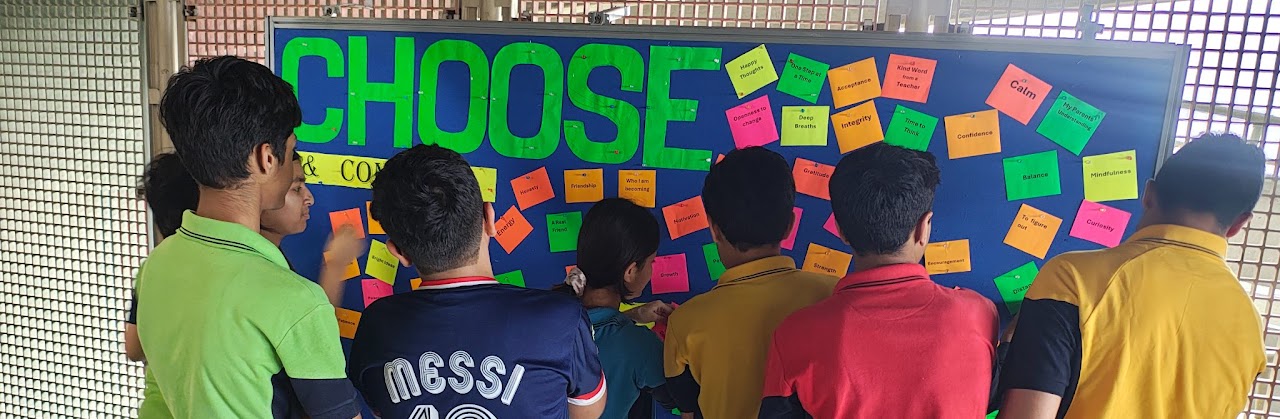
Interactive Board: Choose and Connect
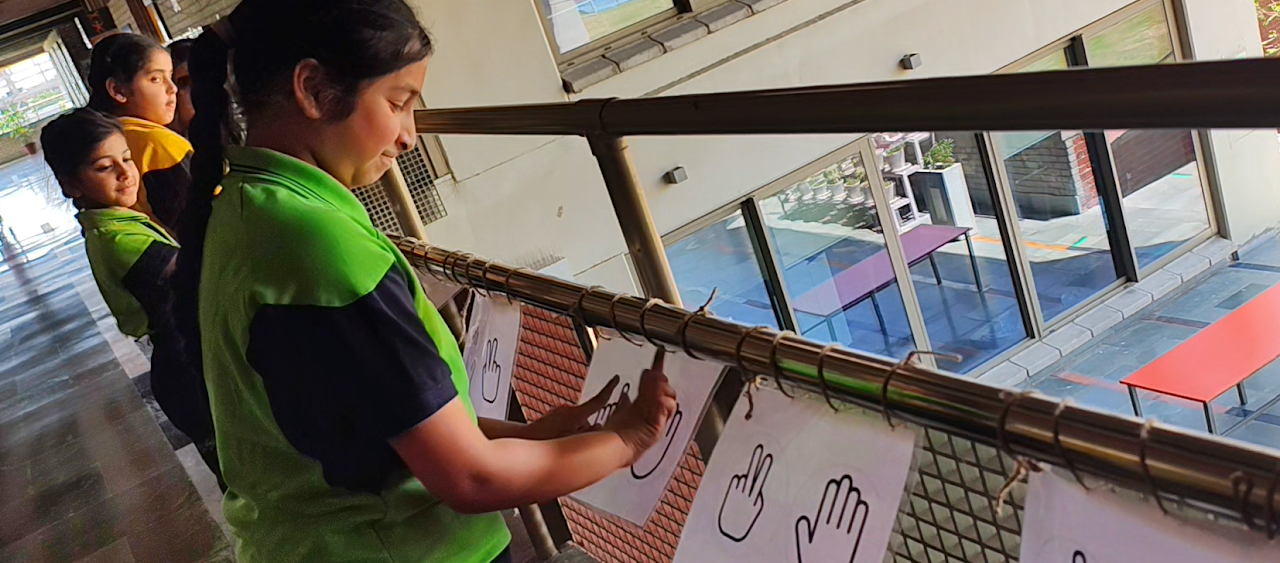
As part of the Senior Years Wellbeing and Mindfulness programme, students also engaged with the interactive Choose and Connect board, an initiative designed to encourage mindful awareness, intentional goal-setting, and reflective thinking through a simple yet meaningful daily practice.
Students selected three personal goals — academic, emotional, or social — represented visually on the board and connected them using threads, symbolising focus, commitment, and interconnectedness. This was followed by a brief reflective exercise where students considered the significance of their choices and priorities.
Students revisited the activity regularly, building continuity, accountability, and consistency in their personal goal-setting journeys.
The initiative encouraged students to pause, reflect, and make mindful decisions while strengthening focus, planning skills, and self-awareness. By blending movement, choice, and reflection, the activity transformed mindfulness into a practical, visible, and student-led experience within the school environment.
Through these purposeful wellbeing engagements, Shiv Nadar School Faridabad continues to create emotionally safe and reflective spaces that support students in developing confidence, connection, resilience, and personal growth.
Nurturing Wellbeing Through Meaningful Connections and Shared Spaces at Shiv Nadar School Faridabad
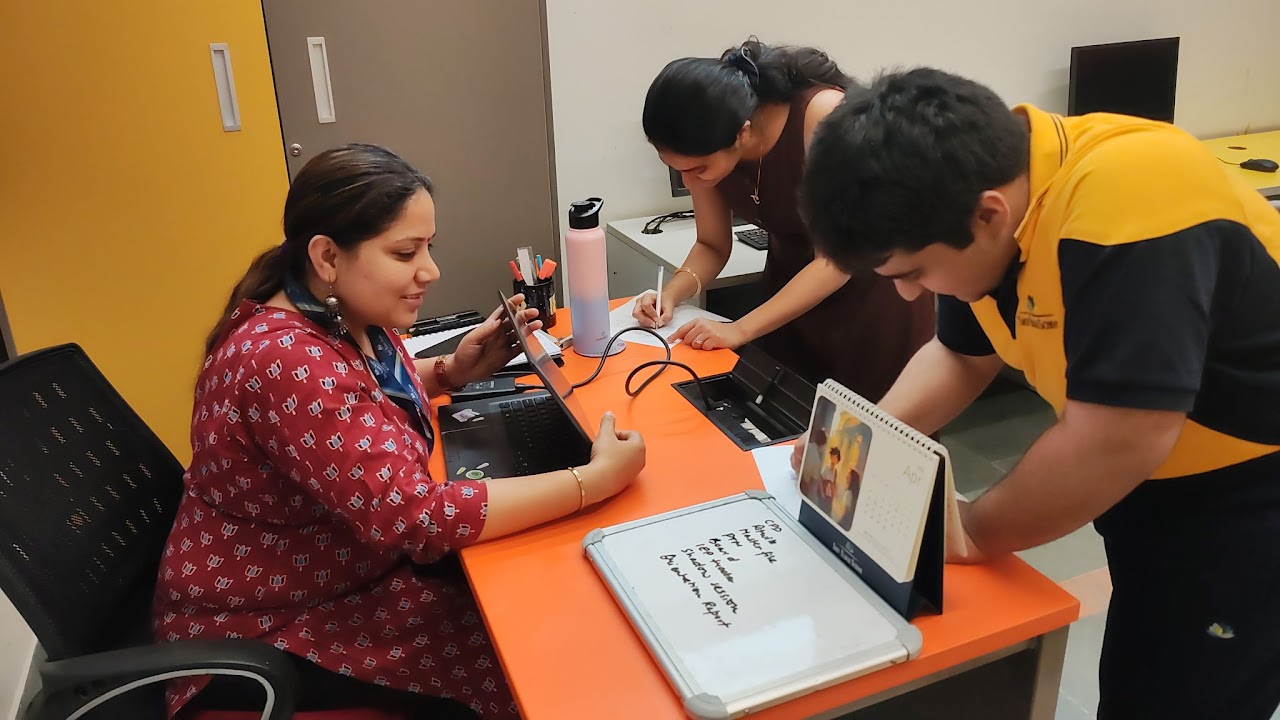
At Shiv Nadar School Faridabad, wellbeing continues to remain at the heart of the learning experience, with thoughtfully designed spaces and meaningful classroom engagements creating a positive and nurturing environment for students across grades.
New Spaces, New Energy
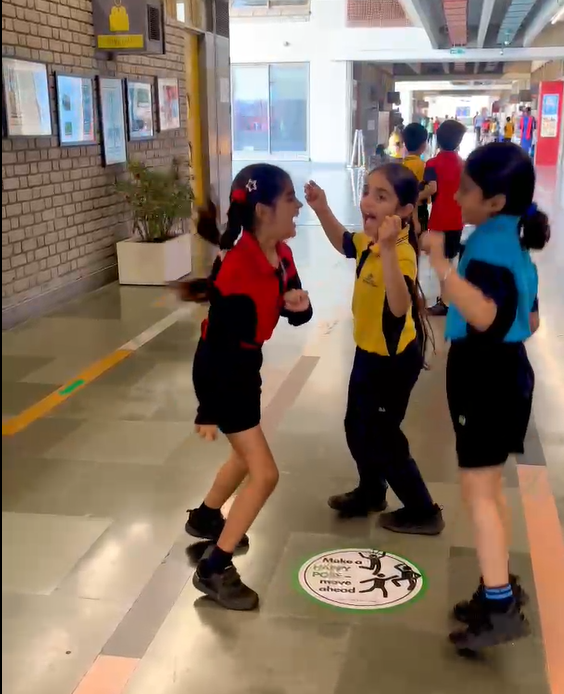
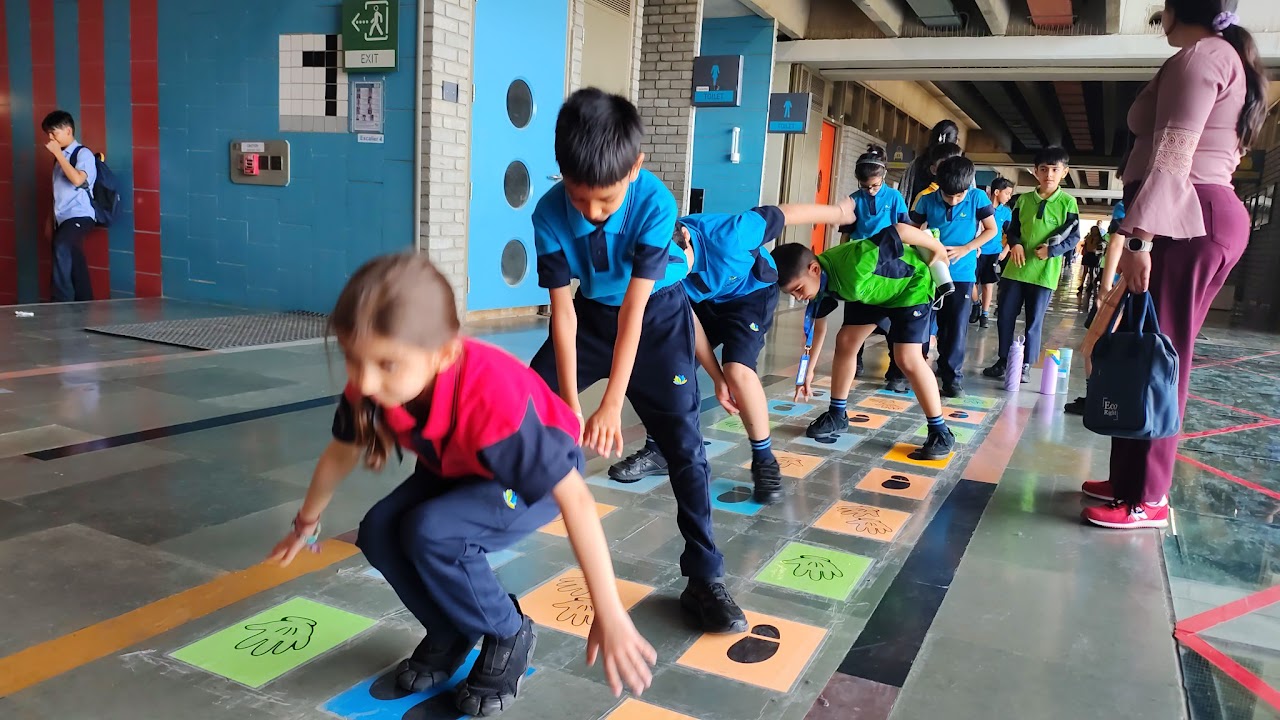
As students stepped into the new academic session, the North Block warmly welcomed Grade 3 learners into their new learning spaces, thoughtfully enriched with wellbeing stickers and Brain Gym activities that quickly became a part of their daily routine.
Grade 5 students too experienced the introduction of Brain Gym installations in their new second-floor learning spaces, extending opportunities for movement, energy release, focus-building, and mindful transitions throughout the school day.
These thoughtfully designed spaces encourage students to recharge through play, movement, interaction, and reflection, fostering an environment where happiness, emotional wellbeing, and holistic development are actively nurtured.
Mindfulness Through SEE Learning in the Primary Years
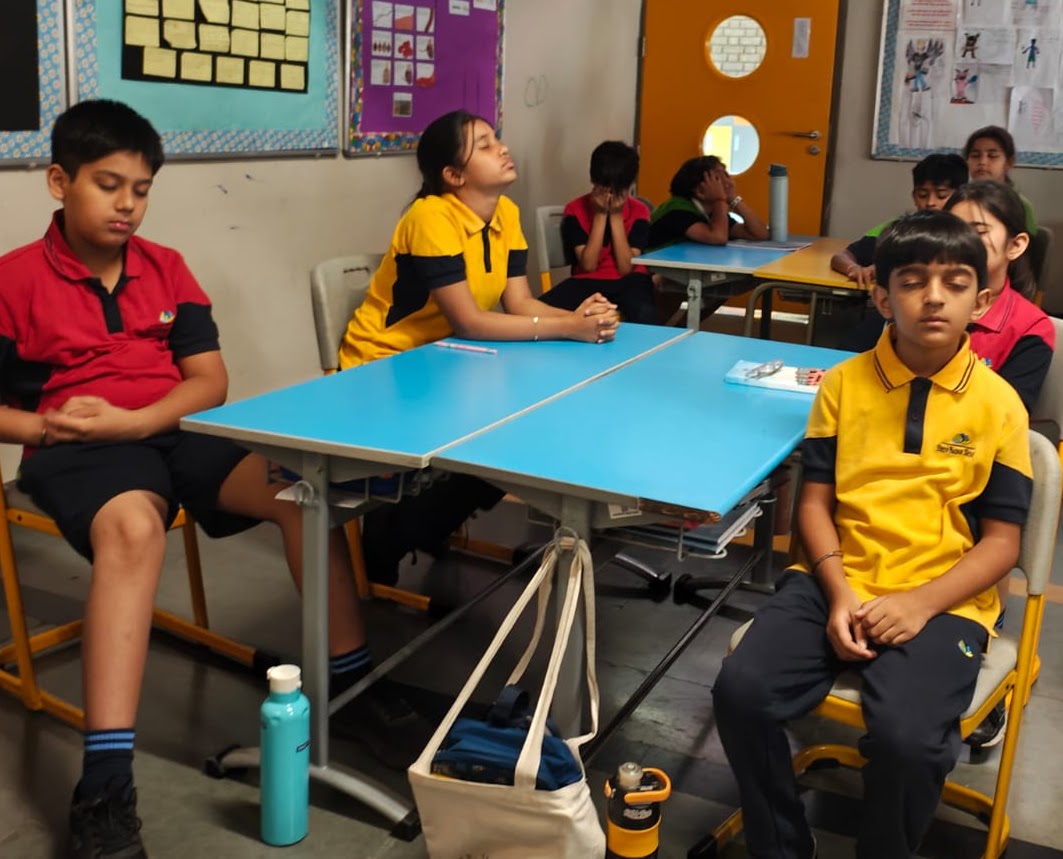
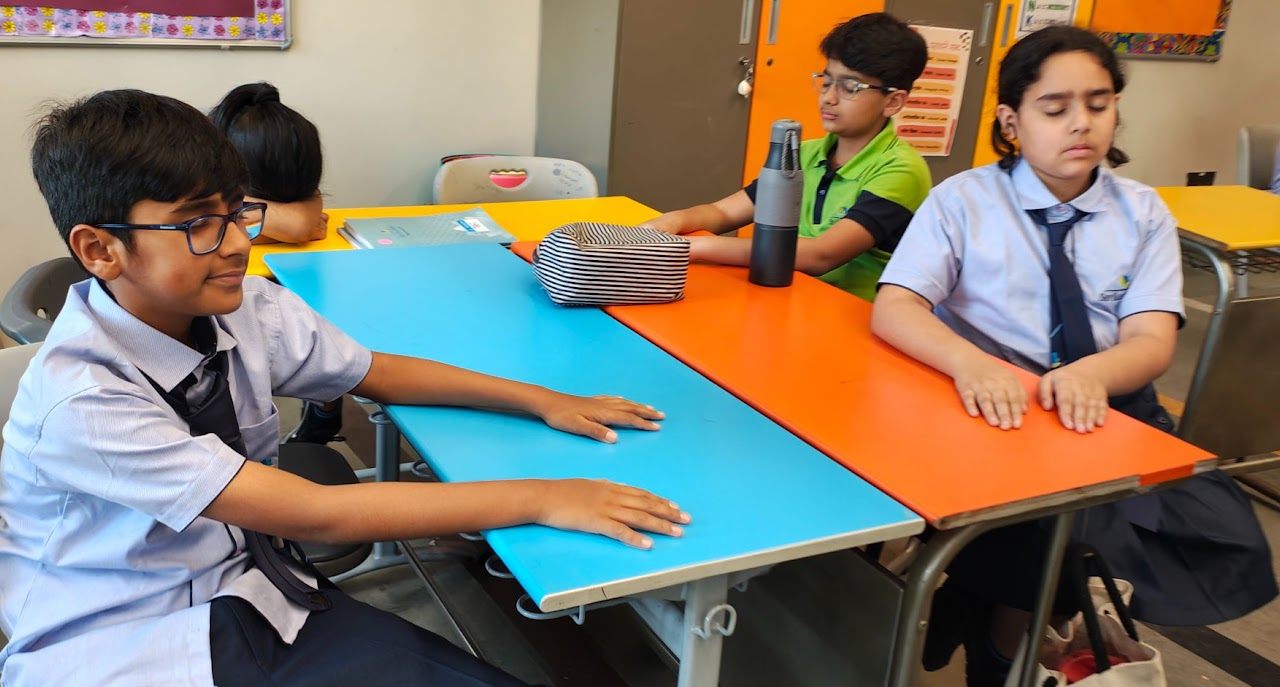
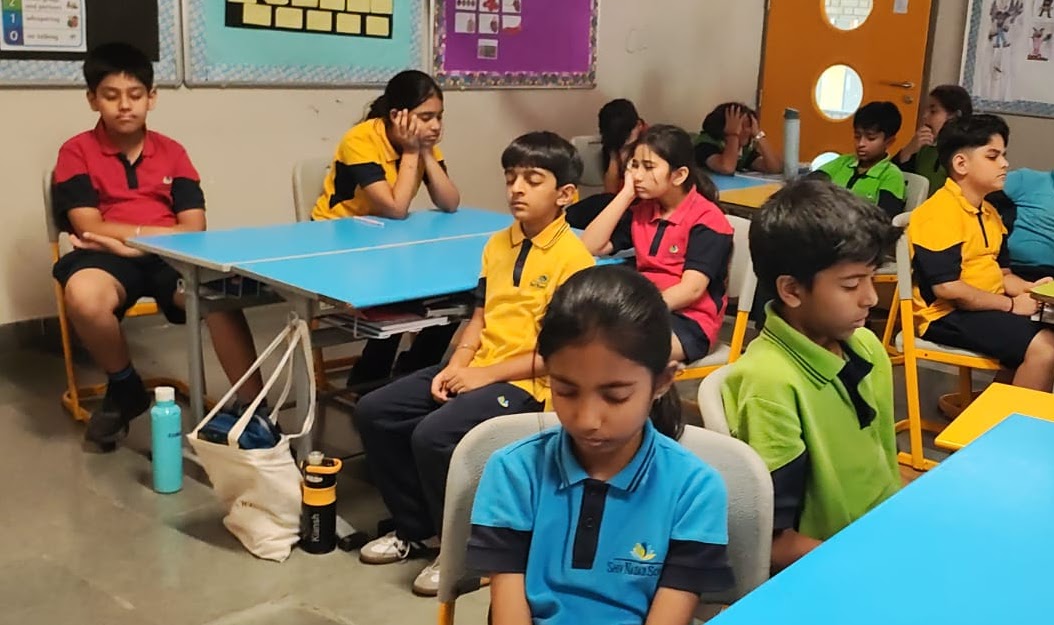
Regular mindfulness practice within Social, Emotional, and Ethical (SEE) Learning sessions in the Primary Years is steadily helping students strengthen their ability to pause, reflect, and self-regulate.
Through grounding exercises involving stillness, mindful breathing, and resourcing techniques using memories of happy places, moments, or people, students are gradually learning to turn their attention inward and develop emotional awareness.
While students may initially take time to settle into these reflective practices, they become noticeably calmer and more centred once engaged. These consistent mindfulness experiences are helping nurture an essential life skill — developing mindfulness as a meaningful habit that grows stronger with practice.
SEE Learning Begins with Connection and Shared Aspirations
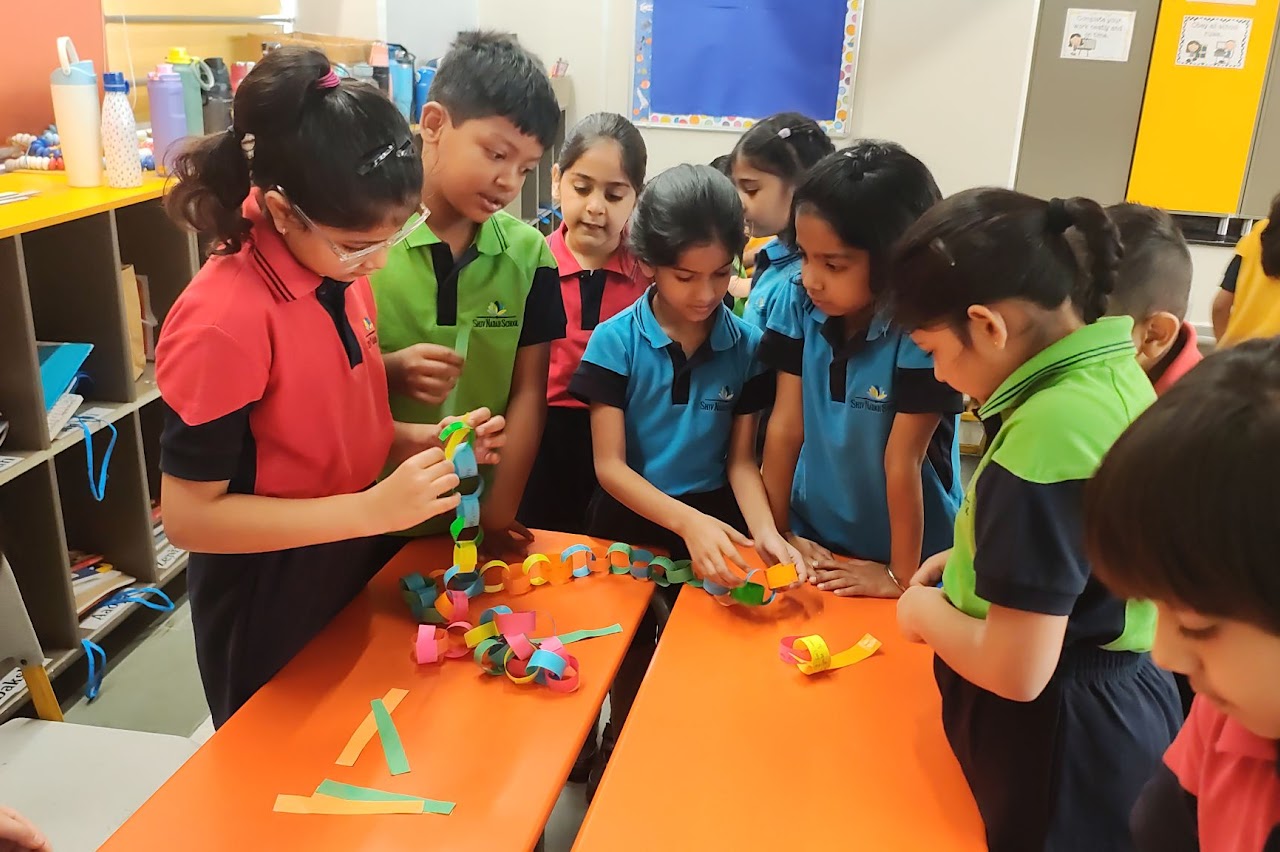
SEE Learning sessions in the Primary Years began with a collaborative craft activity that encouraged students to reflect on their dreams, expectations, and aspirations as they entered a new grade and formed new friendships.
Each student wrote three wishes on individual paper strips, creating personal chains that were later joined together to form one large class chain symbolising unity, collaboration, and shared hopes.
The activity encouraged students to work together, support one another, and build meaningful classroom connections. Such hands-on and reflective experiences are being purposefully integrated into wellbeing sessions to create engaging, joyful, and impactful learning opportunities.
Building Class Agreements Through SEE Learning
As part of SEE Learning, students also participated in thoughtfully guided discussions to co-create their own class agreements, focusing on building positive, respectful, and compassionate classroom environments.
Using reflective prompts such as How do you want to be treated?, How will you treat others?, How do you think I want to be treated?, and How will we handle violations?, students engaged in meaningful conversations around empathy, accountability, and mutual respect.
Each student signed the agreement, reinforcing their sense of ownership, responsibility, and commitment towards the shared classroom culture. These collaboratively created agreements will now guide daily interactions, helping nurture classrooms grounded in kindness, compassion, respect, and emotional safety.
Through these intentional wellbeing initiatives, Shiv Nadar School Faridabad continues to create learning environments where students feel connected, supported, and empowered to thrive both academically and emotionally.
“This Year Is Yours to Shape!”: Opening the Academic Session with Collective Creativity at Shiv Nadar School Faridabad
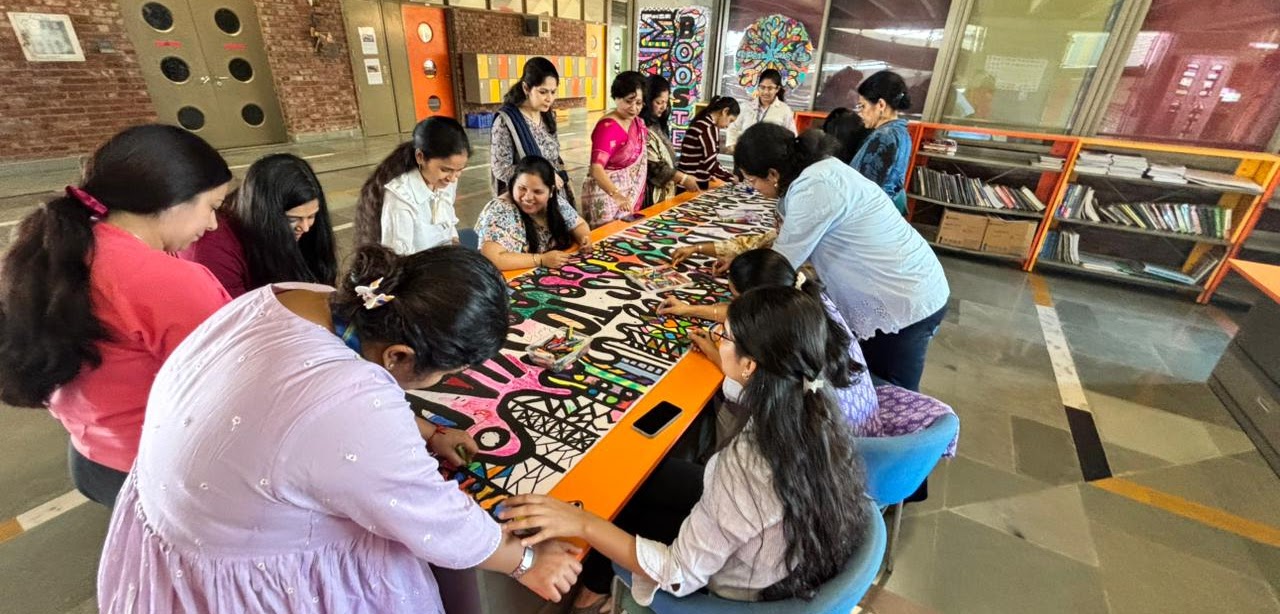
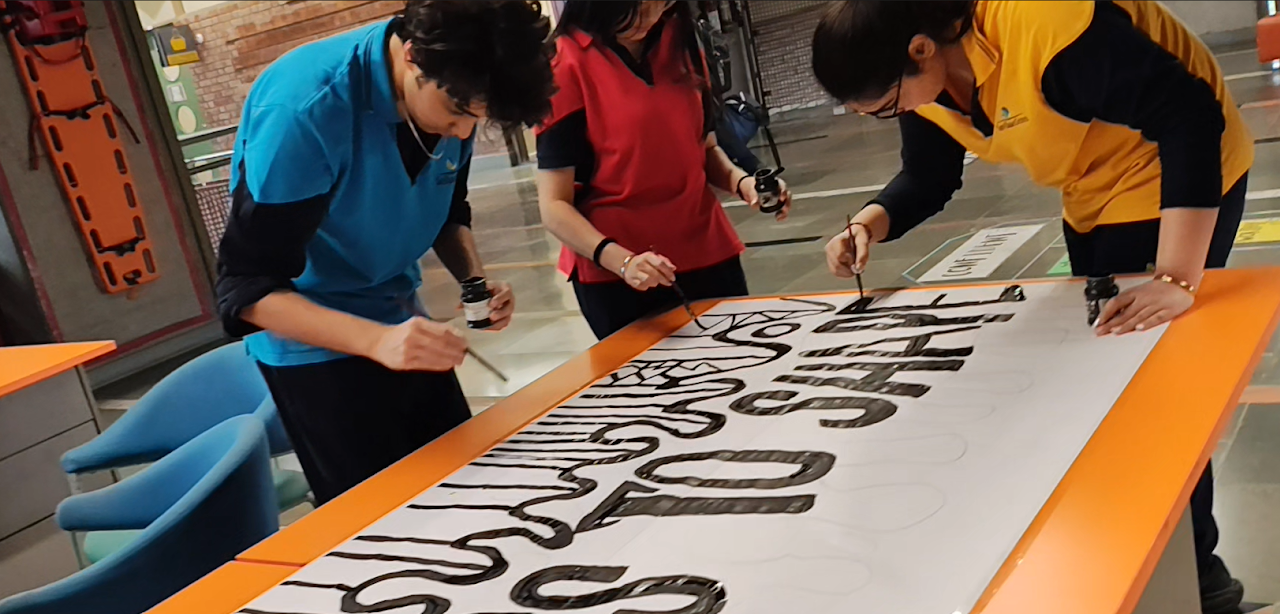
The new academic session at Shiv Nadar School Faridabad commenced on a vibrant and collaborative note with an interactive installation titled “This Year Is Yours to Shape!” reflecting the belief that wellbeing lies at the heart of everything we do.
A large colouring poster, displayed in a central shared space, invited students, teachers, and support staff to contribute creatively as they moved through the day. What began as a simple visual activity gradually evolved into a collective expression of hope, positivity, and belonging.
As colours, patterns, and personal touches filled the artwork, the poster transformed into a shared canvas reflecting the spirit of community, fresh beginnings, and optimism for the year ahead. The activity encouraged participation across the school community, fostering a sense of ownership, connection, and collective energy within the space.
The evolving artwork not only brightened the environment but equally created moments of reflection, interaction, and encouragement, setting a warm and energising tone for the academic year at Shiv Nadar School Faridabad.