


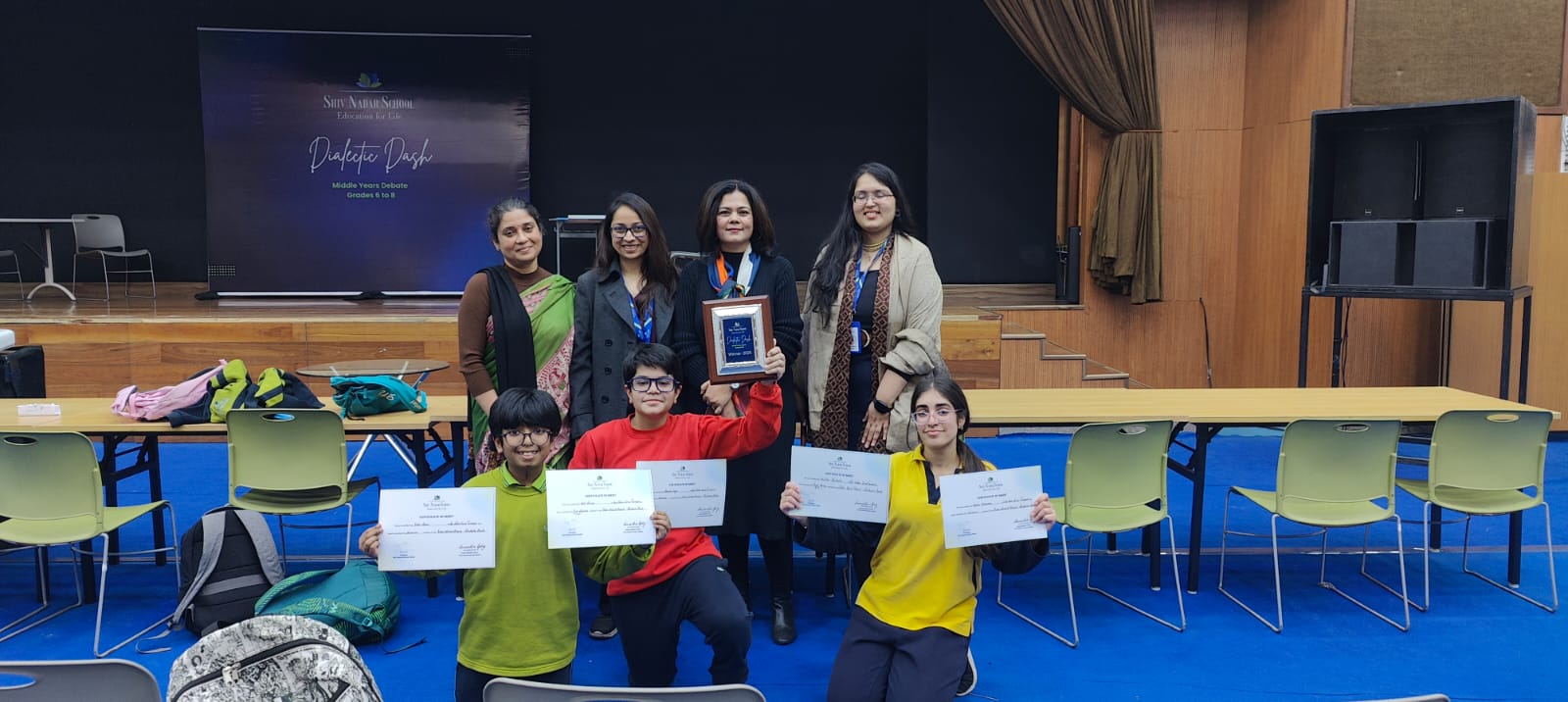

Shiv Nadar School Faridabad Wins Dialectic Dash Inter-School Debate

Shiv Nadar School Faridabad Wins Dialectic Dash Inter-School Debate

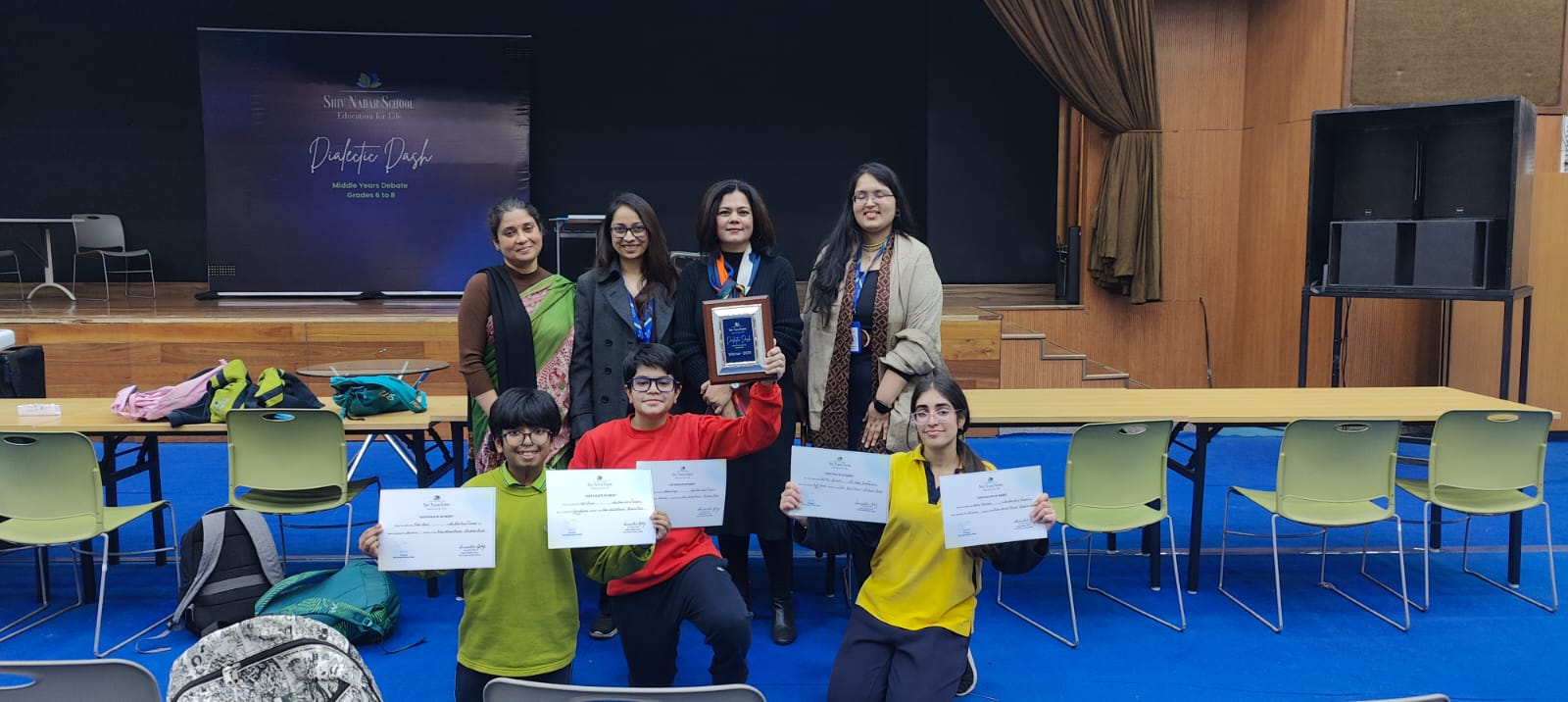
The Shiv Nadar School Faridabad school team Aarika Dixit (Grade 8), Adheesh Kapur (Grade 8), and Vidit Arora (Grade 6) emerged winners at the Dialectic Dash Inter-School Debate Competition held at Shiv Nadar School, Noida on 12th December 2025.

With this victory, the team has brought the rolling trophy back to the Faridabad campus for the second consecutive year, reflecting both consistency and depth in debating.

The team remained undefeated across all six rounds of the heats, demonstrating exceptional clarity of thought, confidence, and articulation throughout the competition. Adding to this strong performance, Aarika Dixit was adjudged Best Speaker in the Semi-Finals, while Vidit Arora received the Best Speaker award in the Final round, where he was described by the adjudicators as “a live wire.”


ALL ,

Arts ,

Award ,

Badminton ,

Board ,

Competition ,

Curriculum ,

School ,

Building Awareness, Protecting Young Lungs


In response to rising Air Quality Index (AQI) levels and increasing respiratory concerns among children, Shiv Nadar School Faridabad conducted an online Respiratory Health Awareness Session on 6 December 2025. The session was organised to support families with timely, evidence-based guidance on safeguarding respiratory health during periods of poor air quality.

The session was led by two parent experts from the medical fraternity: Dr. Manisha Mendiratta, Associate Director & Head of Pulmonology, Sarvodaya Hospital, and Dr. Prashant Mehta, Senior Consultant – Hematology, Medical Oncology & Bone Marrow Transplant, Amrita Hospital, Faridabad. Their insights combined clinical expertise with practical, everyday applicability for families.

The discussion was thoughtfully moderated by Ms. Preeti Gautam, Head – Early Years, who ensured a structured flow of conversation and facilitated parent questions with clarity and sensitivity. Parents engaged actively throughout the session, raising relevant concerns and seeking guidance, making the interaction both meaningful and informative.

During the session, the speakers highlighted the direct impact of elevated AQI levels on lung health, particularly for young children, the elderly, and individuals with pre-existing respiratory conditions. Parents were guided on recognising early warning signs such as persistent cough, wheezing, noisy breathing, recurring sore throats, and shortness of breath, with emphasis on the importance of early medical consultation.

Practical preventive measures for home and daily routines were discussed in detail. These included the use of HEPA-based air purifiers, avoiding ionisers and ozone generators, maintaining adequate hydration, reducing outdoor exposure during poor AQI days, and preferring wet mopping over dry sweeping to minimise indoor dust circulation. Clear guidance on masking was shared, recommending N95/KN95 masks for effective protection during high AQI periods, while noting that surgical and cloth masks offer minimal defence against air pollution.

Parents were also advised to regularly monitor AQI levels and make informed adjustments to daily routines. Avoiding outdoor activities near high-traffic areas and kerbside walking was strongly recommended. When outdoor activity is unavoidable, the relatively safer window identified was between 10:00 AM and 4:00 PM.

The session concluded with a strong emphasis on preventive care, informed decision-making, and shared responsibility between the school and families in ensuring children’s respiratory health and overall well-being. The initiative reflected Shiv Nadar School Faridabad’s continued commitment to proactive parent engagement and holistic student care.


Competition ,

Creative ,

Cricket ,

Curriculum ,

Dance ,

Economy ,

Education ,

Education For Life ,

Environment ,

Fitness ,

IB ,

Innovation ,

Leadership ,

Lifestyle ,

Middle ,

Music ,

Nature ,

Nutrition ,

Outbound Learning ,

Parenting ,

Performing Arts ,

Philosopy ,

Pre Primary ,

Primary ,

Progressive ,

Reading ,

Relationships ,

School ,

School Life ,

Science ,

Secondary ,

Senior Secondary ,

SNS Guest ,

Soccer ,

Speaker ,

Sports ,

Theatre ,

Travel ,

Visual Arts ,

Welness ,

Writing ,

The Unscripted Curriculum

Article authored by: Chinar Banga

Head Senior Years, Shiv Nadar School Faridabad


Schools are synonymous to learning. Books, curriculum, assessments, lesson plans, report cards will automatically cloud your thoughts when you think of school. We often assume that the scripted curriculum of the school or what the board prescribes will lead to students’ progress. In middle and high school particularly, you will notice a sudden shift in parent and teacher mindset where they would only want to work towards a target score. However, what we often forget is a powerful force that often shapes student behaviour, beliefs, attitude and values. It is the unscripted curriculum that has a significant role in their development. It has, in fact, more impact than calculus, history, force or other concepts they learn in school. What defines this unscripted curriculum, is how the adults around these students conduct themselves in the school environment. Philip Jackson in his book, ‘Life in Classrooms’ referred to conscious and unconscious norms, values and behaviours of the learning process, including unplanned and unintended learning outcomes that influence students. It is not necessary that only the teachers are being noticed. 

The leaders, administrative staff and even the support staff behavior also doesn’t escape their watchful eyes. They internalise lessons from every interaction they witness in corridors, cafeterias, assembly halls and other spaces. Albert Bandura, in his Social Learning Theory, emphasizes the importance of observing, modeling and imitating the behaviors, attitudes and emotional reactions of others. This becomes even more profound in higher grades. Adolescents in middle and senior school have heightened social awareness and are in their identity formation phase. As a result, what they see around them becomes a reference point on how they will react to different situations and relate to the world around them. A high school student who is testing boundaries and is moving away from authority will have a sharp antenna for detecting hypocrisy. If what is being preached, is not modelled, they will rebel. For example, a school poster or policy may display the value of kindness, however, if the teacher behaviour is otherwise, the trust of the child in the system shakes. When students see teachers conducting themselves with professionalism and mutual respect, they will mirror it. When they see that the school culture is of celebrating each others’ success, respecting support staff, leaders taking and valuing feedback and agency, the ripple effect will be visible. 

On the contrary, gossip, envy, passive aggressive behavior will lead to more effort on teachers’ part in setting classroom expectations and managing the behavior for learning. It is therefore, every adult’s responsibility, to model behaviors that they would want their students to imbibe. School culture is driven by the choices the adults make when no one is watching. But the irony is that students are always watching! When students see people around them owning up mistakes, apologising to a fellow colleague, greeting support staff cordially, appreciating diverse perspectives, working in teams, they will organically develop the values of accountability, teamwork, respect and compassion. Since the interactions are not limited to the physical space and extend to the virtual world as well, teachers need to display explicitly respectful online interactions to expect the same from their students in the digital world. The good thing is that evolving this unscripted curriculum is not something impossible. Every school needs to have a systemic approach to develop these values and soft skills over a period of time. 

Schools that recognise the value of this unscripted curriculum will equip their children with an ethical compass that will guide them home. Teacher professional development sessions, admin and support staff briefing sessions, leadership workshops should have a special mention of the acceptable behaviours around students. Investment in socio-emotional learning of school teachers sees its students developing maturity and empathy. It is also very important to note that the way we assign consequences to the students is also something to look at. Punitive actions may lead the students to believe that mistakes are shameful. However, a consequence rooted in responsibility and reform will make a difference. When students walk out of school, they will carry with them the lessons of the curriculum which are delivered by gestures, daily choices, routines and rapport of the adults around them in school. The students’ skills to adapt and thrive in a new college environment, being resilient to challenges in a workplace or their conduct in a social gathering will be a reflection of what the have seen through their formative years. 

As adults around children, we need to be conscious of what we bring to table everyday and the example we are setting for them. To develop ethical, happy and purposeful citizens of the society, the adults around them need to be emotionally intelligent and reflective in nature. Let’s not forget that the students are learning the scripted and the unscripted curriculum everyday!

2025-12-09
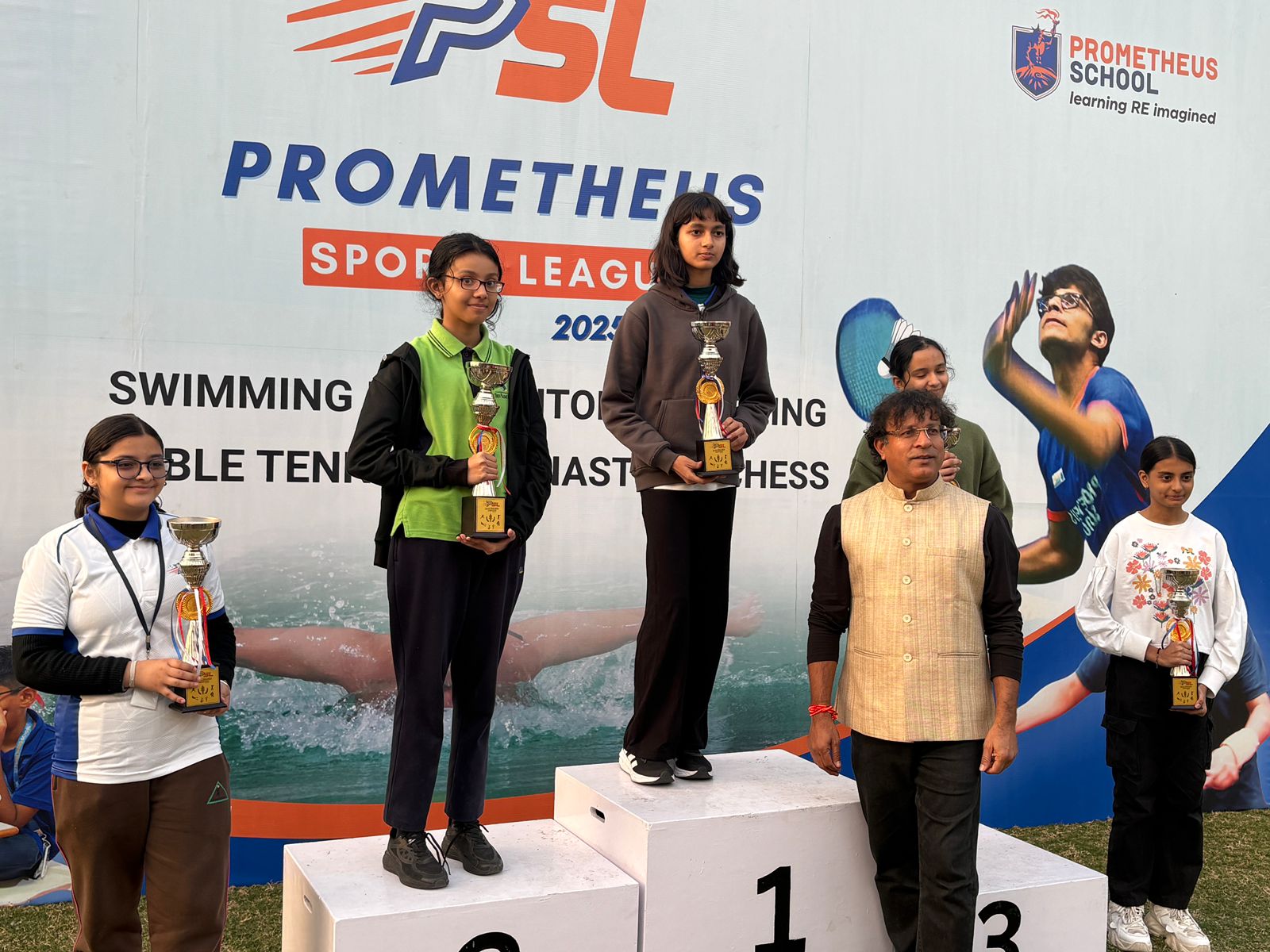
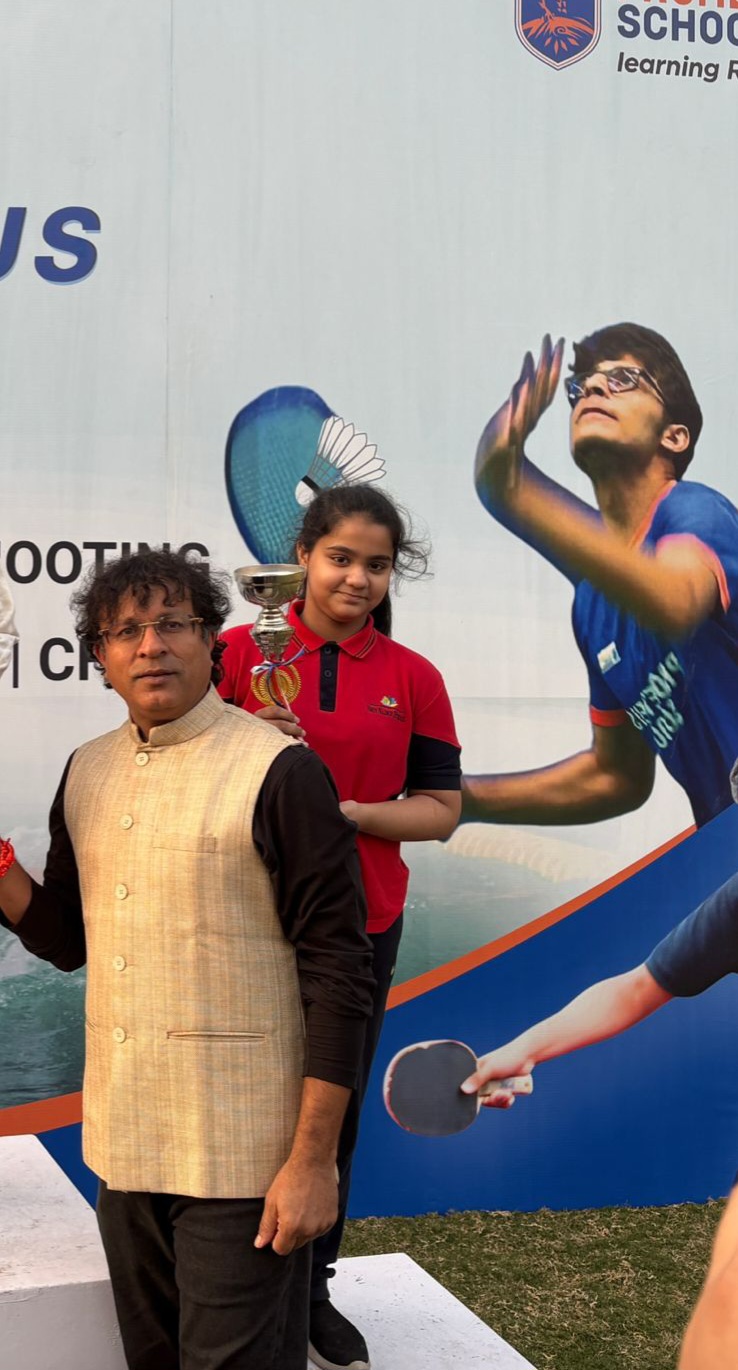
Anika Mishra Shines at the Prometheus Chess Competition

Anika Mishra, a student of Grade 7 – Gir at Shiv Nadar School, Faridabad, delivered an impressive performance at the Prometheus Chess Competition held on 29th & 30th November 2025 at Prometheus School, Noida.

Competing in the Under-13 Female Category, Anika secured the 2nd Prize, demonstrating strong strategic thinking, composure, and consistency across her games. 

Her accomplishment reflects her dedication to the sport and her steady growth as a chess player.

ALL ,

Arts ,

Award ,

Badminton ,

Board ,

Competition ,

Curriculum ,

School ,

Sound Healing Session


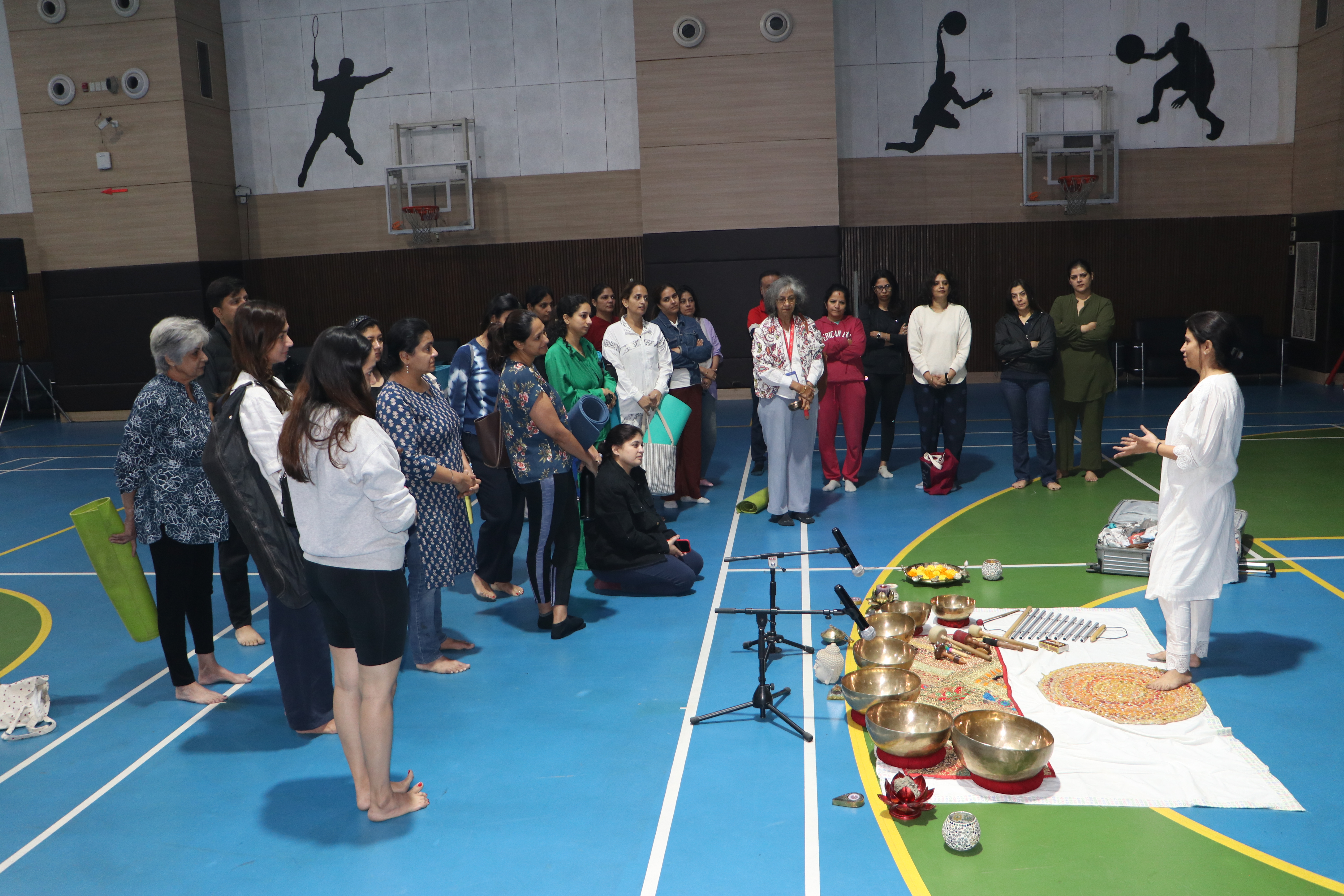
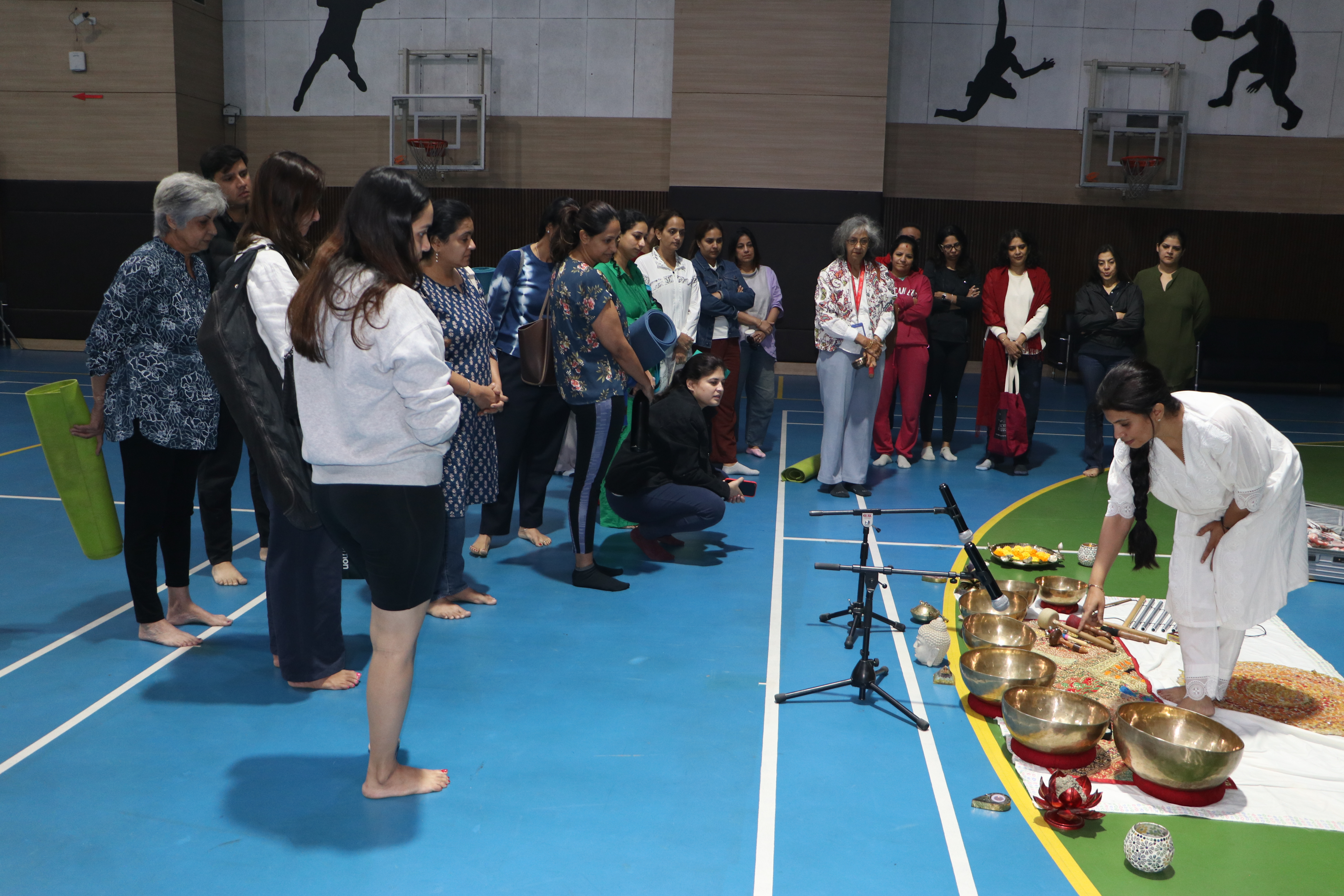
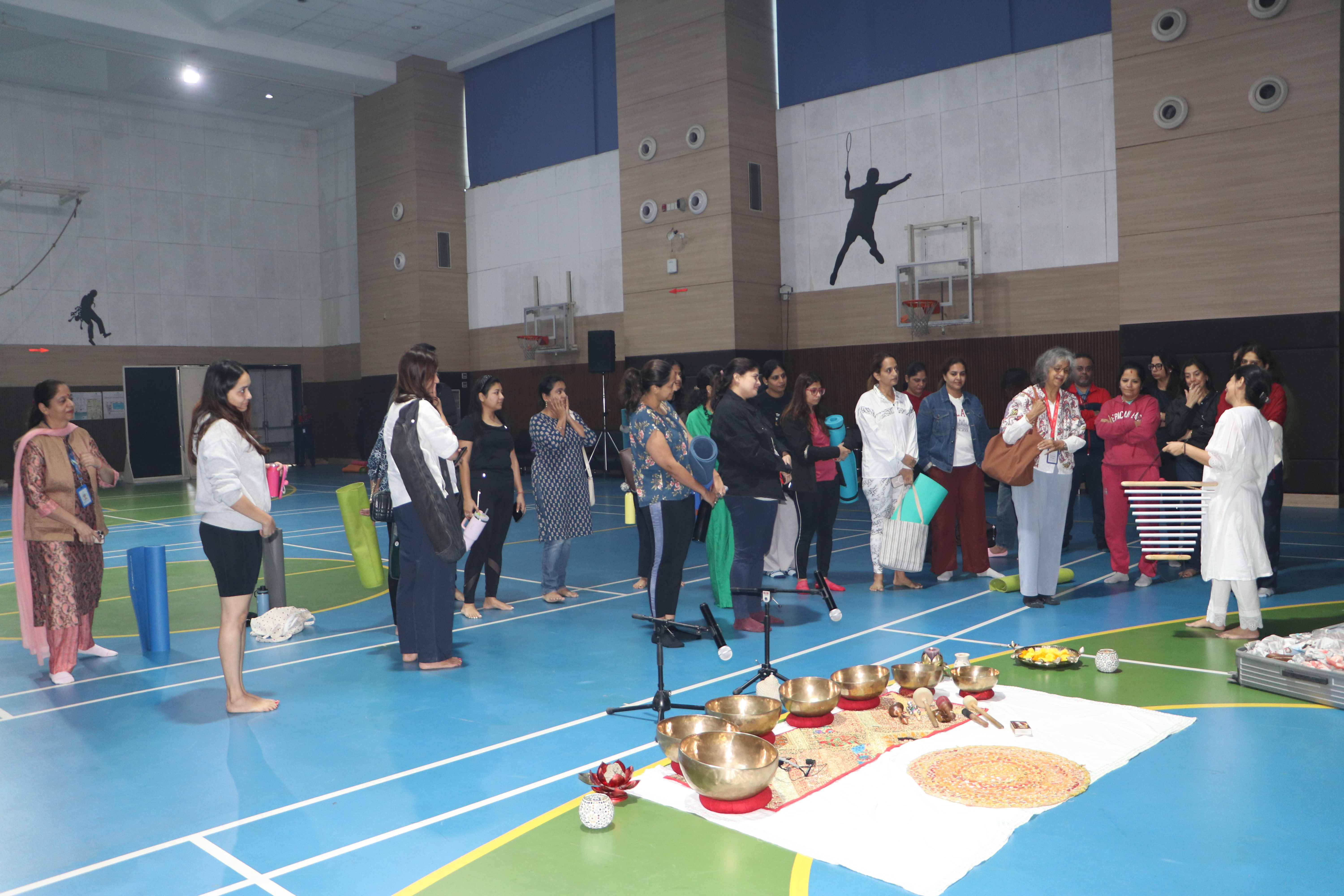
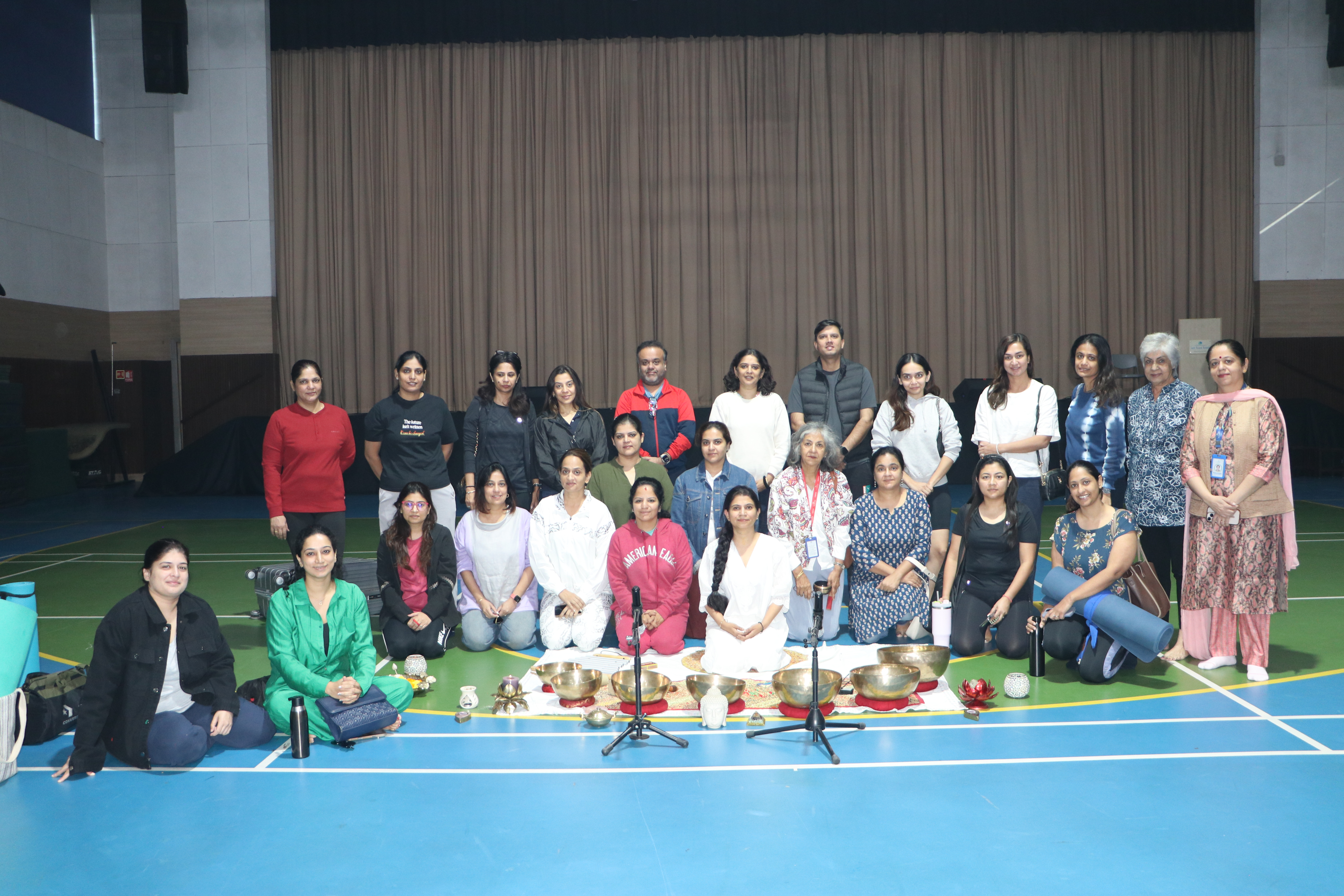
The Sound Healing Session was organised by the Parent Partnership Office, on campus, a part of the monthly parental engagements. The session was led by Ms Pooja Kapur, an SNS parent. It was a deeply rejuvenating experience for all who attended, offering a serene space for participants to pause, breathe, and reconnect with their inner calm.

Ms Kapur guided the group through a series of soothing sound vibrations using traditional healing instruments. The participants shared that the immersive experience allowed them to feel lighter, more centered, and deeply relaxed.

The peaceful atmosphere was the perfect setting for self-reflection, mindfulness and self-renewal. Many attendees expressed gratitude for the opportunity to engage in a practice that nurtured both mental and emotional well-being.


Lifestyle ,

Tiara Jain Shines in November Chess Tournaments

Tiara Jain of MYP 1, Shiv Nadar School Faridabad, delivered an exceptional performance across multiple chess tournaments this November, showcasing her growing strength and composure on the board.

She secured the 1st position in the Under-11 category at the Prometheus Chess Tournament held recently in Noida.
She followed it with another strong finish, earning the 3rd position in the Under-11 category at the Inter-School Chess Tournament hosted by GBN School.

Tiara continues to impress with her focus, strategic thinking, and steady progress. 

ALL ,

Arts ,

Award ,

Badminton ,

Board ,

Competition ,

Curriculum ,

School ,

Play Date – Friends Across Schools


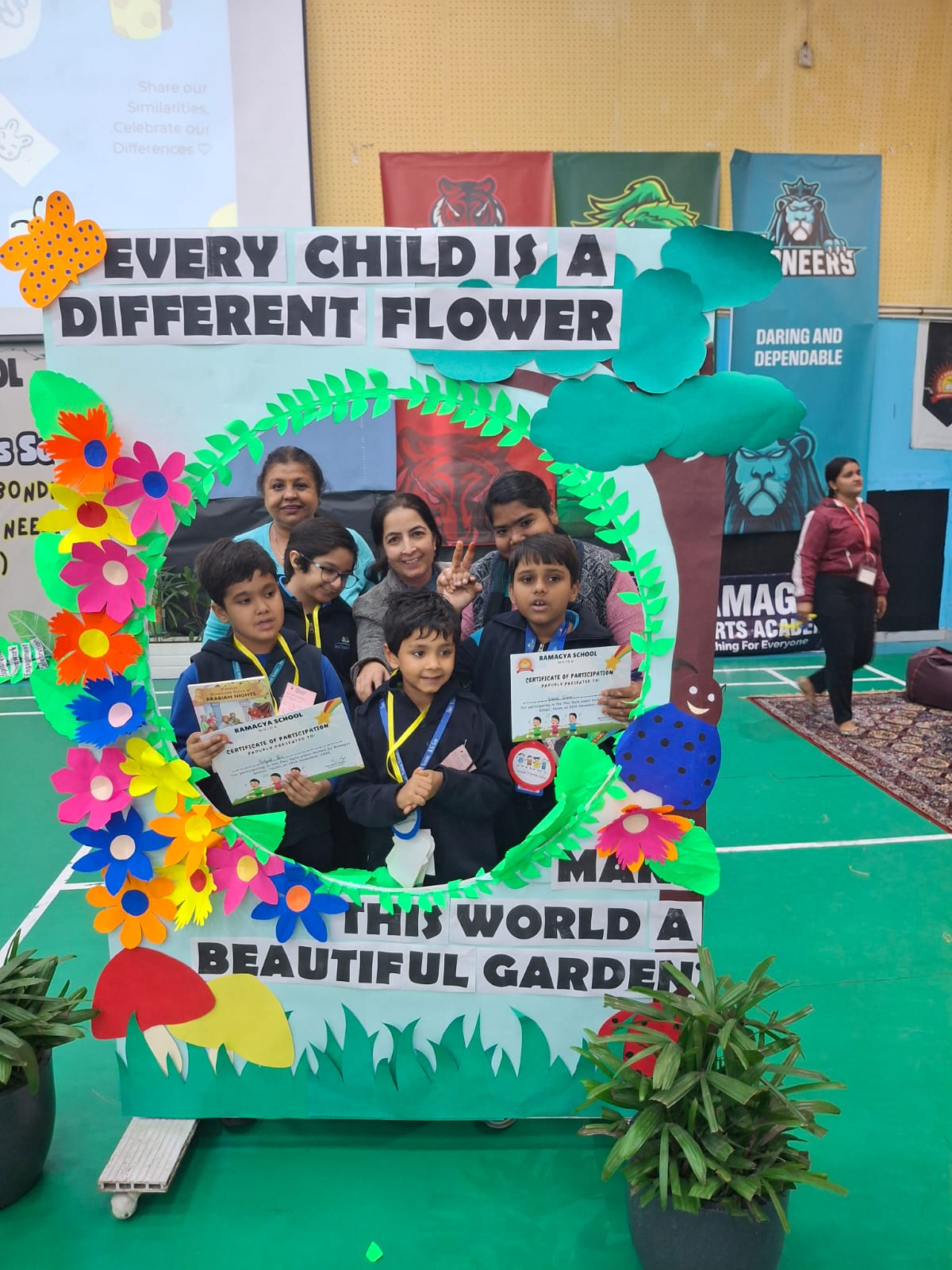
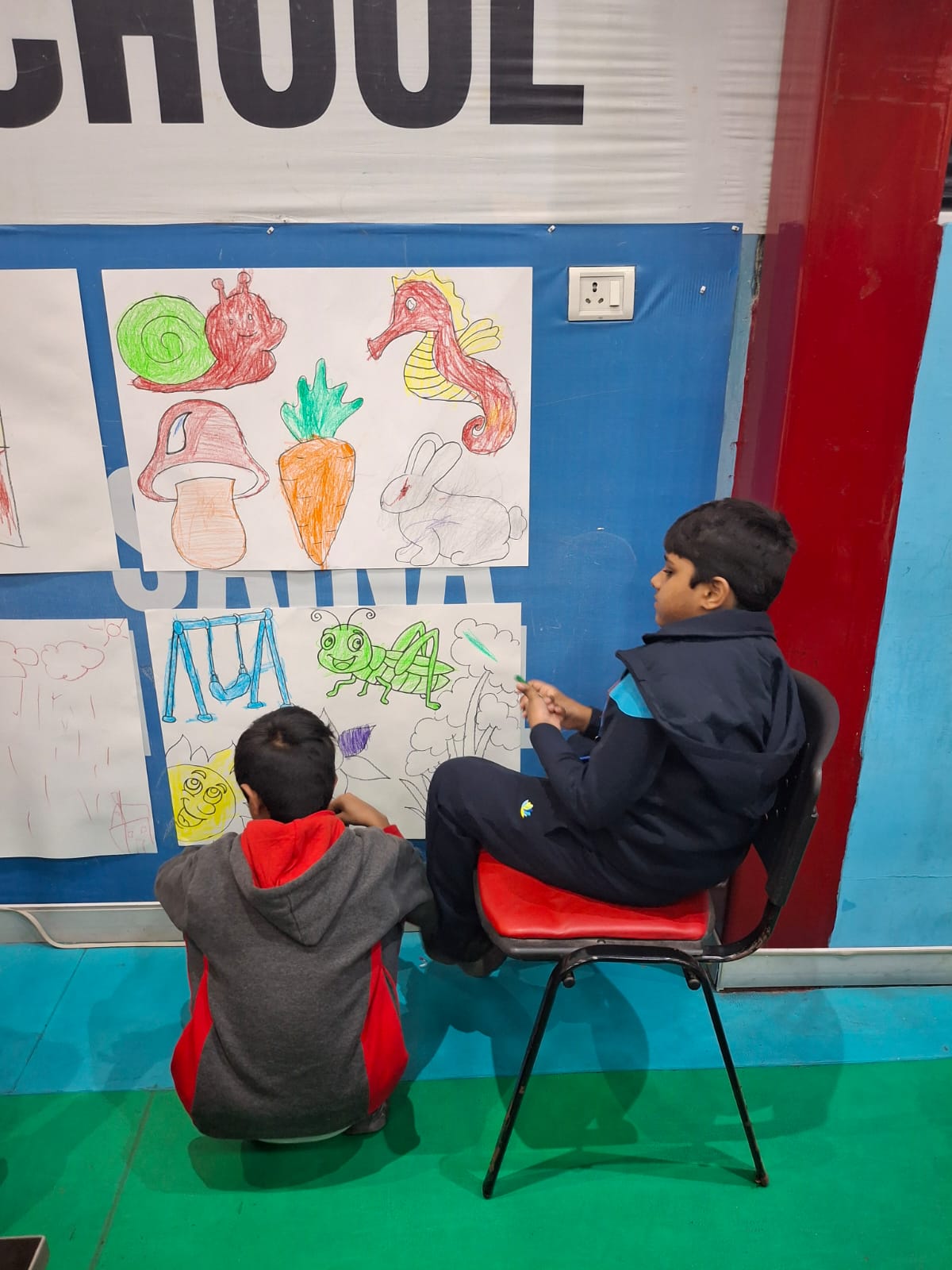
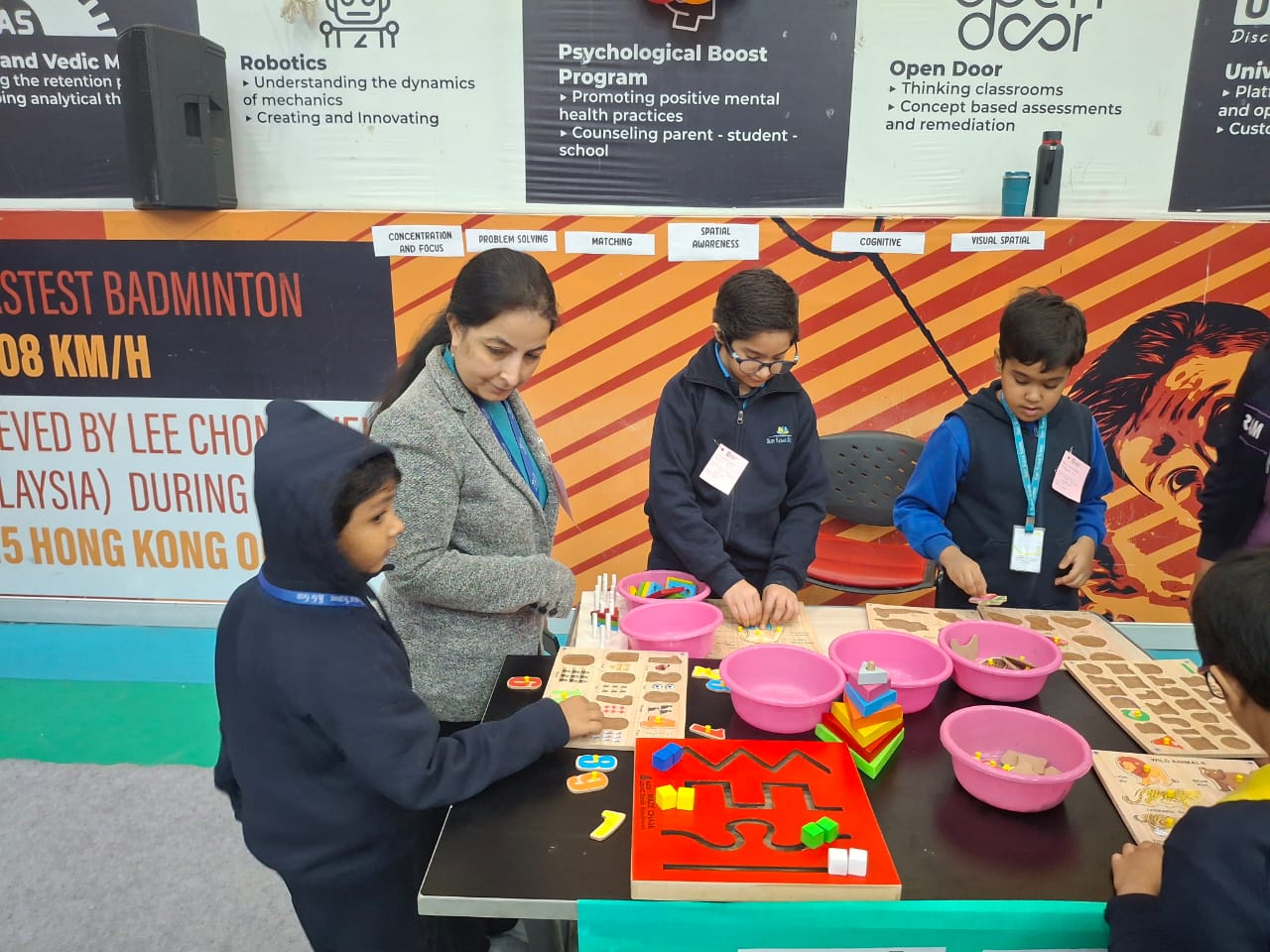
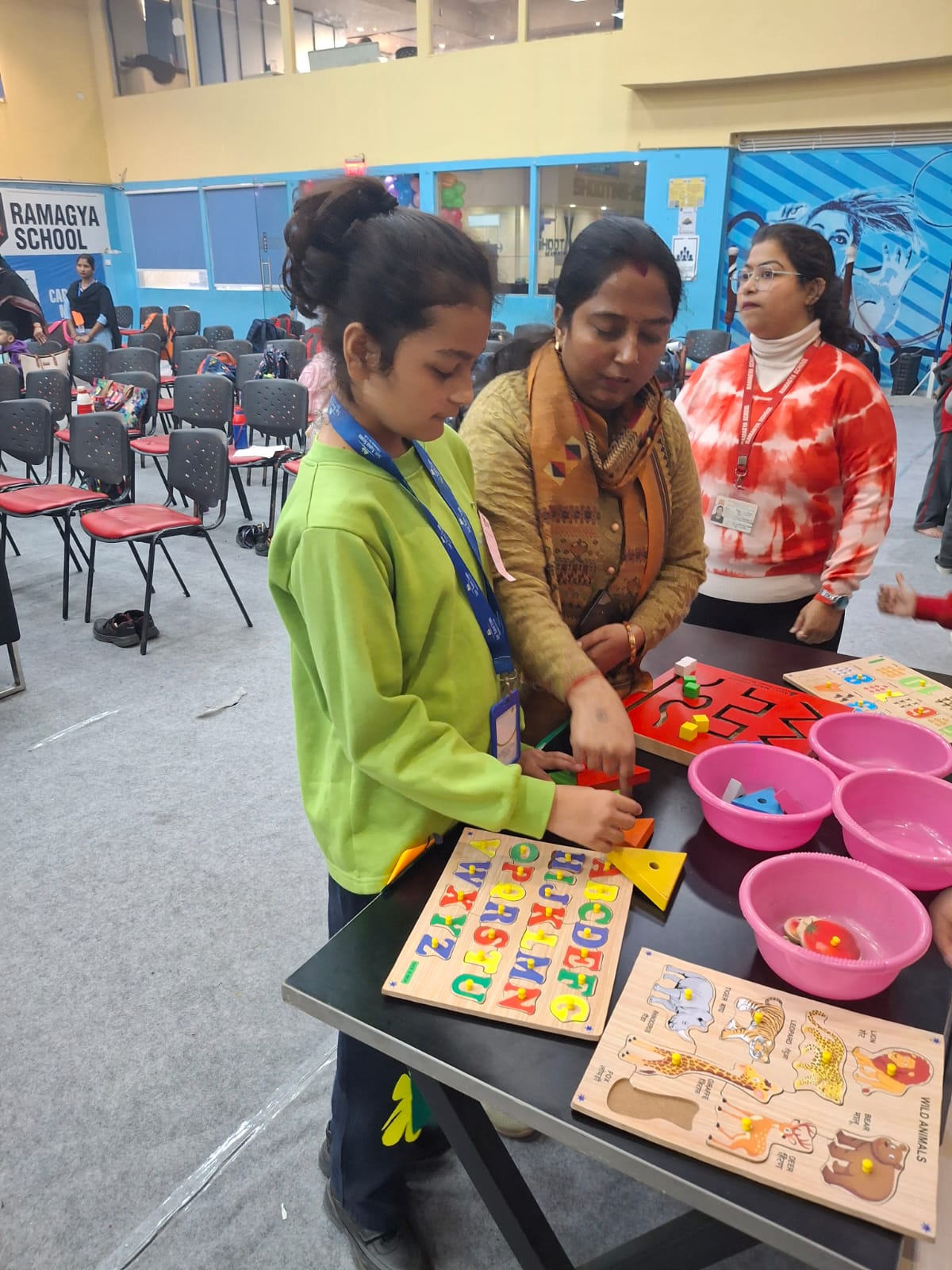
Five students from Shiv Nadar School, Faridabad spent a heartwarming and lively morning at the inclusive inter-school event “Play Date – Friends Across Schools” hosted by Ramagya School, Noida.

The day unfolded with laughter, ease, and genuine connection. Our learners moved freely across thoughtfully designed activity zones, each offering a chance to explore, create, and collaborate.

  • At the puzzle station, some children worked with keen focus—solving, arranging, and celebrating each small success.
  • The art deck invited others to play with colour and texture, expressing themselves through paints and craft materials.
  • The obstacle course and music station kept the energy high, blending movement, rhythm, and joyful exploration.

The host school created an environment that felt safe, warm, and truly inclusive. A special mention goes to the senior students of Ramagya School, whose gentle and patient interactions added so much to the experience. Their support helped our children participate with comfort and confidence.

It was a beautiful reminder of what inclusive spaces can offer—shared moments of joy, meaningful connections, and the freedom for every child to be themselves.


Competition ,

Creative ,

Cricket ,

Curriculum ,

Dance ,

Economy ,

Education ,

Education For Life ,

Environment ,

Fitness ,

IB ,

Innovation ,

Leadership ,

Lifestyle ,

Middle ,

Music ,

Nature ,

Nutrition ,

Outbound Learning ,

Parenting ,

Performing Arts ,

Philosopy ,

Pre Primary ,

Primary ,

Progressive ,

Reading ,

Relationships ,

School ,

School Life ,

Science ,

Secondary ,

Senior Secondary ,

SNS Guest ,

Soccer ,

Speaker ,

Sports ,

Theatre ,

Travel ,

Visual Arts ,

Welness ,

Writing ,

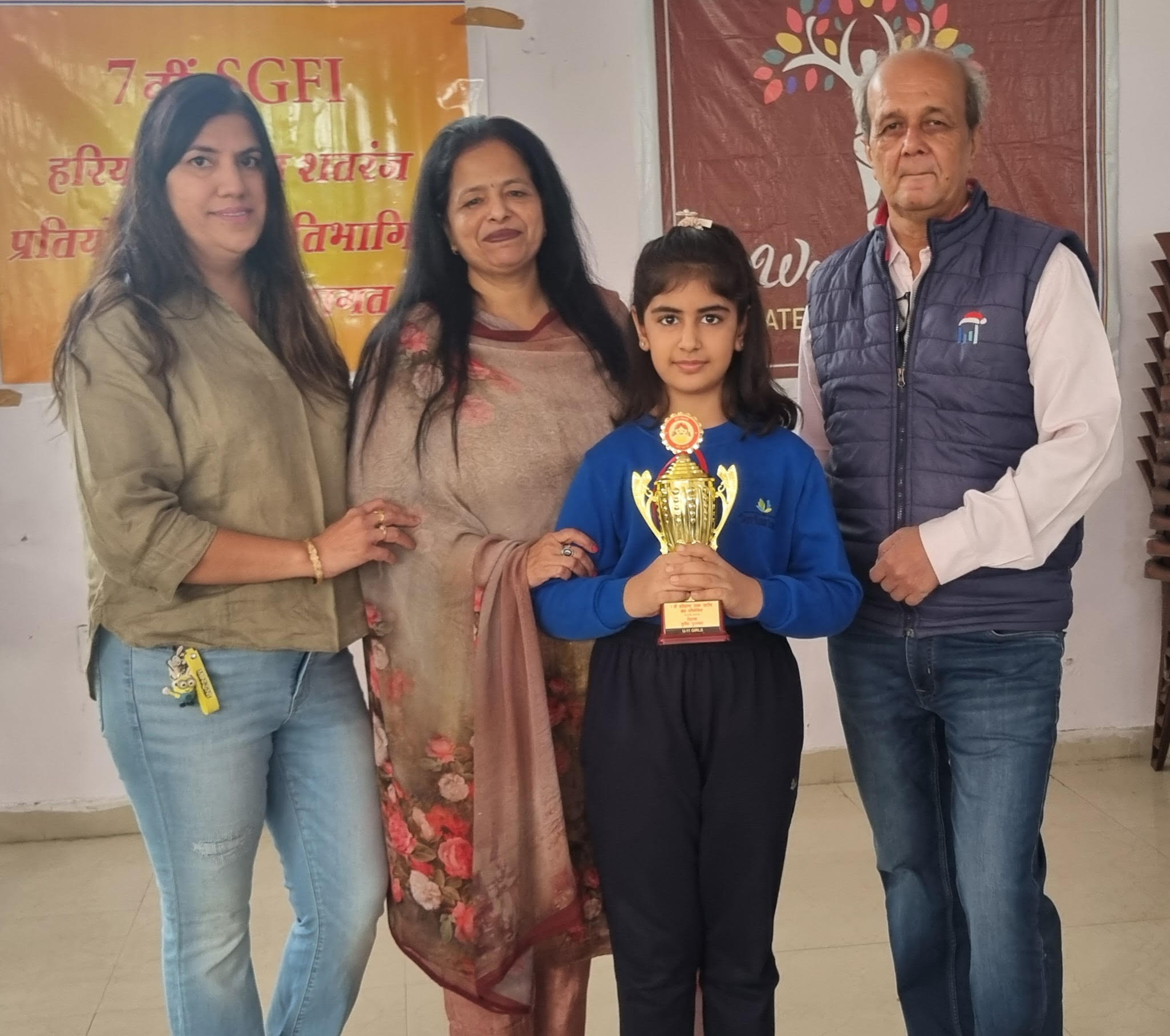
Alishka Rakheja Shines at SGFI State Chess Tournament

Alishka Rakheja, a learner of Grade 3 Sariska, brought laurels to Shiv Nadar School, Faridabad with a commendable performance at the SGFI State Under-11 Girls Chess Tournament.

Representing Team Faridabad, Alishka secured the Third Prize, contributing to the team’s strong finish at the state level. Her focus, discipline, and steady play stood out throughout the tournament.

ALL ,

Arts ,

Award ,

Badminton ,

Board ,

Competition ,

Curriculum ,

School ,

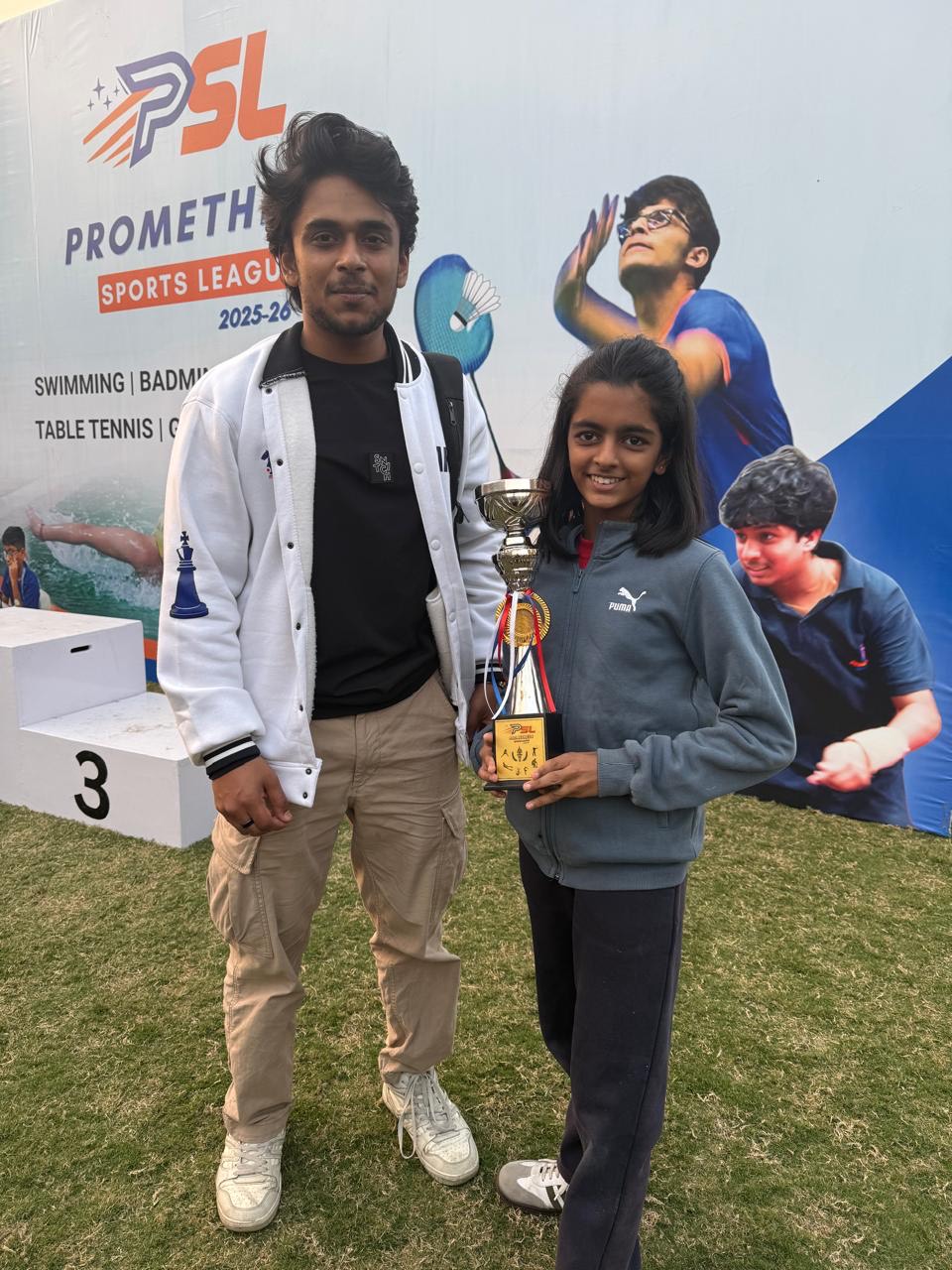
Tisha Lakhani Shines at Prometheus Sports League (PSL) 2025–26

Tisha

Tisha Lakhani, a student of Grade 6 – Ranthambore at Shiv Nadar School Faridabad, participated in the Chess Event of the Prometheus Sports League (PSL) 2025–2026, held at Prometheus School, Noida on 29th and 30th November 2025.

She earned the 3rd position in the Under-13 Girls category — a commendable achievement that reflects her focus, discipline, and growing mastery in chess.

A proud moment for Tisha, her family, and the entire school community.


ALL ,

Arts ,

Award ,

Badminton ,

Board ,

Competition ,

Curriculum ,

School ,

Listening to the Hundred Languages of Children

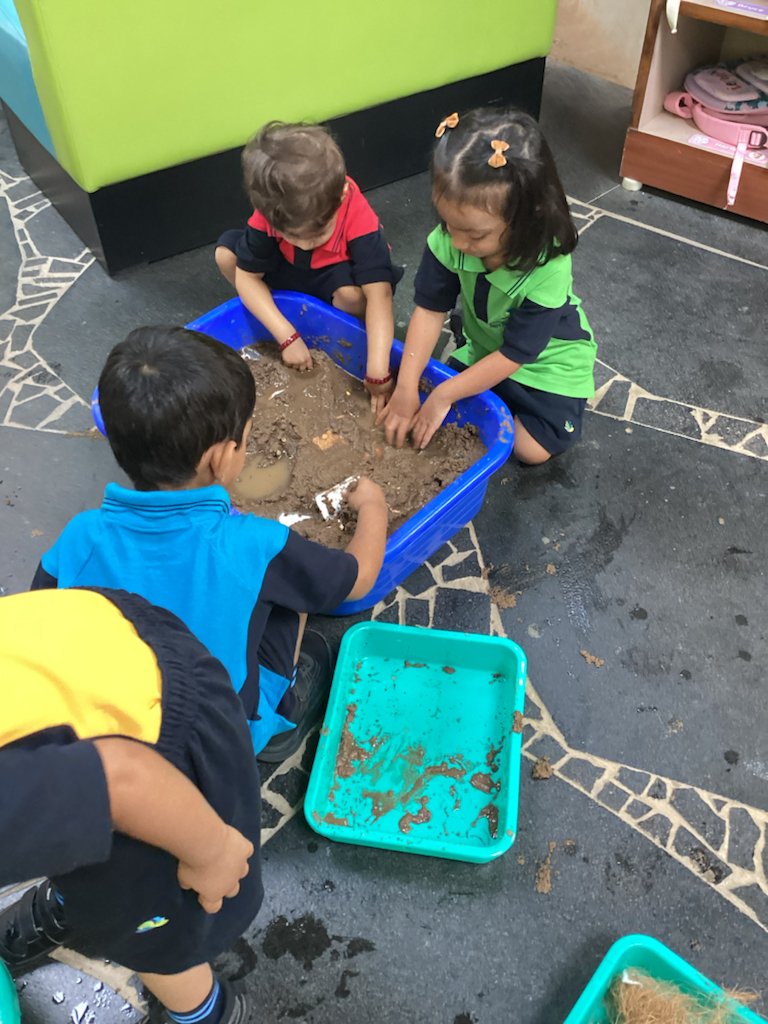
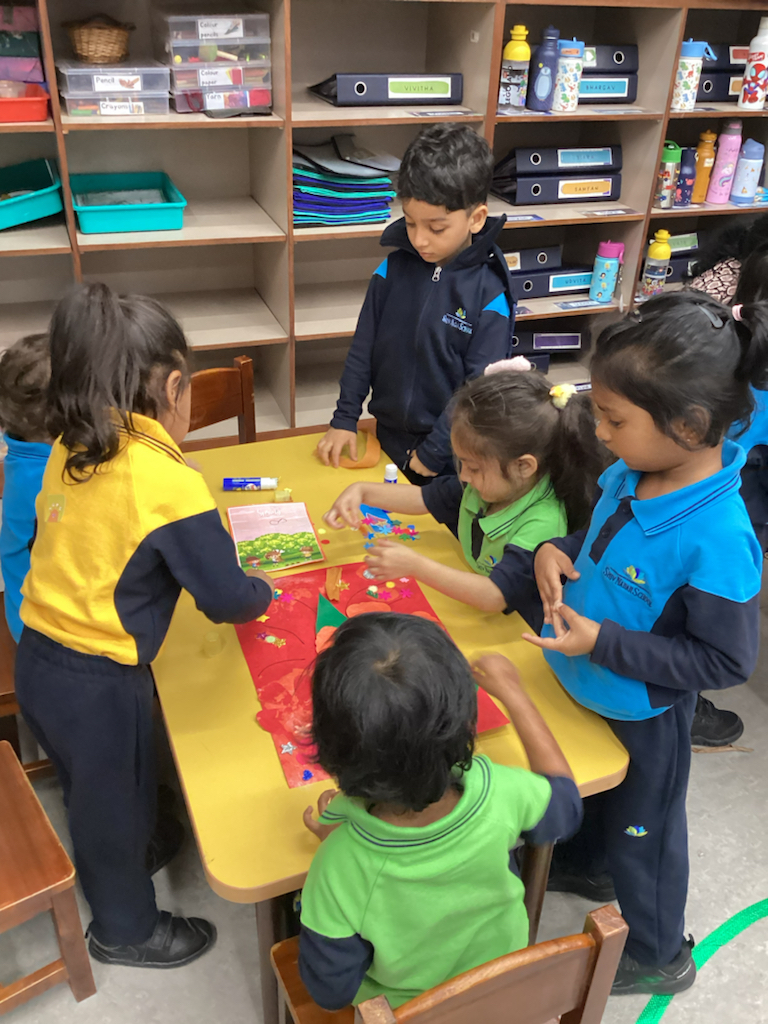
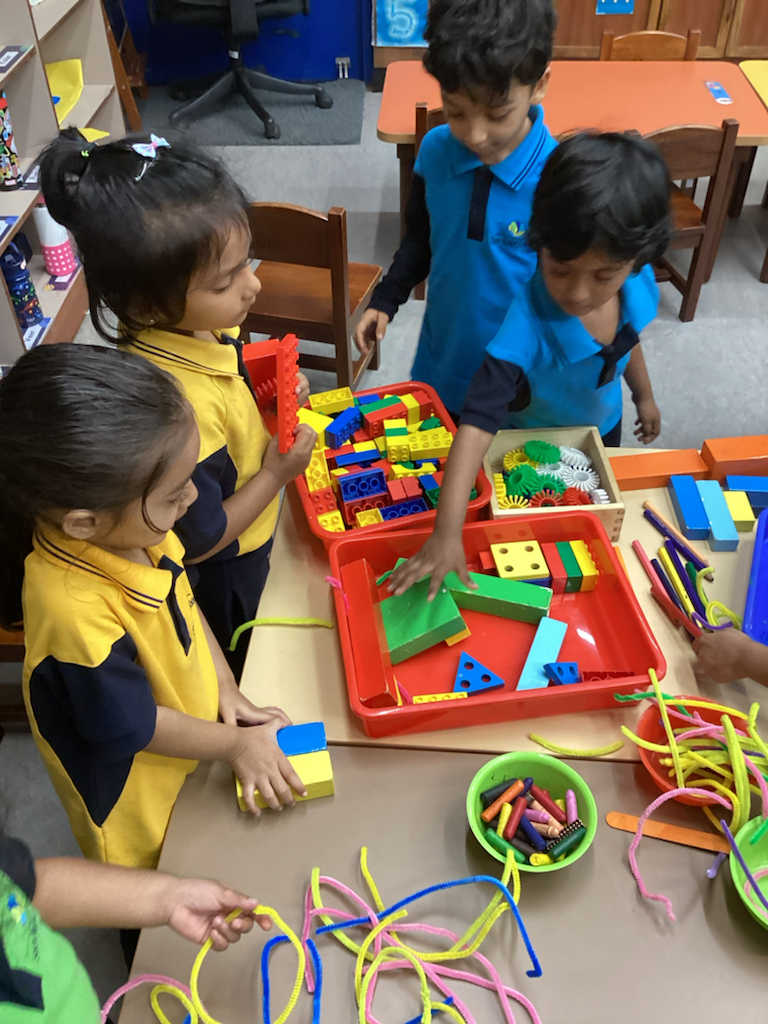
At Shiv Nadar School, our Early Years classrooms are places of wonder — where play based learning is not just an activity but a way of thinking, exploring, and expressing. We believe that every child speaks in a hundred different ways: through movement, art, storytelling, laughter, and curiosity. Our approach to play based learning in early childhood ensures that children discover, question, and create through meaningful, joyful engagement. 

In our learning spaces, children are encouraged to express what they know and feel through hands-on play based learning activities. Every block tower, every song, every brushstroke tells a story of discovery and growth. 

Exploration and Wonder

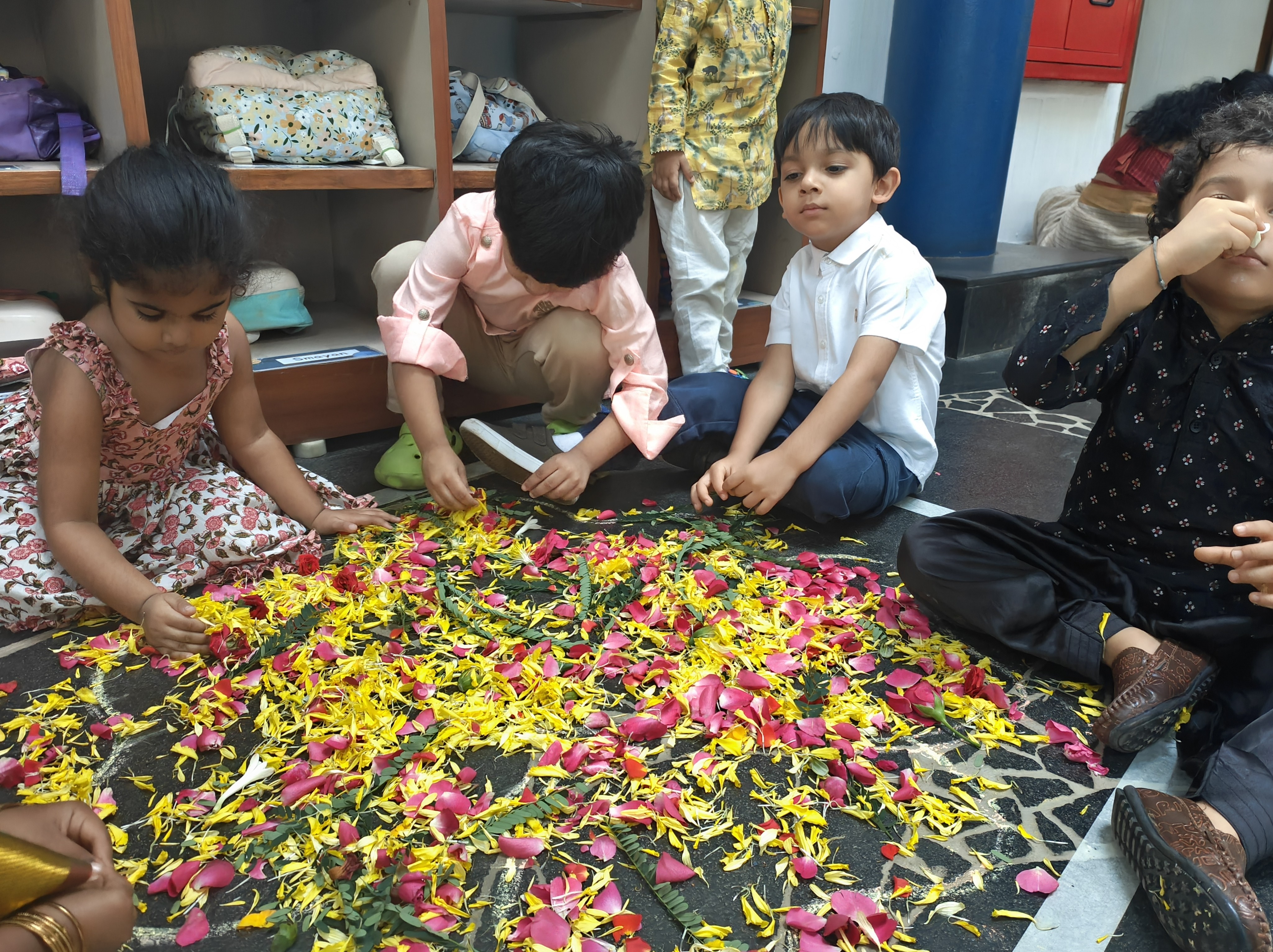
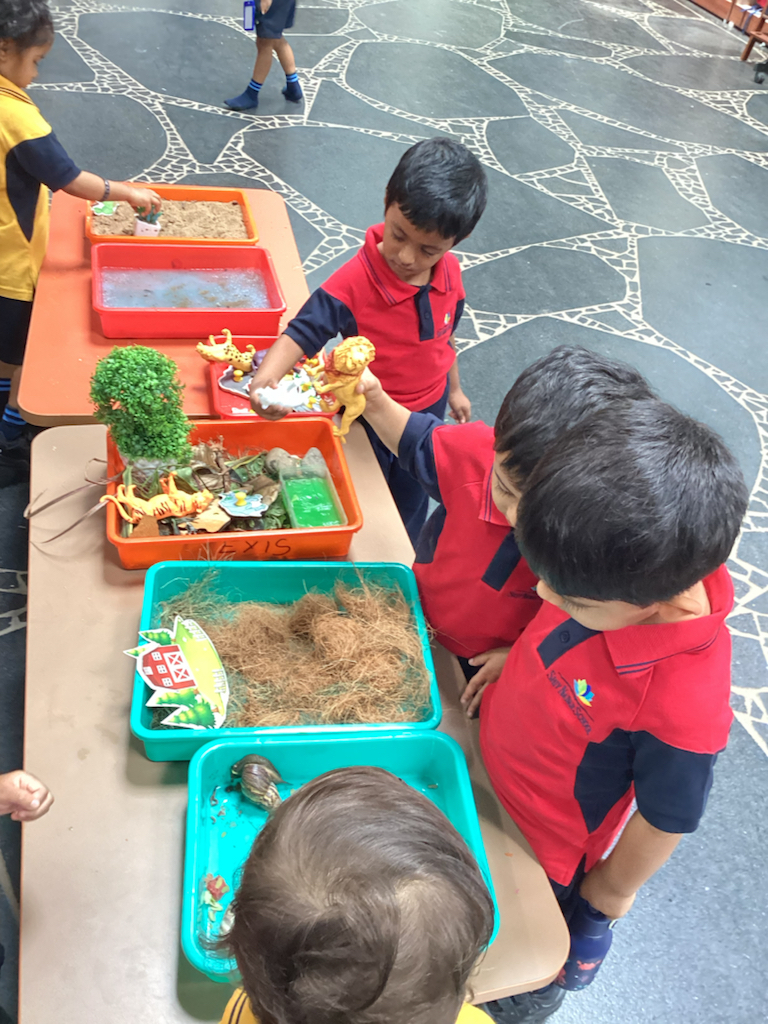
Our learners are natural explorers. They use their senses and imagination to make sense of the world  around them. During our recent inquiry into Living Things and Celebrations, classrooms came alive with small-world setups — jungles, oceans, and deserts filled with creatures and stories. 

“Look, the polar bear needs snow!” a child explained, carefully placing cotton near a model animal. In that moment of learning through play in early childhood education, science and storytelling came together beautifully. 

Learners also explored festivals through art and music. Bright colors, joyful patterns, and rhythmic beats filled our spaces. “I’m painting fireworks because they make people happy,” said another child, showing how emotion and creativity are deeply linked. 

For teachers, every playful moment became a window into children’s thinking. Through observation and gentle questions — “What makes this animal special?” or “How does your celebration sound?” — we guided learners to deepen their curiosity and understanding. These interactions highlight how early years learning through play forms the foundation for inquiry and imagination. 

Collaboration and Expression

As learners grow, their play naturally becomes more social and expressive. In our Early Years classrooms, collaboration is at the heart of play based learning. 

During our unit on Communities and Family, learners designed homes and community spaces using blocks and loose parts. “We need a roof so it doesn’t rain inside,” one suggested. Together, they planned, built, and reflected — developing problem-solving and teamwork skills in the process. 

Dramatic play areas buzzed with activity. Through role play, learners explored empathy, responsibility, and belonging — core benefits of play based learning in early childhood. 

Art also became a shared language. Family portraits, drawings of plants, and collaborative murals reflected how children see growth, change, and connection. These experiences show how playing and learning through play in early childhood education support communication, confidence, and care — key qualities that define our philosophy. 

Reflection and Representation

In EY3, reflection becomes a natural extension of play. Children revisit their experiences, look at photos, drawings, and portfolios, and talk about what they’ve learned. 

“I remember when we planted this seed — now it’s growing!” a child shared during a reflection circle. Revisiting moments like these helps children see their own growth — both in skill and in self-awareness. 

Storytelling and journaling are other powerful tools for reflection. When children narrate how they cared for plants or helped a friend, they express empathy and understanding. “I water my plant every day because it gets thirsty like me,” one child said — a small but profound connection between care and compassion. 

Quiet moments of observation also play an important role. Watching shadows move or sketching leaves nurtures mindfulness, patience, and wonder, reinforcing the reflective side of early years learning through play. 

The Many Languages of Learning

Across our Early Years classrooms, we see the harmony of many languages — exploration through play, expression through collaboration, and reflection through representation. 

Every playful interaction reveals deep thinking. Every creation, conversation, and story tells us how children see their world. 

At Shiv Nadar School, play based learning is the foundation of learning. It is through learning through play in early childhood education that children inquire, imagine, and build meaningful connections. When we listen closely — not only with our ears but with our hearts — we discover that children are not just learning about the world; they are teaching us how to see it. 

“When we listen with wonder, we realize that every moment of play is a moment of learning.”

2025-11-26

Subscribe to Lifestyle