



Vir Taneja Wins Gold at the 8th Inter Warrior Gymnastics Competition
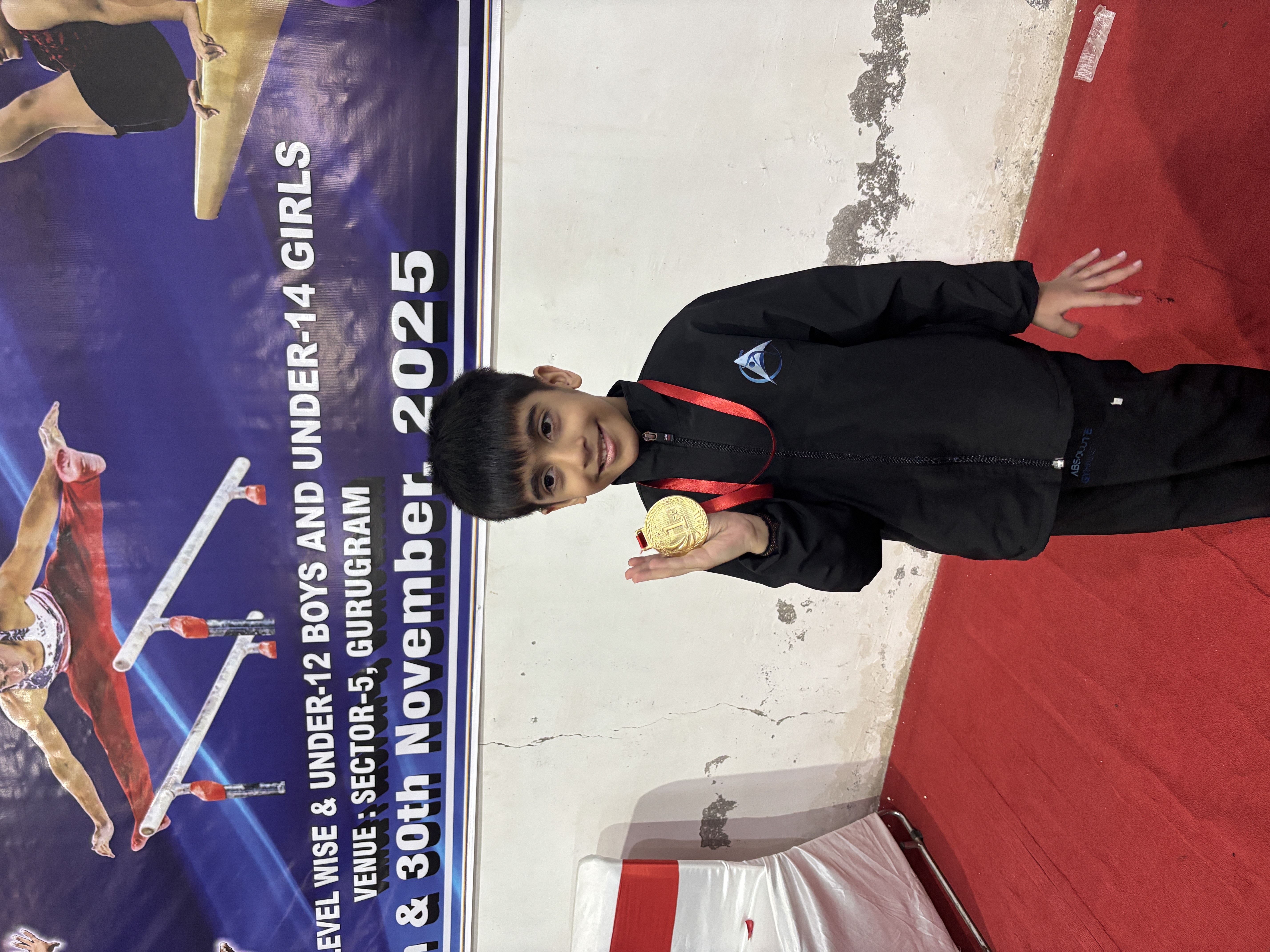
Vir Taneja of Grade 1 (Gir) at Shiv Nadar School, Faridabad, showcased remarkable enthusiasm and confidence at the 8th Inter Warrior Gymnastics Competition.
Competing in Level 1, he won the Gold Medal, marking an impressive milestone early in his sporting journey. His performance reflects determination and a strong foundation in gymnastics.
Heartiest congratulations to Vir on this outstanding achievement.
Myra Taneja Secures Silver at the 8th Inter Warrior Gymnastics Competition
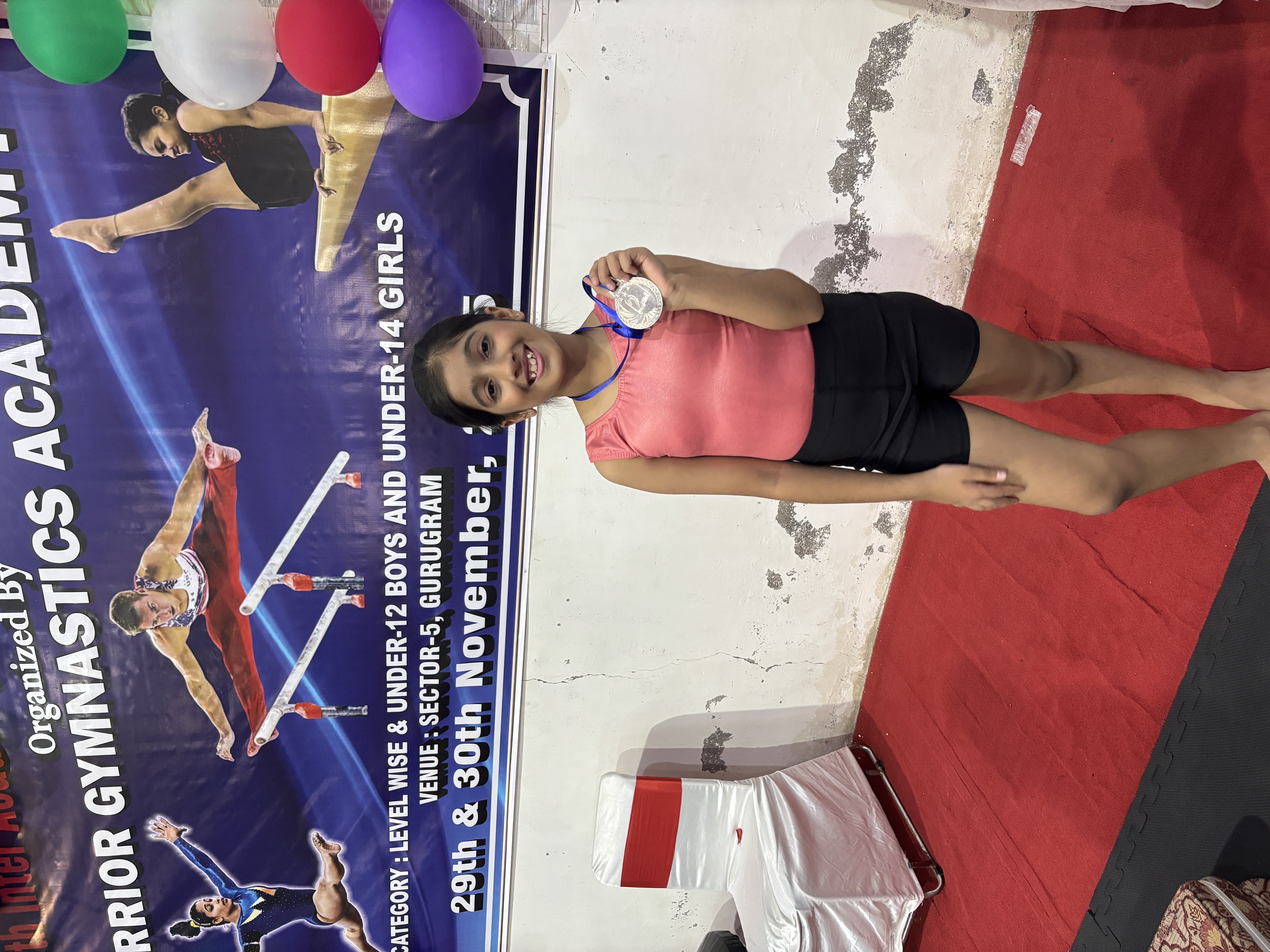
Myra Taneja of Grade 5 at Shiv Nadar School, Faridabad, delivered a poised and confident performance at the 8th Inter Warrior Gymnastics Competition.
Competing in Level 3, she secured the Silver Medal, reflecting her consistent training, strength, and composure across routines. Her achievement stands as a testament to her dedication and disciplined preparation.
We congratulate Myra on this proud accomplishment and wish her continued success in her gymnastics journey.
Wings Spotted, Curiosity Sparked: Shiv Nadar School Faridabad Takes Flight with the Campus Bird Count
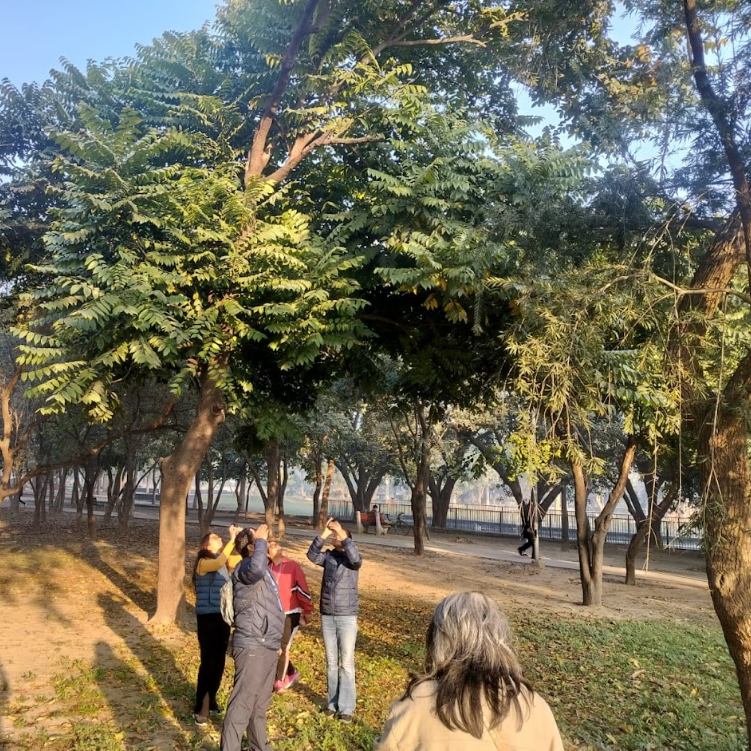
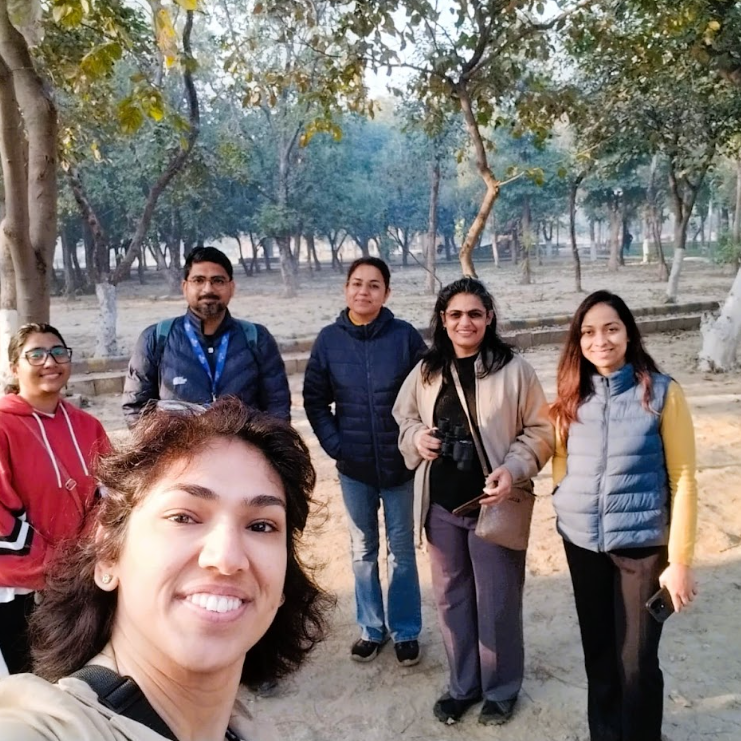
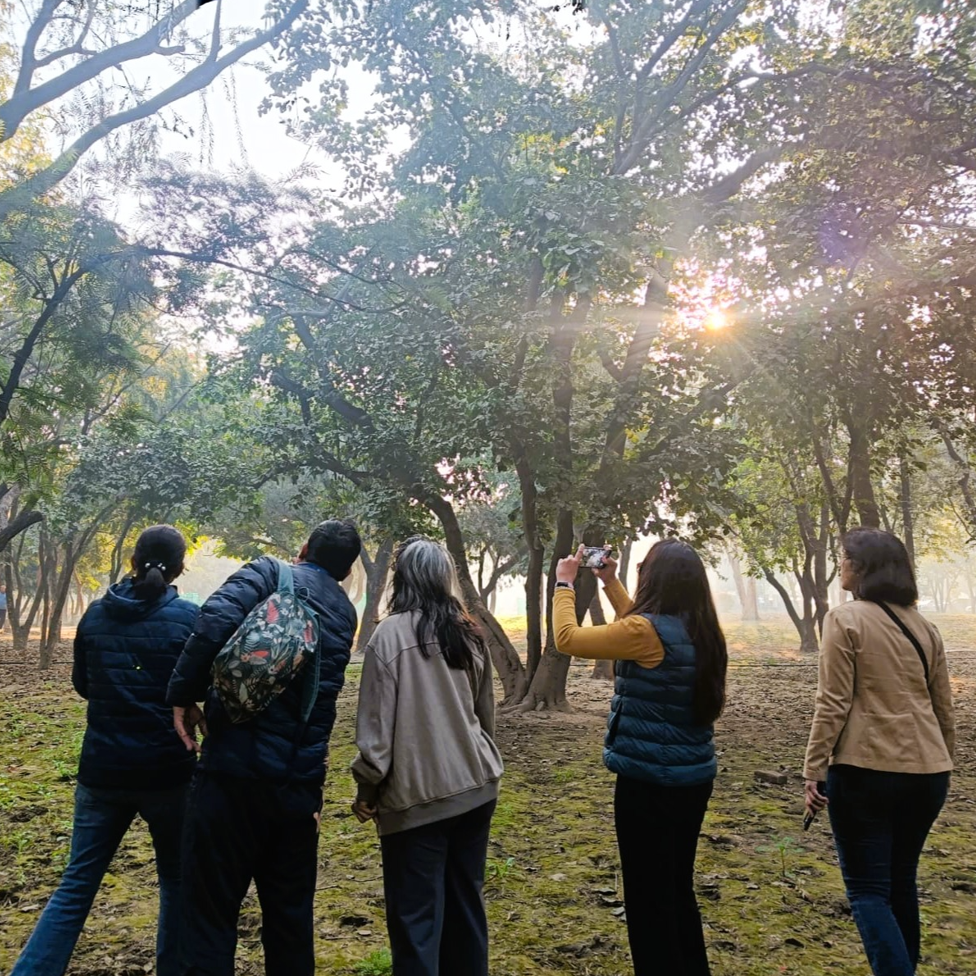
Shiv Nadar School Faridabad actively participated in the Campus Bird Count, a nationwide initiative under Great Backyard Bird Count (GBBC) that brings institutions together to document birdlife across shared spaces. In 2025, over 270 campuses submitted more than 8,000 bird checklists, reflecting the scale and collective impact of this conservation effort.
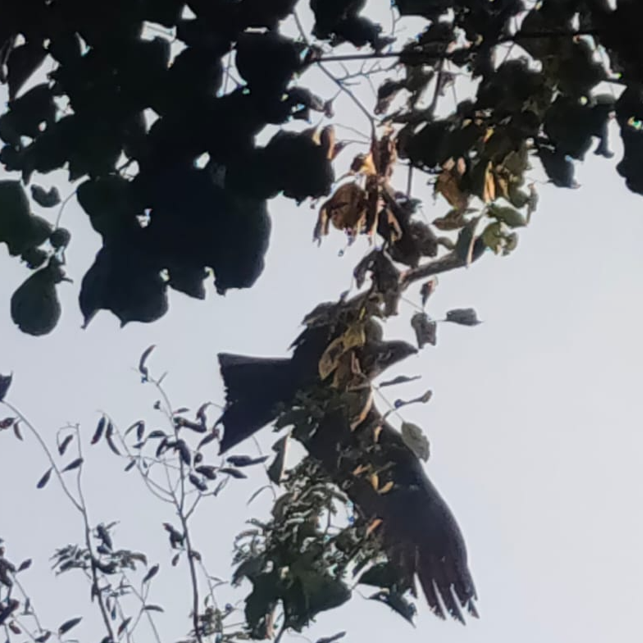
Teachers and facilitators engaged in systematic bird observation and data recording across designated campus locations. During the initiative, the team identified a few migratory bird species that had temporarily settled in nearby areas, contributing meaningful insights to local biodiversity records.
Students reported to school in the early morning and were guided to specific bird-watching spots across the campus. The exercise encouraged careful observation, documentation, and reflection. The cost of participation was fully borne by the school, ensuring inclusive engagement.
The initiative served as a powerful platform for experiential learning, strengthening environmental awareness, research skills, and collaboration. Through its participation, Shiv Nadar School Faridabad reaffirmed its commitment to sustainability, conservation, and nurturing ecological responsibility among learners.
Inspiring Purposeful Action: Community Project Session for IB MYP 3 at Shiv Nadar School Faridabad
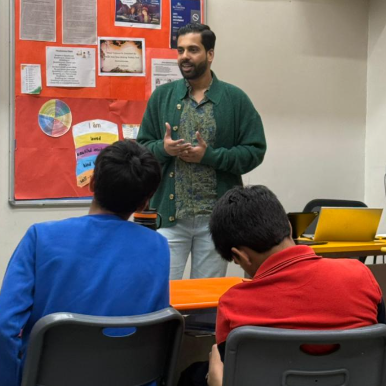
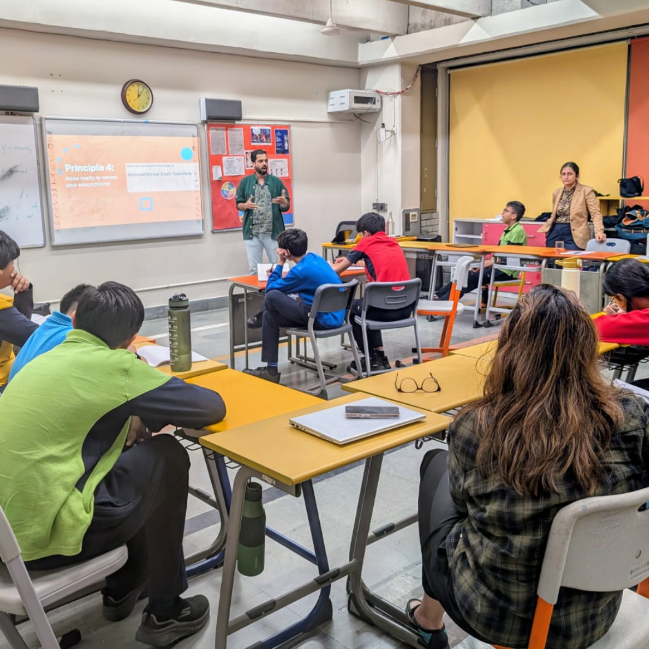
A focused and engaging session on the Community Project was conducted for students of the International Baccalaureate (IB) Middle Years Programme (MYP) 3 at Shiv Nadar School Faridabad by guest speaker Mr. Jophen.
He began by outlining the purpose, objectives, and assessment criteria of the Community Project, emphasising its role in developing research skills, critical thinking, collaboration, and meaningful service as action. Students gained clarity on how the project extends learning beyond the classroom and encourages responsible engagement with real-world issues.
Mr. Jophen shared practical guidance on selecting relevant and impactful topics, setting achievable goals, and designing structured action plans aligned with genuine community needs.
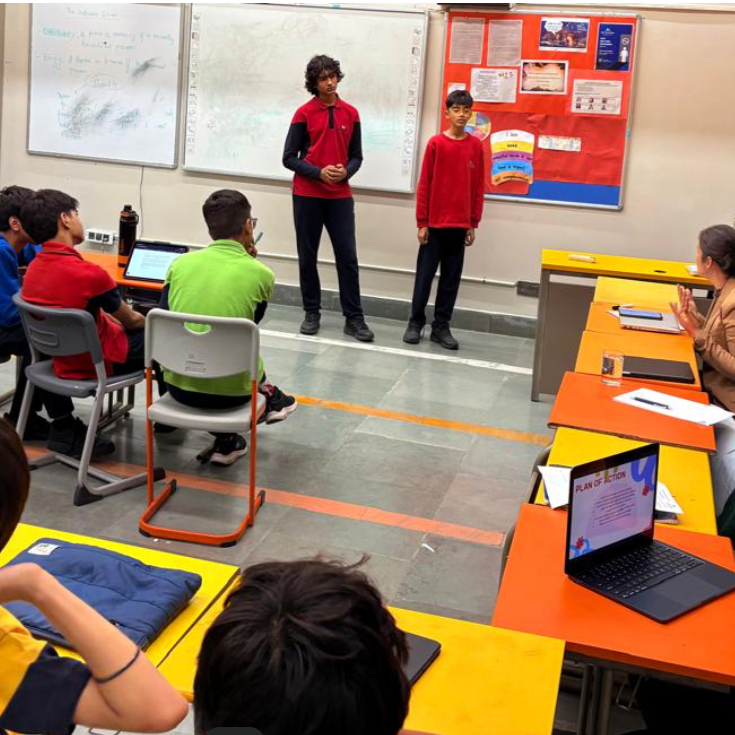
Following the introduction, students presented their project pitches, articulating the issues they had identified, proposed solutions, and step-by-step implementation plans. The interactive exchange allowed them to receive constructive feedback and thoughtful suggestions to refine their ideas and strengthen the potential impact of their initiatives.
The session reinforced the value of purposeful action and empowered students to approach their Community Projects with greater clarity, responsibility, and confidence.
Celebrating Holi Sustainably: IB Middle Years Programme (MYP) 1 Learners Craft Organic Colours with Tender Heart NGO at Shiv Nadar School Faridabad
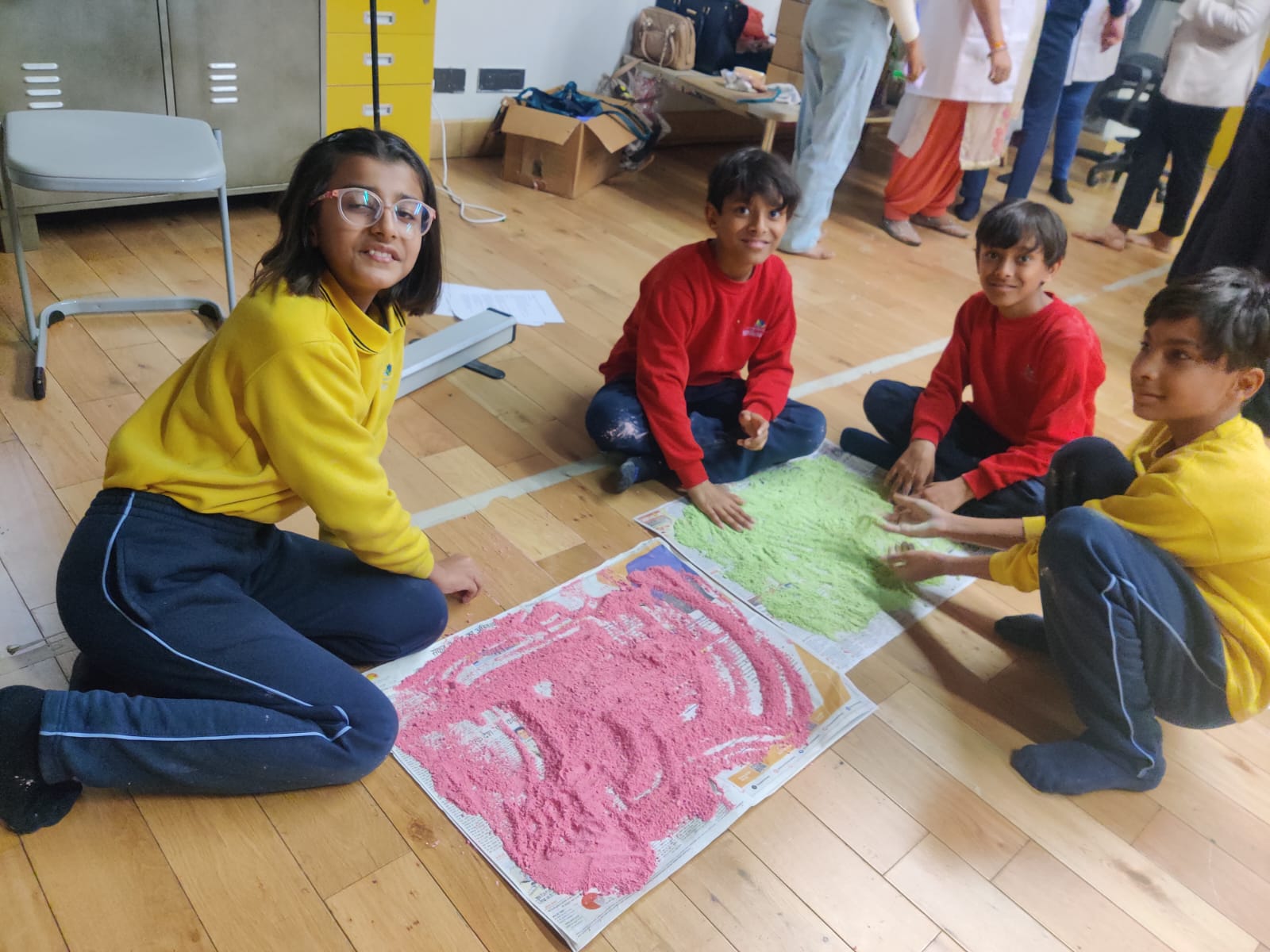
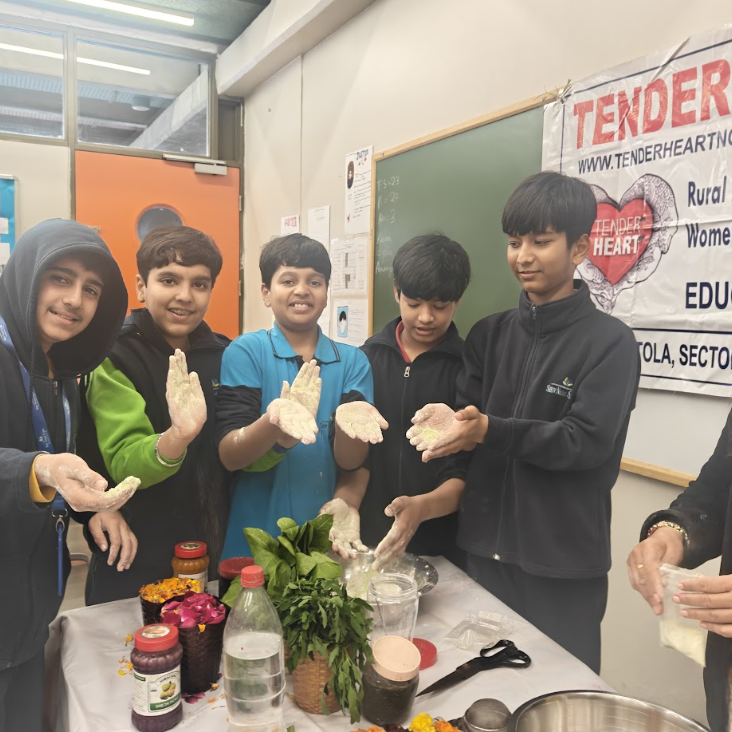
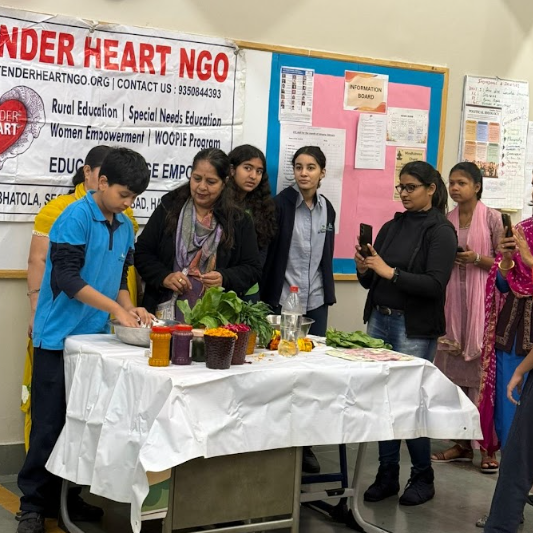
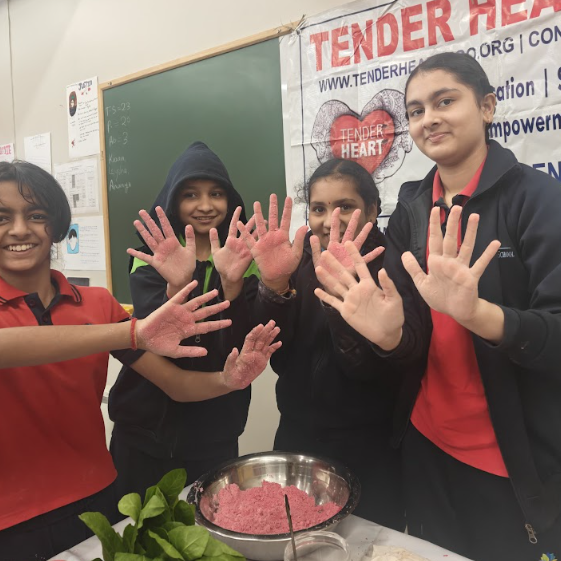
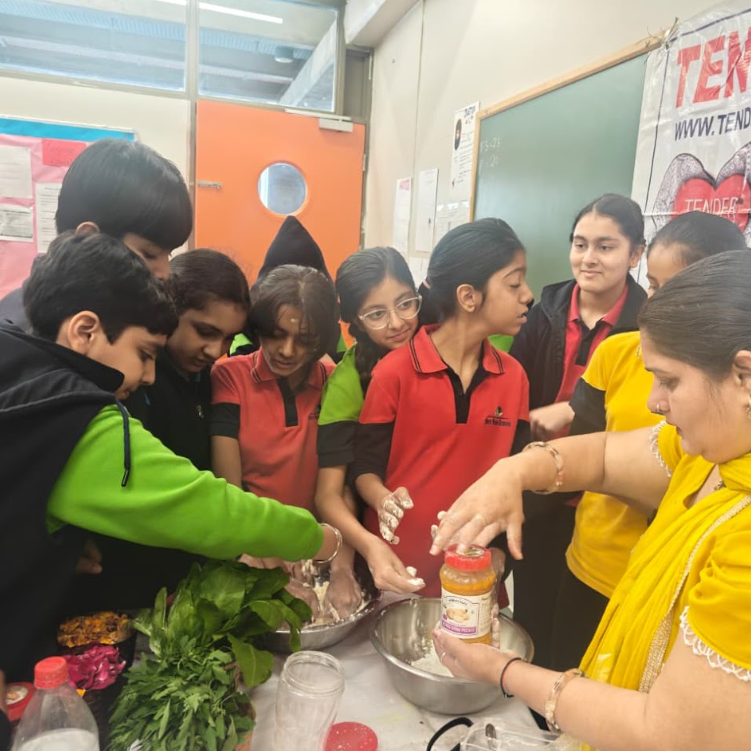
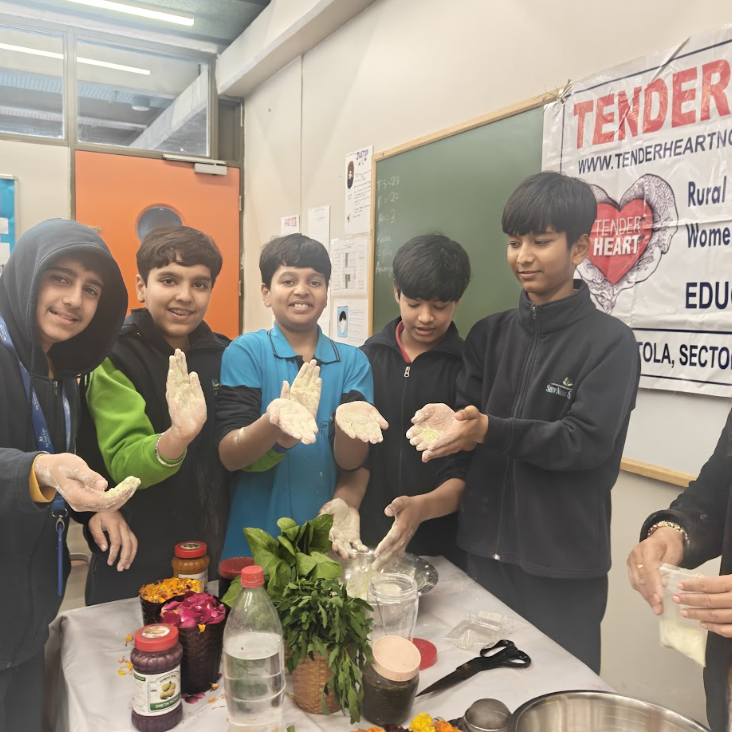
In celebration of the upcoming festival of Holi, students of the International Baccalaureate (IB) Middle Years Programme (MYP) 1 at Shiv Nadar School Faridabad participated in an interactive and educational session conducted by Tender Heart NGO.
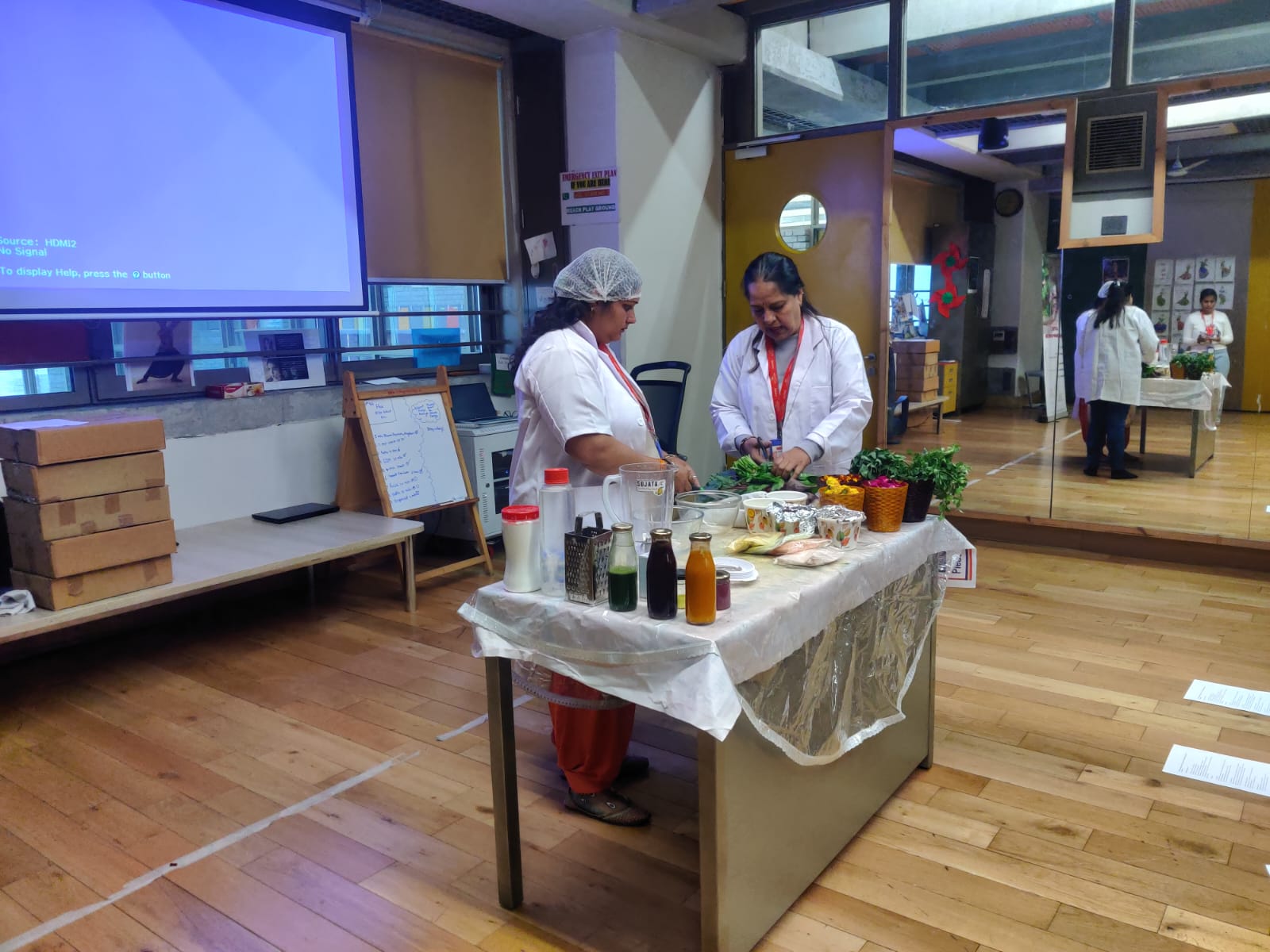
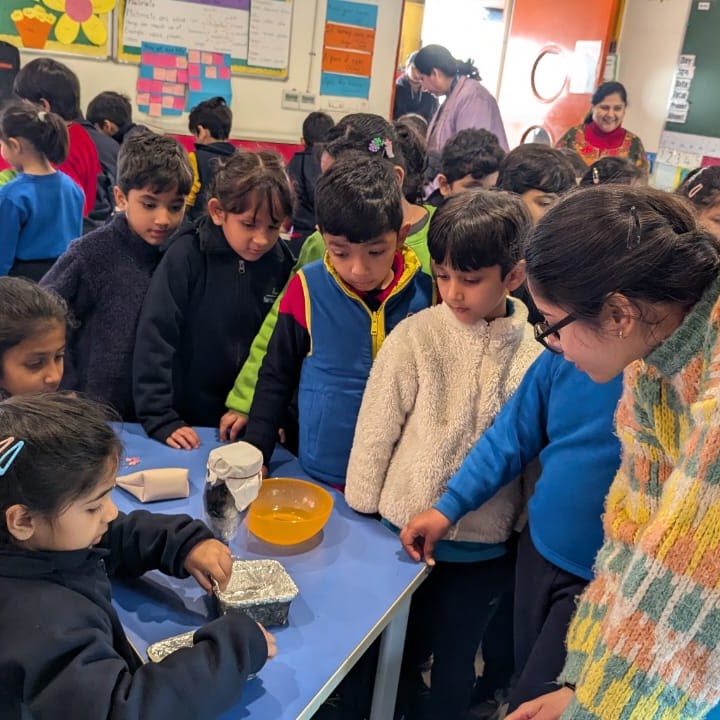
The workshop centred on creating organic, vibrant Holi powders using natural ingredients. The facilitators began by addressing the environmental and health concerns linked to chemical-based colours, prompting students to reflect on how traditional celebrations can be reimagined in more sustainable and responsible ways.
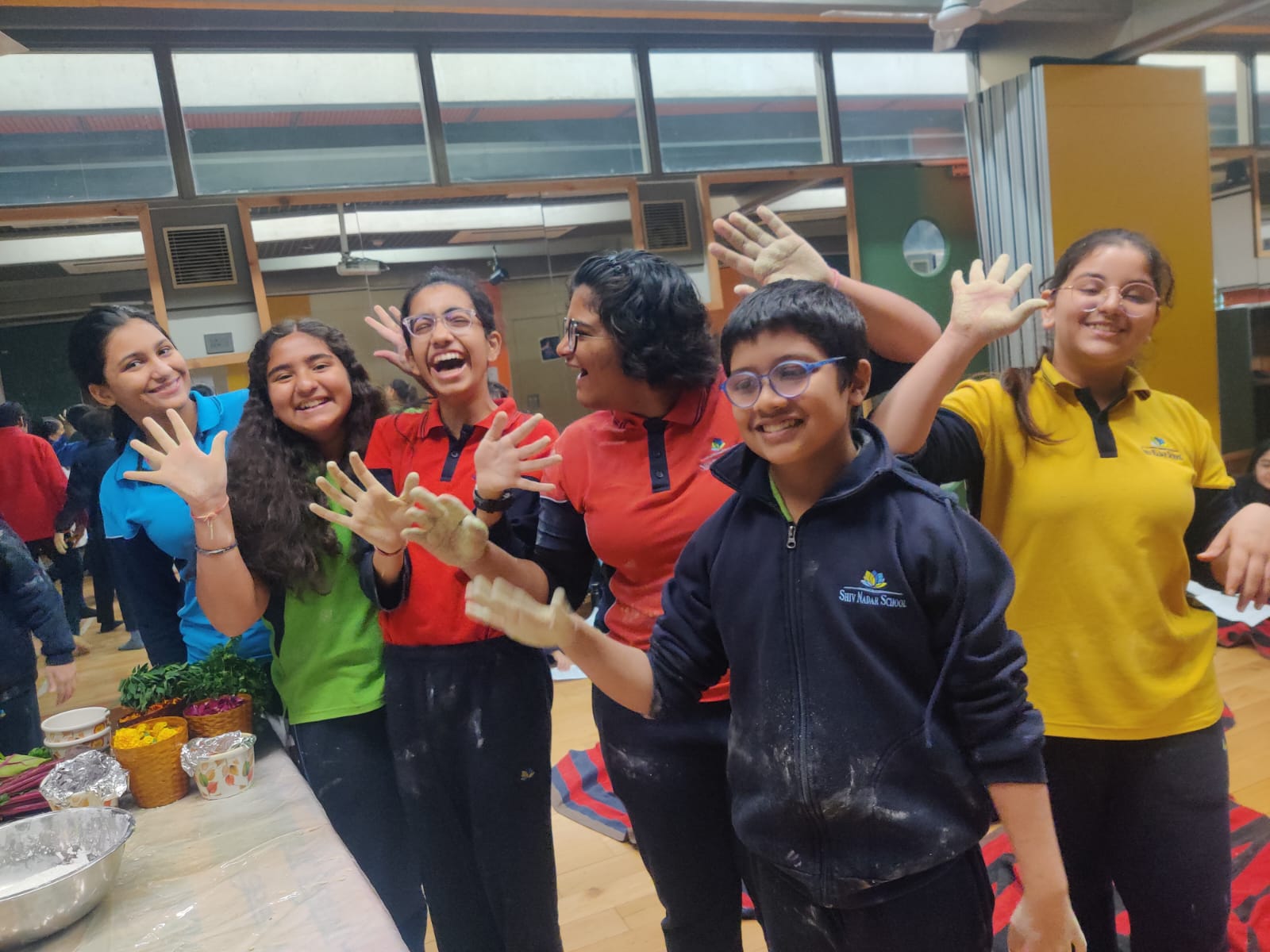
This discussion led into a lively hands-on activity. Under guided supervision, students prepared natural colours using turmeric for yellow, beetroot for pink, and dried flower petals for bright hues. The process was creative, collaborative, and rooted in real-world environmental awareness.
The session strengthened students’ understanding of sustainable practices while fostering teamwork, creativity, and cultural appreciation. It was a meaningful experience that empowered learners to celebrate Holi in a safe, joyful, and environmentally conscious manner.
We extend our sincere gratitude to Tender Heart NGO for guiding our learners towards thoughtful and responsible celebrations.
Exploring Science Beyond the Classroom: Grade 6 Visit to the National Science Centre
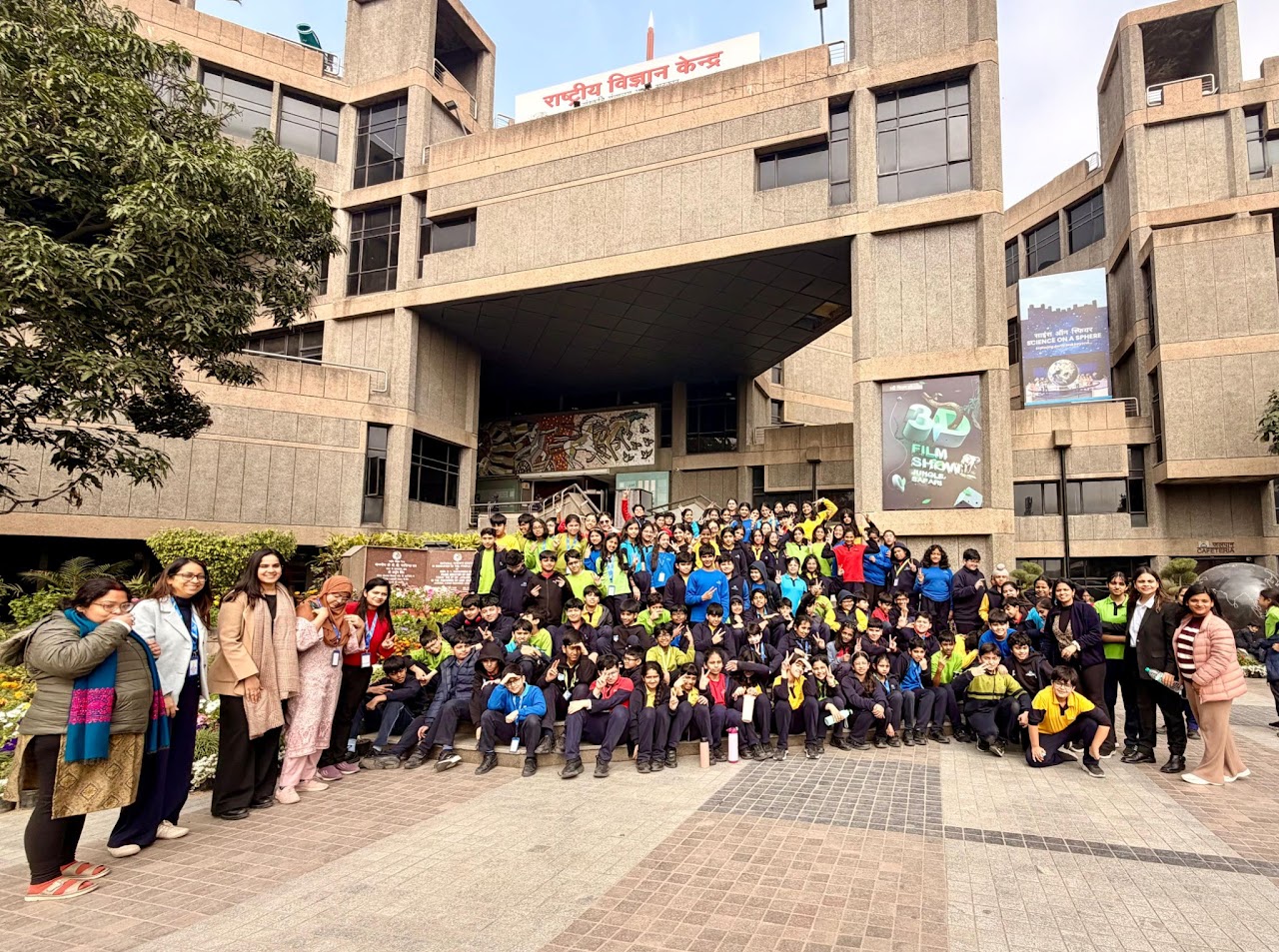
Grade 6 students from Shiv Nadar School Faridabad embarked on an enriching educational excursion to the National Science Centre. The visit provided a dynamic, hands-on exploration of scientific concepts across diverse galleries.
From the Human Biology section to the interactive Fun Science exhibits, learners engaged with models, simulations, and experiments that brought textbook concepts to life. A highlight of the visit was the “Science Spectrum,” where students witnessed live demonstrations illustrating fundamental laws of physics alongside insights into ancient Indian technologies.
The excursion effectively bridged classroom theory with real-world application. It sparked curiosity, encouraged questioning, and deepened students’ appreciation for the relevance of science in everyday life.
Nurturing Healthy Choices: Nutrition & Wellness SessionNurturing Healthy Choices: Nutrition & Wellness Session
Grade 4 students at Shiv Nadar School Faridabad participated in an engaging and informative session with Shruti Bhanot, Deputy Manager and Nutritionist at HCL Healthcare.
The session explored key topics such as digestion, macro and micronutrients, healthy daily habits, and acid reflux. Students gained a clear understanding of how the body processes food and why balanced meals and mindful eating matter. The discussion on healthy habits highlighted the importance of regular physical activity, adequate hydration, and reducing the intake of processed foods.
Ms. Bhanot also addressed acid reflux in a simple and relatable manner, offering practical tips to manage and prevent it through conscious food choices and lifestyle adjustments.
The session concluded with students taking a pledge to care for their bodies by making informed food choices and adopting healthy routines. It was a meaningful learning experience that empowered young learners to take responsibility for their well-being.
Weaving Stories, Sparking Reflection: An Engaging Author Interaction
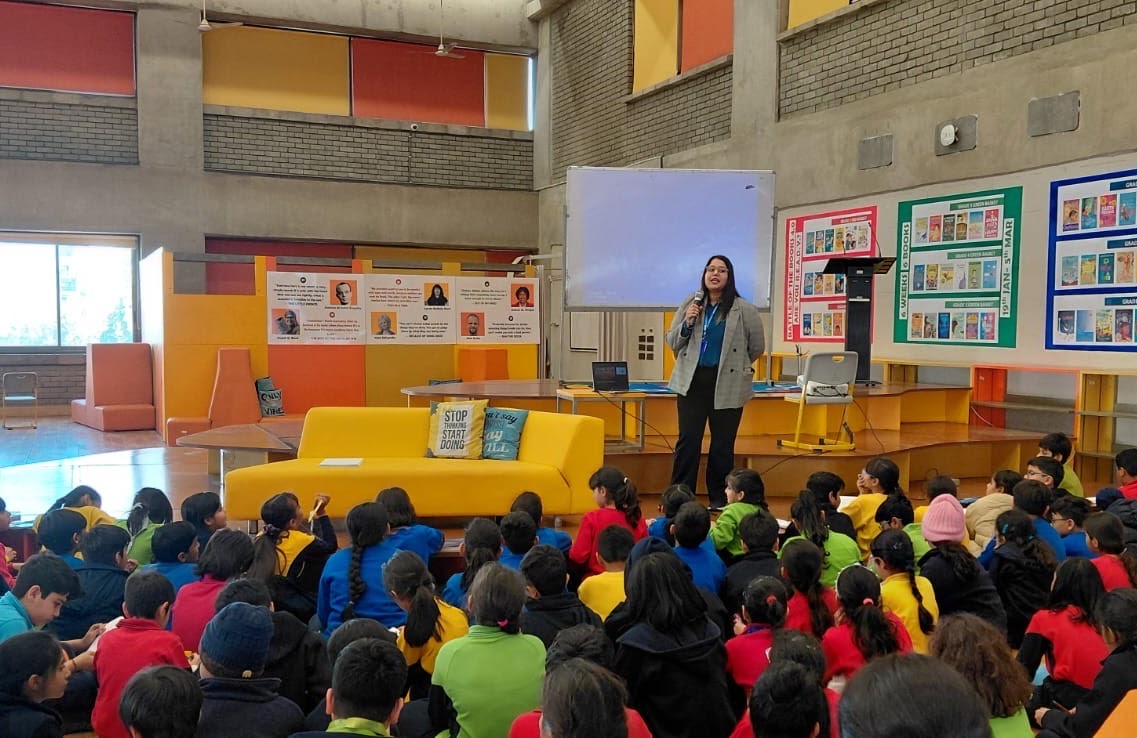
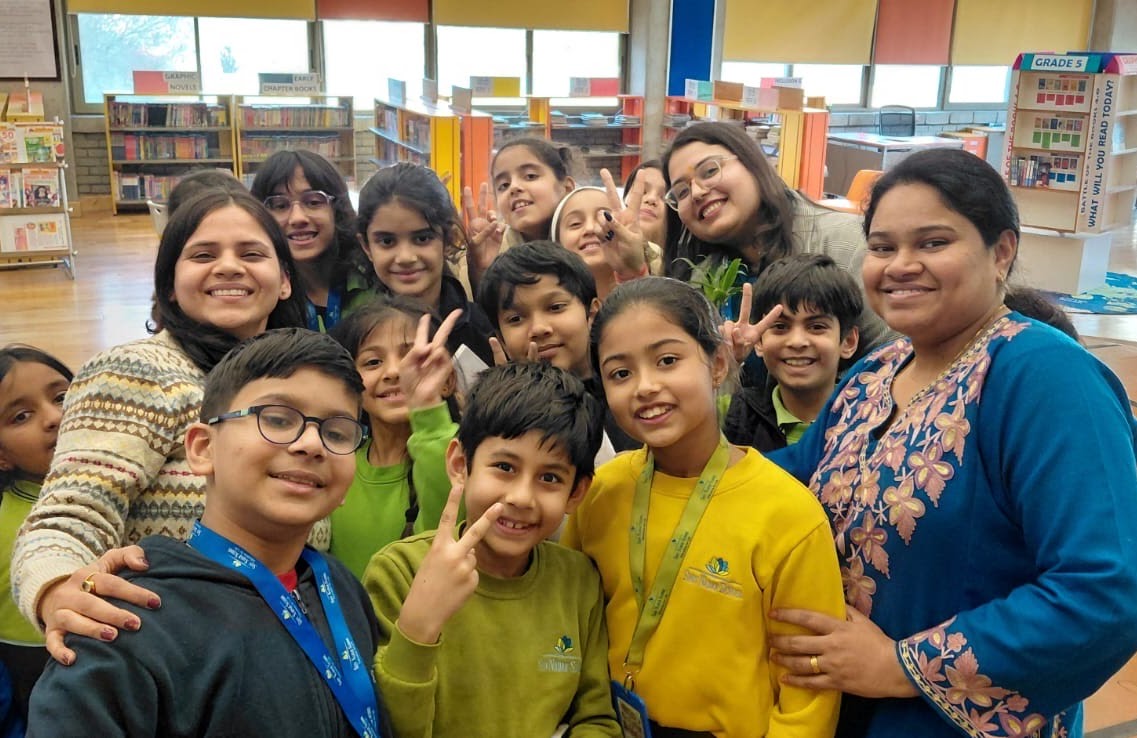
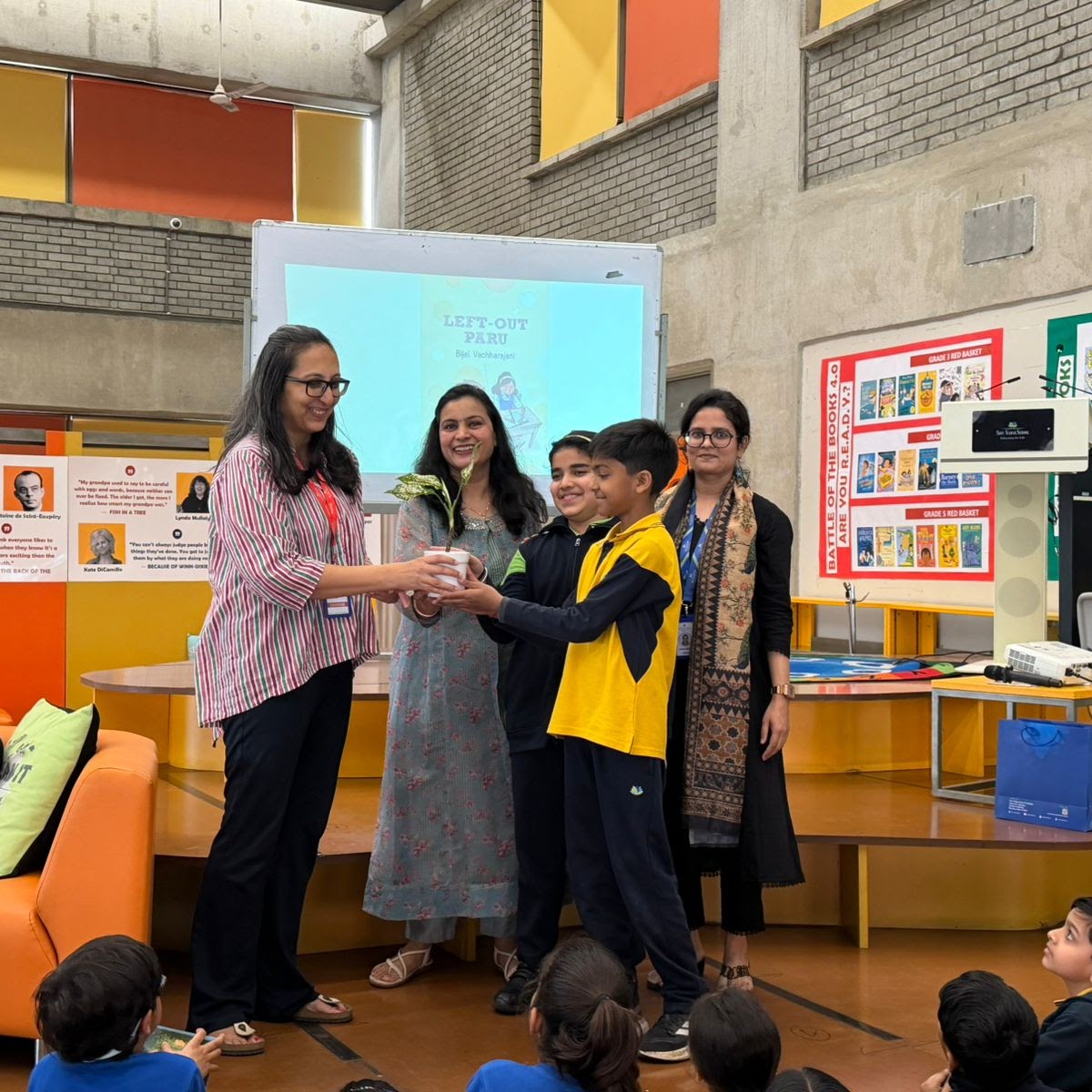
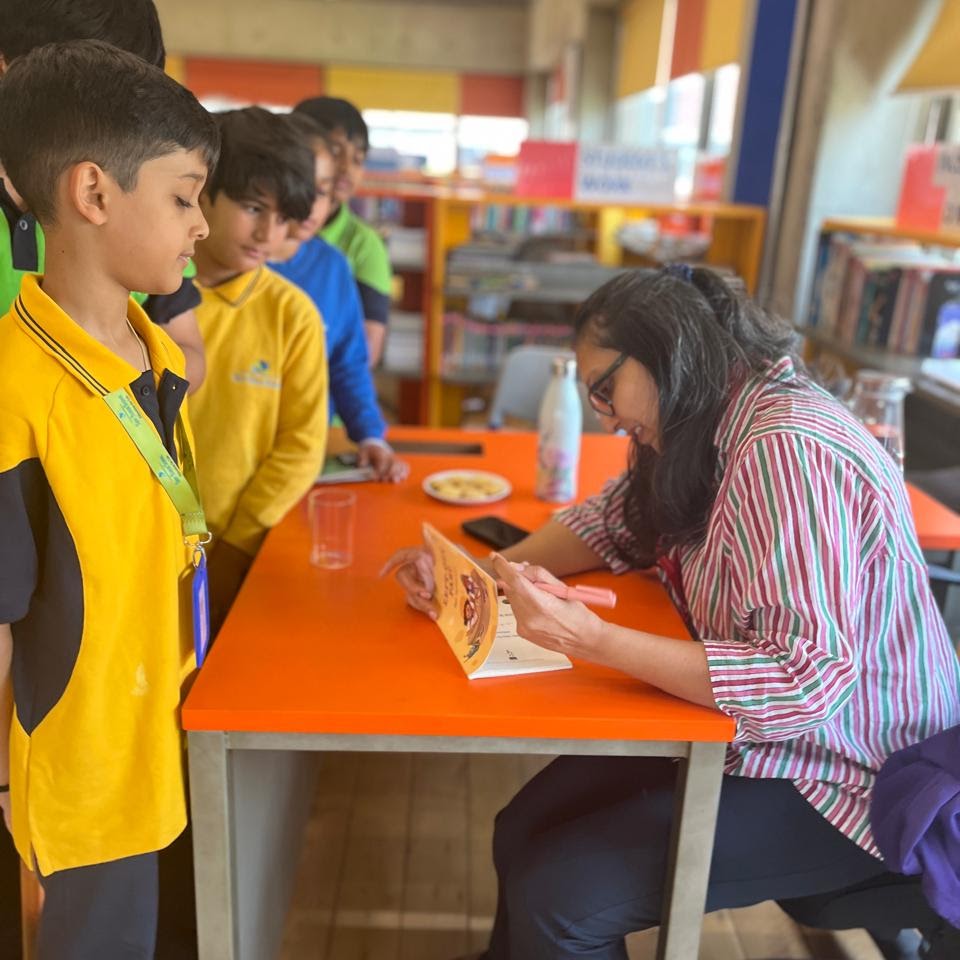
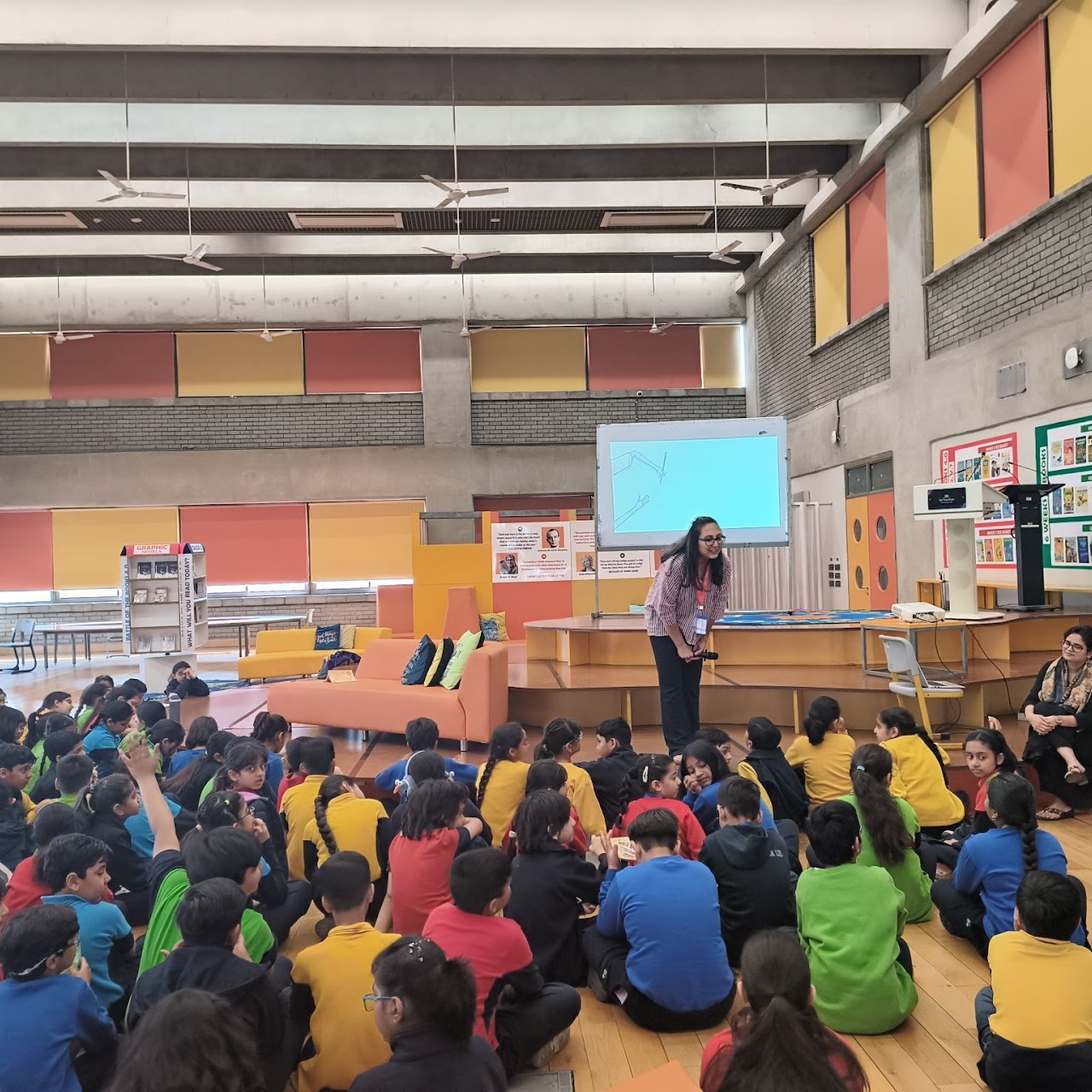
Grade 4 learners at Shiv Nadar School Faridabad had the opportunity to engage in a delightful storytelling session with acclaimed children’s author Bijal Vachharajani, known for her planet-friendly titles such as A Cloud Called Bhura, When Fairyland Lost Its Magic, and The Cuckoo Capers.
With expressive narration and thoughtful voice modulation, she immediately drew the students into the world of stories. Through prediction prompts and reflective questions, the session became an interactive literary exchange rather than a simple reading.
Her narration of Left Out Paru unfolded with lyrical rhythm, animated expressions, and engaging actions that kept learners fully immersed. Carefully woven activities throughout the session encouraged active participation and deeper thinking.
The interaction was enriching and memorable. Students left inspired and reflective, many carrying home signed copies — a meaningful reminder of a story well told and an author who brought it to life.
Celebrating Experiential Learning: Theme Culminations at Shiv Nadar School, Faridabad
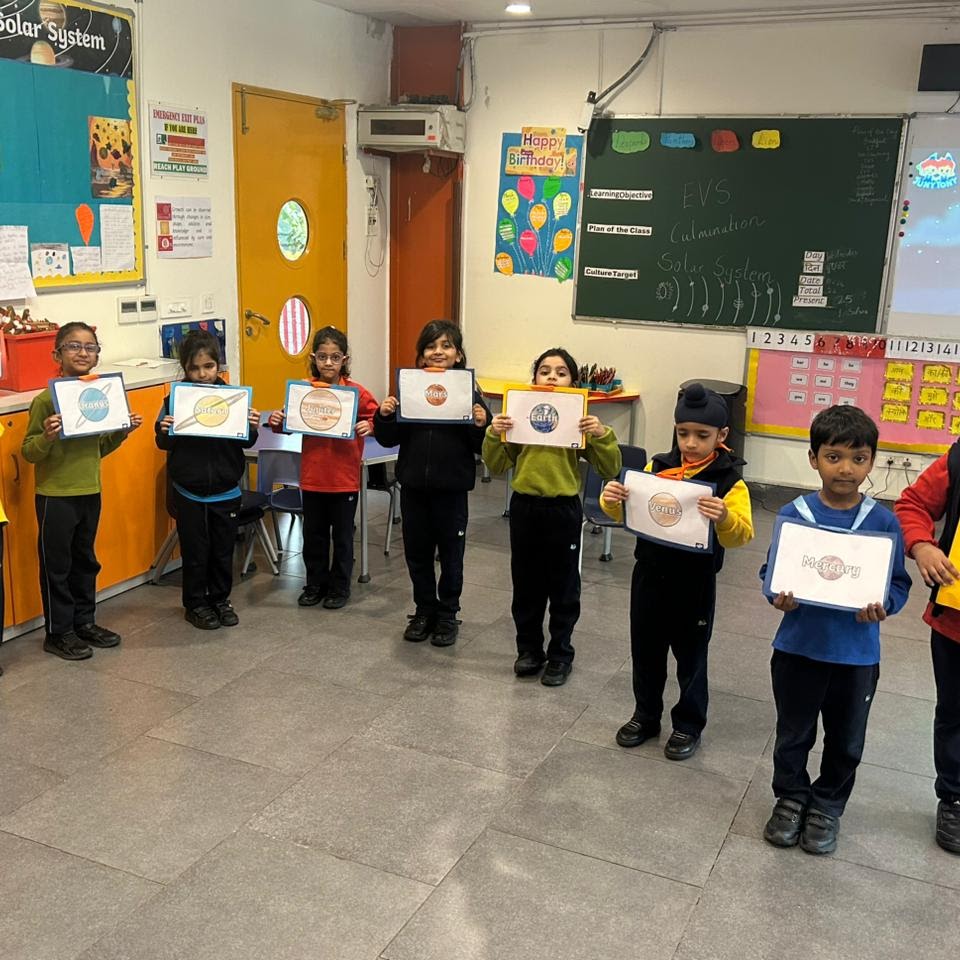
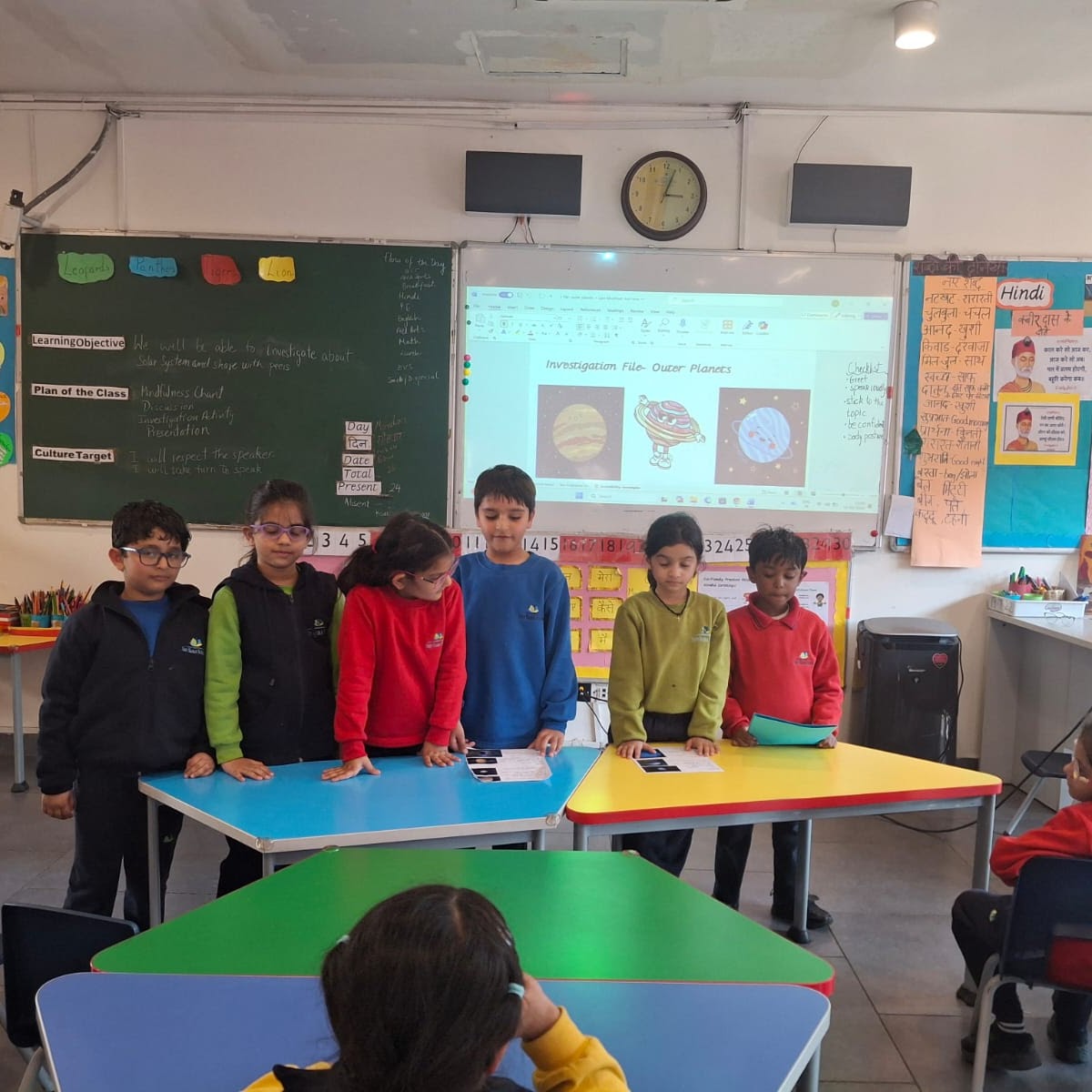
Solar System – Bringing Concepts to Life
As part of their learning, learners explored the inner and outer planets, stars, moons and satellites, asteroids, and comets through structured investigation files. Working in groups, they shared their findings with the class and engaged in interactive discussions, confidently asking questions and exchanging ideas.
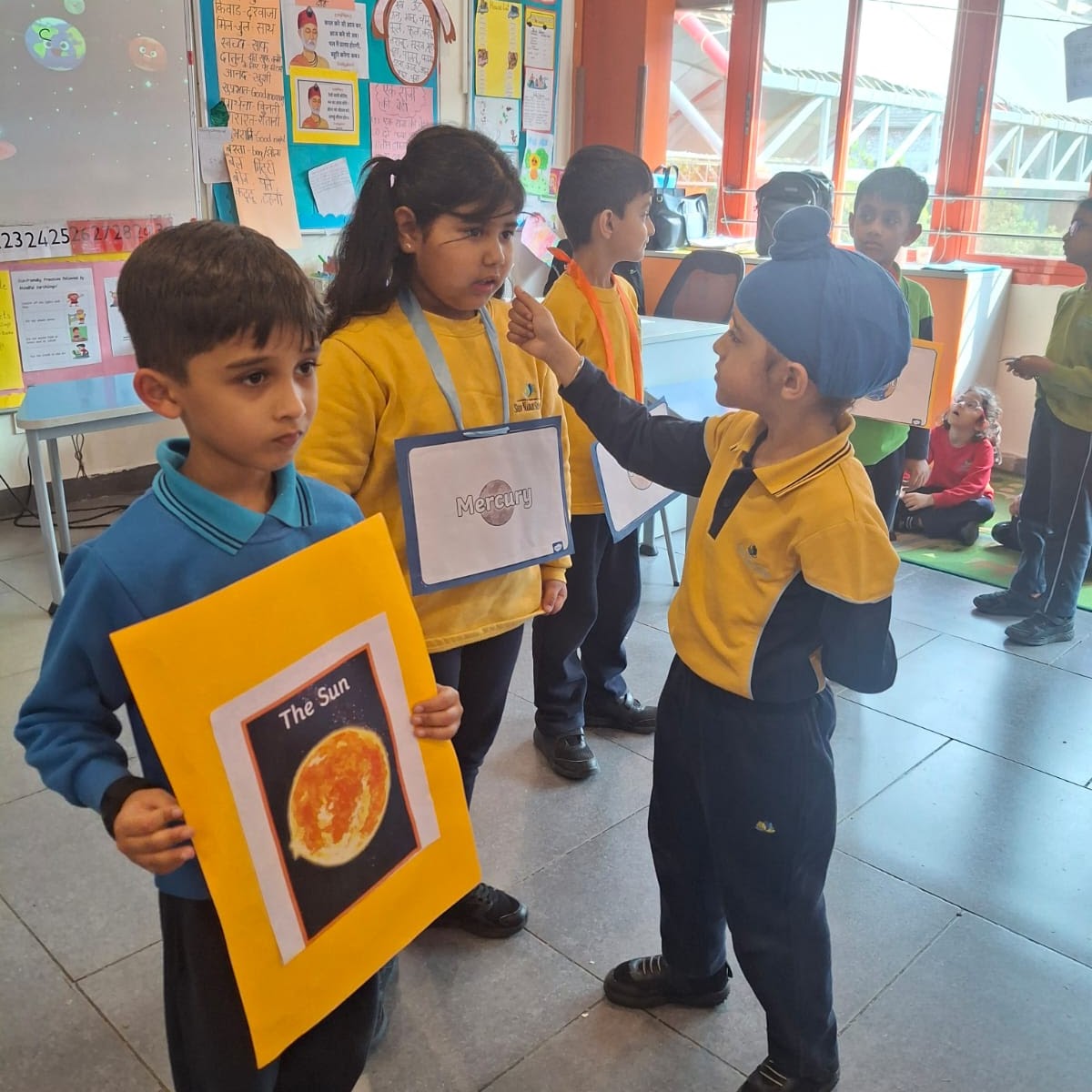
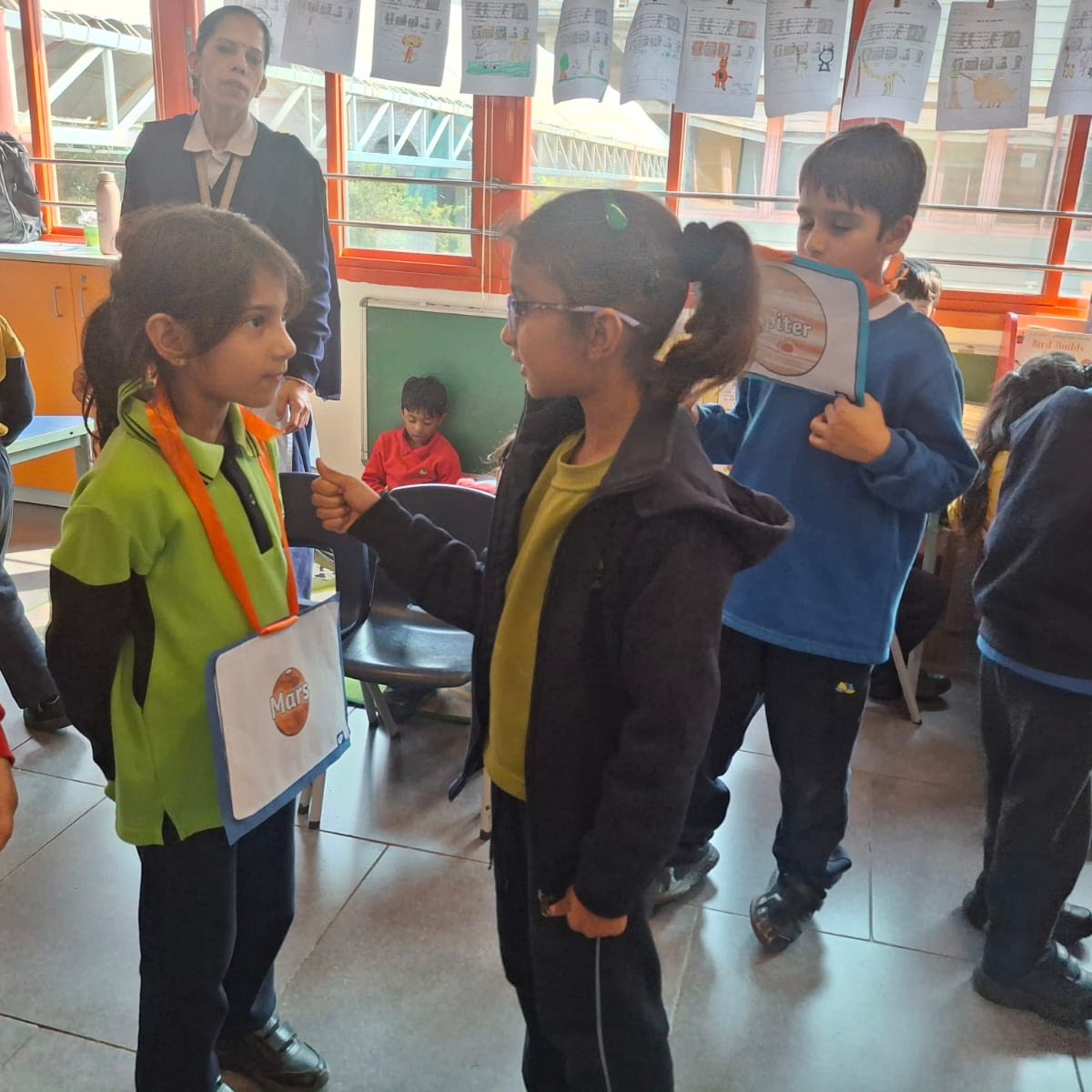
On the final day, the classroom transformed into a vibrant model of the solar system. Each learner selected a planet, stood in the correct orbit around the Sun, shared key facts, and revolved to music—bringing the concept of planetary motion to life in an experiential and memorable way.
Uses of Everyday Materials – Exhibition (22nd January)
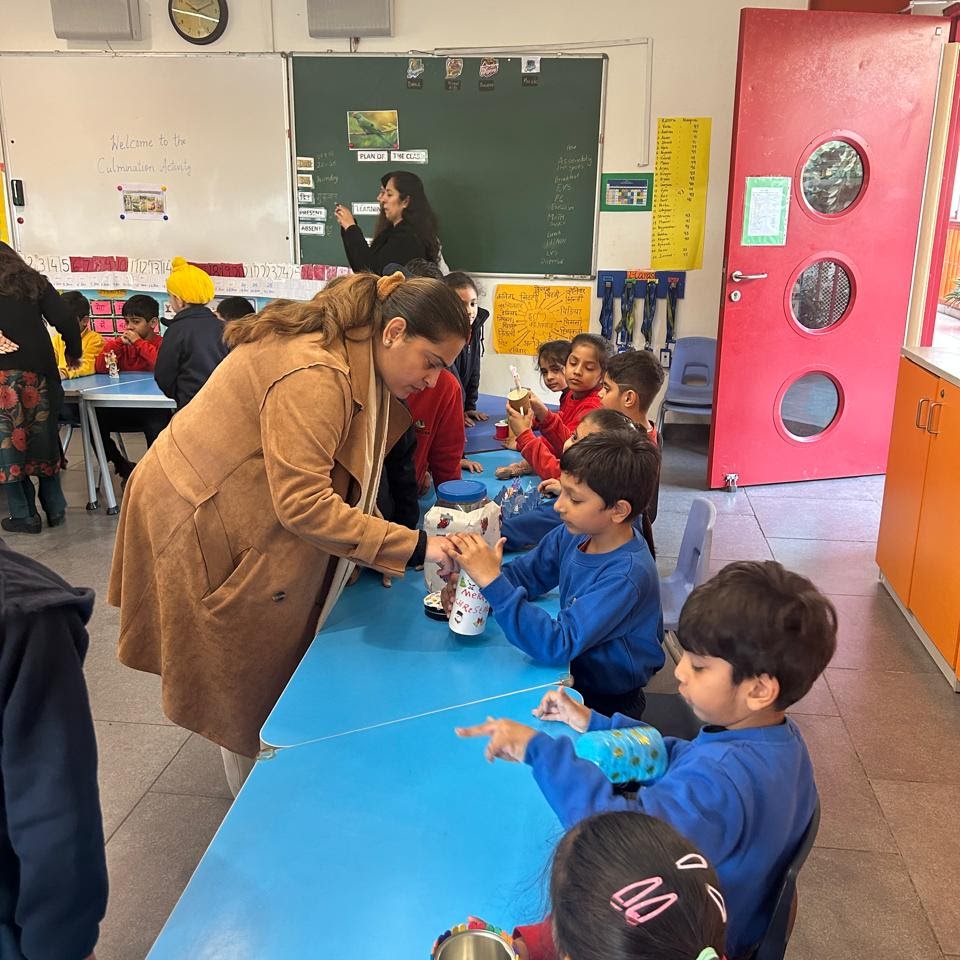
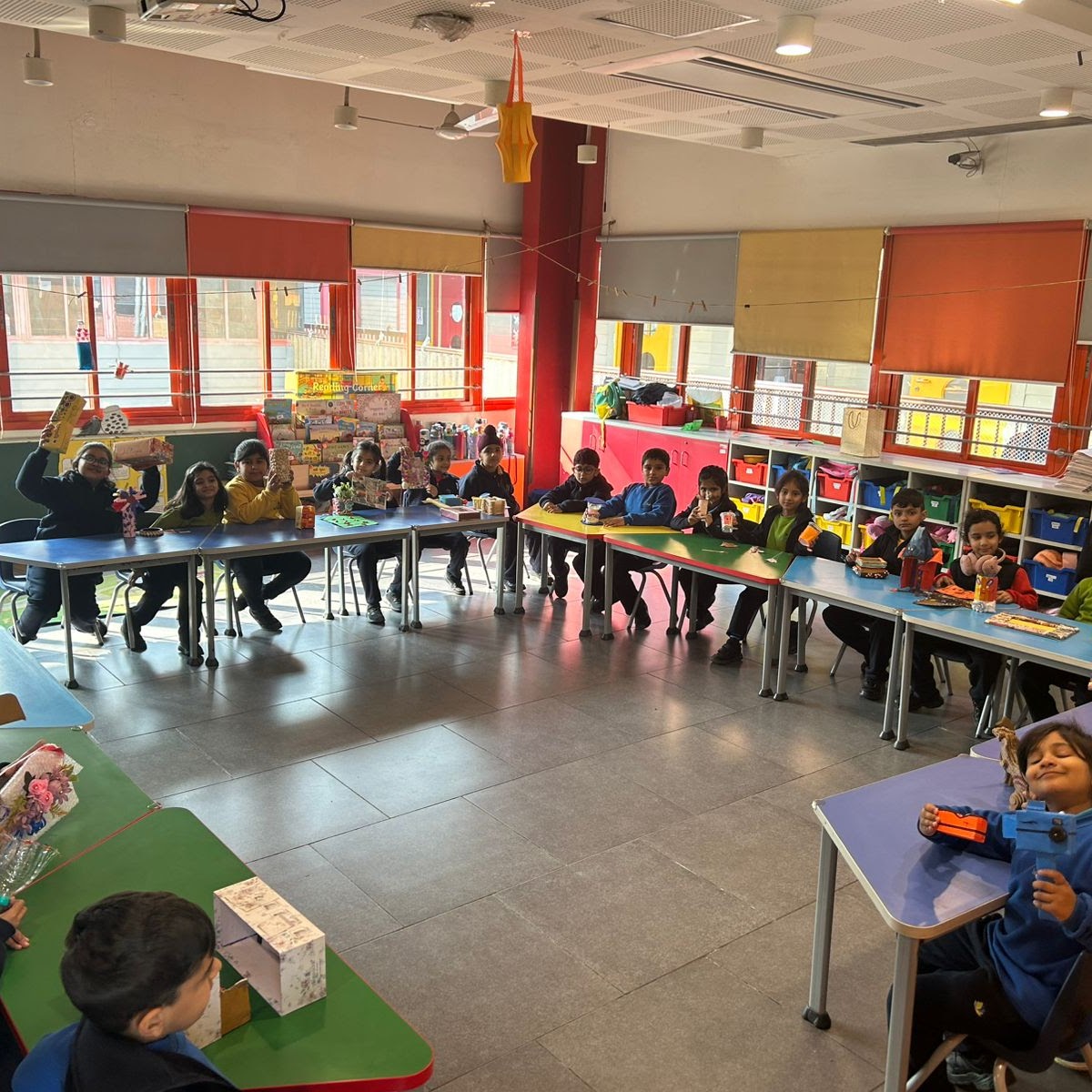
The theme “Uses of Everyday Materials” culminated in an engaging exhibition where learners showcased projects created using waste materials. The initiative encouraged creativity, sustainability, and practical application of learning.
The exhibition featured innovative creations such as flower vases, windmills, toys, stationery holders, garbage churners, tape dispensers, photo frames, and other useful and decorative objects. Each project reflected the learners’ understanding of reusing everyday materials responsibly.
Learners visited each other’s homerooms with excitement and curiosity, appreciating their peers’ work. They confidently explained their projects to classmates and teachers, strengthening their communication skills while reinforcing the importance of recycling and responsible resource use.
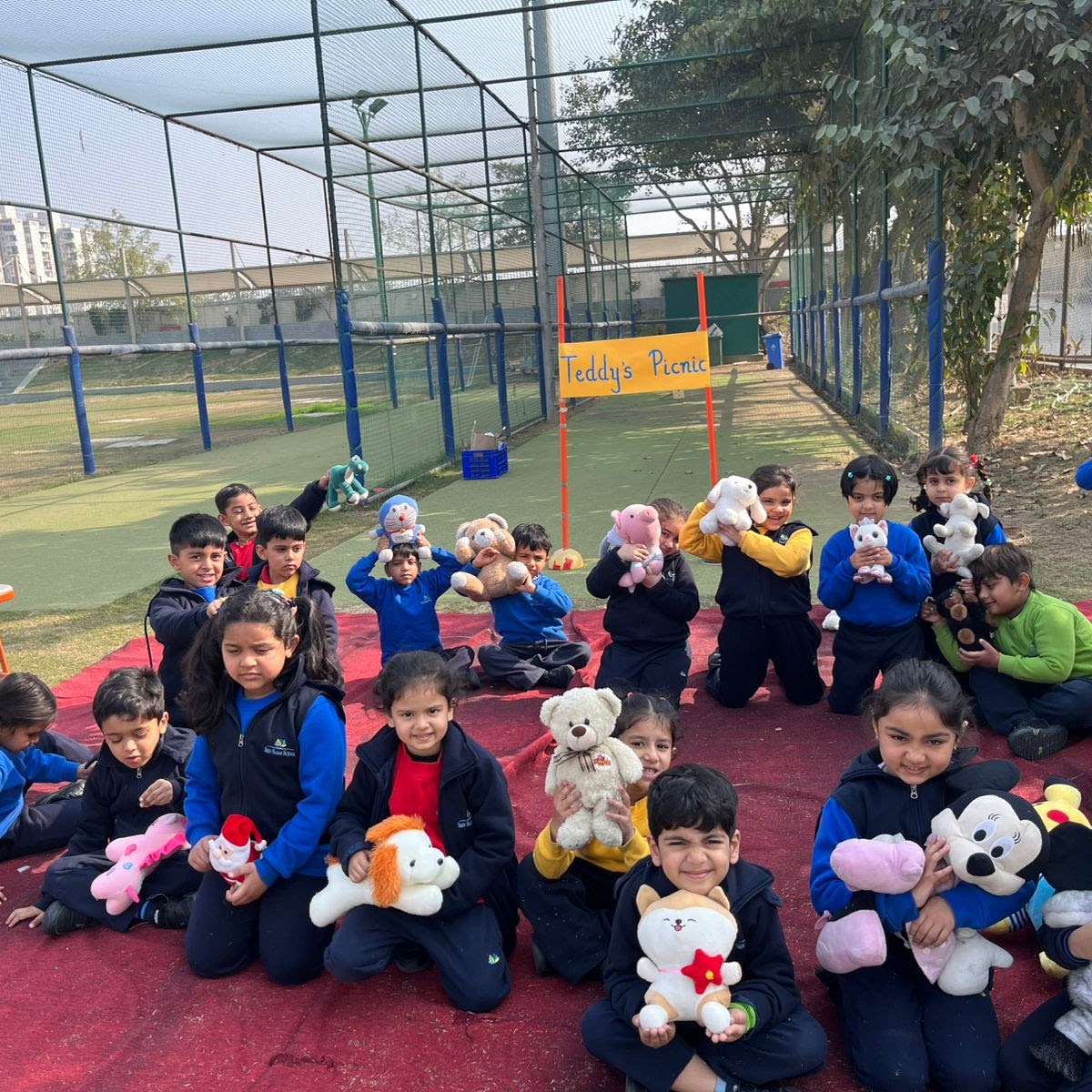
Both culminations highlighted experiential learning in Grade 1, fostering collaboration, creativity, confidence, and deeper conceptual understanding.
Experiential Learning in Action | Grade 1 Field Trip to Jungle Trail
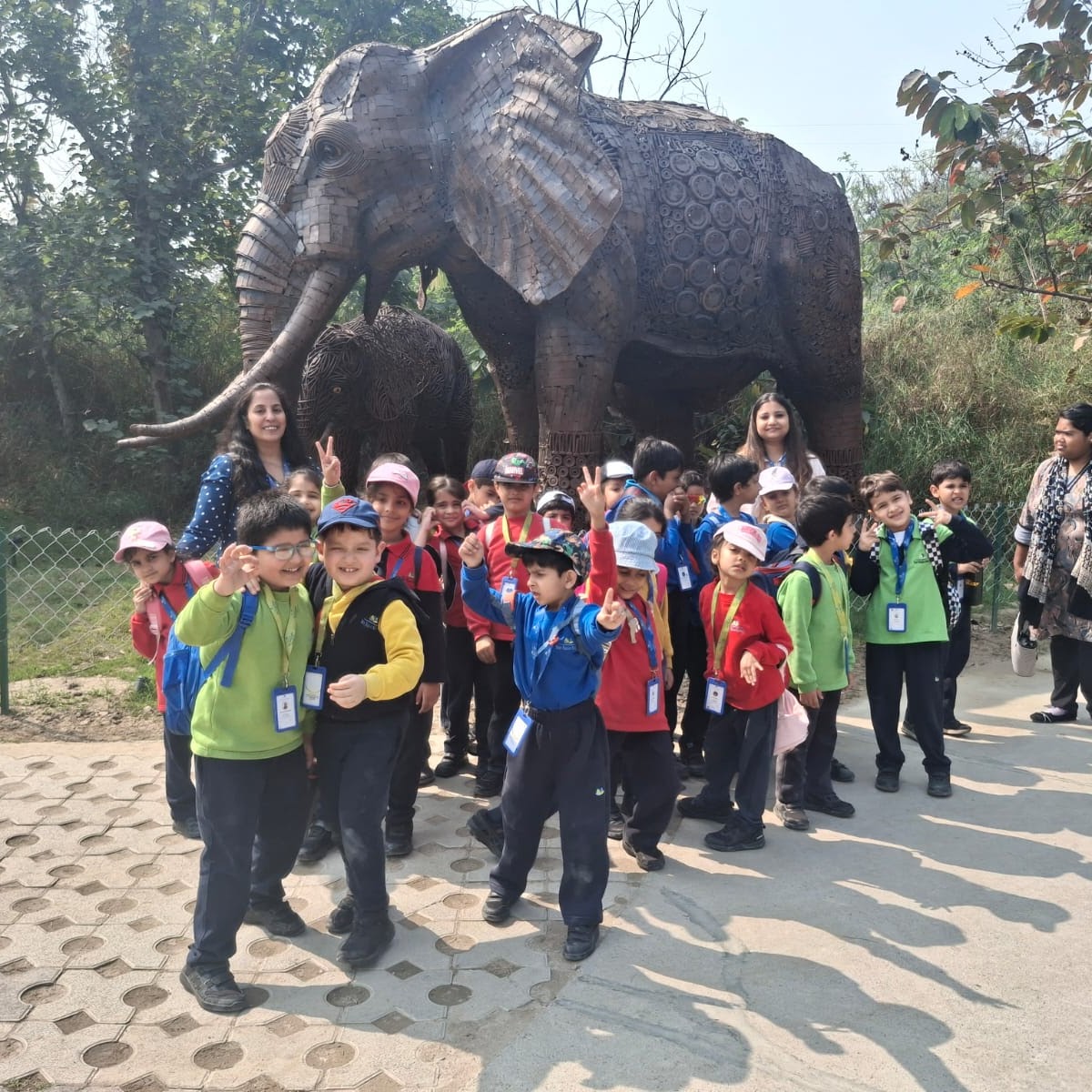
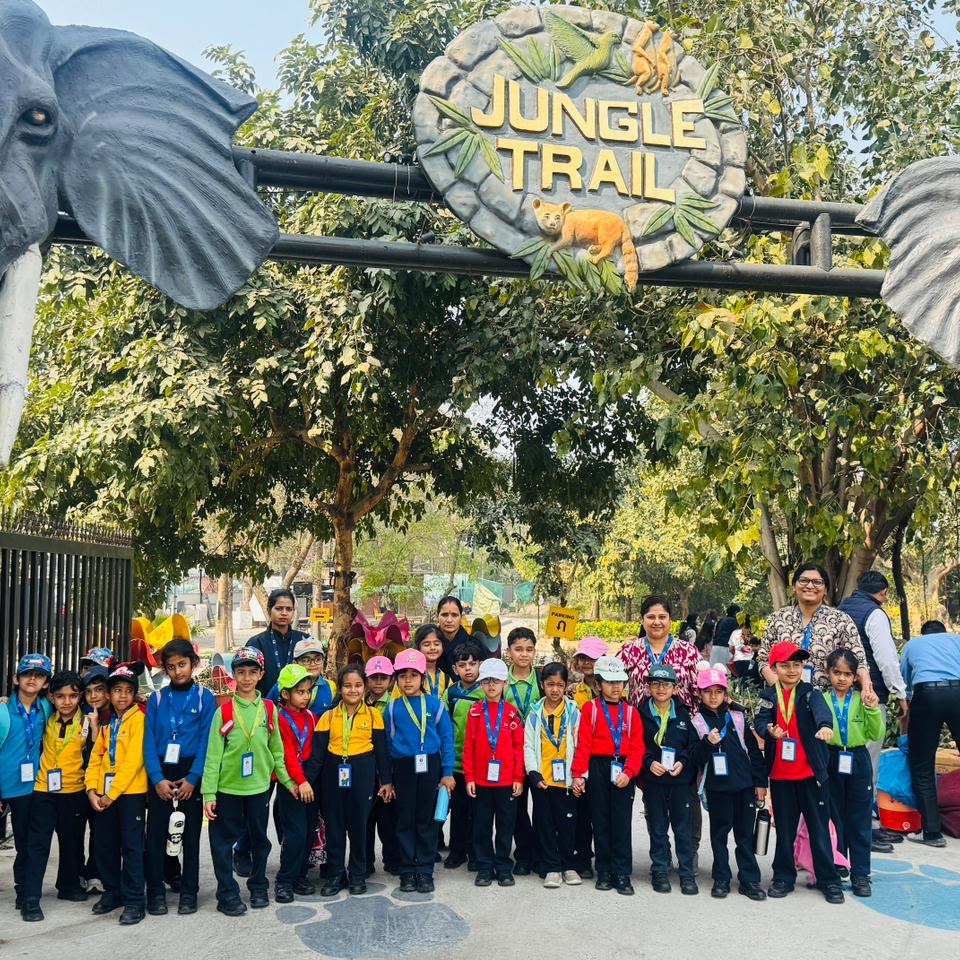
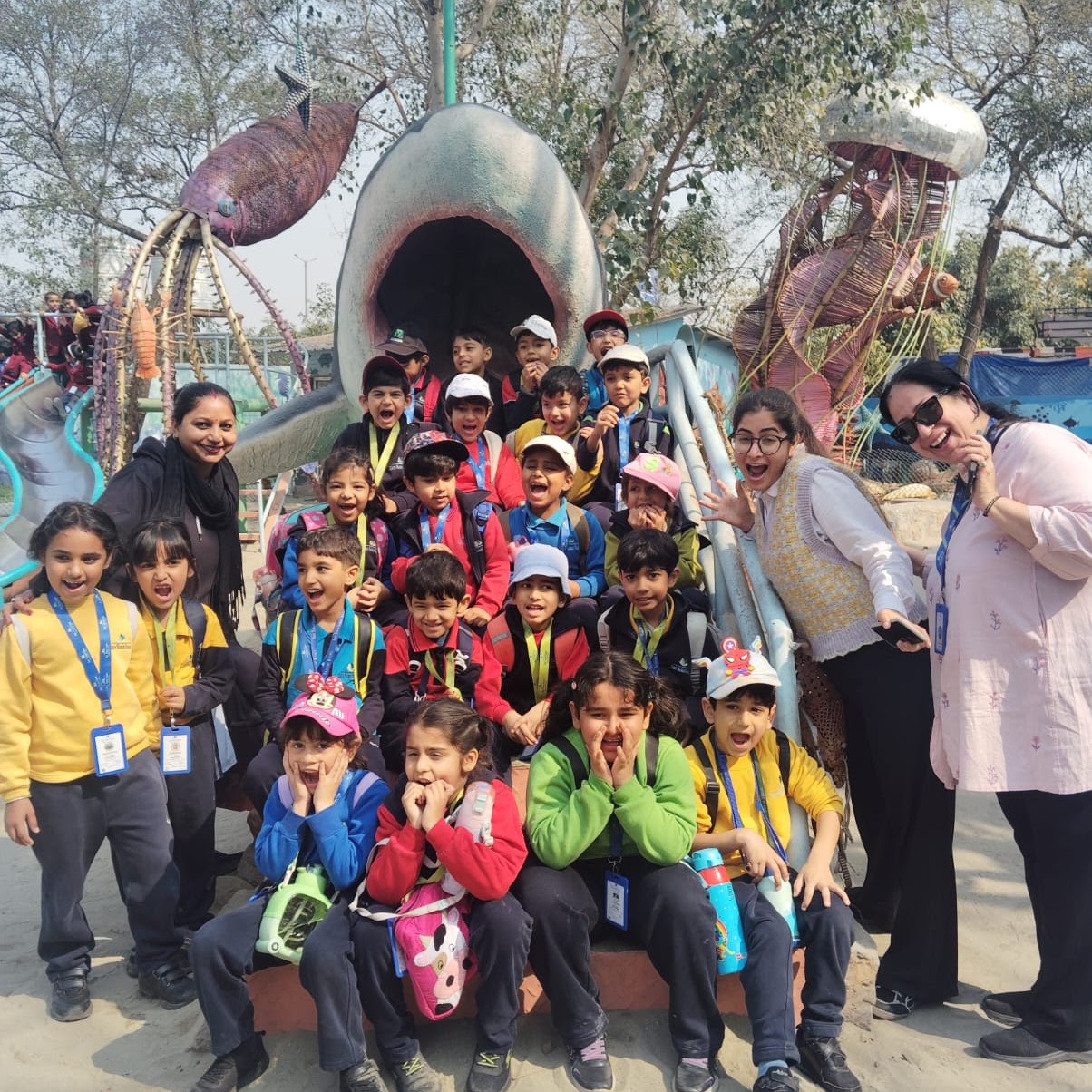
On 20th February 2026, the Grade 1 learners of Shiv Nadar School, Faridabad visited Jungle Trail, Noida as part of their experiential learning programme. The field trip was thoughtfully designed to give students hands-on exposure to animals, their habitats, and the importance of environmental conservation.
The visit began with a guided walk through the trail, where learners observed a variety of animals and installations crafted from recycled materials. They enthusiastically identified different animals and engaged in discussions about their food habits and natural habitats, confidently connecting classroom learning with real-world observation.
A key highlight of the visit was the creative display of animals made from recycled materials. This sparked meaningful conversations around sustainability and responsible use of resources. Learners actively shared ideas on objects that could be created from recycled items, demonstrating awareness and imagination.
Overall, the field trip was an engaging and enriching experience that reinforced classroom concepts, nurtured curiosity, and strengthened environmental consciousness in a meaningful way.