


MY2 Chemistry Cook-Off: When Chemistry Meets the Kitchen


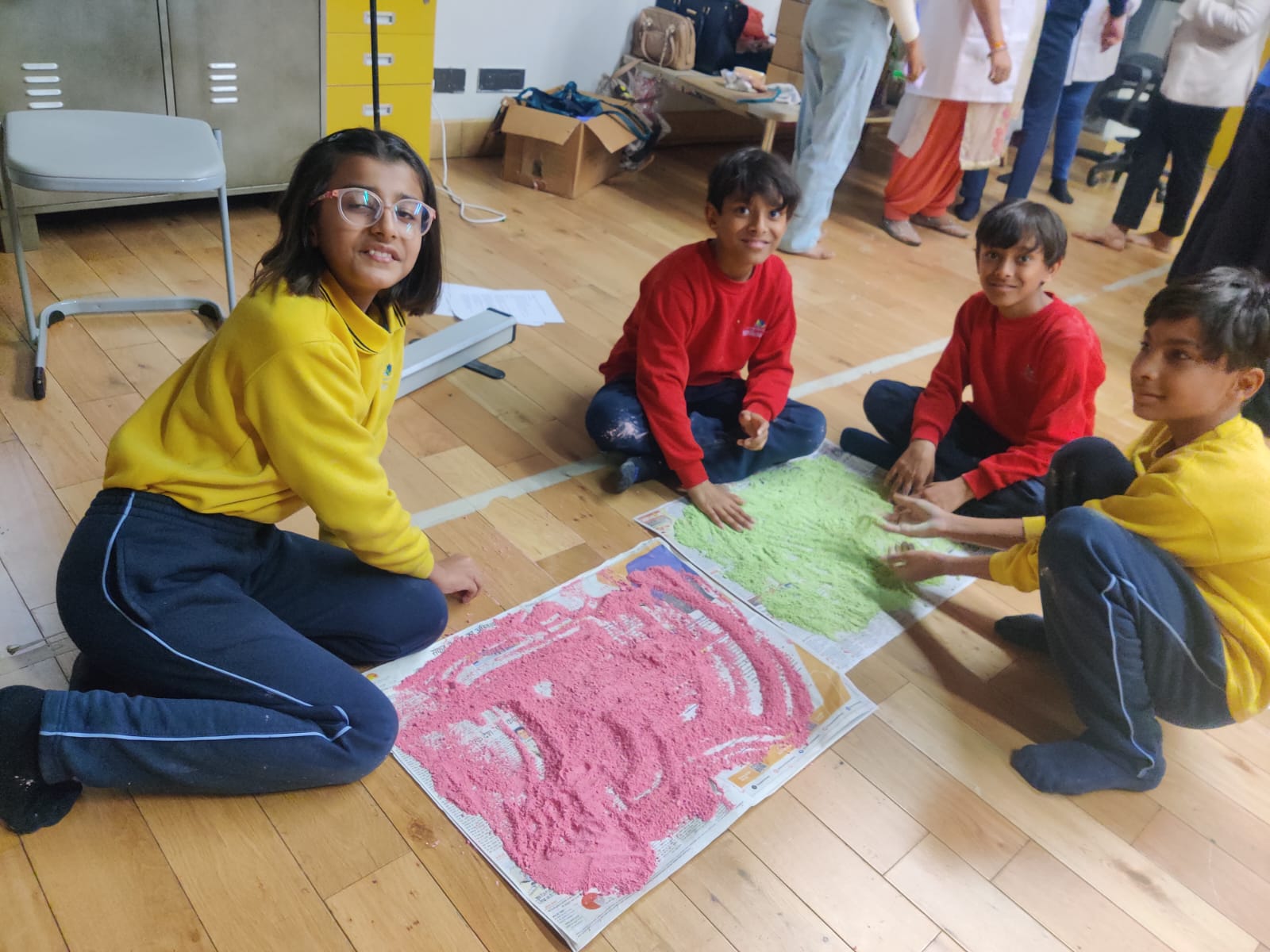
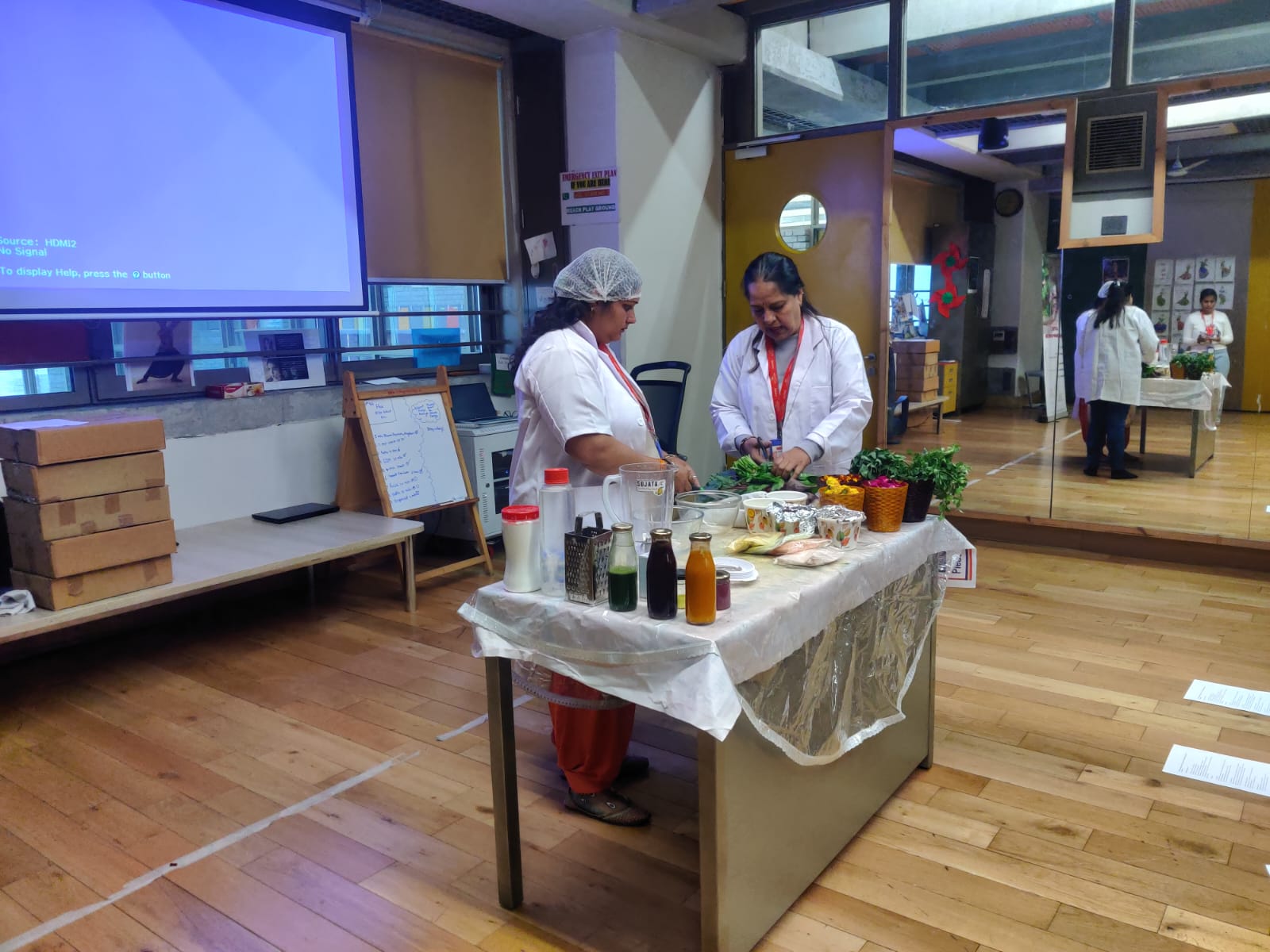
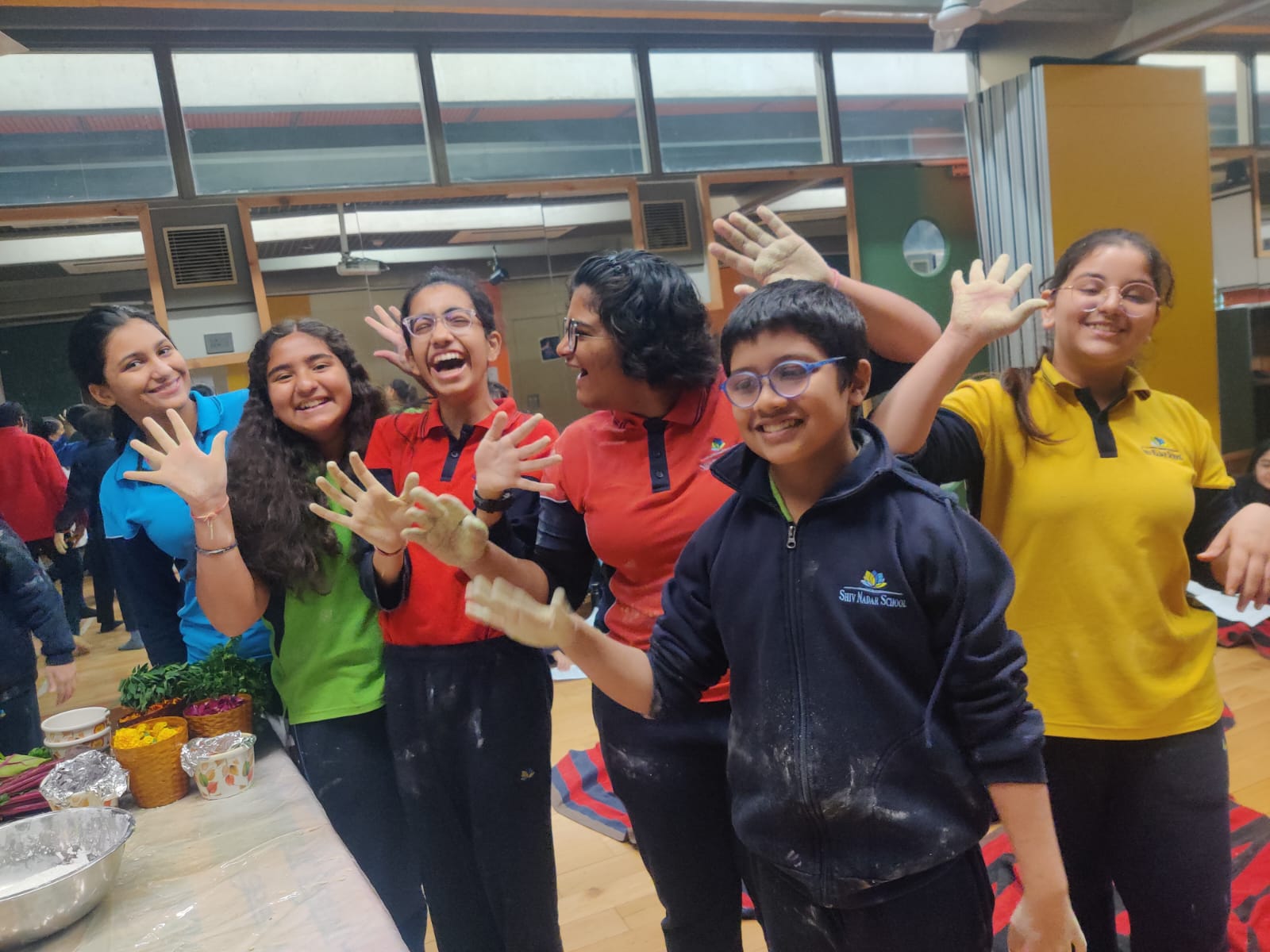
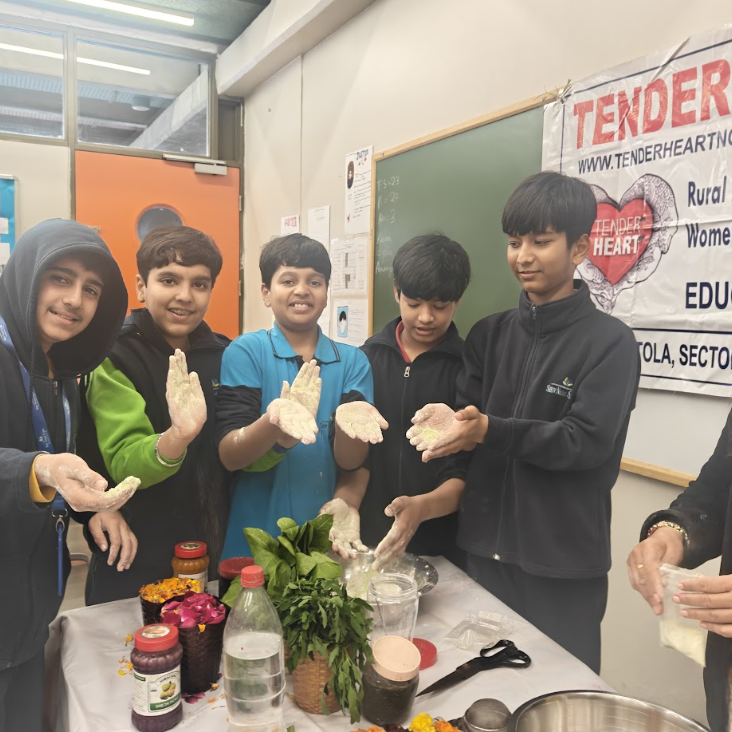
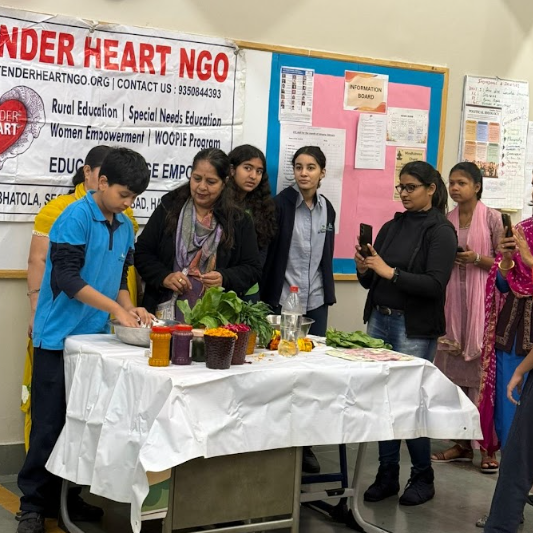
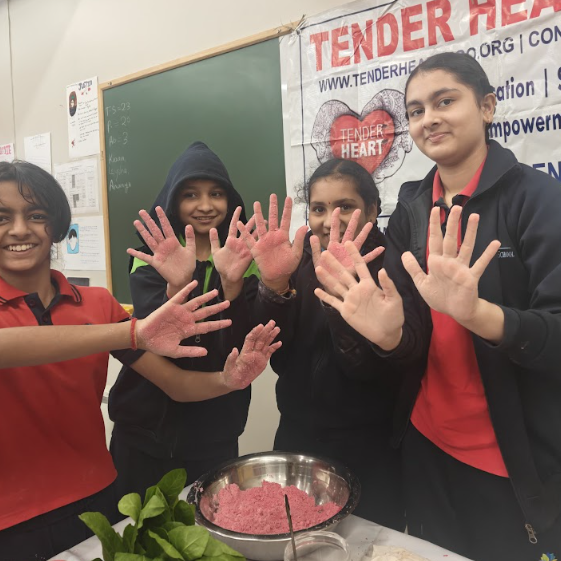
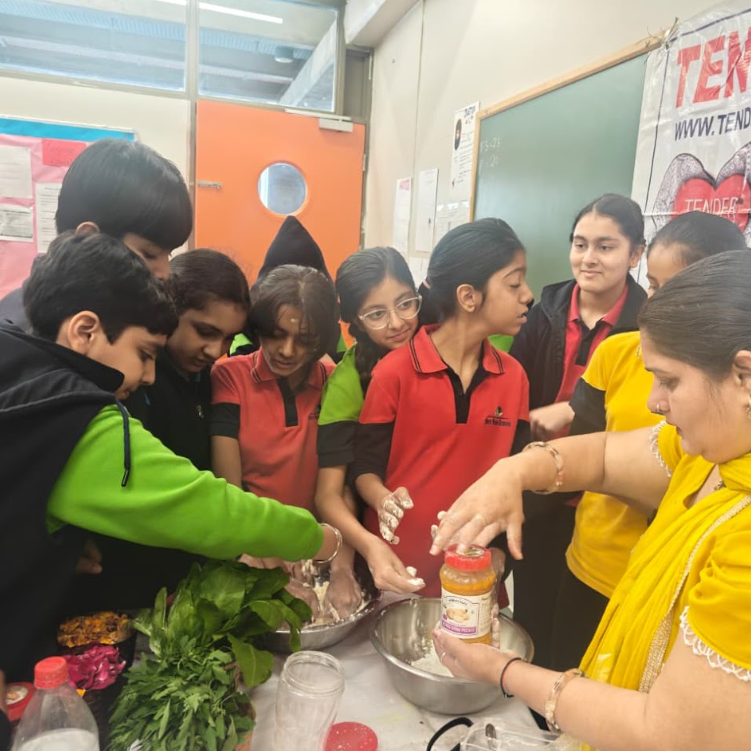
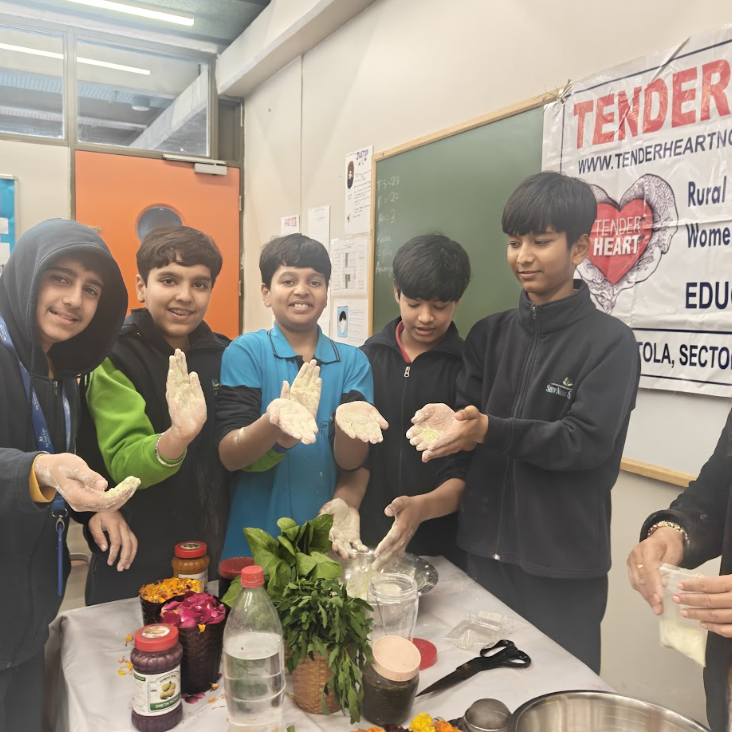
The MY2 corridors were transformed into a vibrant Chemistry Cook-Off, where learning stepped out of the laboratory and into everyday life through food.

Working collaboratively in teams, students designed, tested, and refined their own recipes, applying key chemistry concepts such as emulsification, browning reactions, acid–base reactions, and temperature control. Each dish became a hands-on experiment, requiring learners to think critically about how ingredients interact and how scientific principles influence taste, texture, and presentation.

Beyond cooking, students engaged deeply with the scientific process. They collected and analysed data, incorporated feedback, managed budgets, and made informed decisions to improve their outcomes. The Cook-Off also provided a platform for students to confidently articulate their learning, as they explained the chemistry behind their dishes to parents, teachers, and peers.

The Chemistry Cook-Off was a celebration of curiosity, collaboration, and applied learning. It highlighted how chemistry is not confined to textbooks or labs, but is deeply embedded in everyday experiences, nurturing learners who can connect knowledge to the real world with confidence and creativity.


Creative ,

Curriculum ,

Education ,

Education For Life ,

IB ,

Innovation ,

Middle ,

Nutrition ,

Progressive ,

School ,

School Life ,

Science ,

Yohann Jaiin Qualifies for Indian Team Trials in Rifle Shooting

Yohann Jaiin, a student of Grade 9 (Gir) at Shiv Nadar School, Faridabad, represented the school at the National Rifle Shooting Competition held in Bhopal. He successfully earned the status of a National Shooter and, with a commendable performance, has now qualified for the Indian Team Trials 2026, marking an important milestone in his sporting journey.

ALL ,

Arts ,

Award ,

Badminton ,

Board ,

Competition ,

Curriculum ,

School ,

The first edition of SparkEd, our digital-first magazine, is here!

We are proud to announce the inaugural edition of SparkEd, Shiv Nadar School’s annual digital-first magazine. A space where ideas evolve and shape the way you see the world. Each story, insight, and perspective shared in this magazine has the potential to kindle greater awareness, be a moment of reflection, and inspire meaningful action.  

The Theme: Sustainability and Climate Change 

Today’s learners are growing up in a world where climate change is part of everyday life. They experience it through rising temperatures, extreme weather, and changes in nature. The first edition focuses on Sustainability and Climate Change, an urgent and deeply personal issue that touches every aspect of our lives.  

In this magazine, you’ll find diverse voices of students, educators, parents and thought leaders, reflecting on lived experiences and unpacking global challenges. We have highlighted key social impact initiatives, showcasing our sustainability, technology, and innovation stories. The magazine celebrates the achievements of our students and faculty, reinforcing the ethos of Shiv Nadar School. 

We hope that this magazine helps you discover:  

  • How small everyday actions can contribute to environmental change.
  • The role of design and architecture in creating sustainable spaces.
  • Student-led projects that bring sustainability to life in practical ways.
  • Perspectives on how technology and creativity can help address climate challenges. 

A Platform for Thought Leadership 

In the future, each edition of SparkEd will continue to explore themes that are globally relevant and engage with pressing issues of our time, aiming to spark thought-provoking conversations. 

SparkEd is a platform where dialogue, curiosity, and collective imagination come together. We invite you to read, reflect, and join us in nurturing a culture where every spark can ignite change. 

2025-12-24

New Parent Orientation | 15th December 2025


The New Parent Orientation, led by the Parent Partnership Office and attended by newly enrolled parents, provided a valuable opportunity to engage with Senior Leadership and gain deeper insights into Shiv Nadar School’s philosophy, culture, and practices.

To mark the beginning of this journey, each parent was warmly welcomed with a thoughtfully curated A to Z book. The session commenced with a mindfulness activity, followed by an overview of the school’s curriculum and key Shiv Nadar initiatives. Through the perspective of an existing parent, the Parent Partnership Program was introduced, highlighting the role of parents as valued ambassadors and collaborative partners in a shared vision.

In essence, the New Parent Orientation is about alignment, assurance, and partnership , ensuring that parents feel informed, supported, and connected right from the very beginning.


Curriculum ,

Education ,

Education For Life ,

IB ,

Leadership ,

Parenting ,

Pre Primary ,

Primary ,

Progressive ,

School ,

School Life ,

Speaker ,

Kiara Gera Wins Silver at City-Level Kickboxing Championship

Kiara Gera Wins Silver at City-Level Kickboxing Championship

Kiara Gera of Grade 4 Gir of Shiv Nadar School, Faridabad at the 100th Asmita Kickboxing Faridabad City League, held on 20–21 December 2025. She delivered a confident performance and secured the Silver Medal in the Point Fight event.

With this win, Kiara has qualified for the Zonal League, scheduled to take place in January 2026 in Jammu.

We congratulate Kiara on her achievement and wish her continued success as she prepares for the next level.


ALL ,

Arts ,

Award ,

Badminton ,

Board ,

Competition ,

Curriculum ,

School ,

Young Changemakers Turn Ideas into Impact at Lumina 2.0


Shiv Nadar School Noida brought together brilliant minds from 15 schools, over 300+ participants, including students, educators, NGOs, and community leaders who celebrated the power of Creativity, Activity, and Service at Lumina’s second edition.

Through partnerships with NGOs and work on legacy projects, young minds transformed ideas into tangible impact. These collaborations revealed the true potential of youth-led change. By engaging with real communities and challenges, students discovered their capacity to lead with empathy, innovate with purpose, and create lasting solutions that ripple beyond the classroom.

And this is where Lumina steps in, a launchpad that equips students with the vision to gauge endless possibilities, the courage to act, and the connections that help their ideas live and grow far beyond the conclave.


Creative ,

Curriculum ,

Education ,

Education For Life ,

Fitness ,

IB ,

Innovation ,

Leadership ,

Music ,

School ,

School Life ,

Sports ,

Theatre ,

Dialectic Dash: Empowering Young Minds Through Debate


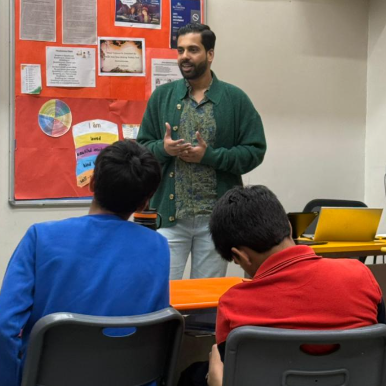
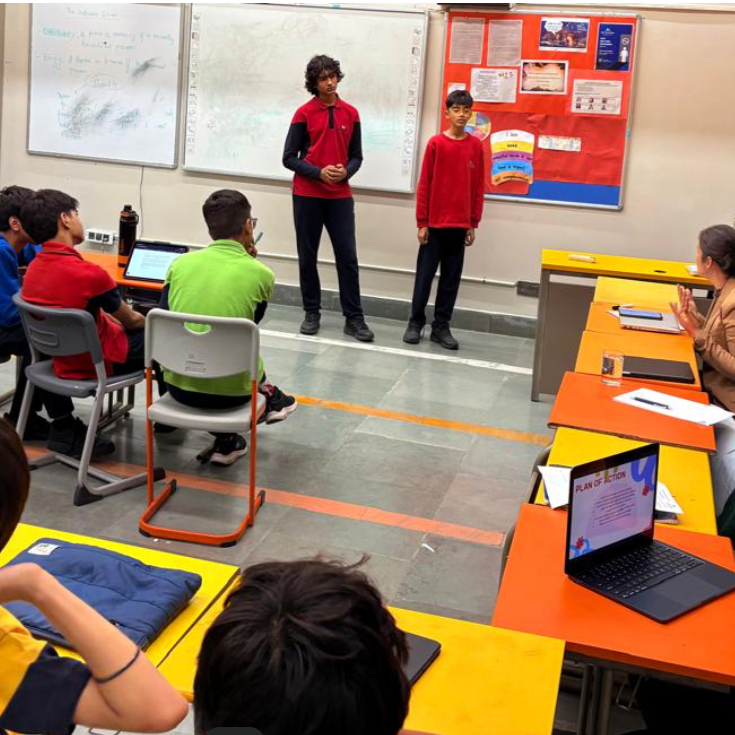
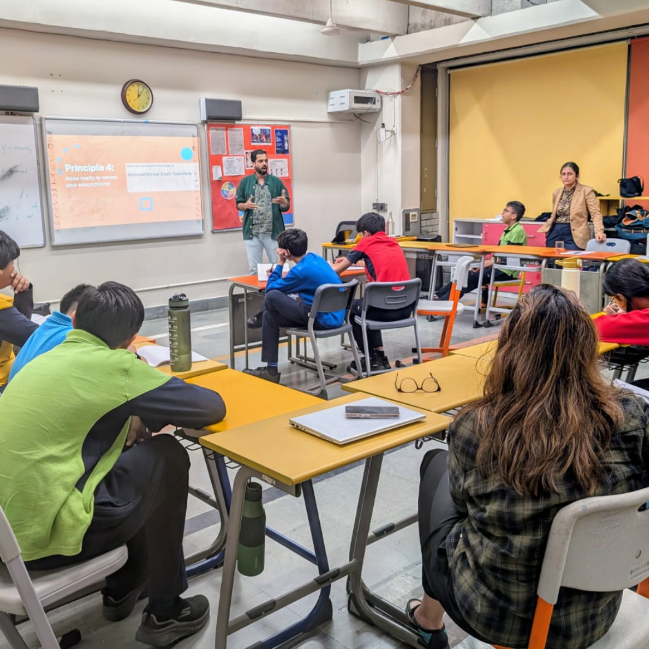
A debating platform is an effective way for middle-year students to develop critical thinking, communication, and confidence. Dialectic Dash provided students with a space to build these skills in a fun and meaningful manner. It began with a simple idea: to create a platform where students could practise deep thinking, clear expression, and logical reasoning to support their viewpoints.

MY Debate – Dialectic Dash was designed as a space for young learners to grow—encouraging them to listen actively, construct strong arguments, and express themselves with confidence. Over time, students began to discover their voices, think more thoughtfully, and often surprise themselves with their ability to reason and communicate effectively when given the right support.

Through Dialectic Dash, students participated in structured discussions on a range of topics, shared their opinions, and learned to respond respectfully to the ideas of others. Debating plays a vital role in student development by fostering careful thinking and clear communication—skills that help shape confident, articulate, and well-rounded individuals.


Competition ,

Curriculum ,

Education ,

Education For Life ,

IB ,

Middle ,

School ,

Shiv Nadar School Faridabad Wins Dialectic Dash Inter-School Debate

Shiv Nadar School Faridabad Wins Dialectic Dash Inter-School Debate

The Shiv Nadar School Faridabad school team Aarika Dixit (Grade 8), Adheesh Kapur (Grade 8), and Vidit Arora (Grade 6) emerged winners at the Dialectic Dash Inter-School Debate Competition held at Shiv Nadar School, Noida on 12th December 2025.

With this victory, the team has brought the rolling trophy back to the Faridabad campus for the second consecutive year, reflecting both consistency and depth in debating.

The team remained undefeated across all six rounds of the heats, demonstrating exceptional clarity of thought, confidence, and articulation throughout the competition. Adding to this strong performance, Aarika Dixit was adjudged Best Speaker in the Semi-Finals, while Vidit Arora received the Best Speaker award in the Final round, where he was described by the adjudicators as “a live wire.”


ALL ,

Arts ,

Award ,

Badminton ,

Board ,

Competition ,

Curriculum ,

School ,

Building Awareness, Protecting Young Lungs


In response to rising Air Quality Index (AQI) levels and increasing respiratory concerns among children, Shiv Nadar School Faridabad conducted an online Respiratory Health Awareness Session on 6 December 2025. The session was organised to support families with timely, evidence-based guidance on safeguarding respiratory health during periods of poor air quality.

The session was led by two parent experts from the medical fraternity: Dr. Manisha Mendiratta, Associate Director & Head of Pulmonology, Sarvodaya Hospital, and Dr. Prashant Mehta, Senior Consultant – Hematology, Medical Oncology & Bone Marrow Transplant, Amrita Hospital, Faridabad. Their insights combined clinical expertise with practical, everyday applicability for families.

The discussion was thoughtfully moderated by Ms. Preeti Gautam, Head – Early Years, who ensured a structured flow of conversation and facilitated parent questions with clarity and sensitivity. Parents engaged actively throughout the session, raising relevant concerns and seeking guidance, making the interaction both meaningful and informative.

During the session, the speakers highlighted the direct impact of elevated AQI levels on lung health, particularly for young children, the elderly, and individuals with pre-existing respiratory conditions. Parents were guided on recognising early warning signs such as persistent cough, wheezing, noisy breathing, recurring sore throats, and shortness of breath, with emphasis on the importance of early medical consultation.

Practical preventive measures for home and daily routines were discussed in detail. These included the use of HEPA-based air purifiers, avoiding ionisers and ozone generators, maintaining adequate hydration, reducing outdoor exposure during poor AQI days, and preferring wet mopping over dry sweeping to minimise indoor dust circulation. Clear guidance on masking was shared, recommending N95/KN95 masks for effective protection during high AQI periods, while noting that surgical and cloth masks offer minimal defence against air pollution.

Parents were also advised to regularly monitor AQI levels and make informed adjustments to daily routines. Avoiding outdoor activities near high-traffic areas and kerbside walking was strongly recommended. When outdoor activity is unavoidable, the relatively safer window identified was between 10:00 AM and 4:00 PM.

The session concluded with a strong emphasis on preventive care, informed decision-making, and shared responsibility between the school and families in ensuring children’s respiratory health and overall well-being. The initiative reflected Shiv Nadar School Faridabad’s continued commitment to proactive parent engagement and holistic student care.


Competition ,

Creative ,

Cricket ,

Curriculum ,

Dance ,

Economy ,

Education ,

Education For Life ,

Environment ,

Fitness ,

IB ,

Innovation ,

Leadership ,

Lifestyle ,

Middle ,

Music ,

Nature ,

Nutrition ,

Outbound Learning ,

Parenting ,

Performing Arts ,

Philosopy ,

Pre Primary ,

Primary ,

Progressive ,

Reading ,

Relationships ,

School ,

School Life ,

Science ,

Secondary ,

Senior Secondary ,

SNS Guest ,

Soccer ,

Speaker ,

Sports ,

Theatre ,

Travel ,

Visual Arts ,

Welness ,

Writing ,

The Unscripted Curriculum

Article authored by: Chinar Banga

Head Senior Years, Shiv Nadar School Faridabad


Schools are synonymous to learning. Books, curriculum, assessments, lesson plans, report cards will automatically cloud your thoughts when you think of school. We often assume that the scripted curriculum of the school or what the board prescribes will lead to students’ progress. In middle and high school particularly, you will notice a sudden shift in parent and teacher mindset where they would only want to work towards a target score. However, what we often forget is a powerful force that often shapes student behaviour, beliefs, attitude and values. It is the unscripted curriculum that has a significant role in their development. It has, in fact, more impact than calculus, history, force or other concepts they learn in school. What defines this unscripted curriculum, is how the adults around these students conduct themselves in the school environment. Philip Jackson in his book, ‘Life in Classrooms’ referred to conscious and unconscious norms, values and behaviours of the learning process, including unplanned and unintended learning outcomes that influence students. It is not necessary that only the teachers are being noticed. 

The leaders, administrative staff and even the support staff behavior also doesn’t escape their watchful eyes. They internalise lessons from every interaction they witness in corridors, cafeterias, assembly halls and other spaces. Albert Bandura, in his Social Learning Theory, emphasizes the importance of observing, modeling and imitating the behaviors, attitudes and emotional reactions of others. This becomes even more profound in higher grades. Adolescents in middle and senior school have heightened social awareness and are in their identity formation phase. As a result, what they see around them becomes a reference point on how they will react to different situations and relate to the world around them. A high school student who is testing boundaries and is moving away from authority will have a sharp antenna for detecting hypocrisy. If what is being preached, is not modelled, they will rebel. For example, a school poster or policy may display the value of kindness, however, if the teacher behaviour is otherwise, the trust of the child in the system shakes. When students see teachers conducting themselves with professionalism and mutual respect, they will mirror it. When they see that the school culture is of celebrating each others’ success, respecting support staff, leaders taking and valuing feedback and agency, the ripple effect will be visible. 

On the contrary, gossip, envy, passive aggressive behavior will lead to more effort on teachers’ part in setting classroom expectations and managing the behavior for learning. It is therefore, every adult’s responsibility, to model behaviors that they would want their students to imbibe. School culture is driven by the choices the adults make when no one is watching. But the irony is that students are always watching! When students see people around them owning up mistakes, apologising to a fellow colleague, greeting support staff cordially, appreciating diverse perspectives, working in teams, they will organically develop the values of accountability, teamwork, respect and compassion. Since the interactions are not limited to the physical space and extend to the virtual world as well, teachers need to display explicitly respectful online interactions to expect the same from their students in the digital world. The good thing is that evolving this unscripted curriculum is not something impossible. Every school needs to have a systemic approach to develop these values and soft skills over a period of time. 

Schools that recognise the value of this unscripted curriculum will equip their children with an ethical compass that will guide them home. Teacher professional development sessions, admin and support staff briefing sessions, leadership workshops should have a special mention of the acceptable behaviours around students. Investment in socio-emotional learning of school teachers sees its students developing maturity and empathy. It is also very important to note that the way we assign consequences to the students is also something to look at. Punitive actions may lead the students to believe that mistakes are shameful. However, a consequence rooted in responsibility and reform will make a difference. When students walk out of school, they will carry with them the lessons of the curriculum which are delivered by gestures, daily choices, routines and rapport of the adults around them in school. The students’ skills to adapt and thrive in a new college environment, being resilient to challenges in a workplace or their conduct in a social gathering will be a reflection of what the have seen through their formative years. 

As adults around children, we need to be conscious of what we bring to table everyday and the example we are setting for them. To develop ethical, happy and purposeful citizens of the society, the adults around them need to be emotionally intelligent and reflective in nature. Let’s not forget that the students are learning the scripted and the unscripted curriculum everyday!

2025-12-09

Subscribe to IB