



Shiv Nadar School Faridabad: Early Years & Primary Sports Day 2025–26 – Celebrating Joy, Fitness, and Community Spirit
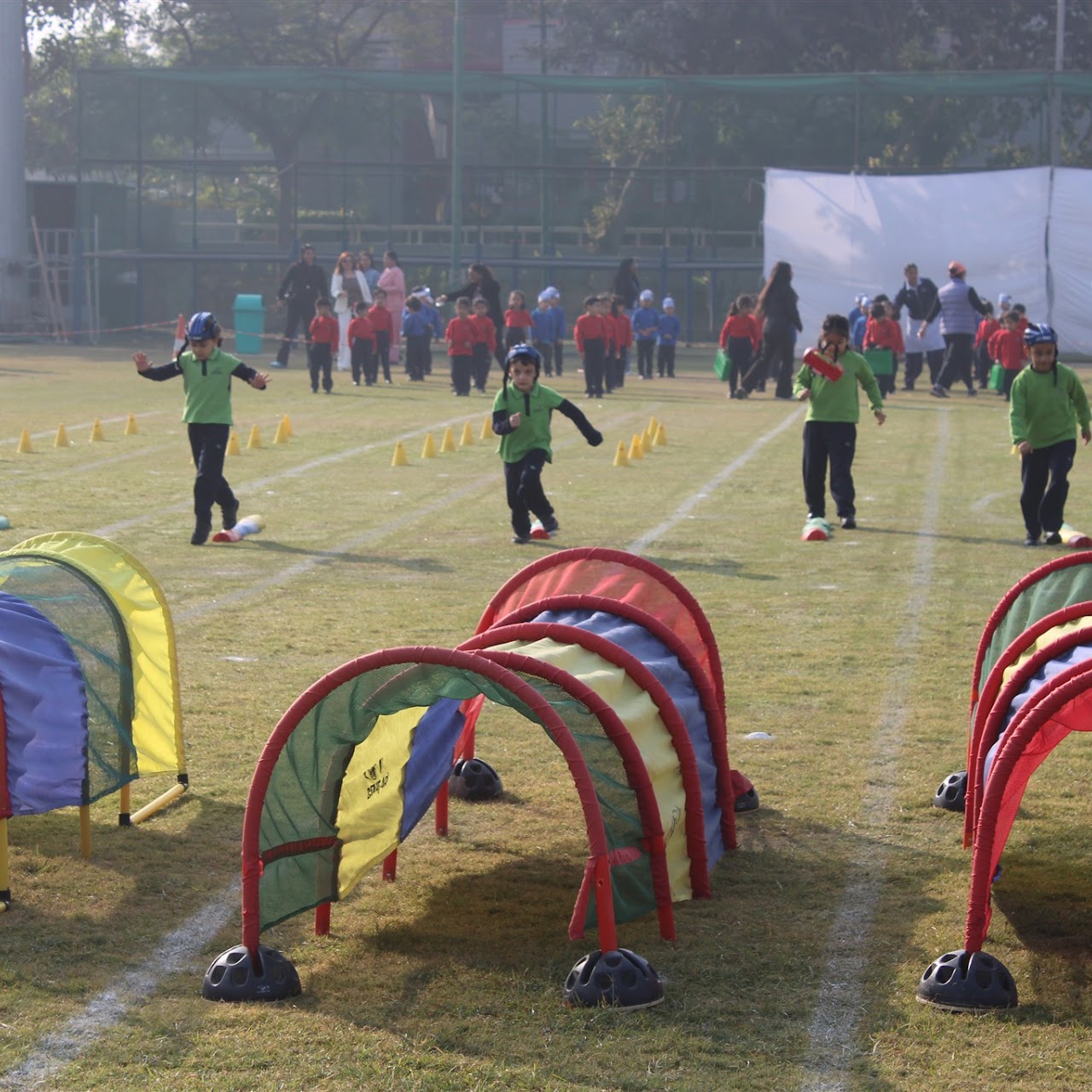
The Early Years Sports Day for the academic year 2025–26 was celebrated with great enthusiasm and vibrant energy at the South Block Sports Field on 4th and 5th December. Our young learners from Foundation Year through Grade 2 came together for two days of joyful participation, skill-building, and spirited teamwork.
The event opened with warm welcomes from Principal Ms. Deblina Chakraborty, Early Years Head Ms. Preeti Gautam, and Sports Heads Ms. Raspreet Sidhu and Mr. Jagdev Singh, setting a positive and encouraging atmosphere.
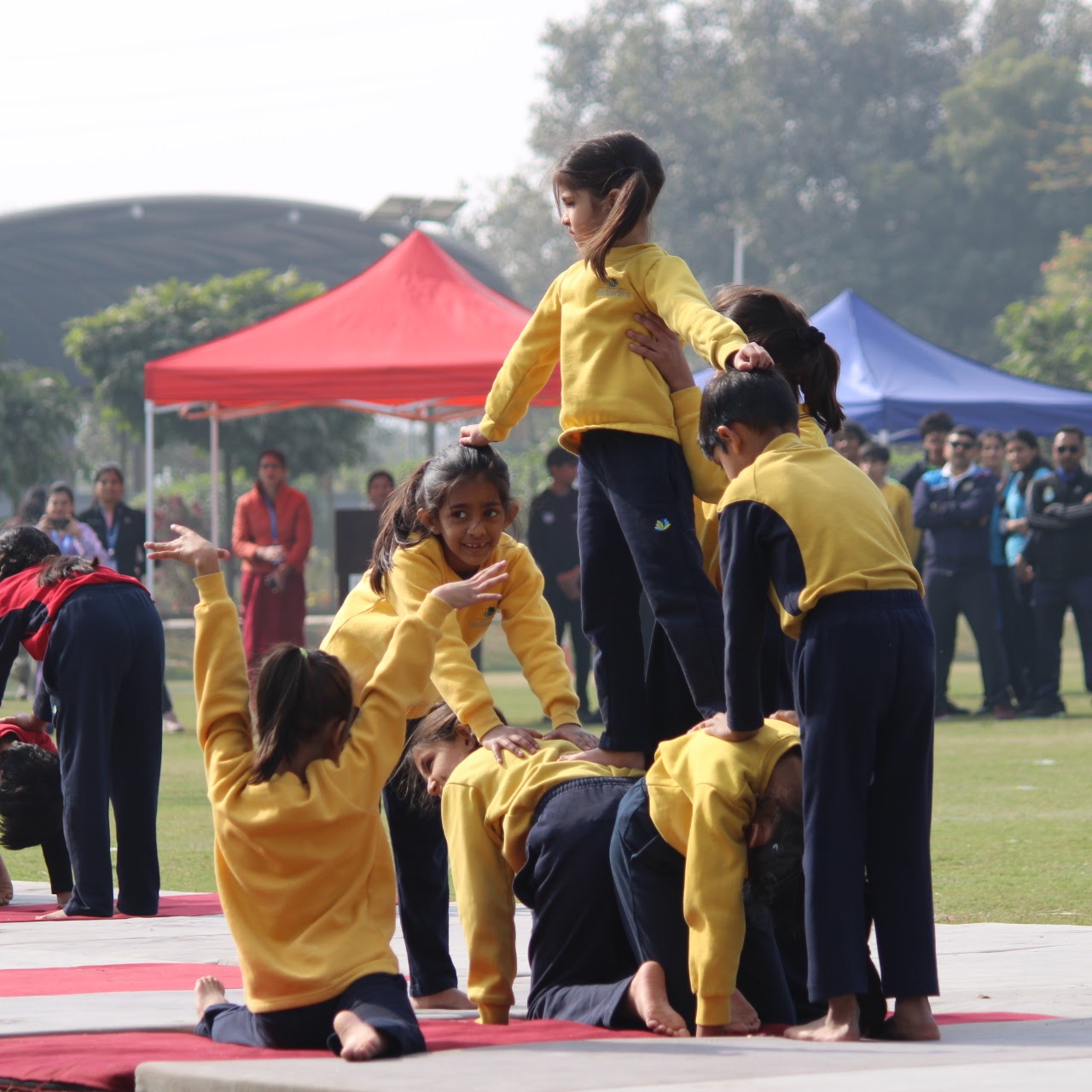
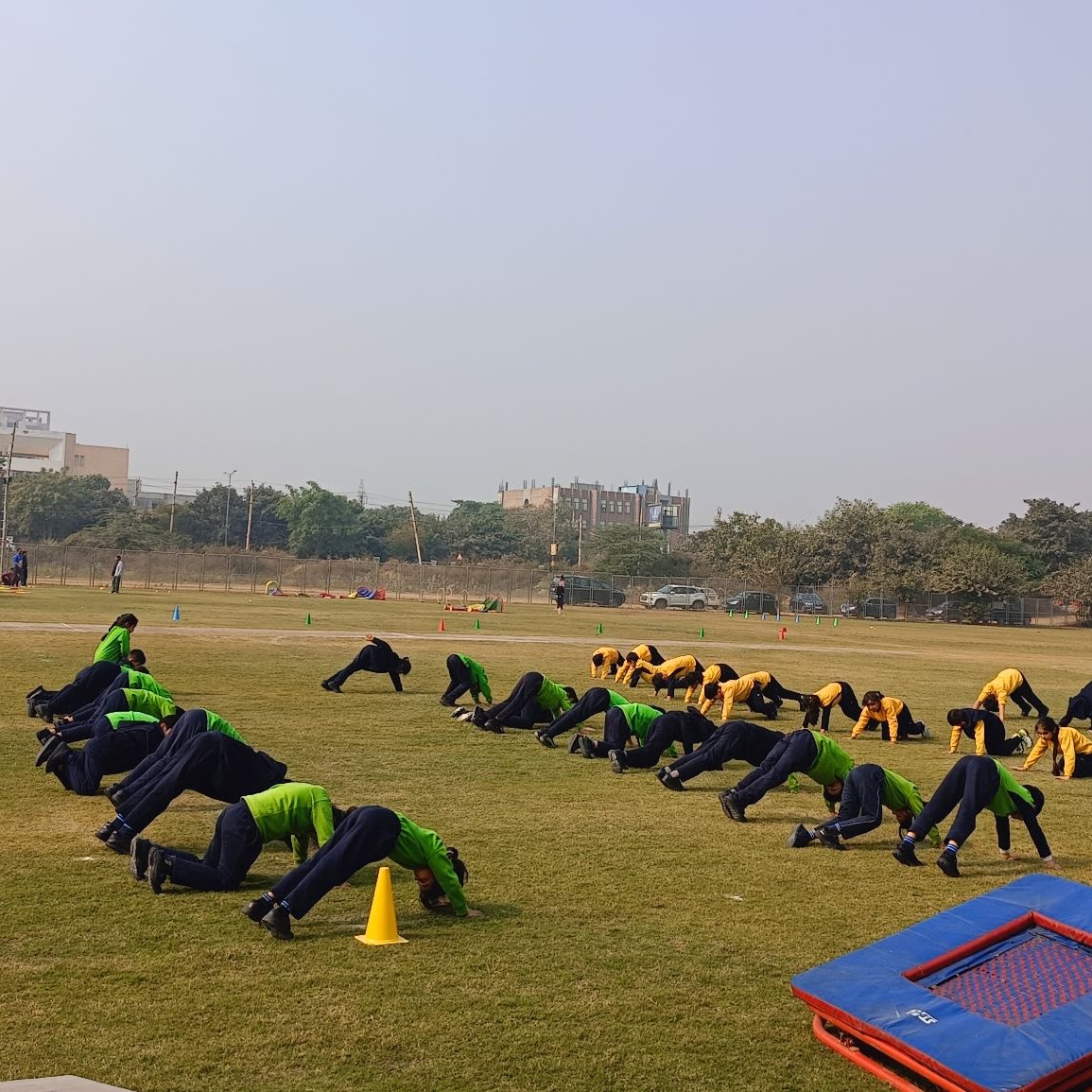
Foundation Year students charmed the audience as colourful mini-beasts, engaging enthusiastically in agility tasks such as hurdles, balancing, crawling, and zig-zag races. Their vibrant drill performance showcased rhythm and coordination, while a captivating gymnastics display by Grade 2 students highlighted discipline and agility.
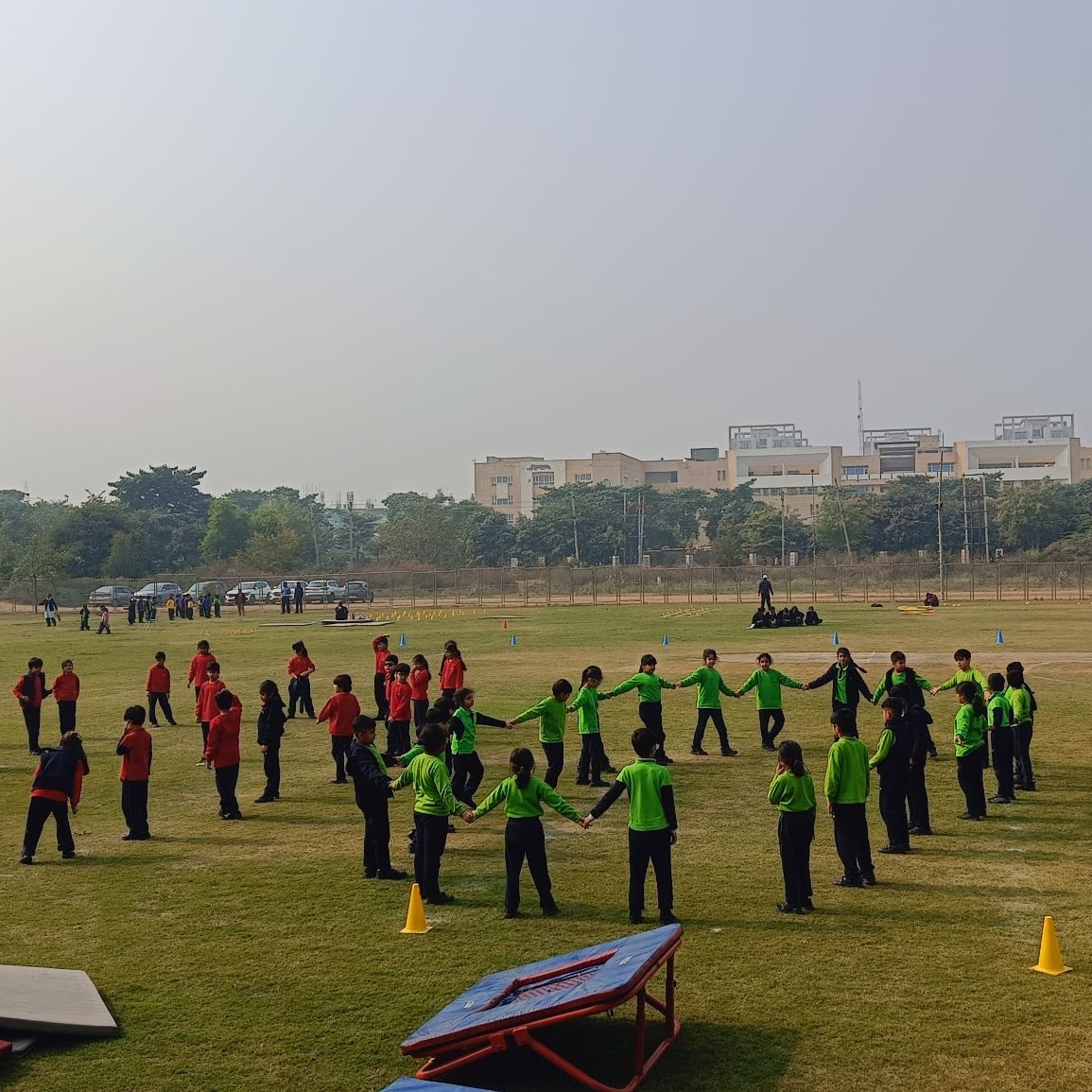
Nursery and Kindergarten learners added to the excitement with a lively march past, joyful Zumba drills, and themed races inspired by transport and winter. The colourful parachute drill brought rhythm and movement to the field, complemented by an impressive martial arts performance by Grade 1 and 2 students, demonstrating focus and strength.
Grades 1 and 2 embraced the creative theme “Tales on Track,” turning favourite storybooks into imaginative races that blended athleticism with storytelling. Martial arts drills, gymnastics, and yoga demonstrations further showcased their growing strength, balance, and concentration. Parent participation in the races brought warmth and a strong sense of community to the event.
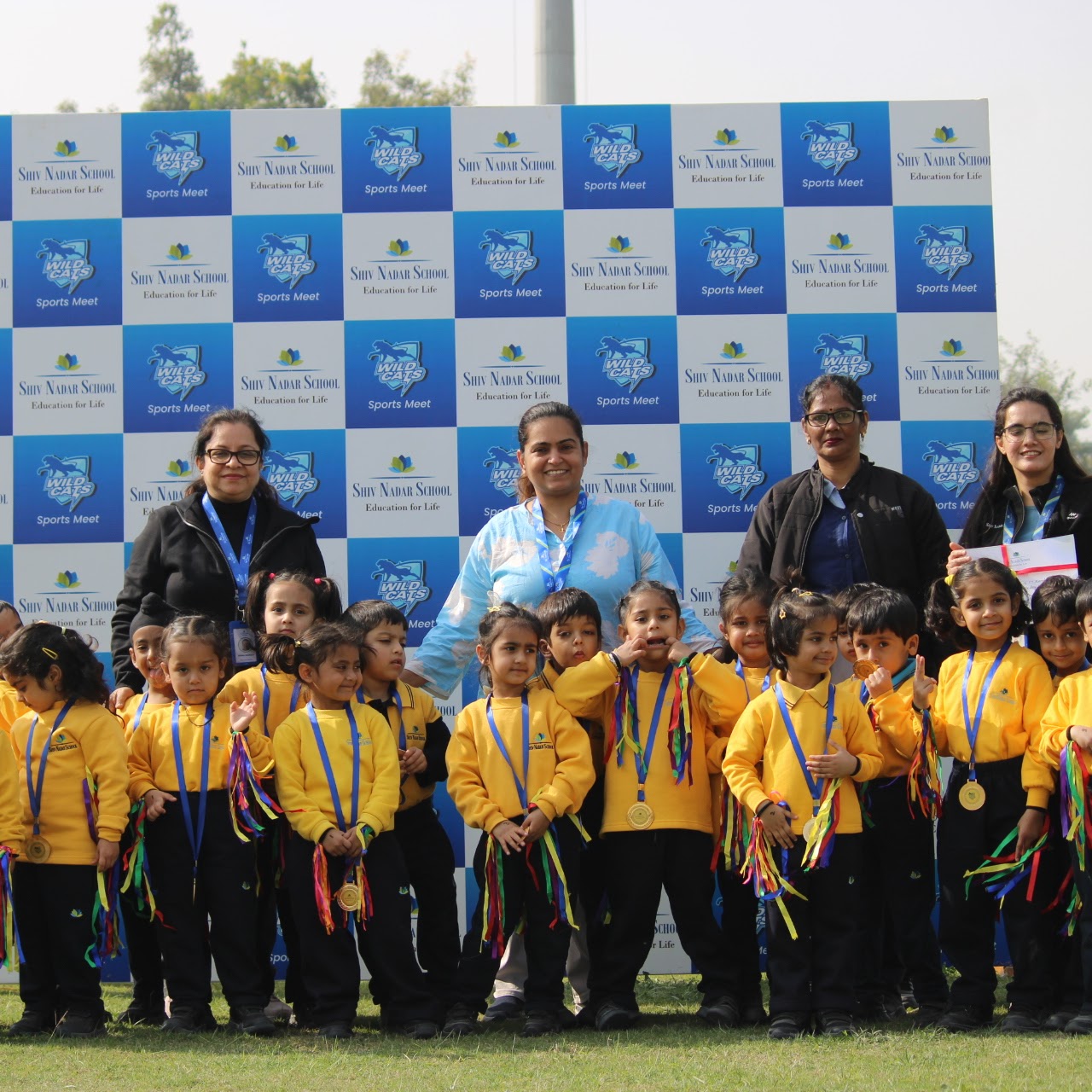
All learners were awarded medals and certificates in recognition of their enthusiasm, participation, and sportsmanship. Each day concluded with heartfelt thanks and the National Anthem, marking the close of two memorable days filled with joy and celebration.
This Sports Day beautifully reflected the dedication and collective spirit of our young learners, teachers, and parents at Shiv Nadar School Faridabad, reinforcing the values of fitness, teamwork, and community.
Bringing Stories to Life: Storytelling Session with Mr. Kapil Pandey
On 10th December 2025, Shiv Nadar School Faridabad hosted two engaging storytelling sessions that brought learning beyond the classroom for our young learners.
For Foundation Years to Kindergarten students at WCH, North Block, Mr. Kapil Pandey, a renowned children’s writer, poet, and drama-in-education expert, narrated the popular story Room on the Broom. Using expressive voice modulation, rhymes, songs, and props, he created a vivid and interactive experience that fully captured the children’s attention. After the session, learners completed reflection sheets to recall key story elements and express their thoughts.
Simultaneously, a storytelling session for Grades 1 and 2 was conducted, facilitated by Mr. Kapil Pandey as well. He captivated the young audience with the story of Tun Tuni, a little bird seeking help to remove a painful corn on her toe. Despite approaching the king, a mouse, and others, only a tiny mosquito comes to her aid, demonstrating how even the smallest can make a big difference. The dynamic narration, rhythmic music, and interactive performance kept learners engrossed throughout.
Both sessions nurtured listening, comprehension, communication, imagination, and emotional understanding, enriching teaching and learning through creative pedagogy and meaningful narrative experiences.
Shiv Nadar School Chennai is now an Authorized IB PYP World School
Shiv Nadar School, Chennai is now an authorized IB PYP World School and is officially part of the prestigious IB World School community.
This authorization reflects our focus on delivering a high-quality, inquiry-based educational experience. Learning at our school is designed to nurture students who are curious, knowledgeable, and caring, while encouraging them to take responsibility for their own learning.
As we enter this new chapter, we look ahead to deepening student agency, critical thinking, and responsible action, as part of our continued pursuit of educational excellence.
MY3 Community Project Showcase: Learning Through Action and Responsibility
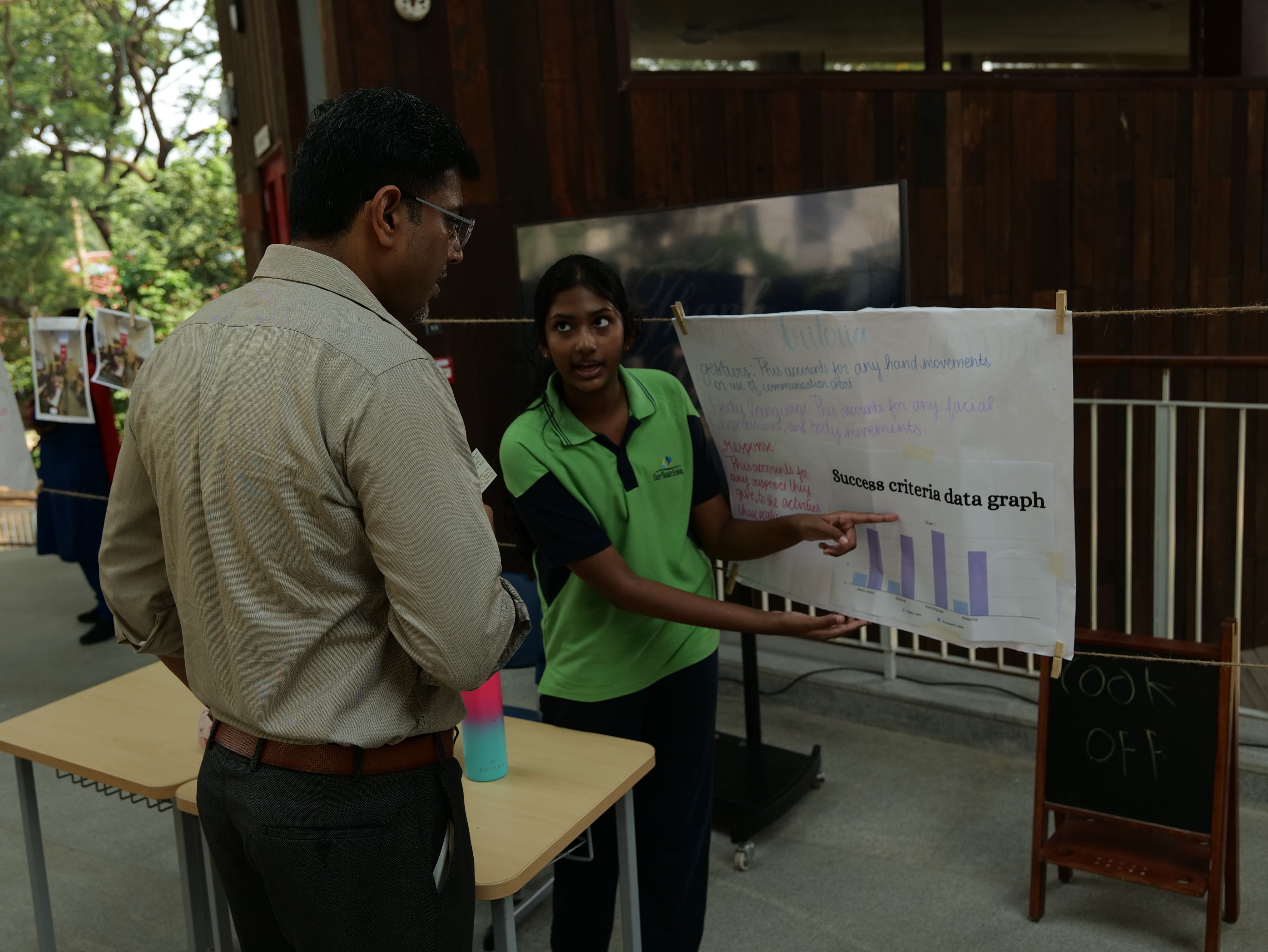
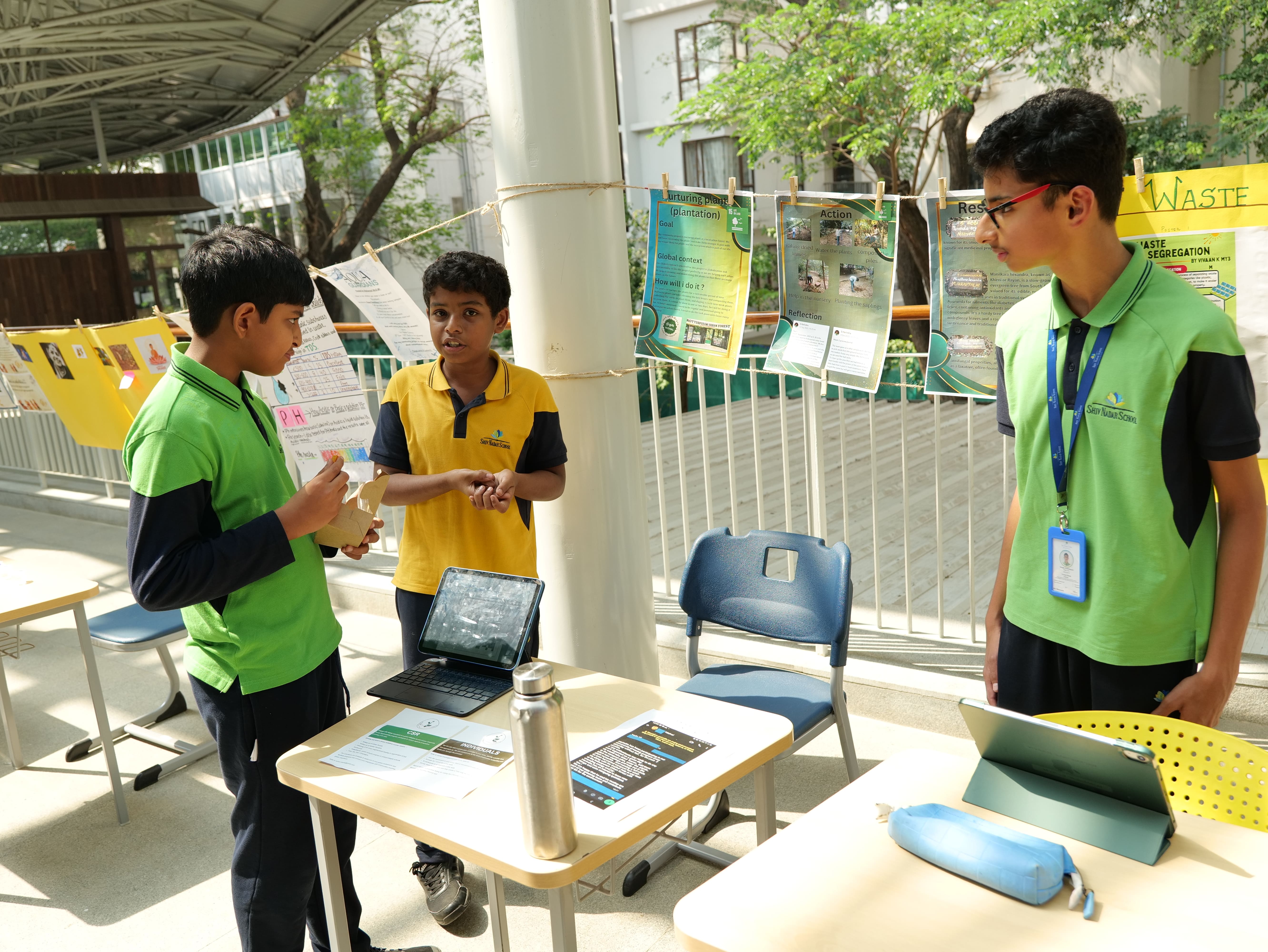
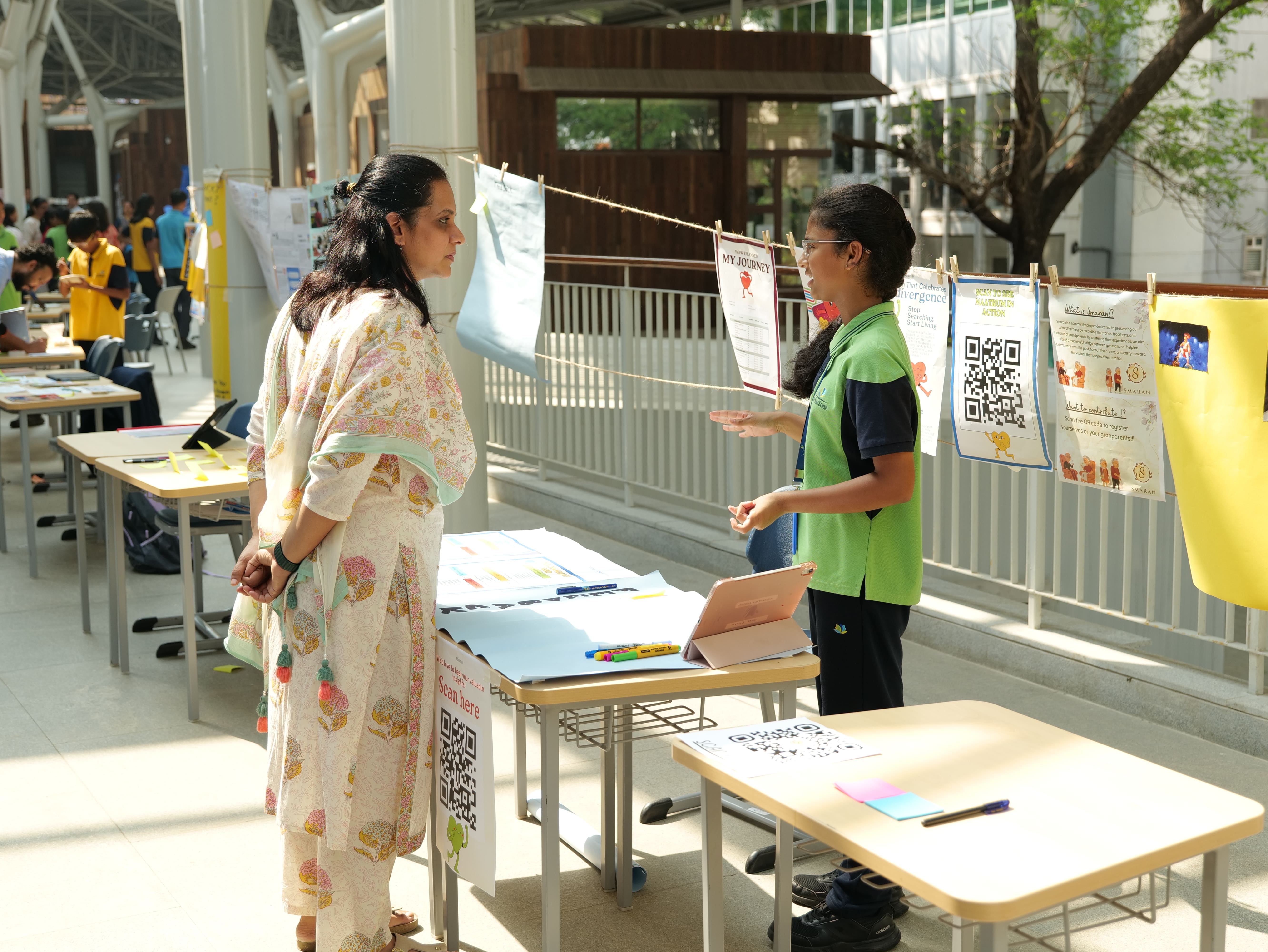
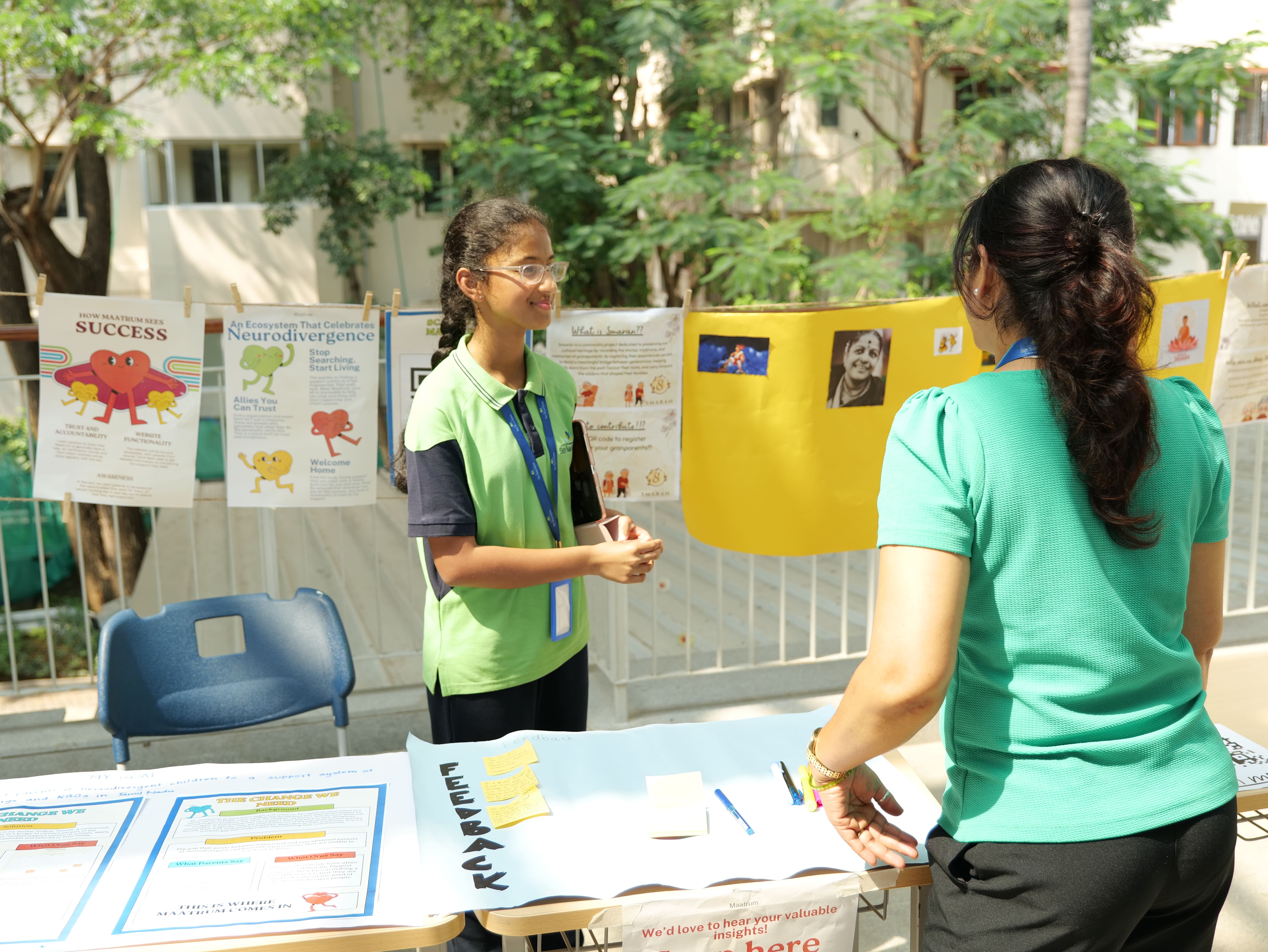
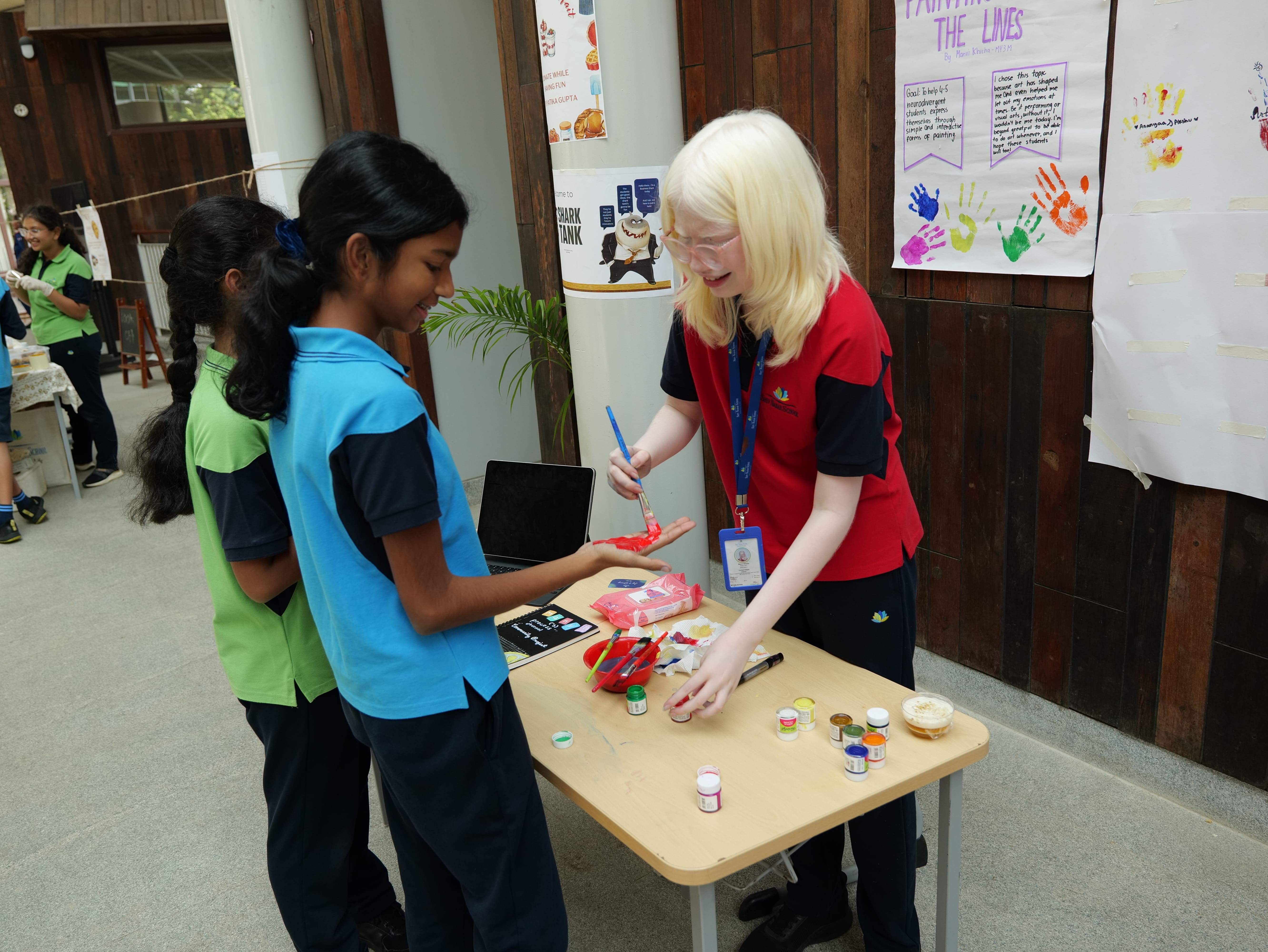
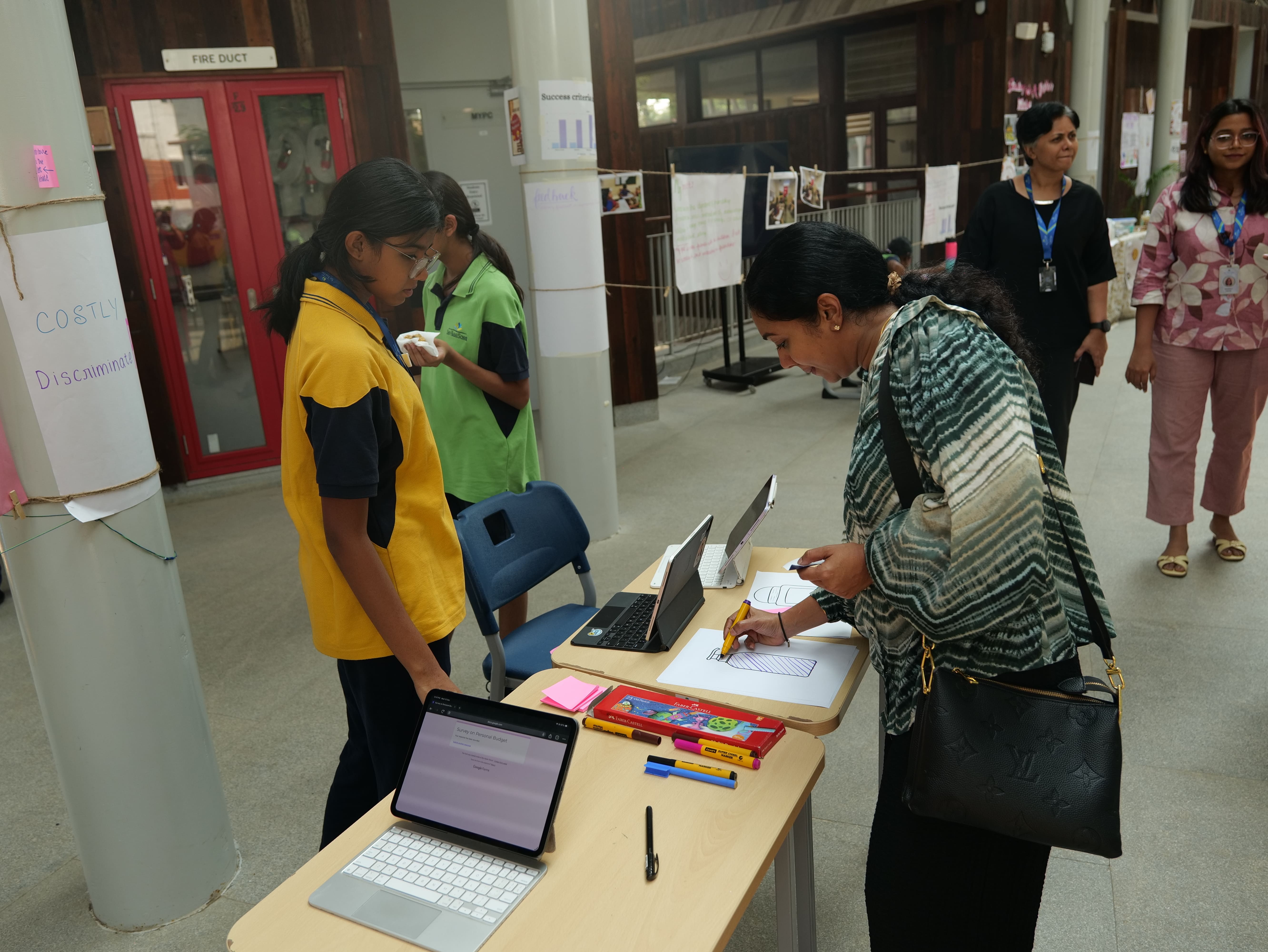
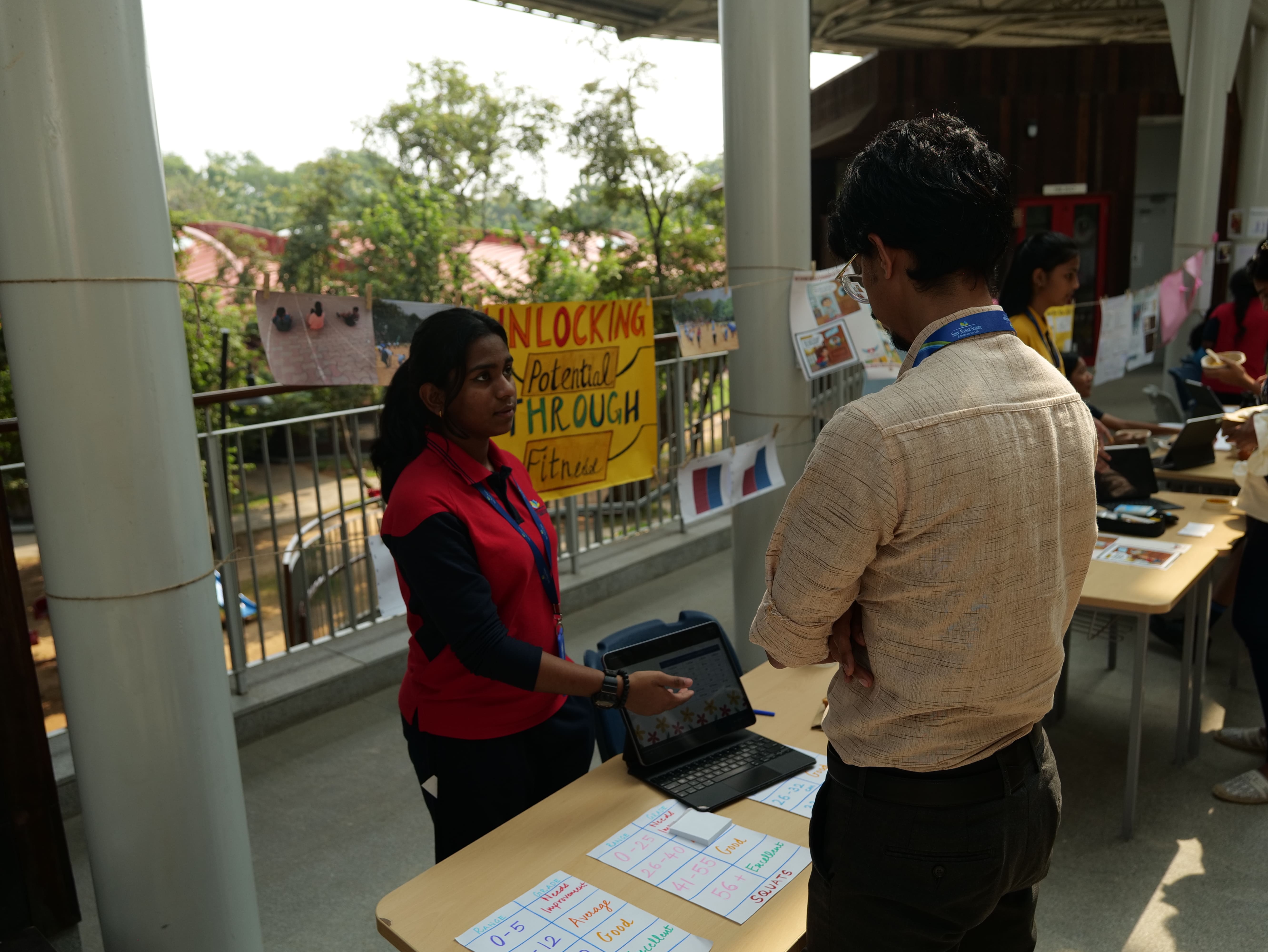
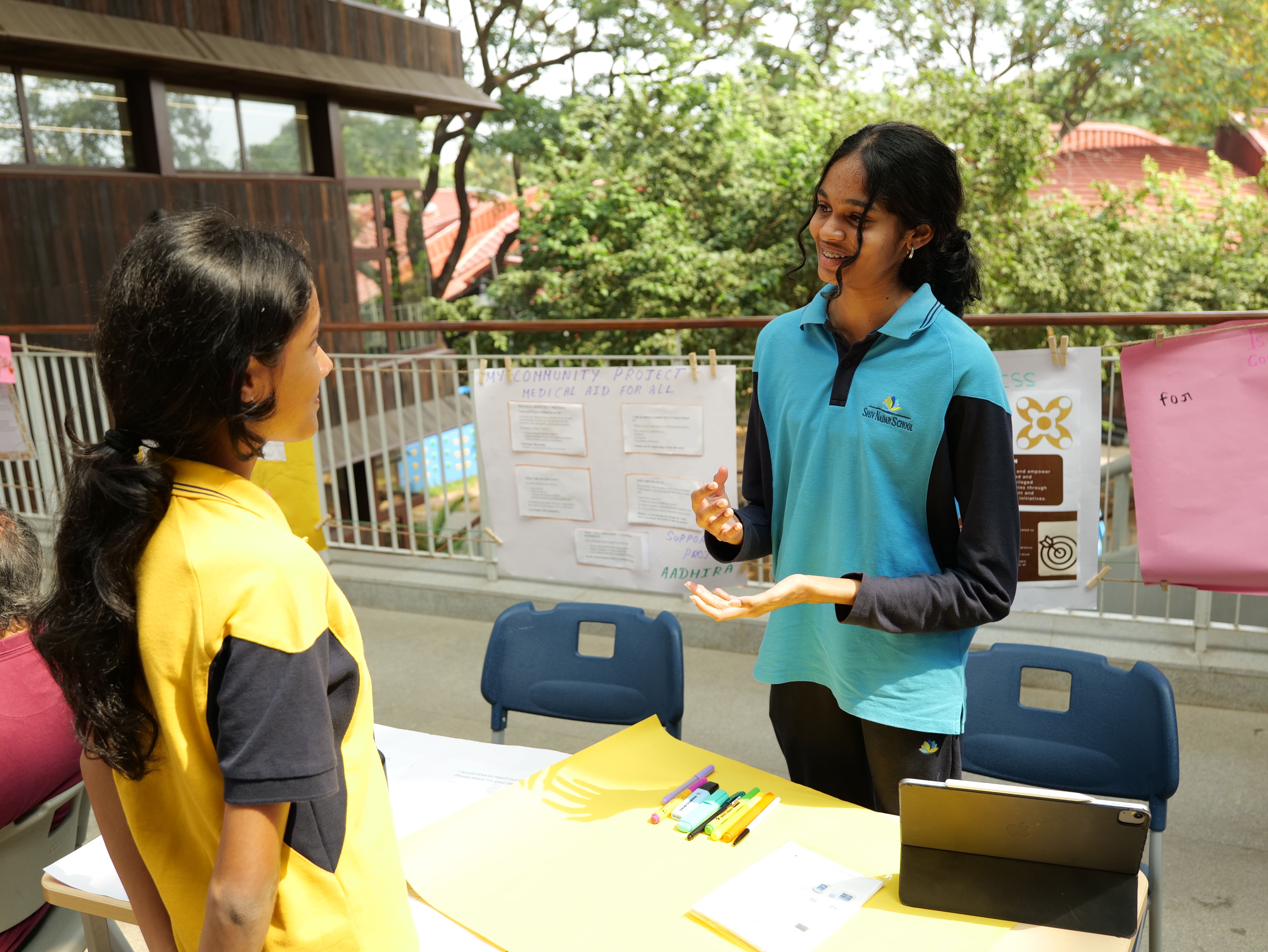
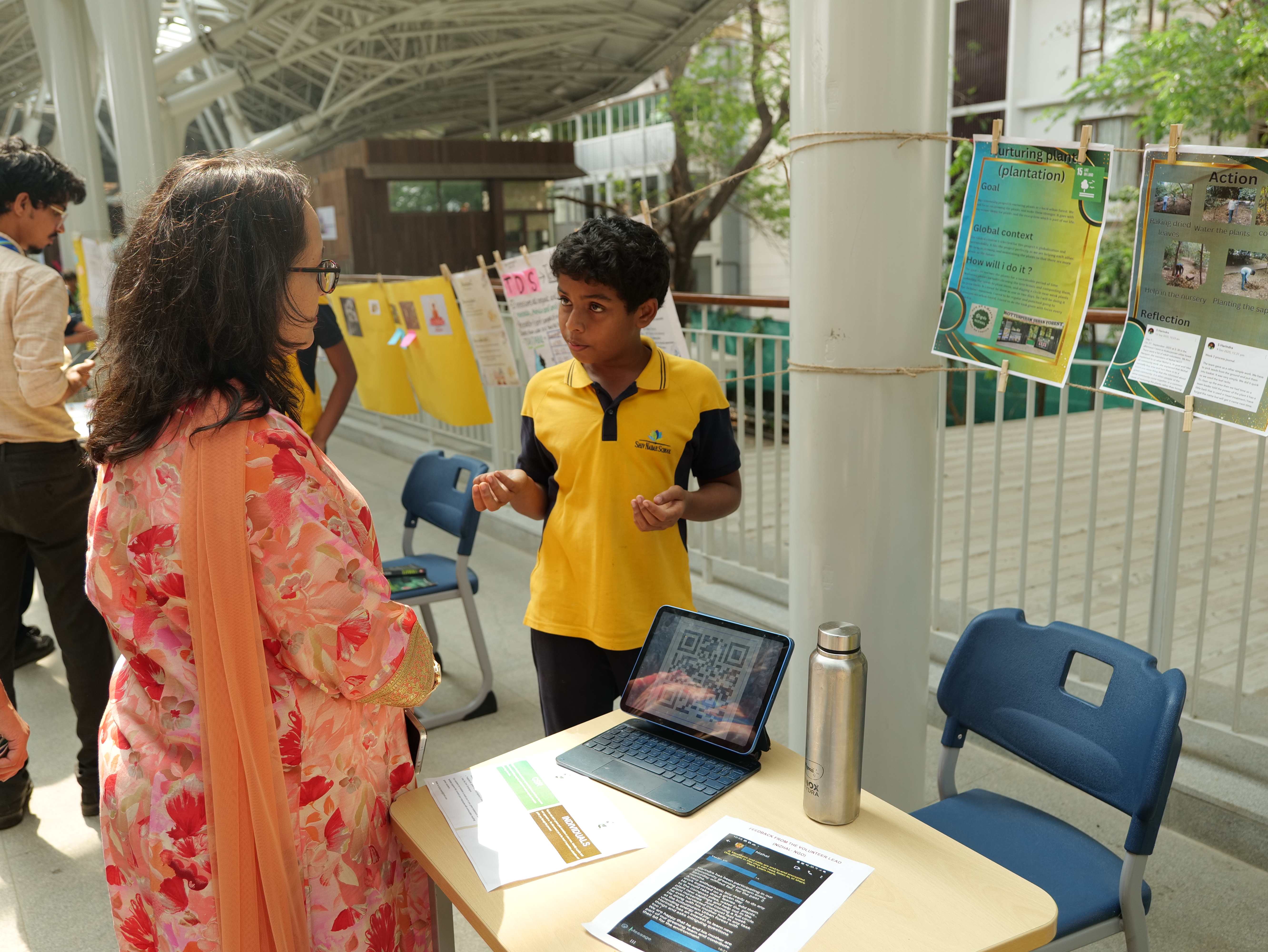
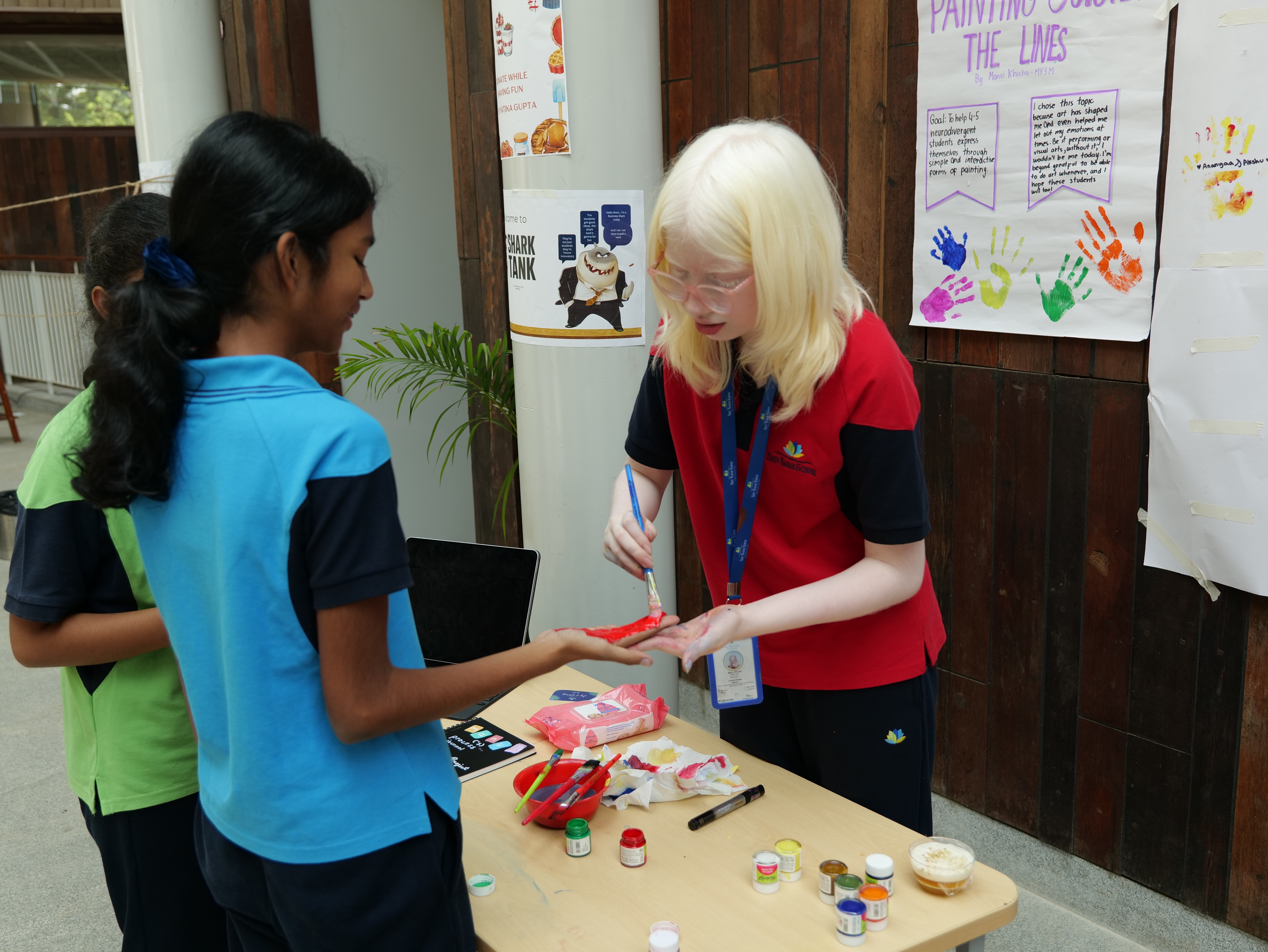
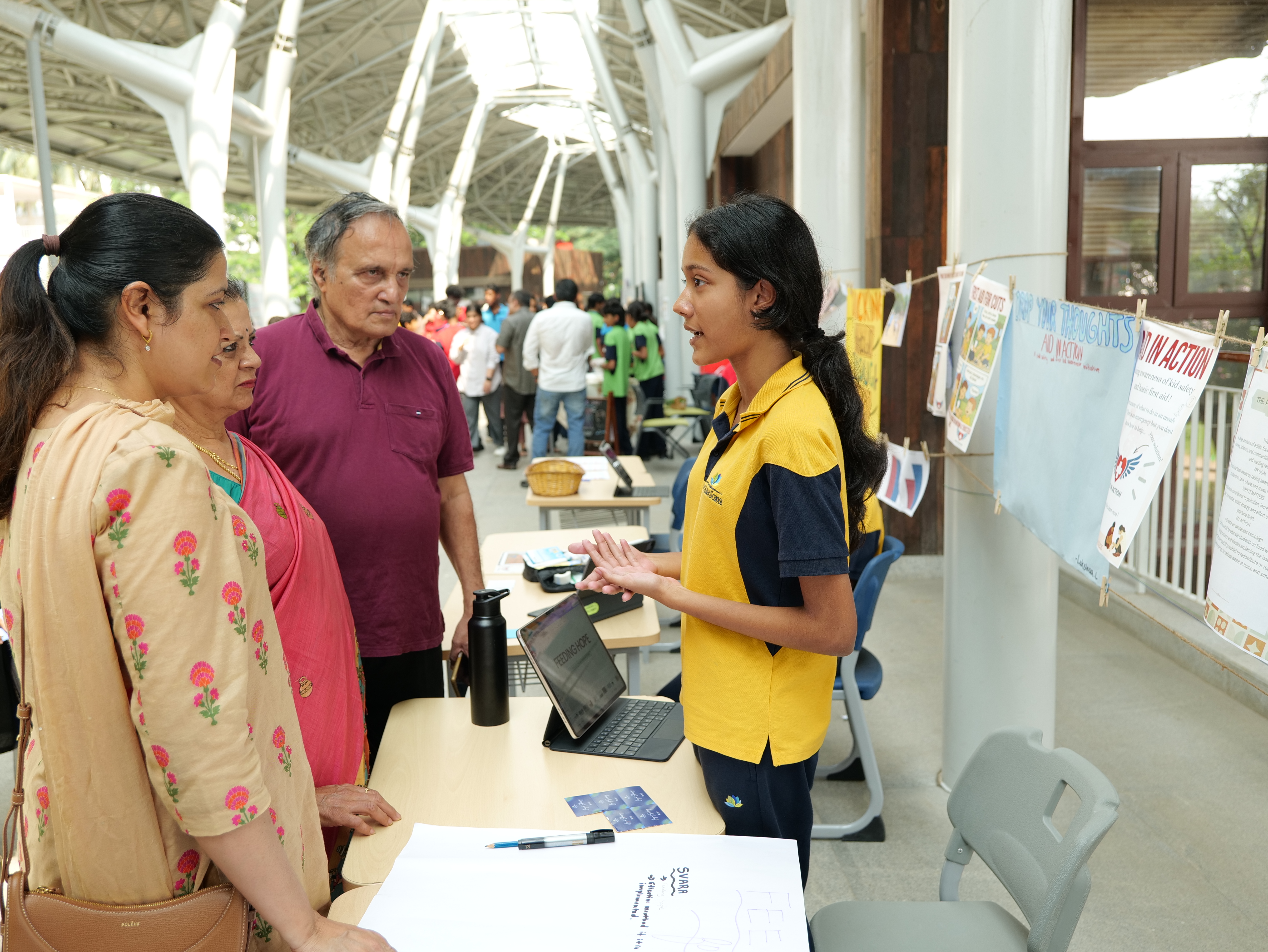
As part of the MYP Community Project 2025–26, MY3 learners showcased their ongoing work to the Middle Years Parents. This meaningful engagement marked the first Community Project showcase in the run-up to the final MYP Community Project Exhibition.
What is the MYP Community Project?
The Community Project is a core component of the IB Middle Years Programme (MYP) undertaken by students in MY3. It invites learners to identify a real community need, explore it through inquiry, and take purposeful action to make a positive difference. The project places strong emphasis on student agency, reflection, and responsibility, while developing key skills such as research, planning, collaboration, communication, and self-management.
Through the Community Project, students move beyond academic learning to engage with the world around them—understanding impact, ethics, and the importance of sustained action.
The Showcase: A Reflective Checkpoint
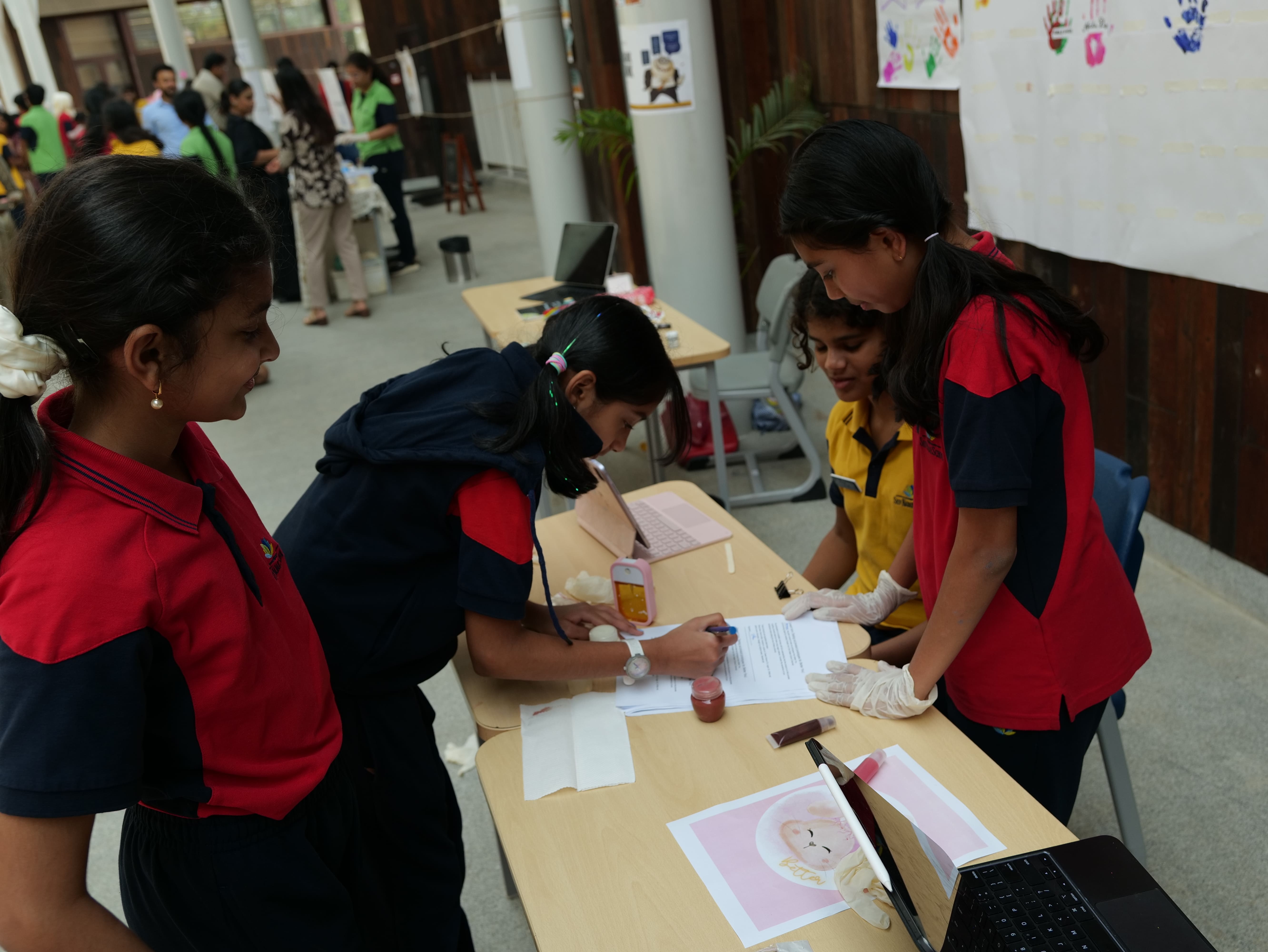
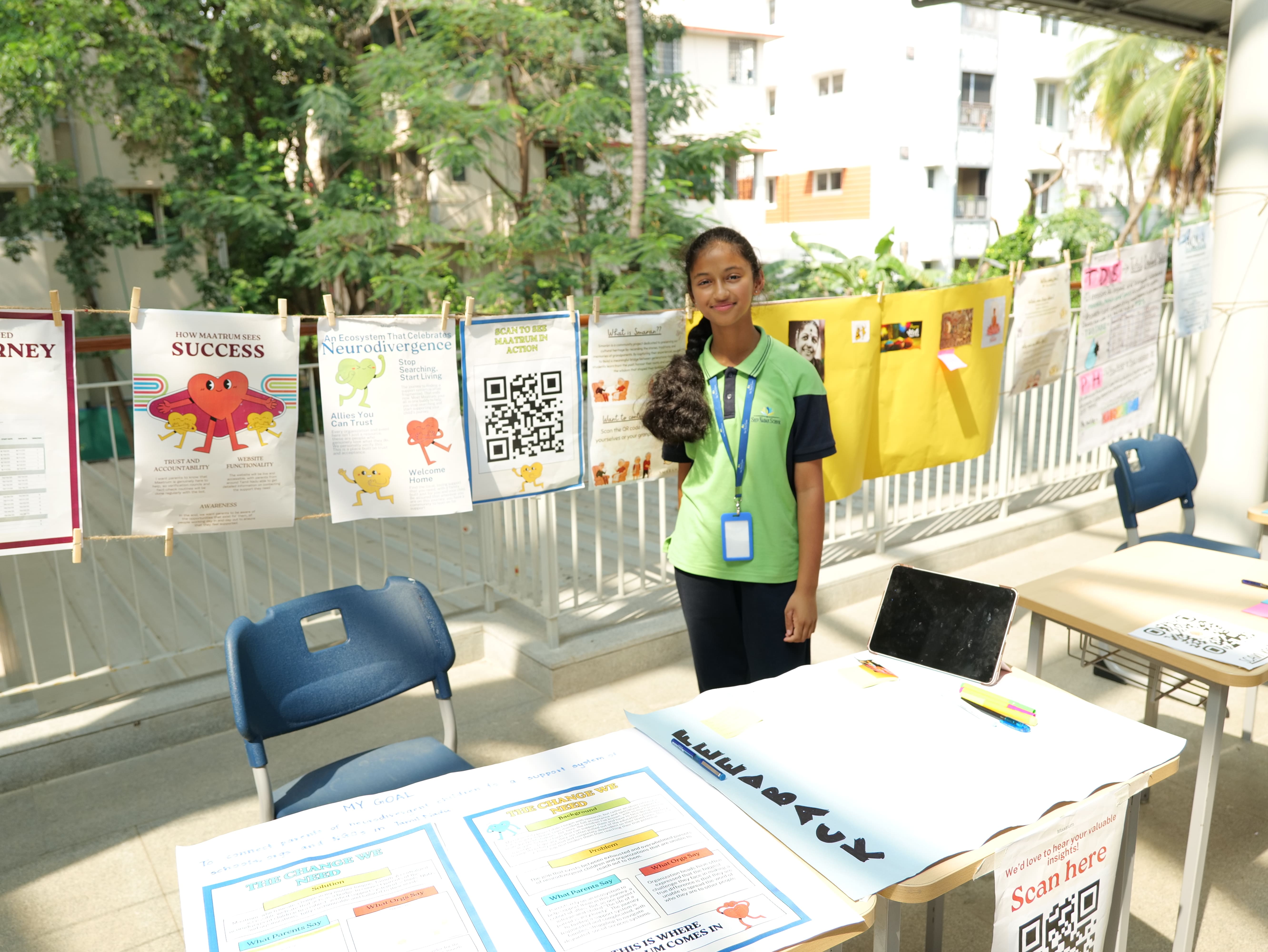
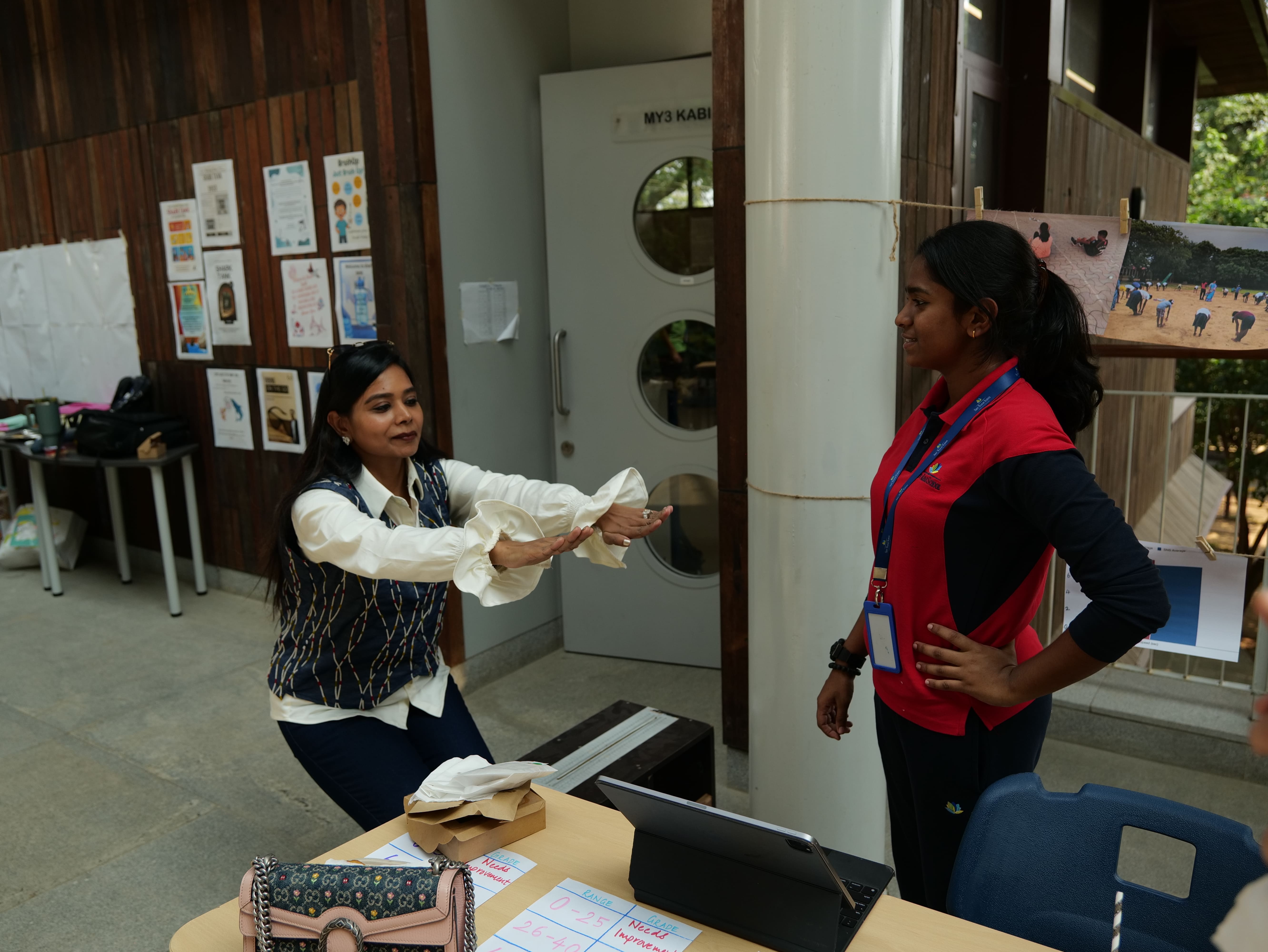
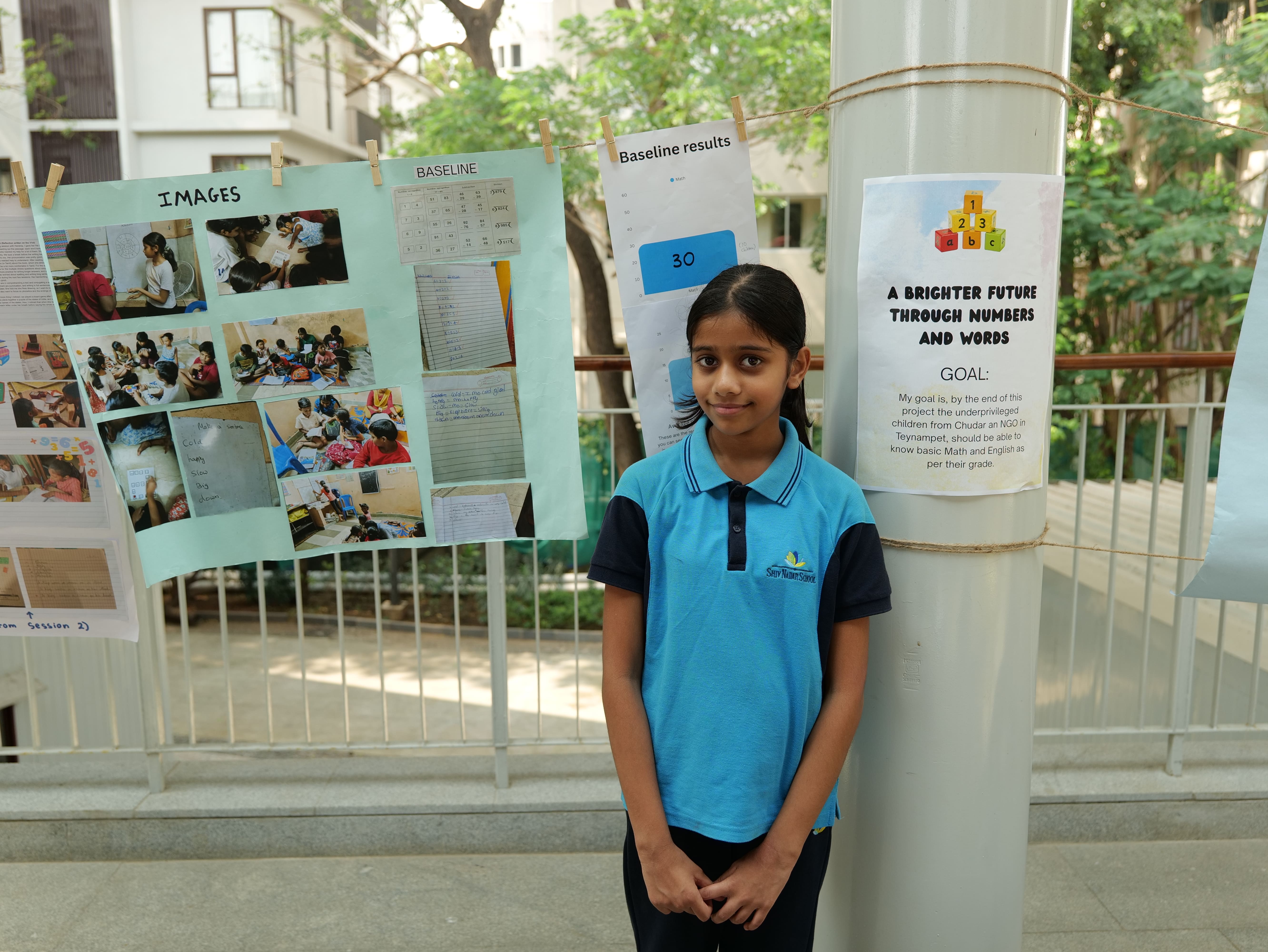
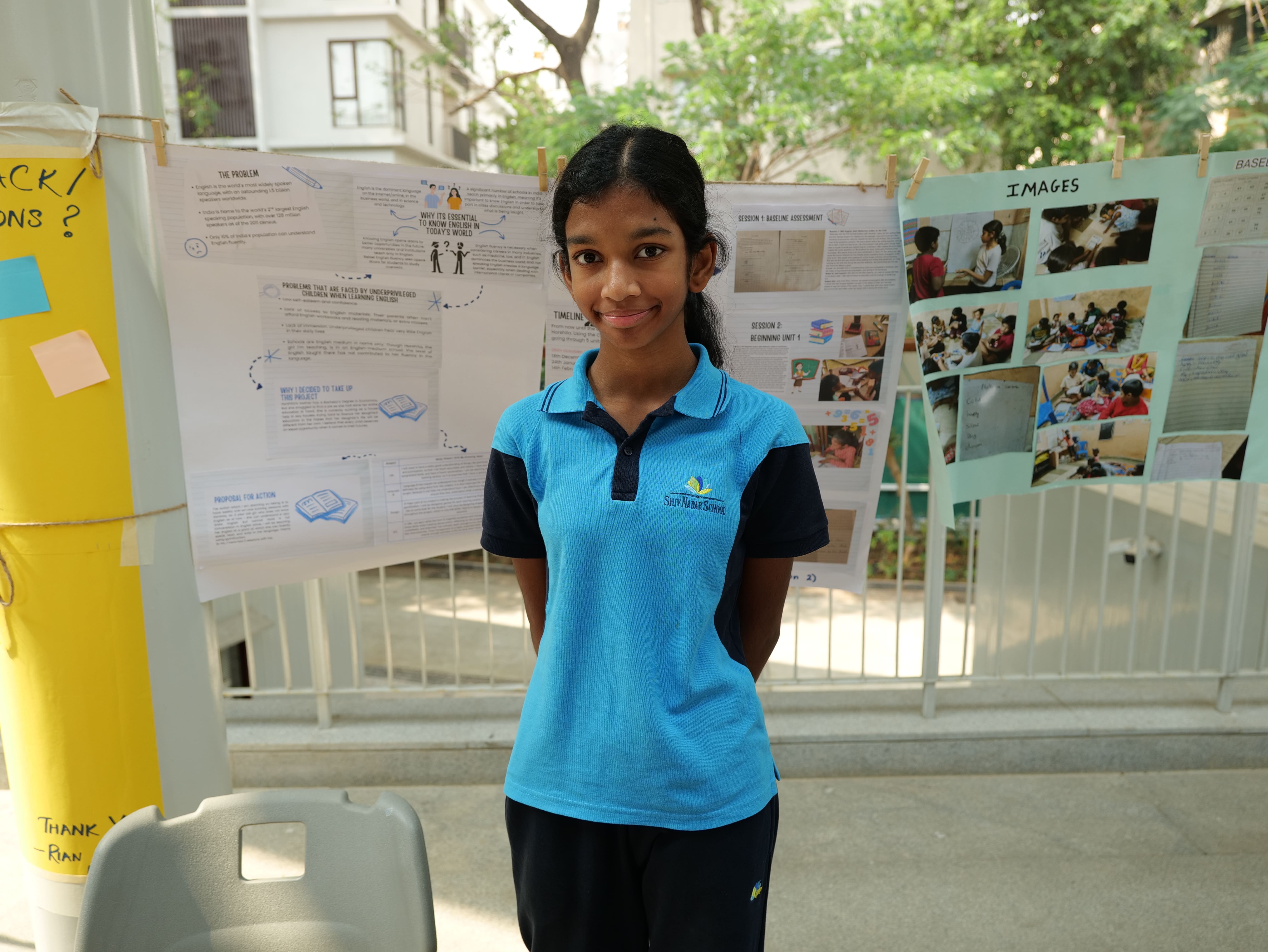
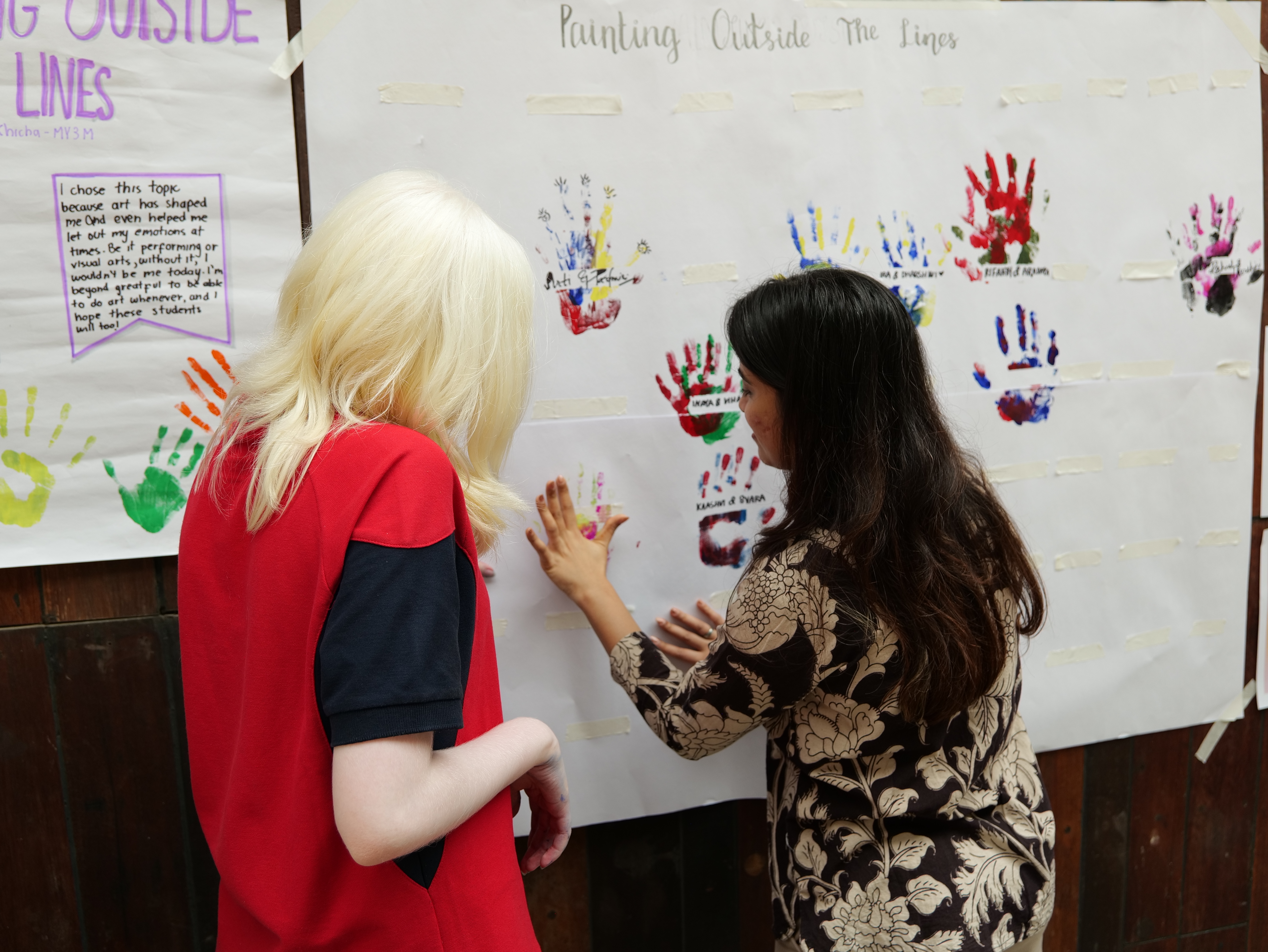
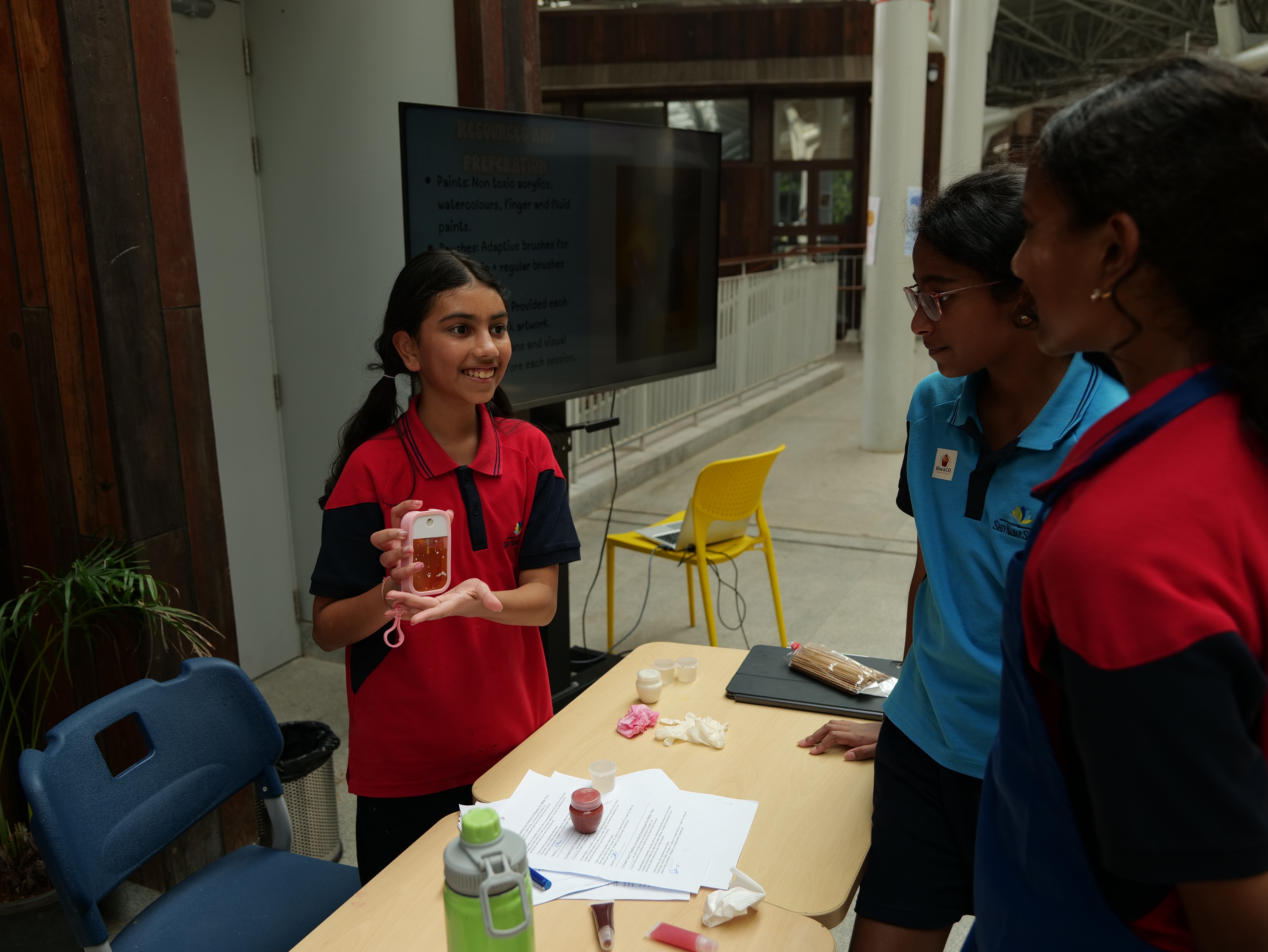
For this first showcase, MY3 learners voluntarily set up stalls to present their projects, clearly articulating their goals, the communities they serve, success criteria, and evidence of action taken so far. Parents engaged in thoughtful conversations with students, asked questions, and offered feedback, gaining deeper insight into both the purpose and the process of the Community Project.
The showcase served as an important reflective checkpoint for learners. It was an opportunity to pause, evaluate their progress, and consider next steps as they continue their journey toward the final exhibition. While some students chose to raise funds through sales-based initiatives, others focused on awareness-building and advocacy, highlighting the diverse ways in which meaningful community impact can be achieved.
Looking Ahead
This first MY3 Community Project Showcase reflects learning in action, where student voice, reflection, and responsibility come together. As learners continue to refine their projects, they will deepen their understanding of community needs and prepare for the culminating MYP Community Project Exhibition.
Most importantly, the showcase reinforced the value of authentic engagement and parent partnership, demonstrating how collaborative learning experiences can enrich understanding and empower students to create purposeful change.
The Shark Tank Experience: When Ideas Meet Opportunity
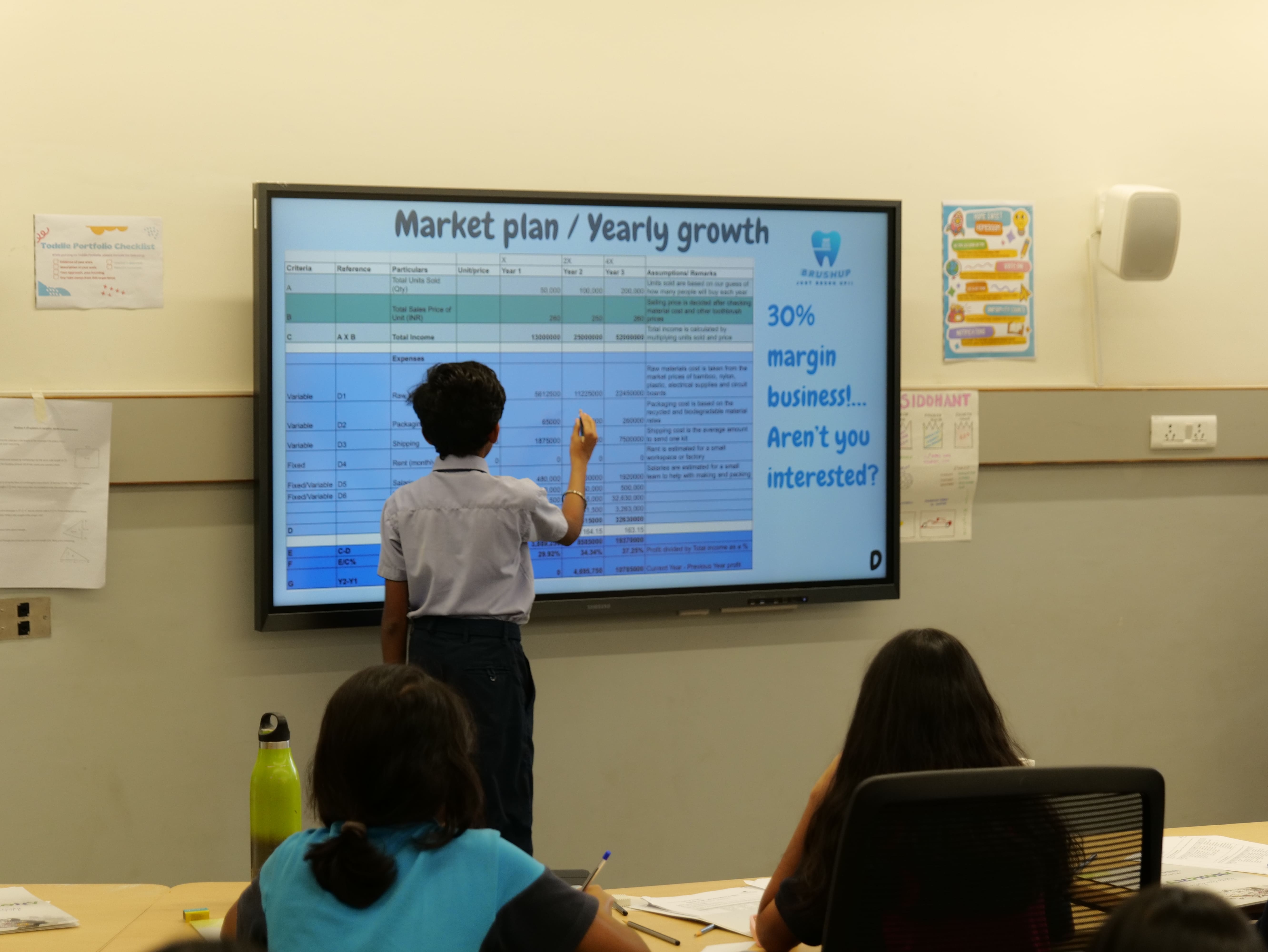
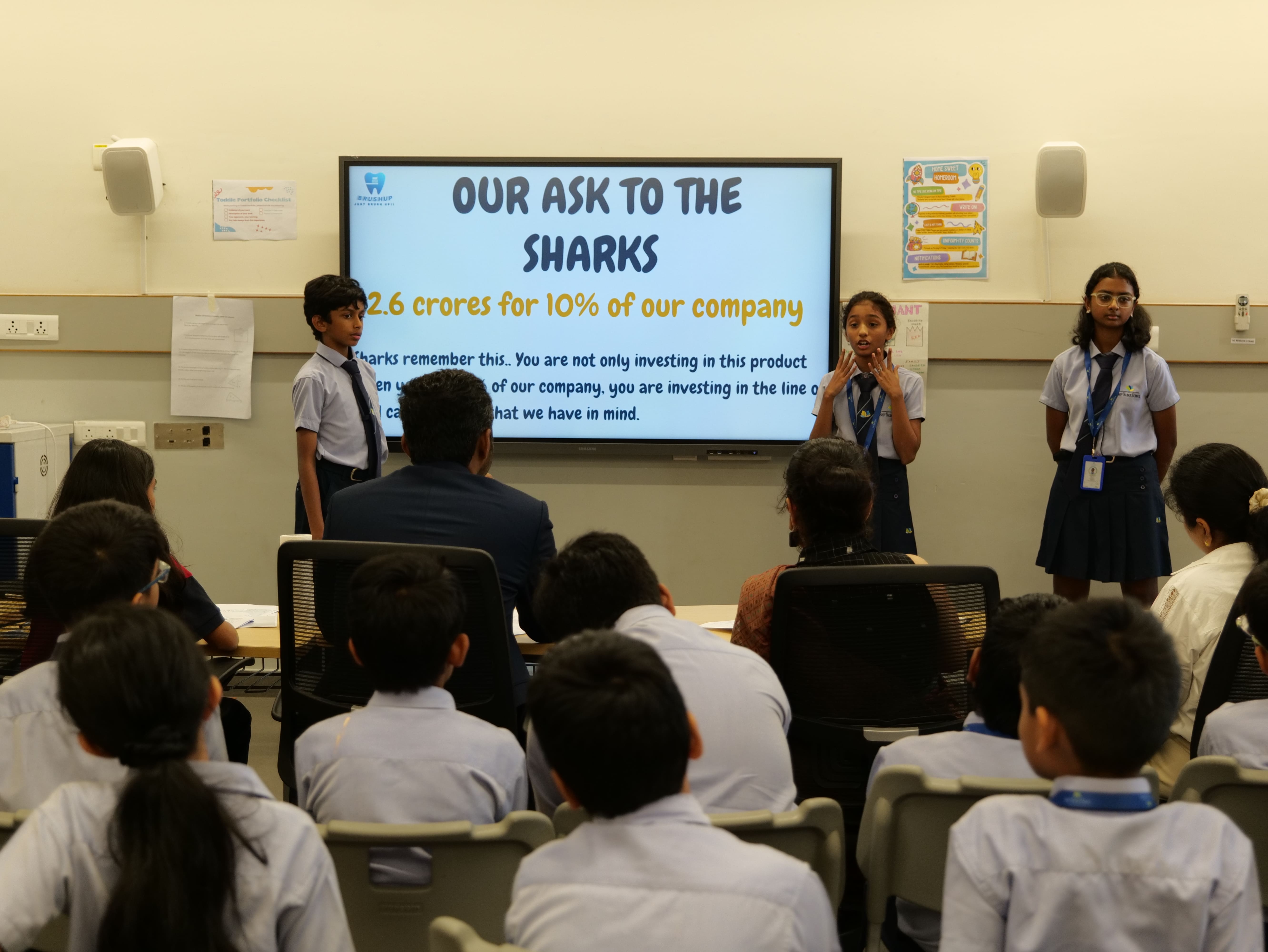
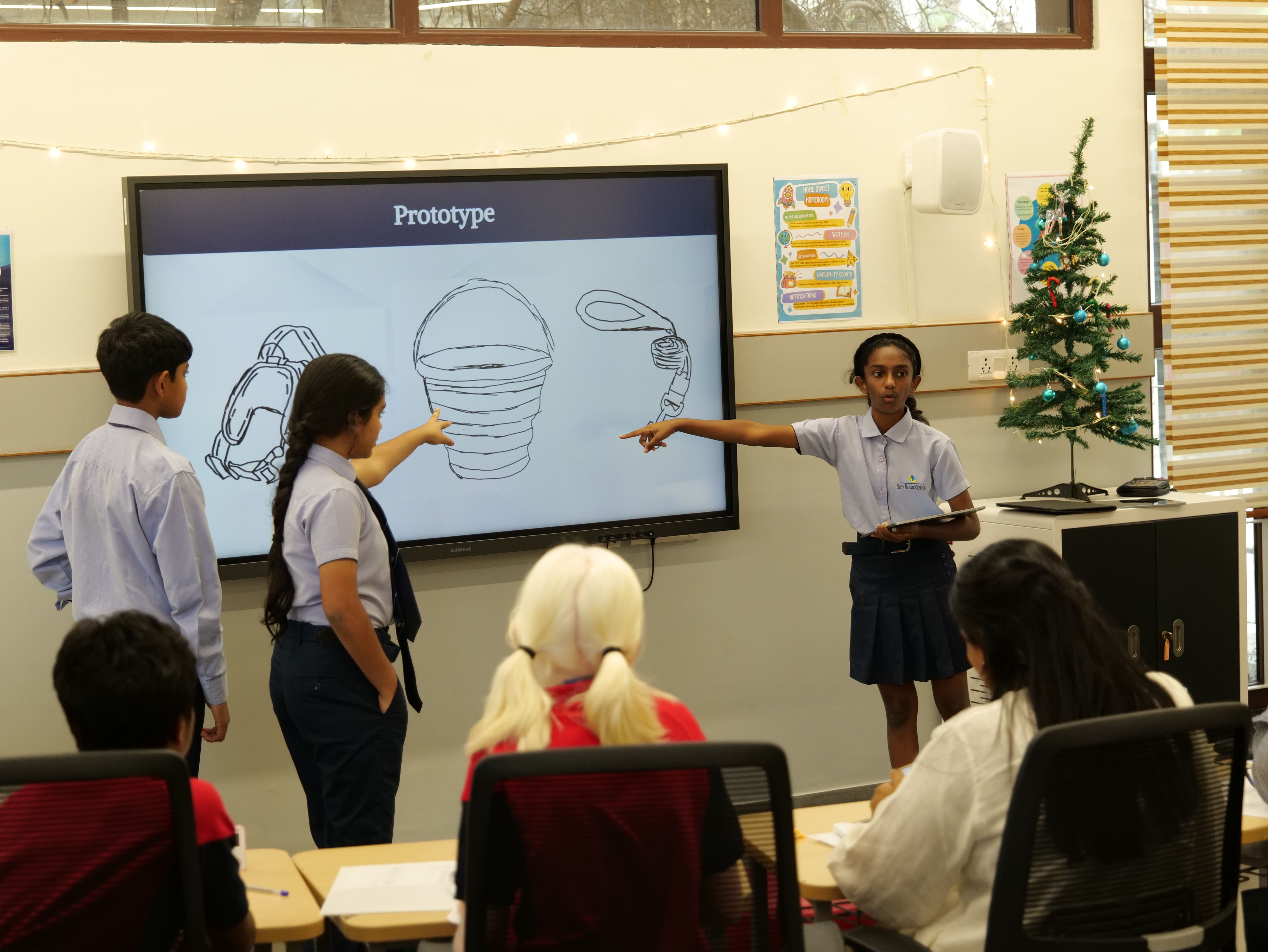
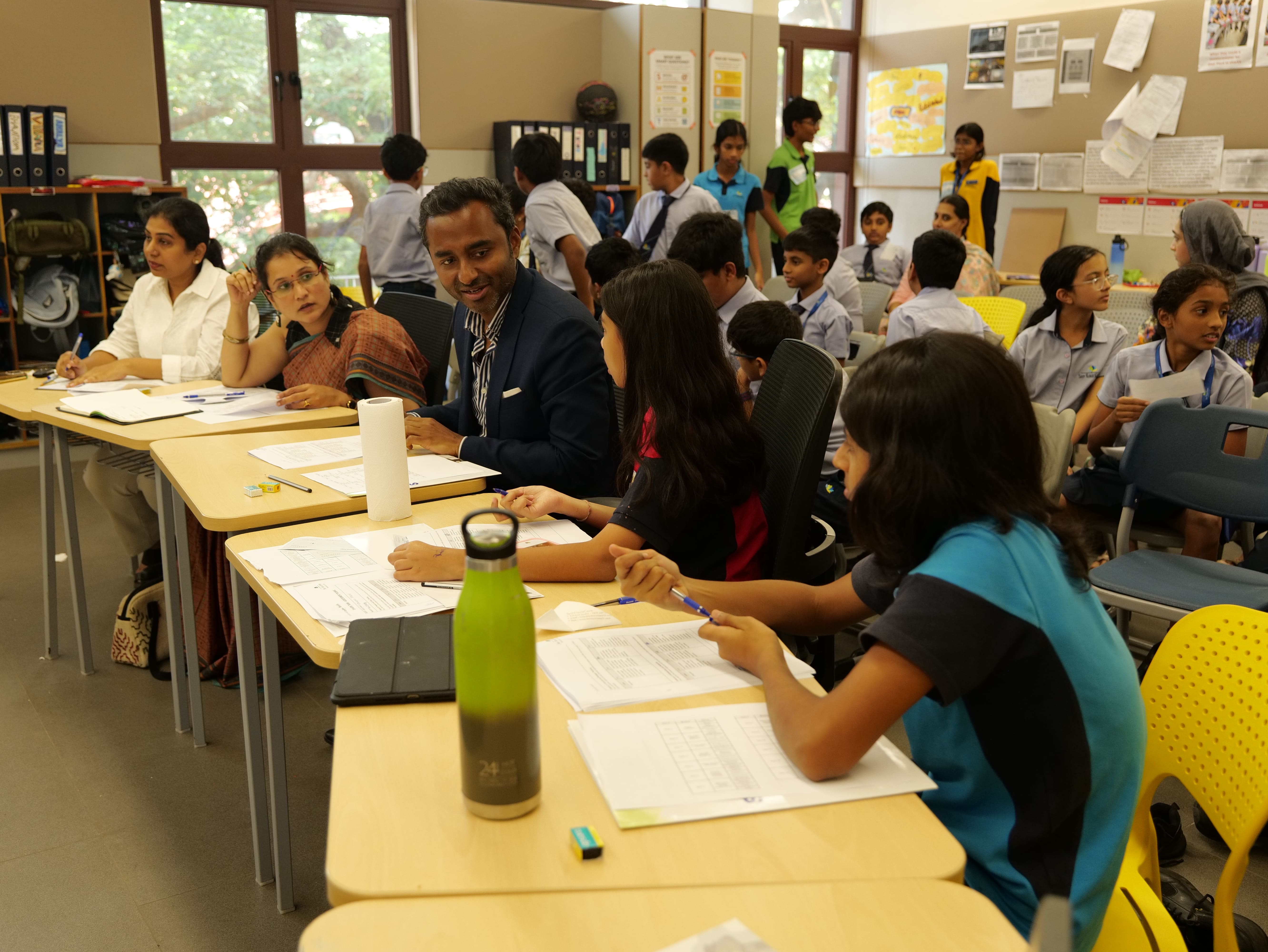
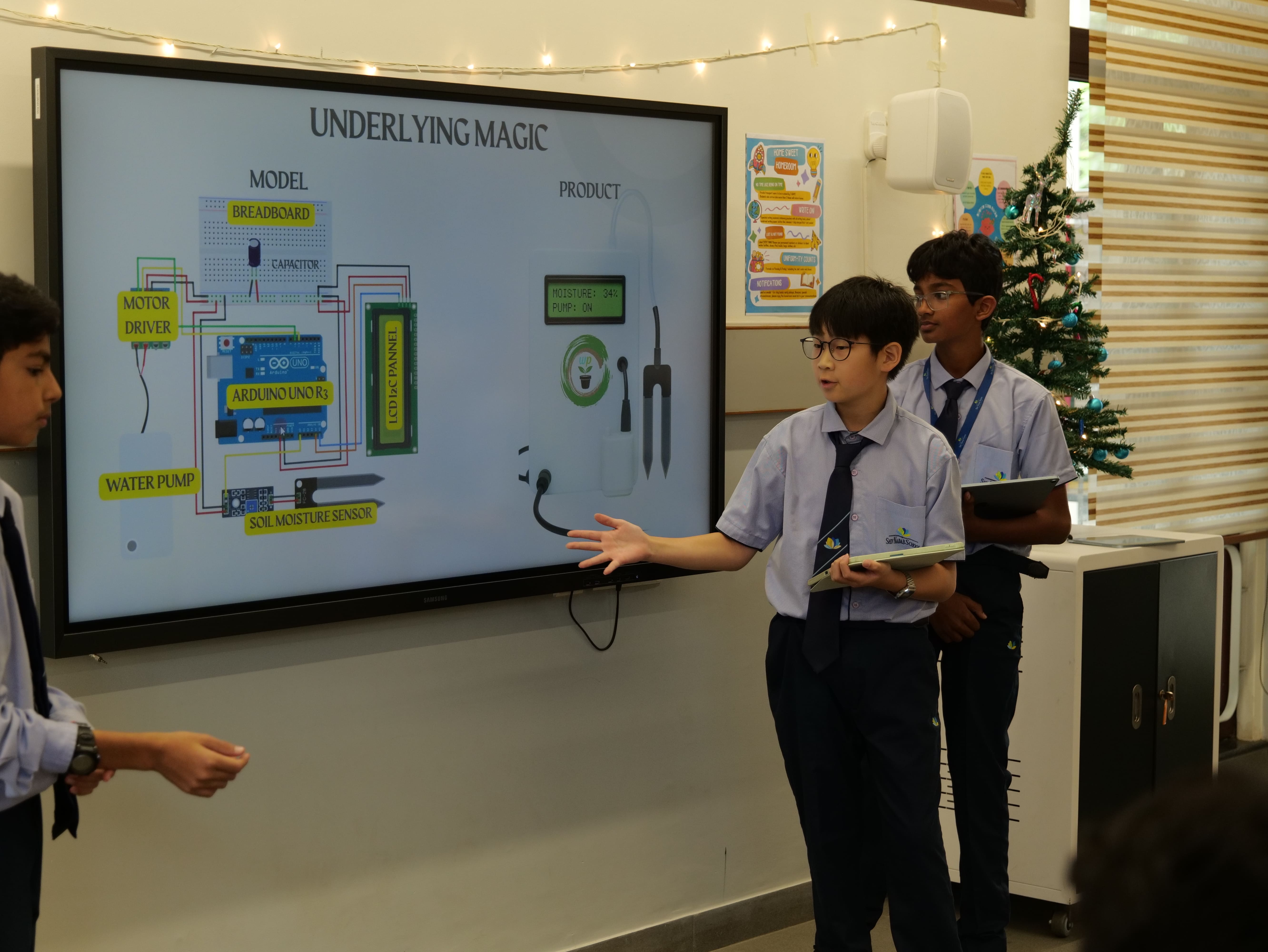
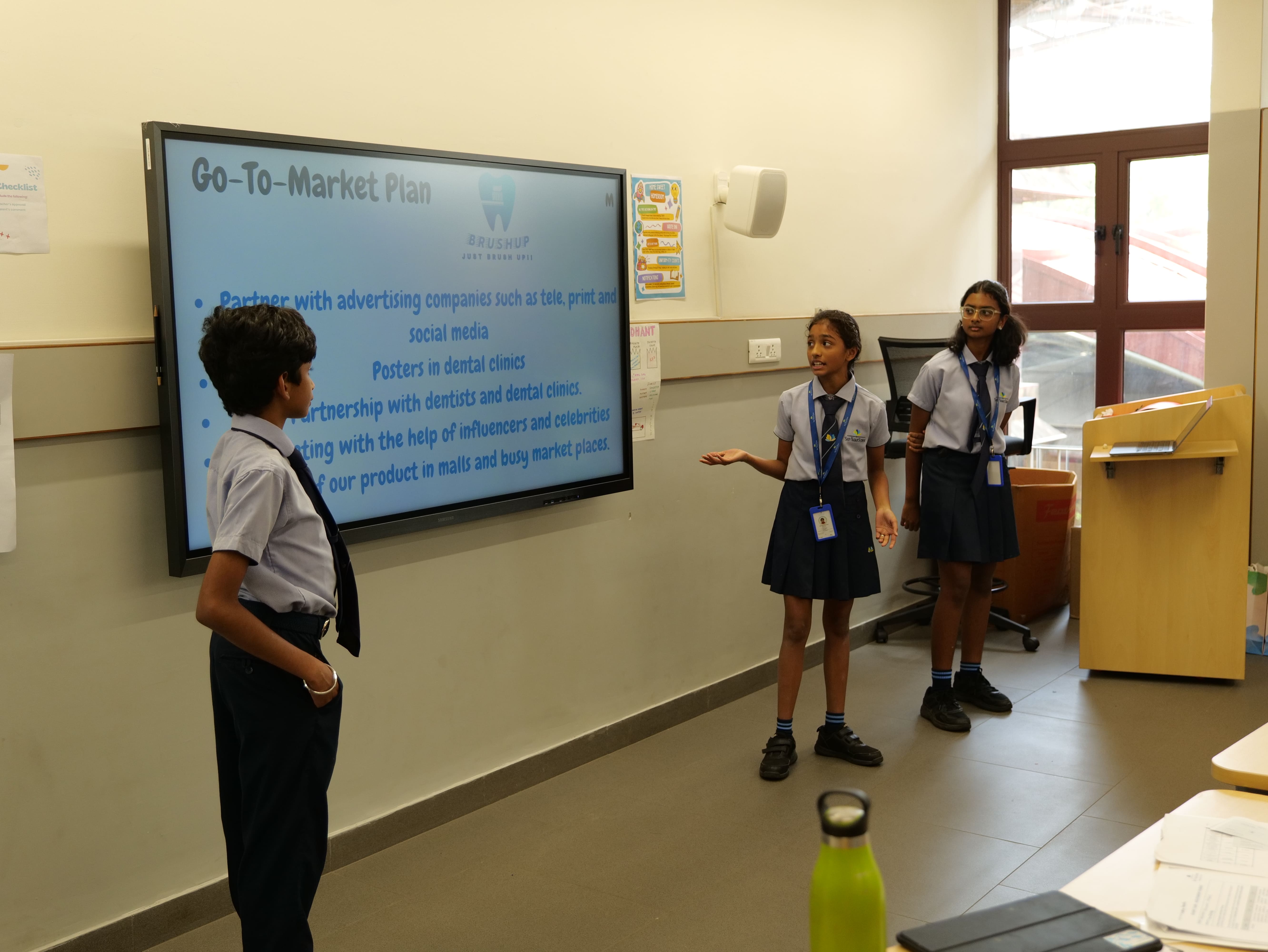
In the Shark Tank experience, students stepped confidently into the role of young entrepreneurs, pitching their product ideas with clarity, conviction, and purpose. This engaging platform encouraged learners to think creatively while grounding their ideas in real-world problem-solving.
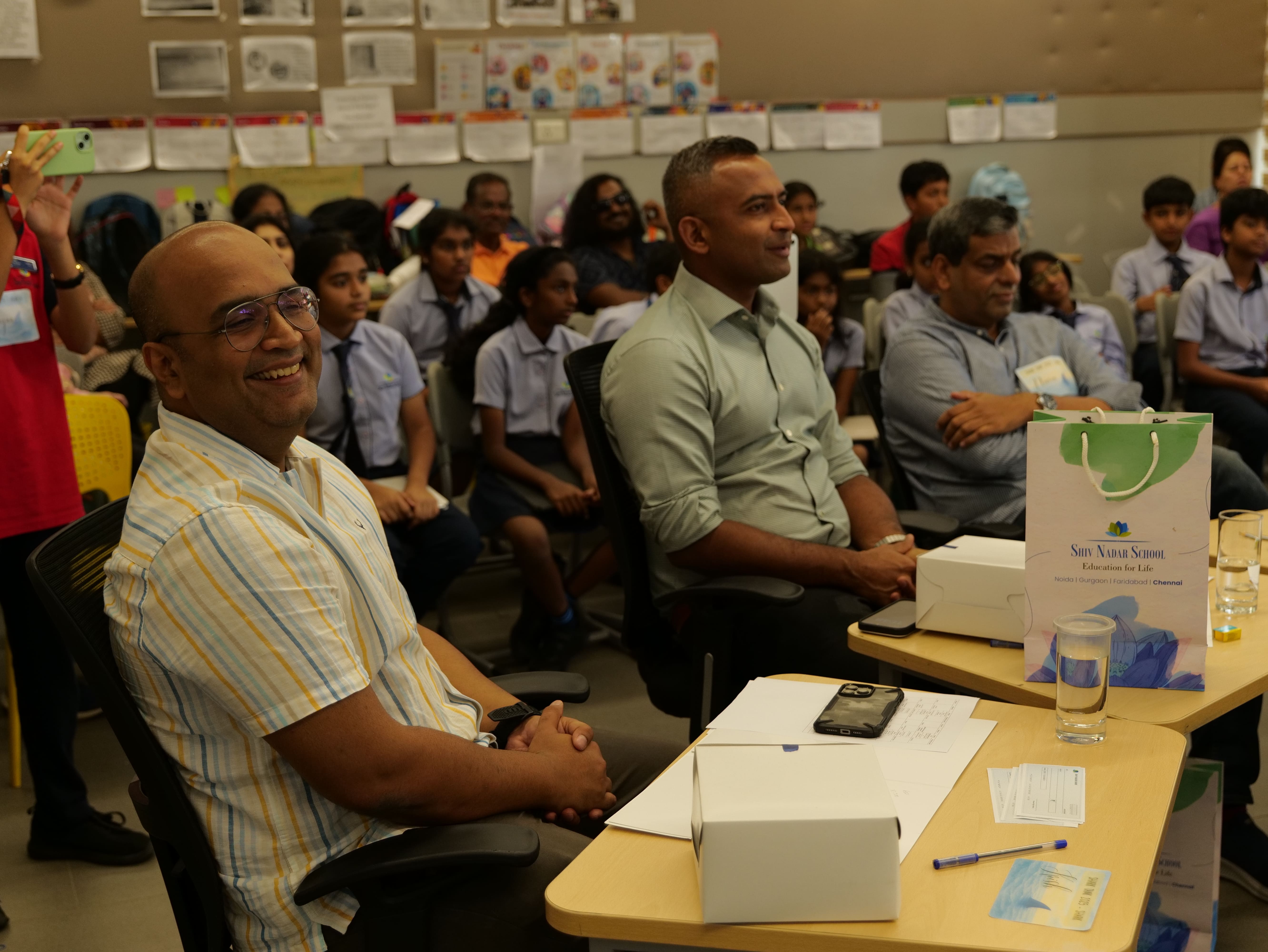
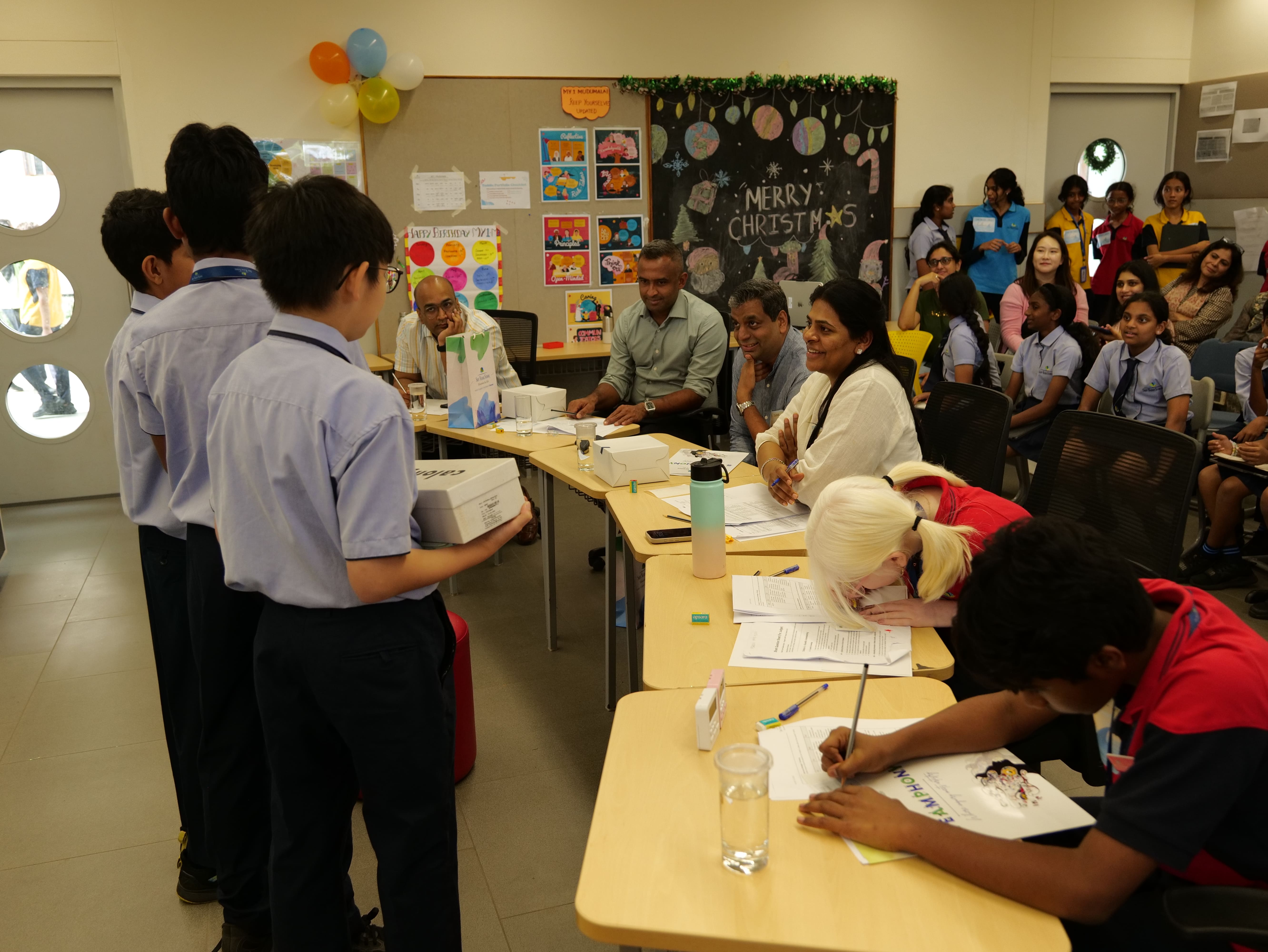
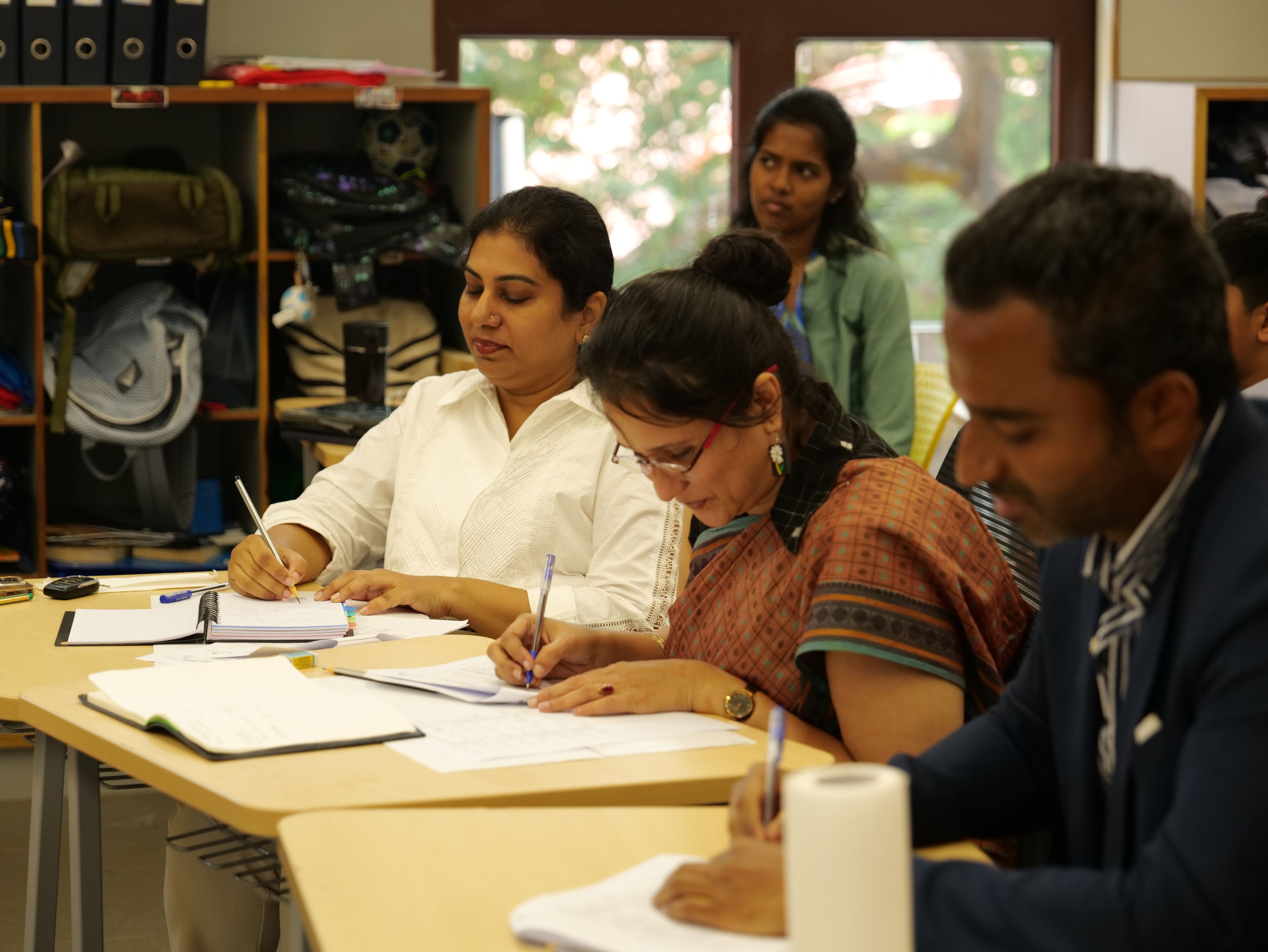
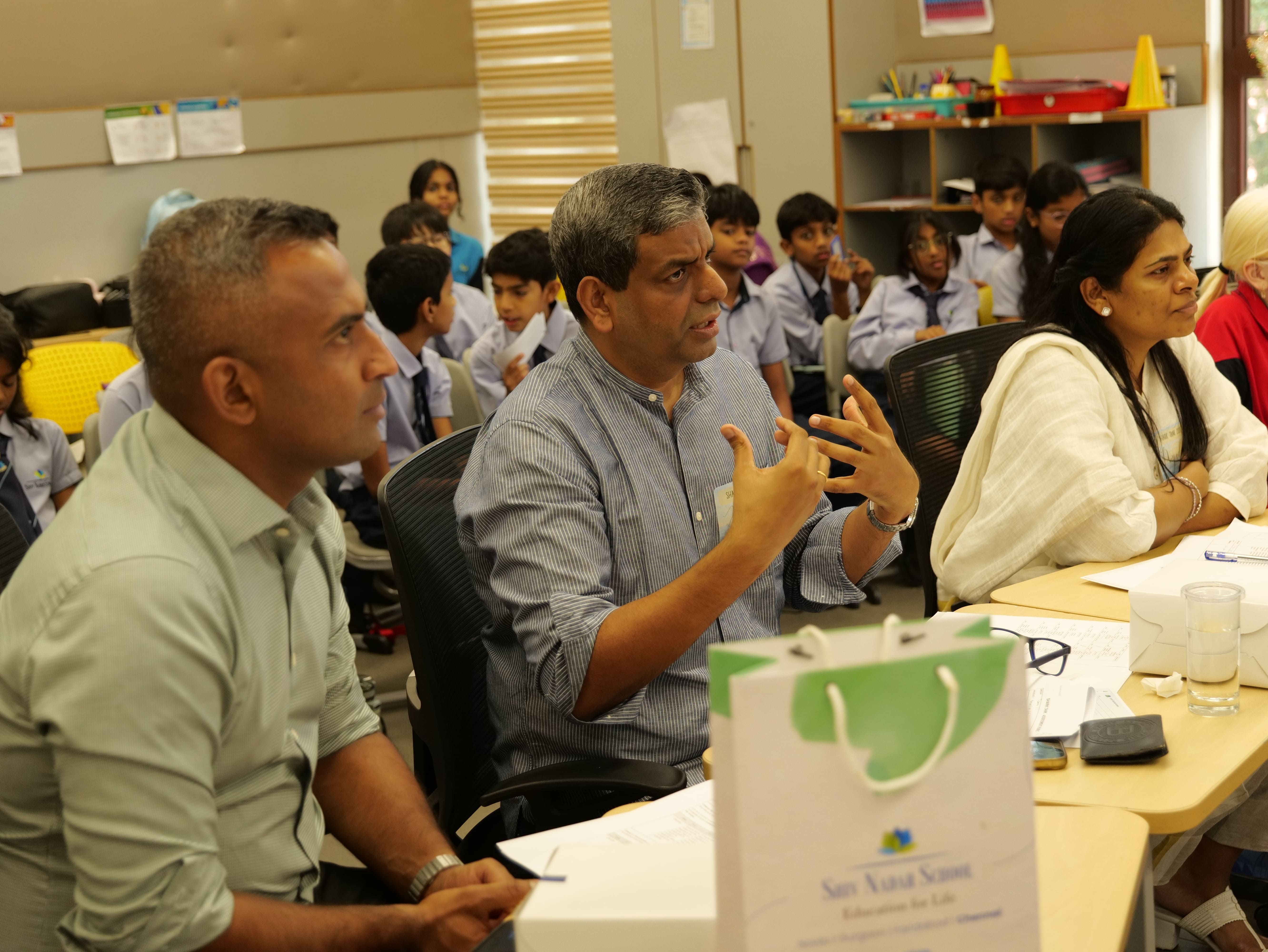
Adding an authentic and exciting dimension to the experience, parents from our school community took on the role of the Sharks. They listened attentively, asked probing questions, and offered constructive feedback, challenging students to think deeper and refine their ideas in the moment. The dynamic exchange mirrored real entrepreneurial settings, making learning both meaningful and memorable.
Throughout the process, students demonstrated strong critical thinking, communication, and adaptability, responding thoughtfully to questions and iterating on their pitches with confidence. The experience highlighted their ability to articulate ideas, defend choices, and learn from feedback.
Together, these experiences exemplified learning beyond textbooks—where creativity meets application, and ideas are nurtured through authentic engagement. Most importantly, the Shark Tank experience showcased the power of parent partnership, reinforcing how collaboration between school and families can enrich the learning journey in truly impactful ways.
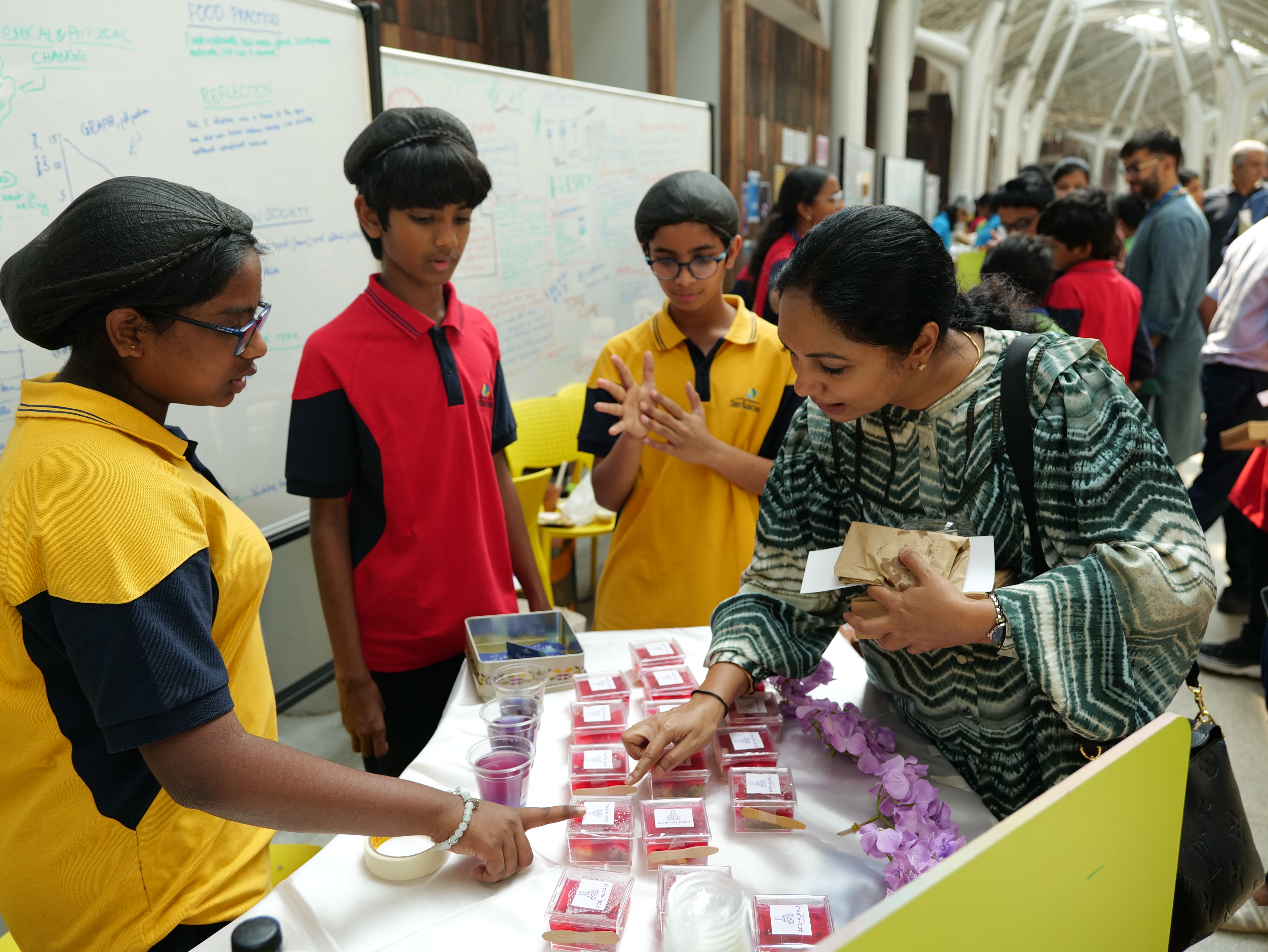
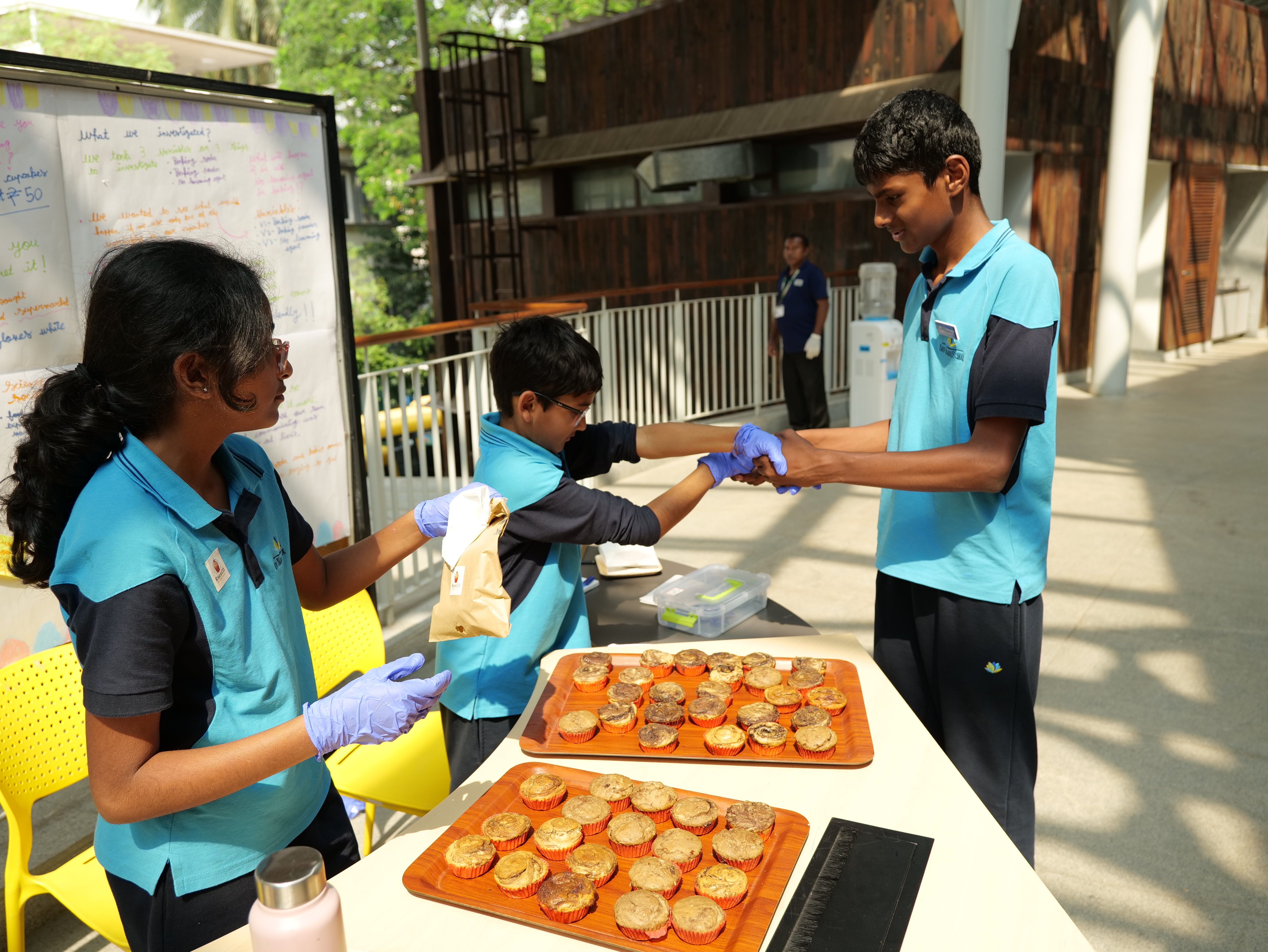
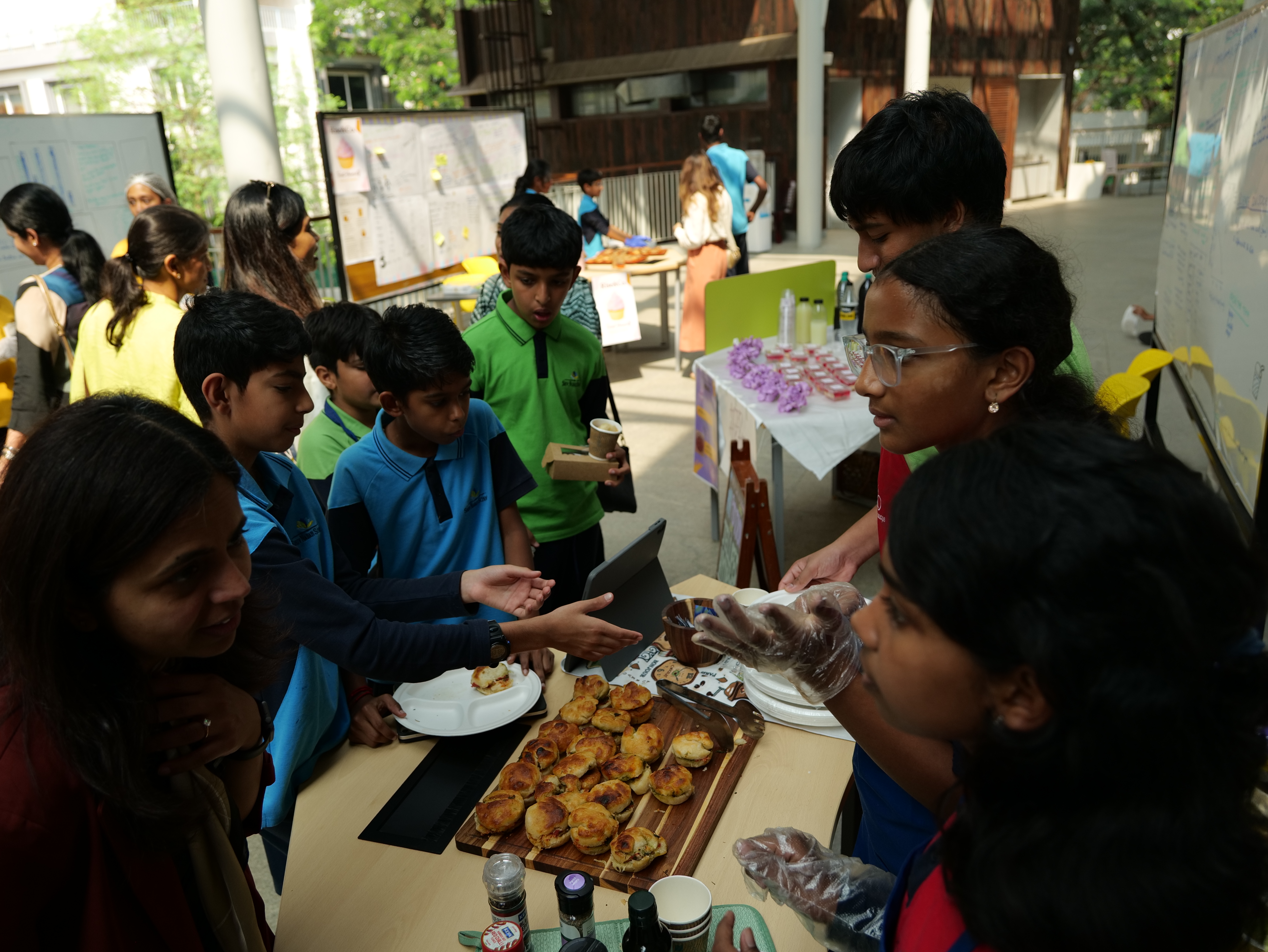
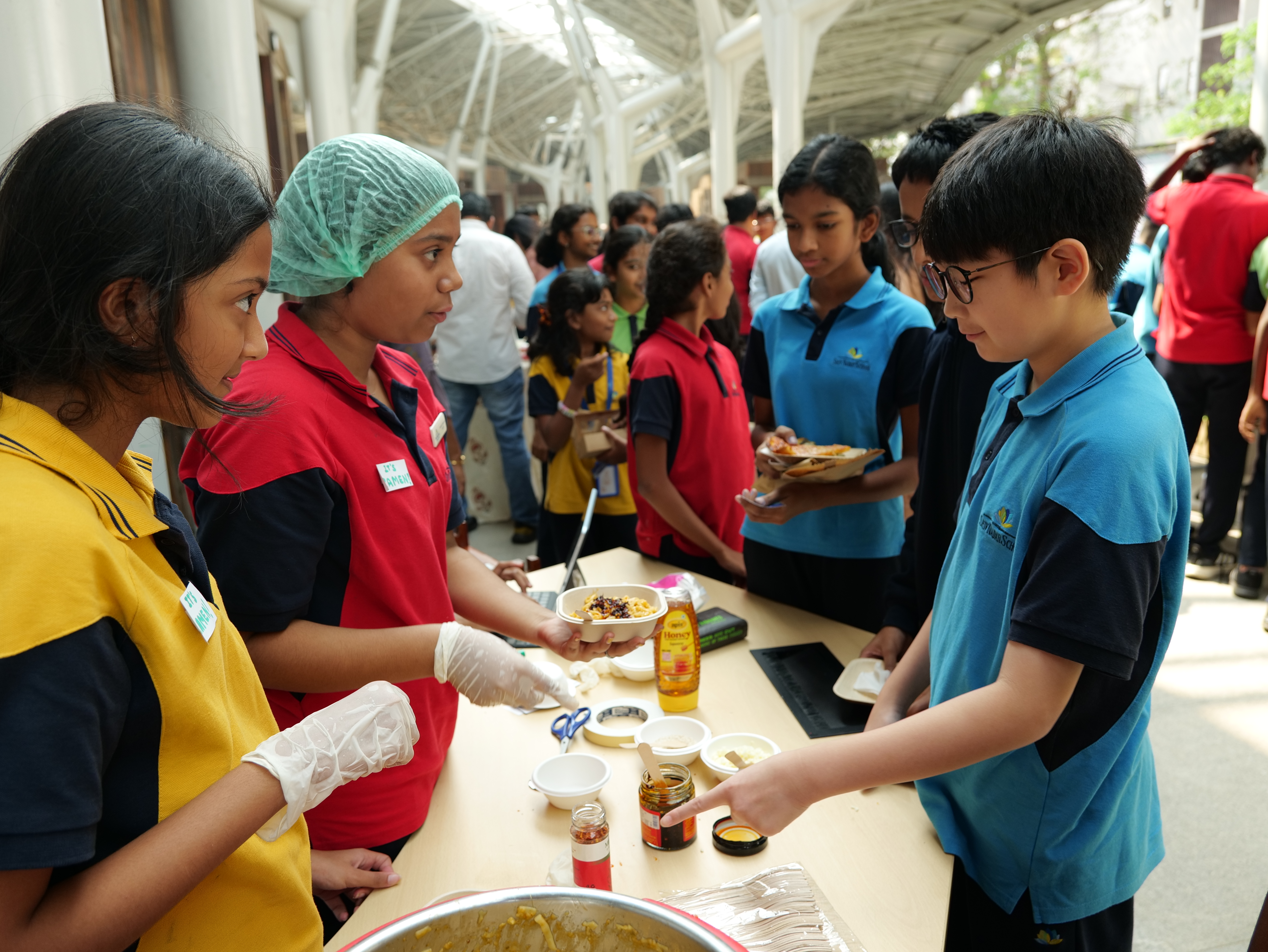
MY2 Chemistry Cook-Off: When Chemistry Meets the Kitchen
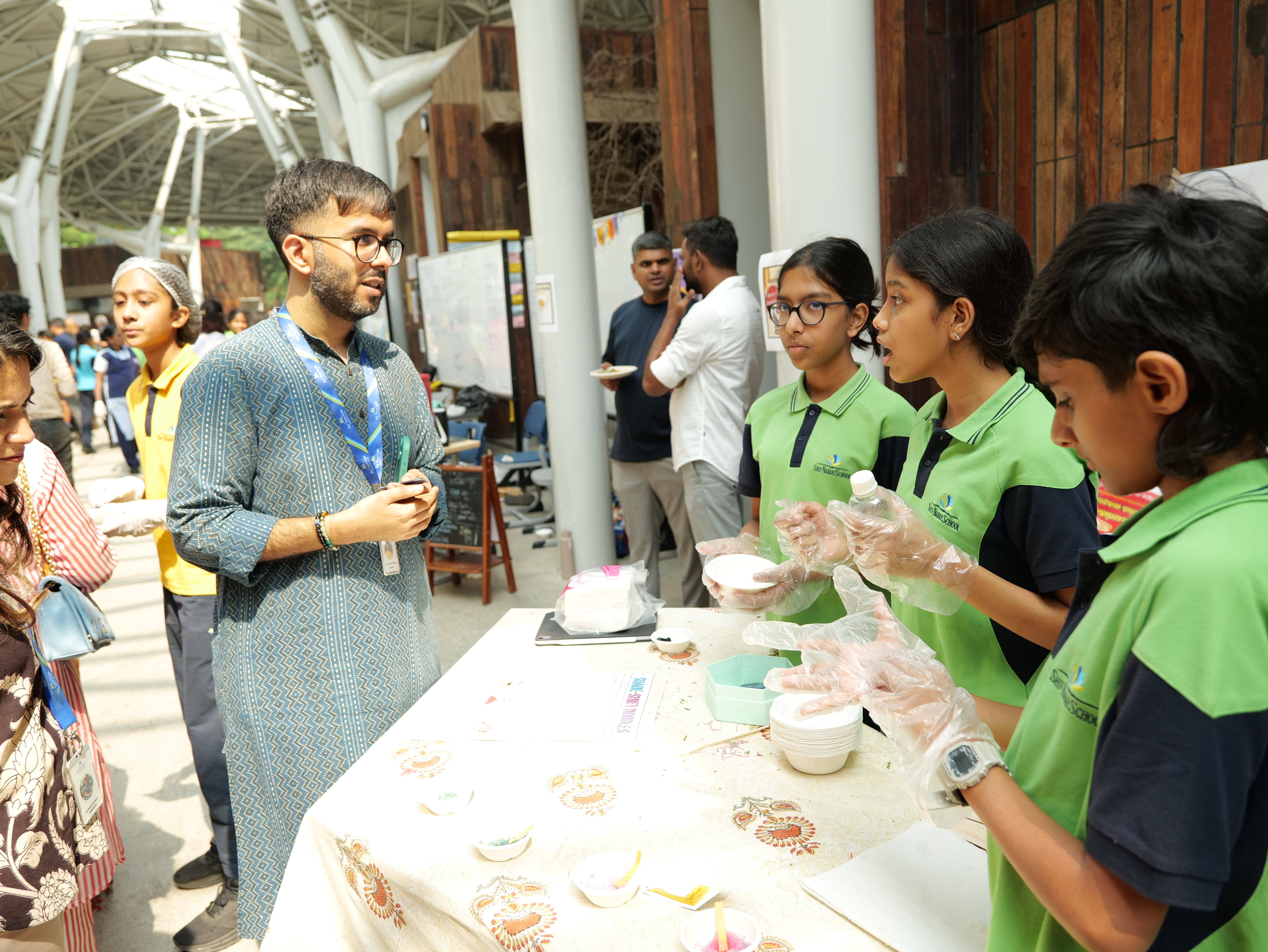
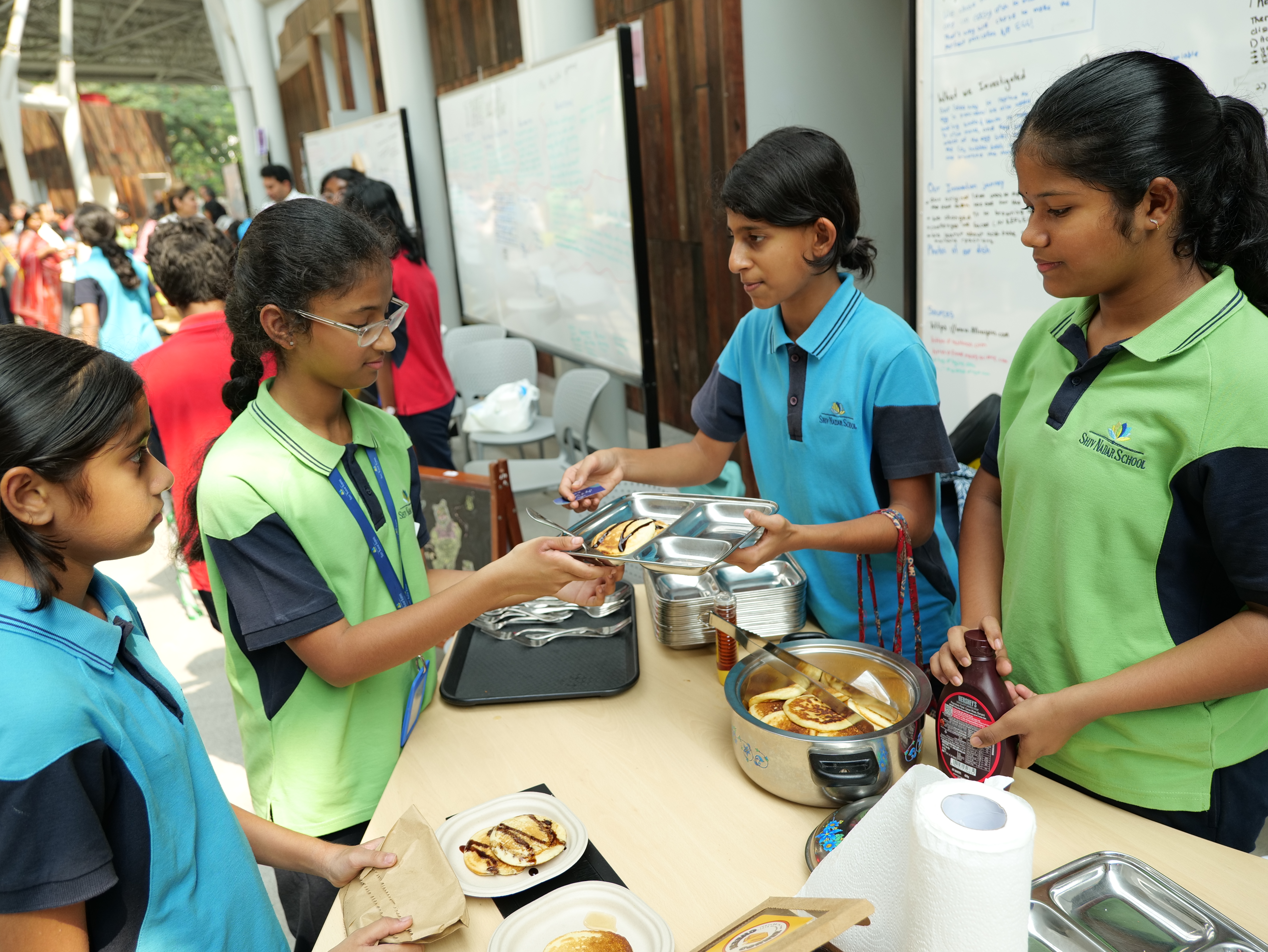
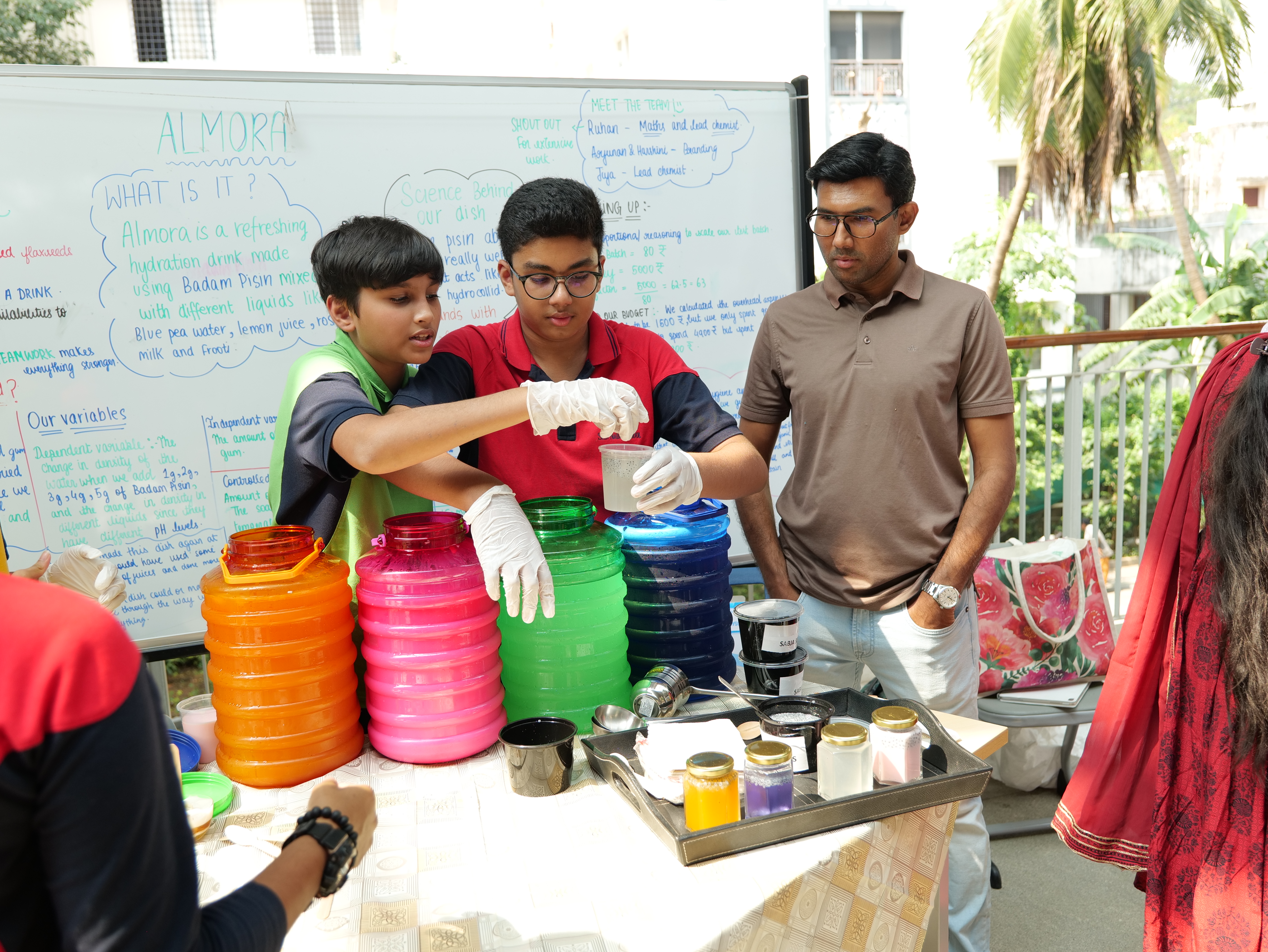
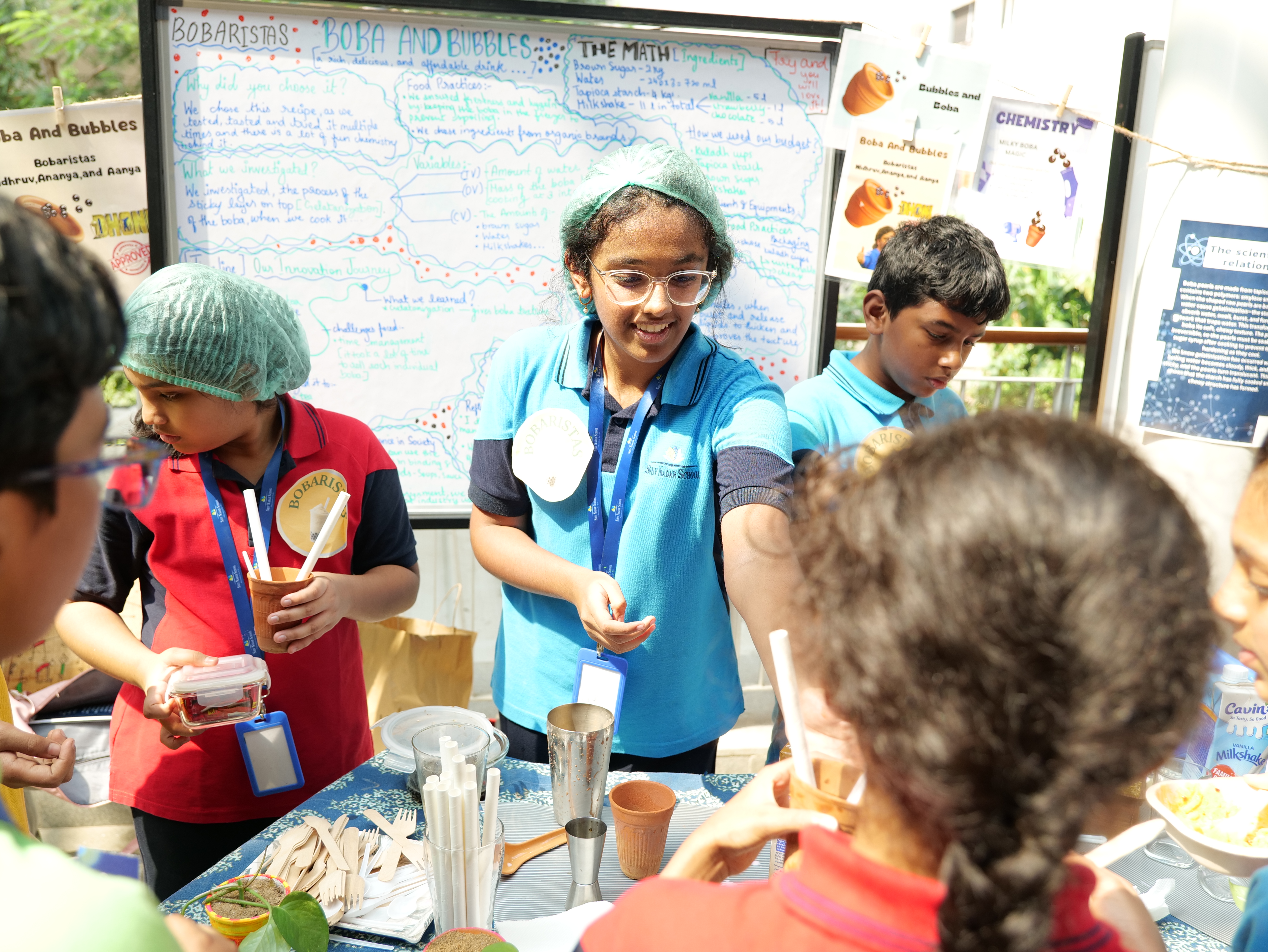
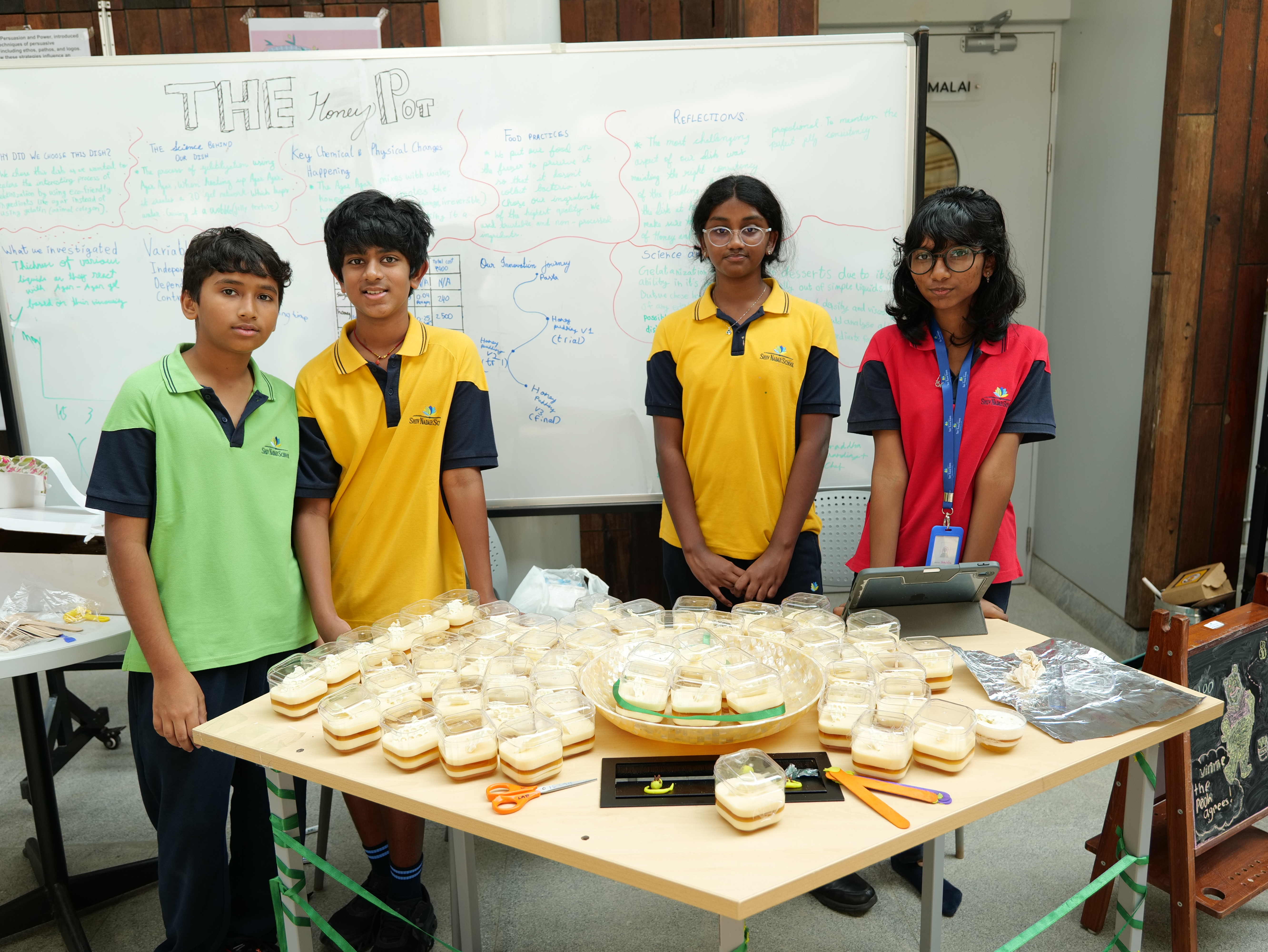
The MY2 corridors were transformed into a vibrant Chemistry Cook-Off, where learning stepped out of the laboratory and into everyday life through food.
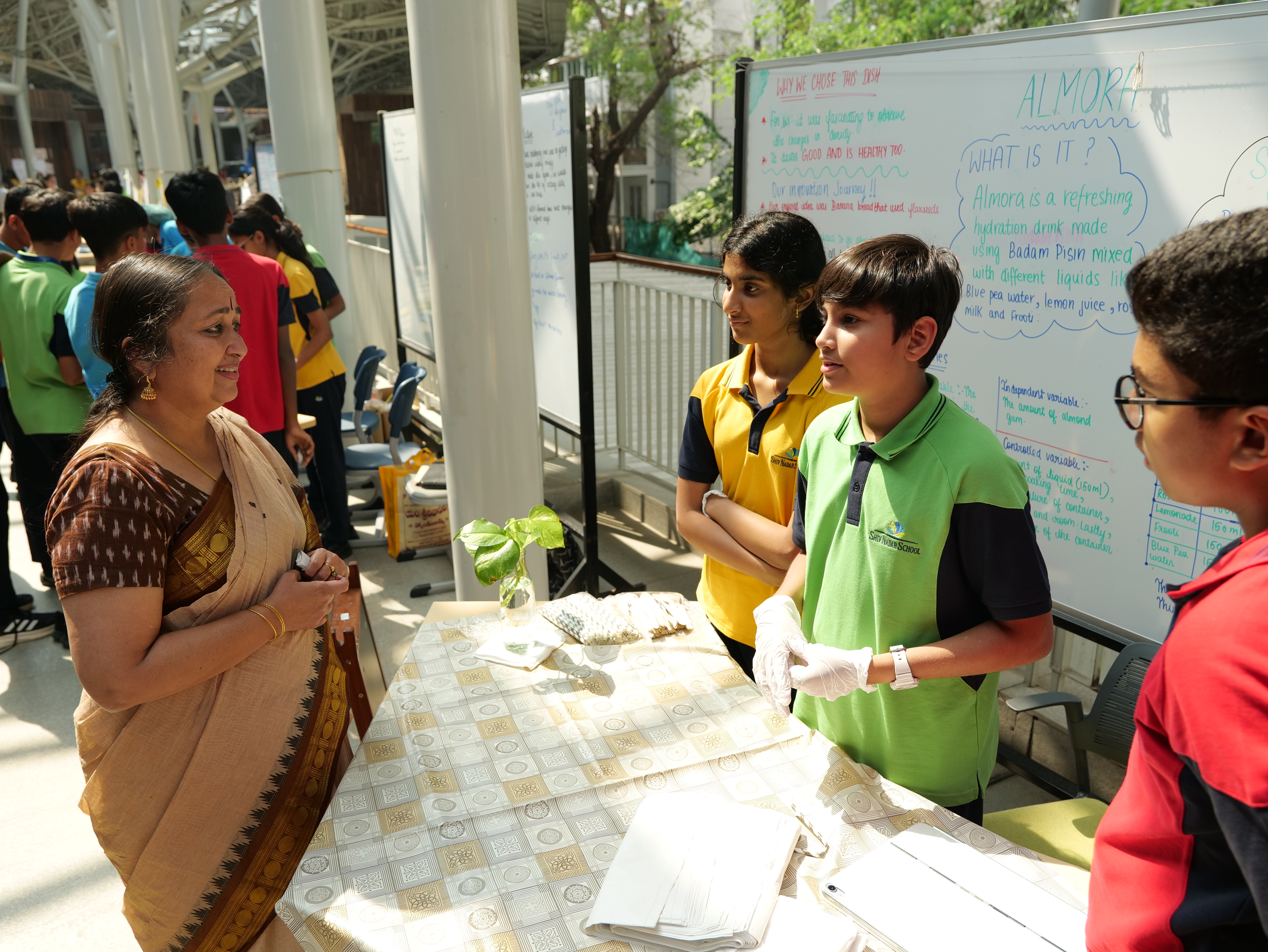
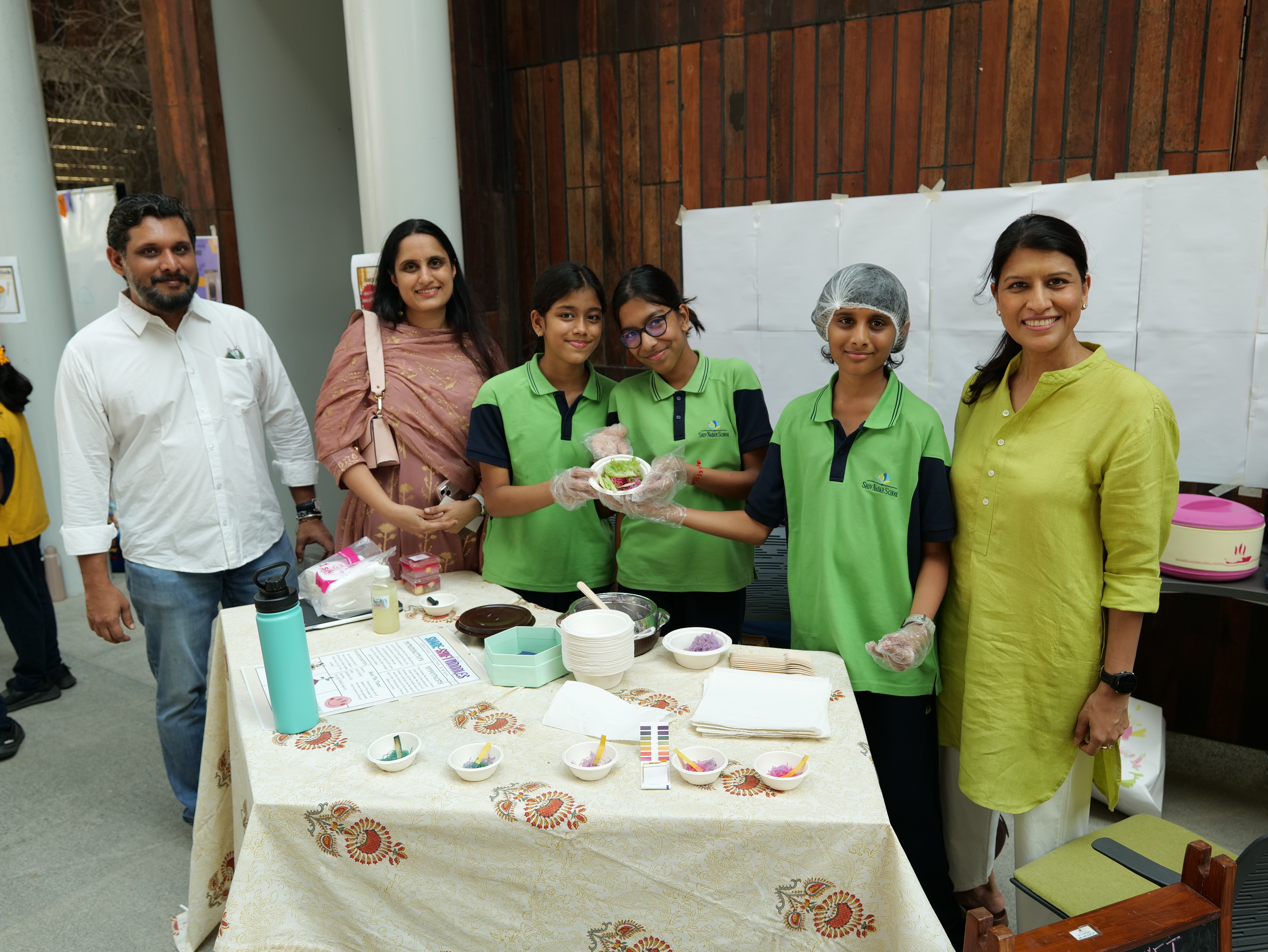
Working collaboratively in teams, students designed, tested, and refined their own recipes, applying key chemistry concepts such as emulsification, browning reactions, acid–base reactions, and temperature control. Each dish became a hands-on experiment, requiring learners to think critically about how ingredients interact and how scientific principles influence taste, texture, and presentation.
Beyond cooking, students engaged deeply with the scientific process. They collected and analysed data, incorporated feedback, managed budgets, and made informed decisions to improve their outcomes. The Cook-Off also provided a platform for students to confidently articulate their learning, as they explained the chemistry behind their dishes to parents, teachers, and peers.
The Chemistry Cook-Off was a celebration of curiosity, collaboration, and applied learning. It highlighted how chemistry is not confined to textbooks or labs, but is deeply embedded in everyday experiences, nurturing learners who can connect knowledge to the real world with confidence and creativity.
Empowering Educators: The Power of Pause
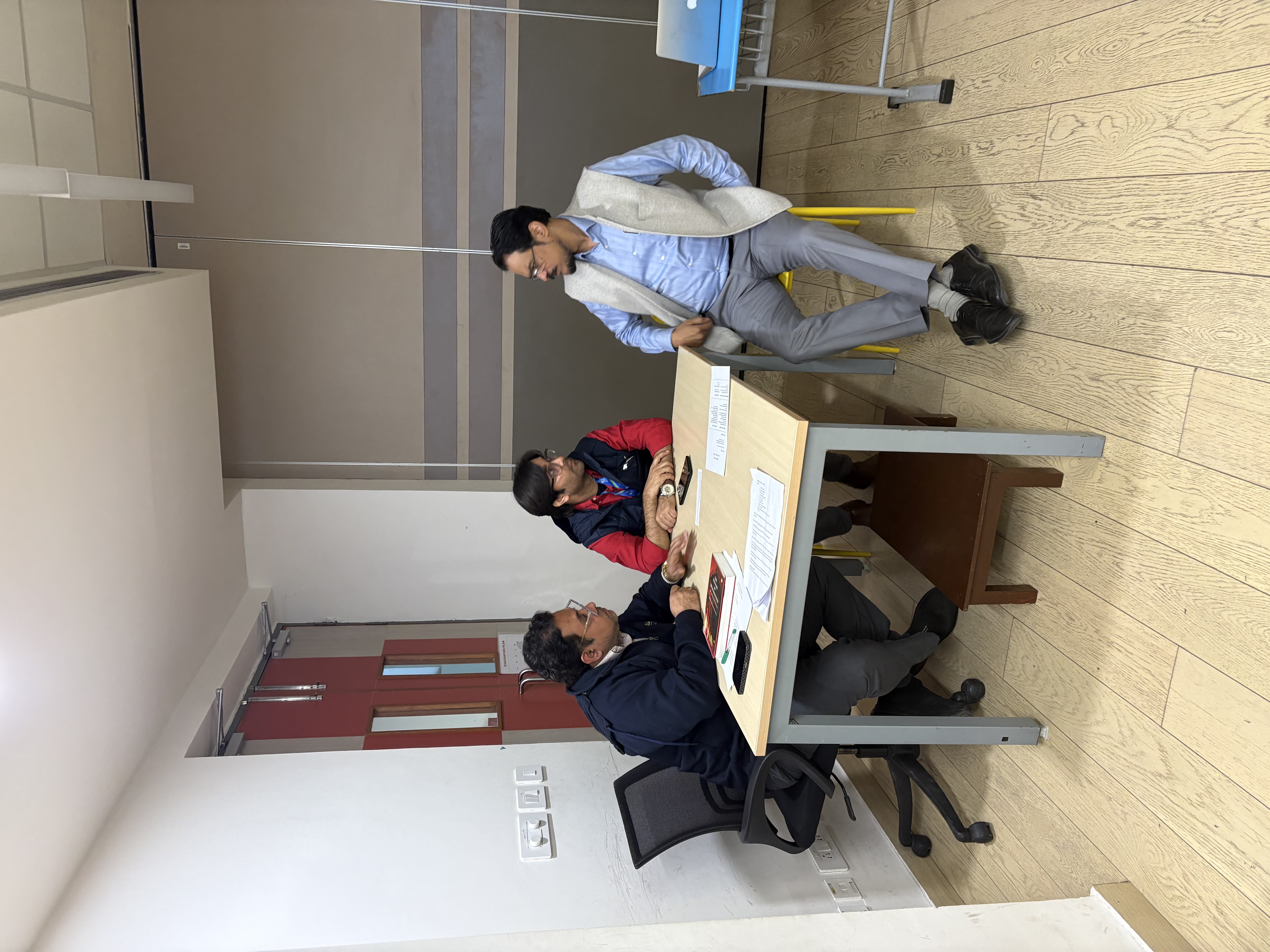
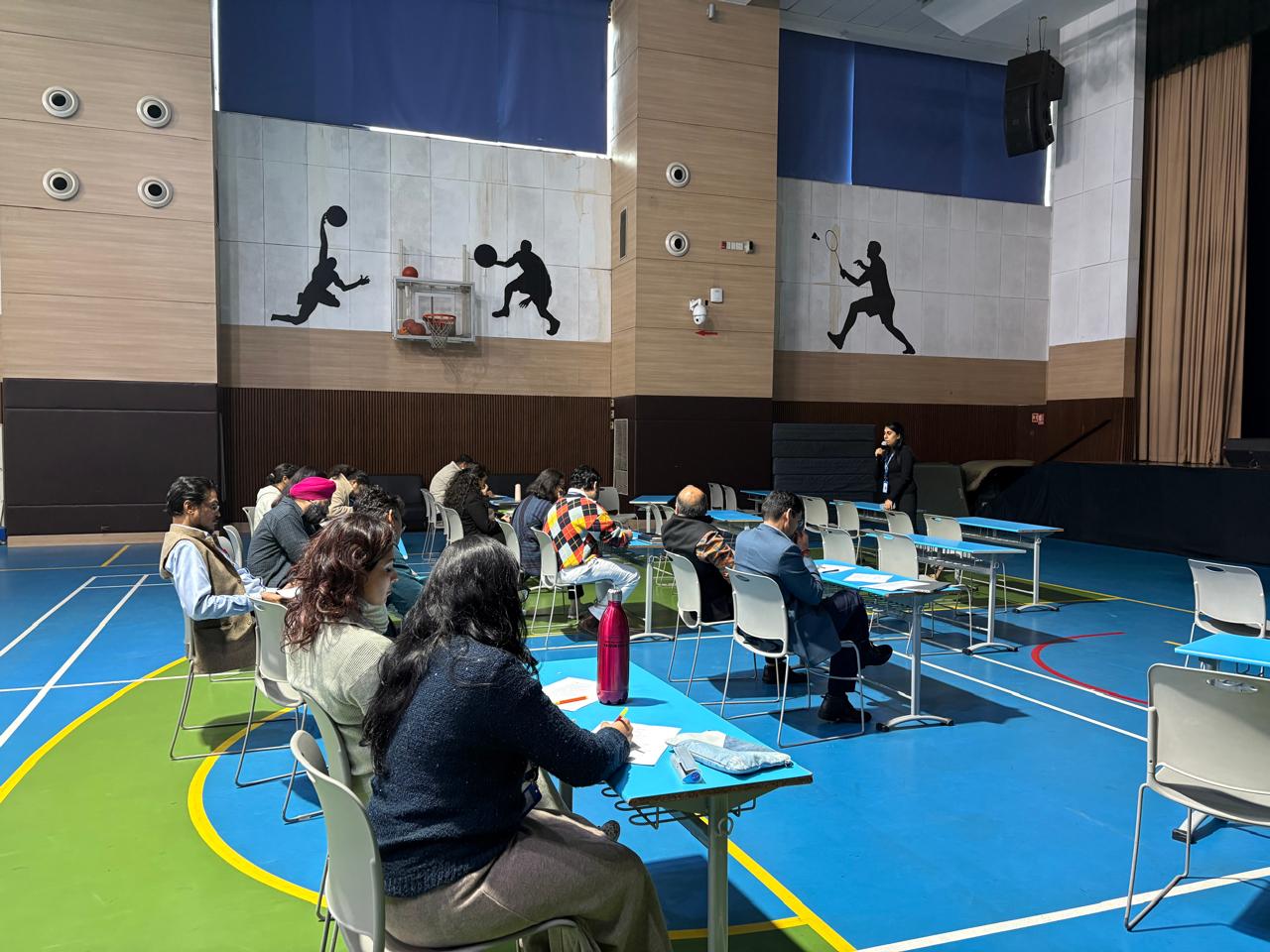
Recently, our Counselling Team facilitated a transformative two-day training session titled "The Power of Pause," designed specifically for our IC teachers. The workshop empowered educators to recognize personal classroom triggers and deeply understand how their own emotional reactions influence students and the learning environment.
From Reaction to Response Through reflective case studies and practical strategies, teachers explored how a simple pause can interrupt automatic, stress-induced reactions to create space for thoughtful, constructive responses. The training emphasized that a "pause" looks different for everyone—whether it is taking a deep breath, going for a short walk, embracing silence, using self-talk, or applying grounding techniques.
Cultivating Compassionate Classrooms The core focus of the session was on emotional regulation and self-awareness. By mastering these skills, teachers are better equipped to respond with clarity, calm, and connection rather than stress. This approach not only strengthens teacher wellbeing but also deepens relationships with students, fostering a compassionate classroom management style.
The Wildfire Analogy The training concluded with a powerful analogy: while "sparks" (triggers) in a classroom may be inevitable, they need not turn into a wildfire. By recognizing these sparks early and responding with a pause, we have the power to control the outcome and maintain a safe, nurturing environment for all.

A Fireside Chat on Digital Policy and Responsible Communication
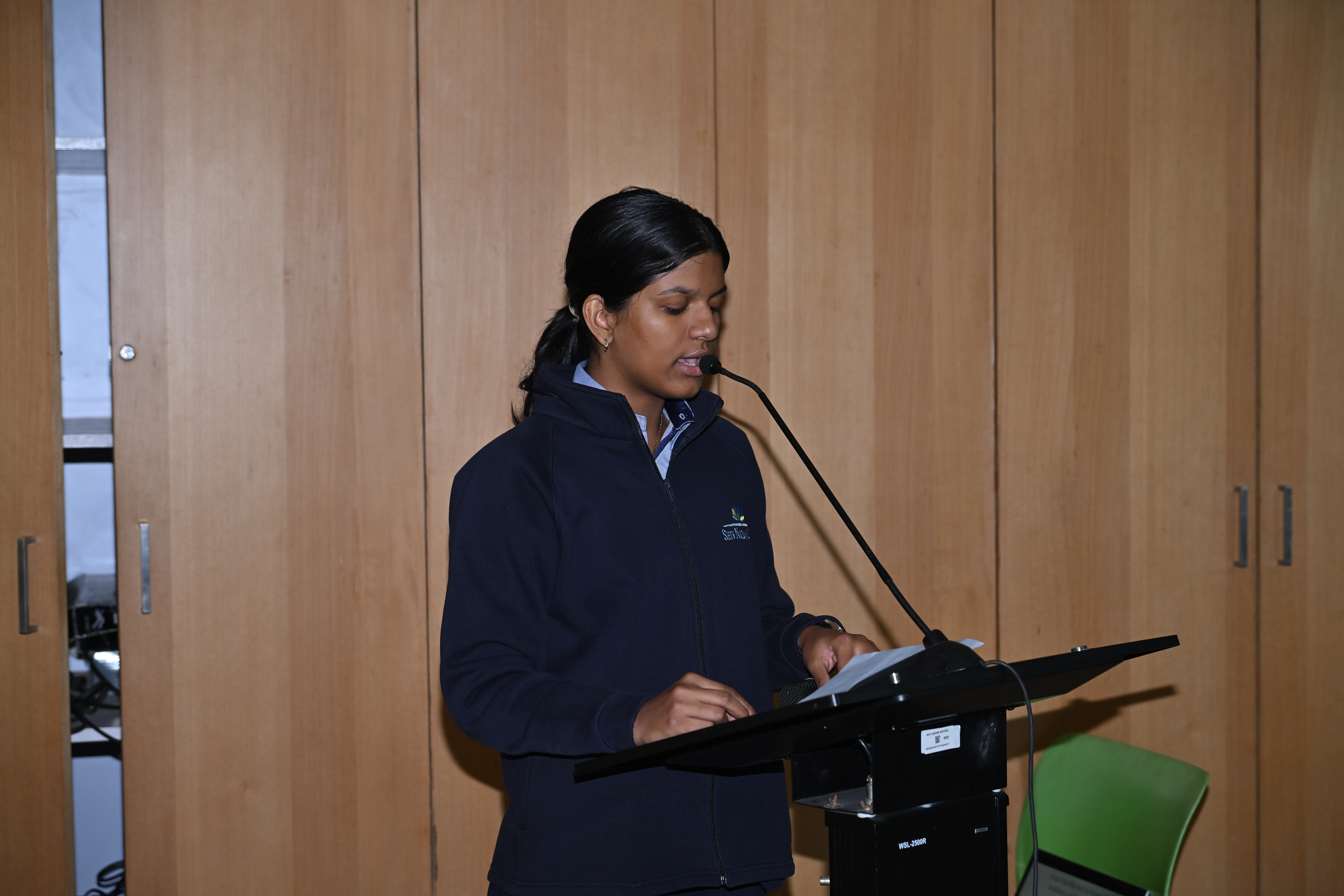
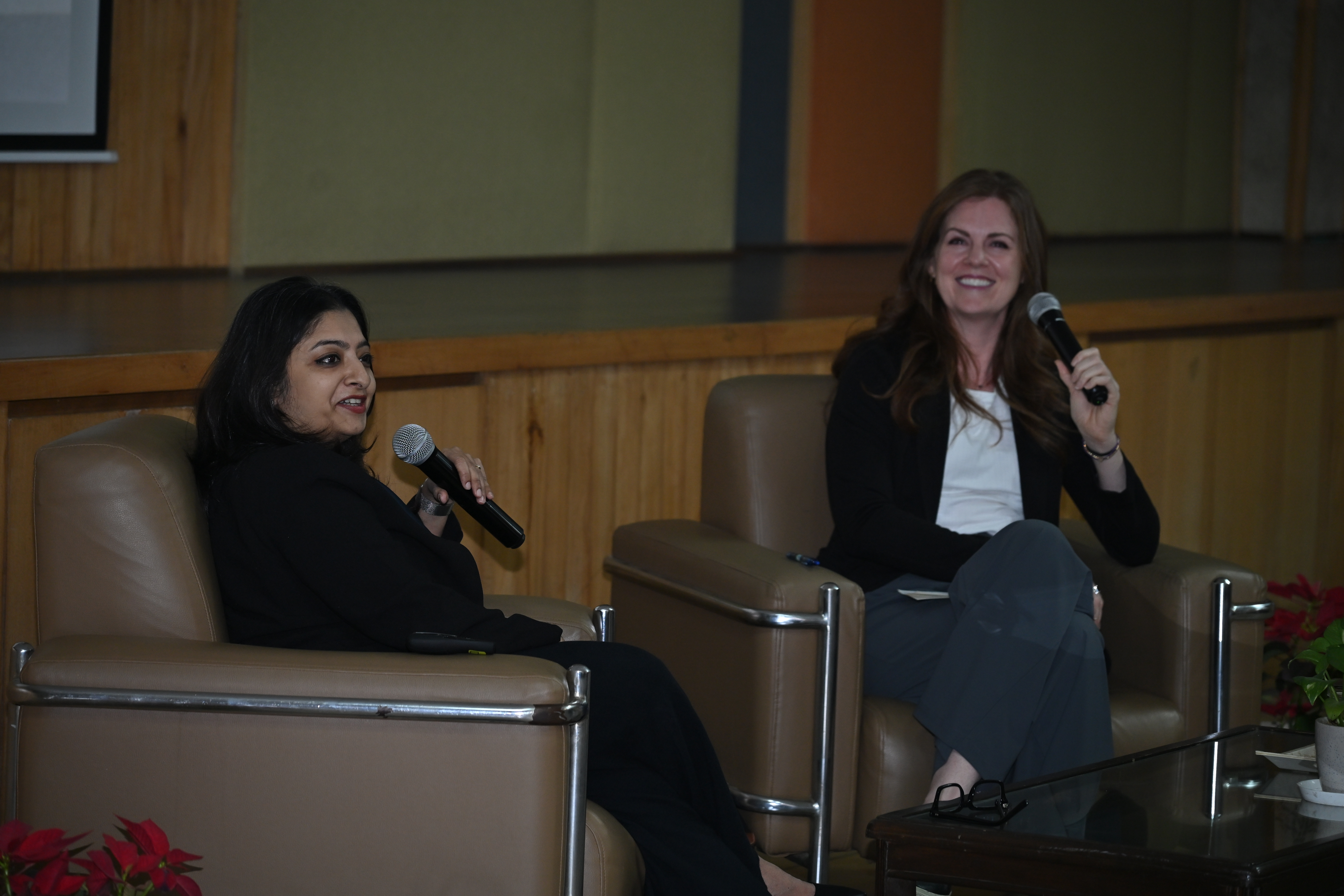
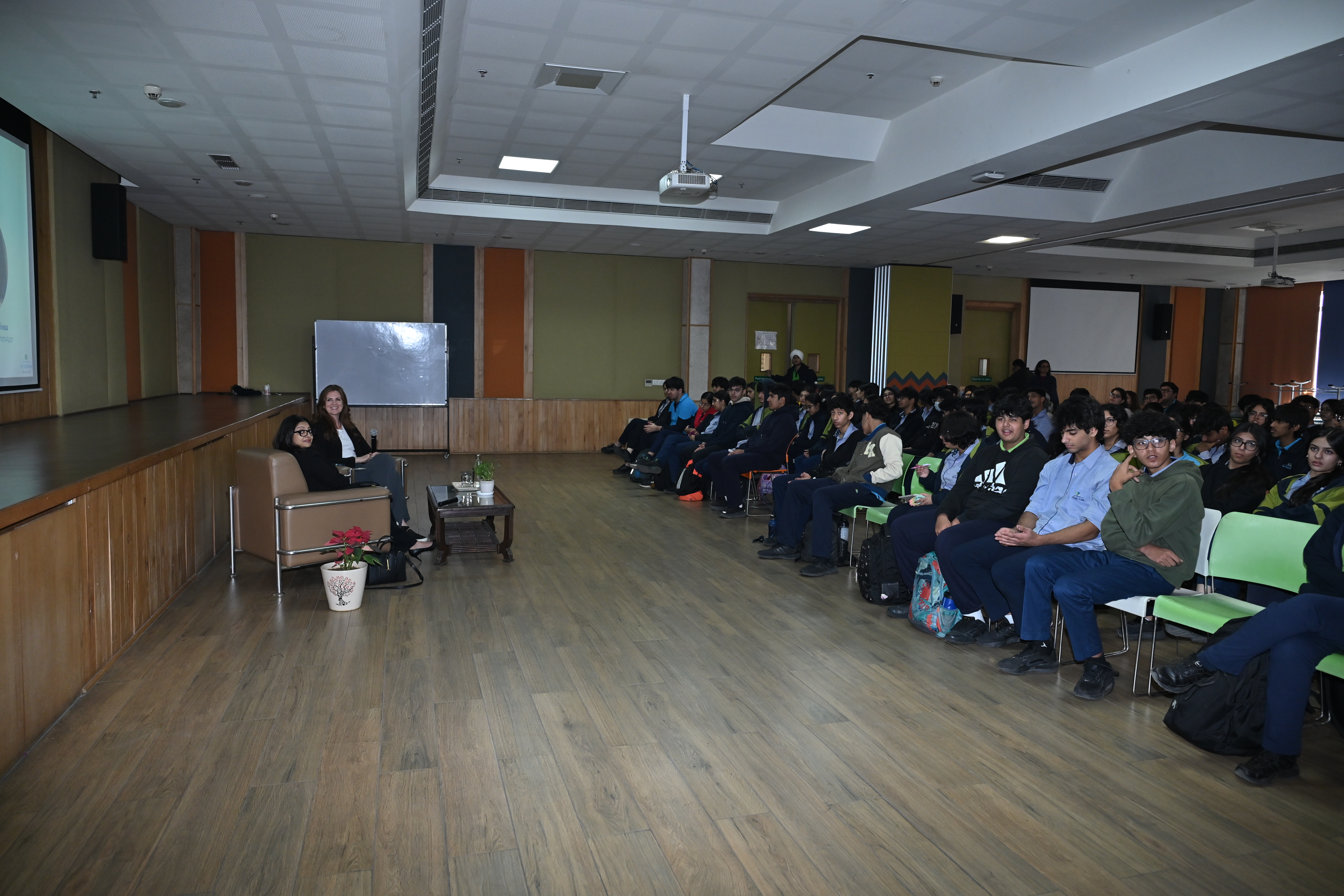
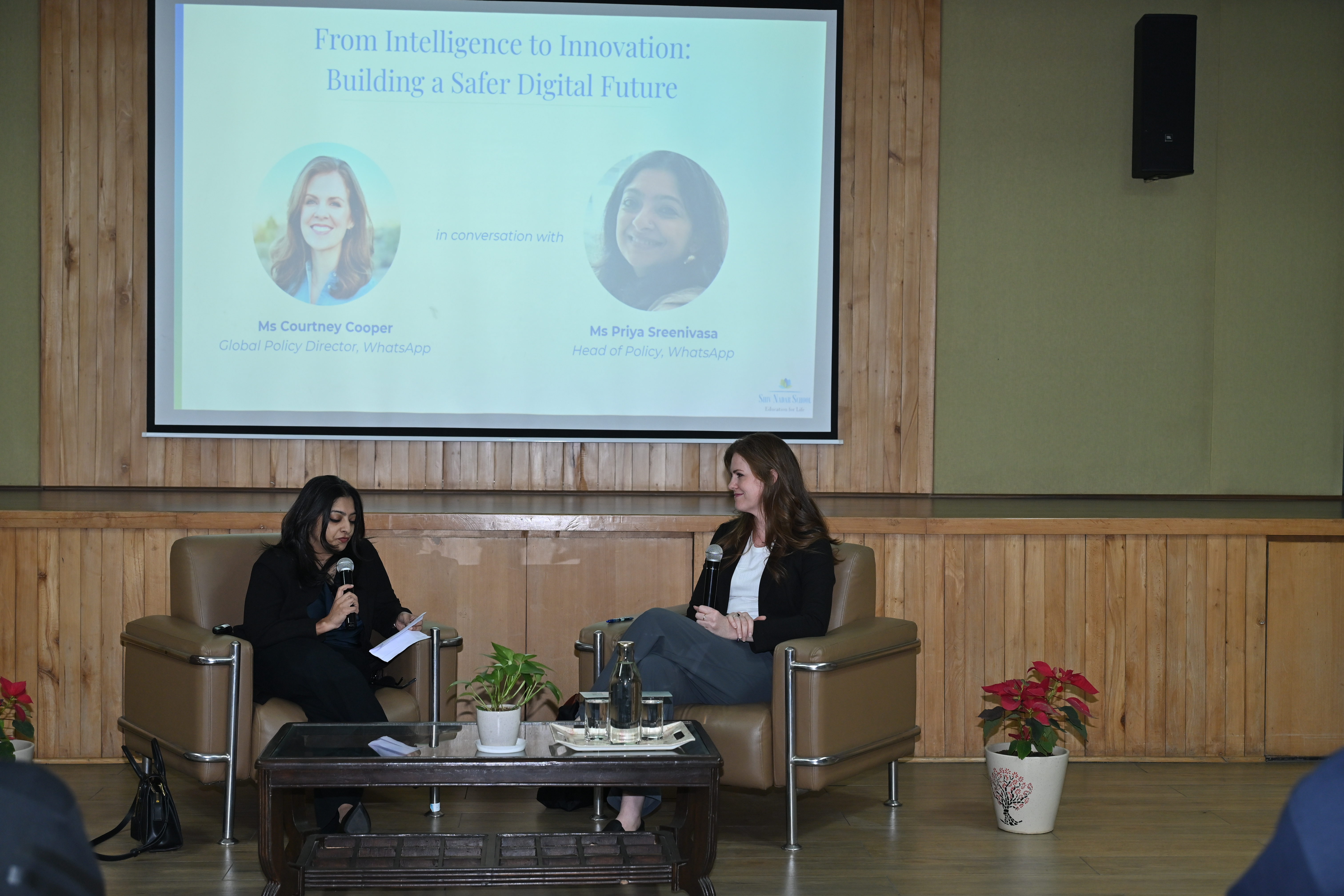
On December 1st, 2025, Shiv Nadar School, Gurgaon, had the distinct privilege of hosting a fireside chat featuring Ms. Courtney Cooper, Global Policy Director at WhatsApp. The session was facilitated by Ms. Priya Sreenivasa, Head of Policy at WhatsApp India, and was attended by Grade 11 students from both the NC and IC curricula.
A Deep Dive into Digital Citizenship The session was designed to help young learners navigate the complex social, ethical, and policy dimensions of digital communication. Drawing from her extensive background in public policy and national security, Ms. Cooper provided a fascinating look into how private communication technologies shape modern societies. She emphasized the profound responsibilities that accompany digital access and unpacked evolving challenges such as privacy, safety, and the spread of misinformation.
Balancing Rights and Safety A key highlight of the talk was the insight into how policy decisions are made within global technology ecosystems. Ms. Cooper explained that these decisions are not made in isolation but are informed by a diverse range of stakeholders—including governments, researchers, civil society, and users. She illustrated why balancing individual rights with collective protections remains a central challenge in the tech world.
Building Resilience, Not Fear Guided thoughtfully by Ms. Sreenivasa, the conversation encouraged students to think critically about the information they encounter online. The dialogue shifted the focus from fear to awareness, stressing the importance of digital resilience. Students were urged to cultivate judgment, empathy, and ethical thinking to become responsible digital citizens.
Student Engagement The event concluded with a vibrant Q&A session. Students engaged actively, posing perceptive questions on topics ranging from online safety and privacy to career pathways in technology and public policy.
The discussion resonated deeply with the school’s commitment to fostering digital citizenship and critical thinking, empowering our students to participate informatively in a connected world.

VidyaGyan student exchange programme
Students' Reflections - VidyaGyan student exchange programme - by Kimaya Khanna (8 Sariska), Anya Khanna(8 Kanha), Tara Jain(8 Sariska)
"The experience at VidyaGyan School is something I will always remember. For us, this programme truly helped us step out of our comfort zones and allowed us to meet new people from different backgrounds. We had the opportunity to learn about different cultures and religions, which made the experience both enjoyable and enriching. More than anything, it helped us understand how people from diverse backgrounds live their daily lives. The students at VidyaGyan were extremely warm, friendly, and hospitable.
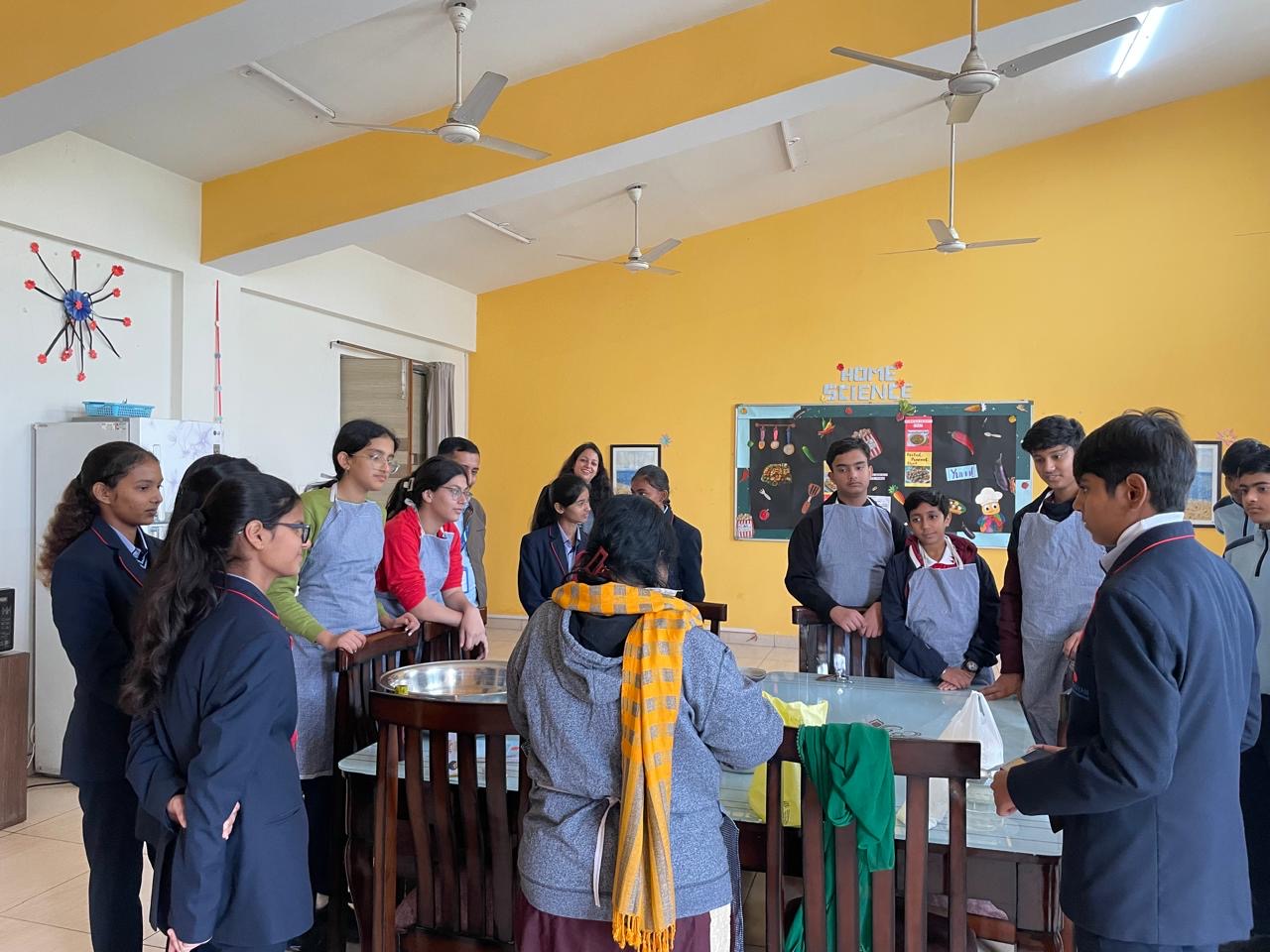
Our two days at VidyaGyan were filled with exciting and meaningful activities. We began with fun ice-breaking sessions, after which we were paired with our VidyaGyan buddies. This helped us build friendships and work together easily. One of the highlights of the visit was the hands-on cooking session, where we prepared nutritious food such as ragi cake, upma, and halwa. The activity was not only enjoyable but also taught us the importance of healthy eating and teamwork.
After the cooking session, we enjoyed a delicious lunch and some much-needed siesta! In the evening, we participated in various sports activities and group skits that were entertaining and creative. After dinner, everyone gathered around a bonfire, where we showcased our different talents and enjoyed revari and peanuts. The atmosphere was joyful and memorable!
Another exciting part of the visit was the pottery session, where we got a chance to be creative and try something completely new. Following this, we visited Moolgyan and explored nearby farms. This experience helped us connect with nature and understand farm life beyond what we learn in textbooks. We also enjoyed tasty snacks during the visit and took part in a reflection session, where we thoughtfully looked back at everything we had learned during our time at VidyaGyan.
Overall, this visit was a wonderful learning experience that taught us valuable lessons about life, community, and cooperation. It helped us grow as individuals and appreciate different ways of living. We truly look forward to meeting the students of VidyaGyan again and carrying these memories with us forever.


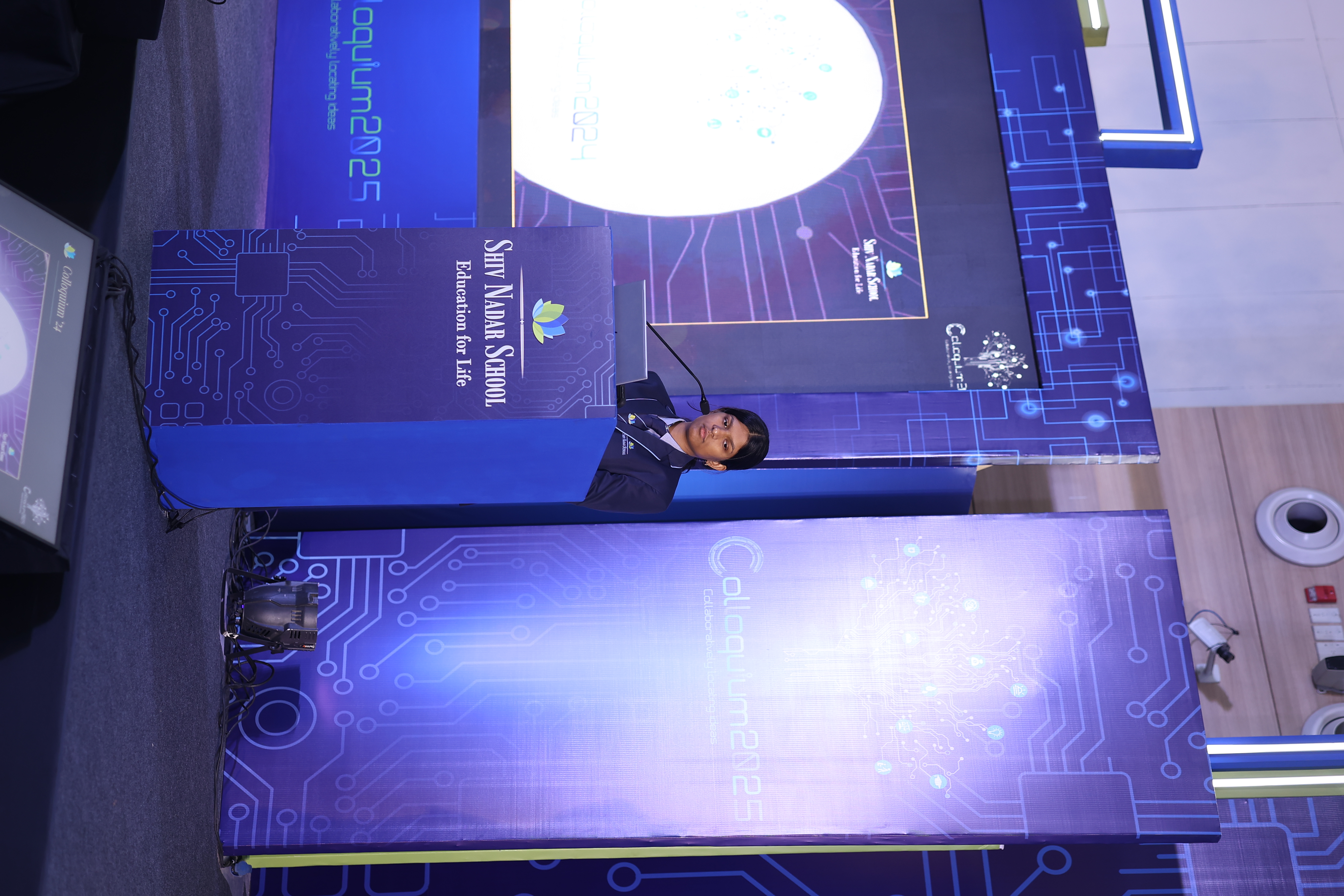
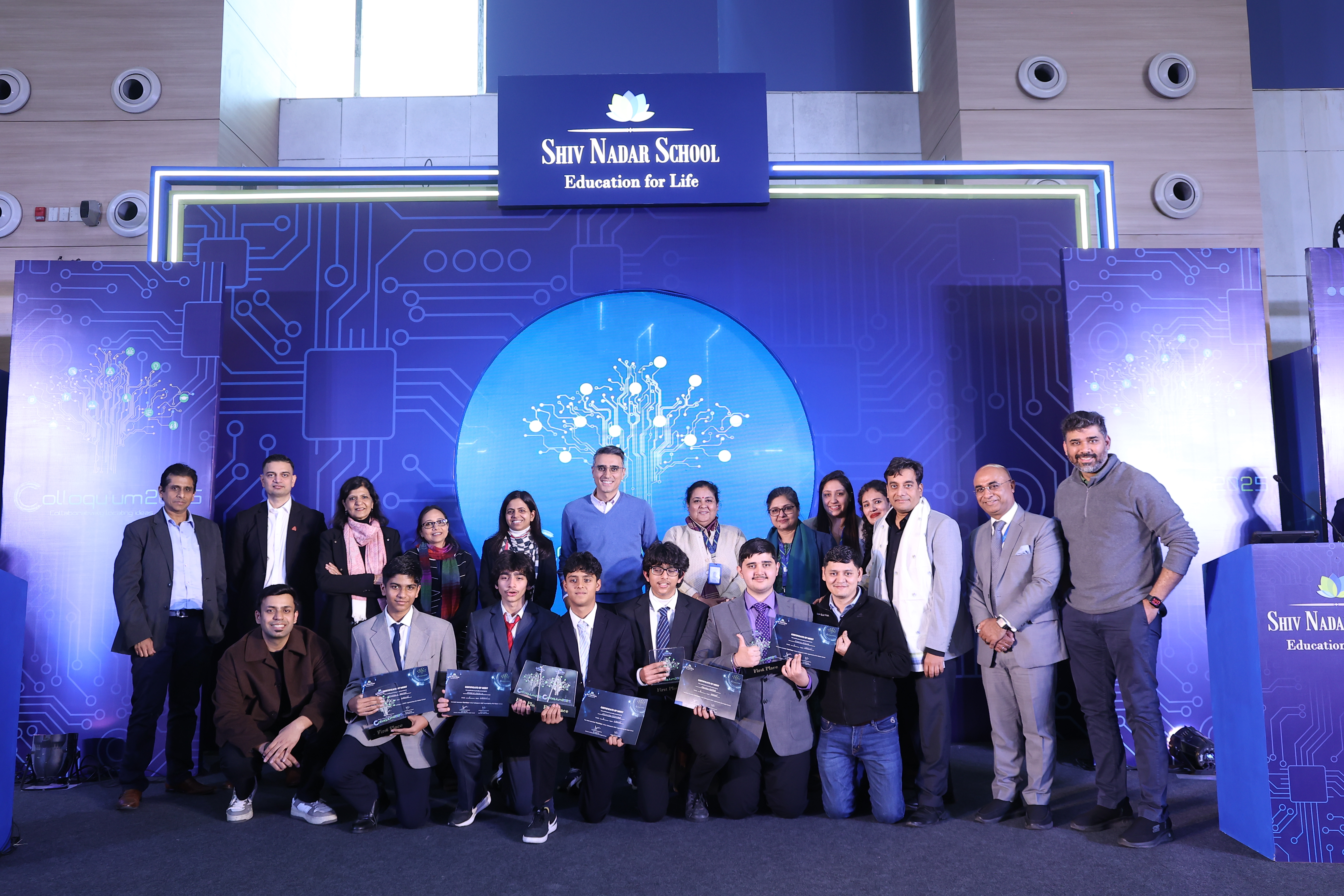
Colloquium 2025
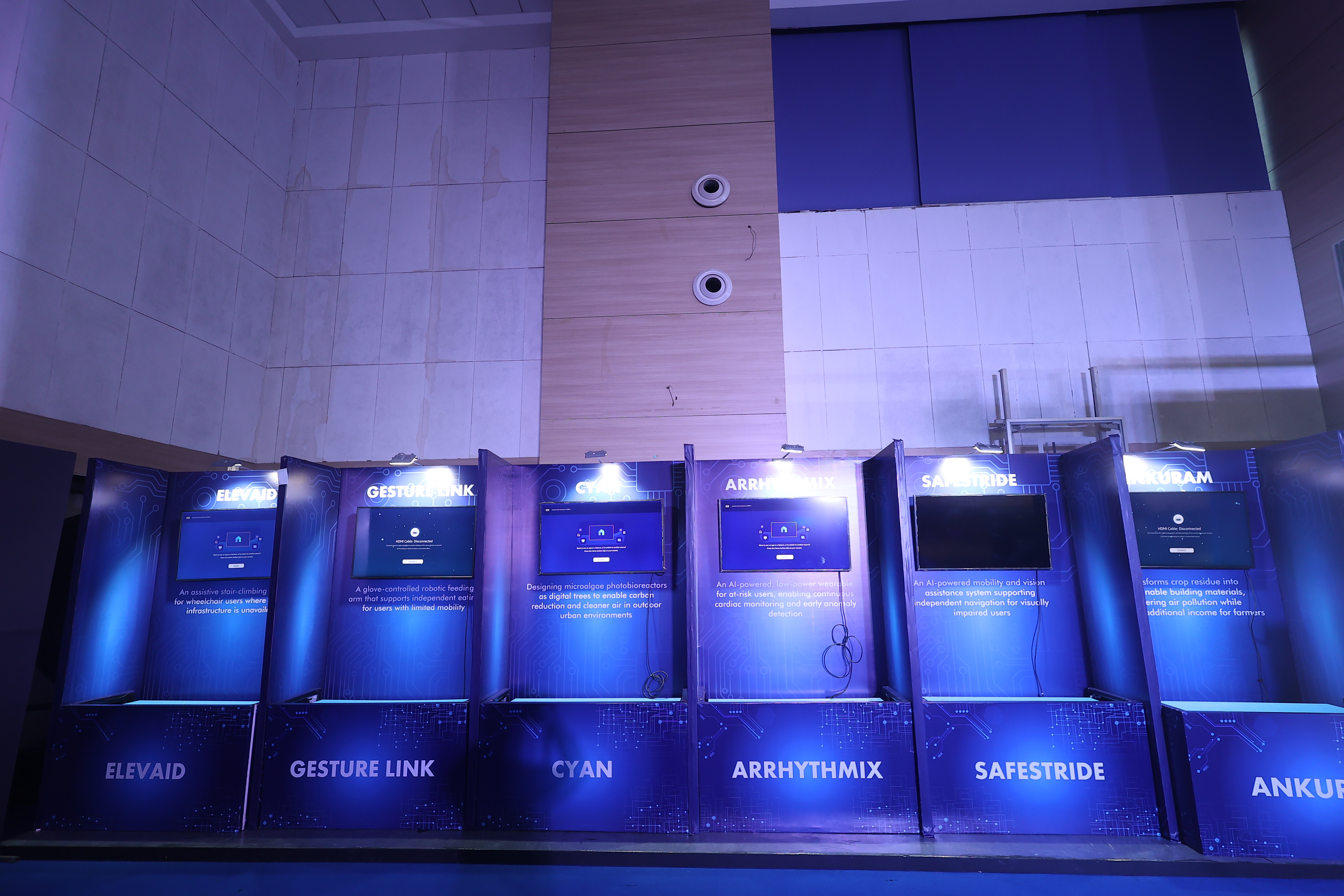
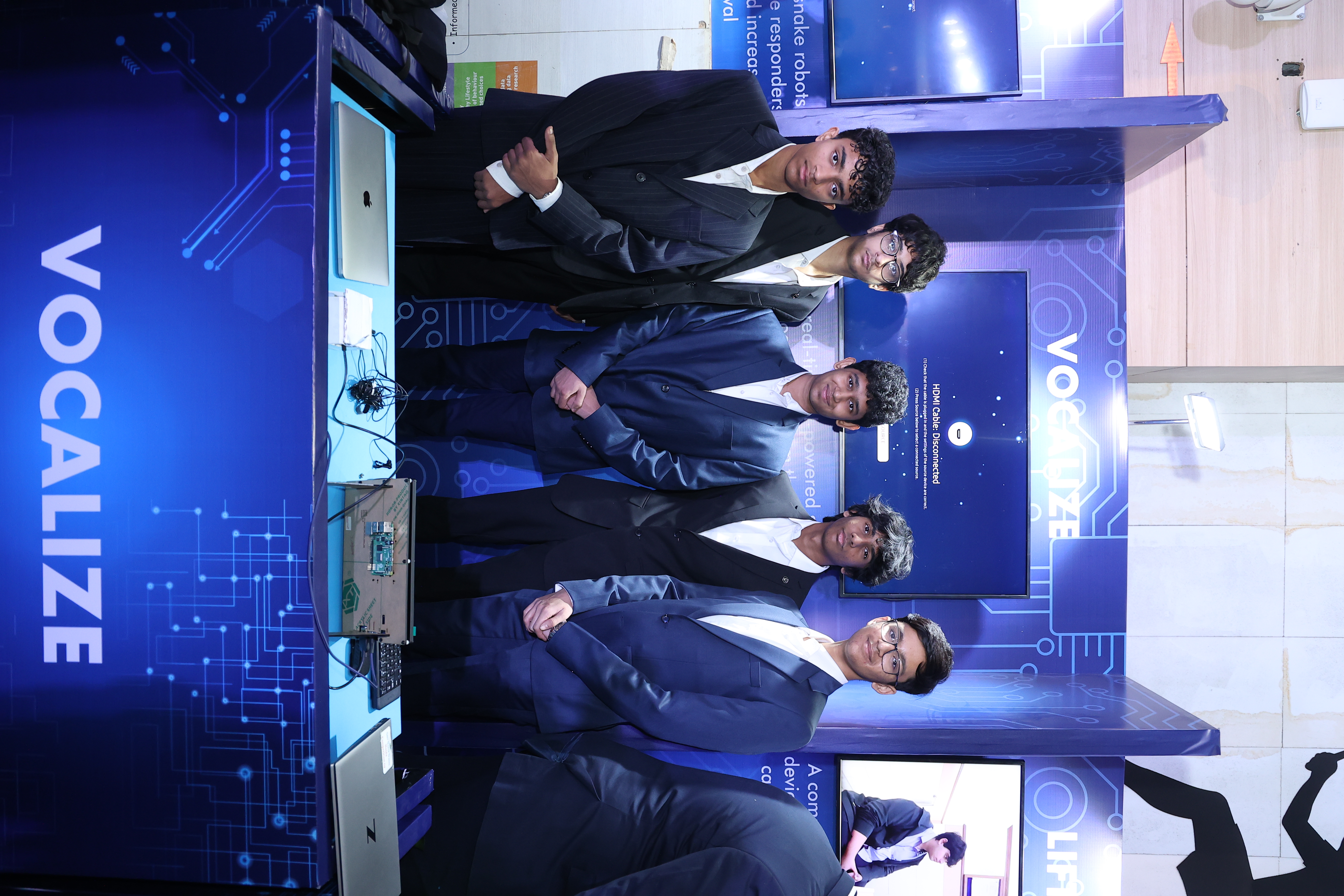
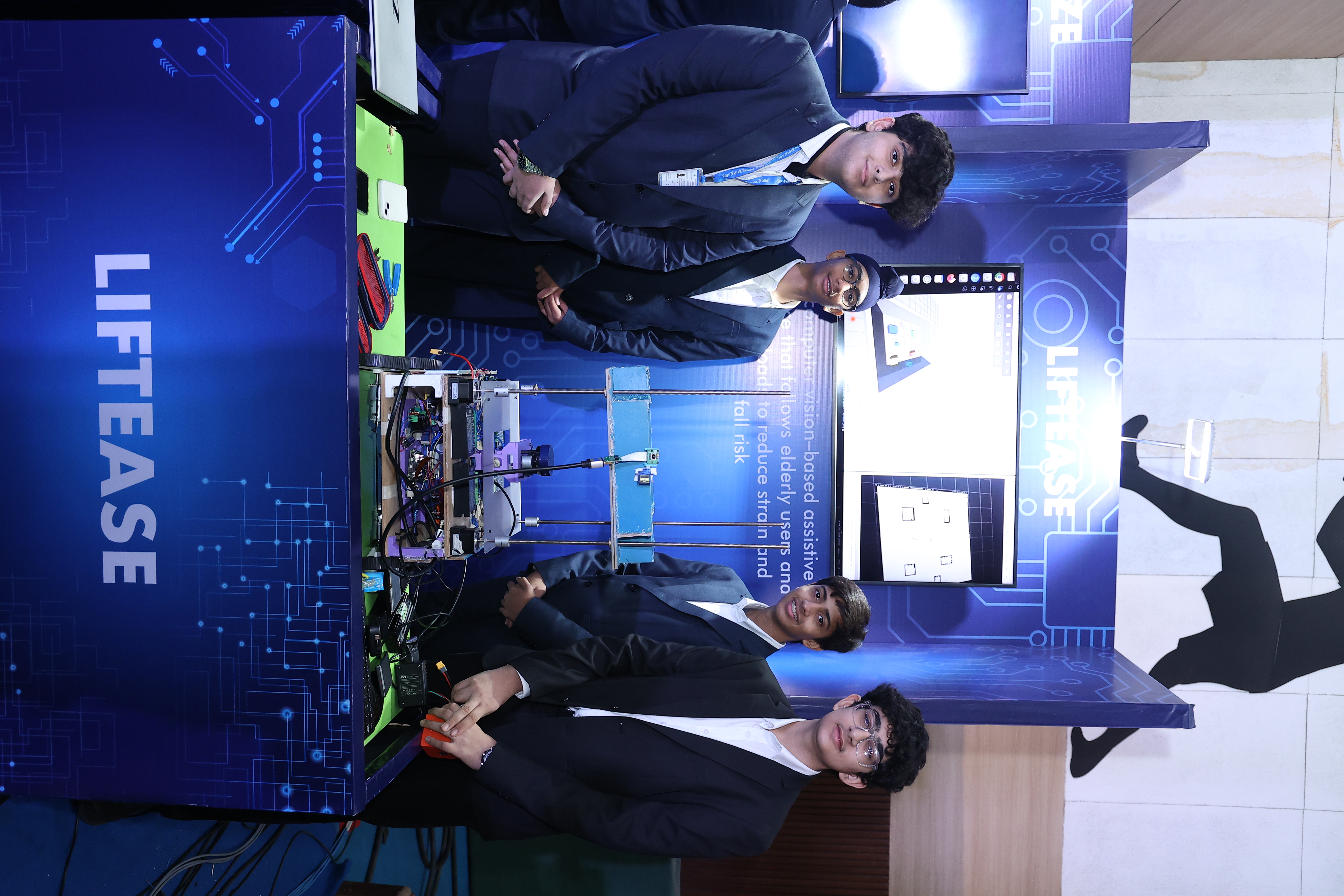
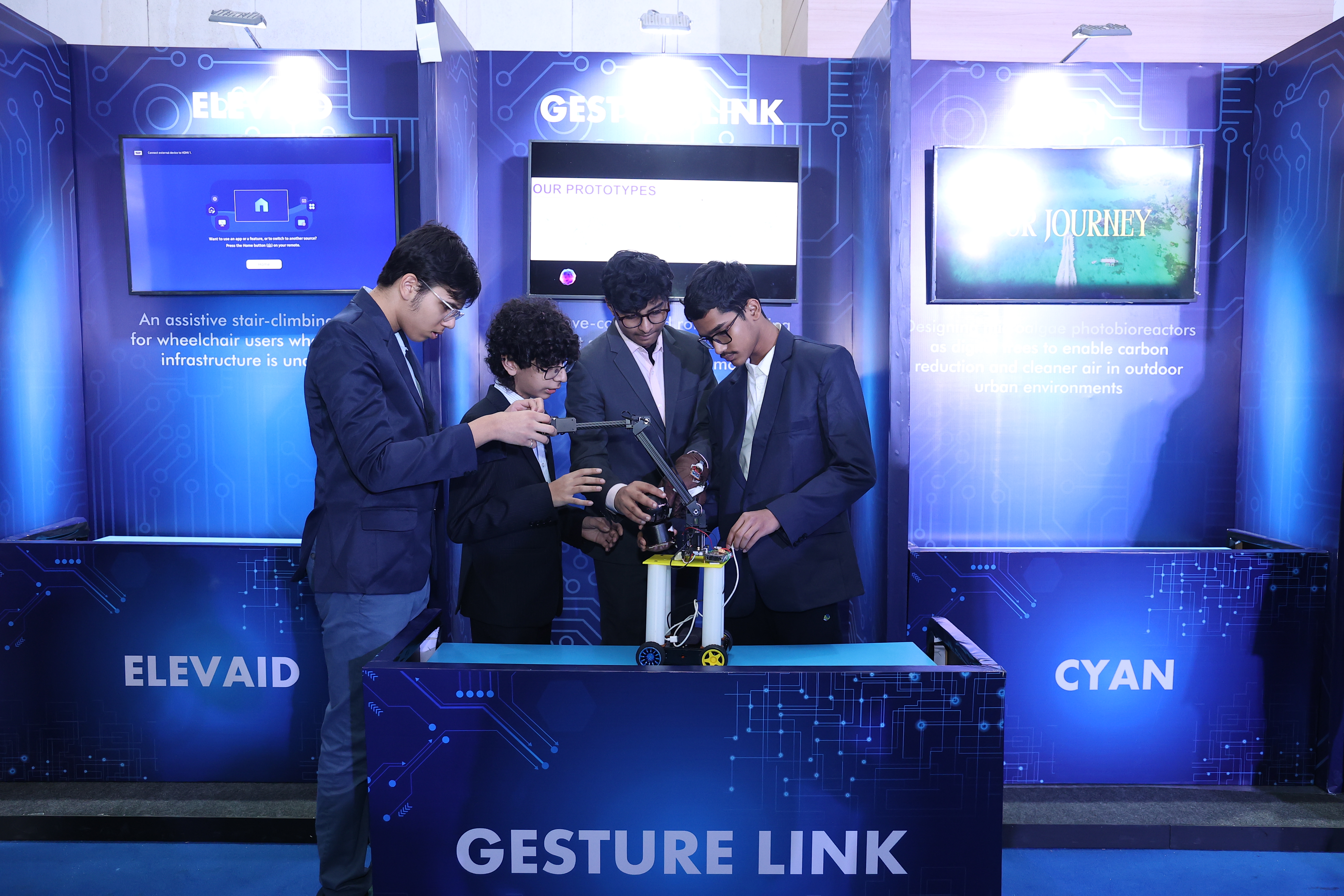
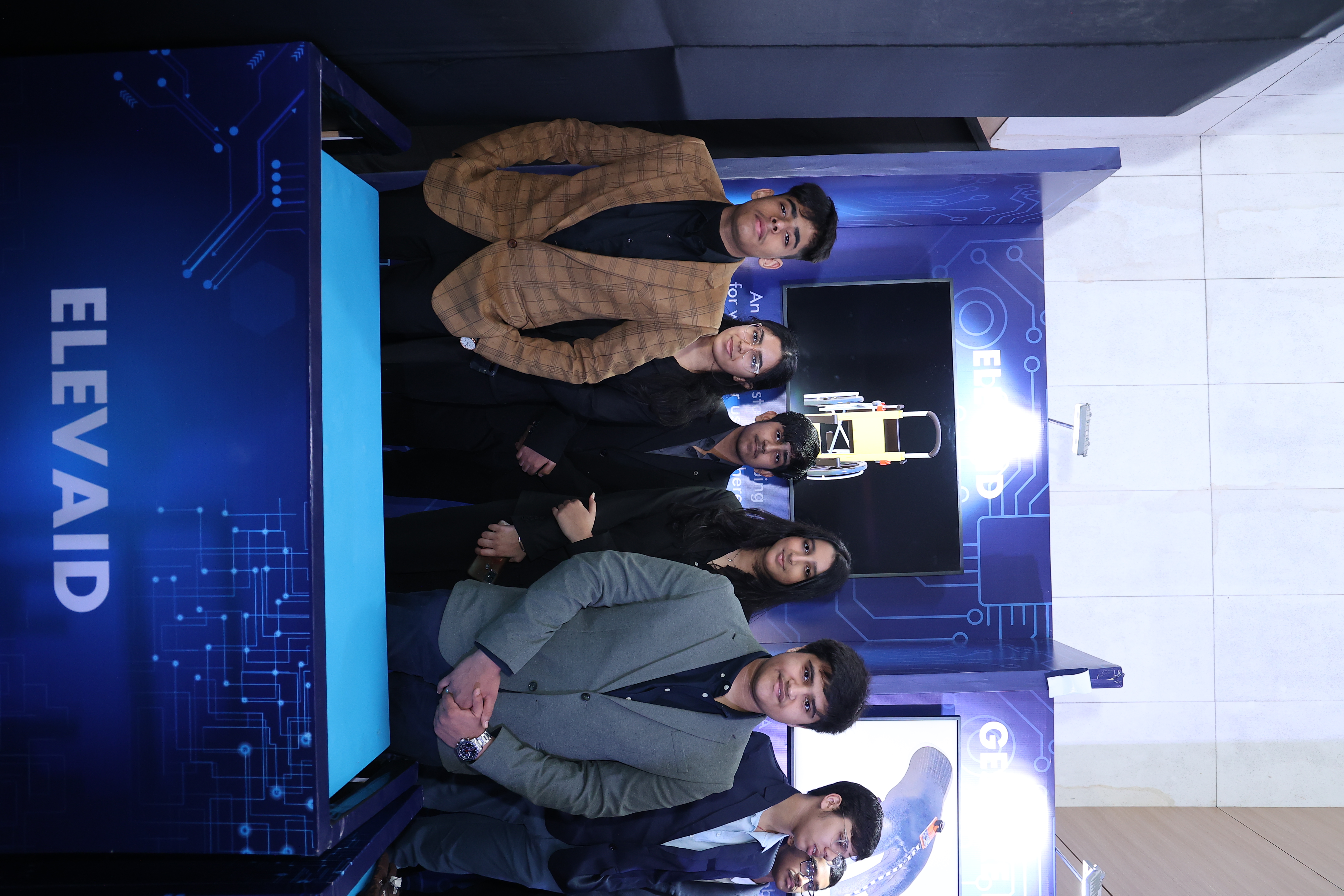
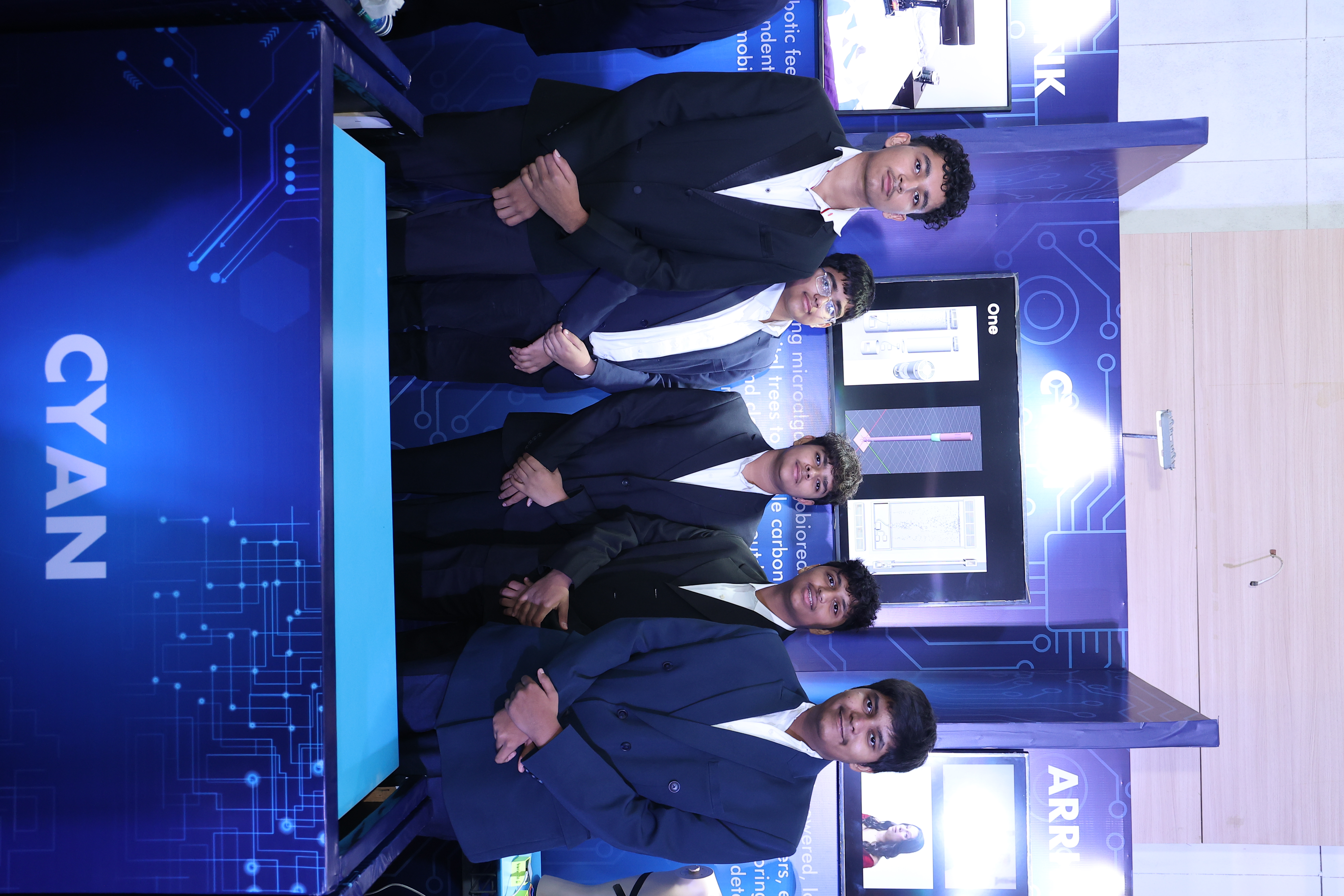
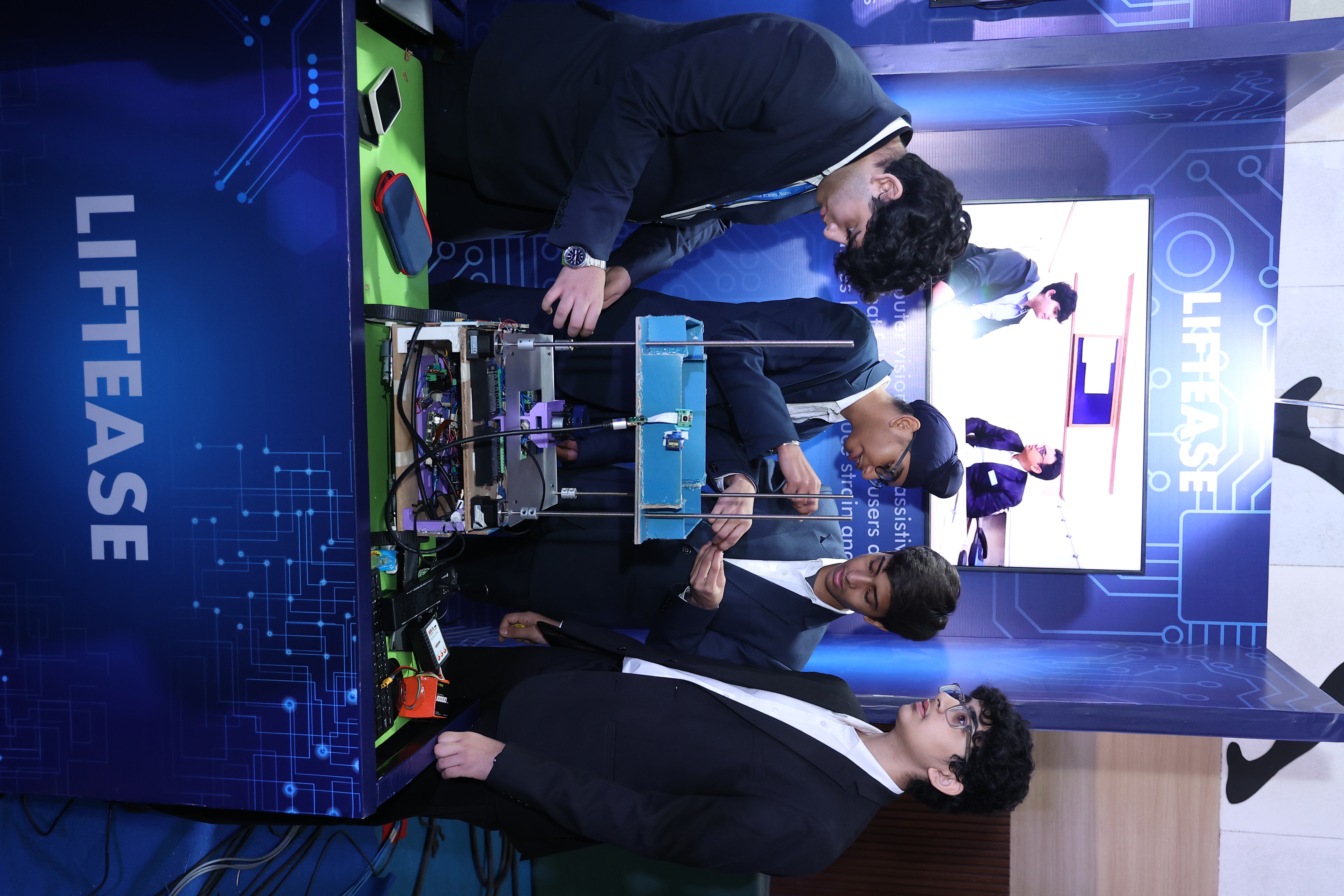
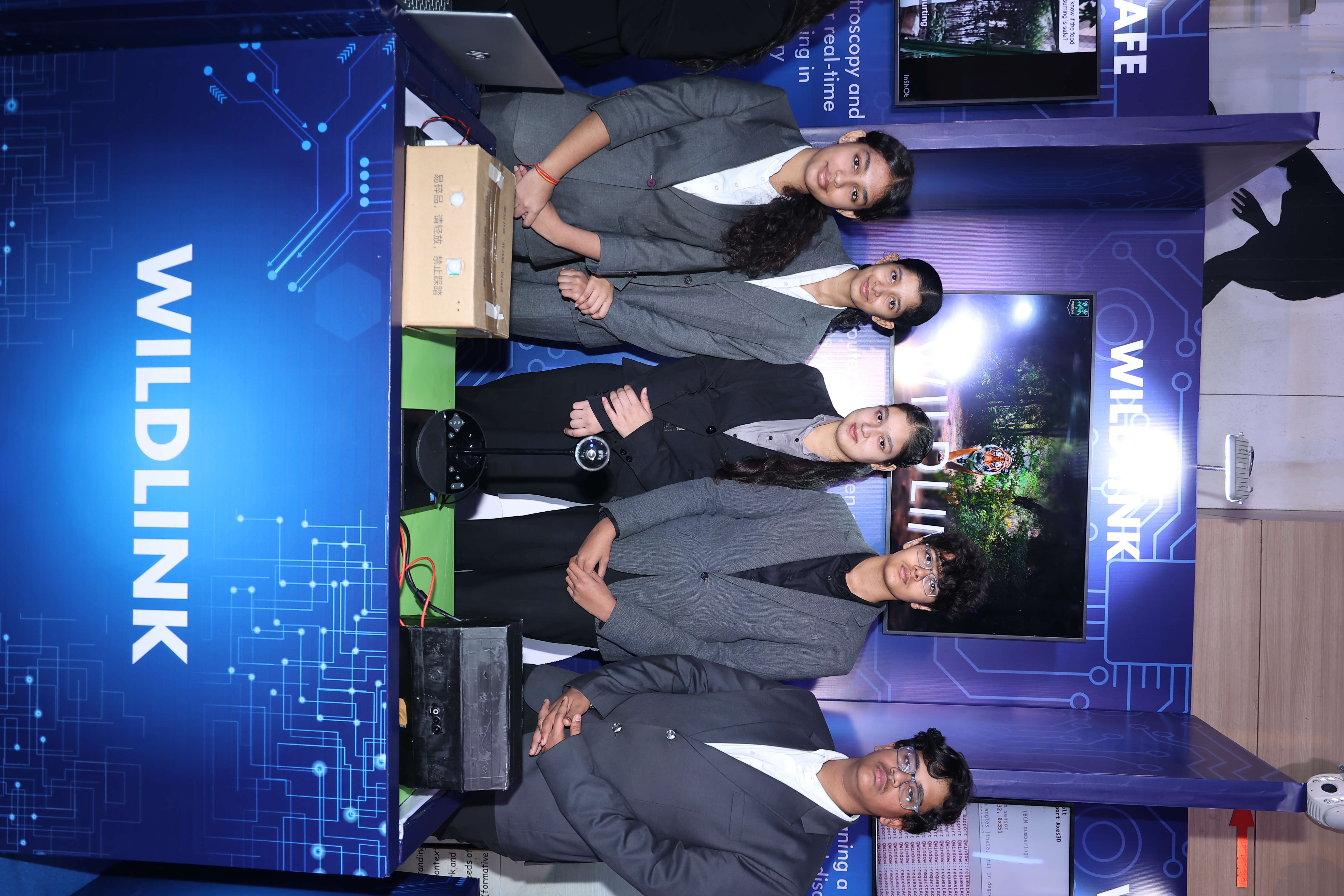
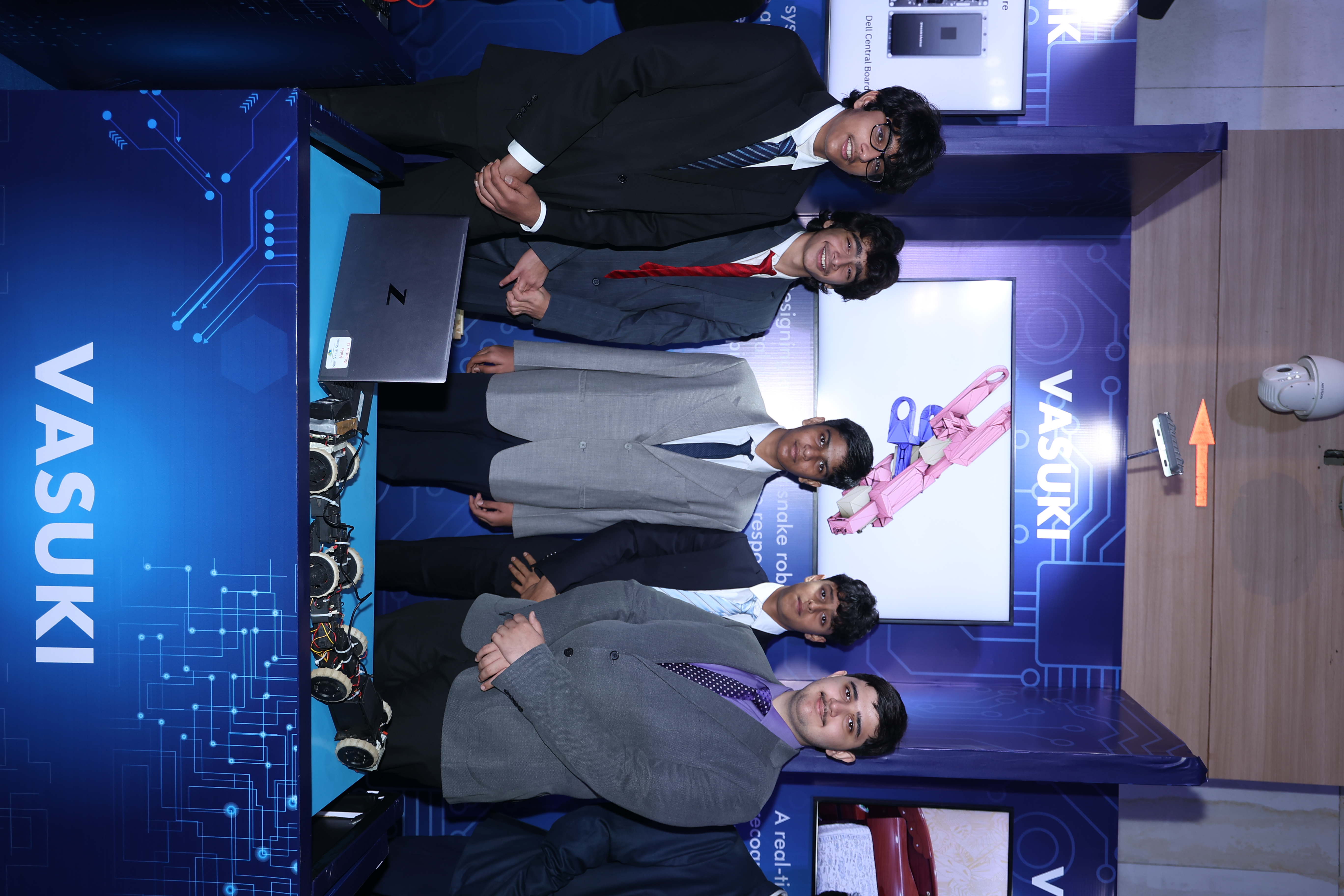
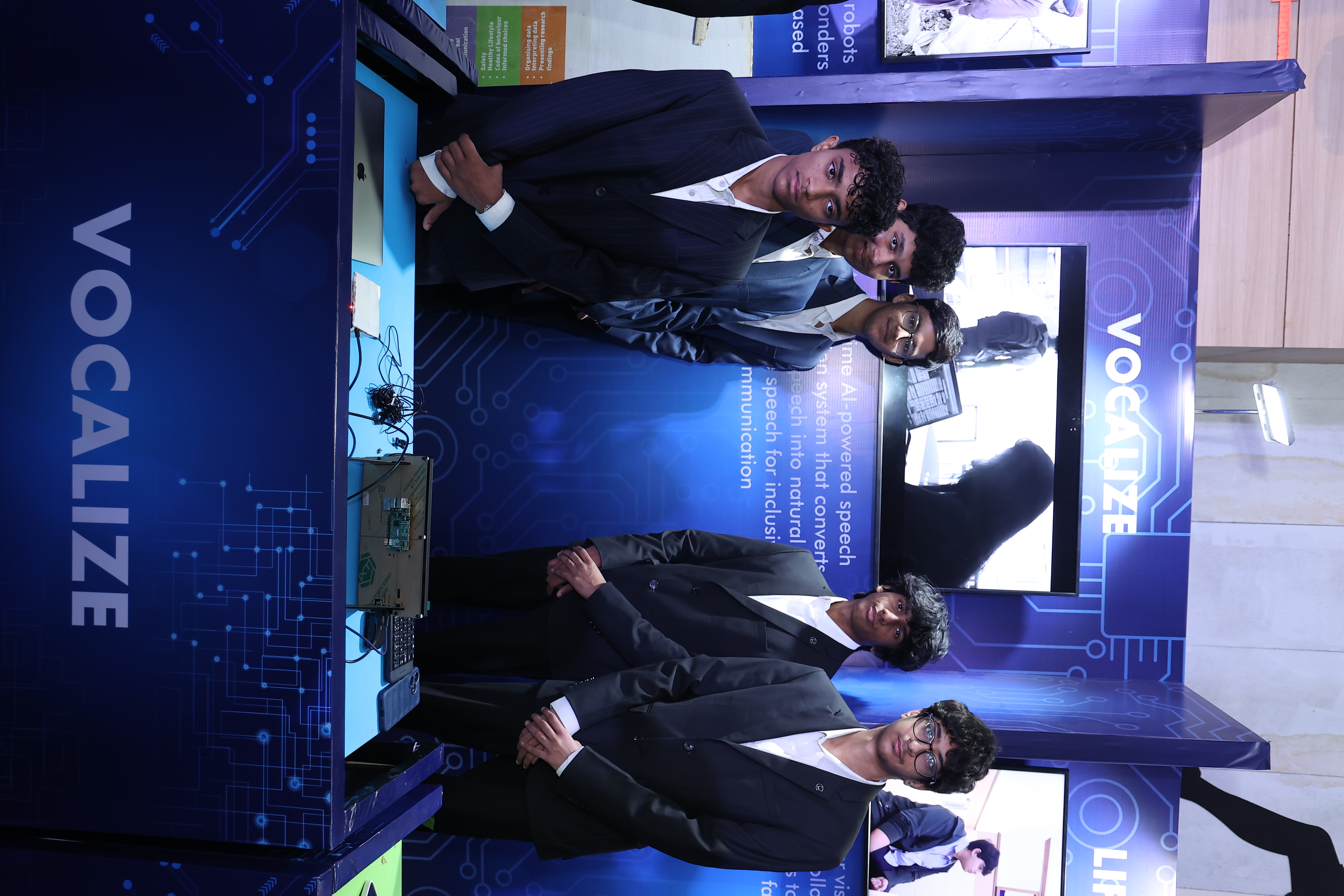
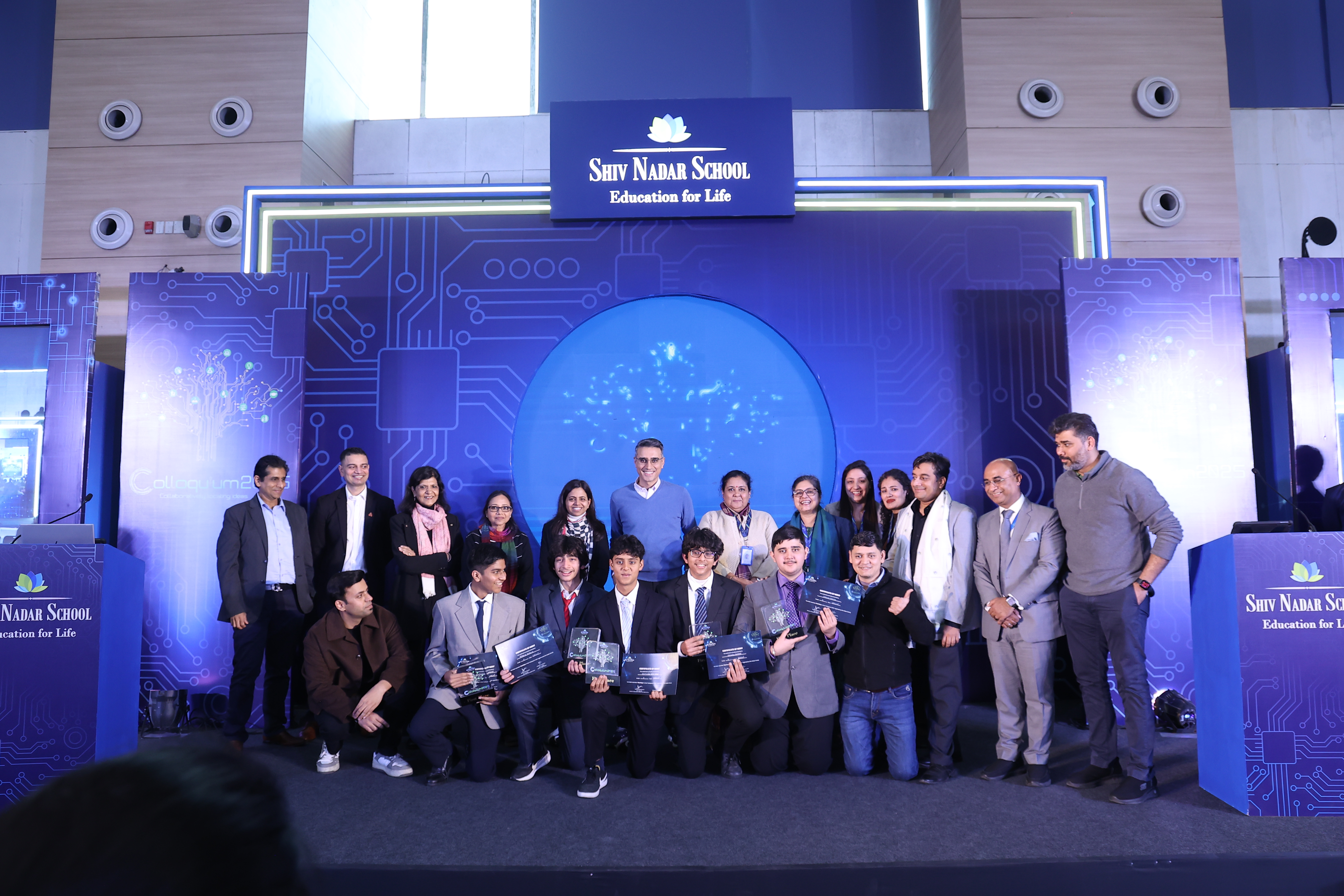
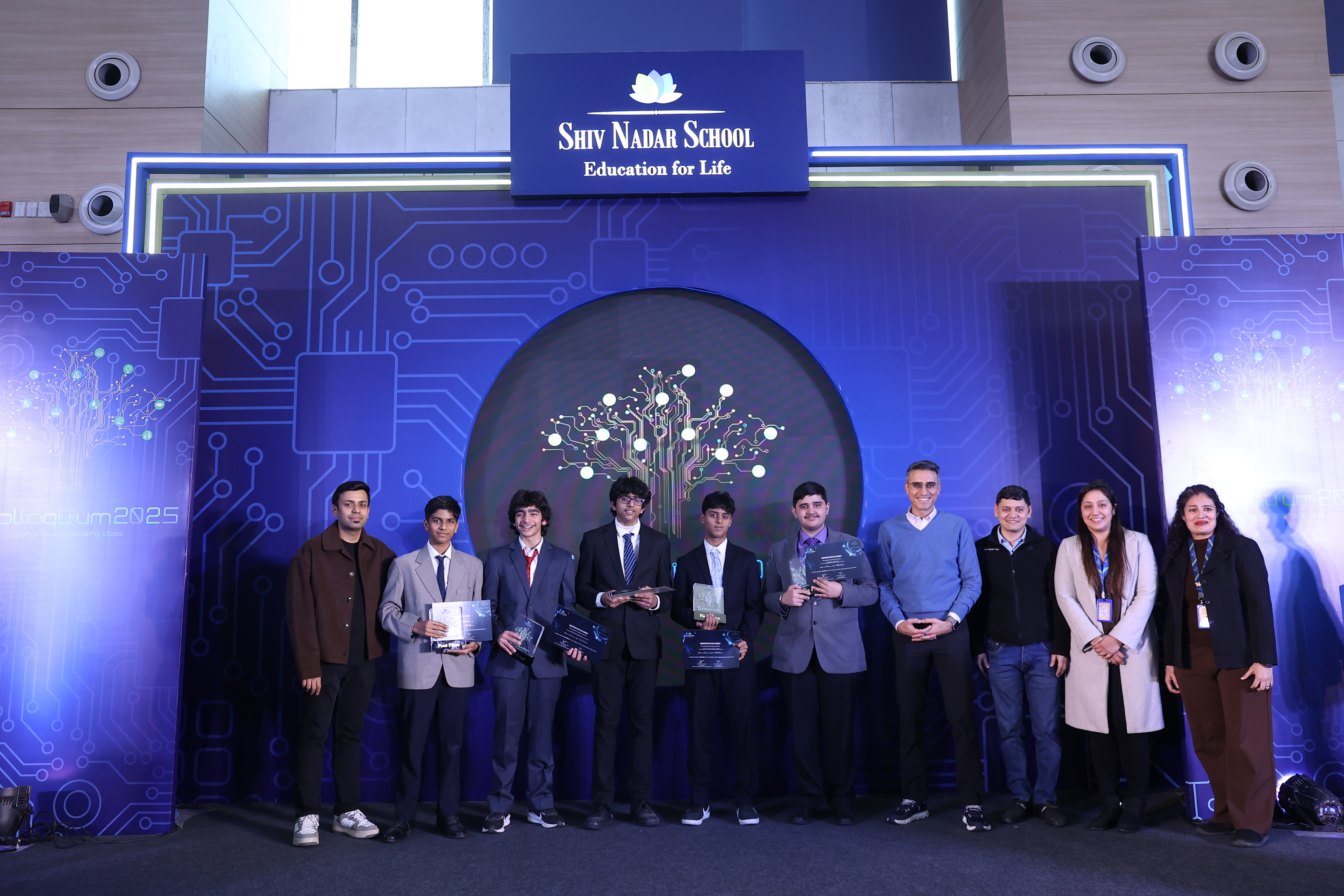
As part of the Grade X Computer Science curriculum, students participated in a year-long Capstone Project Programme, designed to encourage the identification of real-life social problems and the development of technology-driven solutions using skills acquired from Grades VII to X. Students worked in teams of up to five members, following a structured process involving problem identification, research, prototyping, and presentation.
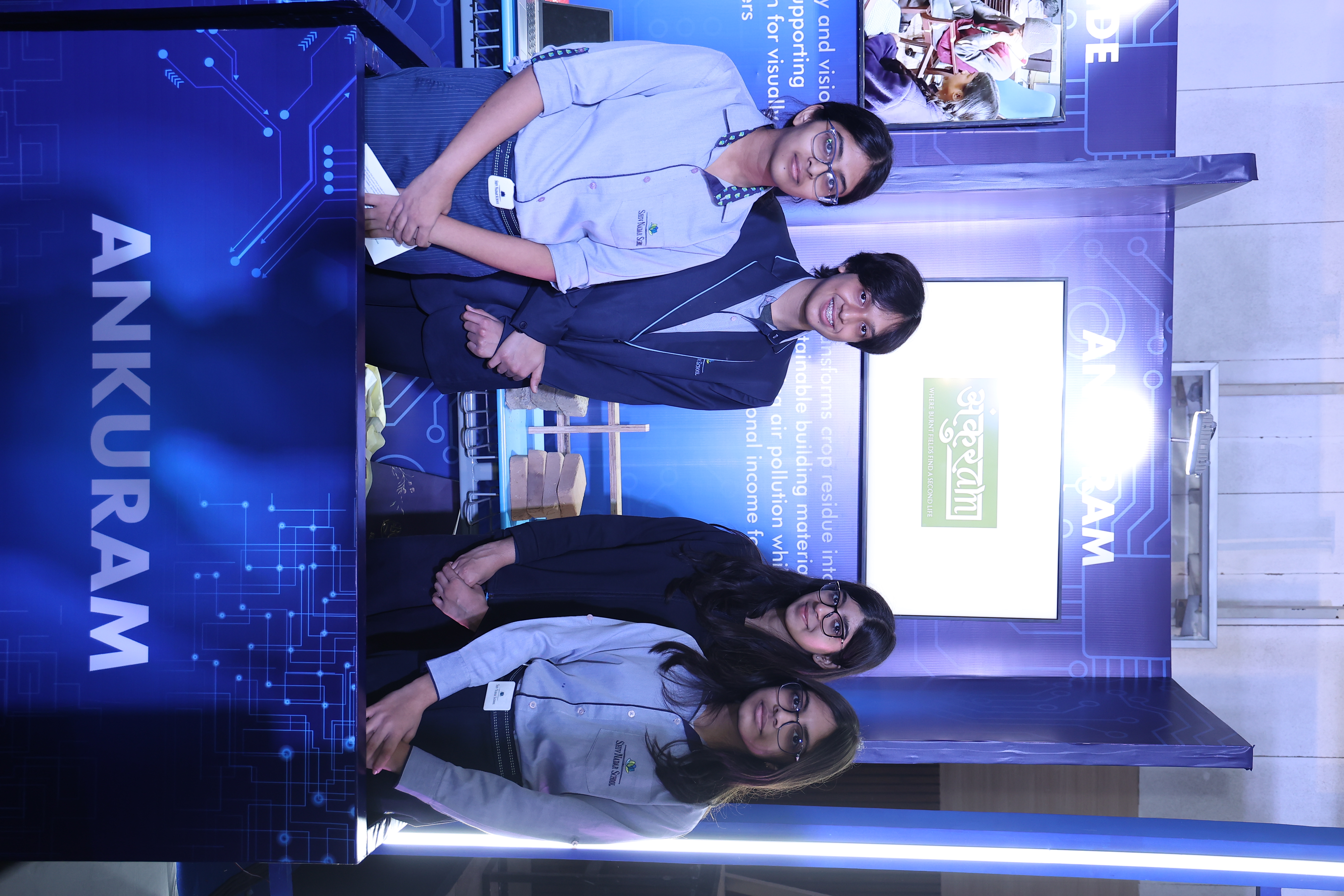
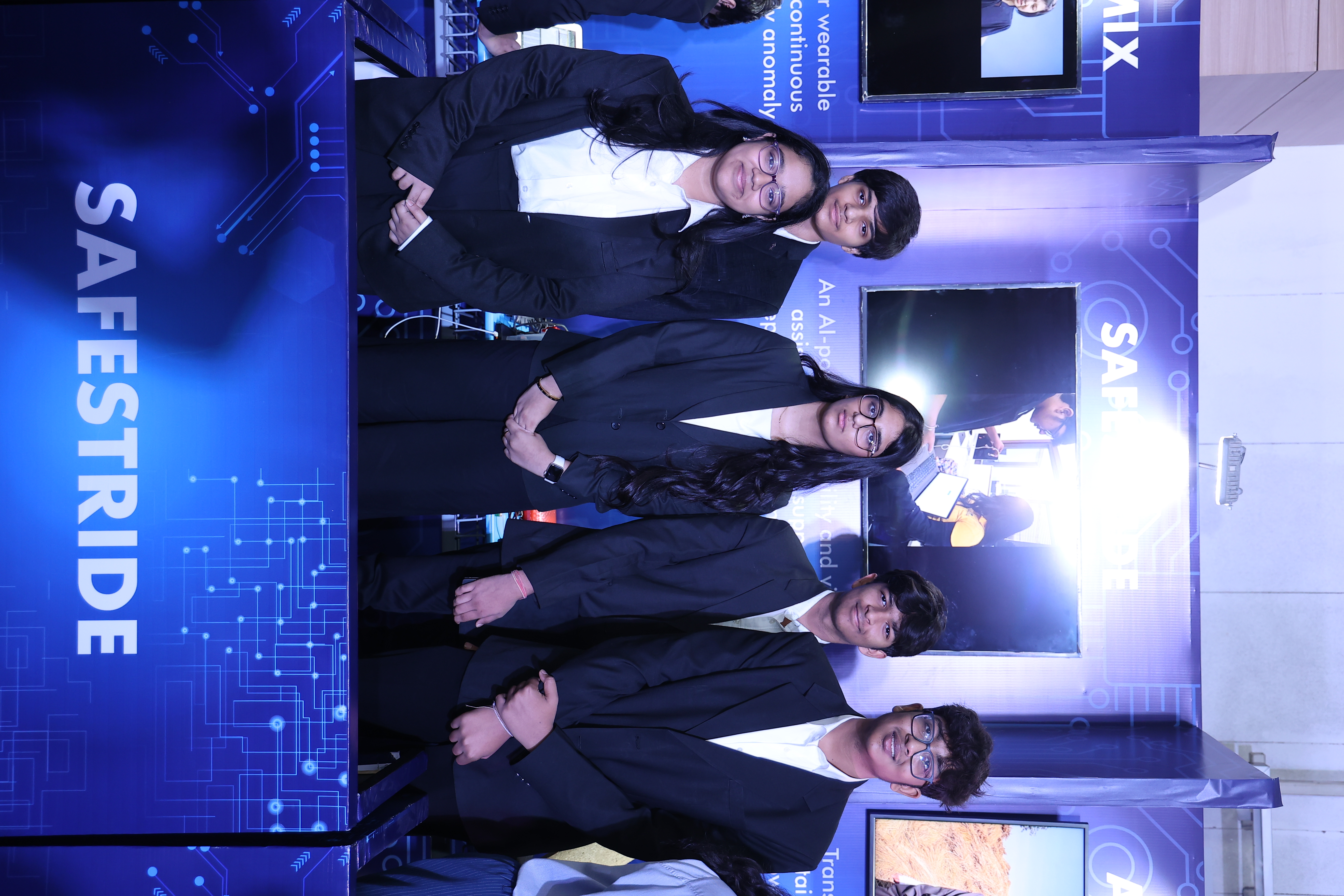
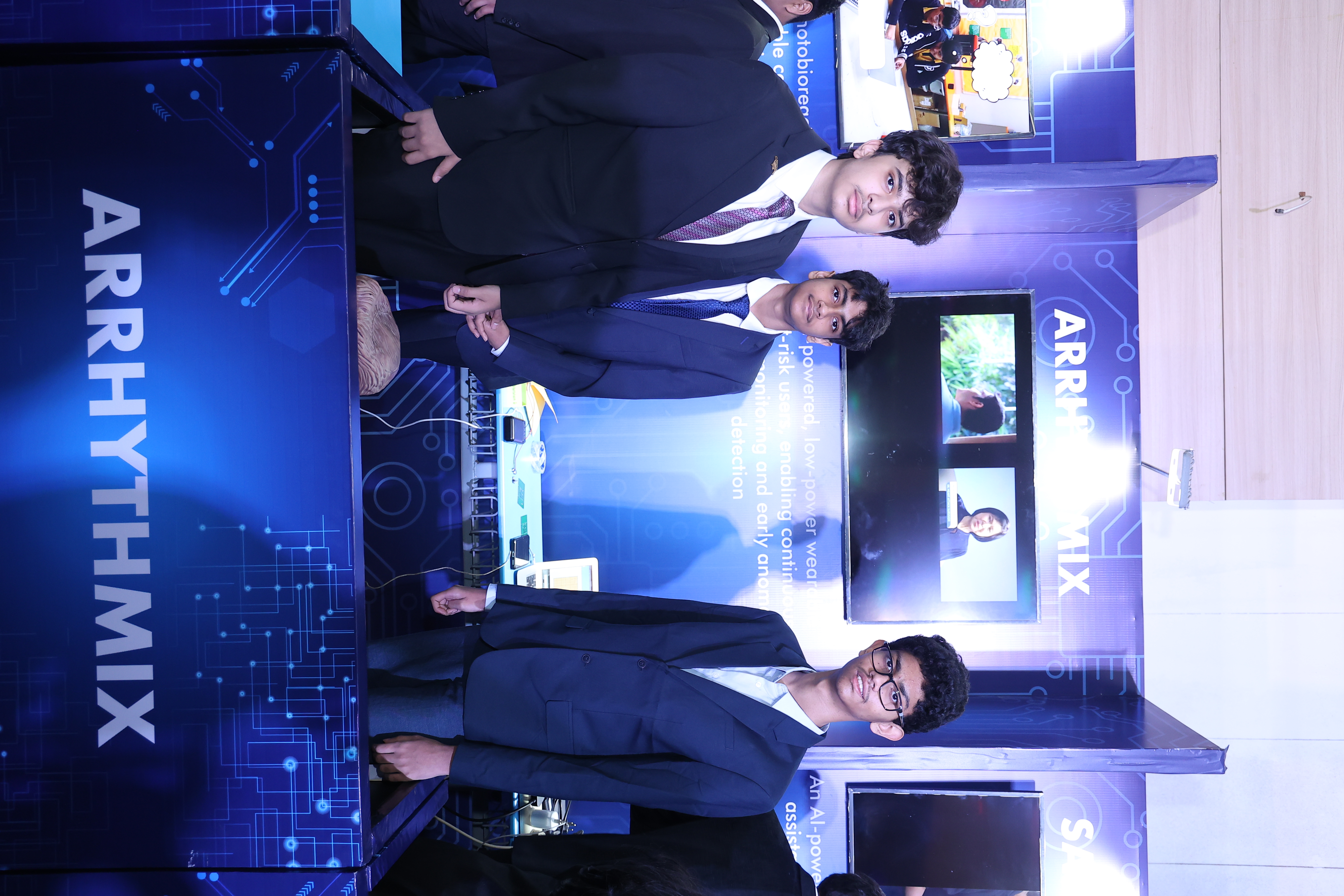
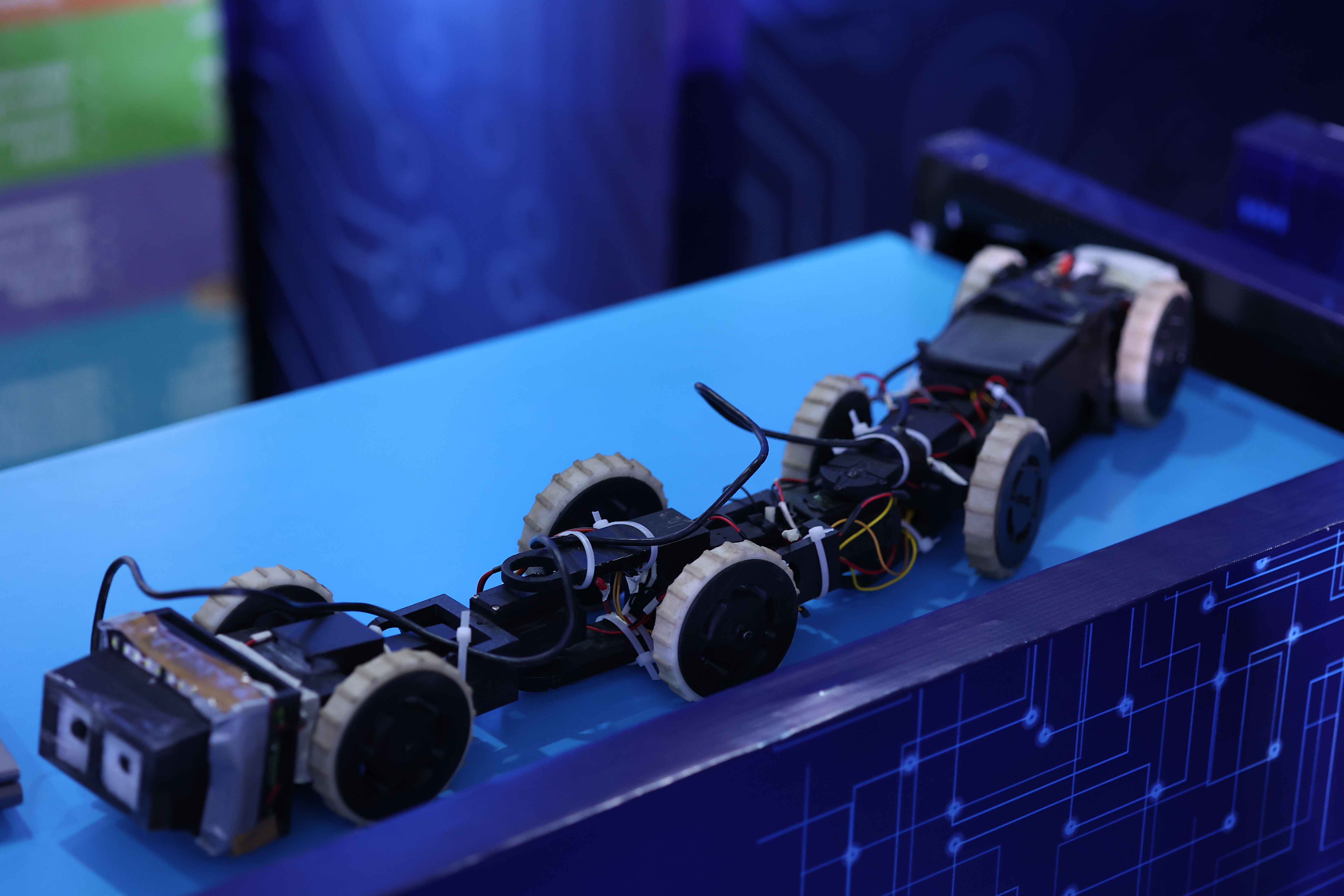
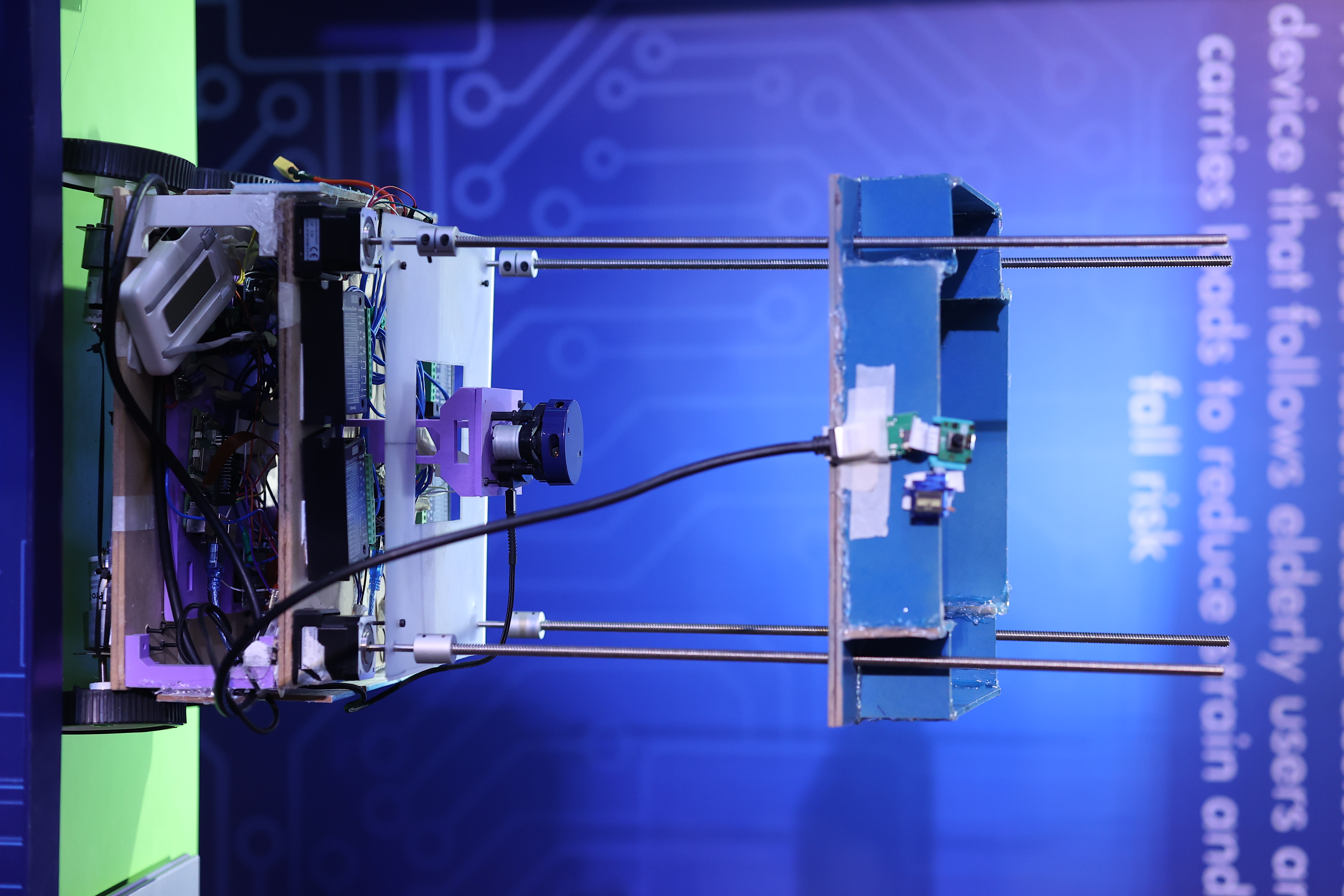
After an internal review and mentoring process, three Capstone Projects were selected for the final Colloquium: Team Ankuram, Team SafeStride, and Team ArrhythmiX. These projects reflected strong interdisciplinary thinking, effective use of technology, and a strong focus on social impact.
Team SafeStride, which emerged as the Runner-Up at the Colloquium, focused on improving independent mobility for visually impaired individuals through a technology-enabled assistive solution. Their project integrated navigation algorithms, obstacle detection, and hardware-based guidance systems to enhance safety and accessibility in everyday travel. In recognition of their outstanding performance, the team was awarded iPads as runner-up prizes.
Team ArrhythmiX developed a healthcare-focused technological solution aimed at the early detection and prediction of cardiac arrhythmias using a non-invasive wearable ECG device. The project demonstrated strong research depth, iterative prototyping, and the application of data analysis and machine learning concepts to address a real-world medical challenge.
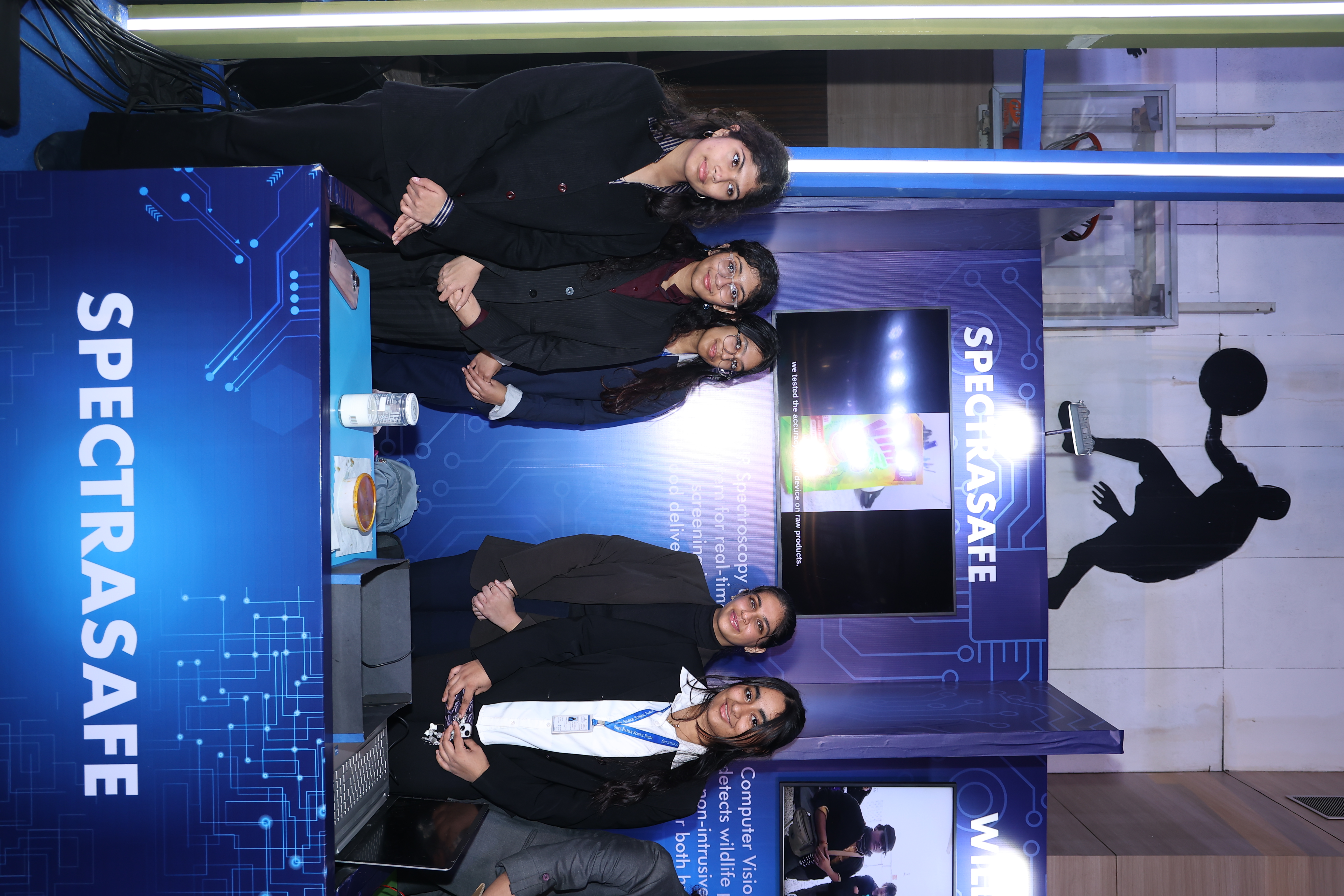
Team Ankuram addressed the critical issue of stubble burning by proposing an eco-friendly solution that converts agricultural waste into sustainable products such as insulation boards and utility materials. Instead of a formal presentation, the team set up an interactive booth at the Colloquium, where they showcased physical samples, explained their process, and engaged directly with visitors and jury members, highlighting the practical and entrepreneurial aspects of their Capstone Project.
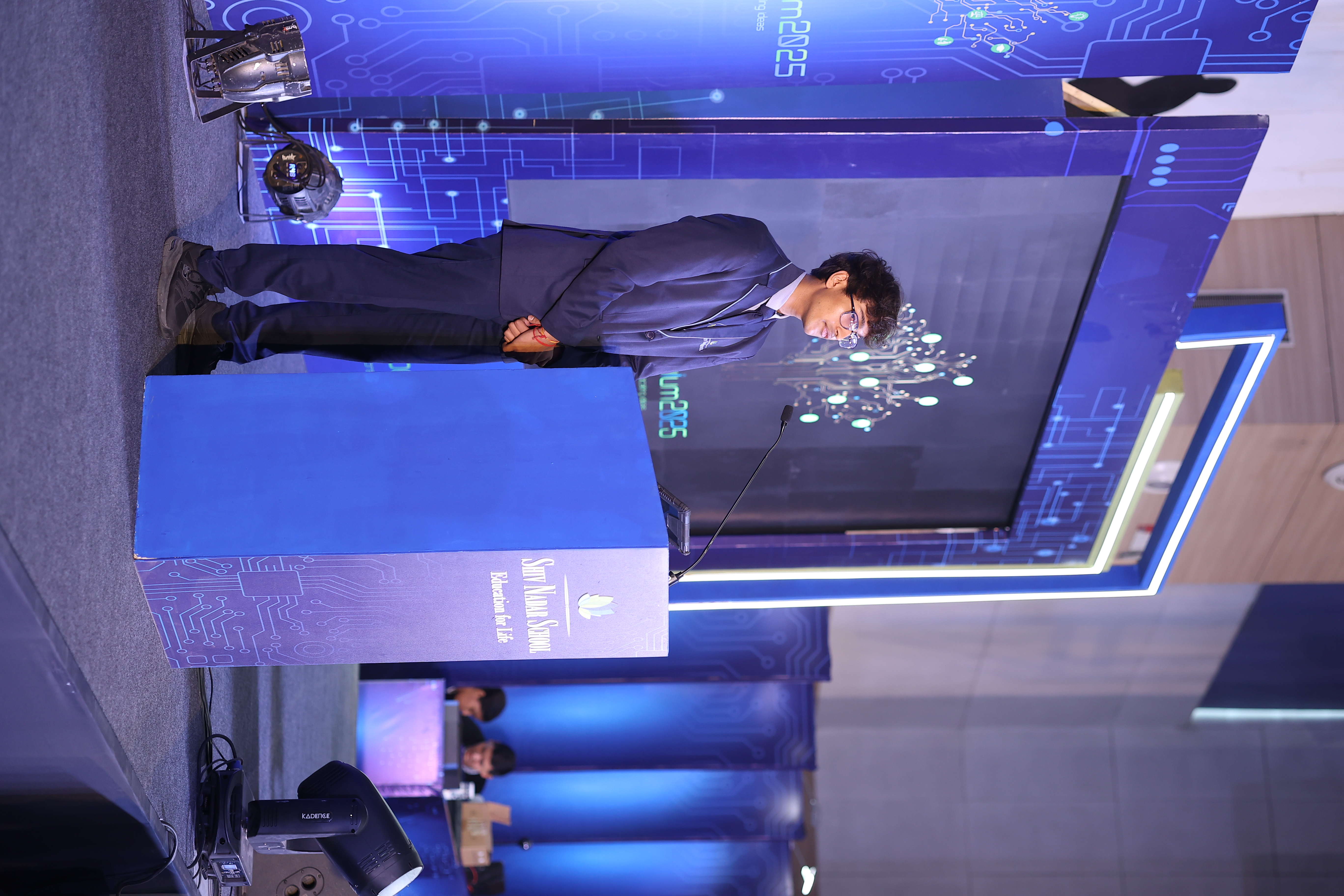
The Colloquium provided students with an authentic platform to present and demonstrate their Capstone Projects, receive expert feedback, and experience real-world evaluation standards. Overall, the event highlighted the effectiveness of Capstone Projects in fostering critical thinking, collaboration, innovation, and social responsibility among students, making the Colloquium a meaningful culmination of the Grade X Capstone journey.