


The Power of Questions: Nurturing thinking in an inquiry classroom

What makes learning meaningful?

Is it the information students remember? Is it the answers they write in an examination in a limited amount of time? Or is it something deeper- the ability to think, question, and make sense of the world around them?

In an inquiry-based classroom, particularly within the IB Middle Years Programme (MYP), learning begins with questions of different shapes and sizes and not just a predefined set of facts to be learnt. Questions are the engine of inquiry. They stimulate curiosity, guide investigation, challenge assumptions, and ultimately help students construct conceptual understanding.

However, an important misconception about inquiry is that every question must be profound or philosophical. Effective inquiry classrooms value questions at different levels. Some questions simply help students observe. Others prompt analysis. Still others push students to form conceptual generalisations. Together, these layers of questioning support the gradual development of thinking.

Read More: A Guide to Understanding the IB (DP & MYP) Curriculum

At its heart, inquiry is about creating learning experiences where students are encouraged to wonder:

Why does this happen?

How does this work?

What might this mean beyond this situation?

These are the questions that move learning from facts to understanding. 

Educational research on concept-based inquiry suggests that inquiry learning often begins by engaging students emotionally and intellectually, activating their prior knowledge, and inviting their initial questions before deeper investigation begins. In the MYP classroom, this phase is essential because it creates the conditions for meaningful learning rather than passive reception of information. 

A simple example illustrates how questioning can spark thinking. 

Recently, our MY1 students visited Dakshina Chitra, the living heritage museum in Chennai that showcases traditional homes and cultural practices from across South India. Rather than experiencing the visit as a passive tour, students were provided with a worksheet designed around guiding questions. These prompts asked them to observe details carefully: 

  • What materials are used to build these houses?
  • Why might homes in different regions look different?
  • What similarities and differences do you notice across architectural styles? 

At first glance, these questions appear straightforward. Yet they encourage students to move beyond observation to analysis and interpretation. As students explored the houses, discussions began to emerge. Some noticed that roof structures varied across regions. Others wondered whether climate influenced building materials. Gradually, students began connecting their observations to broader ideas about environment, culture, and adaptation. 

In this way, structured questioning became the starting point for conceptual understanding, a central goal of the MYP framework. 

As students progress through the programme, the nature of questioning evolves. In earlier years, teachers often provide more structured inquiry to guide thinking. Over time, students begin to take increasing ownership of the inquiry process. 

Read More: Community Project Session for IB MYP 3 at Shiv Nadar School Faridabad 

This shift becomes particularly visible in MY3 through the Community Project. Here, students are encouraged to identify issues that matter to them within their communities. Instead of receiving predetermined research questions, students frame their own inquiries: 

  • What challenge in our community needs attention?
  • Why does this issue exist?
  • What action could help address it? 

These questions reflect a deeper level of thinking because students are defining problems, exploring perspectives, and planning action. They go beyond simply gathering information. In this process, the teacher's role shifts from delivering knowledge to facilitating inquiry. 

Similarly, in science classrooms, students often design their own investigations. A teacher might begin with a broad conceptual question such as: What factors influence plant growth? Students then refine this into testable inquiries, designing experiments, collecting data, and reflecting on results. Through this process, they develop key Approaches to Learning (ATL) skills such as research, critical thinking, and self-management, along with disciplinary knowledge. Others help them organize their thinking and identify patterns. 

Read More:  Shiv Nadar School Noida is now an IB MYP Authorised School 

What becomes evident across these experiences is that questions guide every stage of learning. Some questions help students engage with a topic. Some help them investigate evidence.Eventually, students begin forming generalisations- statements of understanding that connect concepts and can be applied beyond a single example. When students reach this stage, they are developing ideas that can transfer to new contexts, which is beyond the recall of information without a context. 

This is one of the most powerful goals of the IB philosophy: helping learners build knowledge that is transferable and meaningful. This also helps in furthering our commitment to lifelong learning at Shiv Nadar School

Yet perhaps the most significant shift in an inquiry classroom occurs when students themselves become the questioners. Instead of waiting for the teacher’s prompts, they begin to ask: 

  • Is this always true?
  • What evidence supports this idea?
  • Could there be another explanation? 

These moments signal something important. They show that students are developing agency as learners, instead of merely participating in lessons as passive listeners. This is the goal of our MYP classrooms. 

In the end, the success of an inquiry classroom may not be measured by how many answers students produce, but by the quality of the questions they learn to ask to pursue meaningful journeys responding to those questions. When classrooms nurture curiosity, encourage reflection, and value thoughtful questioning, they cultivate learners who are prepared for the complexities of the world beyond school, beyond any single examination. 

Perhaps, then, the most important question we can ask ourselves as educators and caregivers is this: 

Are we creating spaces in the classrooms and outside where curiosity thrives? Are we modelling the thinking process that we want our children to embody? 

Because when students learn to ask meaningful questions, they begin to see learning as a journey of discovery of their own selves and the world around them.  

2026-03-19
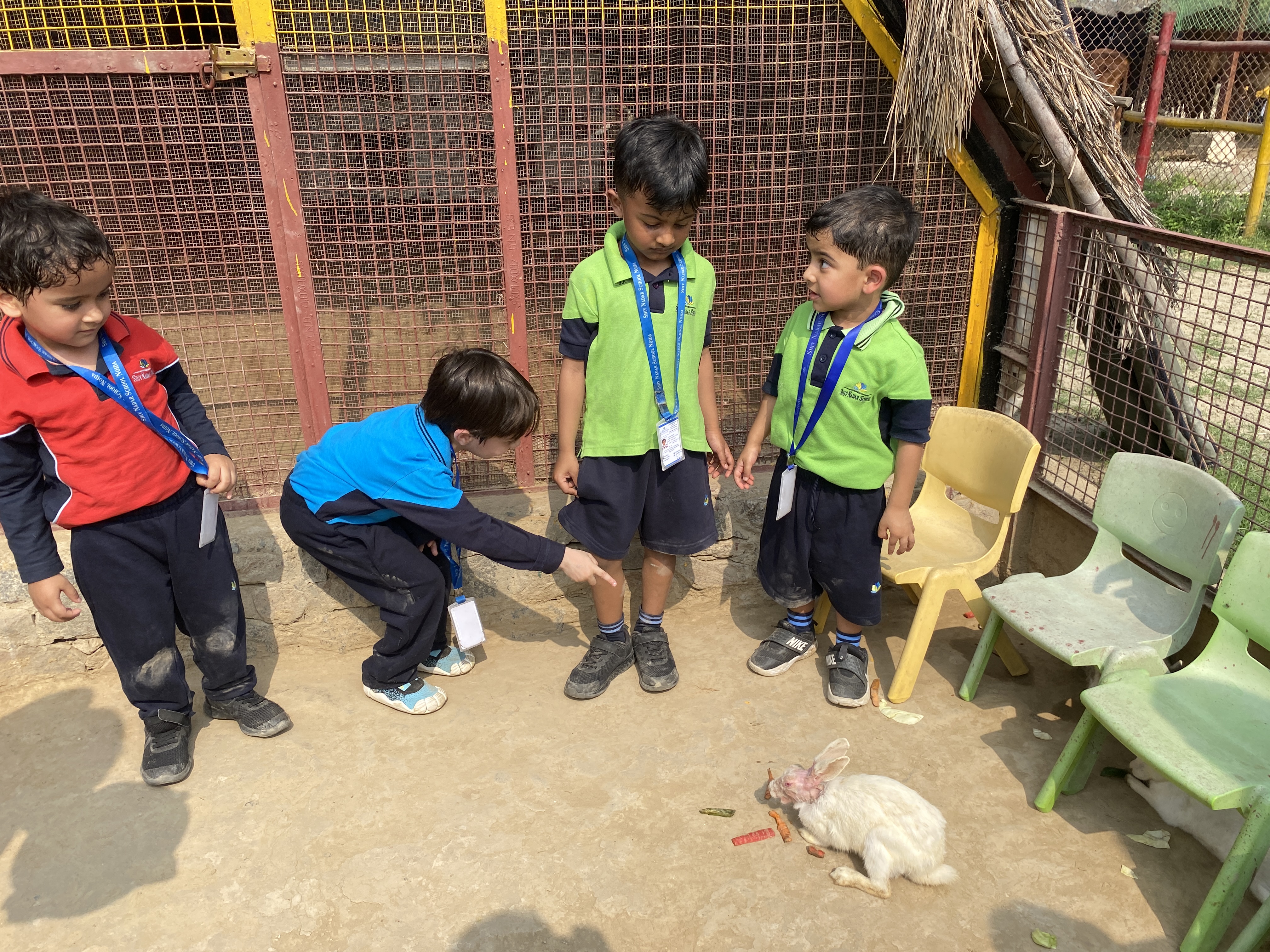
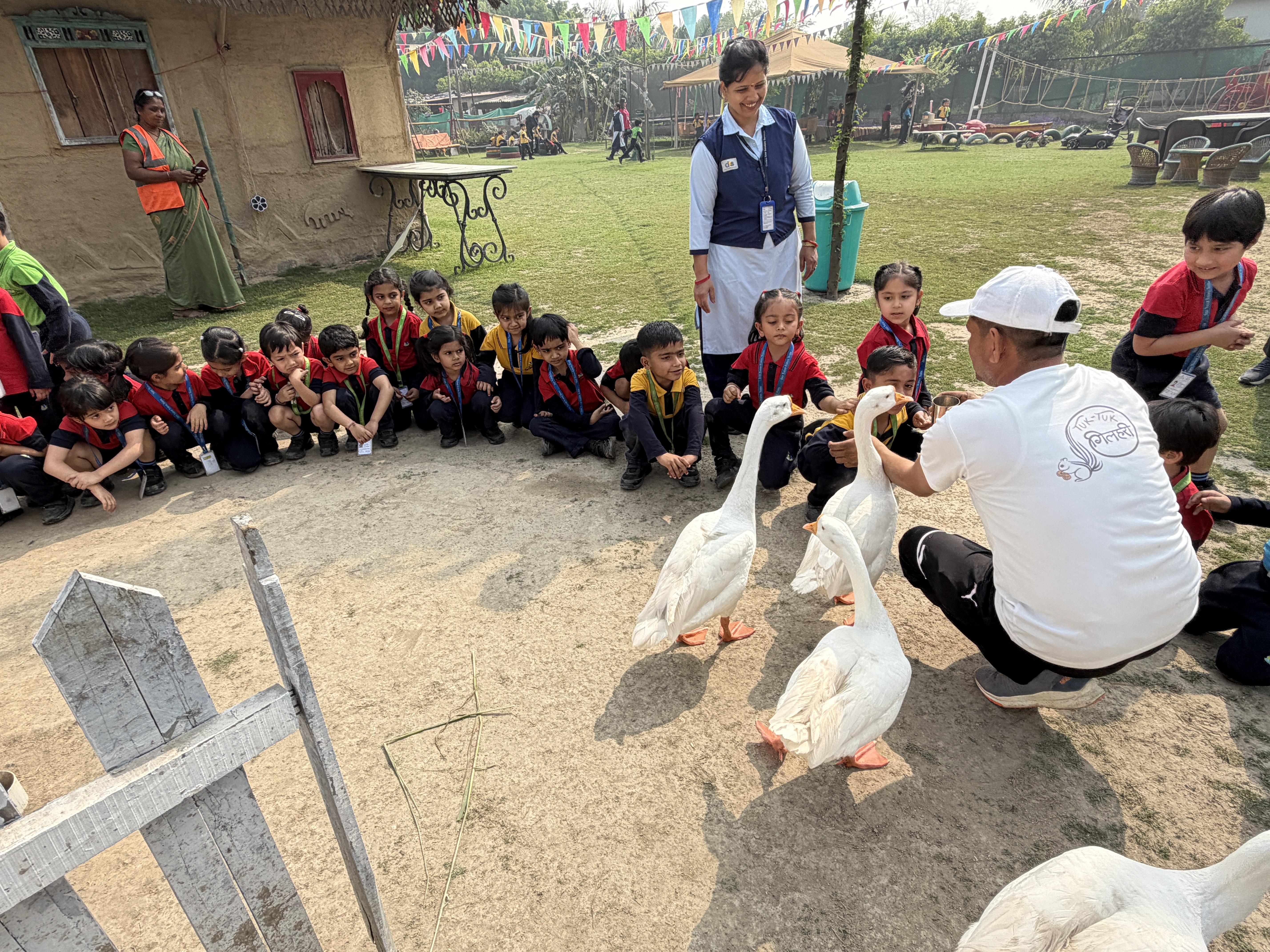
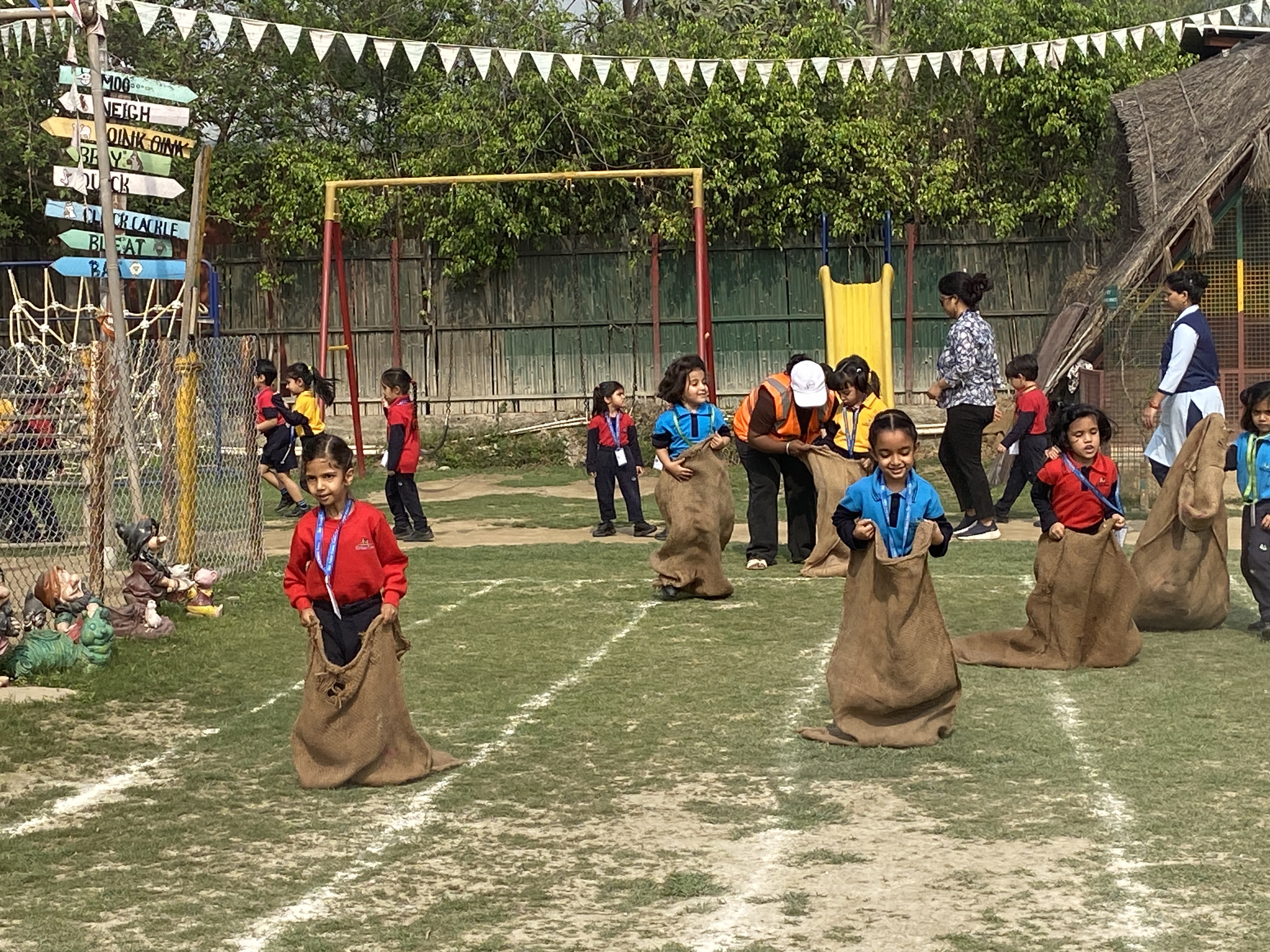
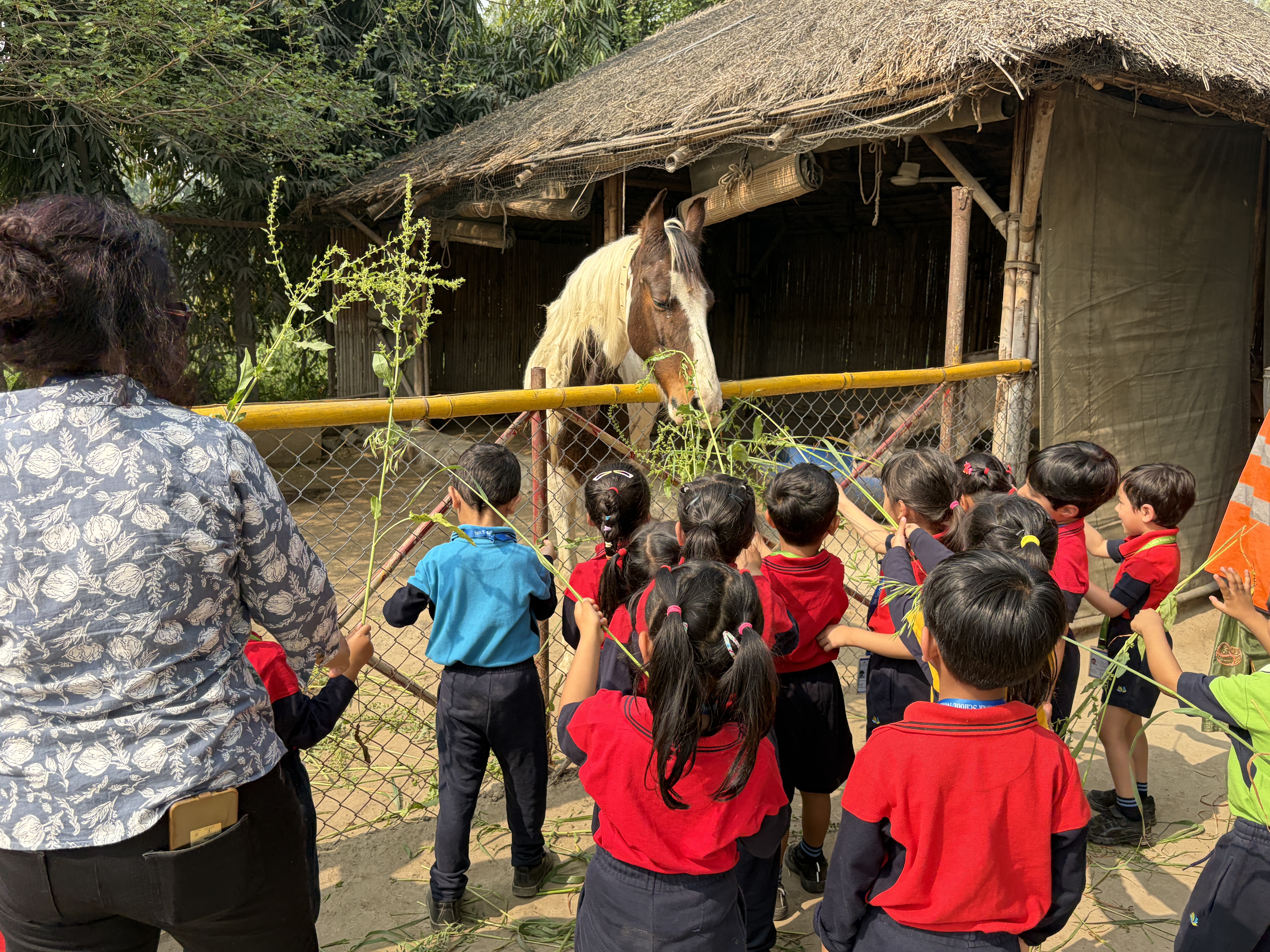
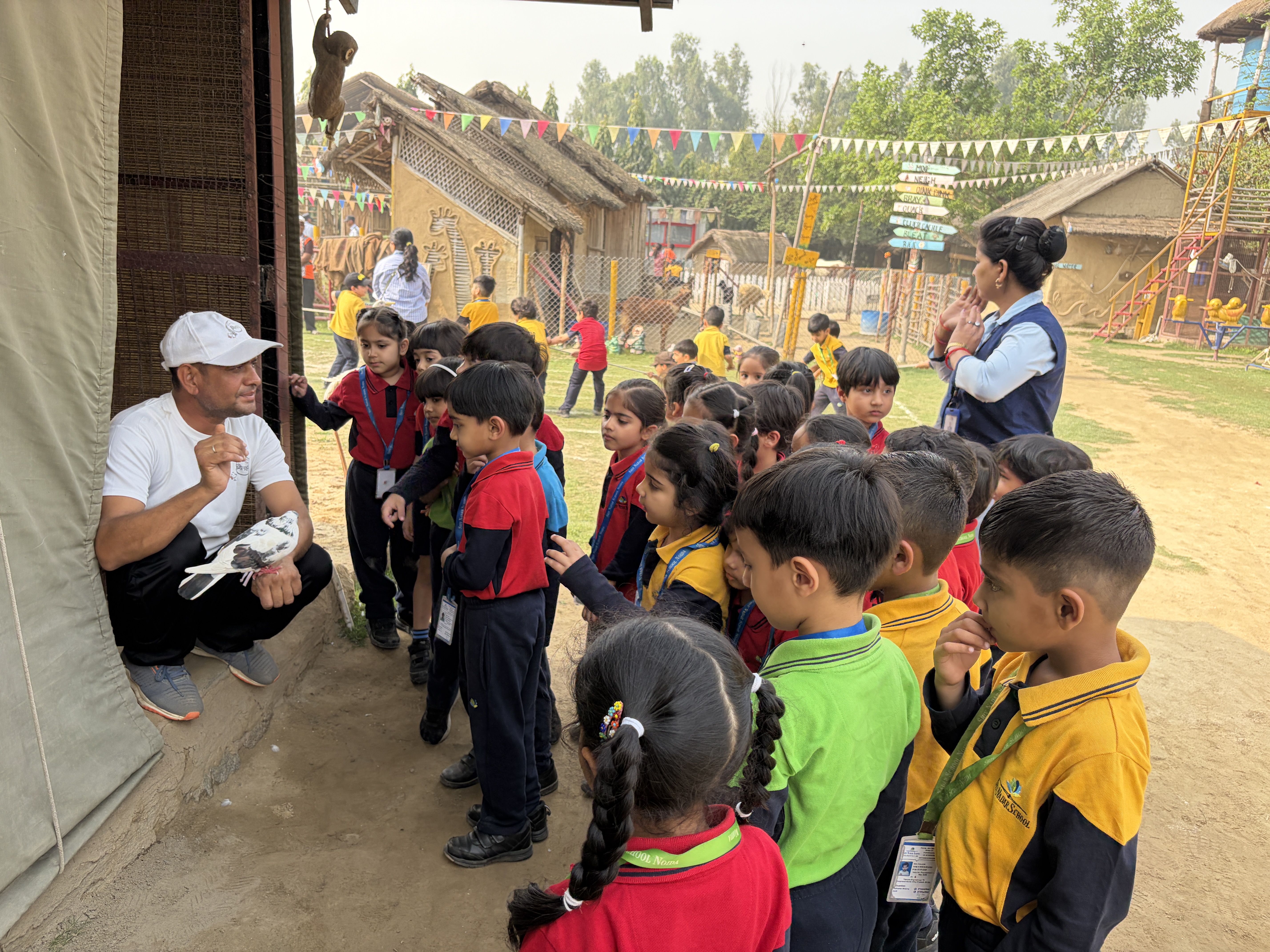
Tuk Tuk Gilahari Farm- An engaging and uplifting field experience


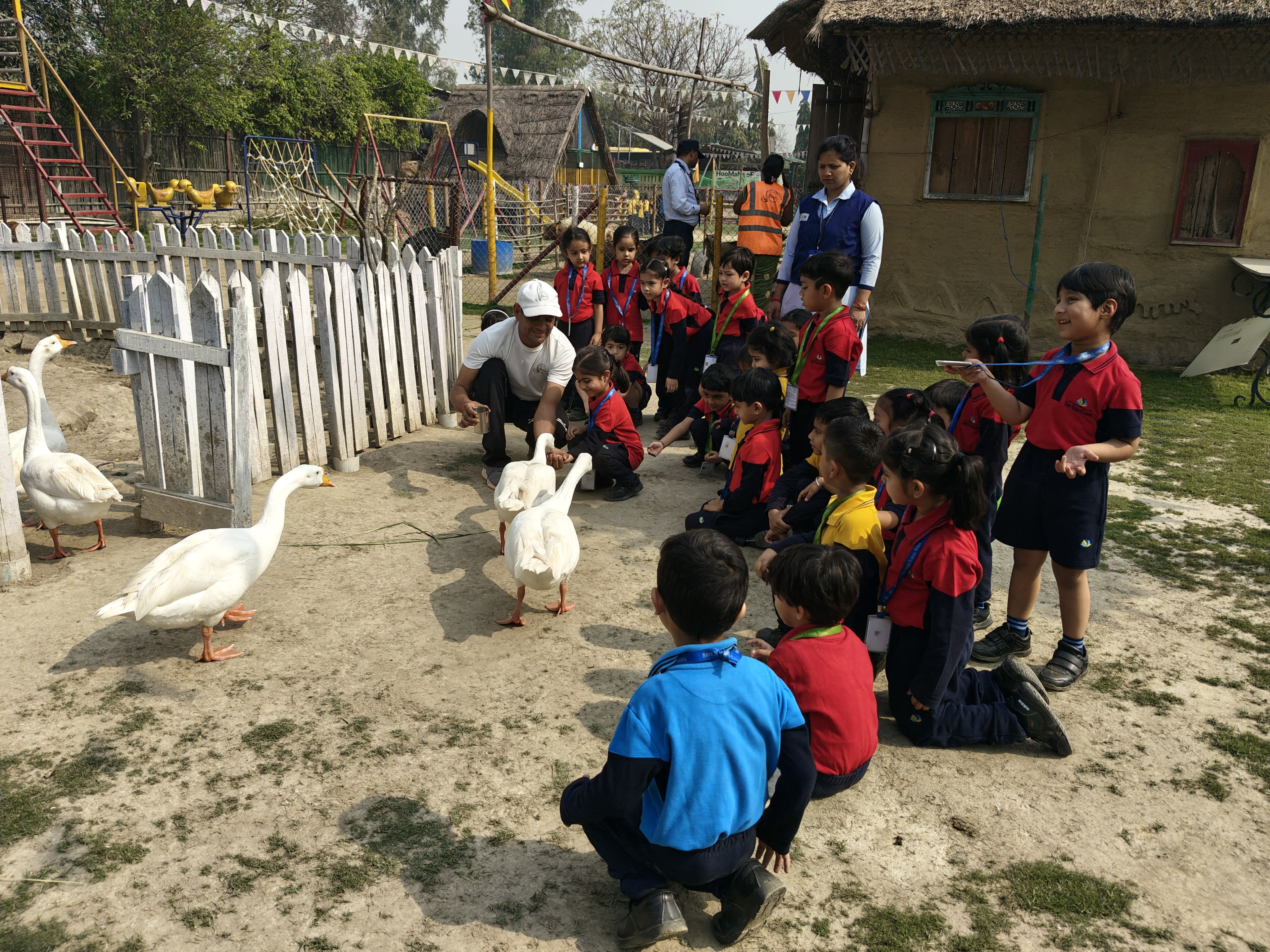
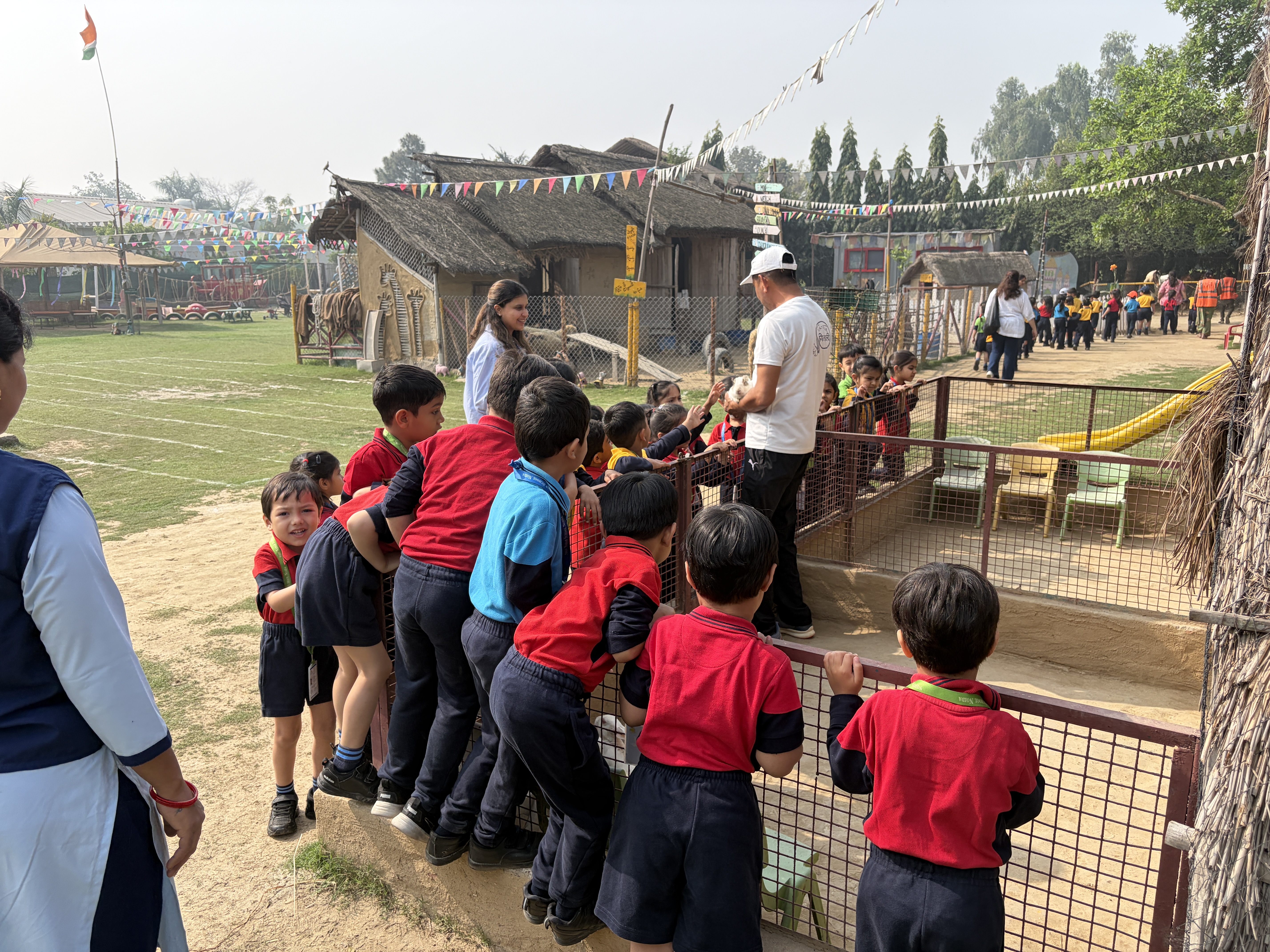
Our little learners of Grade Foundation had a joyful and enriching field trip experience, filled with excitement, exploration and fun!
 

The adventure began with a delightful bus ride to the Tuk Tuk Gilhari Farm, which brought smiles to everyone. The children enthusiastically participated in various activities such as tug of war, trampoline jumping, and sack race, encouraging teamwork and movement. They also took a nature walk through the vegetable garden, where they observed different vegetables growing.

The visit became even more special when the children got the opportunity to interact with farm animals. They enjoyed gently petting animals like rabbits and birds and excitedly fed animals including sheep, goats, cows, horses, donkeys, buffaloes and ducks. This hands-on experience helped them develop curiosity, empathy and care for living beings.

To make the day even more delightful, the children relished some tasty treats like fruity drinks and popcorn during the trip. It was truly a memorable day filled with learning, laughter, and wonderful experiences in nature. 


Education For Life ,

Environment ,

Nature ,

Outbound Learning ,

Pre Primary ,

School Life ,

Twilight Camp – A Night of Learning, Adventure & Friendship!


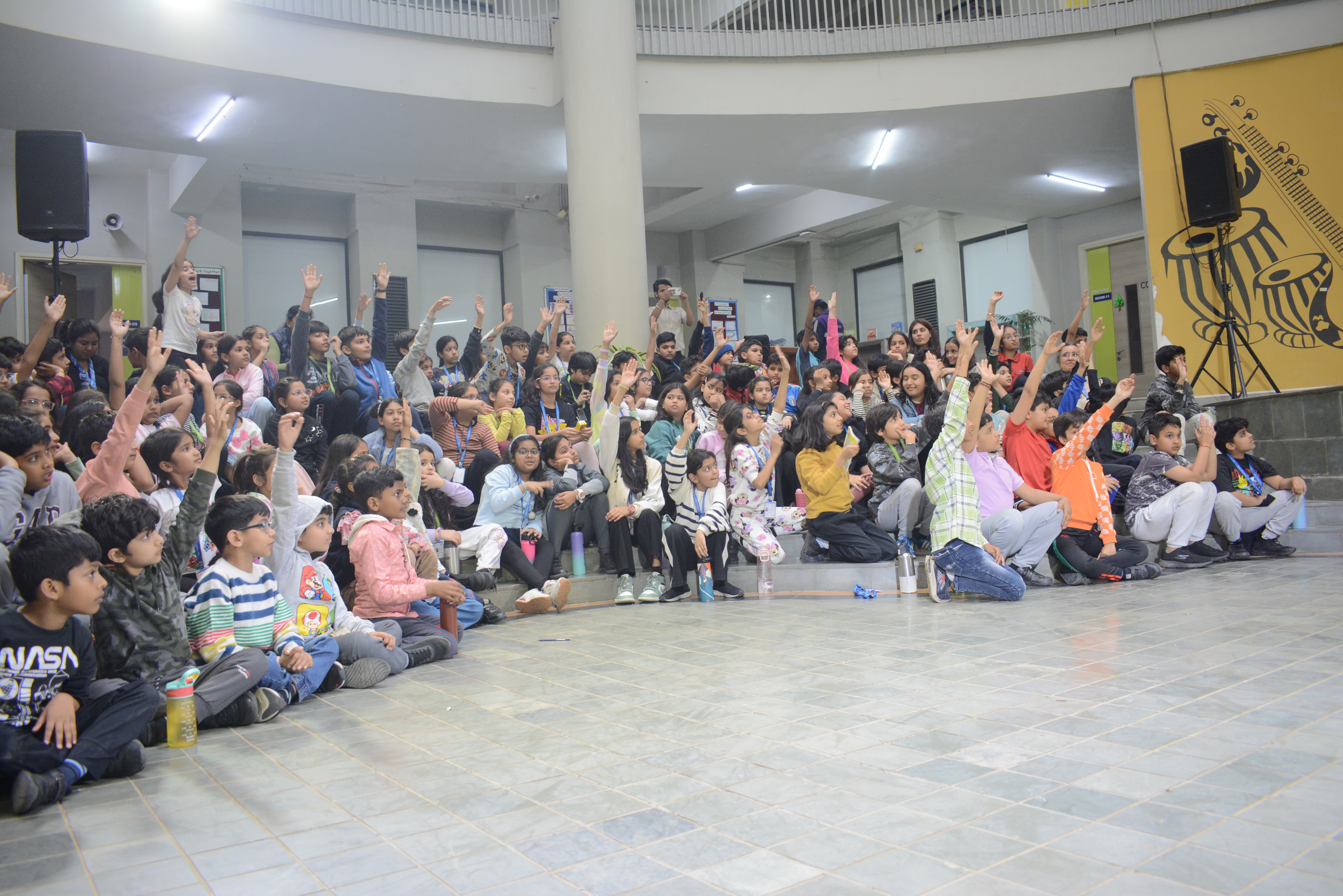
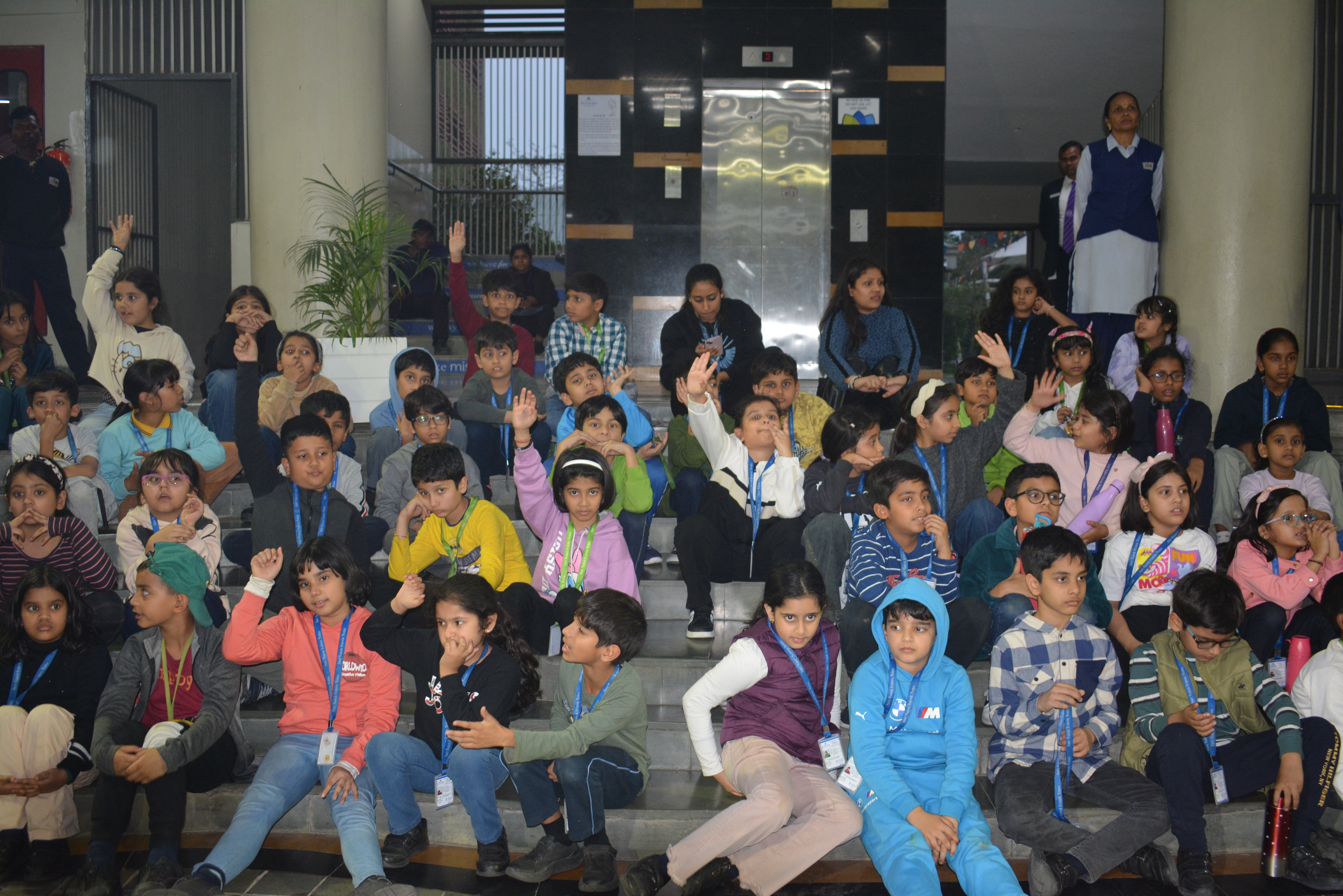
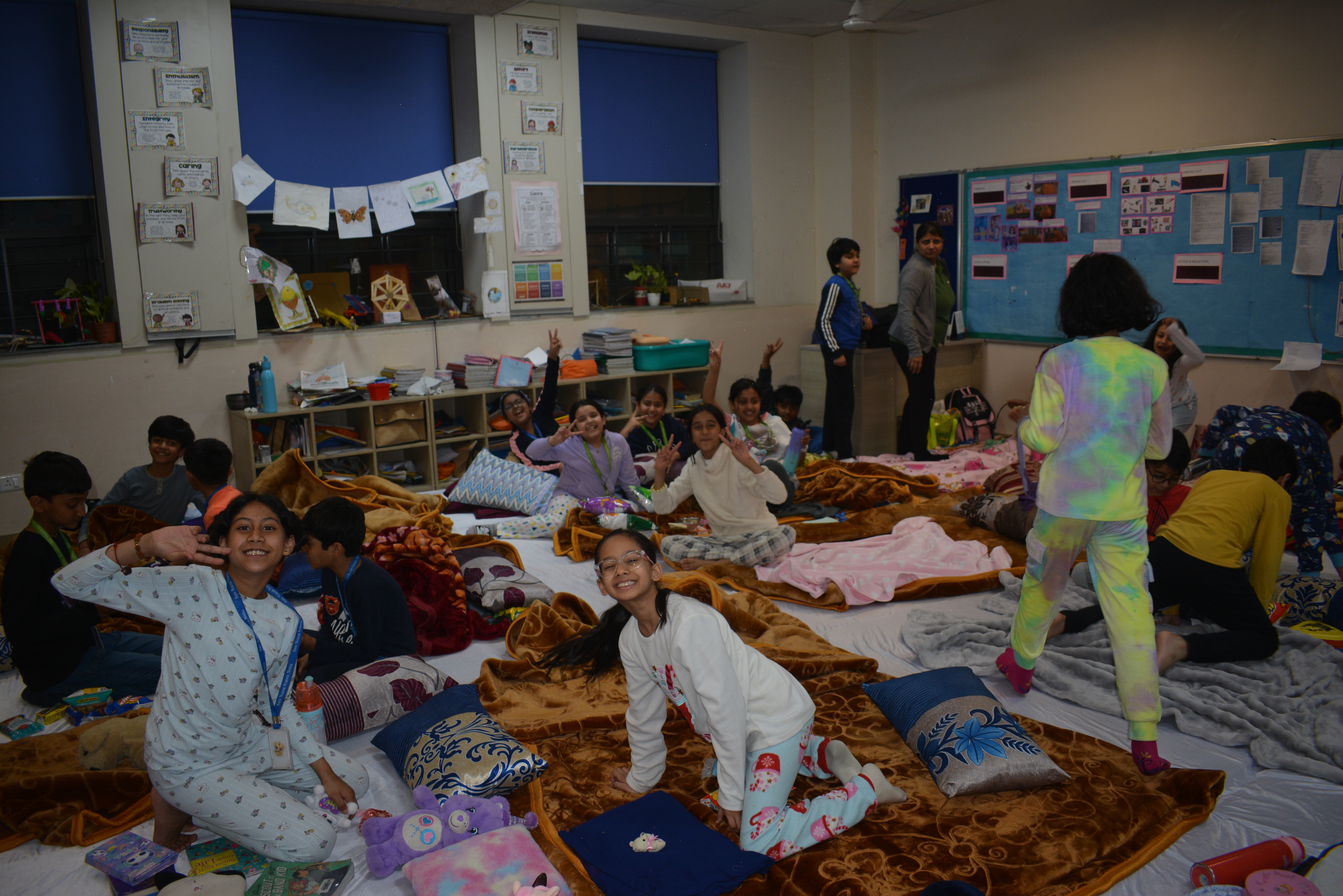
Twilight Camp An Overnight Camp for Grade 3 & 4 students at Shiv Nadar is designed to provide students with a significant learning experience outside the classroom. ​Not only did the children enjoy the camp they also learnt valuable life skills like cooperation, independence, and respect for others​. The overnight camp helped our students to improve their relationships with others.​ They learn to follow routines and work with others in the community environment.

 It was a fun camp where students build stronger friendships while enjoying a memorable and engaging learning experience


Education For Life ,

Outbound Learning ,

Primary ,

School Life ,

Aryanveer Singh Khurana Wins Double Gold at International Karate Open Cup

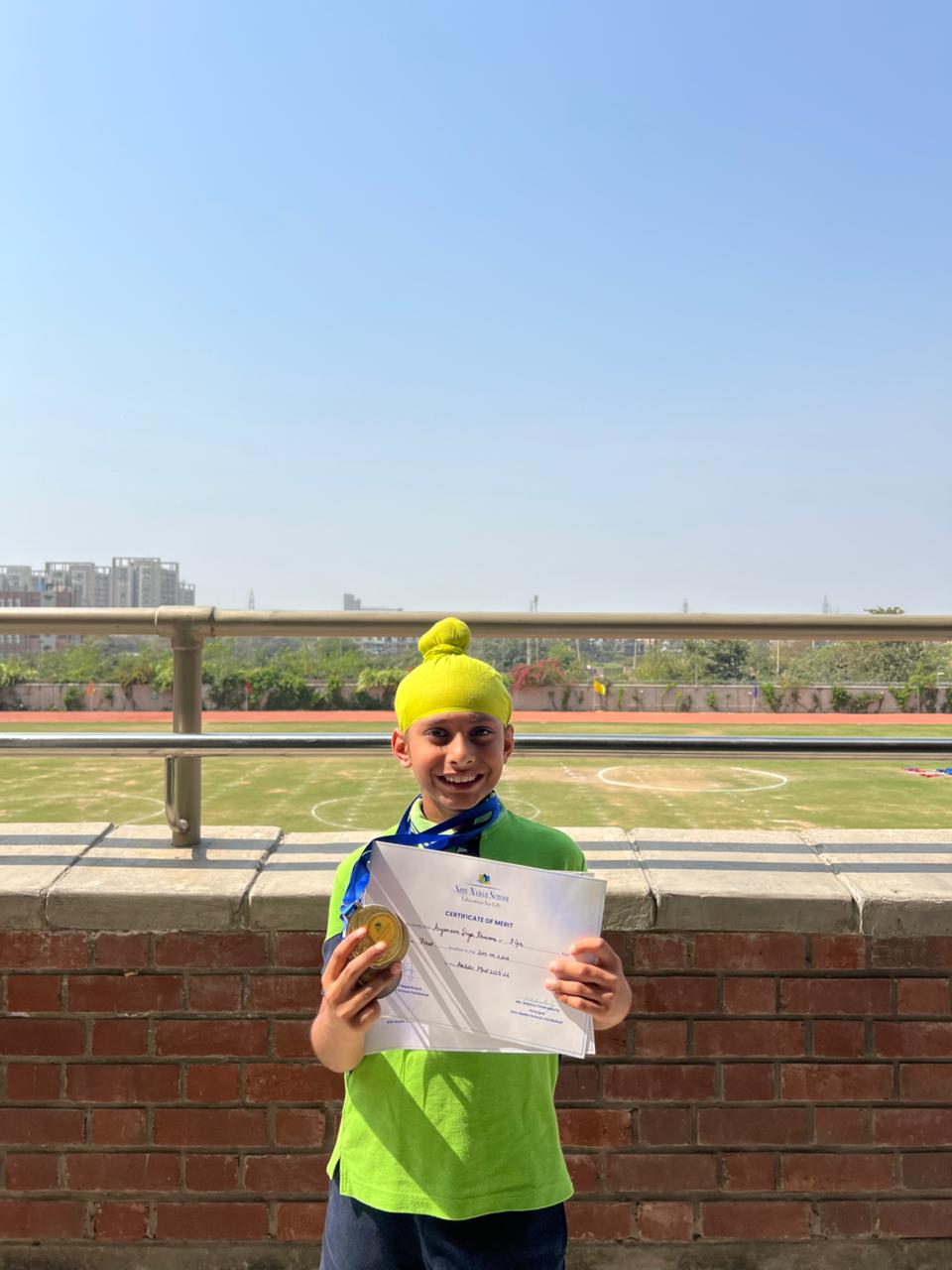
Aryanveer Singh Khurana

Aryanveer Singh Khurana of Grade 3 at Shiv Nadar School, Faridabad, won two Gold Medals at the International Karate Open Cup held in Gurgaon in April 2026. His achievement highlights his dedication and strong performance at an international competitive level.

ALL ,

Arts ,

Award ,

Badminton ,

Board ,

Competition ,

Curriculum ,

School ,

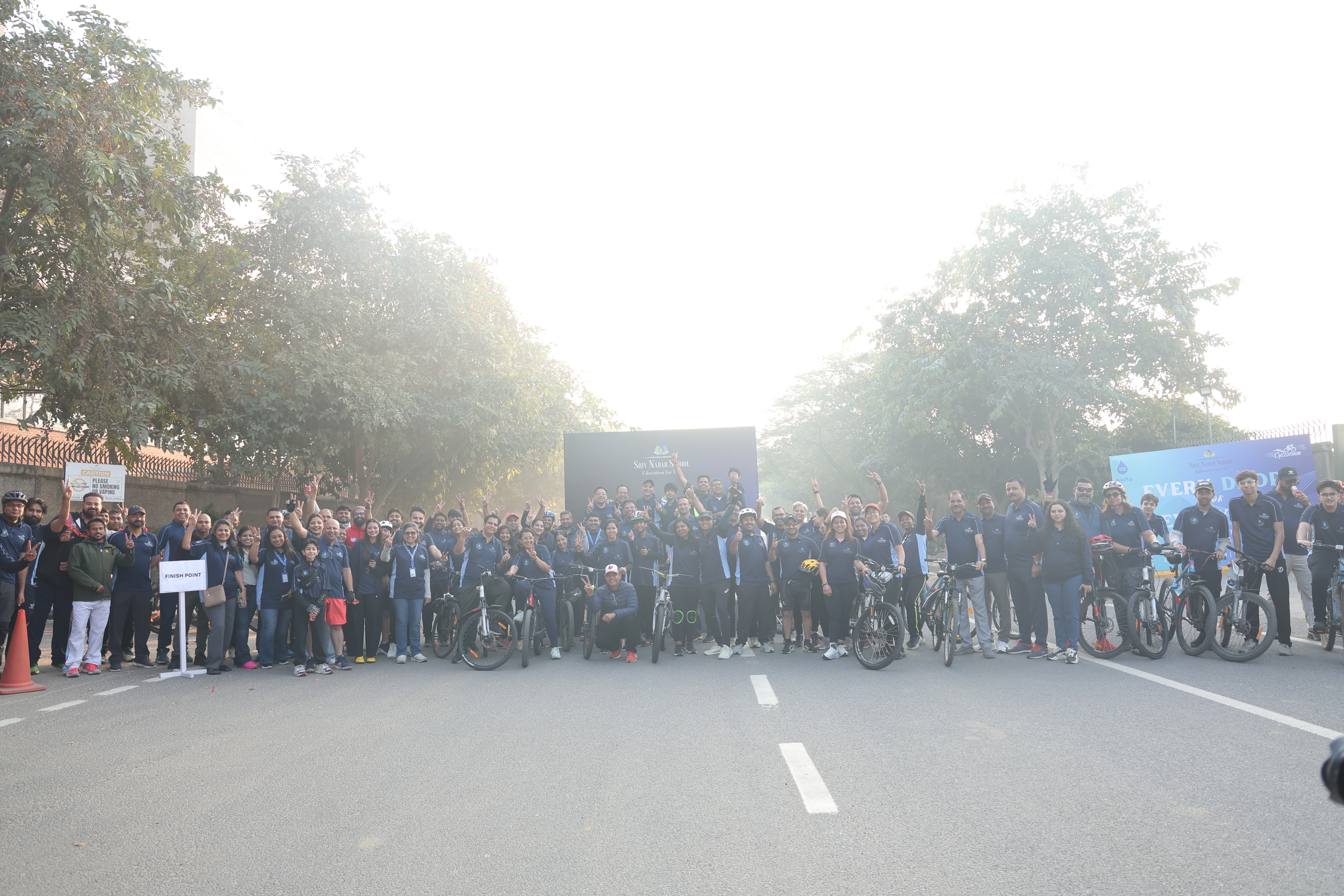
Parent Sports Collective at Shiv Nadar School, Faridabad: A Year of Fitness, Community and Friendly Competition


At Shiv Nadar School, Faridabad, we believe that a strong school community is built not only through learning in classrooms but through shared experiences beyond them. The Parent Sports Collective, an initiative by the Parent Partnership Office, encourages parents to stay active, connect with one another, and celebrate the joy of sport together.

Throughout the year, each quarter featured a sport exclusively for parents, fostering fitness, camaraderie, and friendly competition.

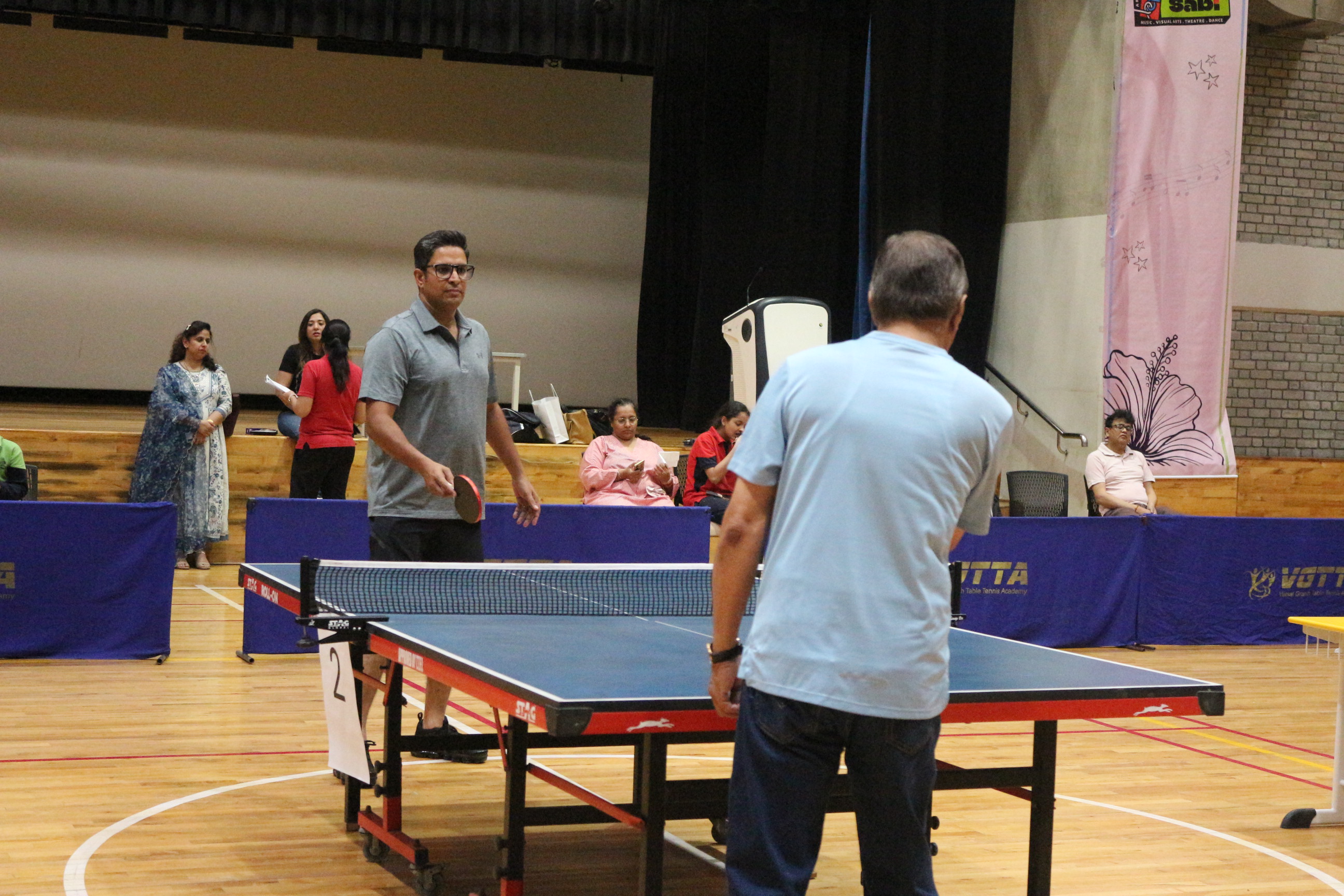
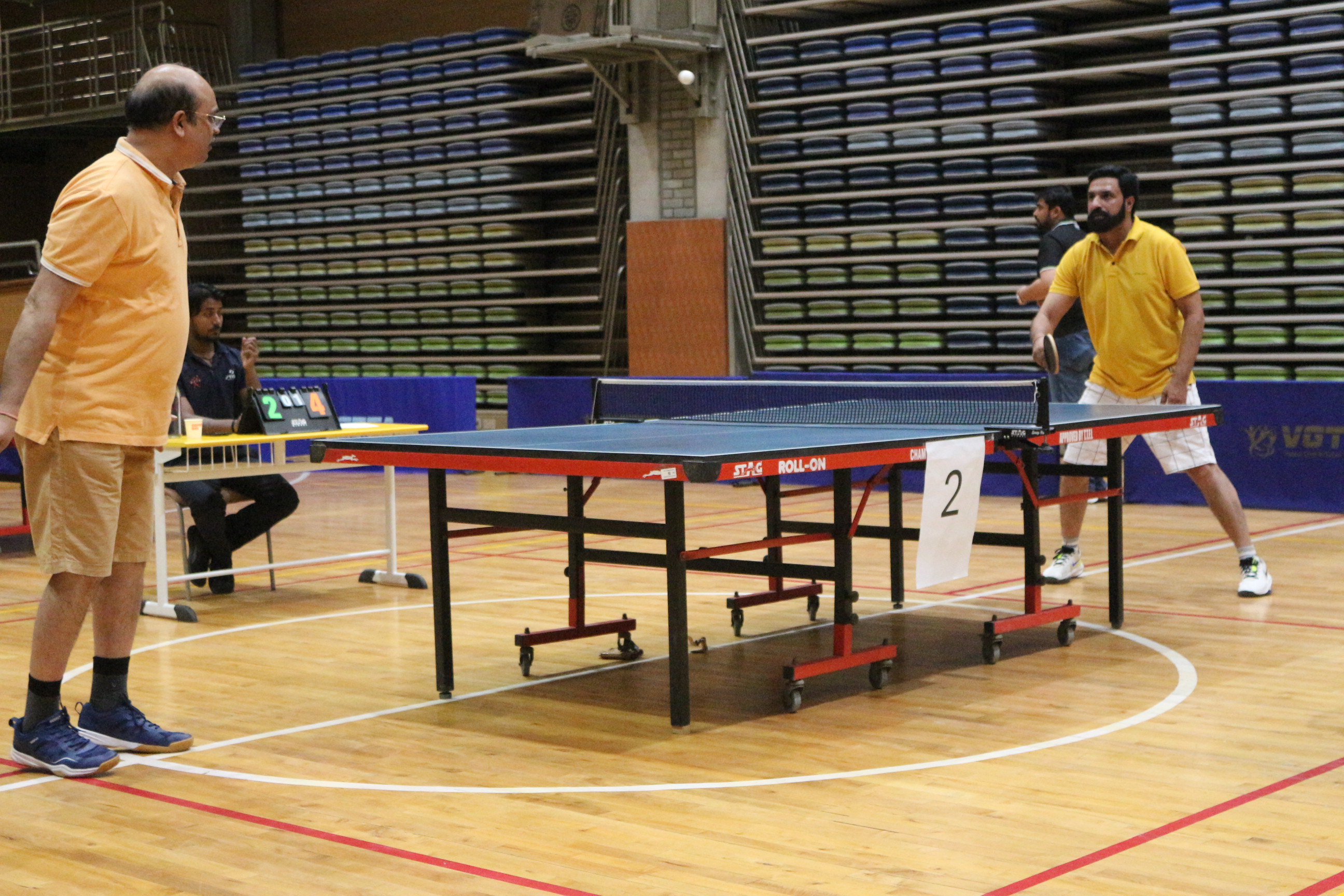
Quarter 1 began with the Parents Table Tennis Tournament, which saw enthusiastic participation from around 65 parents competing across Men’s and Women’s categories. The event was marked by spirited matches and an atmosphere of friendly rivalry. Mr. Anoop Gautam emerged as the Men’s Winner, while Ms. Arti Bakshi secured the Women’s title.

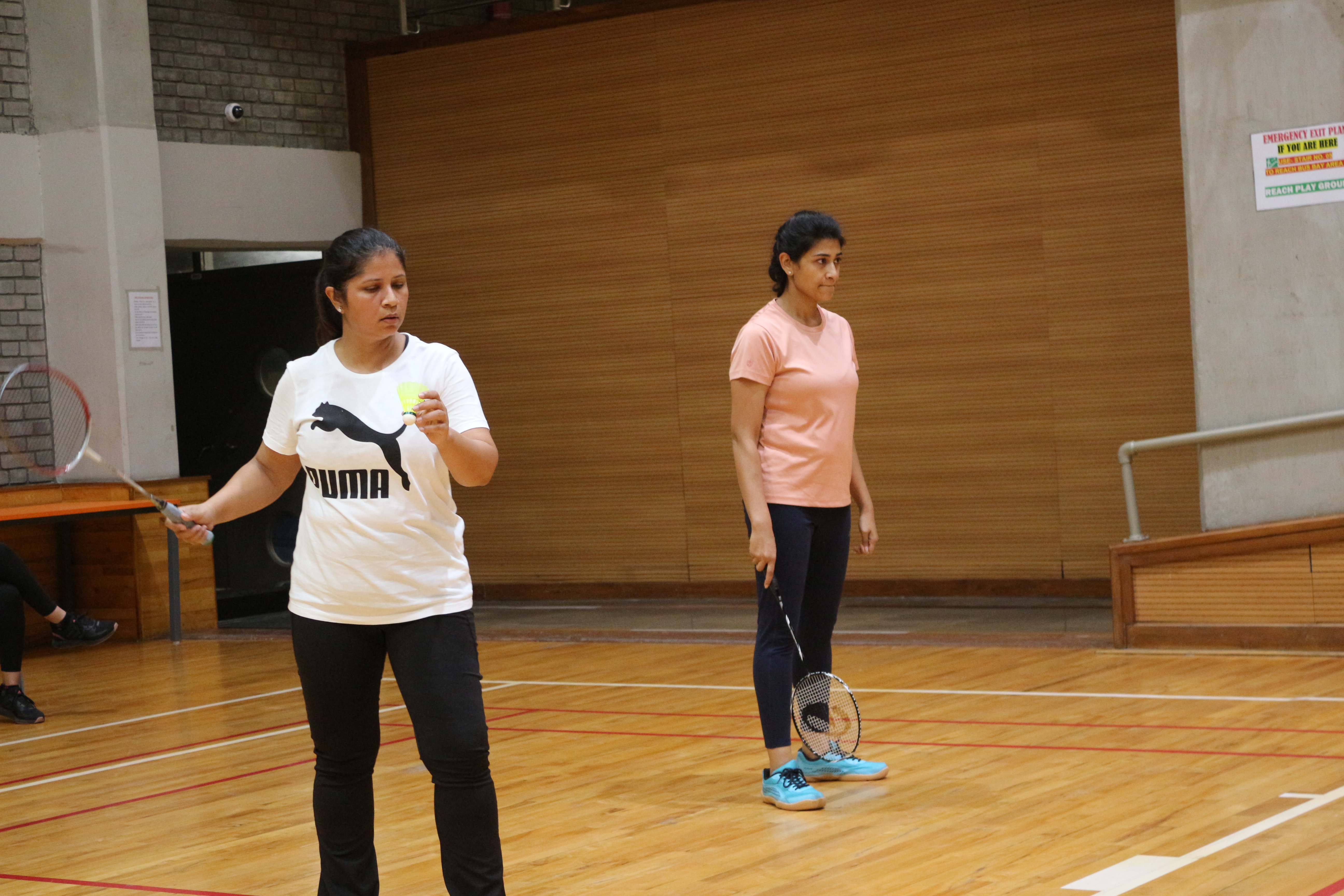
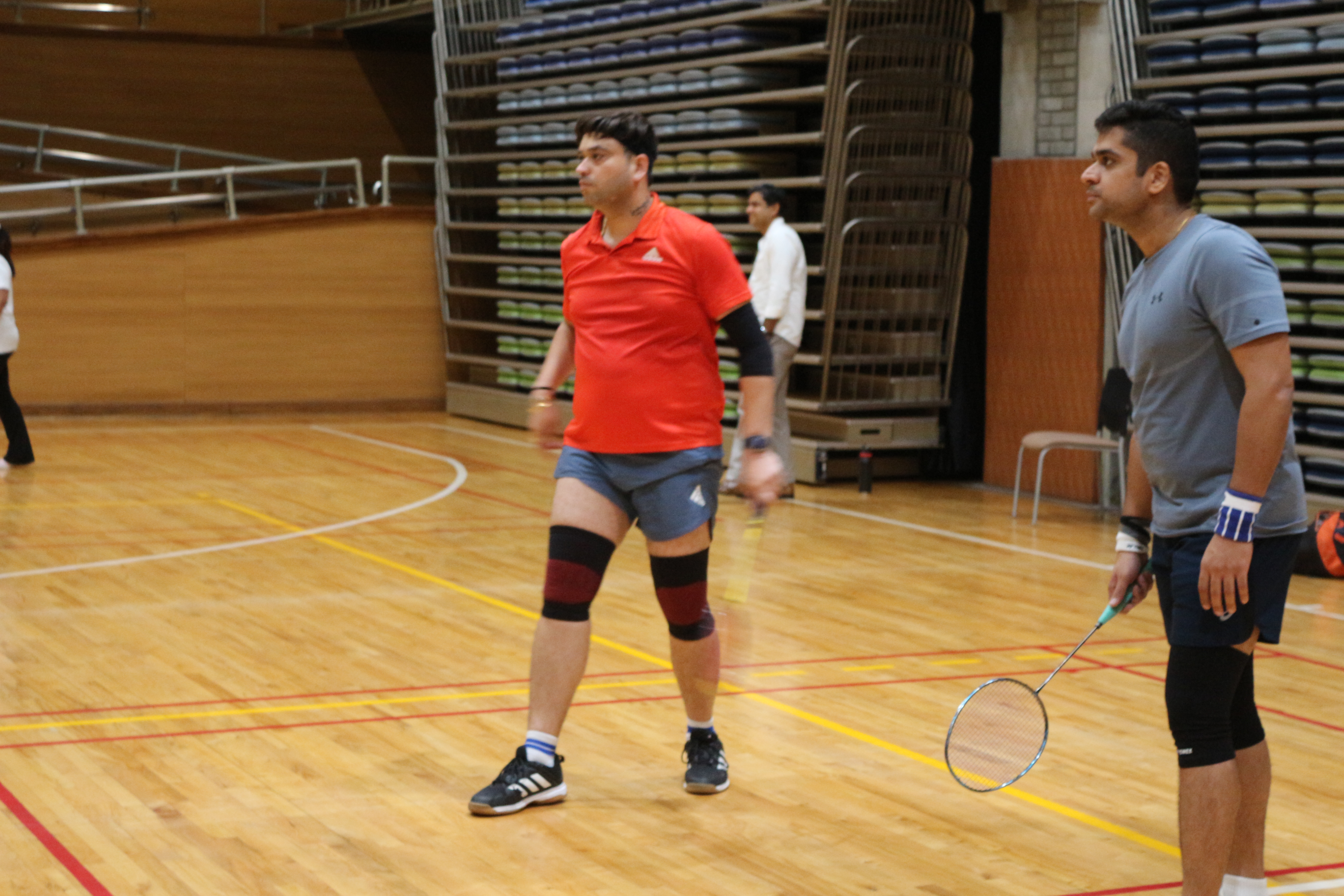
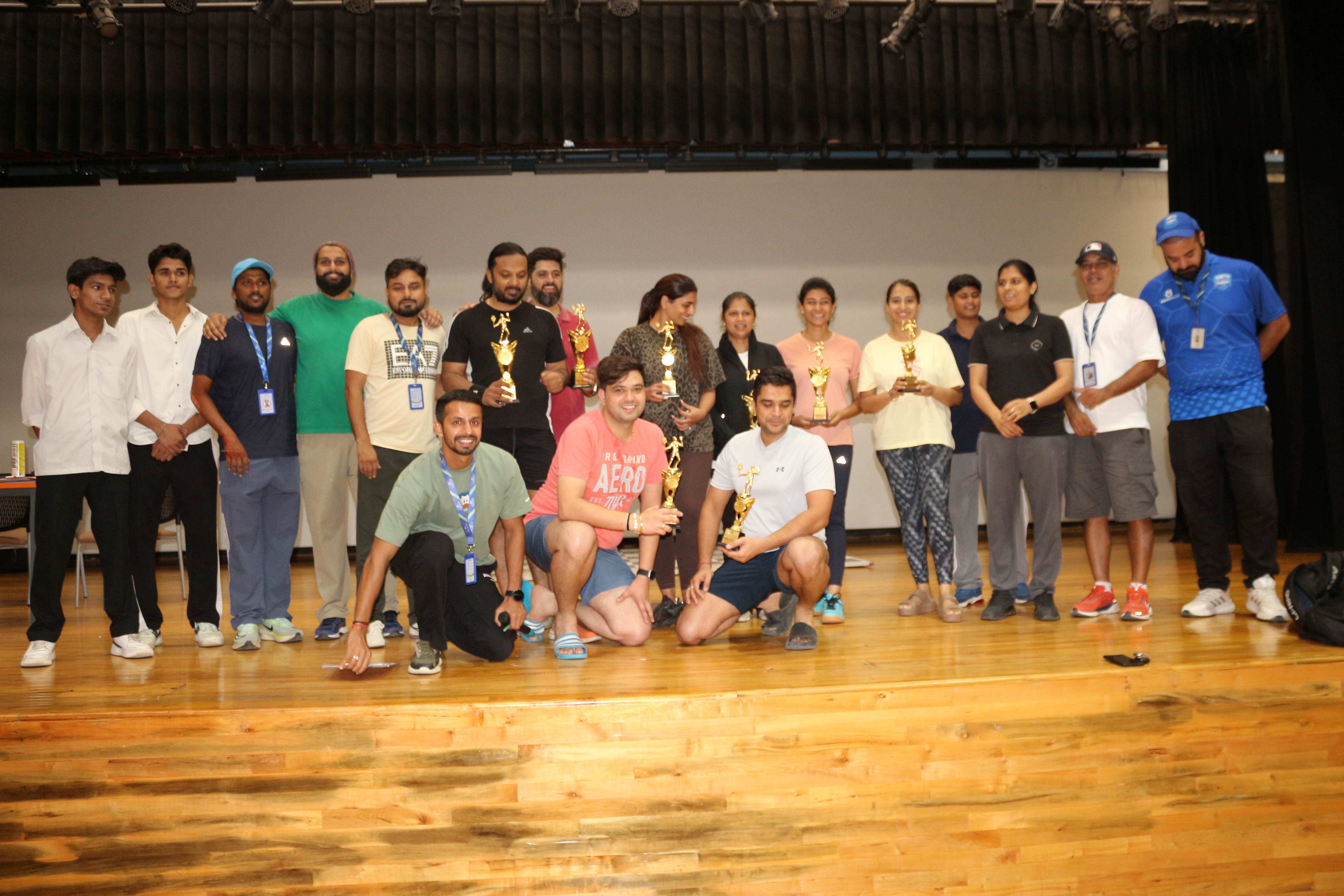
Quarter 2 concluded on a high note with the Parents Badminton Tournament, bringing together nearly 85 parents competing in a League-cum-Knockout format across Men’s and Women’s Doubles categories. The courts were filled with energy and teamwork as participants showcased their skills. The Men’s Doubles title was won by Mr. Punit Madan and Mr. Yashu Bansal, while Ms. Vasundhara Nagar and Ms. Neha Singhal clinched the Women’s Doubles title.

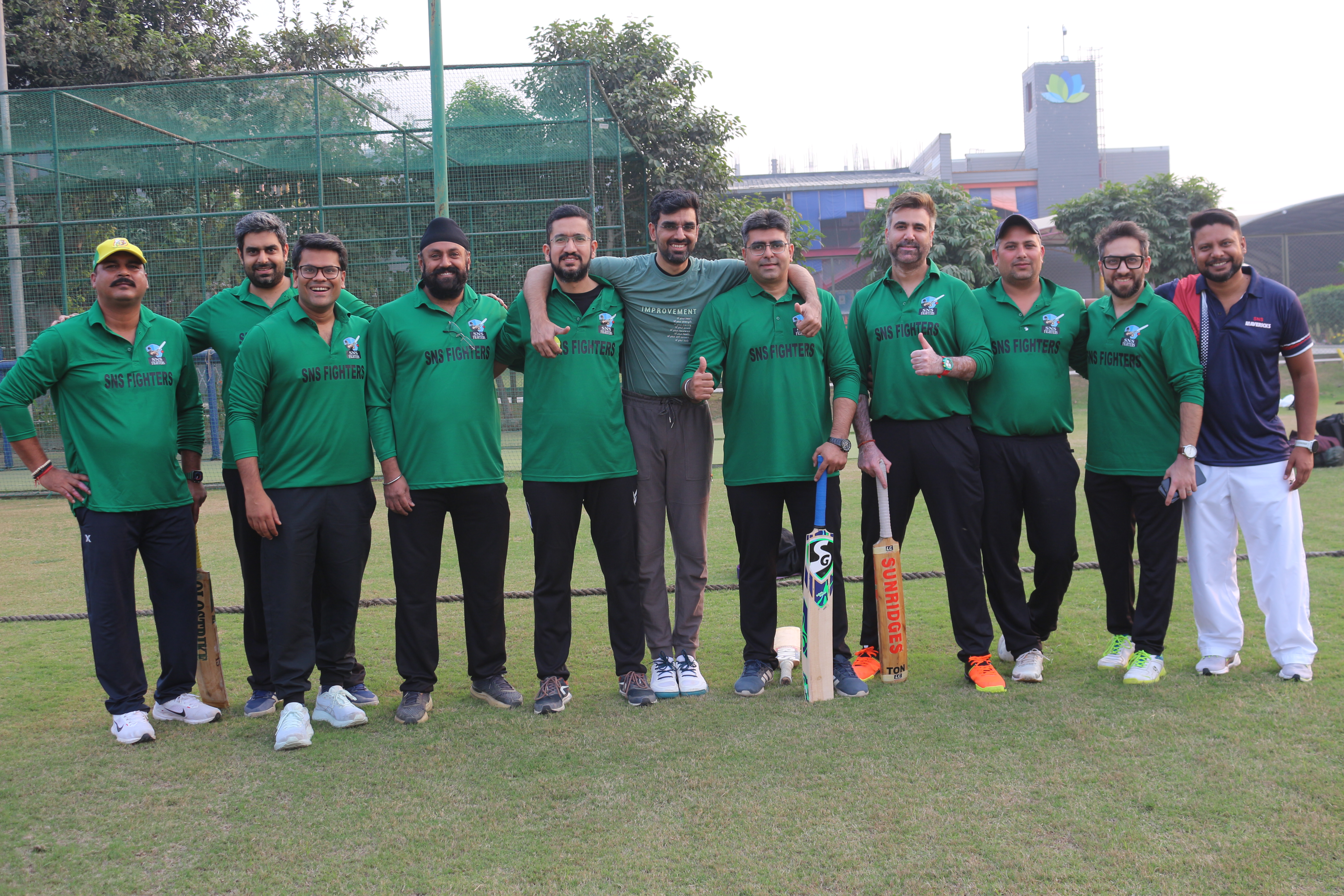
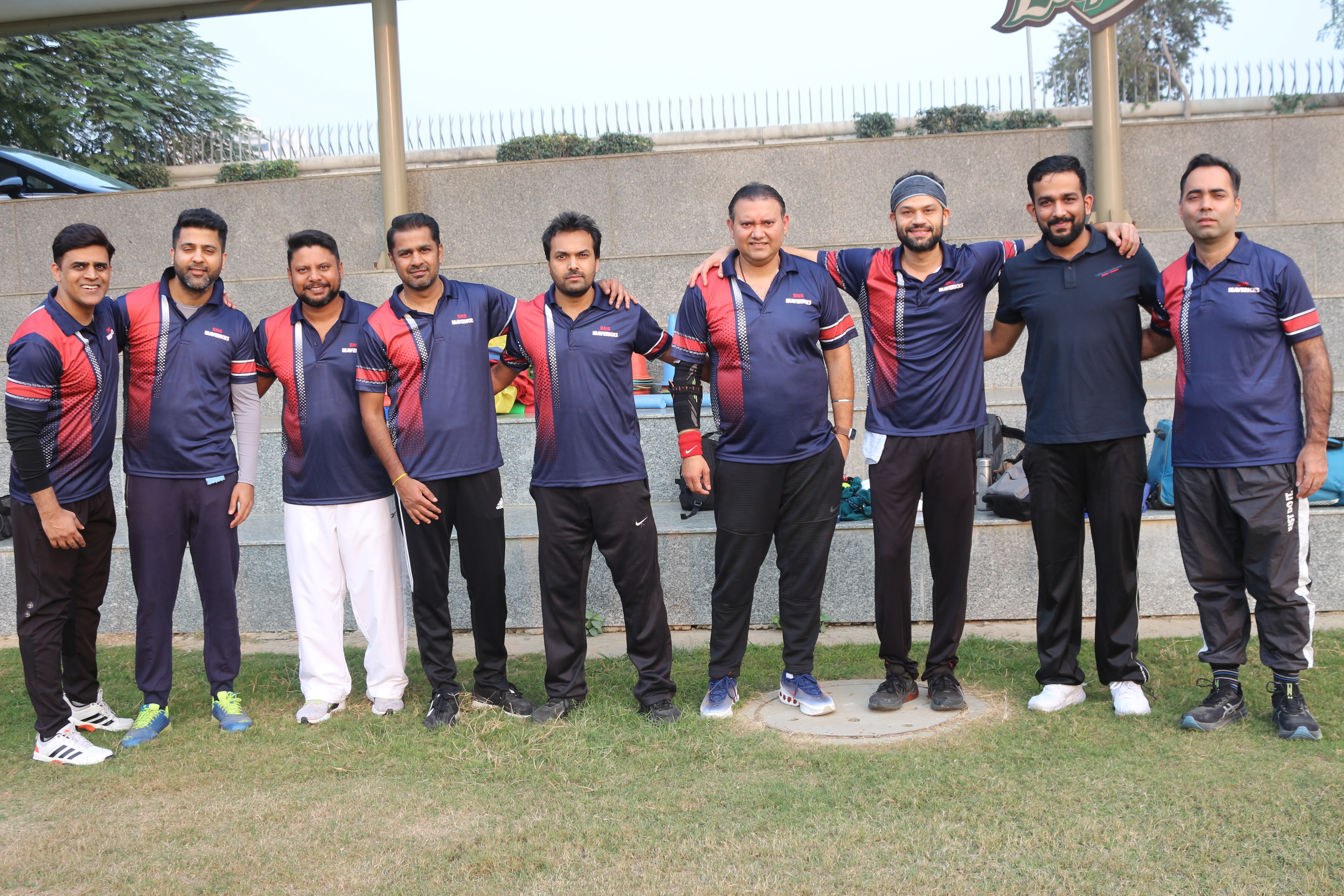
Quarter 3 featured the much-anticipated Parents Cricket Tournament, with 120 players forming eight teams. Matches began on 31 October 2025 and continued through December, culminating in an exciting final. After a series of competitive games, SNS Vijeta, led by Captain Sunny Sapra, emerged as the champions, with players and spectators enjoying the lively spirit of the tournament.

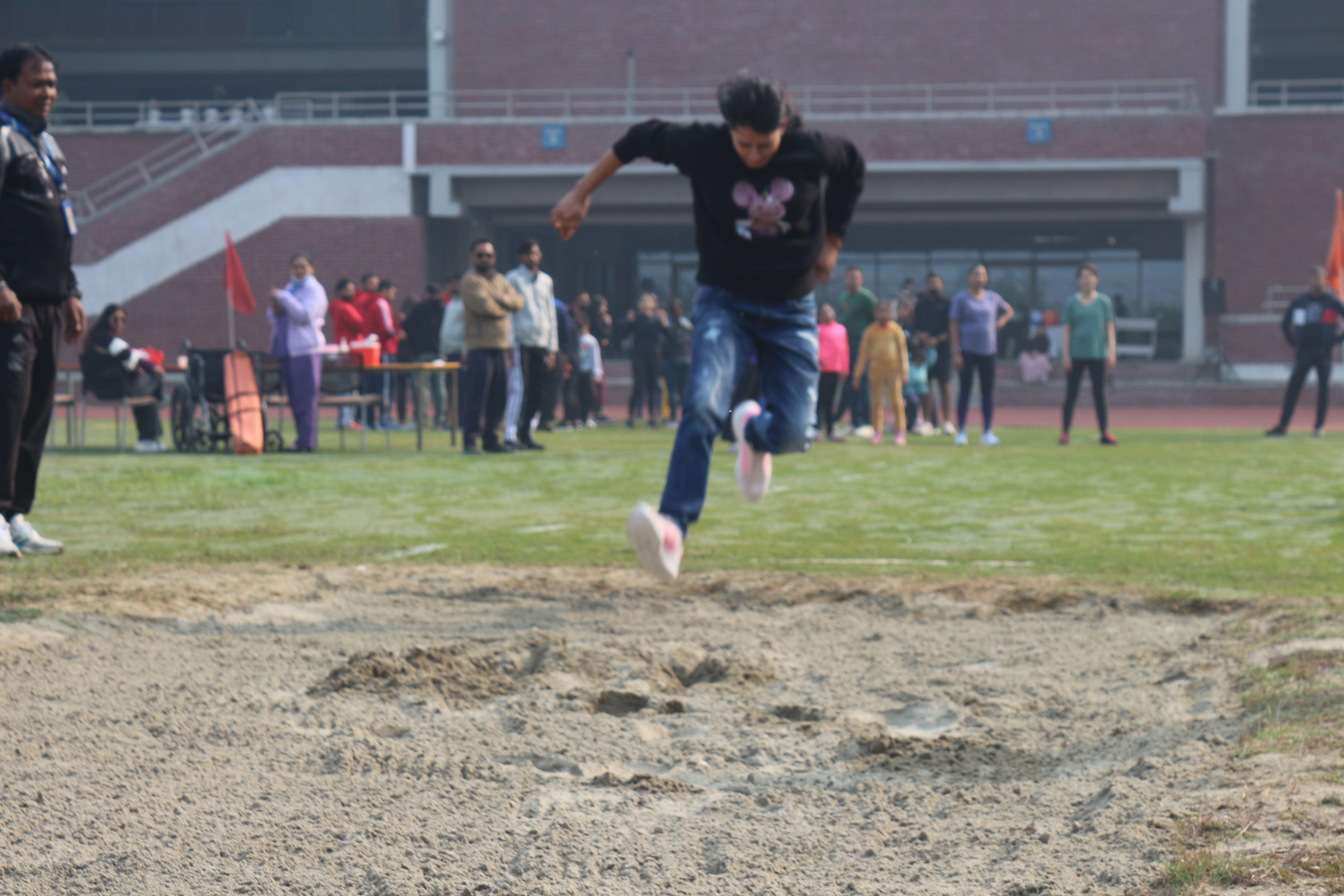
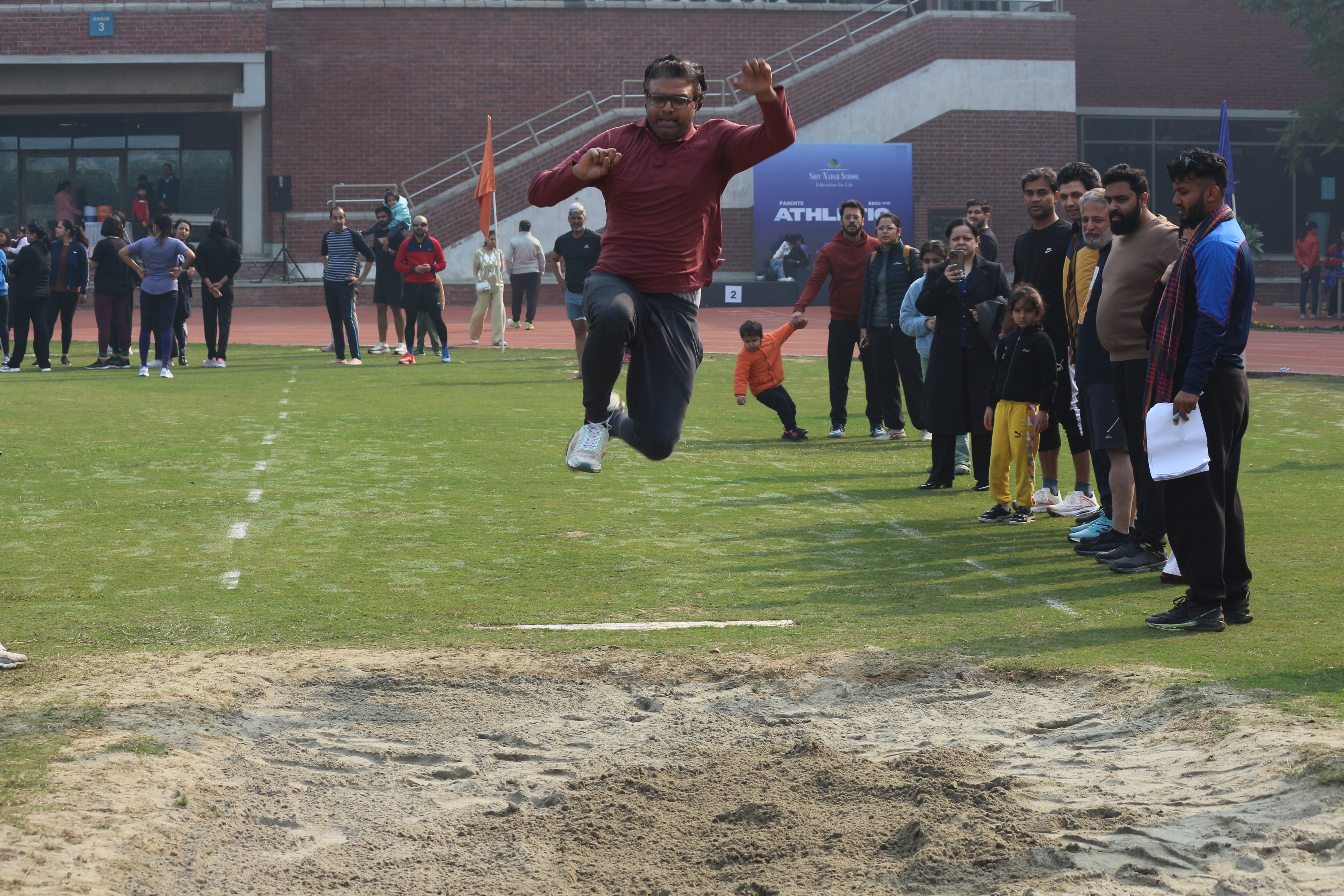
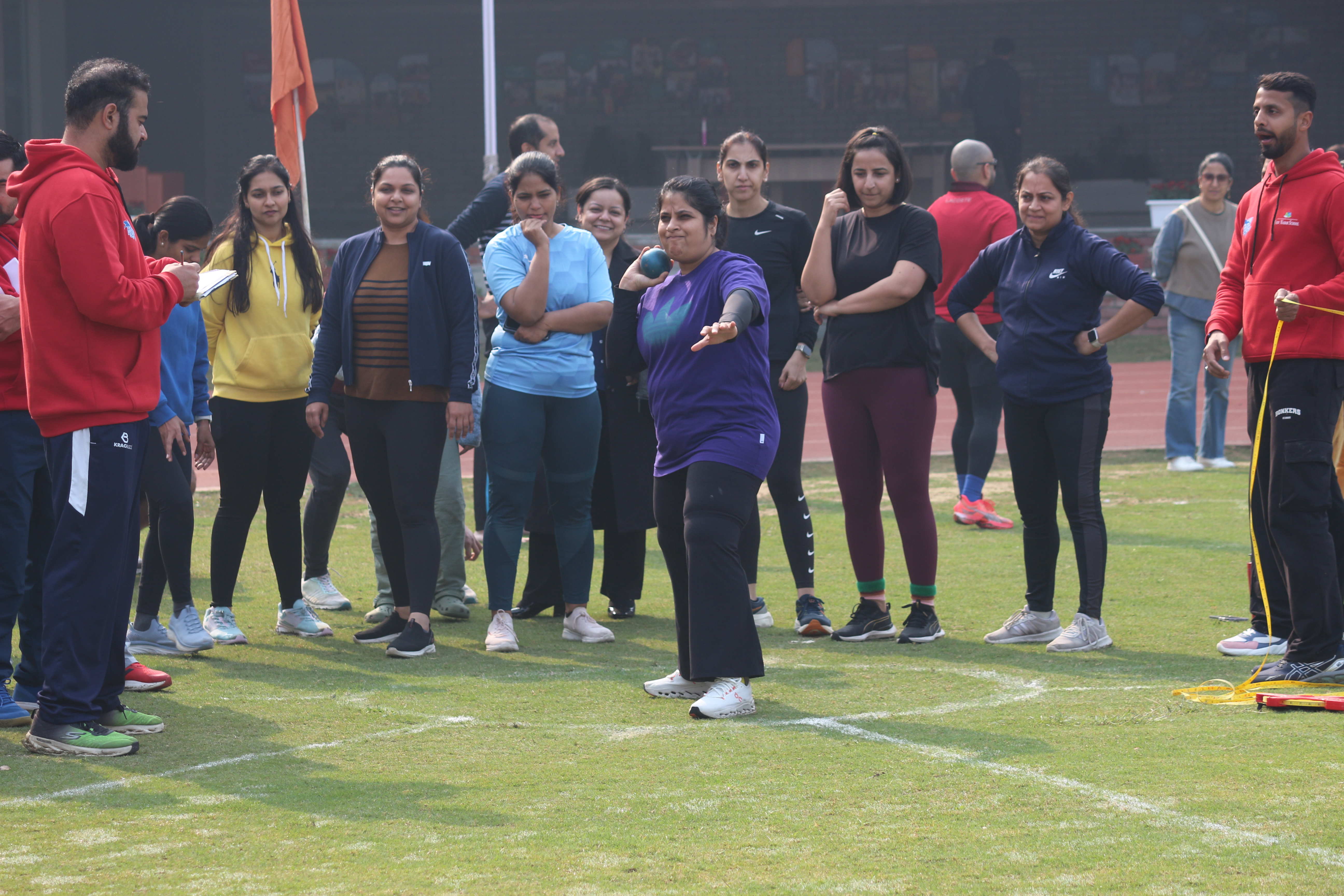
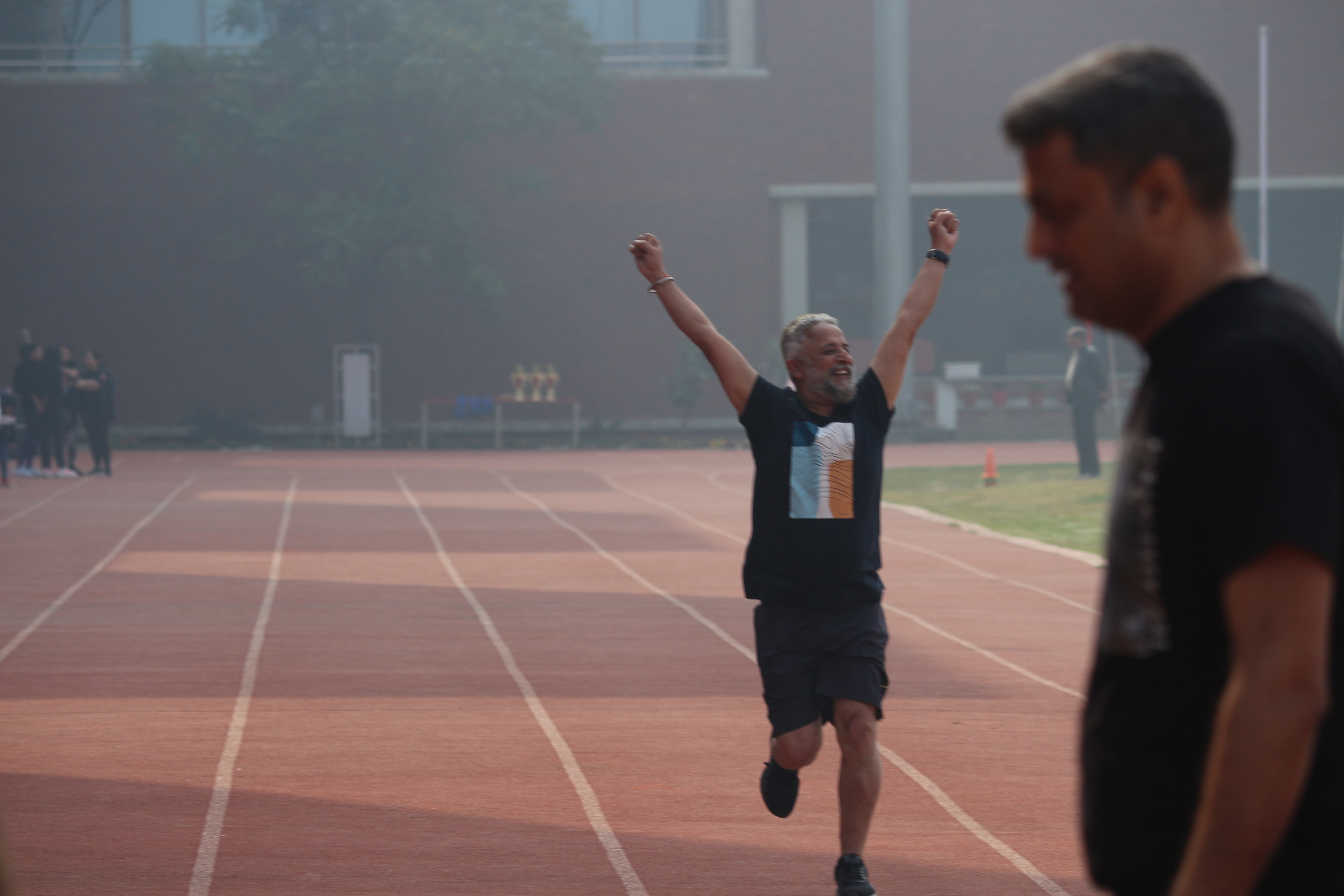
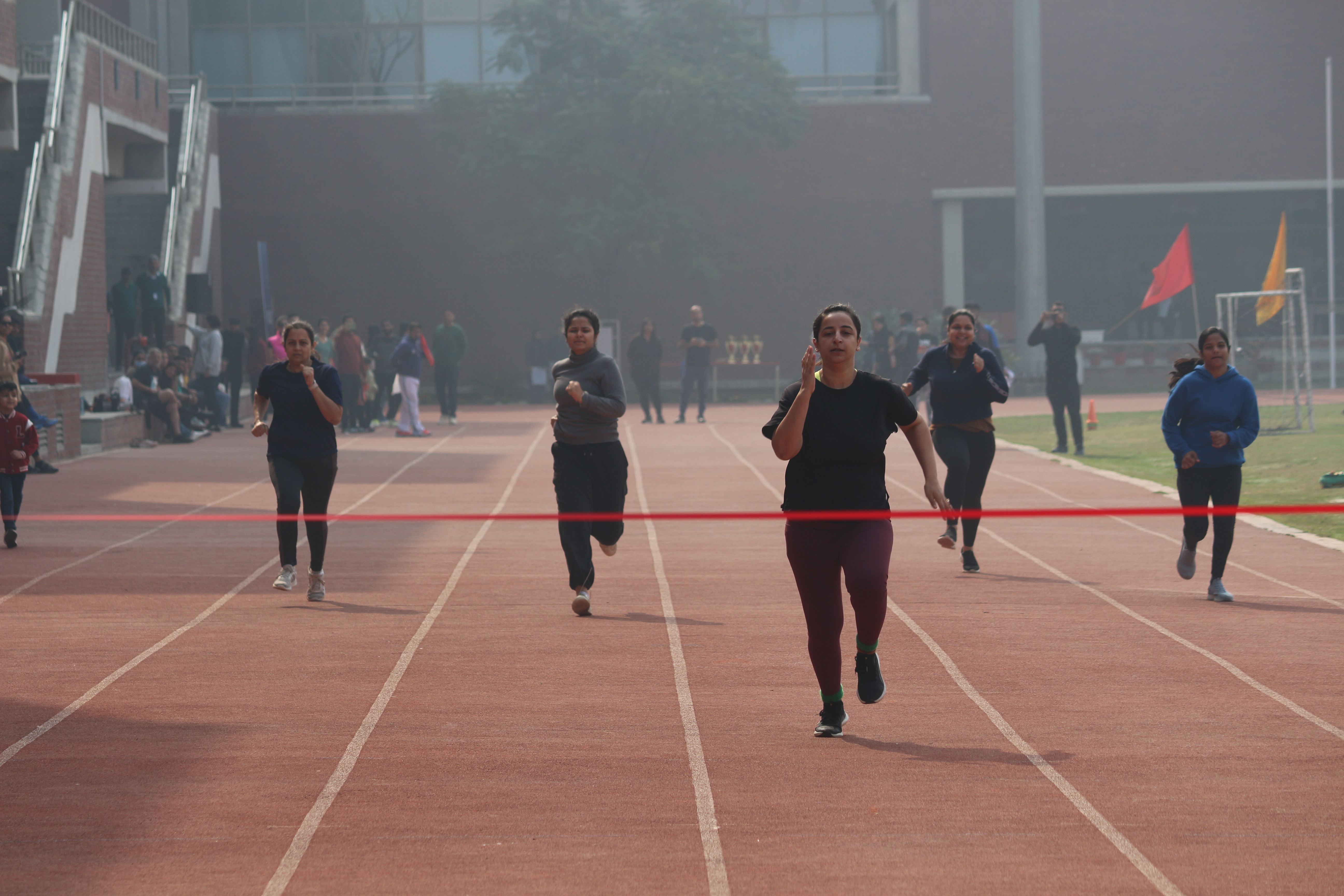
The year concluded with Quarter 4’s Athletic Meet and a 12 km Cyclothon, where parents participated in events such as 100 m, 200 m, and 400 m races, Long Jump, and Shot Put across multiple age categories. The event celebrated endurance, enthusiasm, and sportsmanship, with parents cheering each other on and embracing the spirit of participation.

We congratulate all participants for their spirited involvement. The Parent Sports Collective continues to strengthen the partnership between school and families, reflecting the vibrant and connected community at Shiv Nadar School, Faridabad.


Competition ,

Creative ,

Cricket ,

Curriculum ,

Dance ,

Economy ,

Education ,

Education For Life ,

Environment ,

Fitness ,

IB ,

Innovation ,

Leadership ,

Lifestyle ,

Middle ,

Music ,

Nature ,

Nutrition ,

Outbound Learning ,

Parenting ,

Performing Arts ,

Philosopy ,

Pre Primary ,

Primary ,

Progressive ,

Reading ,

Relationships ,

School ,

School Life ,

Science ,

Secondary ,

Senior Secondary ,

SNS Guest ,

Soccer ,

Speaker ,

Sports ,

Theatre ,

Travel ,

Visual Arts ,

Welness ,

Writing ,

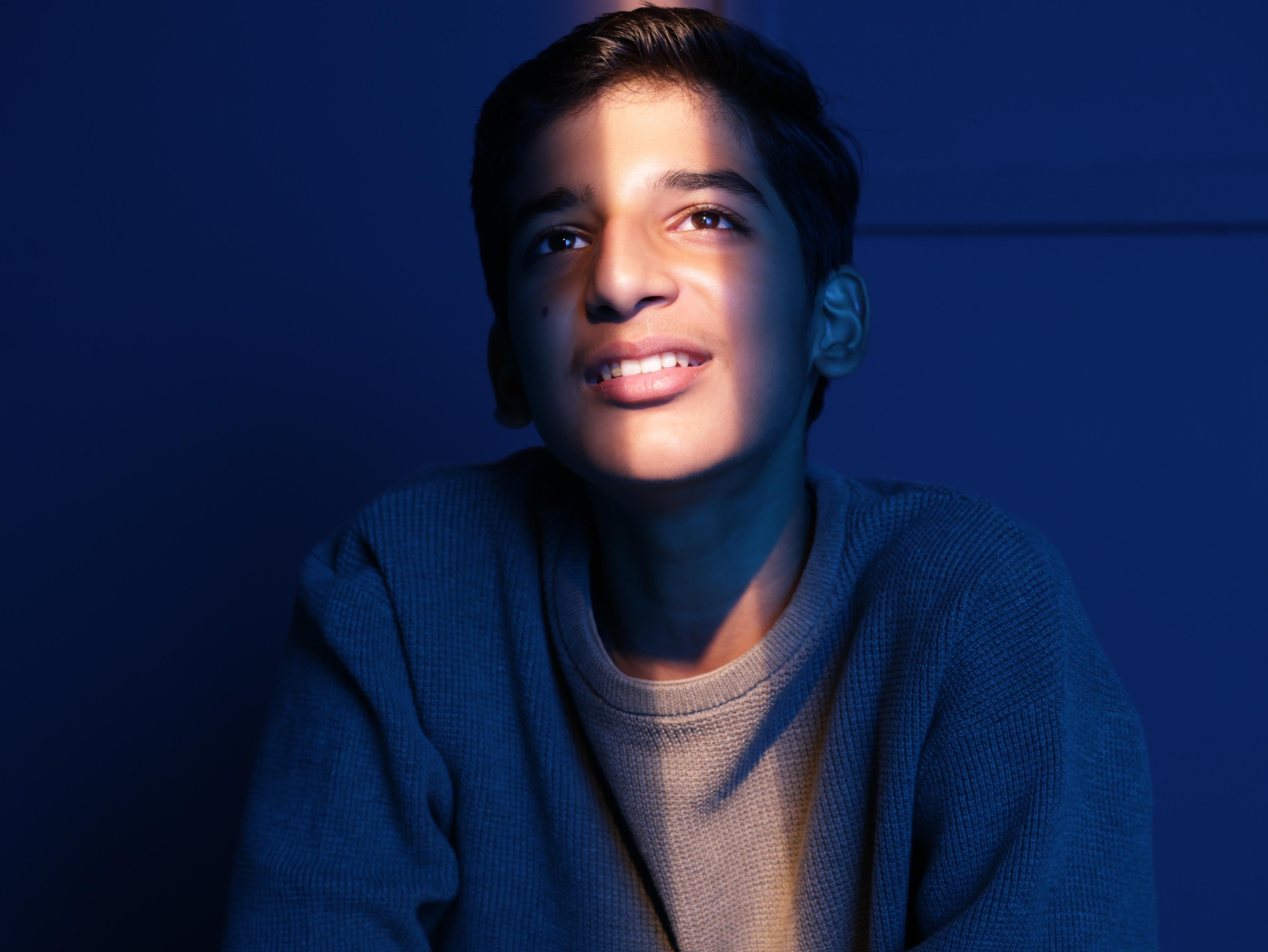
Young Author and Changemaker at Shiv Nadar School Faridabad – Viraj Jain (MYP 3) Leads with Purpose

Viraj

Shiv Nadar School Faridabad proudly celebrates the sustainability journey of Viraj Jain (MYP 3), whose work reflects awareness, initiative, and a deep commitment to caring for the planet.

Happy Earth – A Child’s Voice for the Planet

Viraj is the author of Happy Earth, a sincere and thought-provoking book that speaks about environmental responsibility in a way children can understand and relate to. Written from a young person’s perspective, the book avoids complex terminology and instead focuses on emotions, values, and everyday actions.

In Happy Earth, Earth is gently personified as a living, feeling presence — one that thrives when nurtured and suffers when neglected. This approach helps young readers form an emotional connection with the planet, making the message personal rather than abstract.

The book thoughtfully explores:

  • The importance of respecting nature and biodiversity
  • The consequences of pollution and careless consumption
  • The role of small, daily actions in creating larger change
  • The belief that age is never a limitation in becoming a changemaker

What makes the book especially meaningful is that it comes from a student who leads by example. Viraj’s writing reflects sincerity and a genuine desire to influence positive behaviour, encouraging readers to see sustainability not as a distant global issue, but as a shared responsibility.

The SDG Anthem

Viraj also created an original SDG Anthem titled 17 Global Goals, One Vision — an uplifting musical piece that brings together the spirit of the United Nations Sustainable Development Goals into one united message. At just 13 years old, he wrote, composed, and performed this anthem to inspire awareness, reflection, and real action toward a sustainable future.

The anthem is designed to resonate with young audiences by translating the 17 global goals into a collective call to care for people and the planet. The music encourages listeners to remember that working together — and acting responsibly — is key to addressing challenges like inequality, climate change, and environmental protection. https://www.youtube.com/watch?v=1-KkXSxLUrU

At Shiv Nadar School Faridabad, sustainability and global citizenship are integral to our learning culture. Viraj’s work embodies the spirit we seek to nurture — informed awareness, student agency, and purposeful action.

His journey reminds us that meaningful leadership can begin early, and when young minds engage with global challenges thoughtfully, they contribute to shaping a more responsible and hopeful future.


ALL ,

Arts ,

Award ,

Badminton ,

Board ,

Competition ,

Curriculum ,

School ,

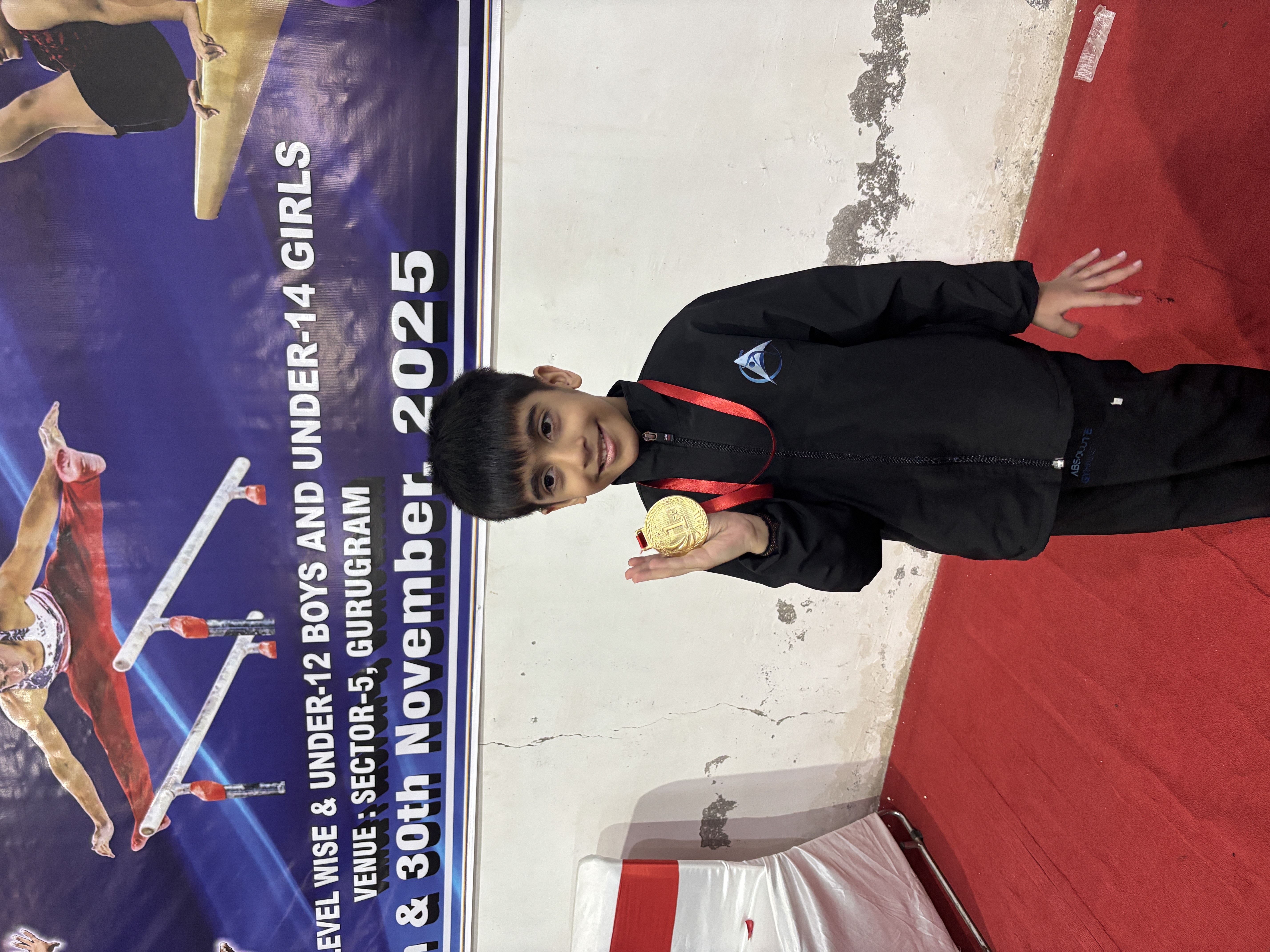
Vir Taneja Wins Gold at the 8th Inter Warrior Gymnastics Competition

Vir

Vir Taneja of Grade 1 (Gir) at Shiv Nadar School, Faridabad, showcased remarkable enthusiasm and confidence at the 8th Inter Warrior Gymnastics Competition.

Competing in Level 1, he won the Gold Medal, marking an impressive milestone early in his sporting journey. His performance reflects determination and a strong foundation in gymnastics.

Heartiest congratulations to Vir on this outstanding achievement.


ALL ,

Arts ,

Award ,

Badminton ,

Board ,

Competition ,

Curriculum ,

School ,

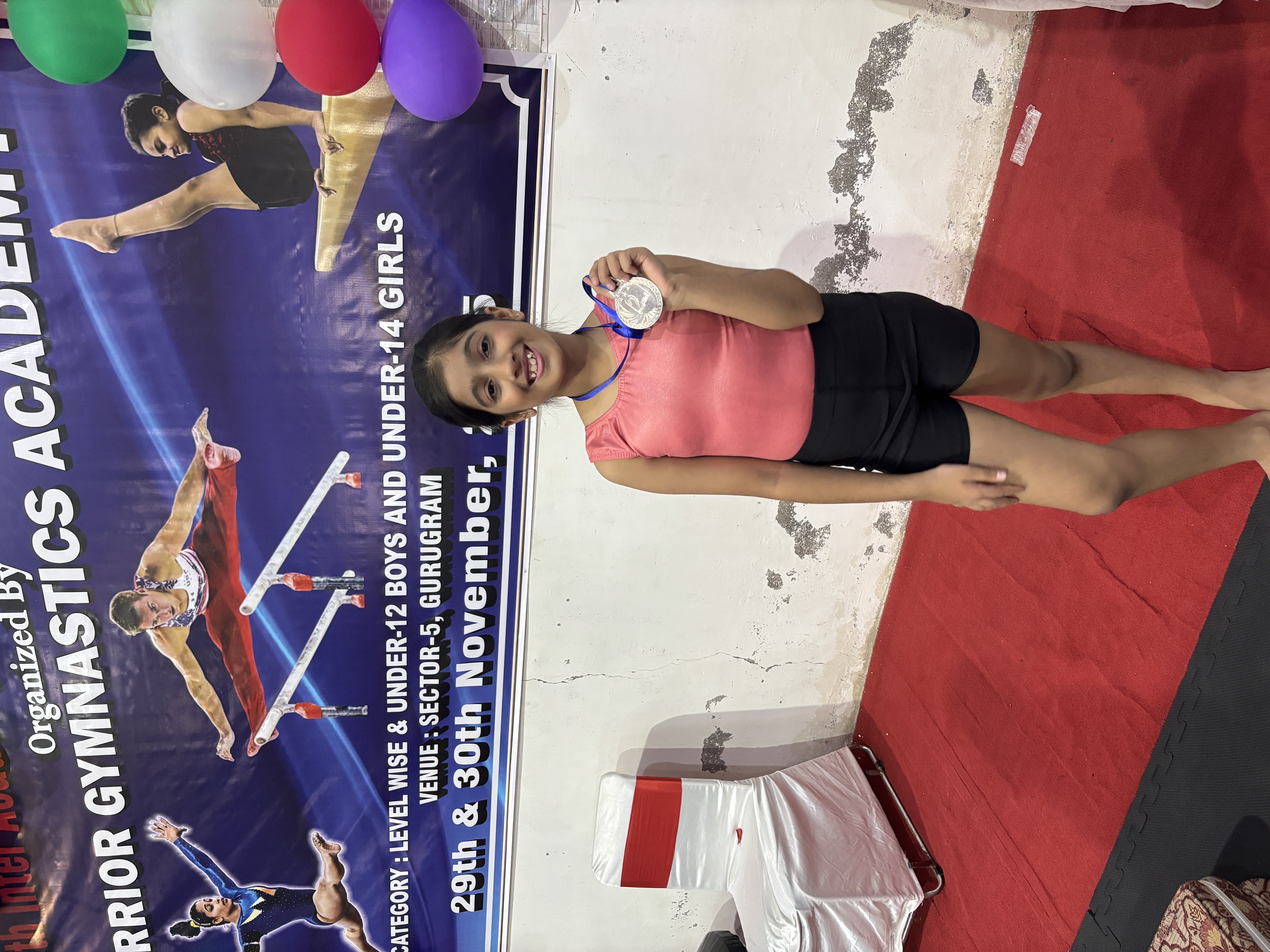
Myra Taneja Secures Silver at the 8th Inter Warrior Gymnastics Competition

Myra

Myra Taneja of Grade 5 at Shiv Nadar School, Faridabad, delivered a poised and confident performance at the 8th Inter Warrior Gymnastics Competition.

Competing in Level 3, she secured the Silver Medal, reflecting her consistent training, strength, and composure across routines. Her achievement stands as a testament to her dedication and disciplined preparation.

We congratulate Myra on this proud accomplishment and wish her continued success in her gymnastics journey.


ALL ,

Arts ,

Award ,

Badminton ,

Board ,

Competition ,

Curriculum ,

School ,

Wings Spotted, Curiosity Sparked: Shiv Nadar School Faridabad Takes Flight with the Campus Bird Count


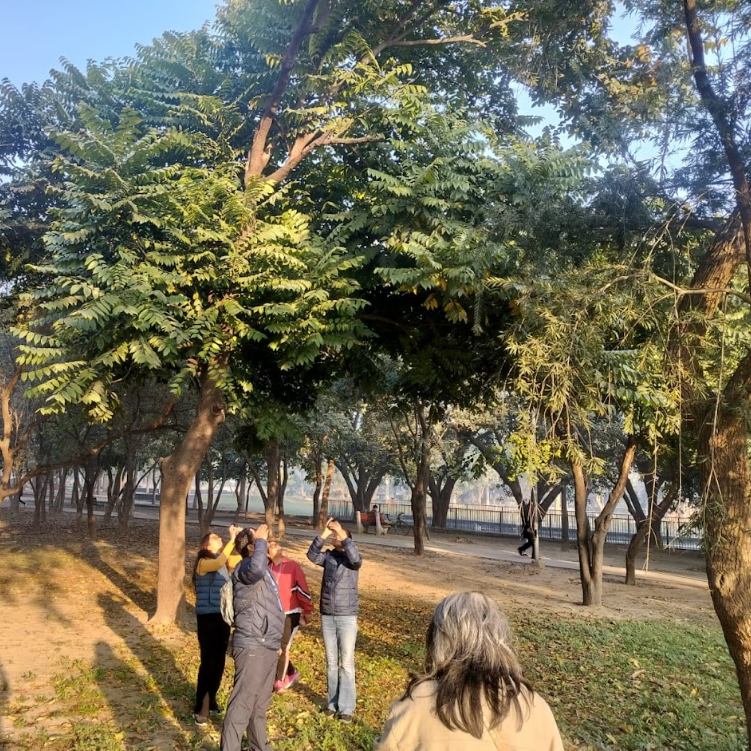
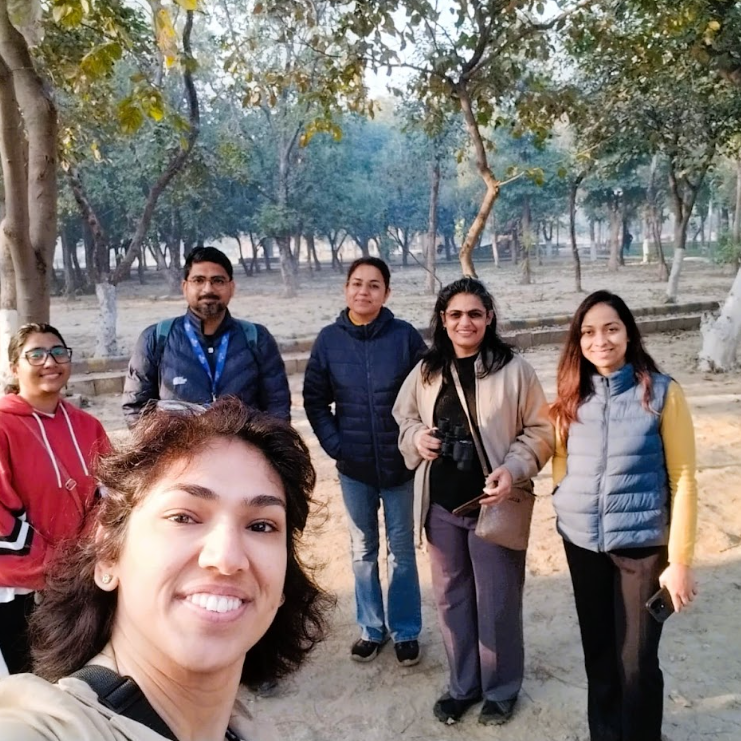
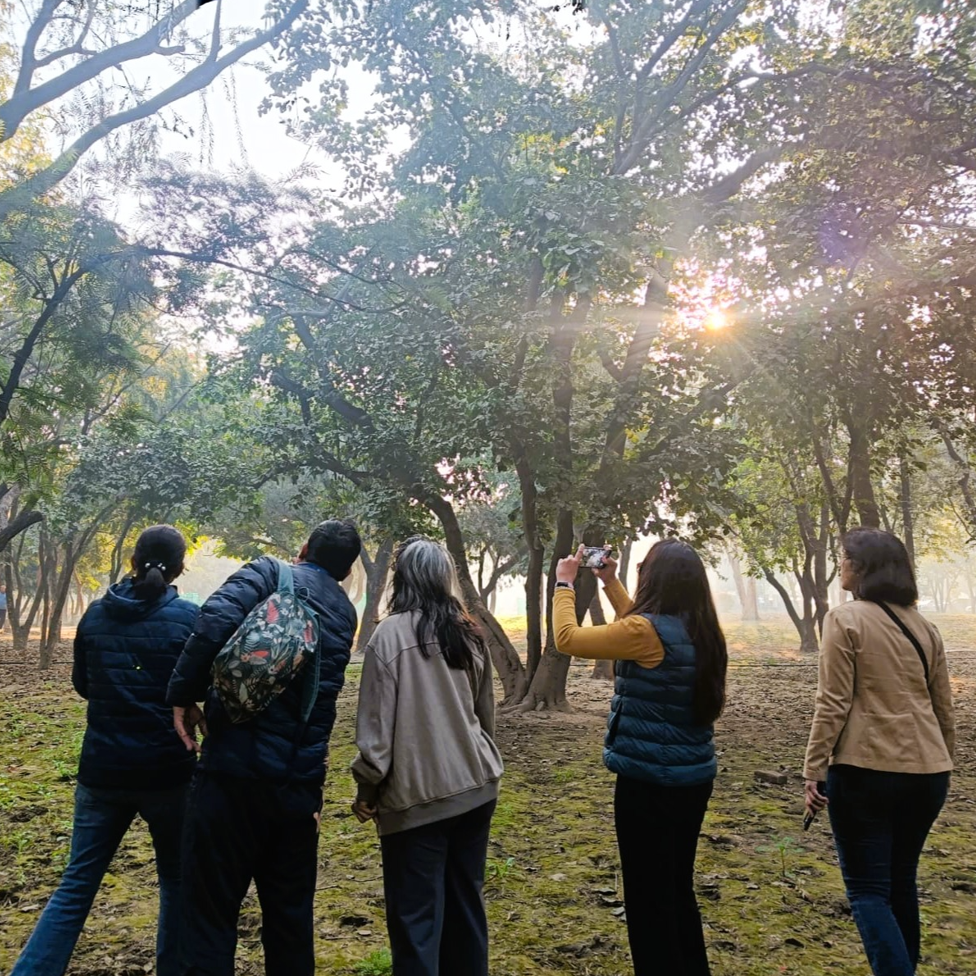
Shiv Nadar School Faridabad actively participated in the Campus Bird Count, a nationwide initiative under Great Backyard Bird Count (GBBC) that brings institutions together to document birdlife across shared spaces. In 2025, over 270 campuses submitted more than 8,000 bird checklists, reflecting the scale and collective impact of this conservation effort.

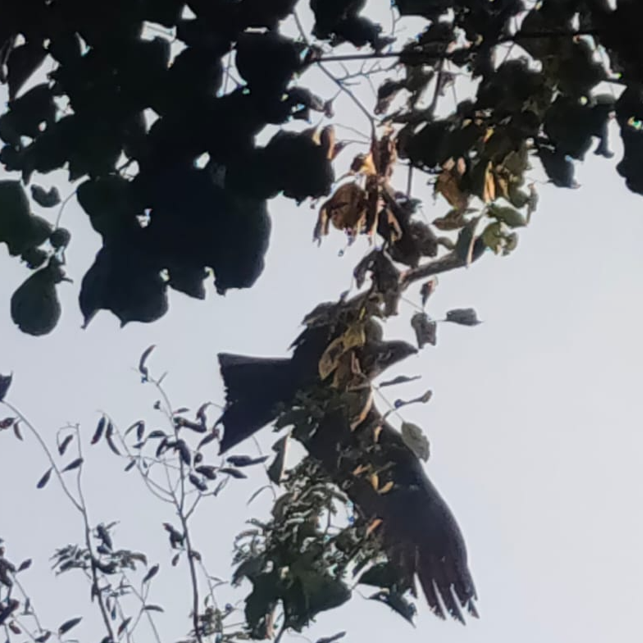
Teachers and facilitators engaged in systematic bird observation and data recording across designated campus locations. During the initiative, the team identified a few migratory bird species that had temporarily settled in nearby areas, contributing meaningful insights to local biodiversity records.

Students reported to school in the early morning and were guided to specific bird-watching spots across the campus. The exercise encouraged careful observation, documentation, and reflection. The cost of participation was fully borne by the school, ensuring inclusive engagement.

The initiative served as a powerful platform for experiential learning, strengthening environmental awareness, research skills, and collaboration. Through its participation, Shiv Nadar School Faridabad reaffirmed its commitment to sustainability, conservation, and nurturing ecological responsibility among learners.


Competition ,

Creative ,

Cricket ,

Curriculum ,

Dance ,

Economy ,

Education ,

Education For Life ,

Environment ,

Fitness ,

IB ,

Innovation ,

Leadership ,

Lifestyle ,

Middle ,

Music ,

Nature ,

Nutrition ,

Outbound Learning ,

Parenting ,

Performing Arts ,

Philosopy ,

Pre Primary ,

Primary ,

Progressive ,

Reading ,

Relationships ,

School ,

School Life ,

Science ,

Secondary ,

Senior Secondary ,

SNS Guest ,

Soccer ,

Speaker ,

Sports ,

Theatre ,

Travel ,

Visual Arts ,

Welness ,

Writing ,

Inspiring Purposeful Action: Community Project Session for IB MYP 3 at Shiv Nadar School Faridabad


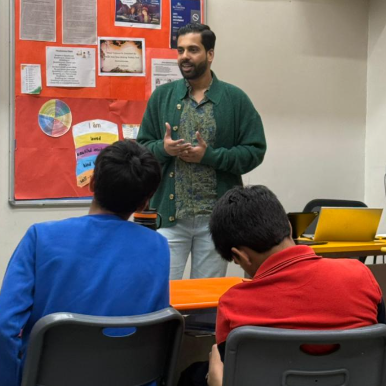
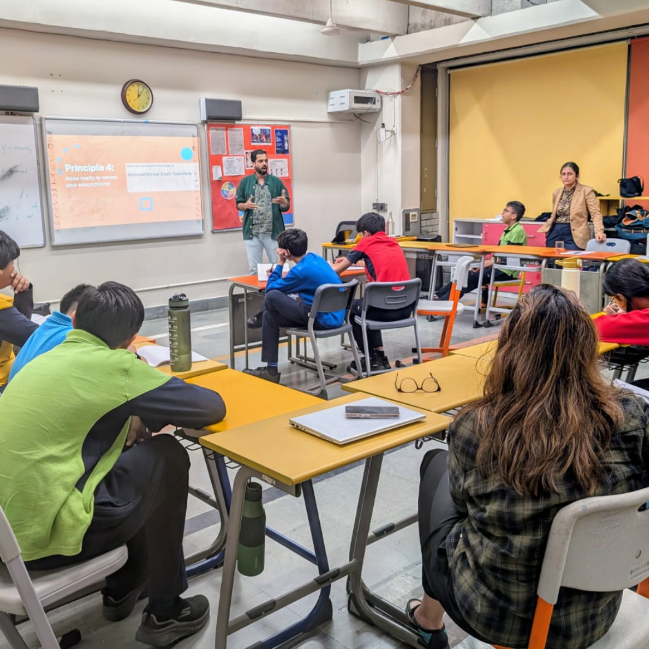
A focused and engaging session on the Community Project was conducted for students of the International Baccalaureate (IB) Middle Years Programme (MYP) 3 at Shiv Nadar School Faridabad by guest speaker Mr. Jophen.

He began by outlining the purpose, objectives, and assessment criteria of the Community Project, emphasising its role in developing research skills, critical thinking, collaboration, and meaningful service as action. Students gained clarity on how the project extends learning beyond the classroom and encourages responsible engagement with real-world issues.

Mr. Jophen shared practical guidance on selecting relevant and impactful topics, setting achievable goals, and designing structured action plans aligned with genuine community needs.

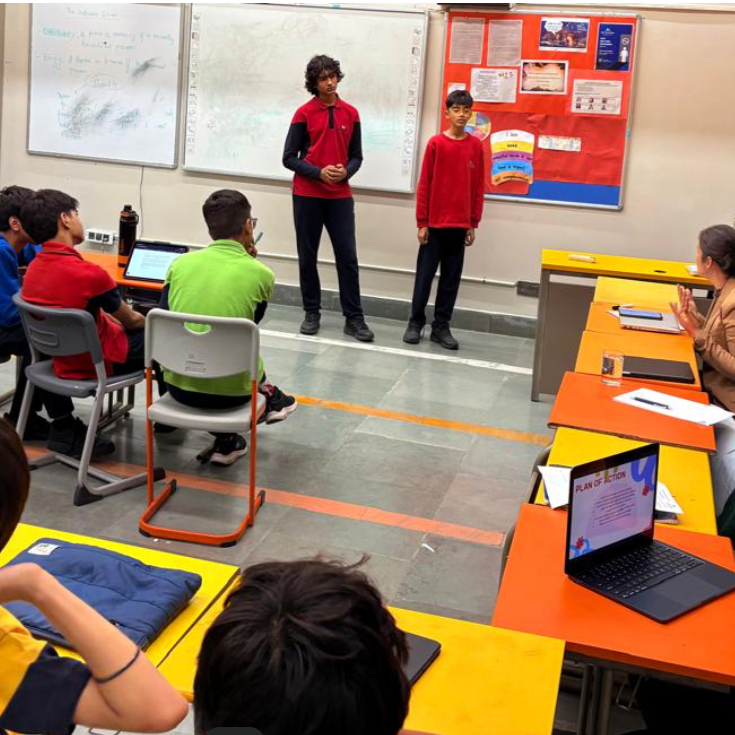
Following the introduction, students presented their project pitches, articulating the issues they had identified, proposed solutions, and step-by-step implementation plans. The interactive exchange allowed them to receive constructive feedback and thoughtful suggestions to refine their ideas and strengthen the potential impact of their initiatives.

The session reinforced the value of purposeful action and empowered students to approach their Community Projects with greater clarity, responsibility, and confidence.


Competition ,

Creative ,

Cricket ,

Curriculum ,

Dance ,

Economy ,

Education ,

Education For Life ,

Environment ,

Fitness ,

IB ,

Innovation ,

Leadership ,

Lifestyle ,

Middle ,

Music ,

Nature ,

Nutrition ,

Outbound Learning ,

Parenting ,

Performing Arts ,

Philosopy ,

Pre Primary ,

Primary ,

Progressive ,

Reading ,

Relationships ,

School ,

School Life ,

Science ,

Secondary ,

Senior Secondary ,

SNS Guest ,

Soccer ,

Speaker ,

Sports ,

Theatre ,

Travel ,

Visual Arts ,

Welness ,

Writing ,

Subscribe to Education For Life