




CBSE Class 10th, 12th Result 2023 (OUT) Live: CBSE board result at cbseresults.nic.in; direct link, toppers
https://news.careers360.com/cbse-board-result-2023-live-class-10th-12th-results-declared-cbseresults-nic-in-digilocker-date-time-marksheet-download-link-updates
Breaking barriers in education: How we can nurture our children for a truly global society
Breaking barriers in education: How we can nurture our children for a truly global society
Encouraging a 'Tunnelled vision'
Encouraging a 'Tunnelled vision'
"Literature speaks the language of imagination..." - Northrop Frye
It is said that language and literature opens the door of imagination and allows us to discover the extraordinary out of the ordinary.
The ‘Literary Week’ in grades 3-5 was organised from 11th to 15th September to foster love and appreciation of literature and language. Children engaged in a wide range of activities with tremendous energy and zest through the week. Hindi Diwas was also marked on the 14th of September, all the students participated in various interesting activities throughout this week.
The week kick-started with ‘Adjective Bonanza’ across grades 3 to 5. Children brought T-shirts and wrote adjectives on each other’s T-shirts describing each other in Hindi and English. The energy and vibe was positive and zealous as students sported those T-shirts proudly the entire day.
Grade 3 students engaged in enjoyable tongue twisters, which served as an introduction to the concept of alliteration. They participated in another captivating activity, they were provided with chits containing sentences in which alliteration was intentionally scrambled. The students' task was to rearrange these chits to construct coherent and meaningful sentences. The students were involved in the creation of their own alliterative sentences, incorporating adjectives. Students learnt the elements of a story in Hindi, wrote their own stories and presented them in groups. It was an intense and engaging exercise for them.
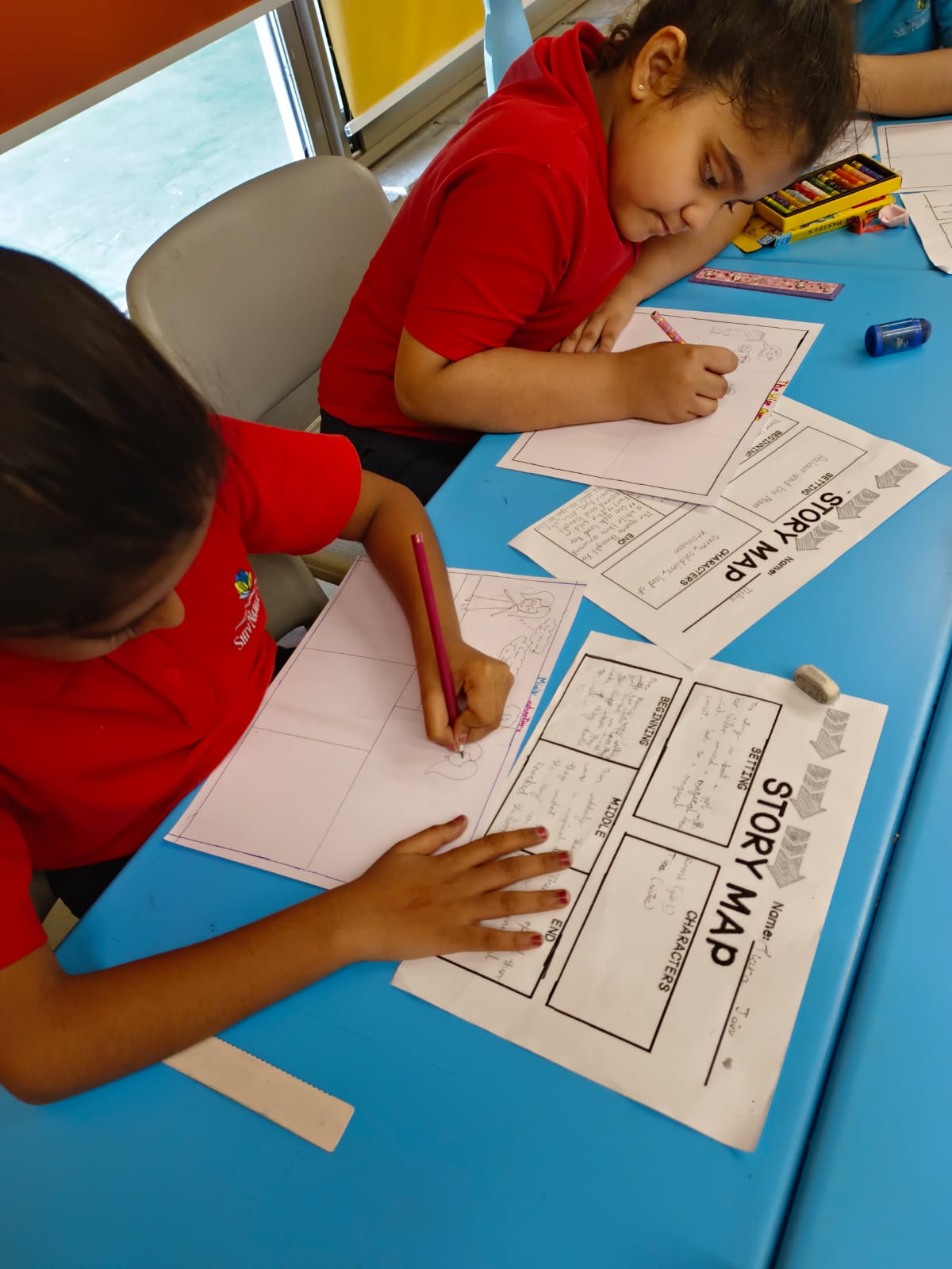
Grade 4’s theme was ‘comics’, children engaged in understanding the entire process of creating one. They studied several comic strips to elicit and gain an understanding of its elements such as panels, speech bubbles, thought bubbles, gutter, the kind of language used in a strip etc. The comic strip they finally created reflected their thought process and clear understanding. Word games like crosswords, riddles spread throughout the week further helped in enhancing their love for the language. They created stories based on ‘dohas’ by making colourful comic strips digitally to present their stories.
Grade 5 centred around the theme of self-composed poetry and poem recitation both in Hindi and English. The week aimed to not only deepen the students' understanding of poetry but also enhance their public speaking and presentation skills. Students embarked on their poetic journey by presenting the poems they had been assigned. It was heartening to witness students engaging with different perspectives on the poems, showcasing their budding analytical skills and interpretations. As the literary week progressed, the focus shifted to refining the students' recitation skills. Students were tasked with composing the final draft of own poems, utilizing the poetic devices they had learned throughout the week.
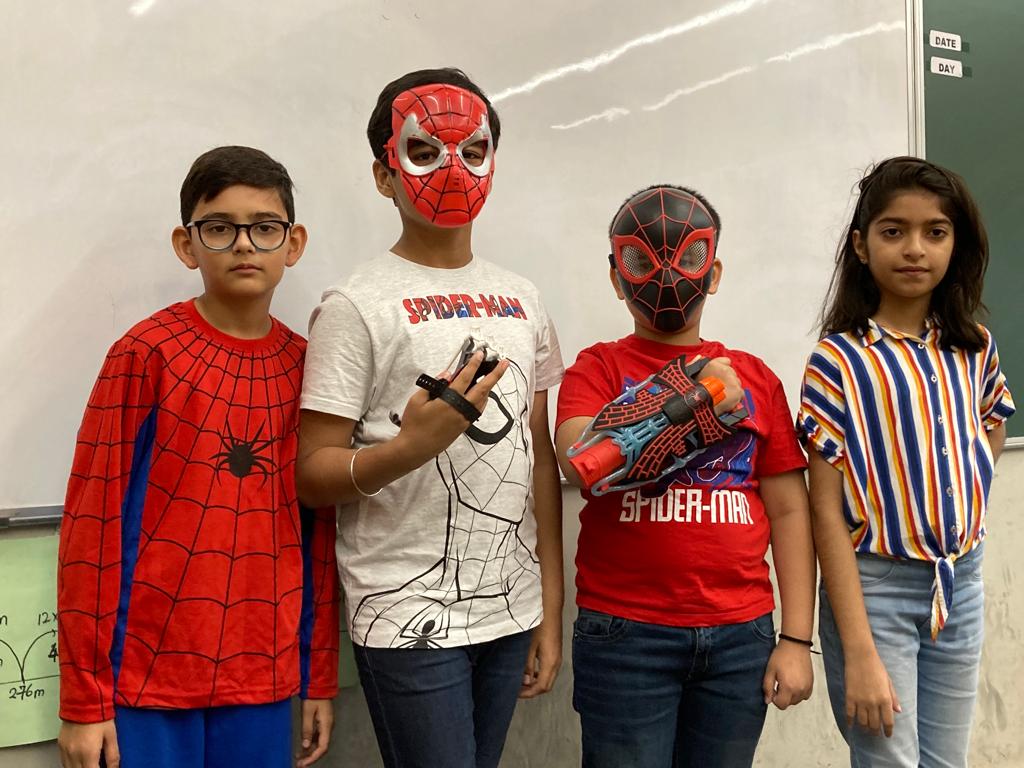
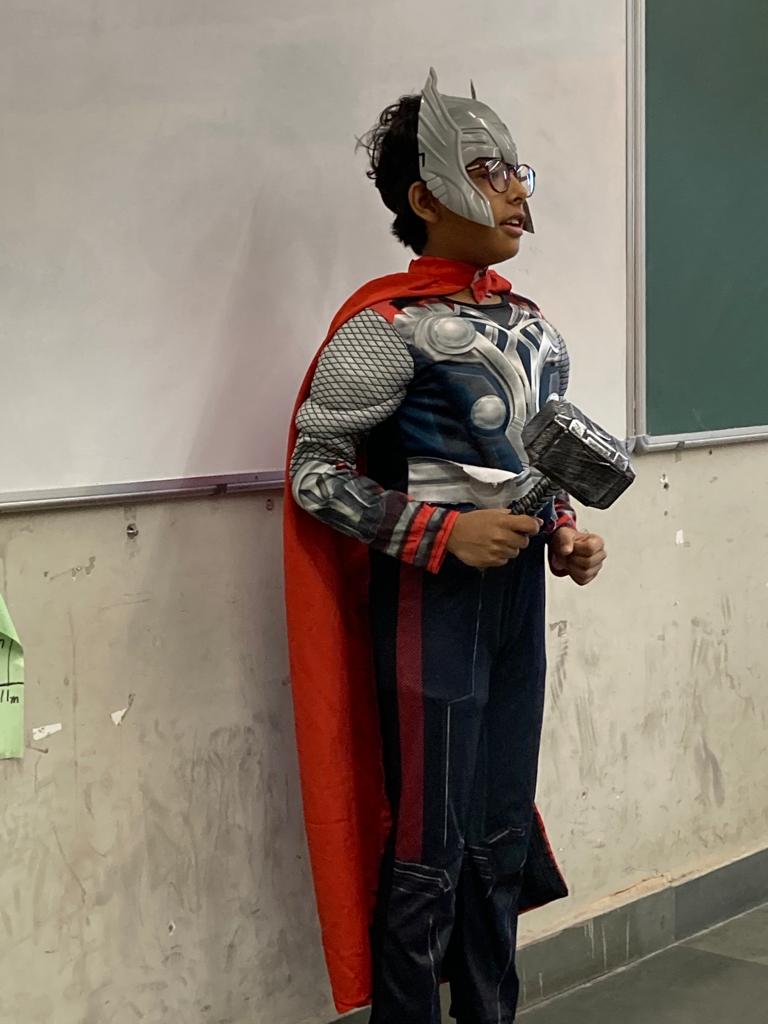
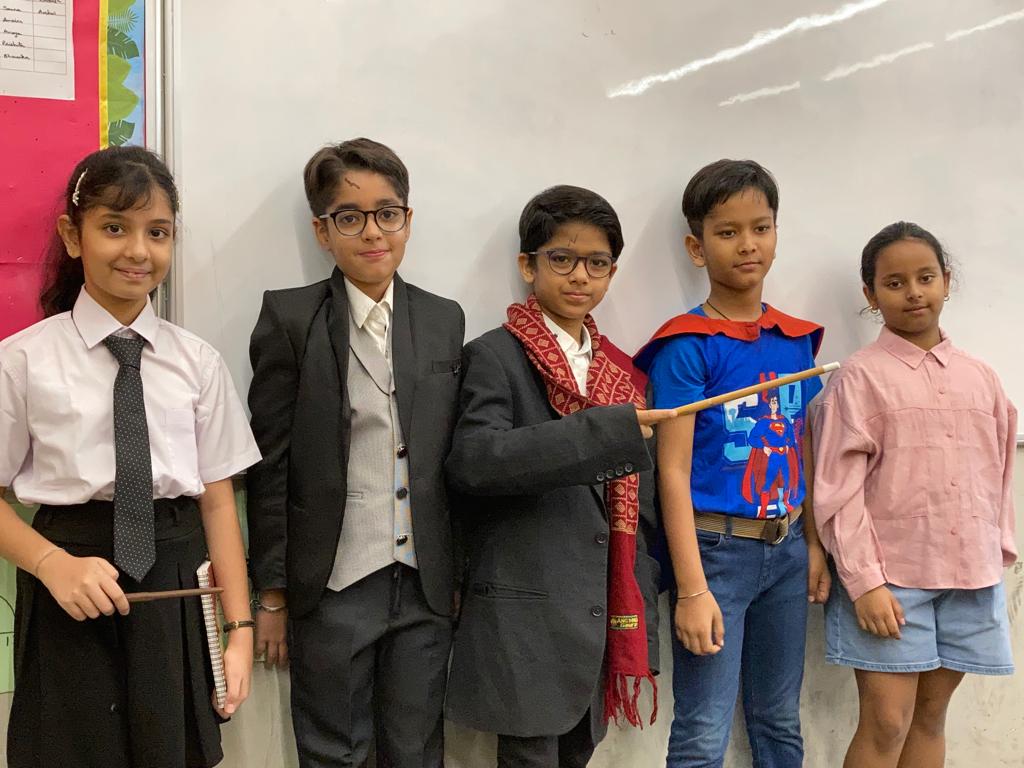
The week culminated with a Cos Play wherein children dressed up as their favourite characters and spoke about them. The corridors in the primary wing were bustling with the creative and vibrant displays of the children and with the enthusiastic children themselves as they hopped from one counter to another to see each other’s work. Students recited poems, their hard work and dedication was commendable.
It was a week of learning, fun and reflection!!!
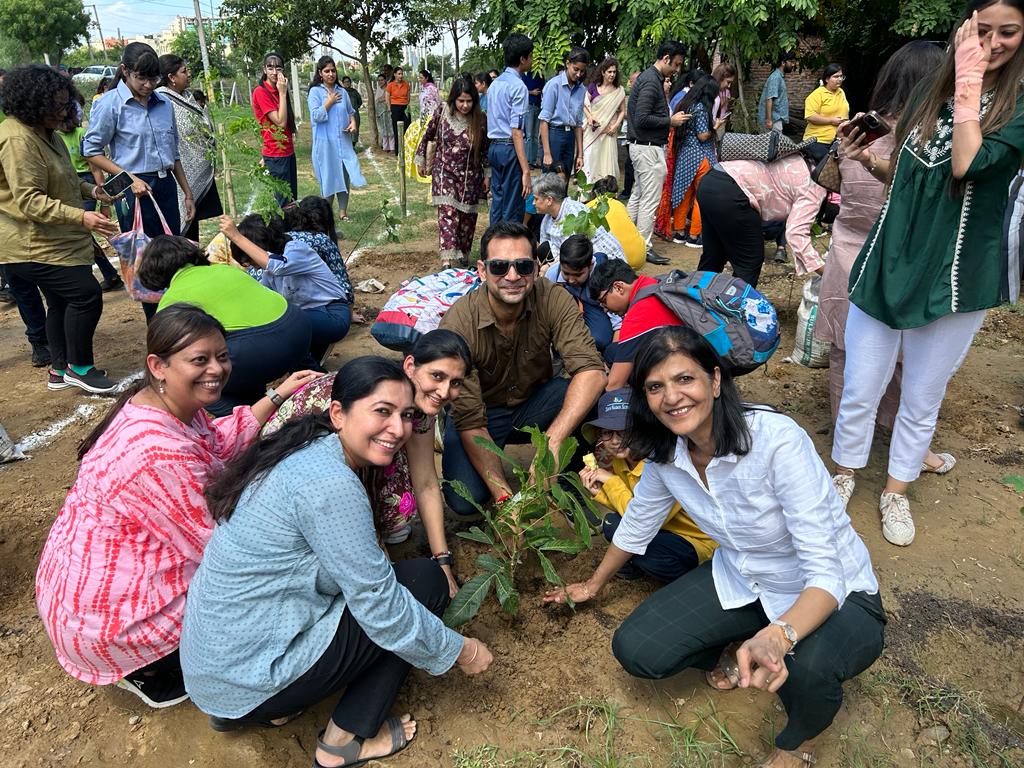
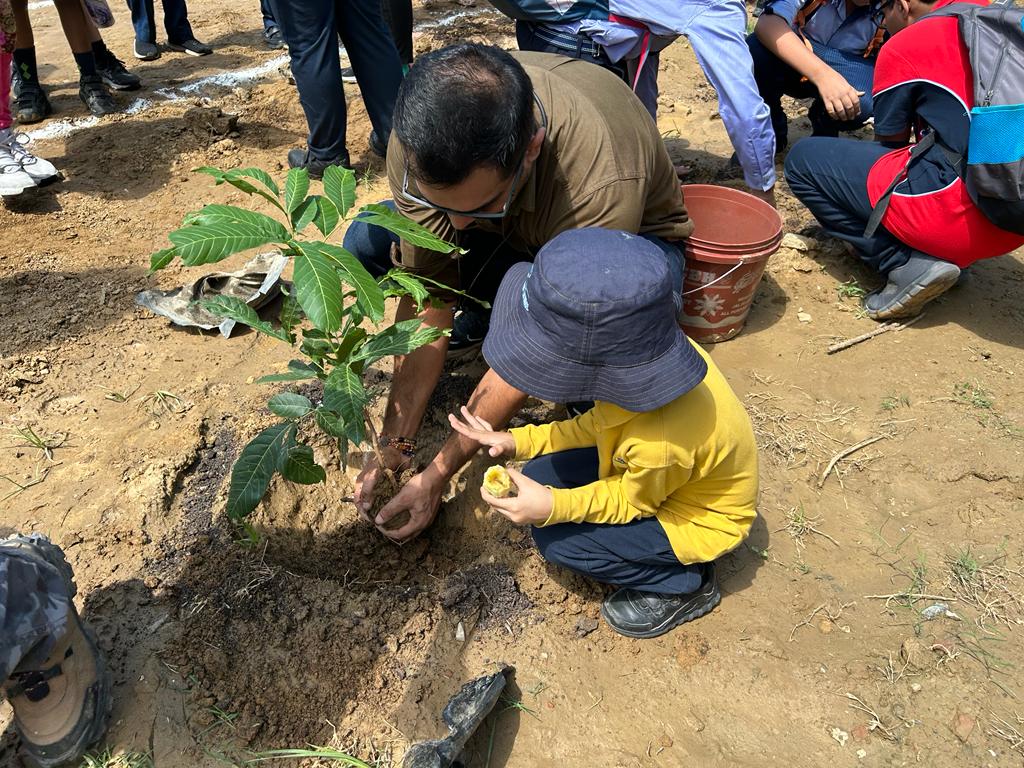
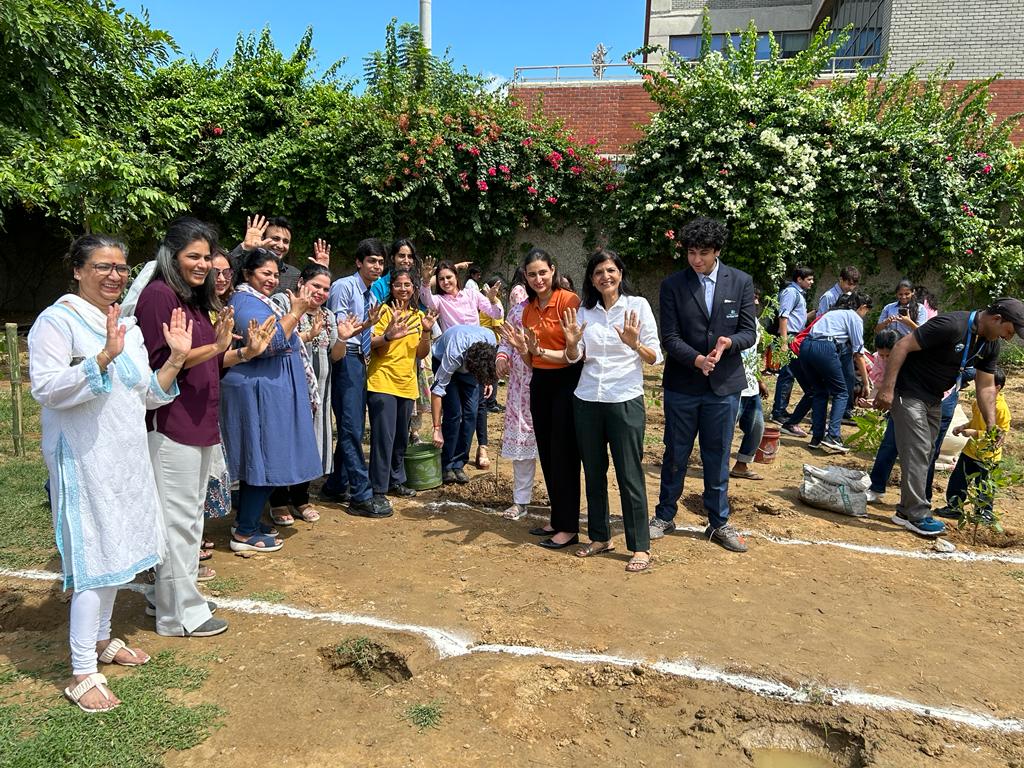
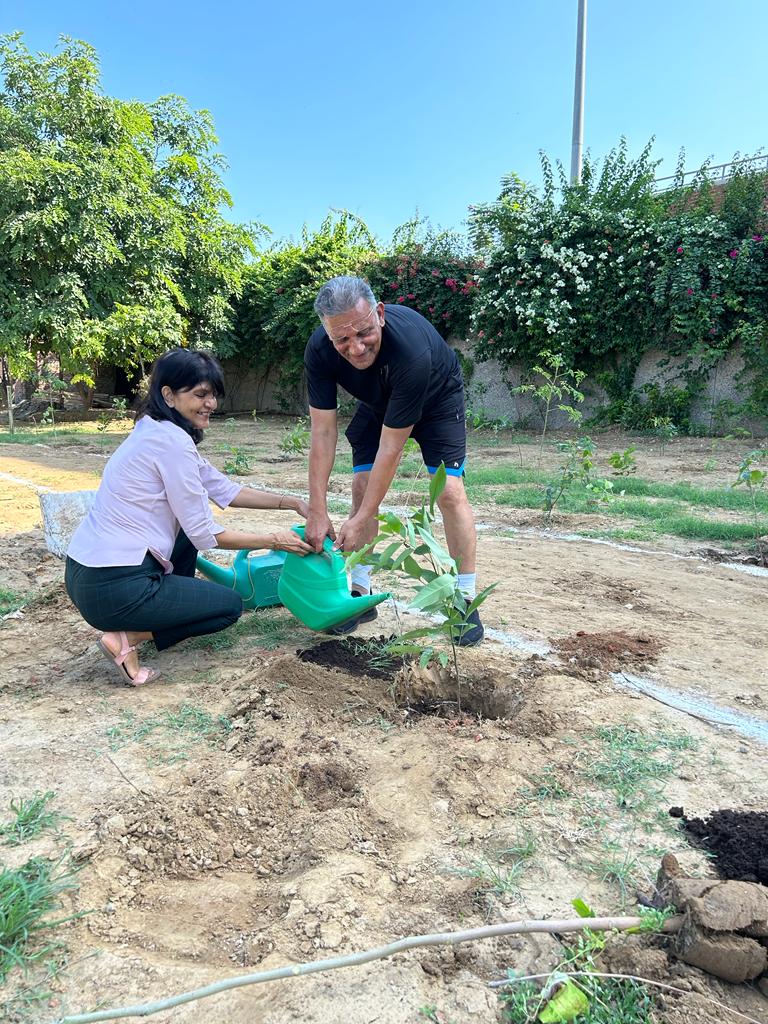
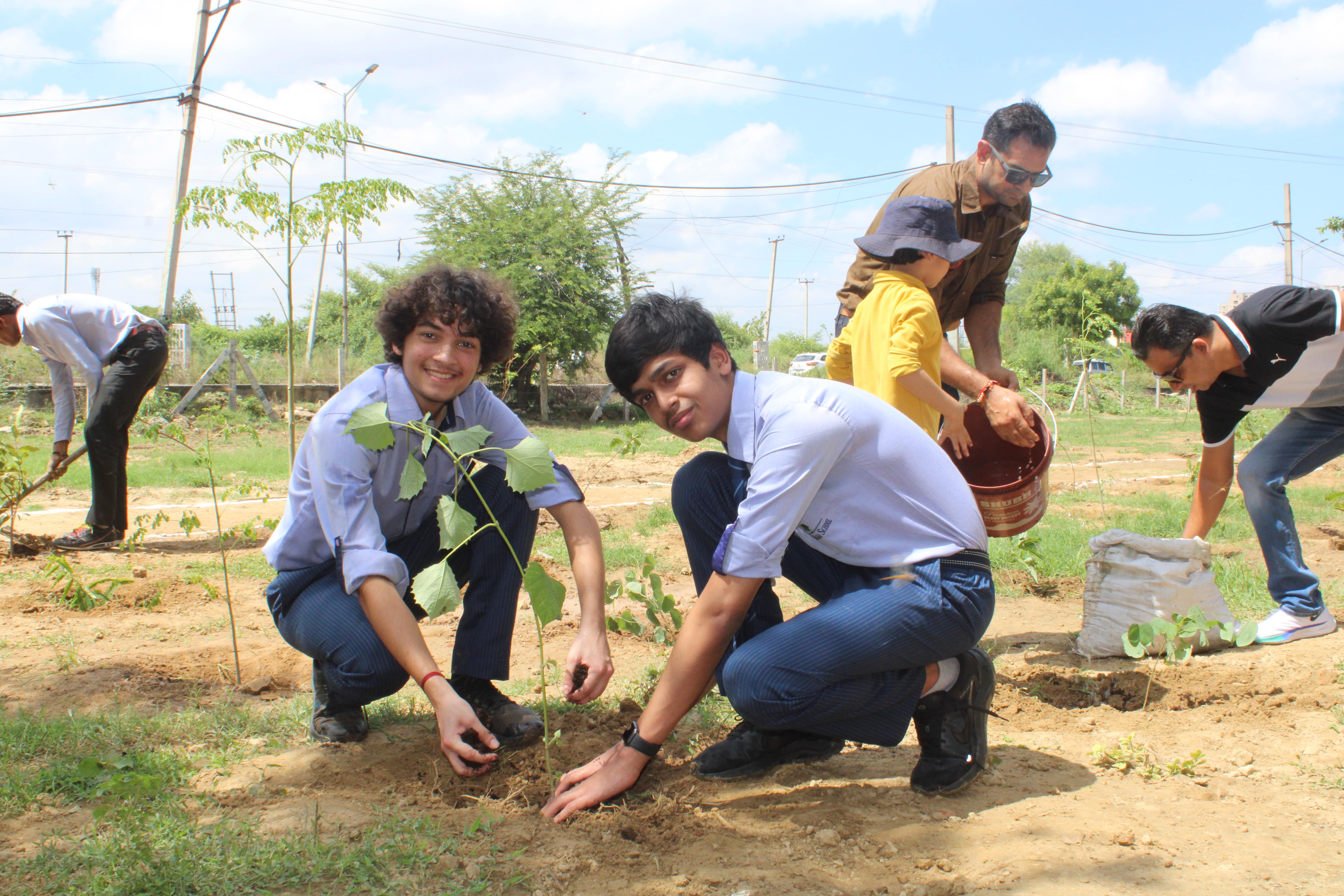
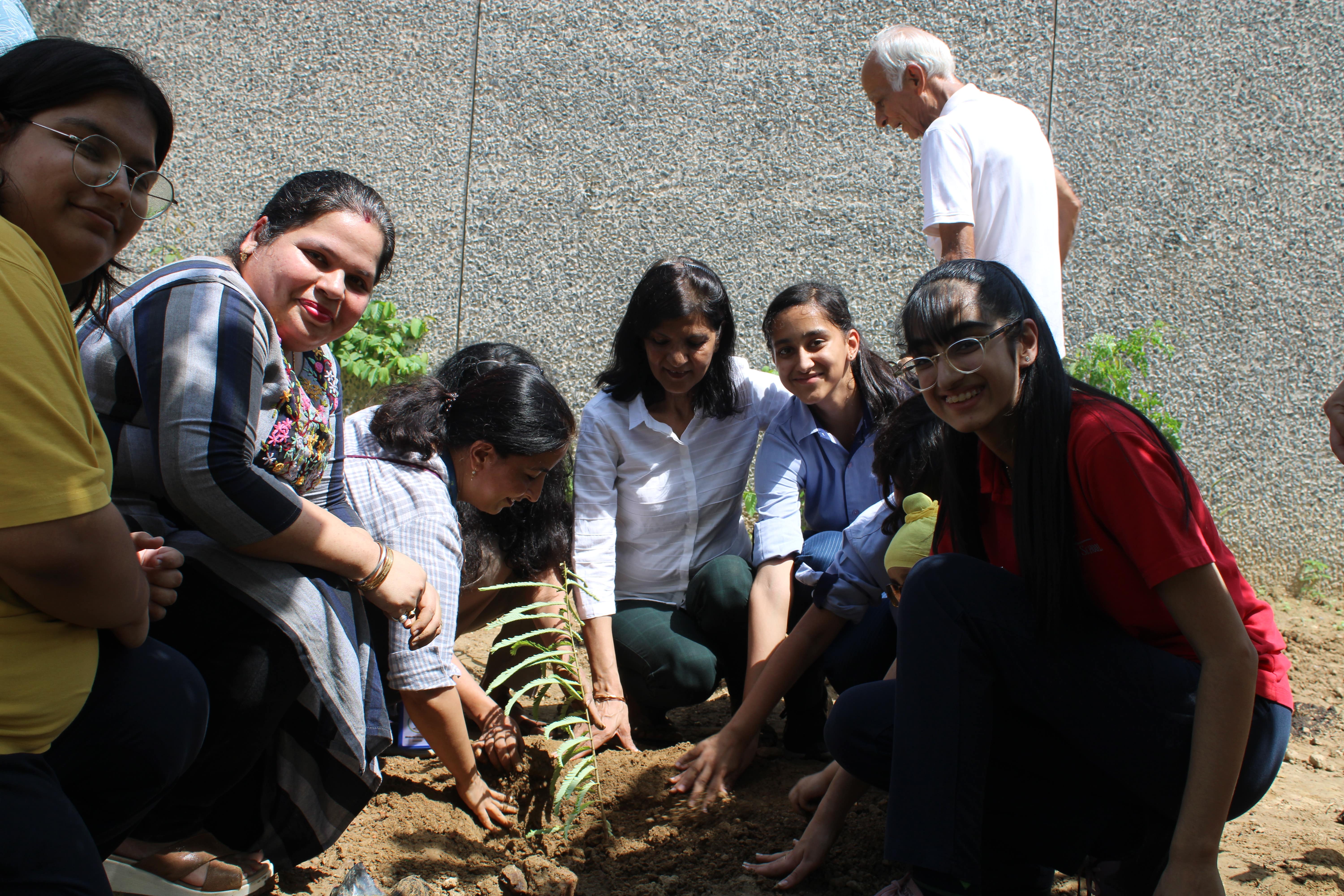
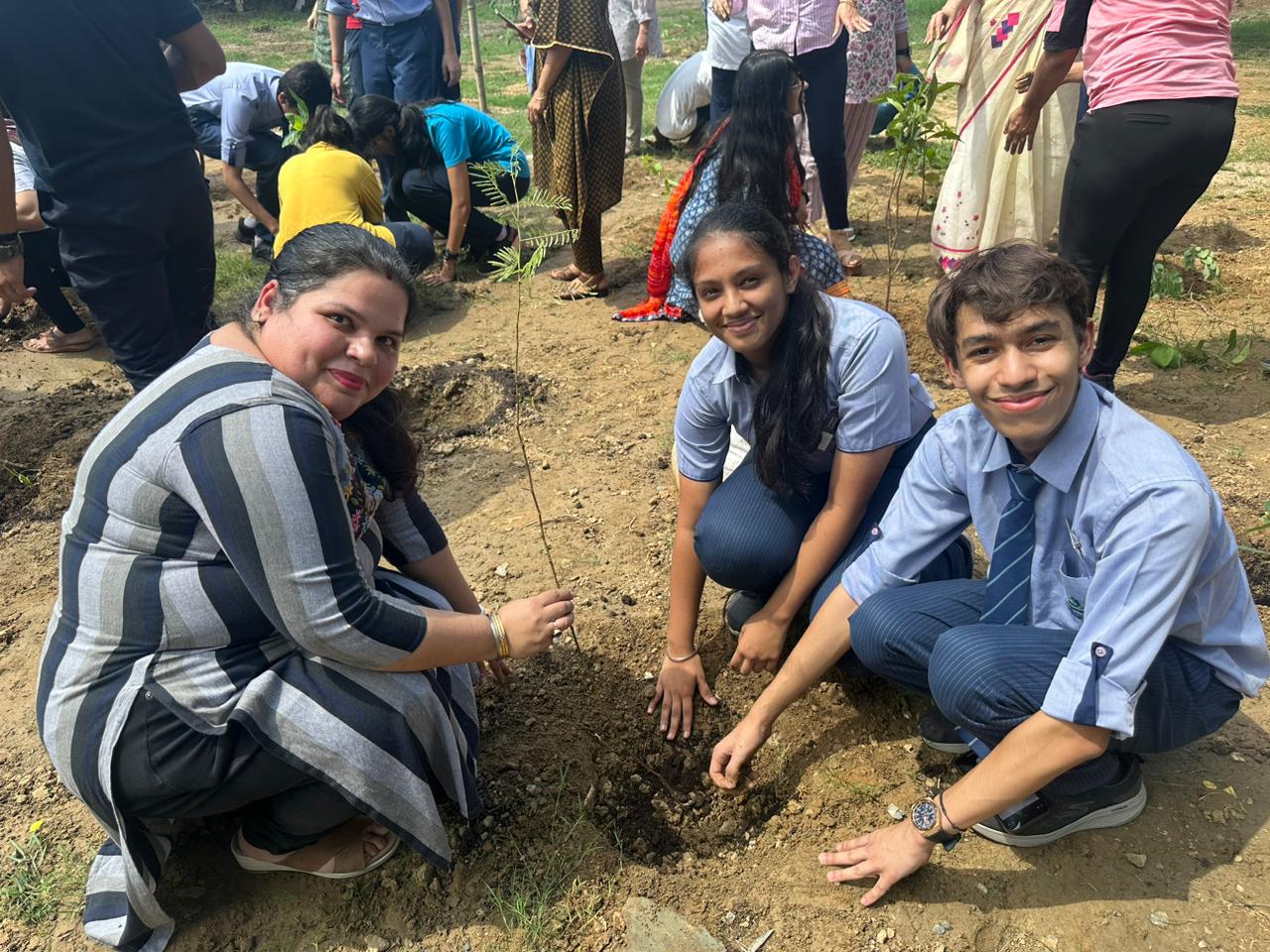
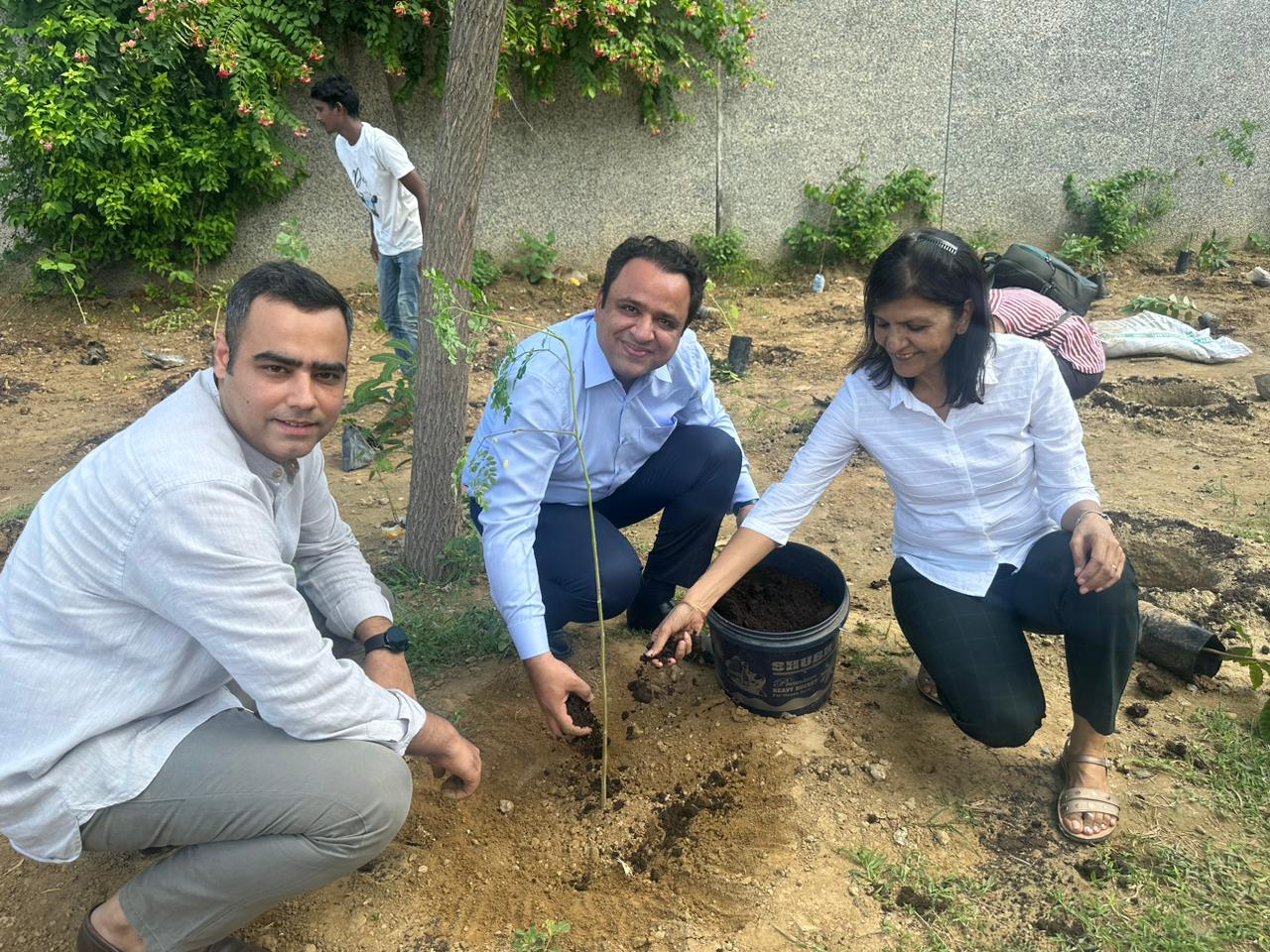
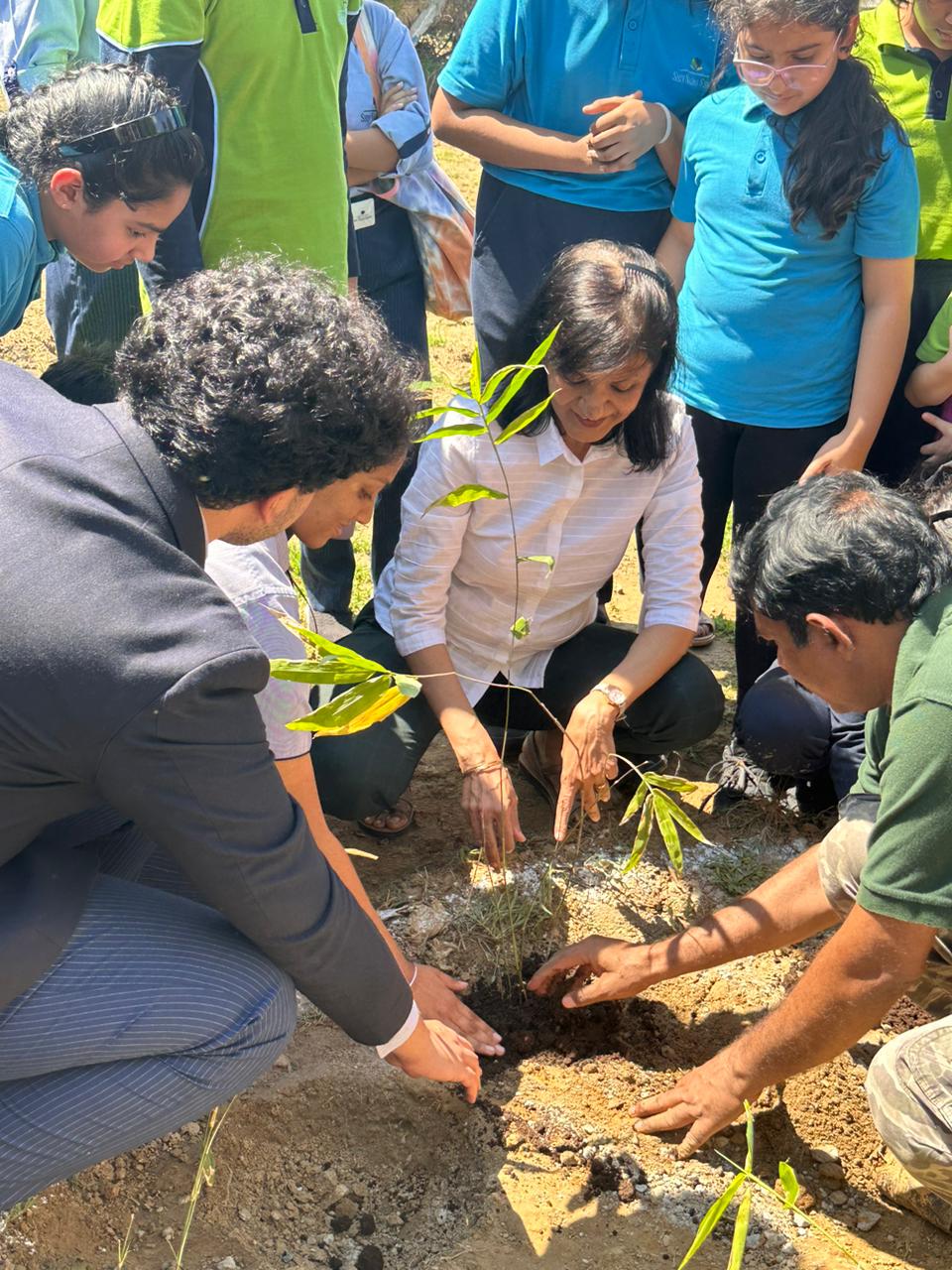
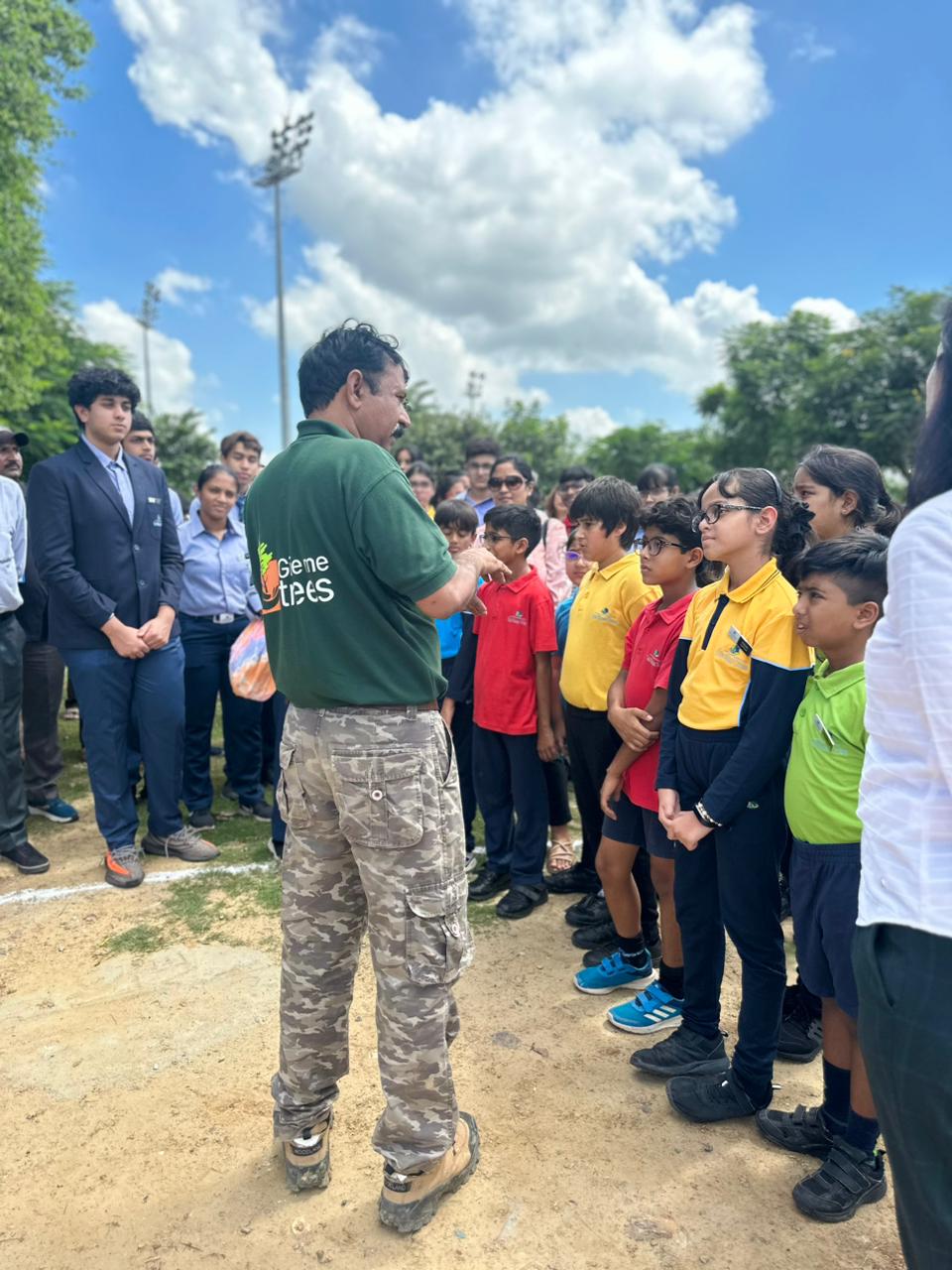
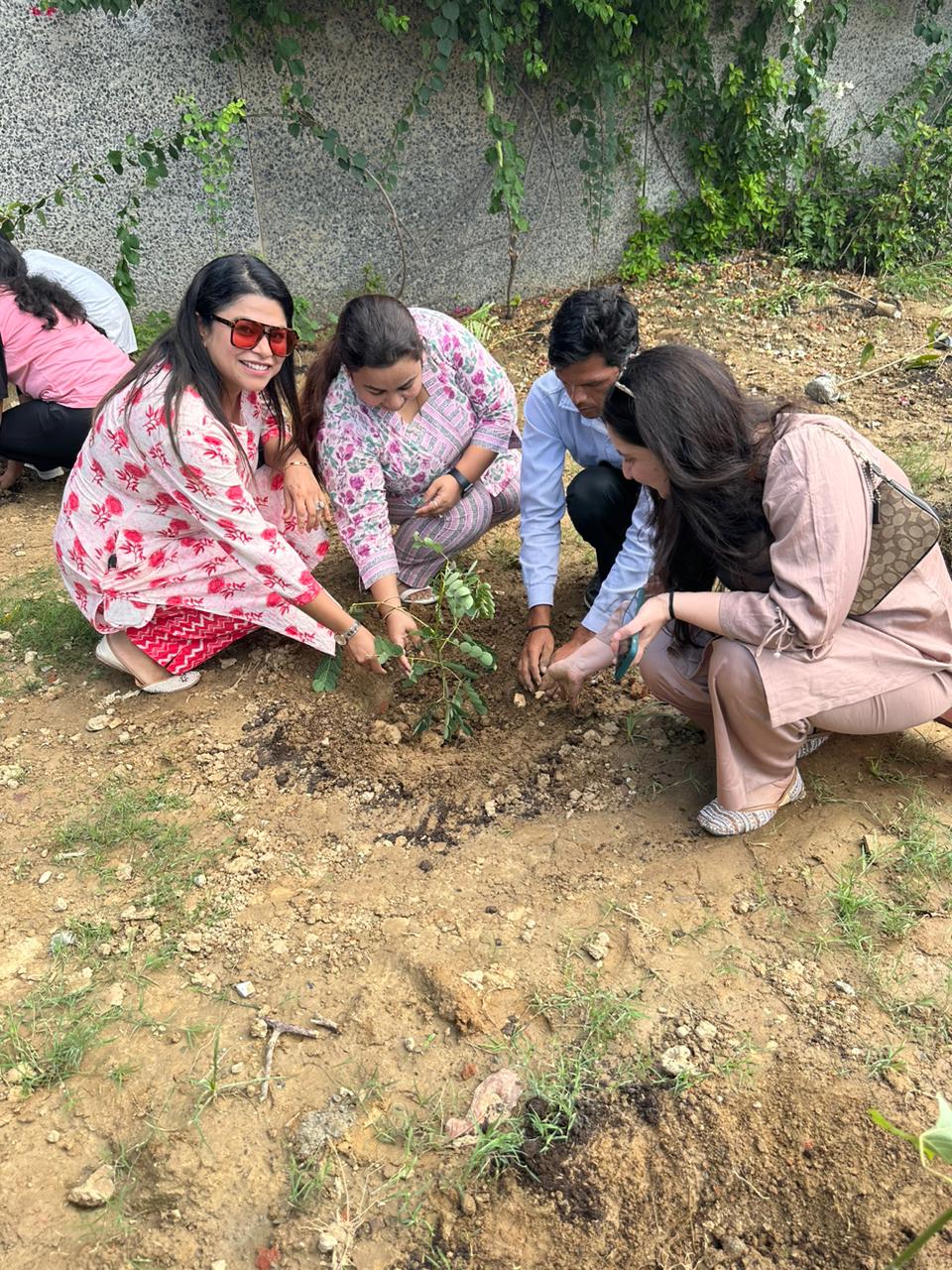
Shiv Nadar School Forest Inauguration
Nestled within the North Block boundary area, the "Shiv Nadar School Forest" project, in collaboration with 'Give Me Trees,' is a testament to our green vision that unfolds over two transformative years. With dedicated teachers, eager students, and engaged parents, we are crafting something truly exceptional. The mission is to transform this space into a captivating forest, complete with tranquil water bodies and inviting walker's paths, all while planting an impressive ensemble of 8000 evergreen trees. This project's distinctiveness lies in its unwavering commitment to sustainability. It embodies our dedication to safeguarding critical groundwater resources by creating a self-irrigated green belt independent of underground water sources.
The diverse selection of trees, including Moringa, Tamarind, Guava, Mango, Bougainvillea, Jungle Jalebi, Semal, Bottle Brush, Gulmohar, Jarul, Mogra, Lavender, Lal Kaner, Callaindra, and many more, adds to the richness of this project.
Nurturing Ethical Excellence Beyond the Classroom
The decision to eliminate invigilator assessments in Middle and Senior School aligns closely with the core values of Shiv Nadar School.
At its foundation, the school places a strong emphasis on fostering integrity and ethical conduct among its students. This transition reflects the school's commitment to instilling these values by entrusting students with the responsibility of upholding honesty during Assessments. It exemplifies the belief in the school's students to act with integrity and integrity in all aspects of their academic journey.
It underscores the school's steadfast dedication to nurturing students who not only excel academically but also internalize and embody these values, extending their influence far beyond the confines of the classroom.
Intersect 2023: Promoting School Entrepreneurship
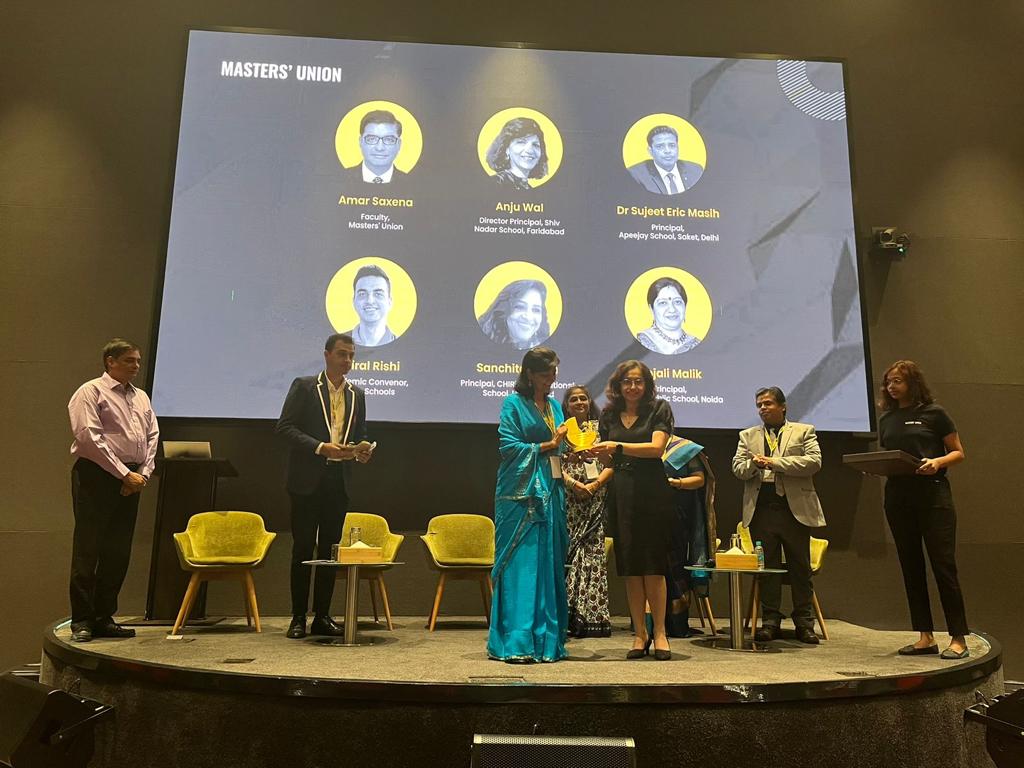
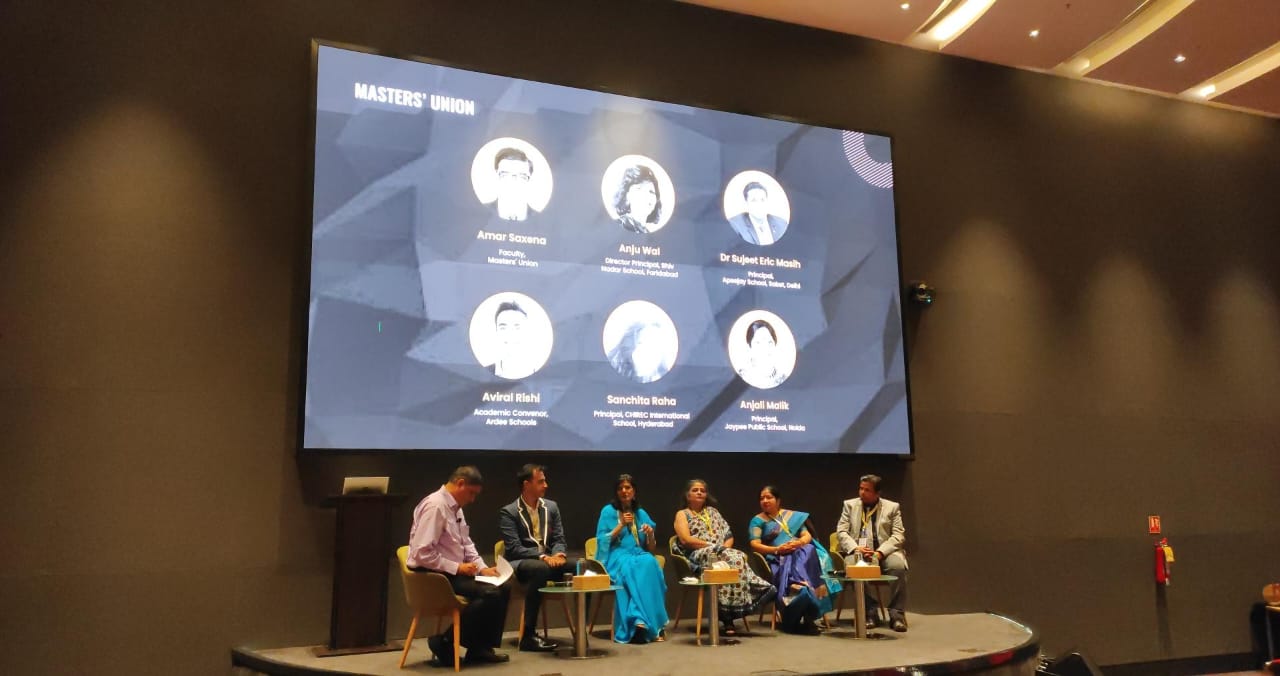
Mrs. Anju Wal, Director Principal Shiv Nadar School Faridabad was invited as a speaker at Intersect - The Union between Industry and Academia by Masters' Union on September 30, 2023. She served as a panelist in the discussion titled "Promoting Entrepreneurship in Schools." The event successfully bridged the gap between education and industry, fostering valuable insights and connections.
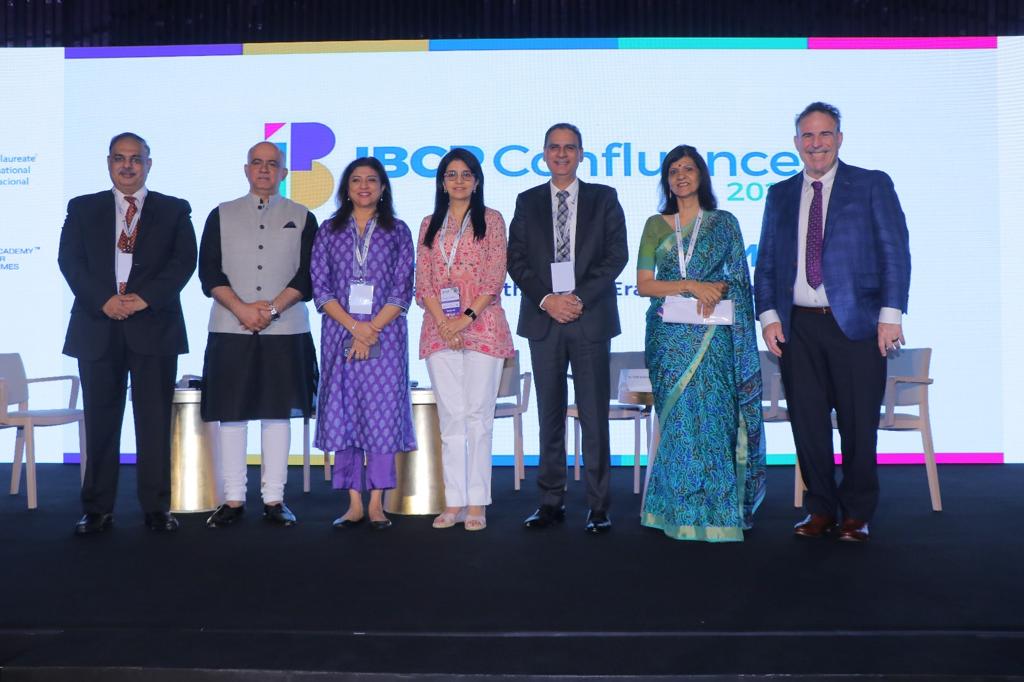
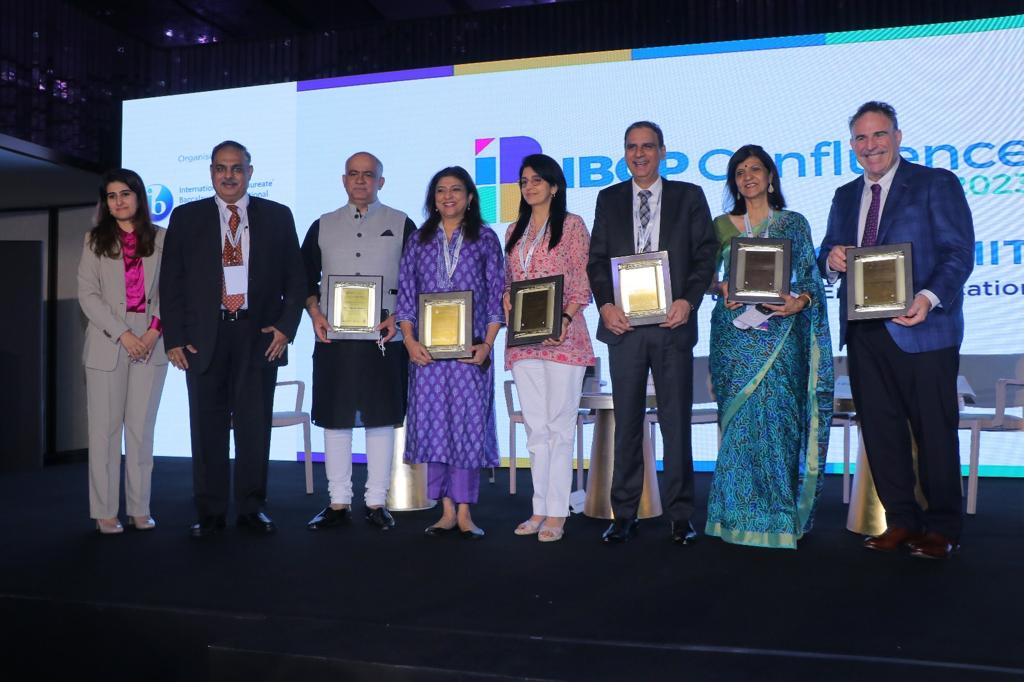
IBCP Confluence 2023 - The New Era of Education
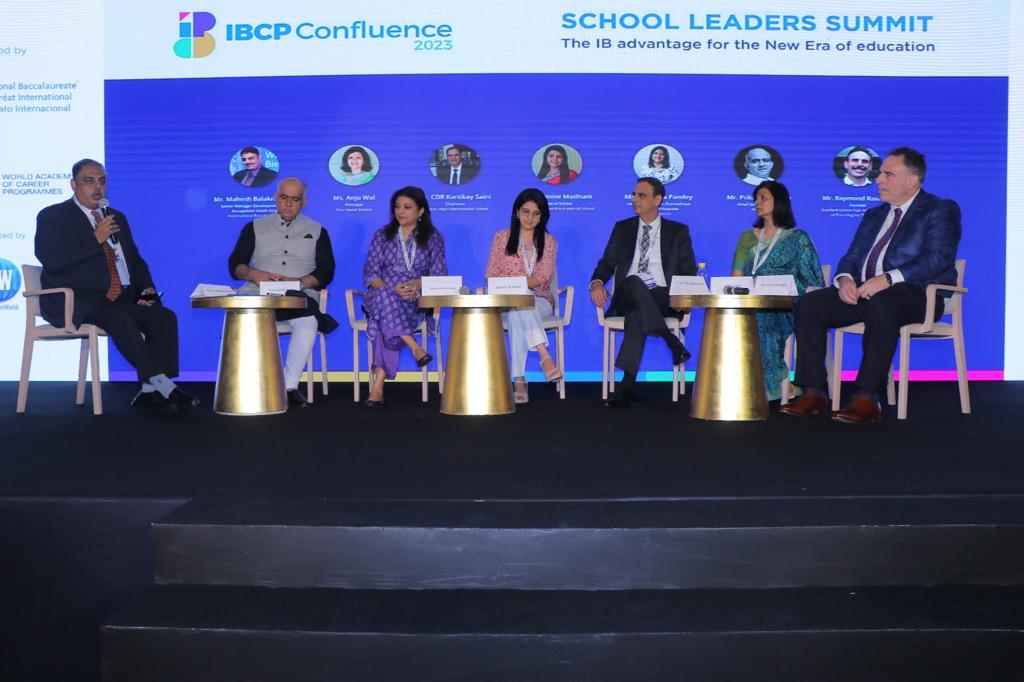
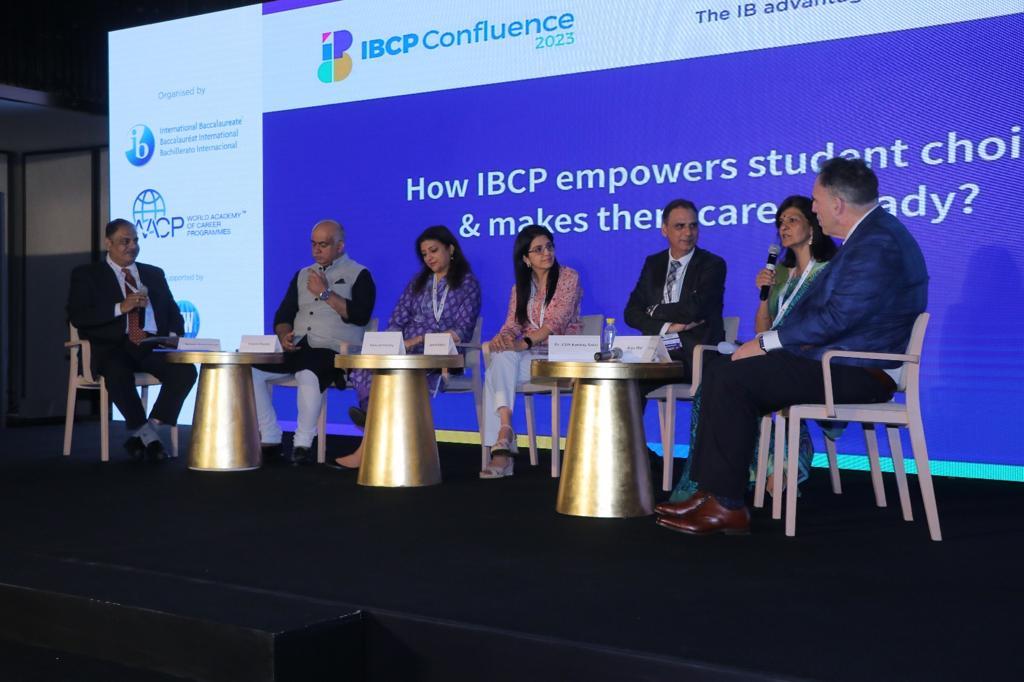
Mrs. Anju Wal, Director Principal Shiv Nadar School Faridabad, participated as a keynote speaker on the panel at the School Leaders Summit IBCP Confluence on 12th October 2023. The discussion primarily focused on the significance of the International Baccalaureate Career-related Programme (IBCP) in fostering student autonomy and preparing them for diverse career opportunities. Mrs. Wal highlighted the practical application of the IBCP framework within our school, emphasizing its role in nurturing well-rounded individuals equipped for the demands of the contemporary workforce.
The event fostered valuable insights into student-centric education and innovative methodologies, advocating for a student's holistic development aligned with the demands of a globalized world.
Shiv Nadar School's Vibrant Literary Week
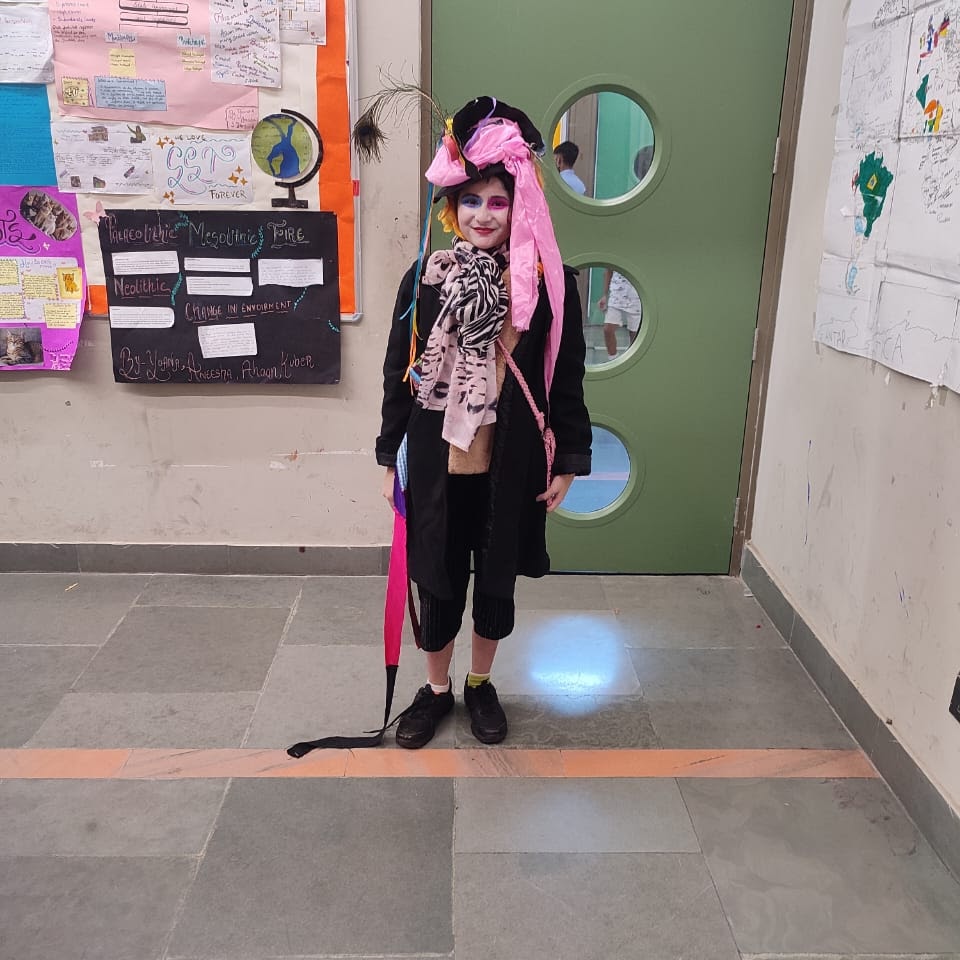
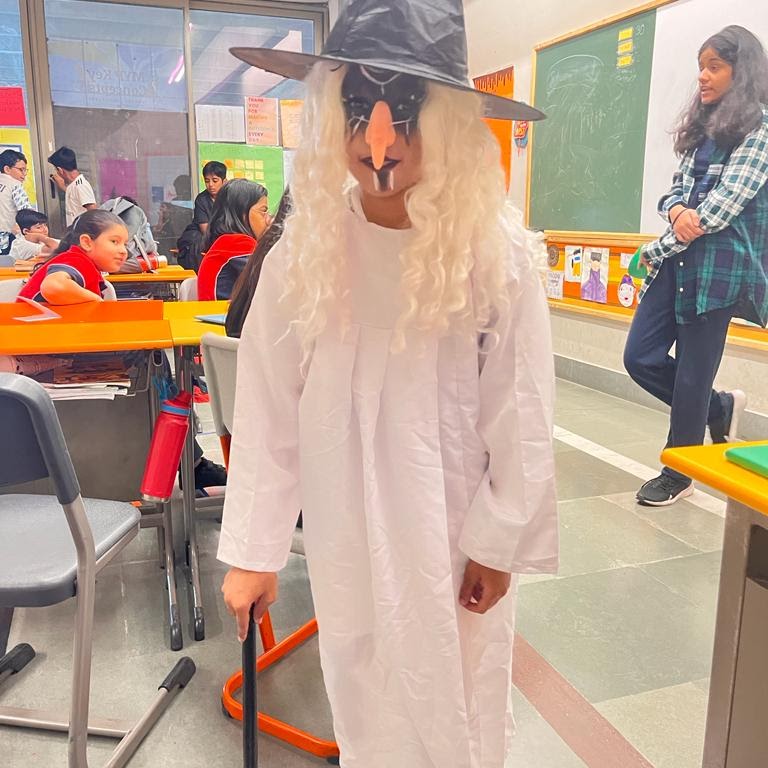
Shiv Nadar School, Faridabad, buzzed with literary fervor during the vibrant Literary Week held from 7th to 13th October 2023, where students immersed themselves in an array of captivating activities. The week's highlight included a riveting array of literary pursuits, including Calligram, Cosplay, Treasure Hunt, and more, stimulating a profound appreciation for literature and fostering creative expression. The culminating event was a dazzling spectacle, featuring soul-stirring invocations, captivating soliloquies, and a dynamic medley dance, emphasizing the school's commitment to celebrating linguistic diversity and creative expression.
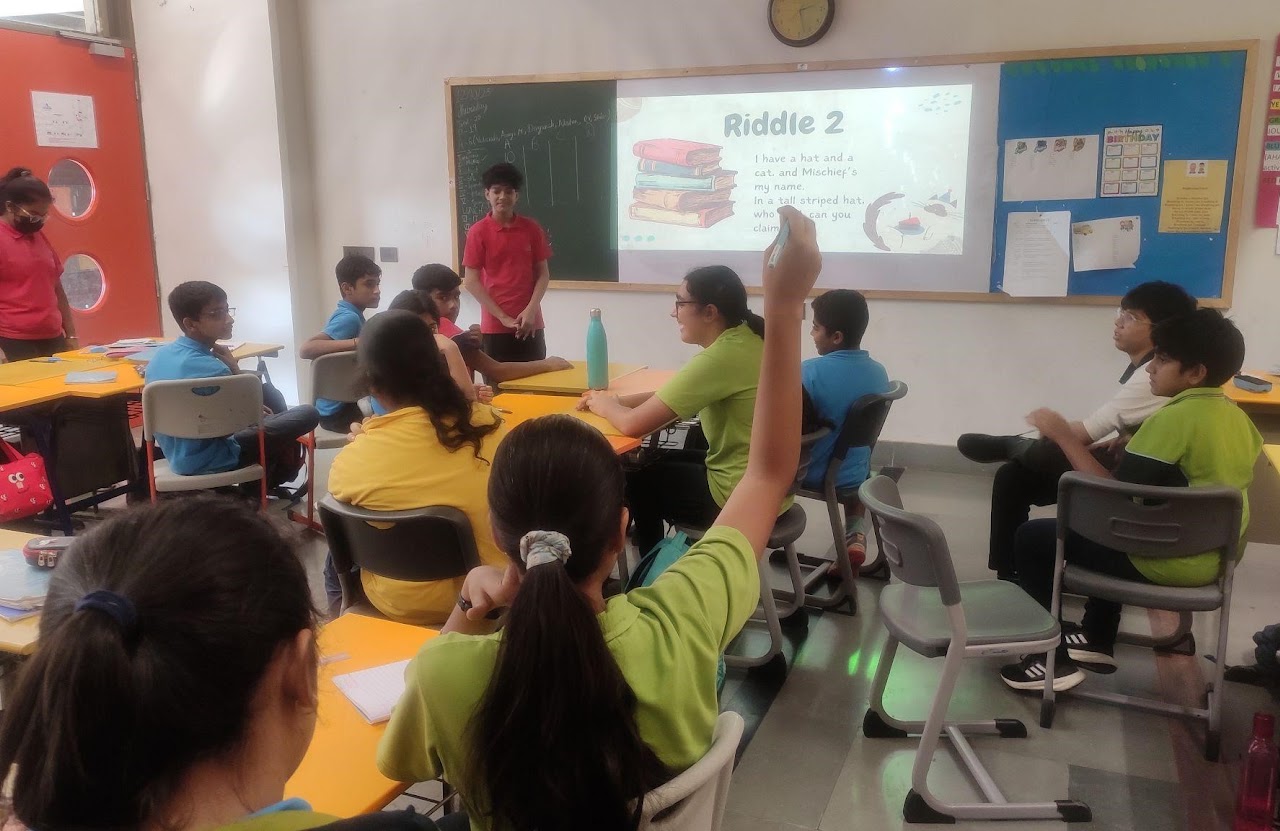
Thrilling Thursday offered a dose of linguistic fun with Tongue Twisters and Literary Riddles, igniting laughter and promoting camaraderie among participants. The Treasure Hunt, specially designed for students of grades 6–9, was a riveting escapade that not only tested their literary knowledge but also emphasized the significance of teamwork and critical thinking.
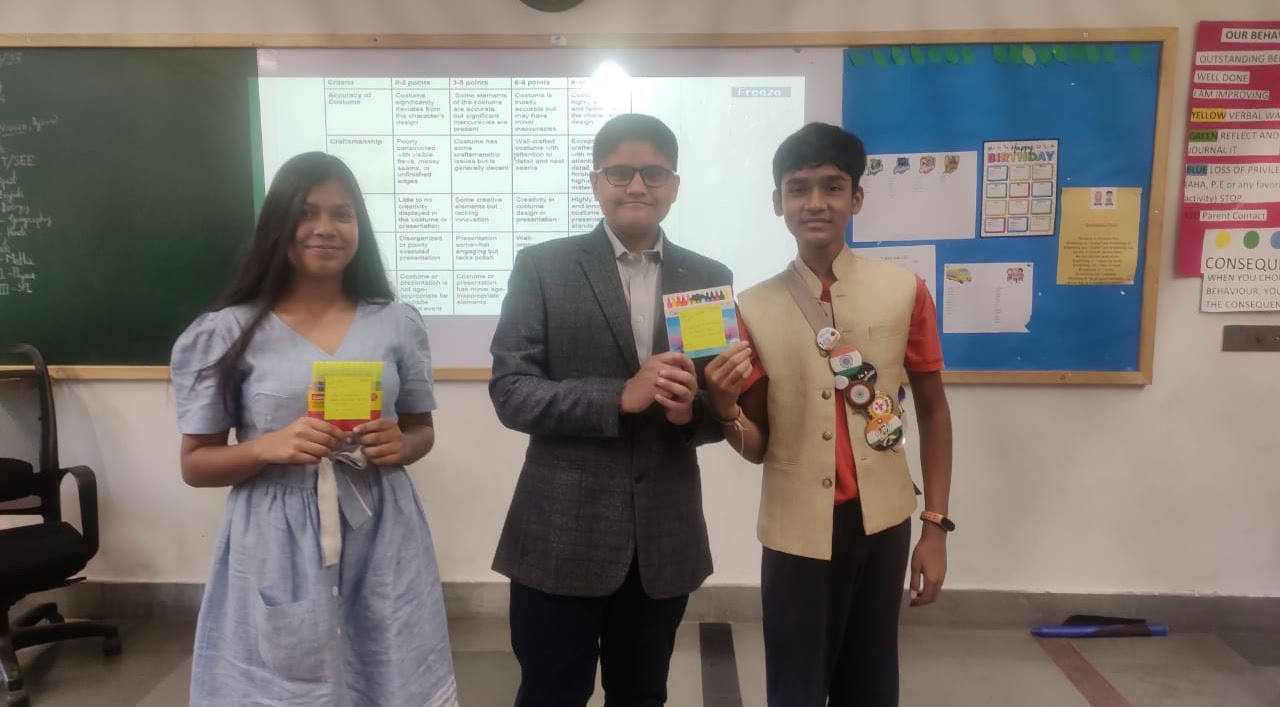
Moreover, the Cosplay Fusion event for grades 6–8 provided a platform for students to embody their beloved literary characters, fostering a deeper connection with literature and encouraging creative exploration. The event celebrated the joy of reading, while also nurturing a spirit of creativity and self-expression among the students, creating an enduring impact on their literary journey.
Faridabad Cambridge IGCSE Grade 10: Remarkable Results!
The First IGCSE Grade 10 batch has shown an outstanding performance.
Our School Topper for the March 2023 series is Kaashvi Dewan with 8A*.
Our top performers also include:
Neeyati Saini with 7A*
Agastya Iyer with 7A*
Rayirth Kundu with 6A* and school topper for 5 subjects.
The school average is 85% with 76% of the cumulative grades being A or A* on a scale of A* to G
No child scored below C in any subject for the required 7 subjects.
Of the 14 students who appeared for the exam:
· 7 students studied 8 different subjects each,
· 7 students studied 9 different subjects each
All our students qualify for the Cambridge ICE award with Merit (C or above in minimum 5 subjects) or better.
12 of these qualified with a distinction ( A or above in minimum 5 subjects)
The goal of our school is certainly academic excellence but it’s not the only goal. The vision is to build in our students the universal values and timeless qualities of Resilience, Integrity, Commitment, Kindness, Gratitude, Respect and more, built only through lived experiences and impressions of a Shiv Nadar School life.
If our students remain Lifelong Learners and carry a sense of joy in everything they do, we believe our vision is translated in each one of them.
A school that rests on the tenets of Diversity, Equity and Inclusion and opens a world of possibilities for all children to become the best version of themselves. We know how to balance multiple boards and the equilibrium between IB, IGCSE and CBSE is key to learning and skill building in our school.