


Children’s Day 2025: A Day Filled with Joy, Creativity, and Community Spirit


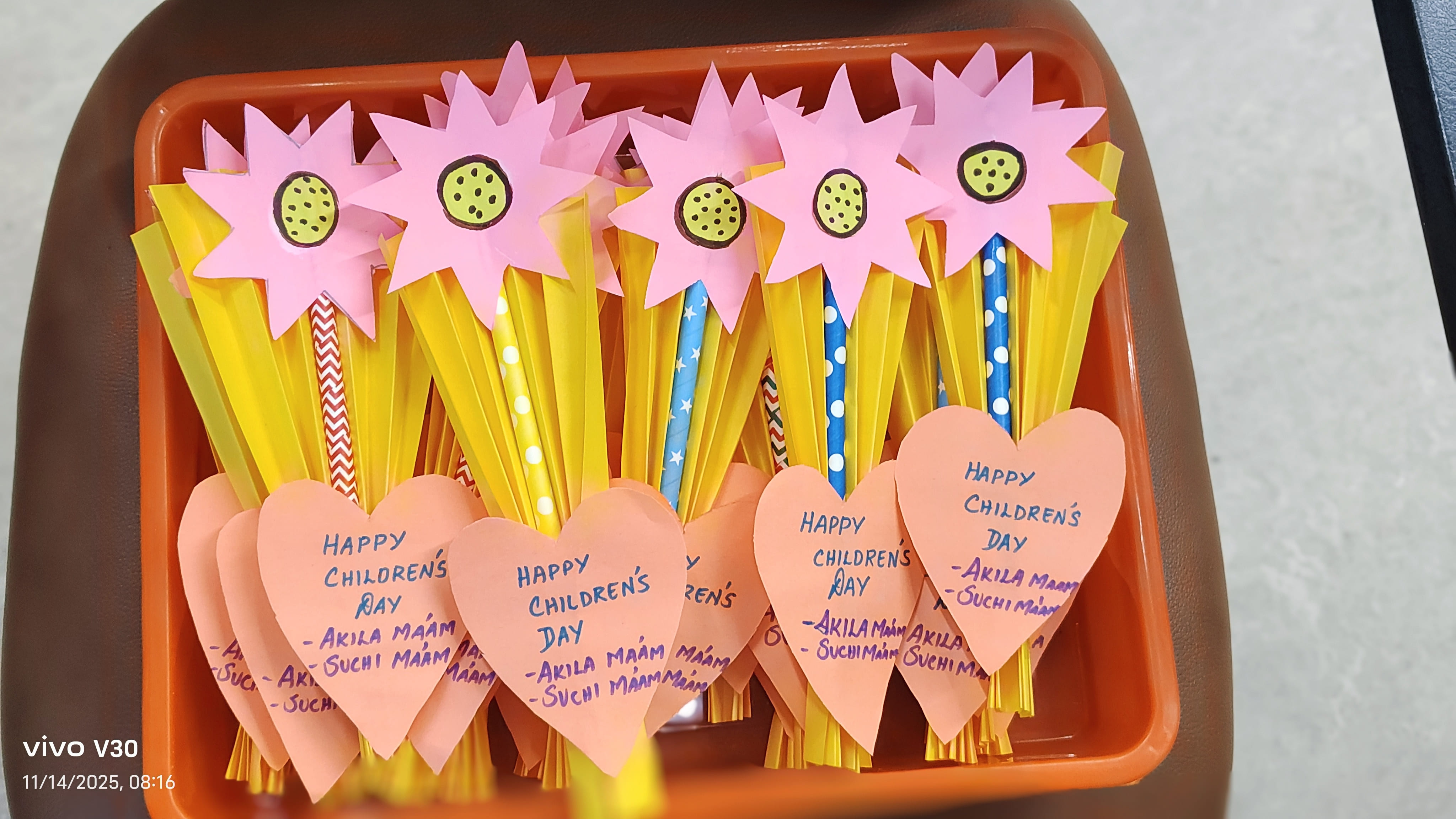
Children’s Day at our school was nothing short of spectacular, filled with the perfect blend of creativity, collaboration, and pure childhood joy. This year, our teachers and parent community came together to create an unforgettable experience for our learners — and in the process, became children themselves for a day!

Teachers Take the Stage

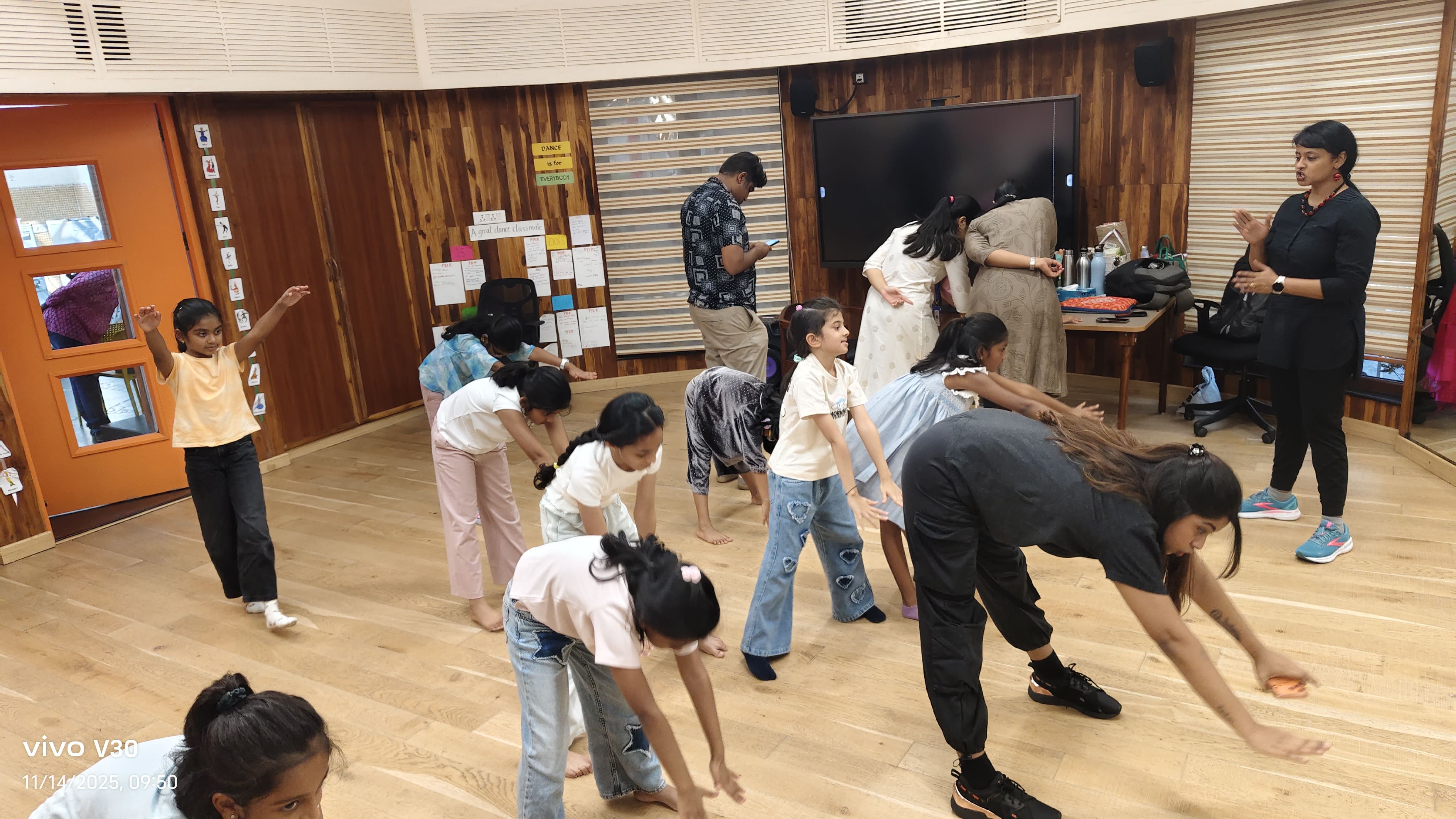
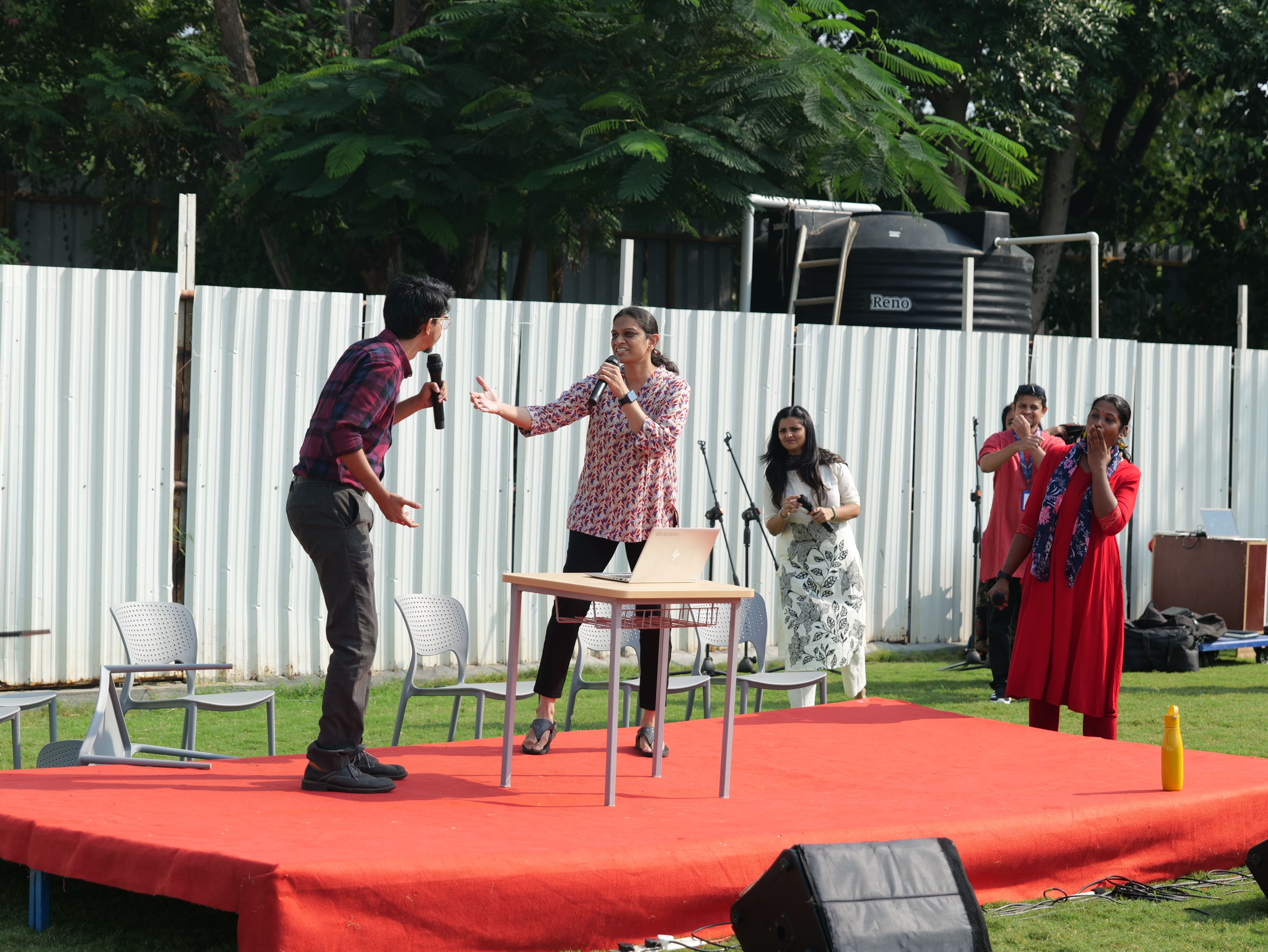
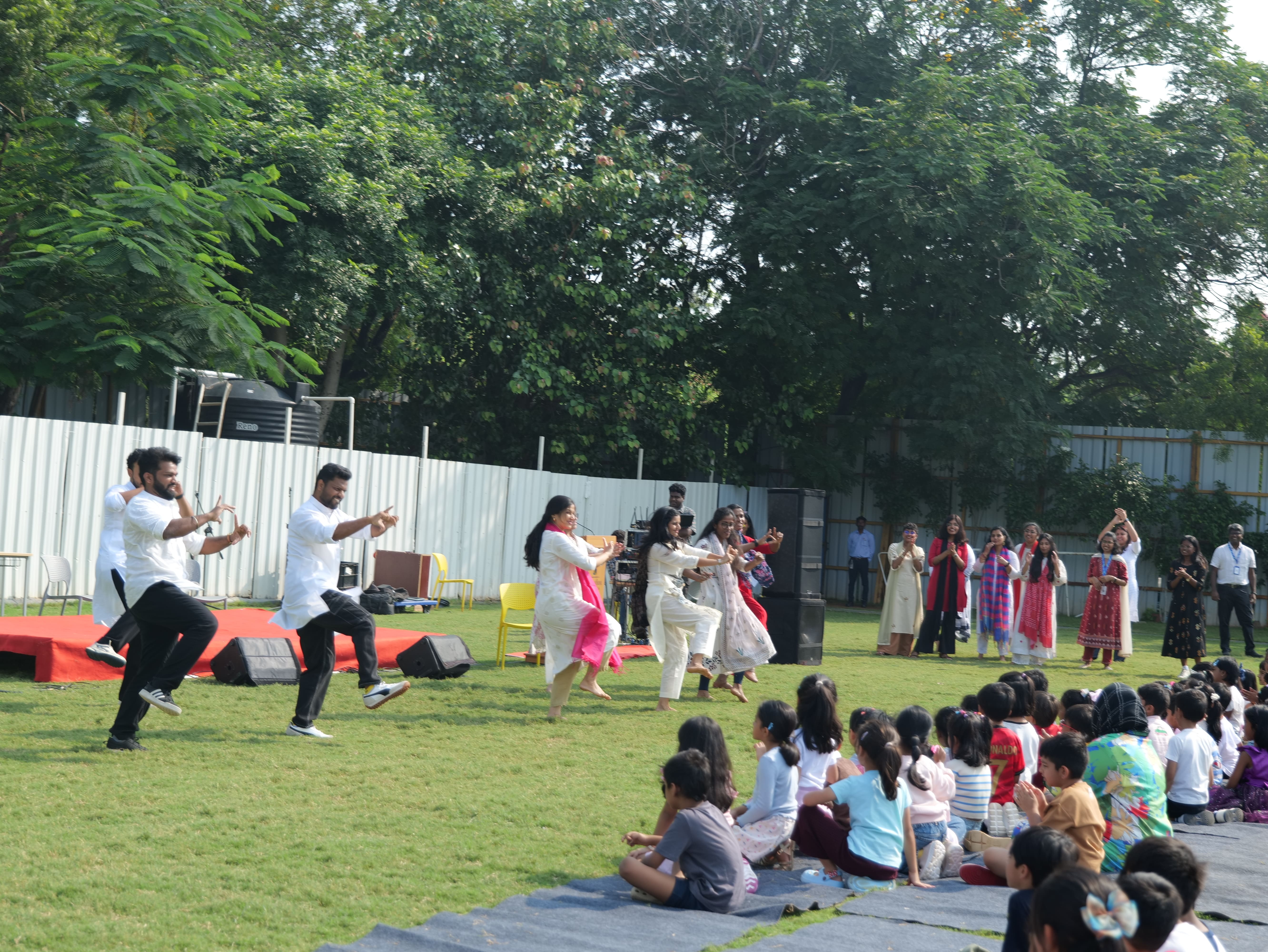
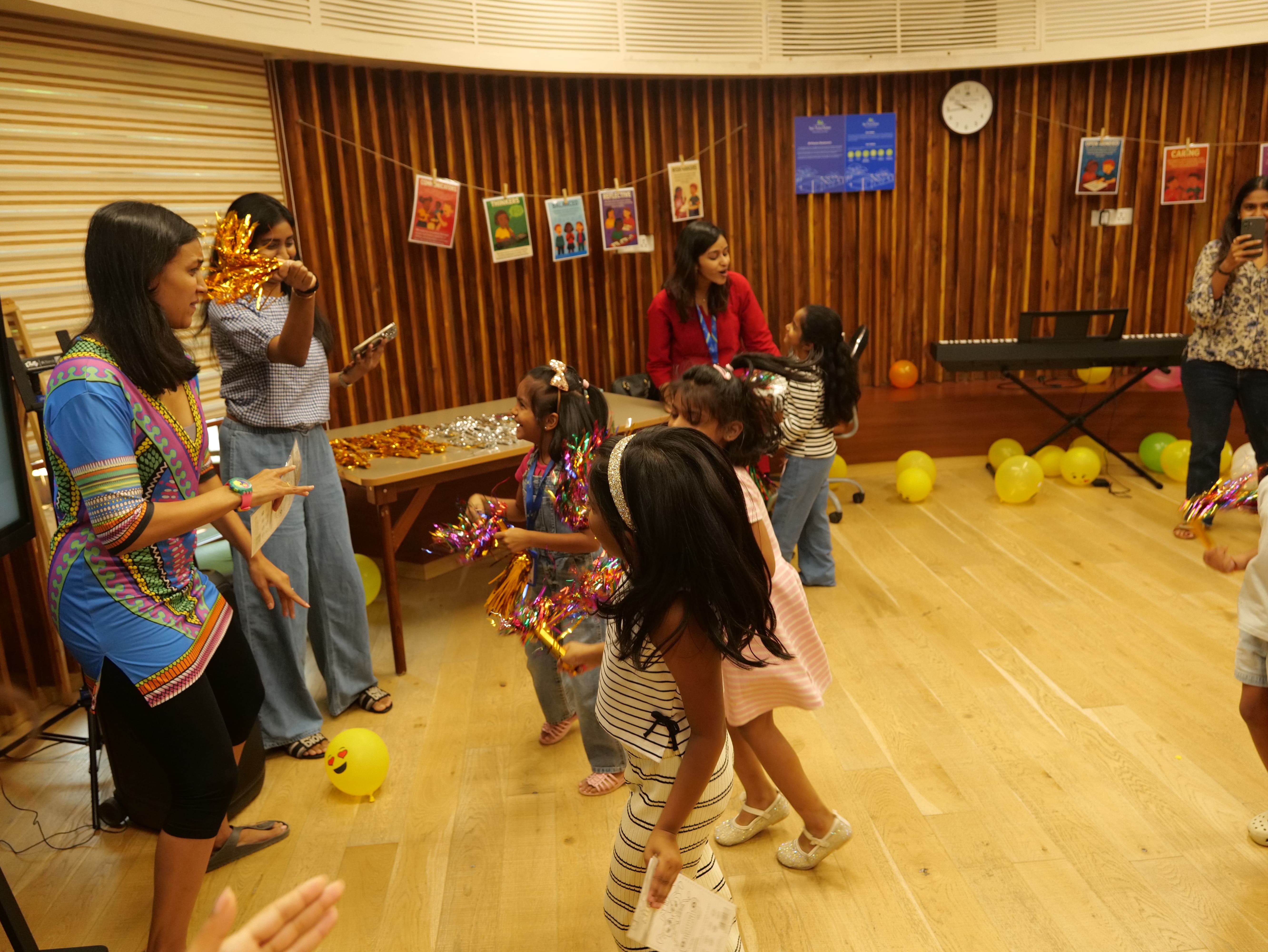
The celebrations began with our teachers putting together a delightful dance performance and skit especially for the students. Bursting with humour, energy, and heart, the performance set the tone for a day dedicated entirely to celebrating childhood.

A Fete to Remember — Curated by Parents

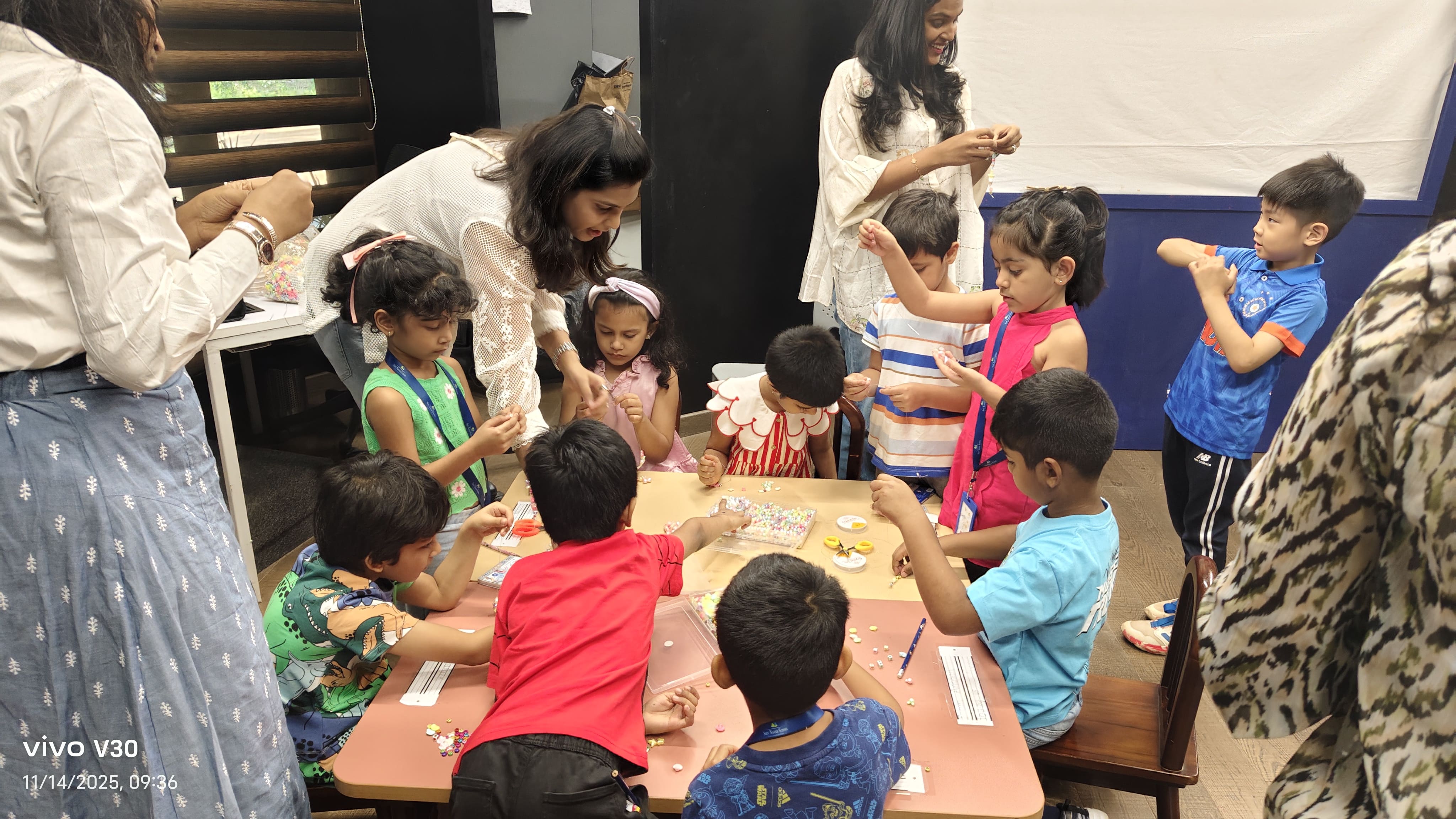
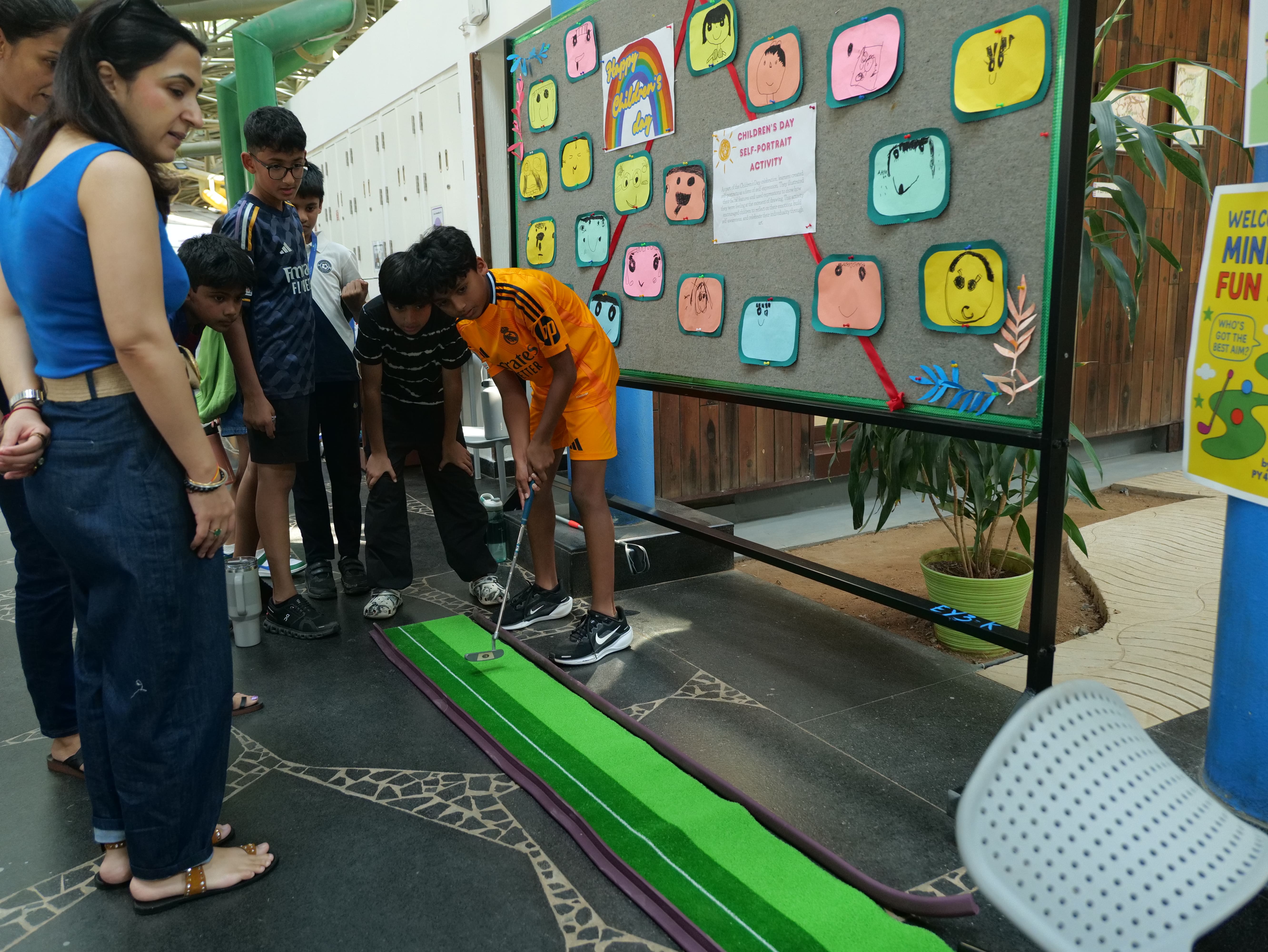
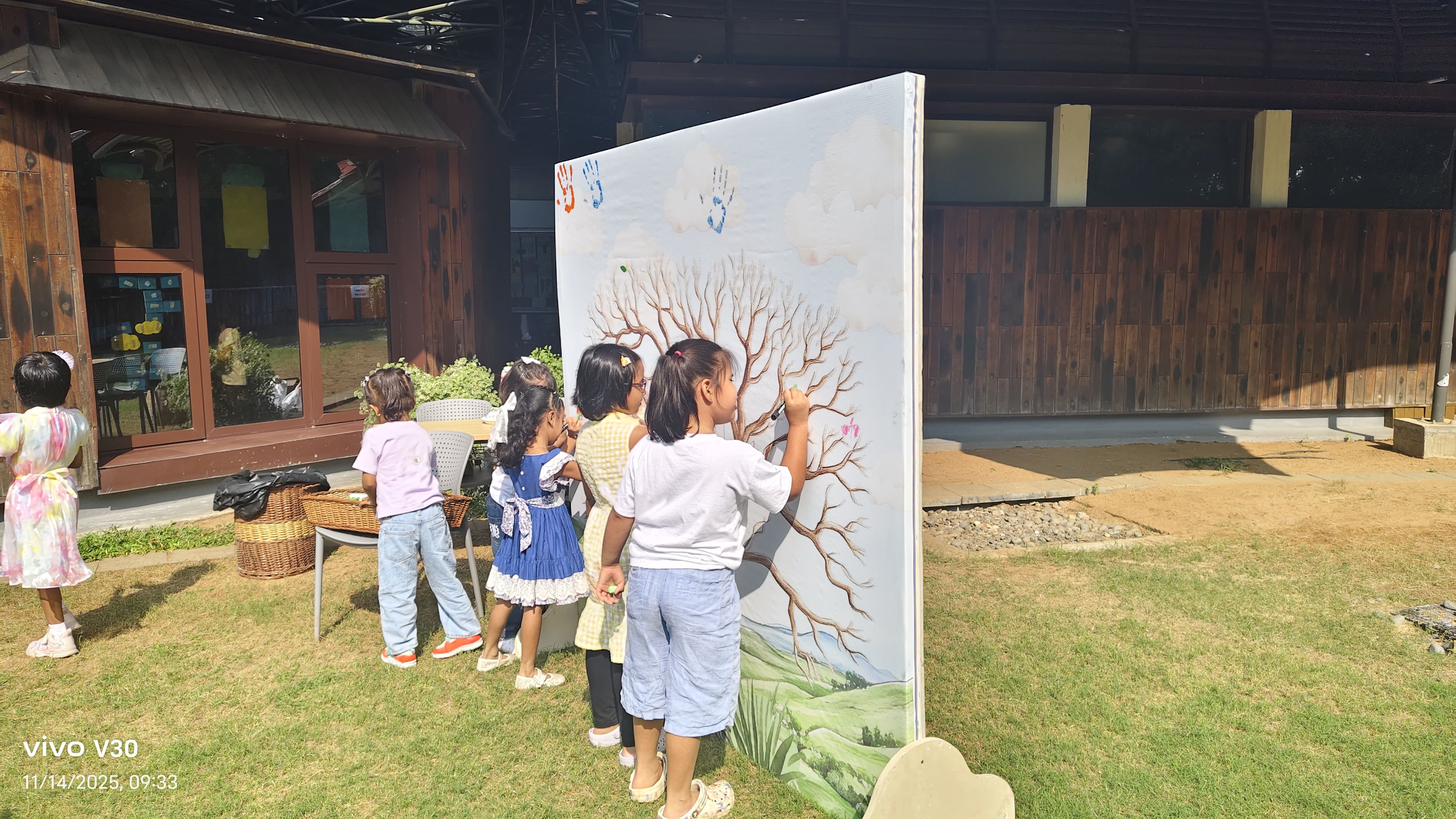
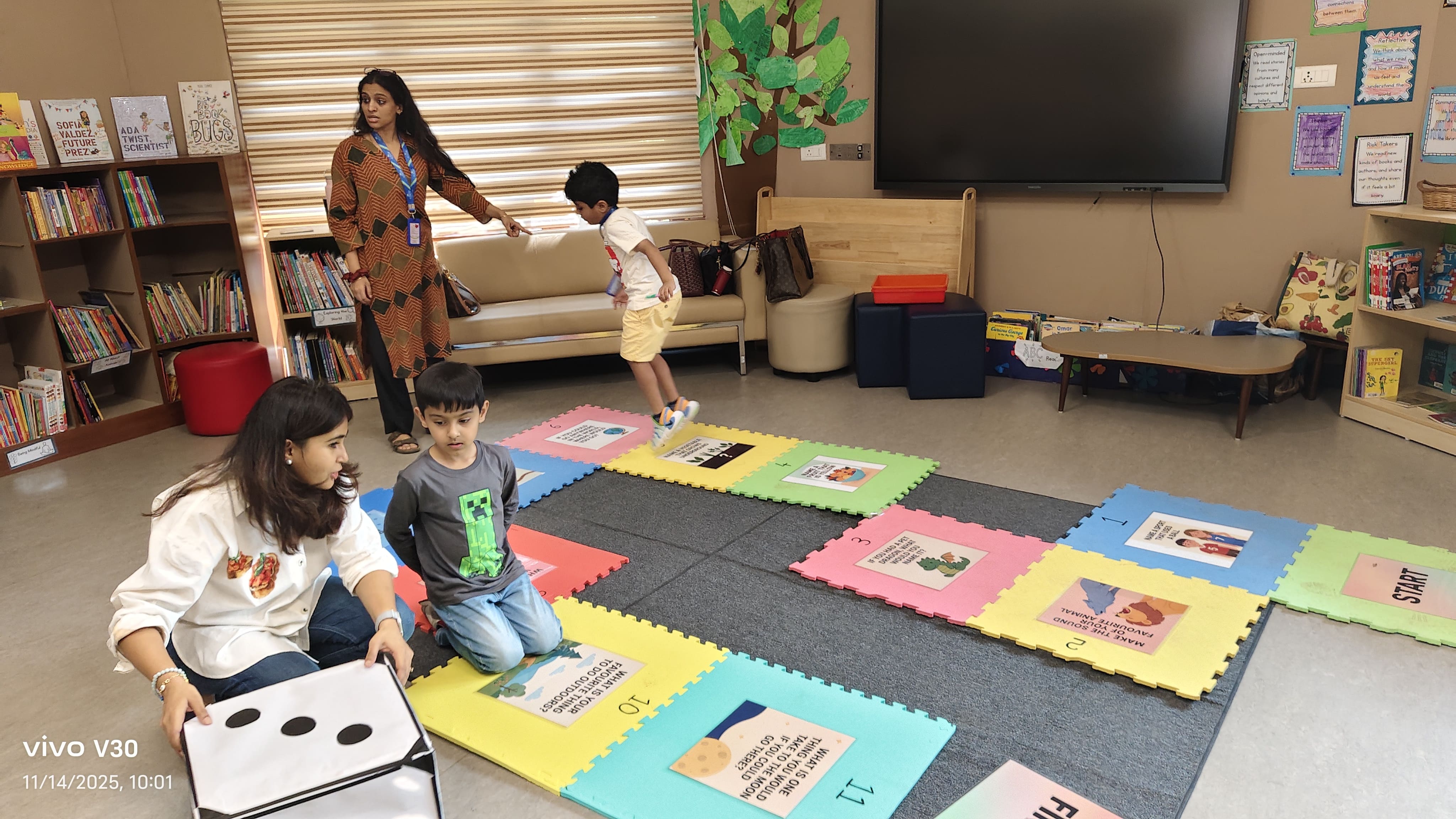
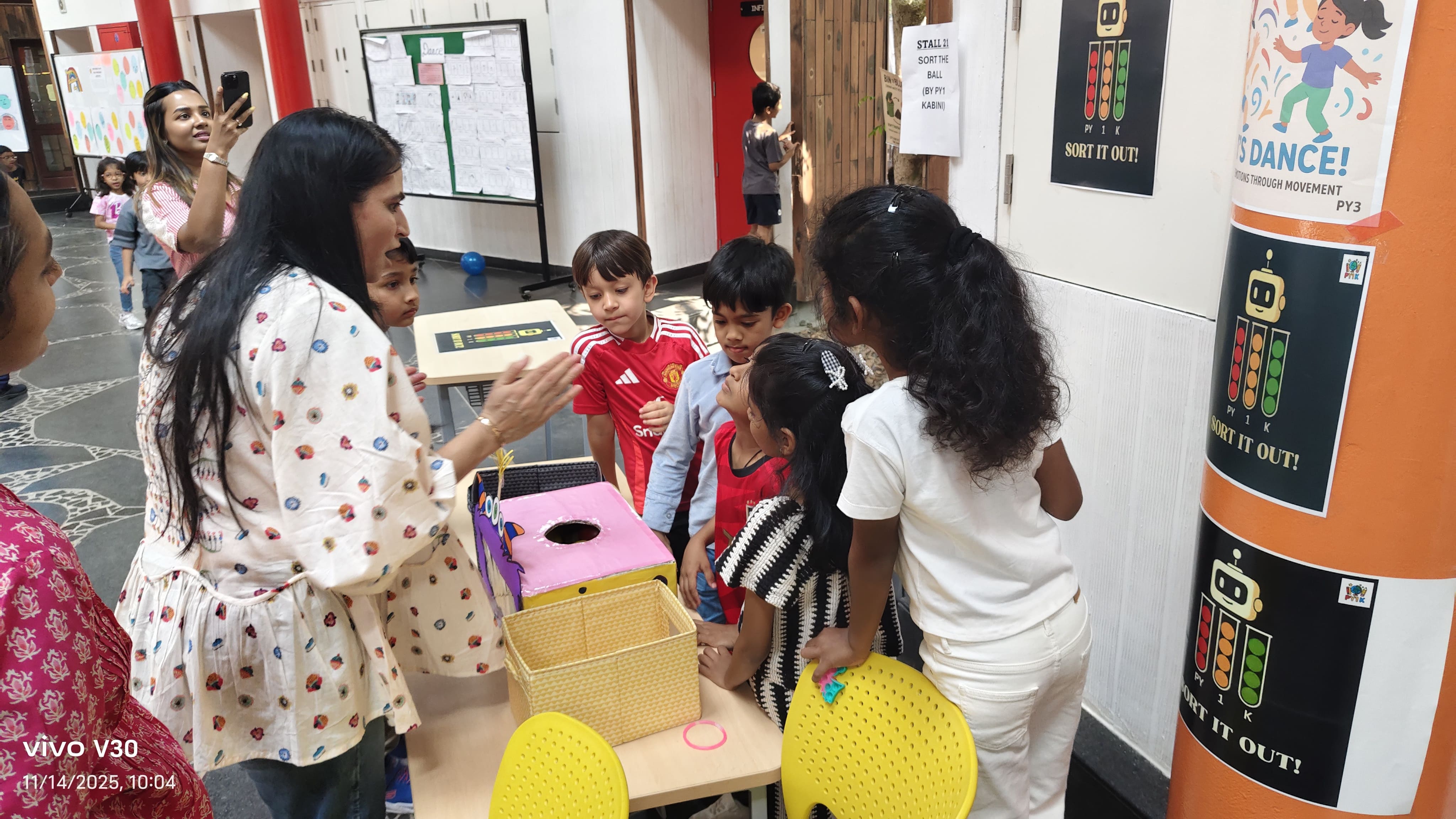
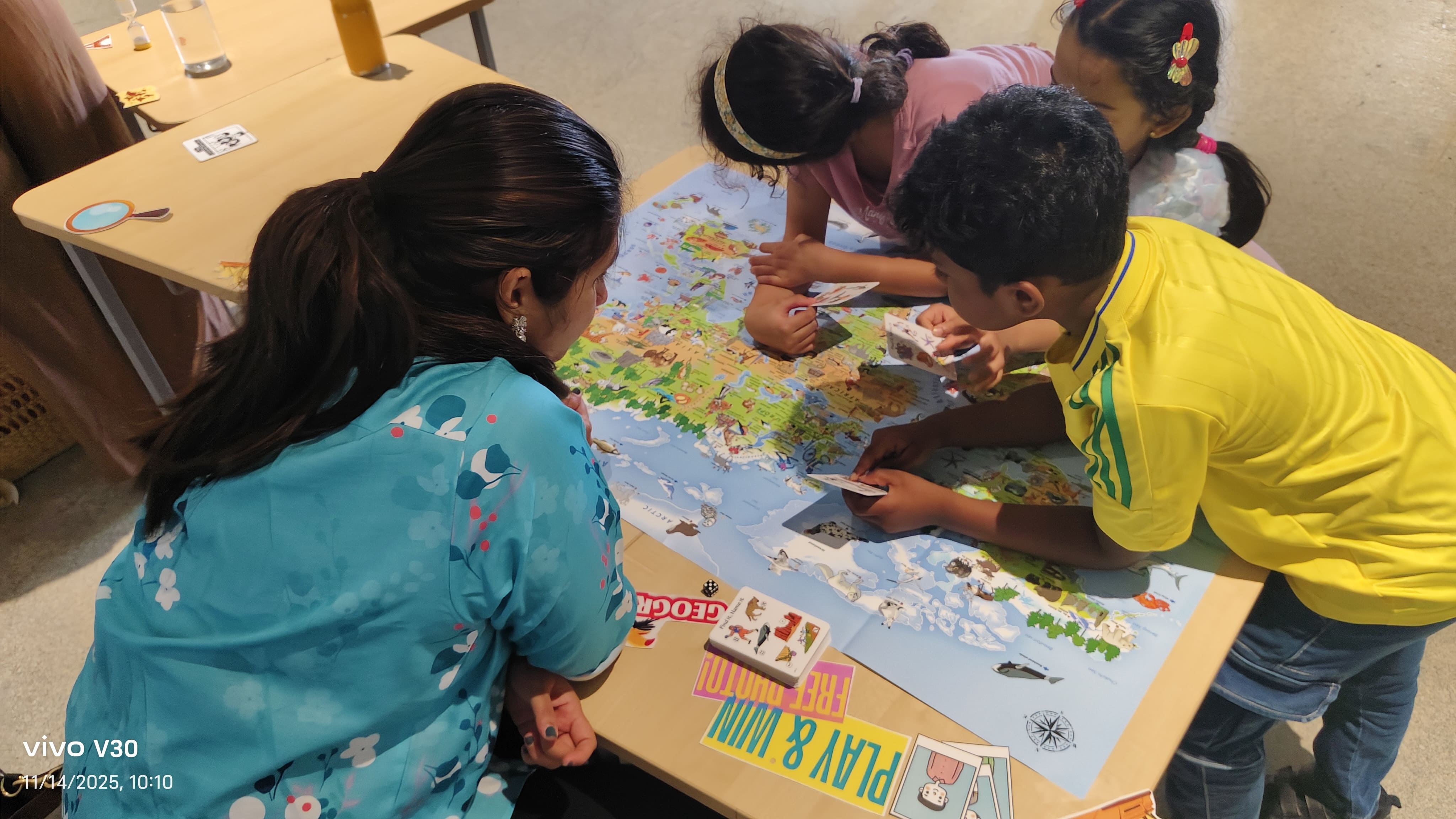
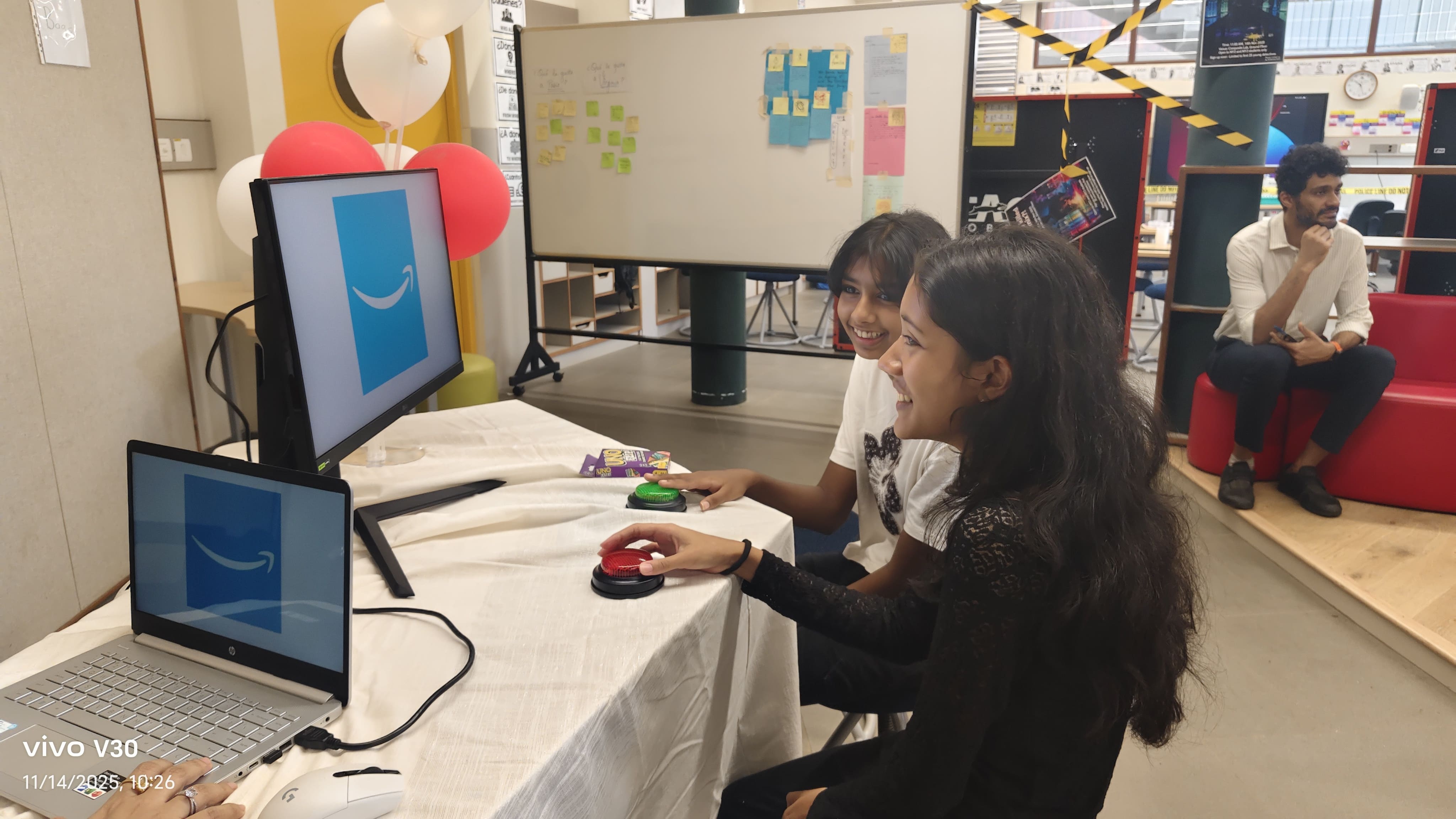
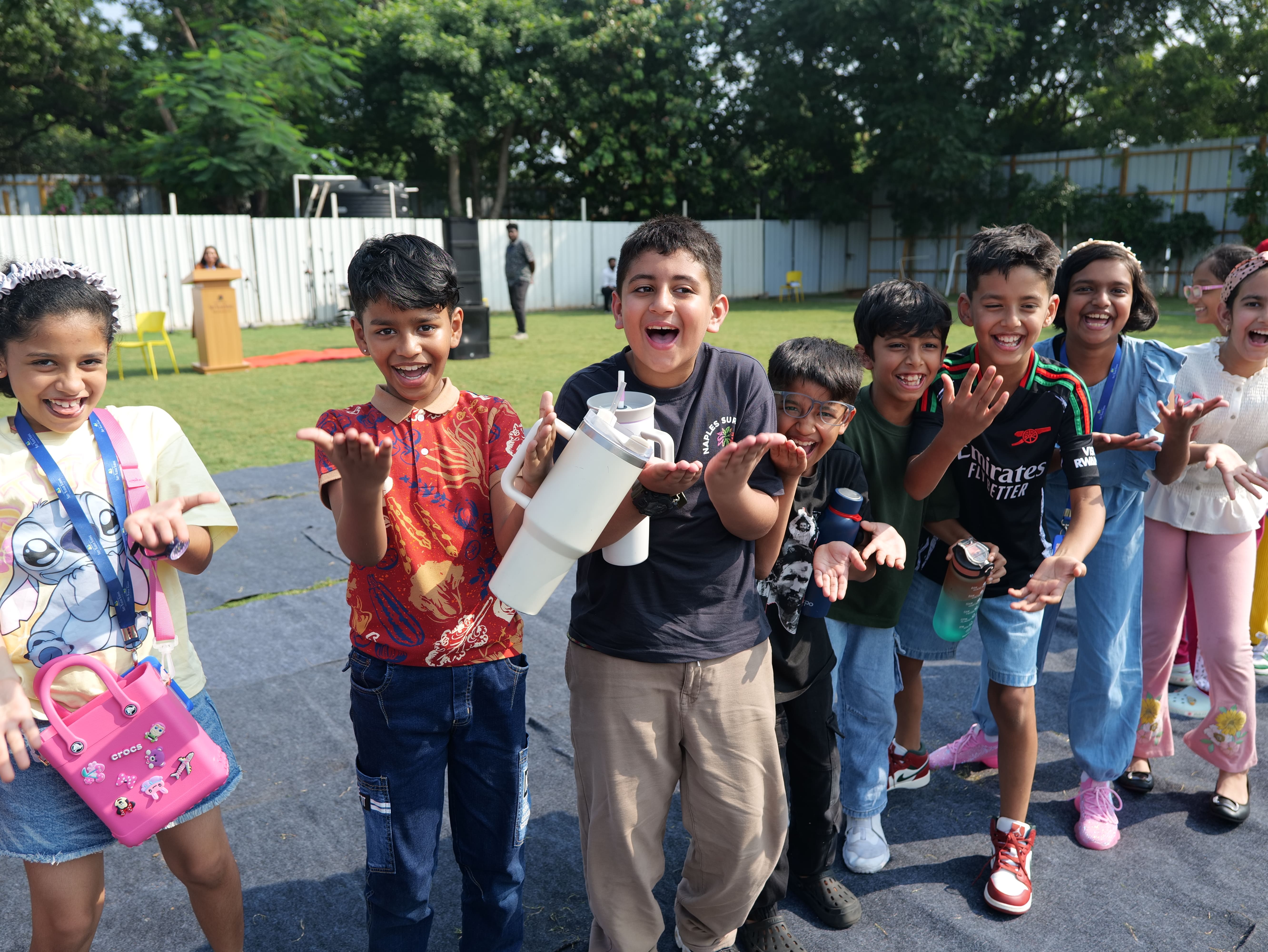
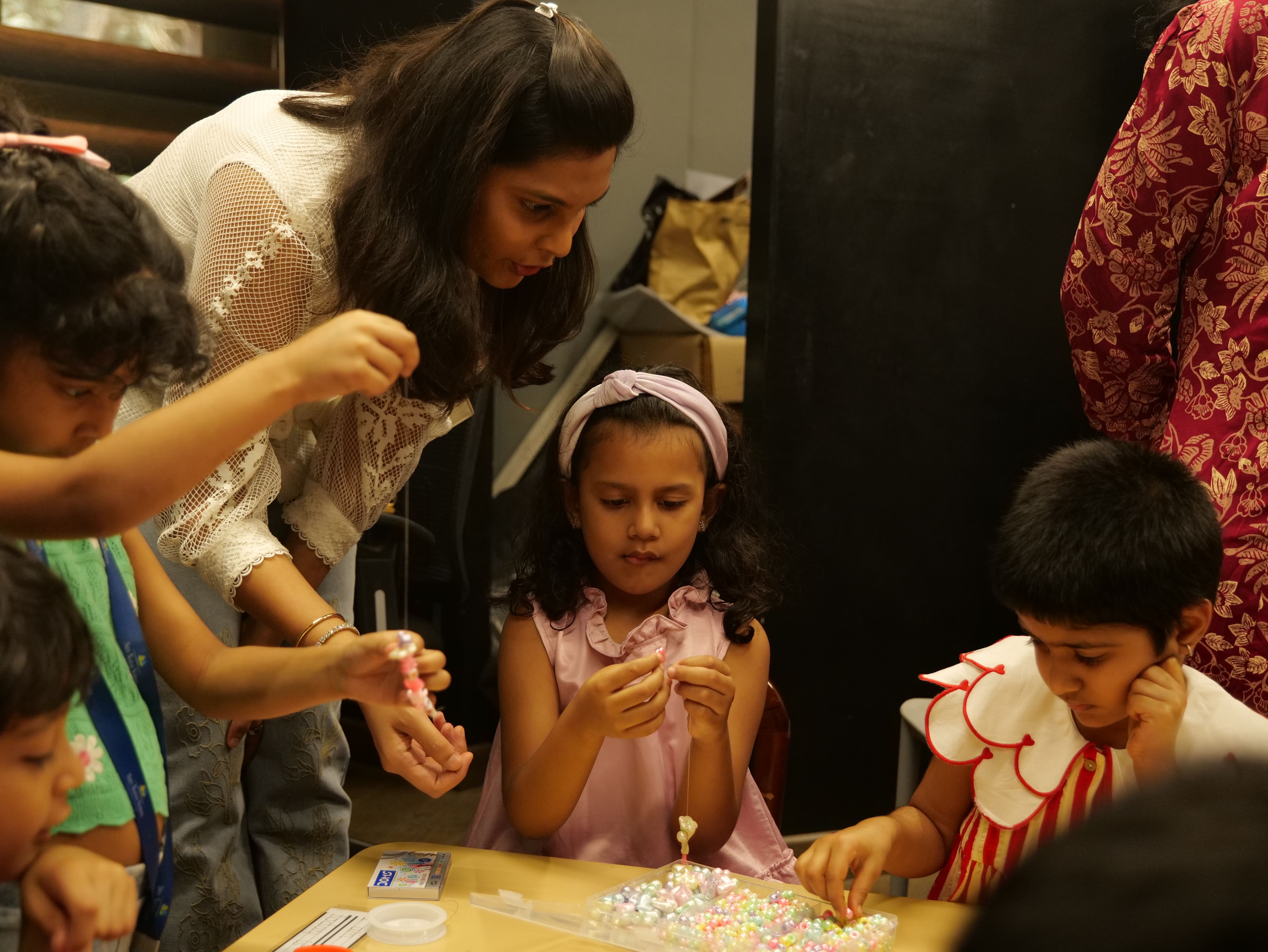
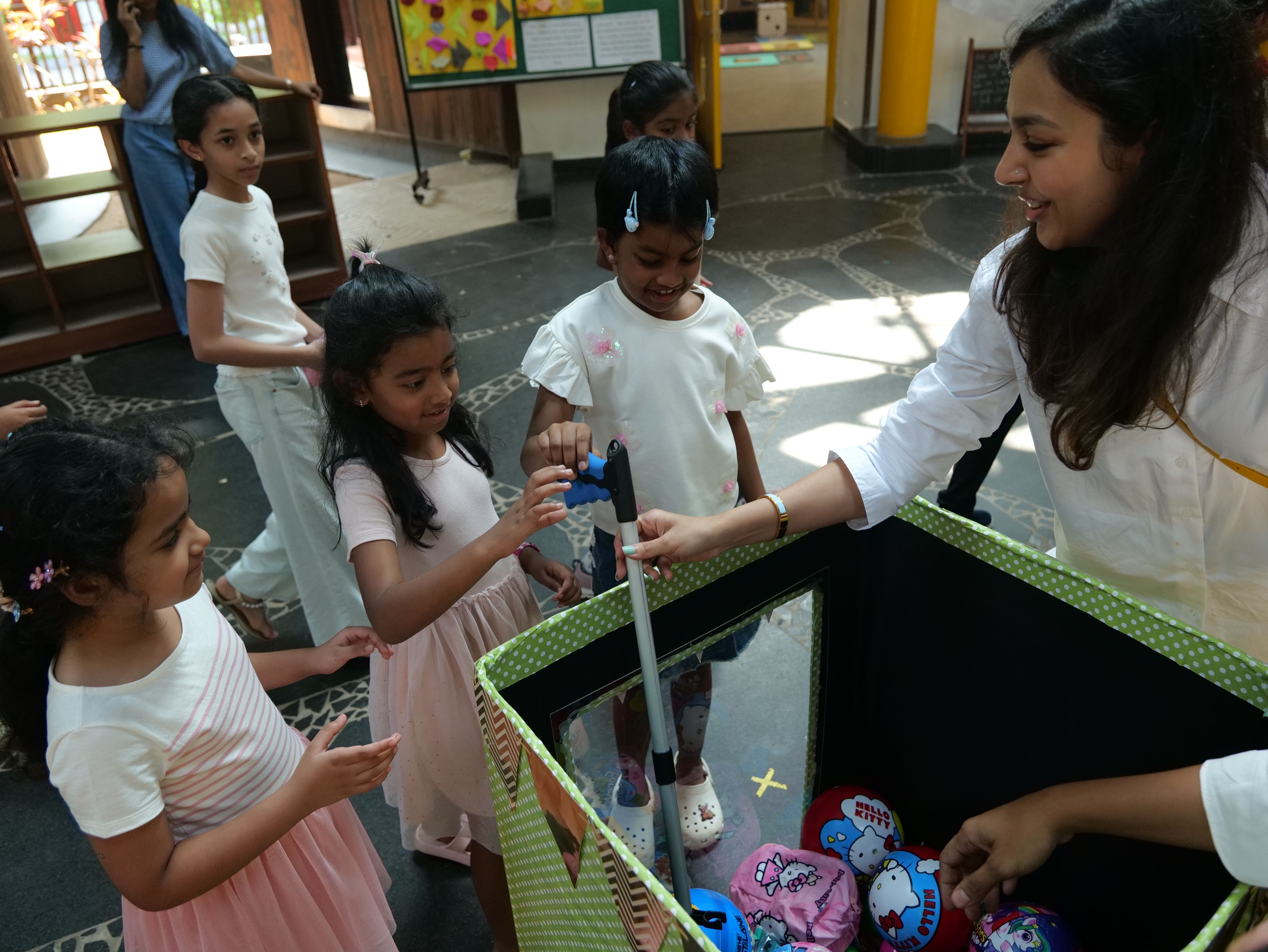
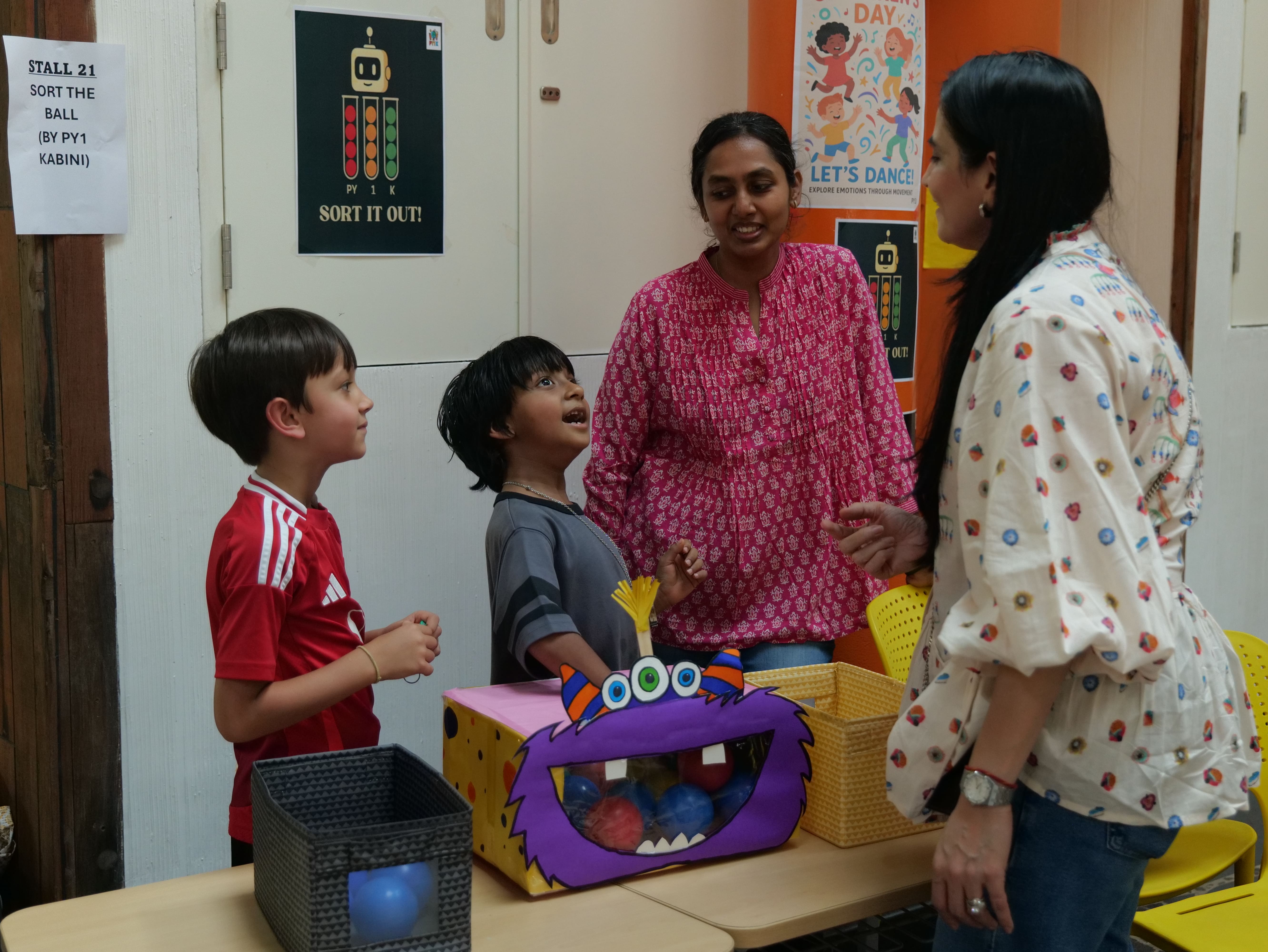
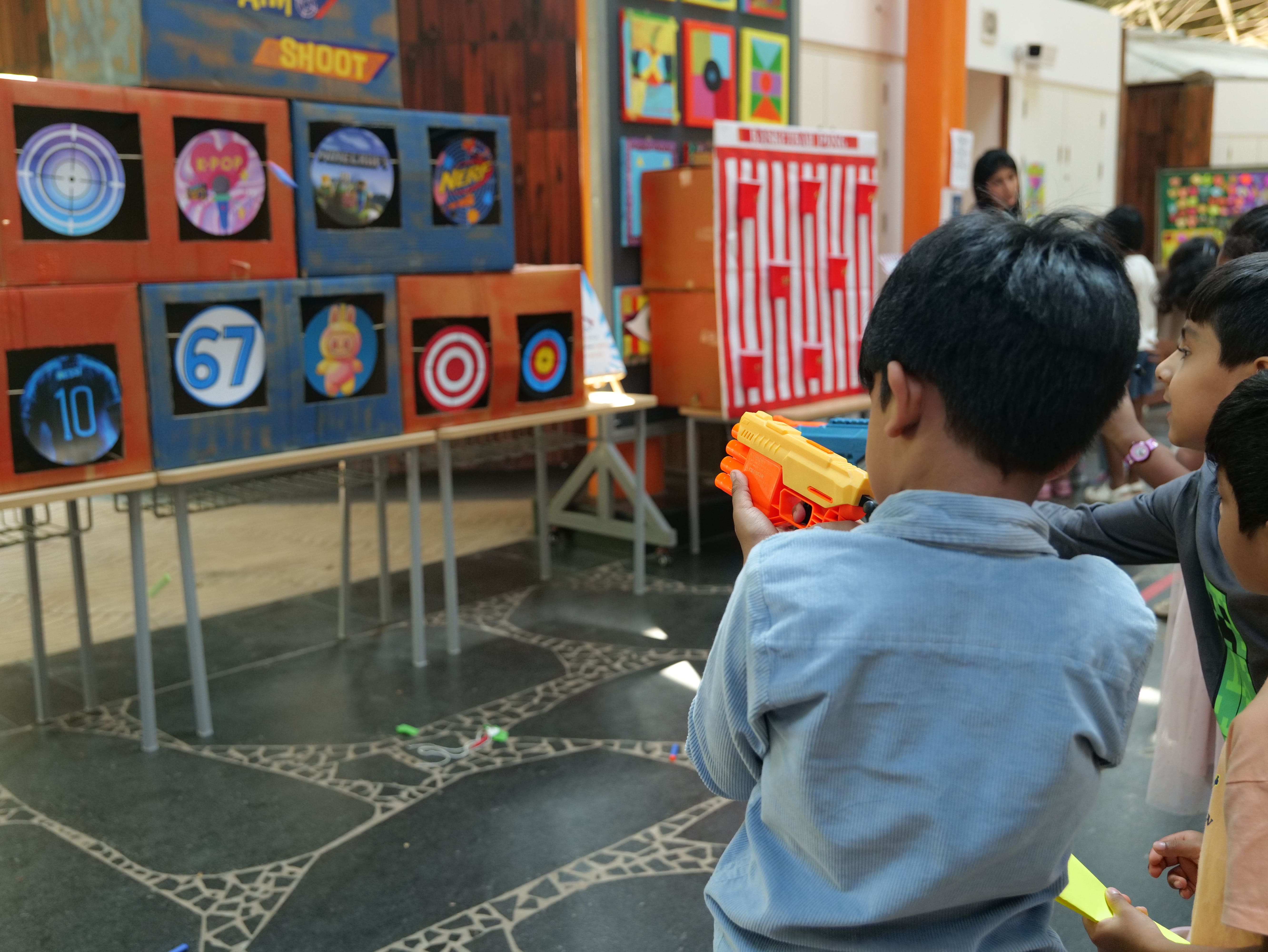
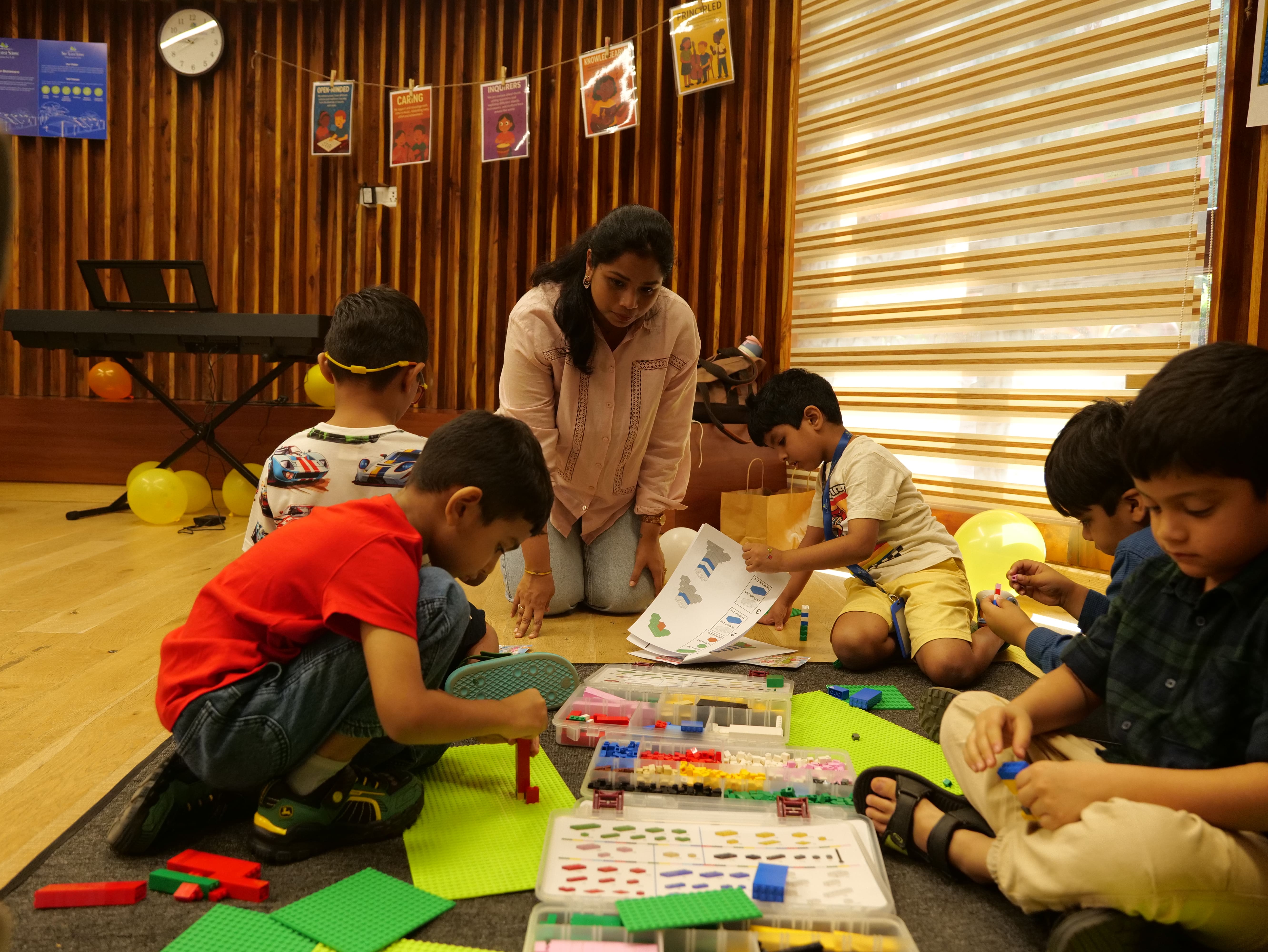
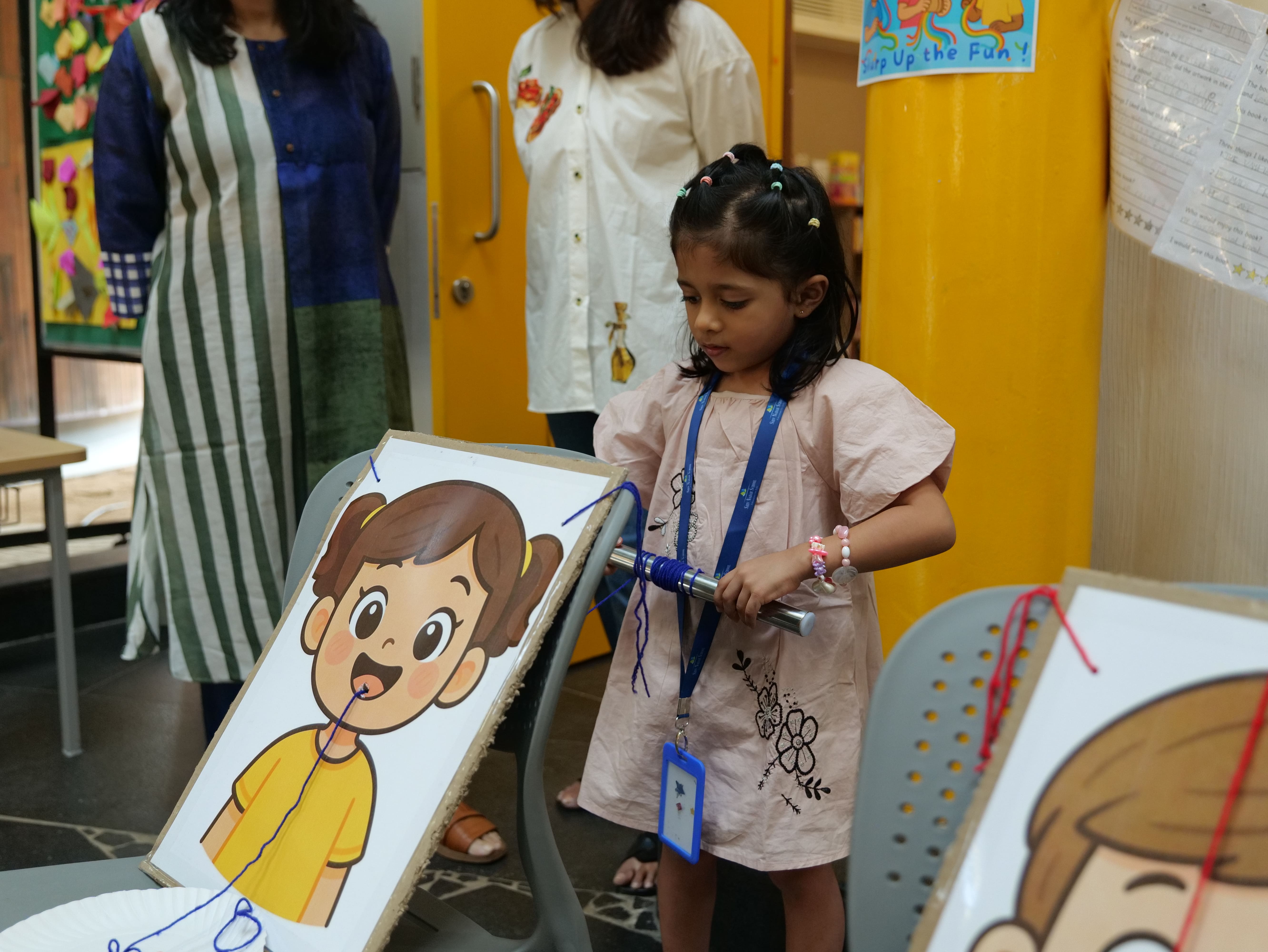
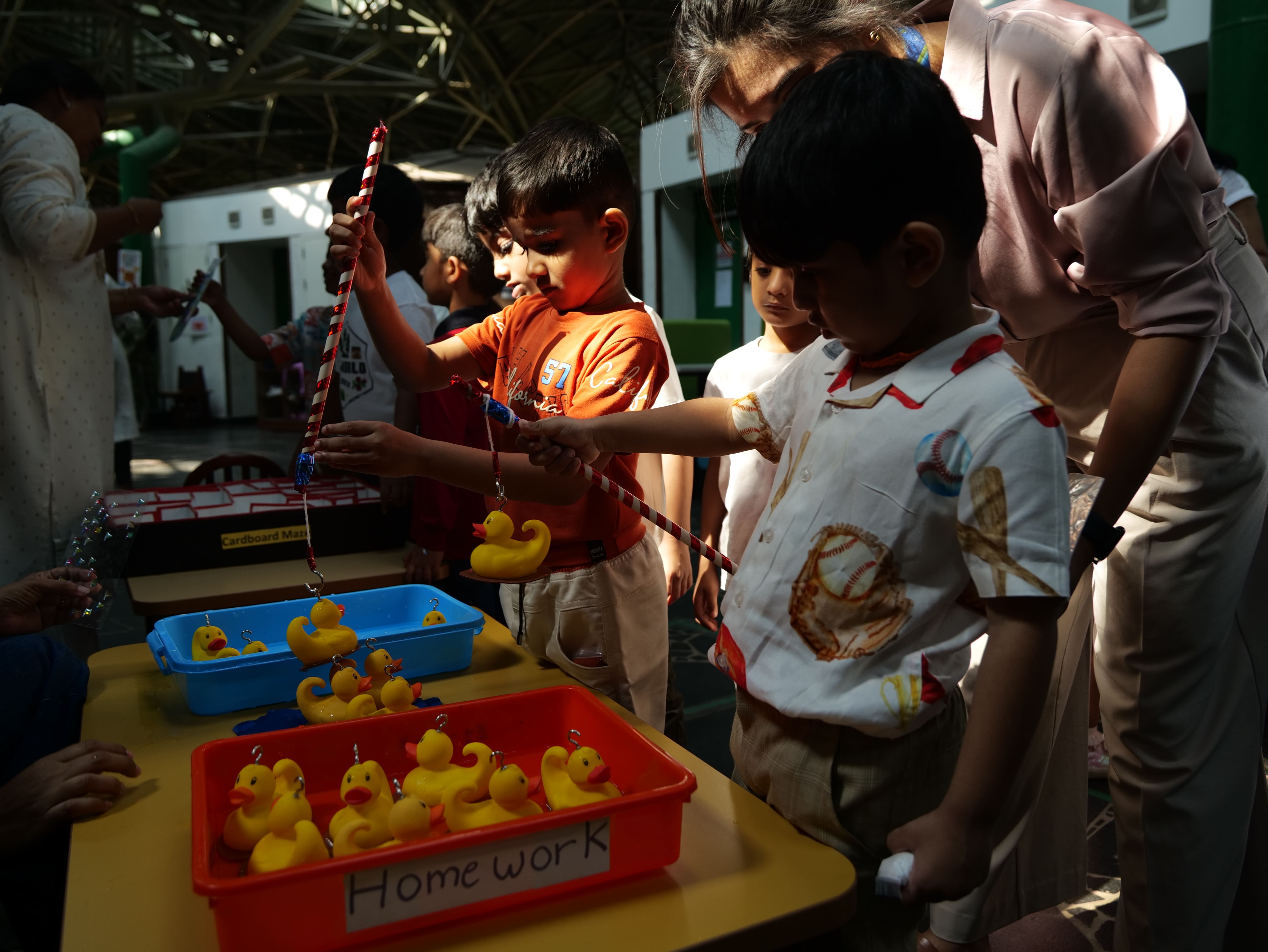
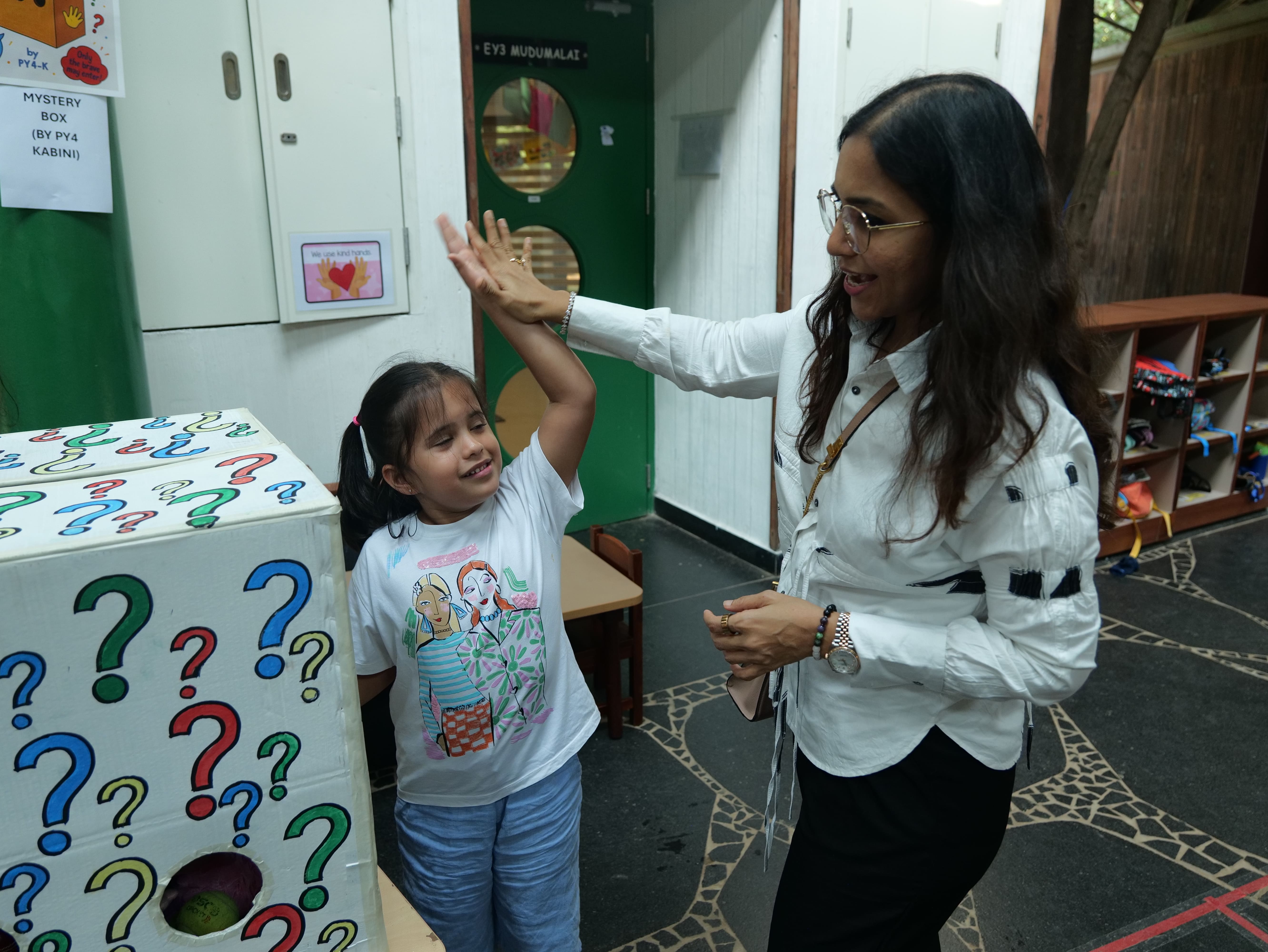
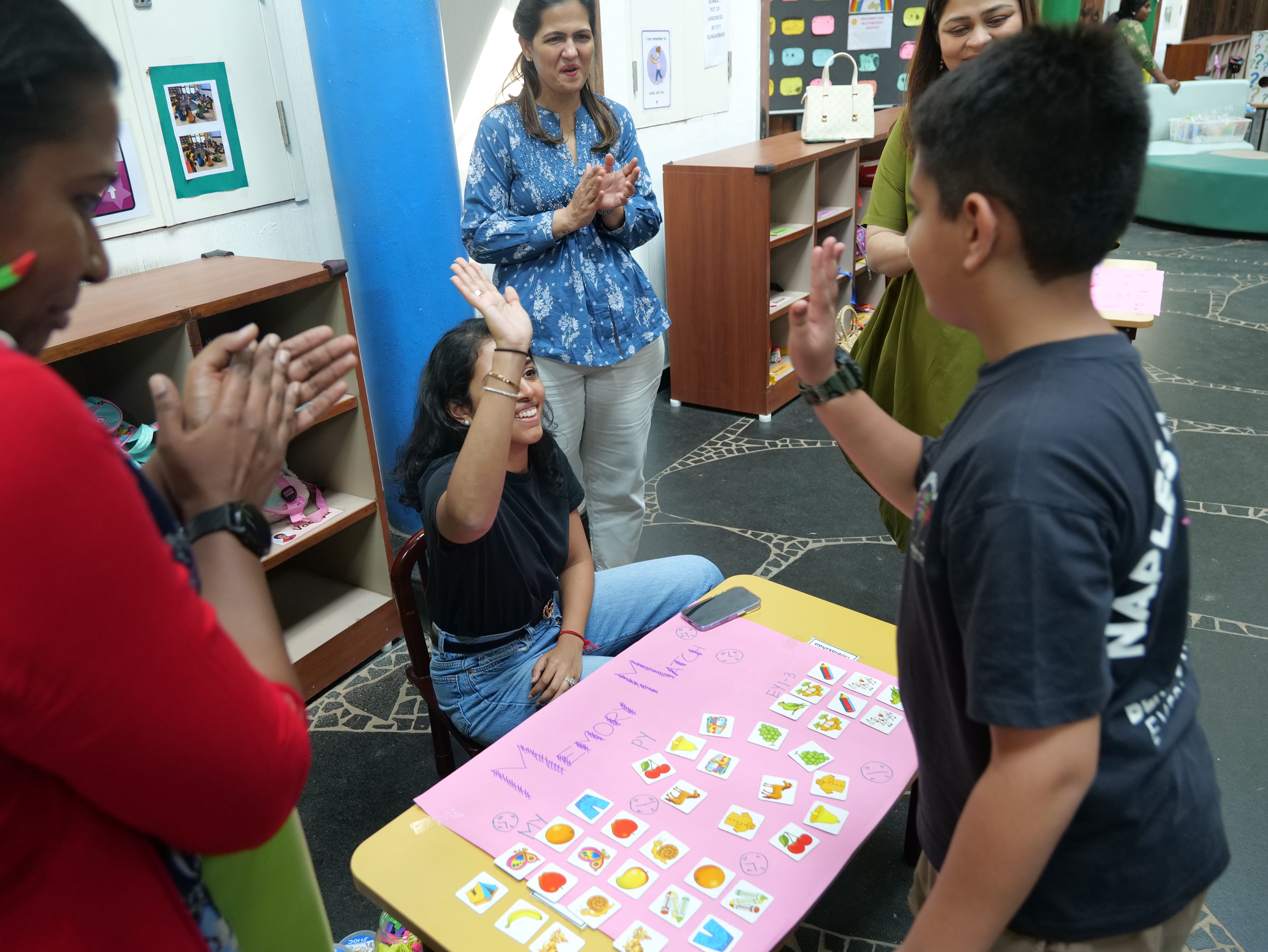
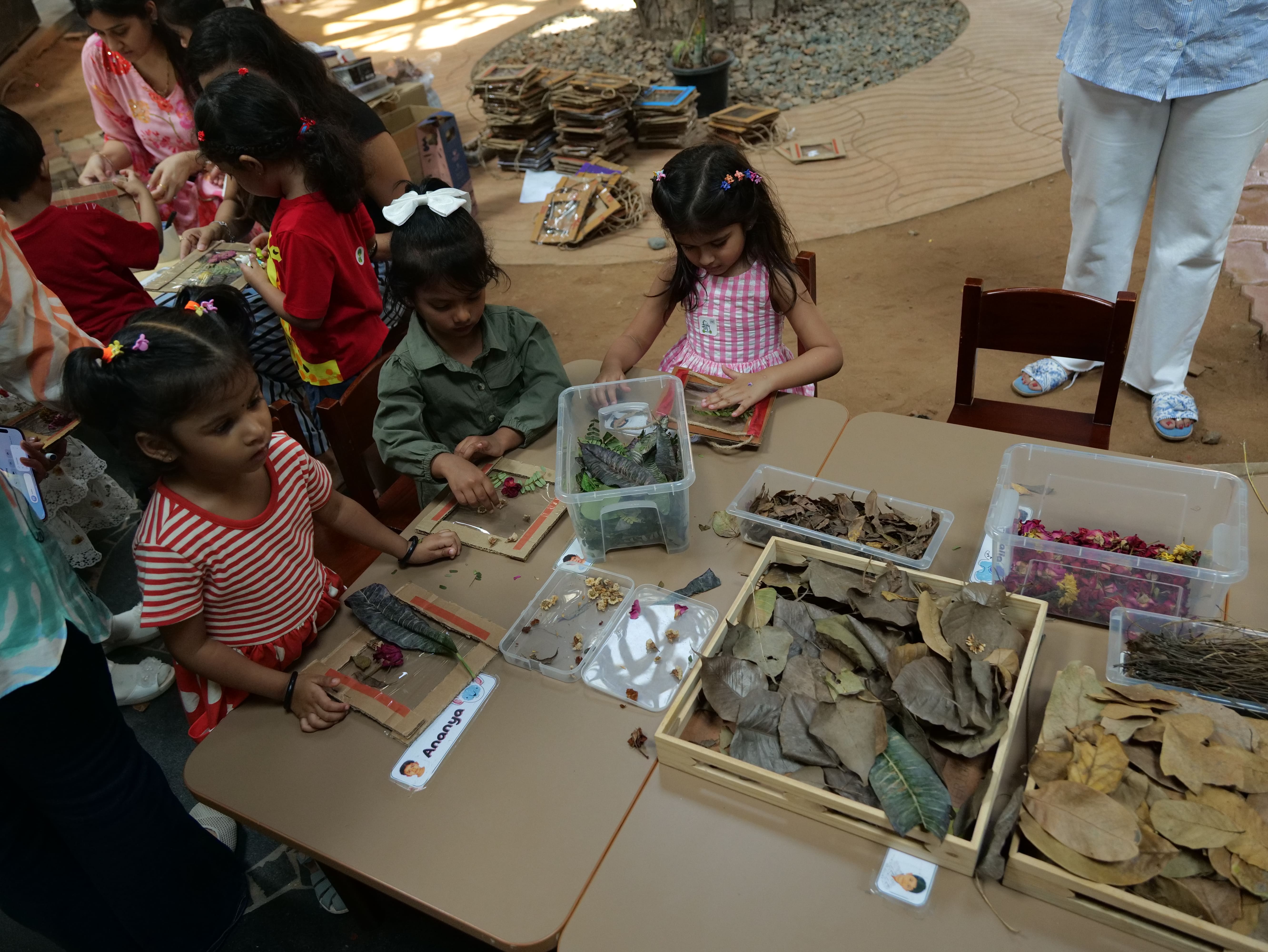
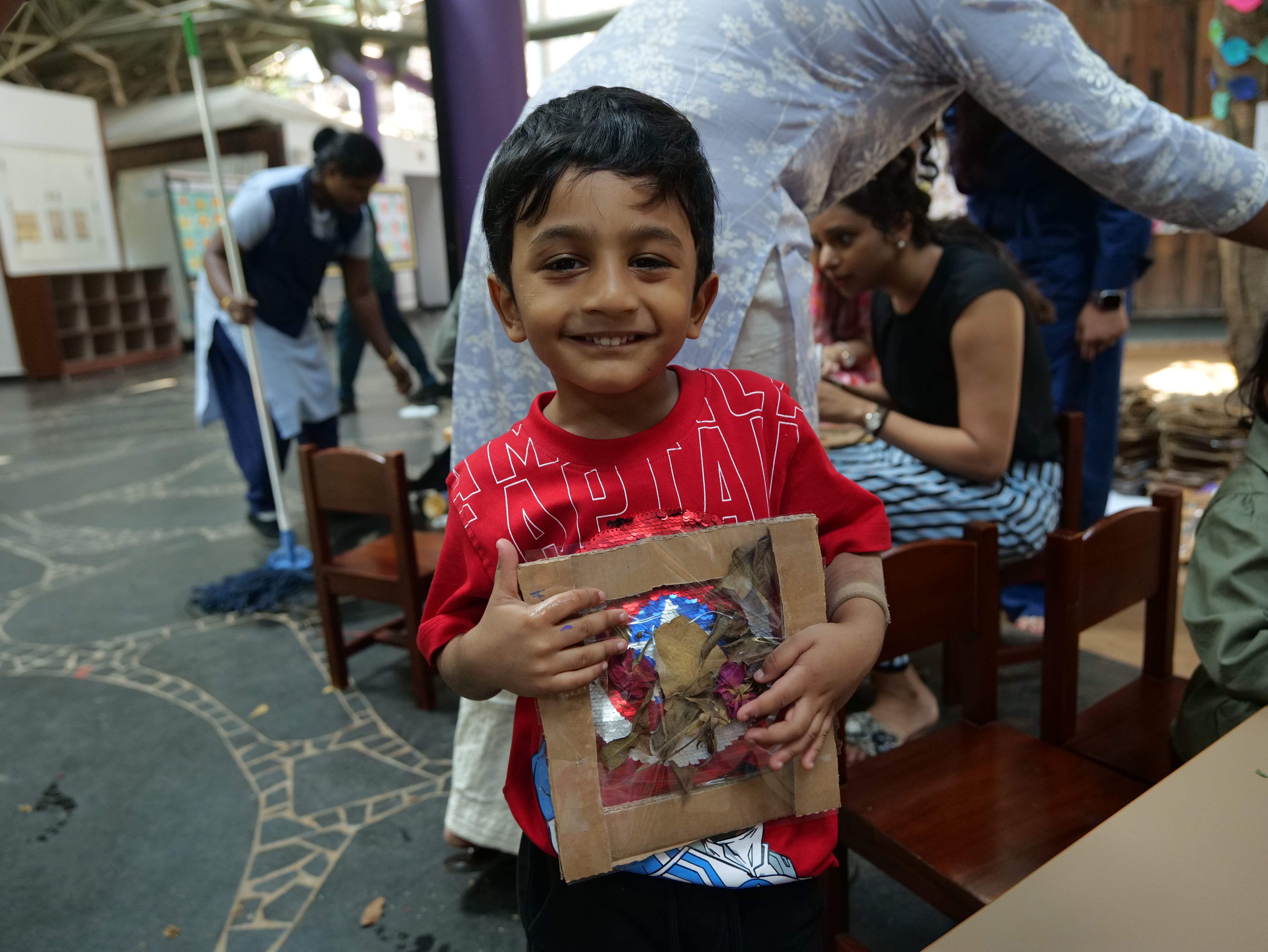
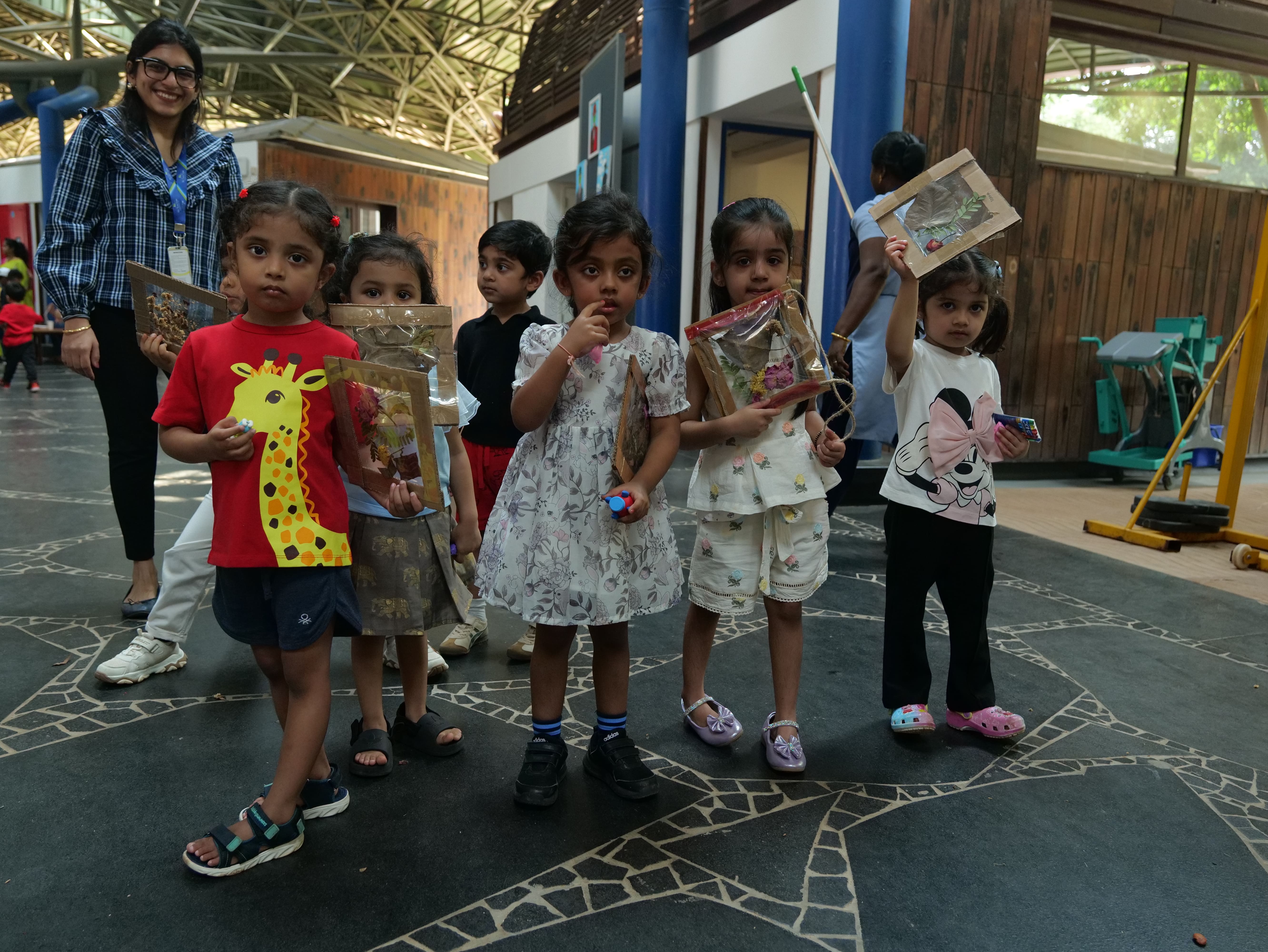
Our incredible parent community transformed the school into a vibrant Children’s Day Fete, complete with game stalls, workshops, and hands-on experiences. The campus buzzed with excitement as students explored a curated mix of classic and innovative activities.  Students excitedly moved from one activity to another, playing classic games such as Tambola, Shoot the Target, Ring Toss, and even the traditional Spin the Top. They also immersed themselves in high-energy experiences like obstacle courses, buzz wire challenges, and the ever-popular mystery box. Creative corners drew enthusiastic crowds with jewellery making, bookmark making and dance sessions that kept spirits high throughout the day.

Adding to the excitement was the signature workshop and a thrilling Math and Chemistry–themed Murder Mystery experience, where students used logic, clues, and teamwork to solve cleverly designed puzzles!

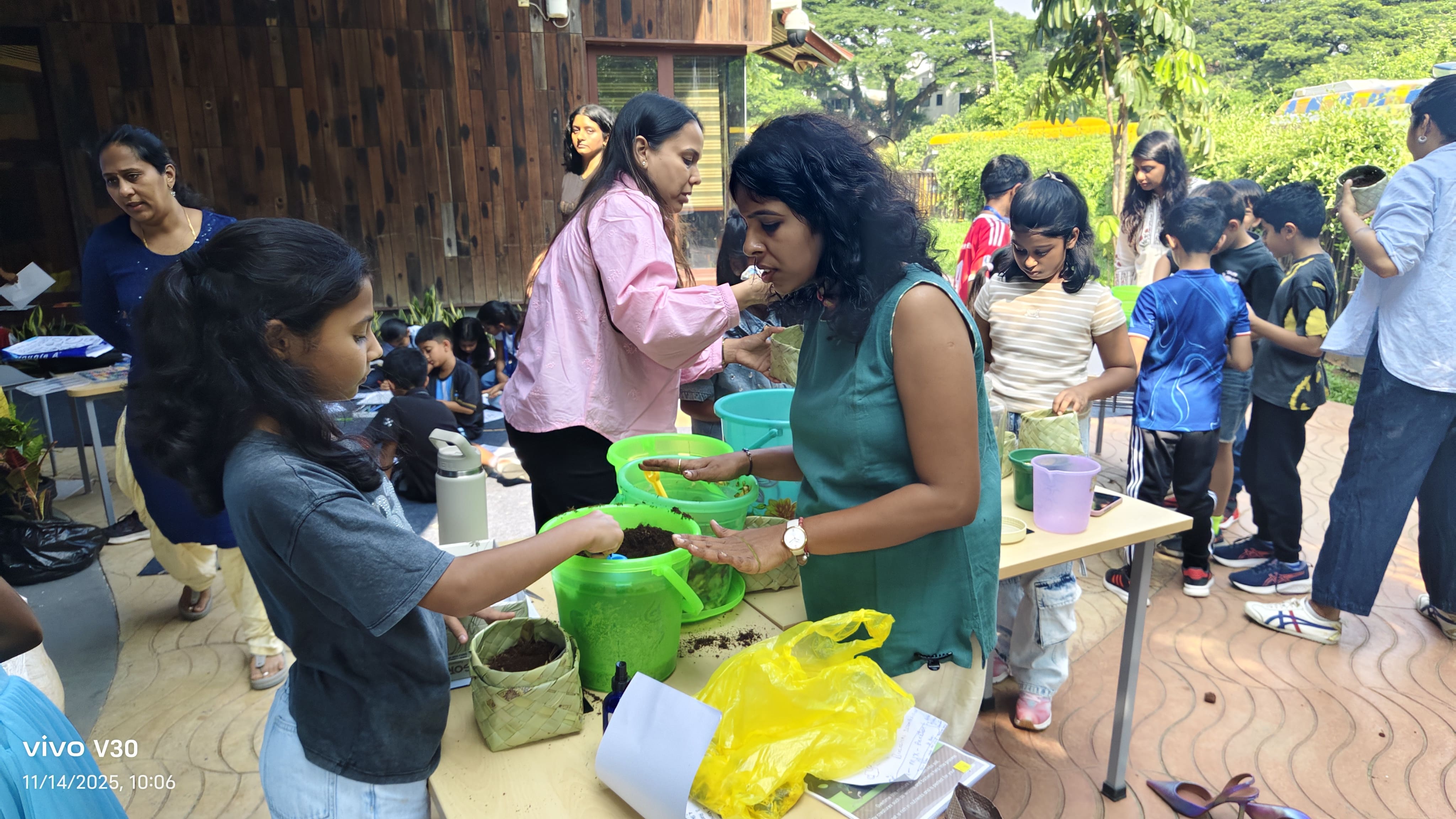
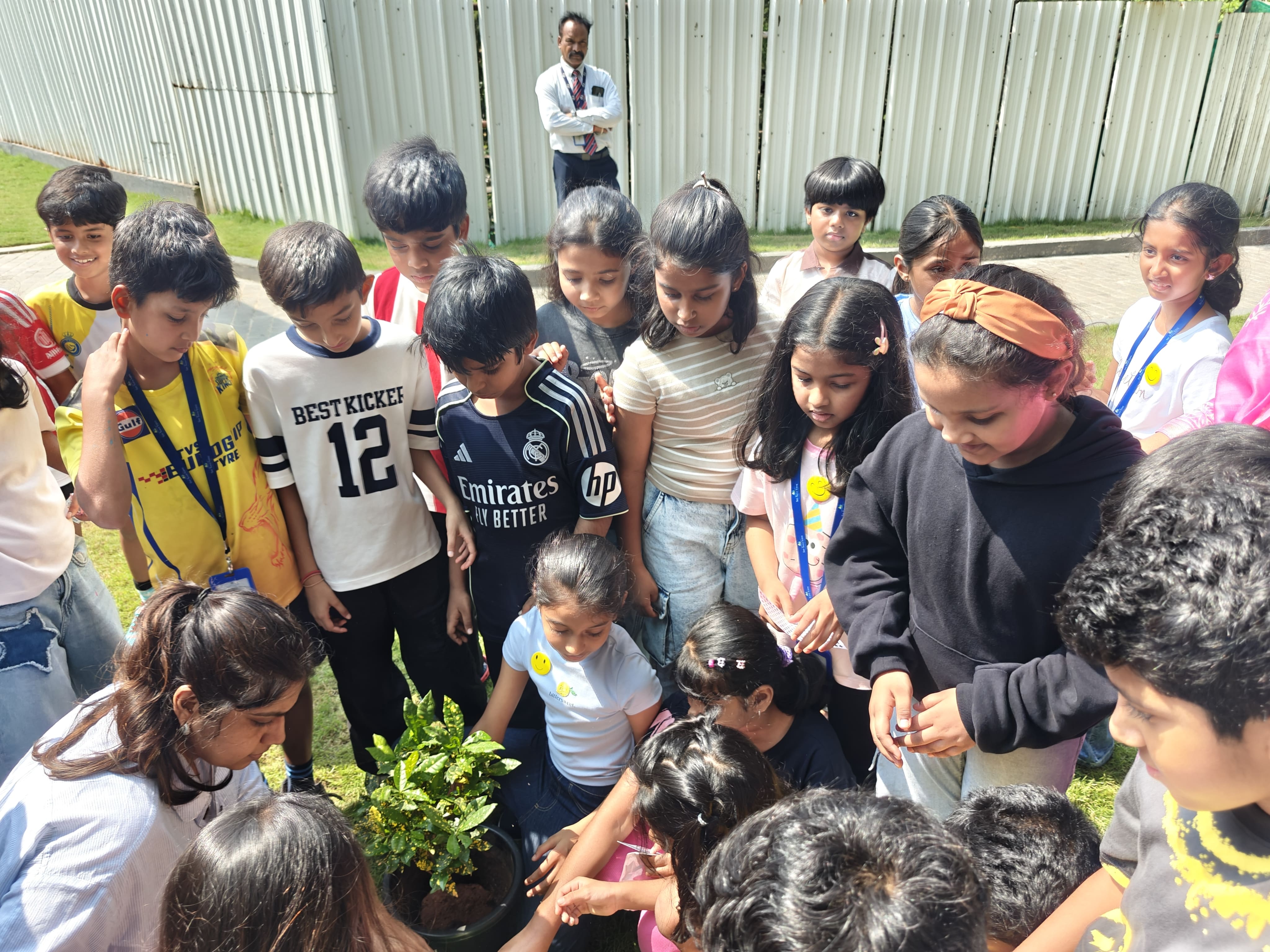
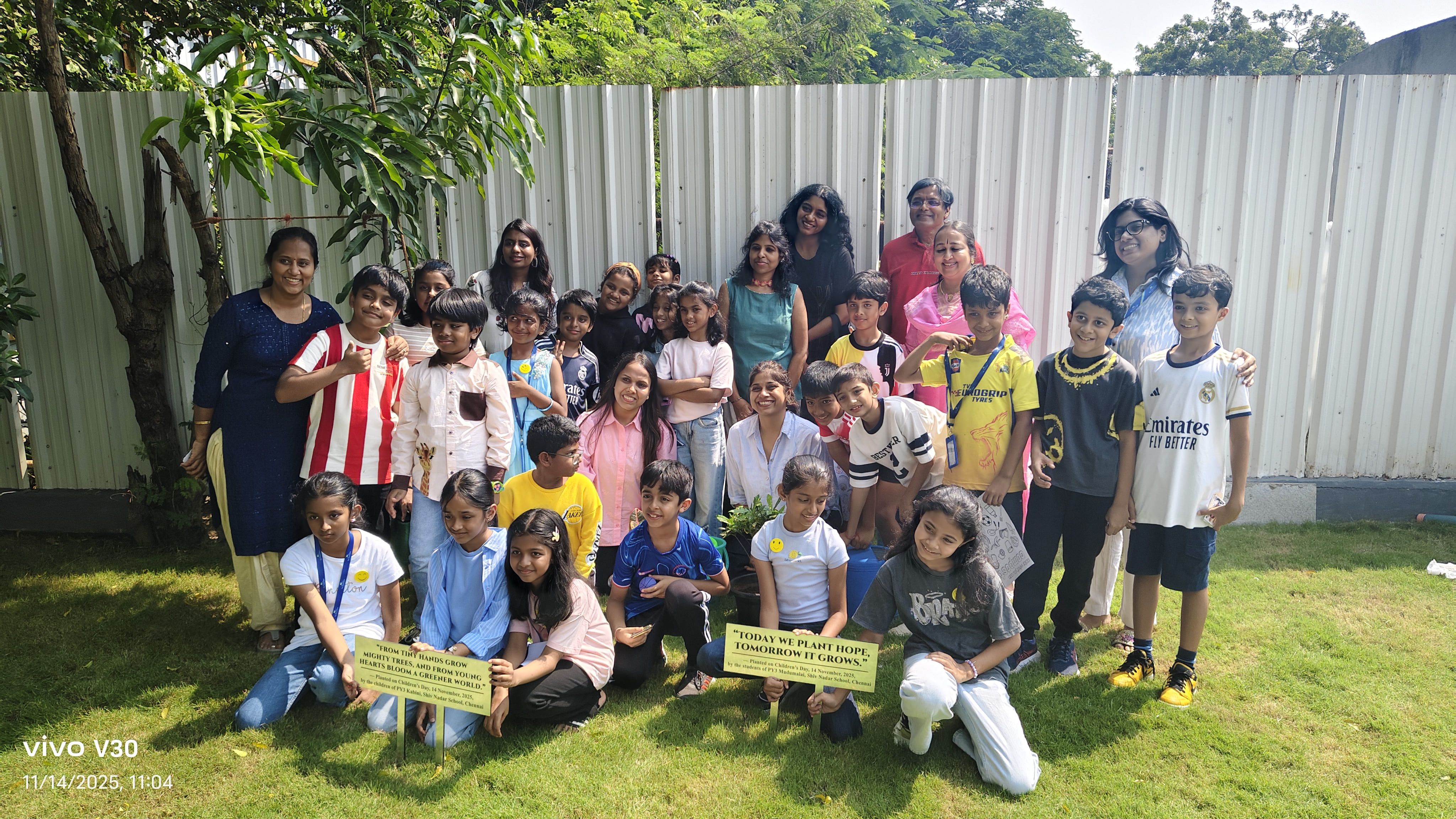
The day also included meaningful hands-on workshops. One especially impactful session was the Composting Workshop, where parent experts guided students through the basics of composting and worked with them to plant saplings to mark the occasion. This thoughtful activity blended environmental awareness with joyful learning, giving students a memorable way to contribute to the planet.

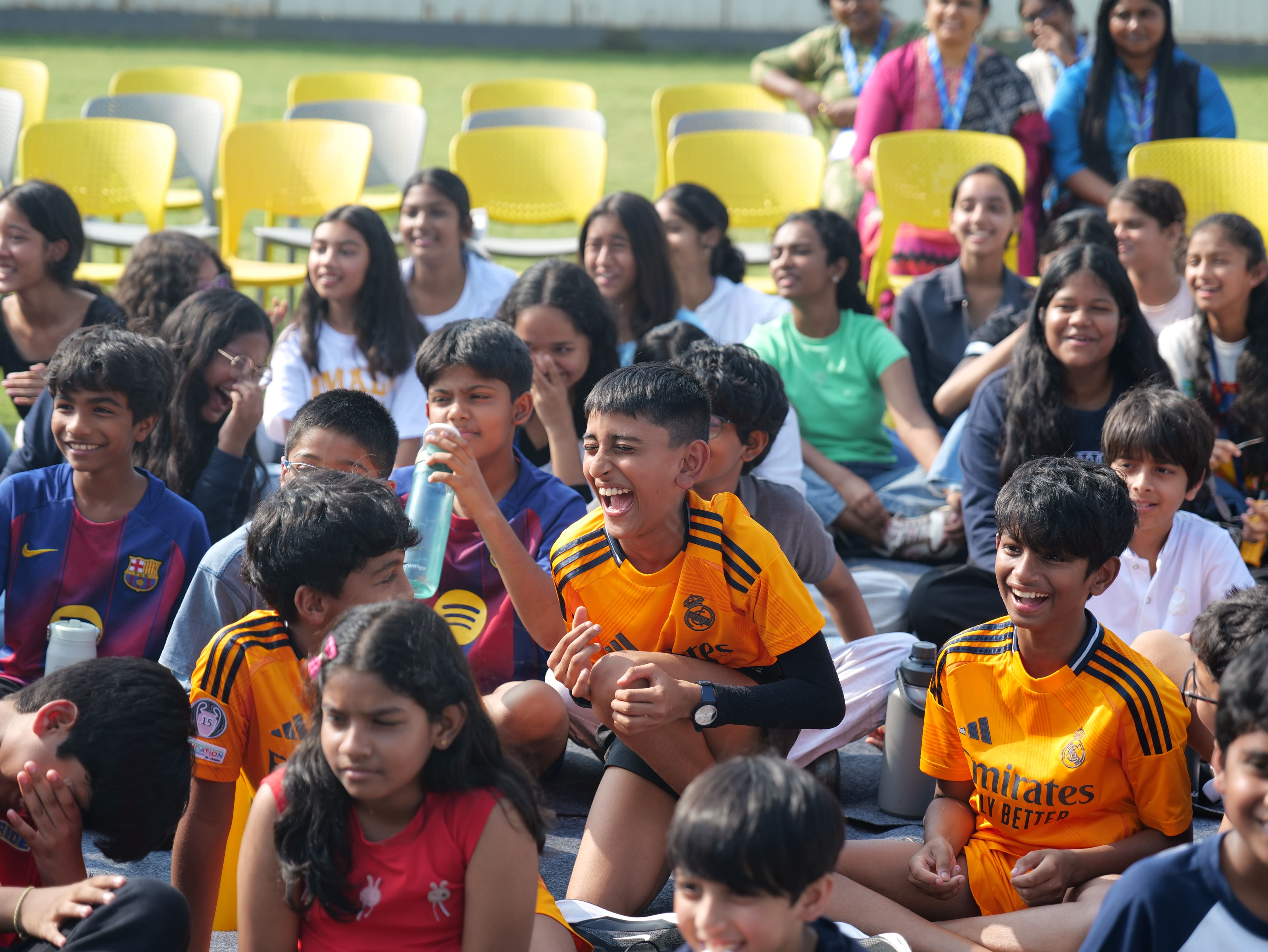
What made this Children’s Day truly special was the spirit that filled every corner of the campus. Teachers cheered, parents hosted and played with unfiltered enthusiasm, and students soaked in every moment of the celebration. Laughter, excitement, and wonder brought the community together in a way that felt both heartfelt and magical.

As the day drew to a close, one thing was clear: when parents, teachers, and students come together with a shared intention to celebrate childhood, the result is unforgettable.

Here’s to cherishing the joy of childhood — today and always.


Creative ,

Curriculum ,

Dance ,

Education ,

Education For Life ,

Environment ,

IB ,

Innovation ,

Lifestyle ,

Middle ,

Music ,

Nature ,

Parenting ,

Performing Arts ,

Philosopy ,

Pre Primary ,

Primary ,

Progressive ,

Relationships ,

School ,

School Life ,

Speaker ,

Sports ,

Theatre ,

Visual Arts ,

Welness ,

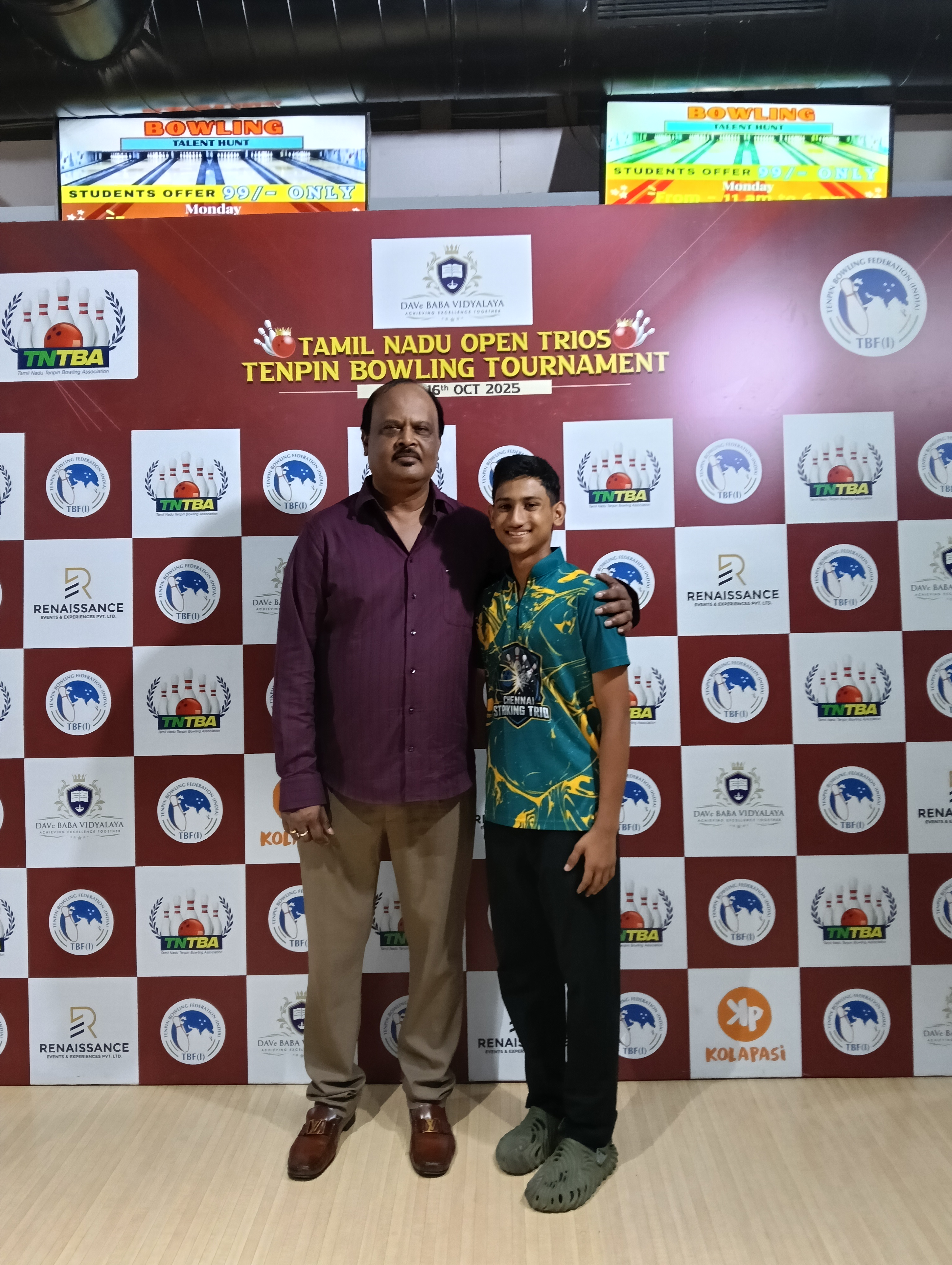
Anirudhan Sanjeevi Shines at the National Trios Bowling Championship

Anirudhan

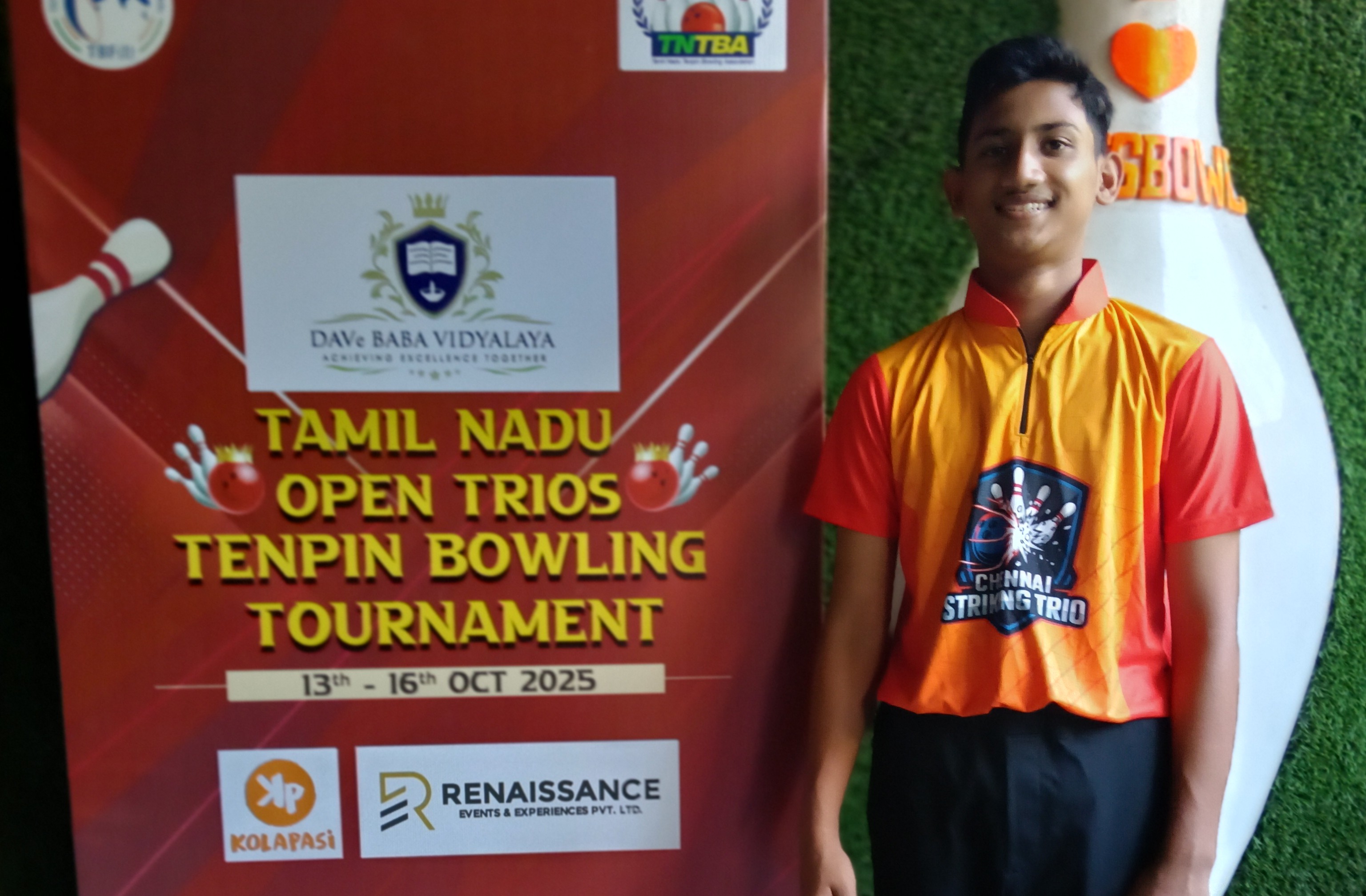
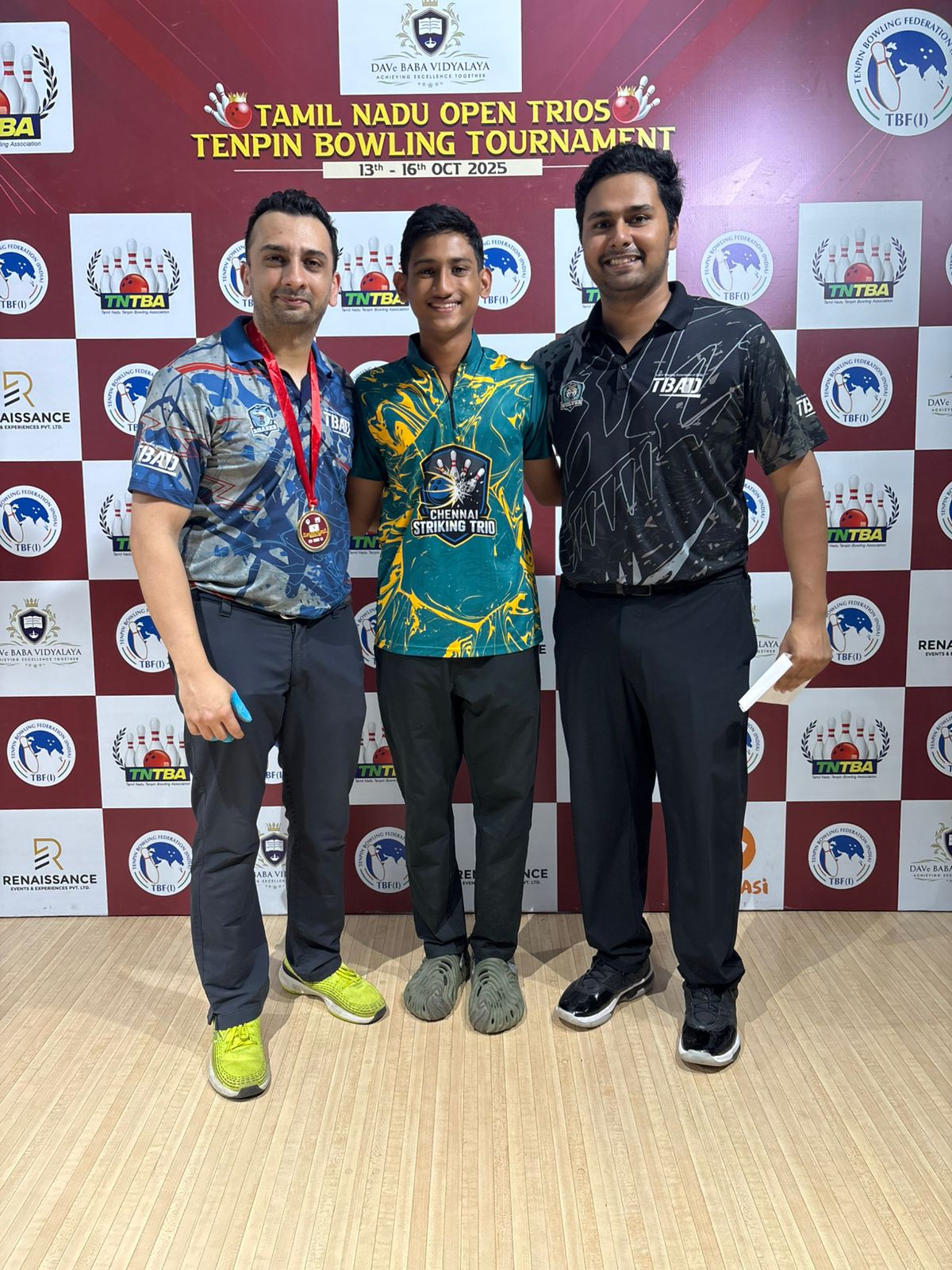
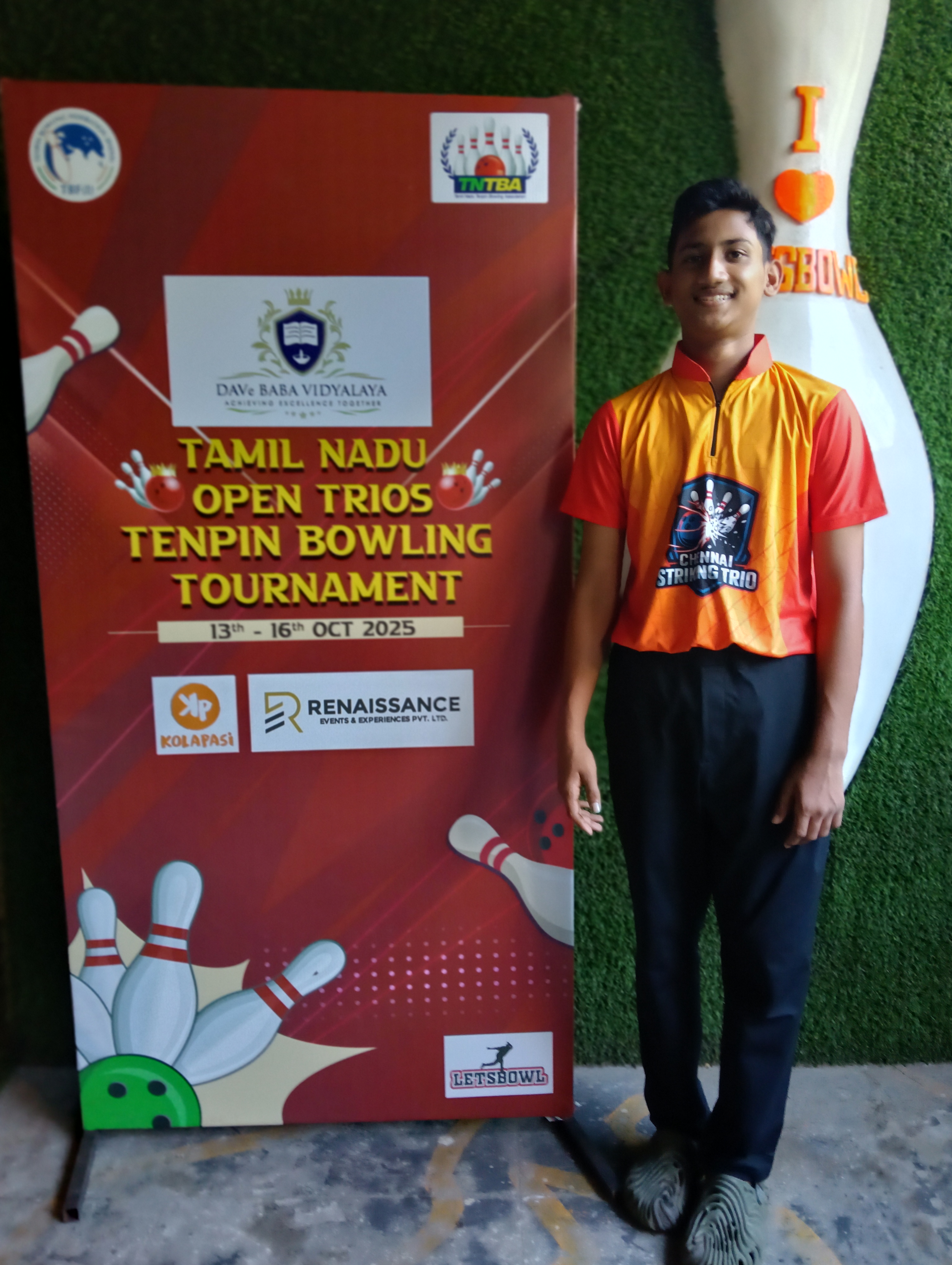
We are proud to celebrate the outstanding achievement of Anirudhan Sanjeevi, a student of MY3, who has demonstrated remarkable grit, focus, and sportsmanship at the recently concluded National Trios Bowling Championship held in Chennai.

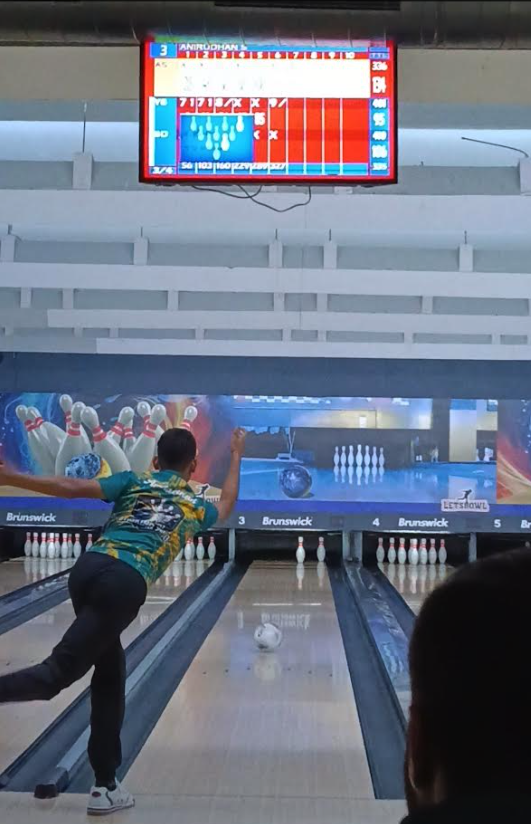
Competing against 36 teams and 102 talented bowlers from across the country, Anirudhan delivered an exceptional performance. With an impressive average score of 198, he secured 6th place on the Individual Leaderboard—an extraordinary accomplishment at a national-level competition.

Anirudhan was also an integral member of the Chennai Striking Trios, a team that performed consistently across all rounds. The team finished 1st in Round 1, secured 2nd place at the end of Round 2, and concluded the tournament within the Top 8 in the Finals. His contributions, both in skill and team spirit, were pivotal to this success.

Looking ahead, Anirudhan is gearing up to participate in the prestigious Chennai Open, scheduled from November 17th to 29th, 2025

At our school, we believe in celebrating every learner’s passion—whether in academics, the arts, or sports. Anirudhan’s journey is a shining example of what dedication, discipline, and love for one’s craft can achieve.

We congratulate Anirudhan and wish him the very best as he prepares for the Chennai Open 2025.

His success inspires us all.

Award ,

Competition ,

Curriculum ,

School ,

Shiv Nadar School MUN: From Classroom Debates to Global Forums

At Shiv Nadar School, debate is not confined to classroom walls. For our students, raising a hand in class is just the first step toward raising their voices on the global stage. MUN at Shiv Nadar School embodies this spirit. In this year’s conferences, students stepped into the shoes of diplomats, journalists, and policymakers, and discovered how their words could shape the world. Read along for glimpses into the two days; moments of collaboration, negotiation, and reflection that show what student voice looks like in action.

Morning: A Seat at the Table

The day begins with students filing into the conference hall, placards in hand, countries assigned. Some glance at their opening notes for the tenth time. Others trade nervous smiles. A Grade 9 student who once hesitated to speak up in English class now sits as the delegate of India in the United Nations Office on Drugs and Crime (UNODC), preparing to raise concerns about cross-border drug trafficking. As the student newsletter reported, the Indian delegate “called for greater international intelligence cooperation, with the looming threat of a strengthening link between drugs and terrorism”.

Another student, representing a country, pores over briefing papers on anti-corruption reforms. The session is about narcoterrorism, a subject that pushes teenagers to think about how crime, politics, and global security intersect. Delegates quickly realise that their voices matter. Not because they can recite a polished speech, but because they are expected to take a stand, however imperfect.

And yet, the room is not uniformly confident. Some students speak assertively, but many remain tentative. Chairs keep the momentum alive. “The chair’s help is undoubtedly tethering this committee, with their constant encouragement of those who seem hesitant to speak up,” noted one journalist. A quiet delegate finally raises a point of information; voice unsteady but resolute. It may not make headlines, but in that moment, the step itself is the victory.

Midday: Learning to Listen

As debates heat up, it becomes clear that effective leadership is not about speaking the loudest. In UNEP sessions on climate-smart agriculture, delegates from Chad and Bangladesh share stories of small farmers facing food insecurity. One observer recorded, “It is the countries with comparatively lower incomes who talk about how they are managing taxes and trying to employ technology to advance their economy”.

For many students, this is the first time they have encountered how inequality shapes international conversations. The debate turns when a delegate from Bangladesh shares a story about rural farmers losing entire harvests to unpredictable floods. A hush settles over the hall. The lesson is not lost: listening to data, to perspectives, to lived experiences, is just as powerful as speaking.

Some delegates dominate the floor, while others take a moment to gather their thoughts. With each prompt from the dais, more hands rise, and new voices join the conversation. One student later reflected that every contribution, no matter how tentative at first, was part of the learning, a reminder that confidence and conviction grow with practice.

Afternoon: Writing the World

By the afternoon, resolution writing takes over. Laptops glow across the room as blocs gather, words flying faster than fingers can type. Here, the energy shifts. Students who were quiet in debate find their rhythm in negotiation.

A Grade 10 delegate reflects: “Every word counts when you’re drafting resolutions.” It is not an exaggeration. For twenty minutes, two countries lock horns over a single verb: should the resolution “urge” or “demand”? The students realised that international peace depends not on “grand speeches” but on “cooperation, openness, and technology-enabled enforcement”. One student laughs that they “forgot which country I am today,” a moment that brings smiles across the room and reminds everyone that even in intense debate, learning can be fun.” Resolution writing becomes equal parts frustration and discovery. Students learn that compromise is less about winning points than about staying at the table long enough to shape the outcome.

Evening: From Debate to Reflection

As sessions wind down, the International Press Corps rushes to file stories. Their work is not just documentation. It is a critique. One report described “the fiery exchanges, the breakthroughs, the silences that said as much as words”. Another noted how ambition was transforming into action, recognising that delegates were finding ways to bring their ideas to life with growing confidence.

For the first-time delegates, it can feel uncomfortable to see their work dissected. Yet this is where another dimension of voice emerges. It is the power to write, to analyse, to hold peers accountable. The press corner, tucked away at the back of the hall, becomes a reminder that every word has an audience, and every debate, however simulated, is also a performance.

Beyond the Conference: Habits of Voice

Back in their classrooms, the skills acquired at MUN do not vanish with the placards. Students carry them into interdisciplinary projects and personal reflections. A student working on media bias realises she is asking the same questions she asked as a journalist at MUN: Who benefits from this narrative? Who is left out?

Others take with them the dilemmas and discussions they navigated in committees. Those debates may have ended with draft resolutions, but the questions they raise linger in the lunchroom, in project work, in the corridors.

Whether analysing political cartoons in Individuals and Societies or planning a model island in Geography and Math, students practise the same habits that make them effective MUN delegates: inquiry, reflection, and the courage to speak.

Why It Matters

MUN is about cultivating a lifelong habit of voice. The newsletters themselves, written by students for students, show that voice is not always triumphant. It can be critical, hesitant, or even contradictory. But it is present.

One student journalist wrote: “MUN is where ideas meet action.” Another warned that diplomacy without passion risks becoming performance. Between these lines lies the heart of the experience. Voice is not given. It is practised.

From classroom discussions to international forums, our students learn that democracy, diplomacy, and even day-to-day collaboration depend on respectful yet assertive dialogue. The MUN may last two days, but the skills, confidence, and perspectives students gain continue to shape how they engage with the world.

2025-11-06
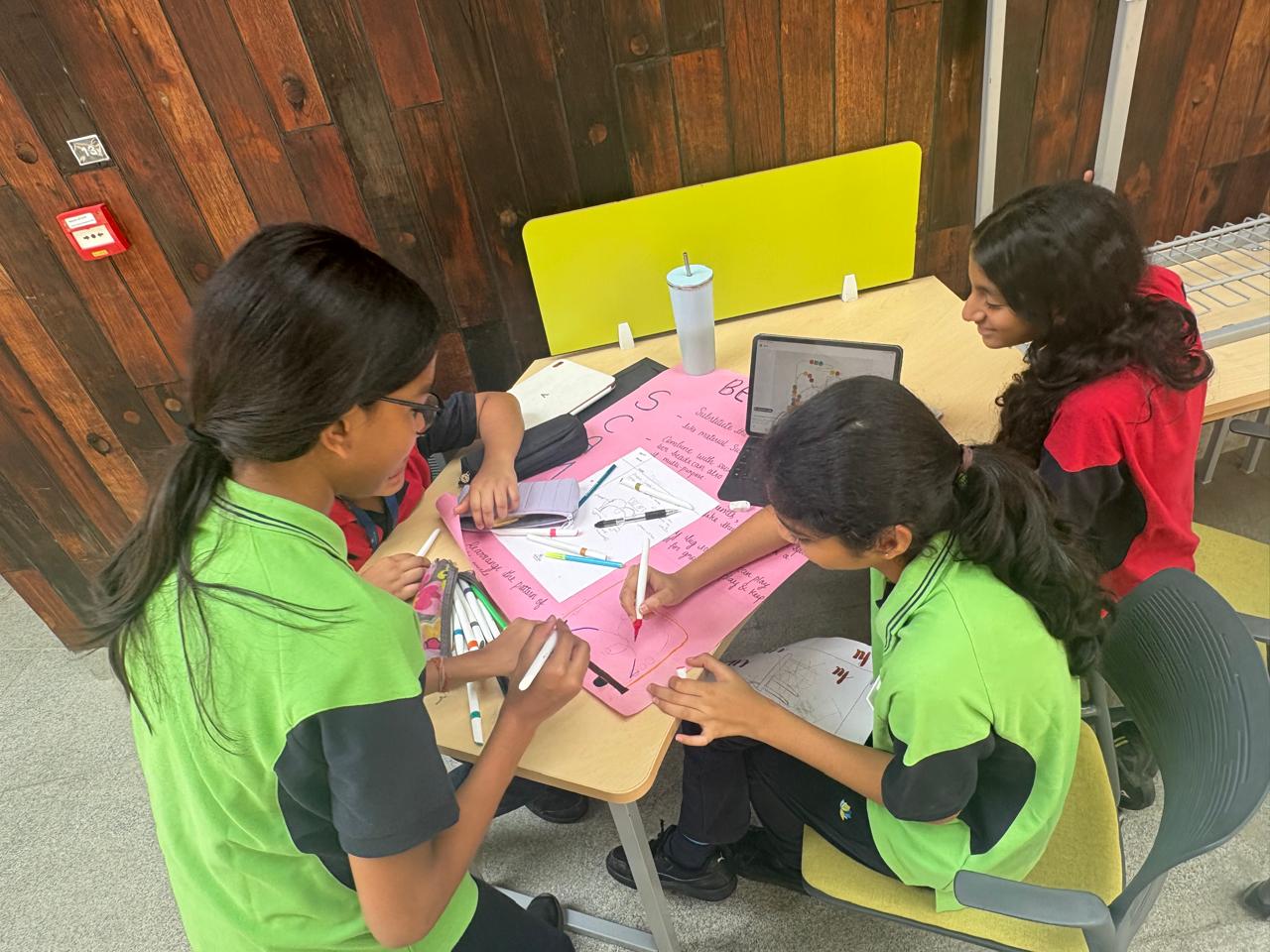
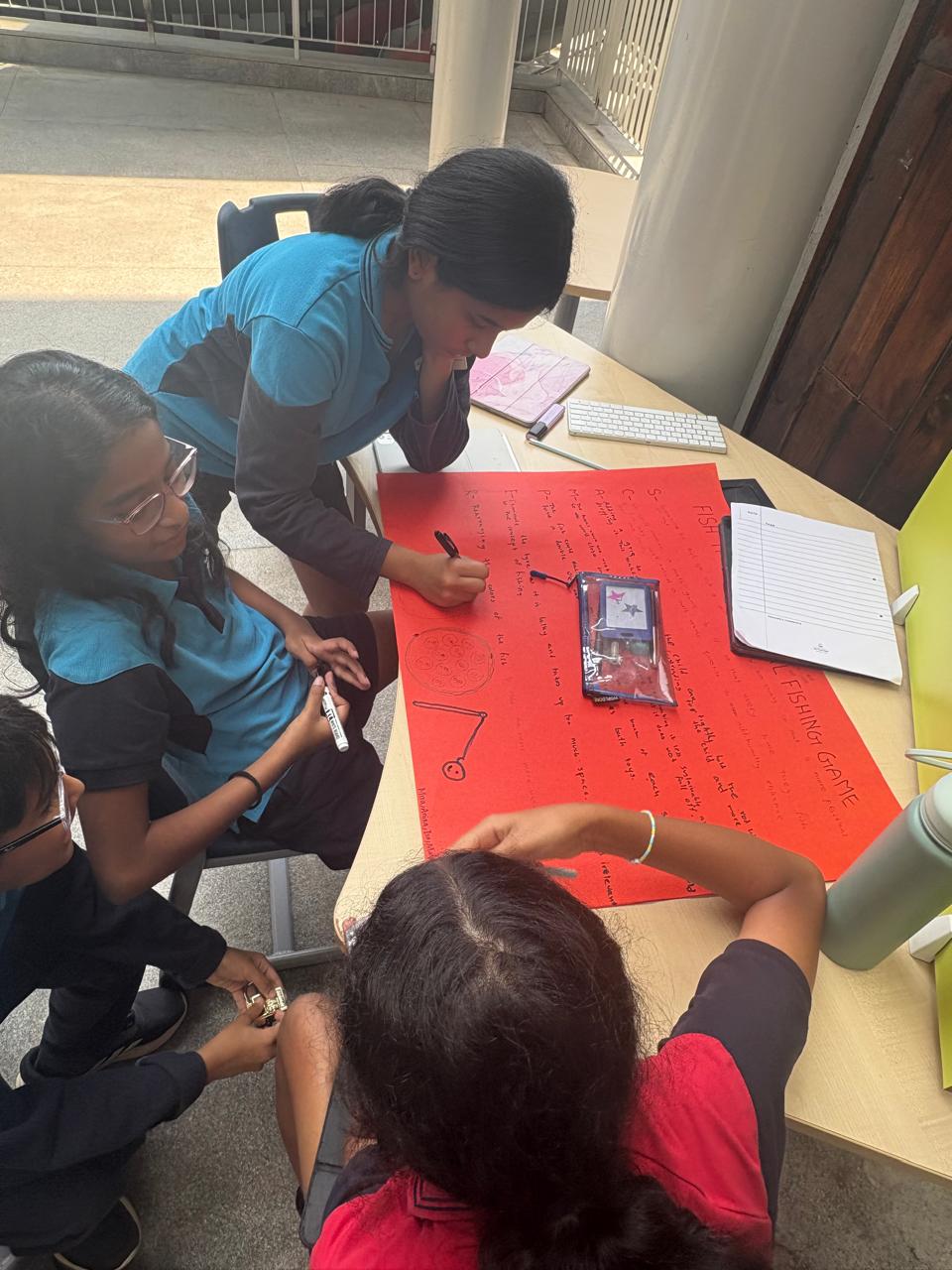
From Experts to Co-Learners: How Parents Can Grow with Their Children

“What do I say when my child asks me a question I can’t answer?” A Shiv Nadar School parent shared this during a coffee meet. Her child had come home after a school unit on climate change, filled with questions she hadn’t anticipated. “I tried to look things up,” she said. “But I realised I was more anxious than helpful. I didn’t know what I was supposed to say.” It was an honest admission, and one that rang true for all of us.

Over the past decade, the world has become increasingly interconnected, unpredictable, and complex. Technology is evolving faster than it can be regulated. Climate change is no longer a distant concern. Global workforces are shifting. AI is rewriting how knowledge is created, stored and accessed.

But while the world has changed, the way many of us were raised, and the instincts we rely on as parents, remain largely the same. We focus on performance and look for certainty. We lean on familiar milestones, which is understandable, but not always helpful.

At Shiv Nadar School, future-readiness is built into the way students learn. Since no student learns in isolation, the school works closely with families. The goal is to help parents move from outcome-driven expectations to growth-oriented understanding.

As one educator put it, we’re not just preparing children for jobs. We’re preparing them to solve problems that don’t exist yet.

Why the Old Model Falls Short

For many years, the assumption was simple: if children performed well in school, they would succeed in life. This created a clear path. Study hard, secure good marks, and choose a stable career. That model was designed for a predictable world. Today’s reality is different.

Students growing up now may need to switch careers multiple times. They will make decisions without complete information and collaborate with people across cultures, time zones and disciplines. For this, just subject knowledge is not sufficient.

At Shiv Nadar School, the goal is to move beyond rote learning and foster critical thinking, creativity, and effective communication, skills that are vital for success in the 21st century. The International Baccalaureate (IB) program helps build these capacities. Students are not taught what to think. They are supported in learning how to think.

This shift is visible in everyday classroom practice. In the Primary Years Programme (PYP), children inquire into real-world themes such as identity, fairness or responsibility. These are not abstract discussions. They are grounded in local context, classroom experiences and personal stories.

In the Middle Years Programme (MYP), students draw connections across subjects. A science lesson may link to social justice. A design project may respond to a community need. Students are encouraged to think across disciplines.

In the Diploma Programme (DP), elements such as the Extended Essay, CAS (Creativity, Activity, Service), and Theory of Knowledge (TOK) give students space to investigate, reflect and act. These are not add-ons. They are part of how students grow.

The Shift in Parenting

Parents often feel they need to have the answers. However, in a world where the questions themselves keep changing, the role of the parent is shifting. Children do not need experts at home; they need co-learners.

Co-learning is a mindset. It means staying open to new ideas, even when they challenge your own. It means asking questions together and showing your child that learning continues beyond school. As one teacher explained, you don’t need to know all the answers but just need to keep asking good questions.

This supports academic growth and creates emotional safety. Children feel more comfortable sharing uncertainty, making mistakes and exploring different perspectives.

One parent put it simply: when I stopped asking, “What marks did you get?” and started asking, “What made you curious today?”, our conversations changed completely. Children are more likely to open up when they do not feel evaluated. Curiosity invites dialogue. Over time, that builds trust.

Small Shifts That Matter

This shift does not require new tools. It requires a change in what we choose to notice. If you would like to try this at home, here are three small ways to begin:

  • Instead of asking what your child learned, try: “What are you still wondering about?”
  • Share one thing you learned this week from a book, article or conversation.
  • When your child asks a difficult question, say: “Let’s figure it out together.”

These signals matter. They tell children it is normal not to know something and valuable to keep learning.

What Shiv Nadar School Makes Possible

At our school, families are participants in the learning process. Parent workshops, classroom showcases, community events and reflection sessions are designed with this in mind. These are shared spaces where parents can listen, observe and think alongside their children.

In classrooms, curiosity and care are part of the curriculum. In the school's culture, they are an integral part of every interaction. IB frameworks provide structured opportunities for students to reflect, take initiative and engage with real-world ideas. Shiv Nadar School ensures that families have space to participate in this journey. This includes more than just report cards or events. It includes everyday moments of learning and connection.

It is normal to feel unsure. Parenting in a changing world can feel overwhelming. But you are not required to stay ahead of your child. You just need to stay with them.

Co-learning is not about doing more. It is about paying attention differently. We can’t predict the future. We can raise children who are ready to shape it.

2025-11-06
Makerspace: Where Imagination Meets Innovation


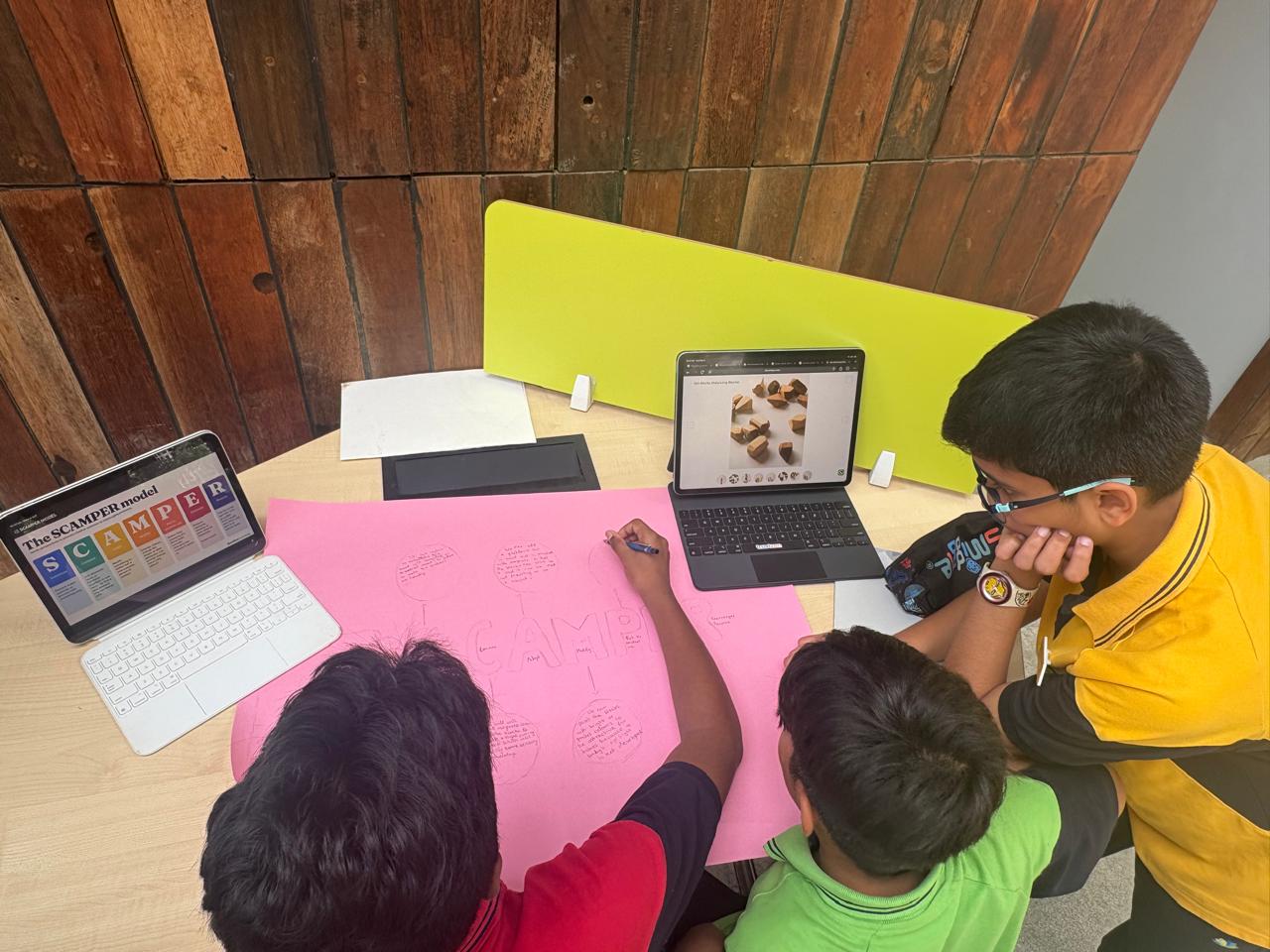
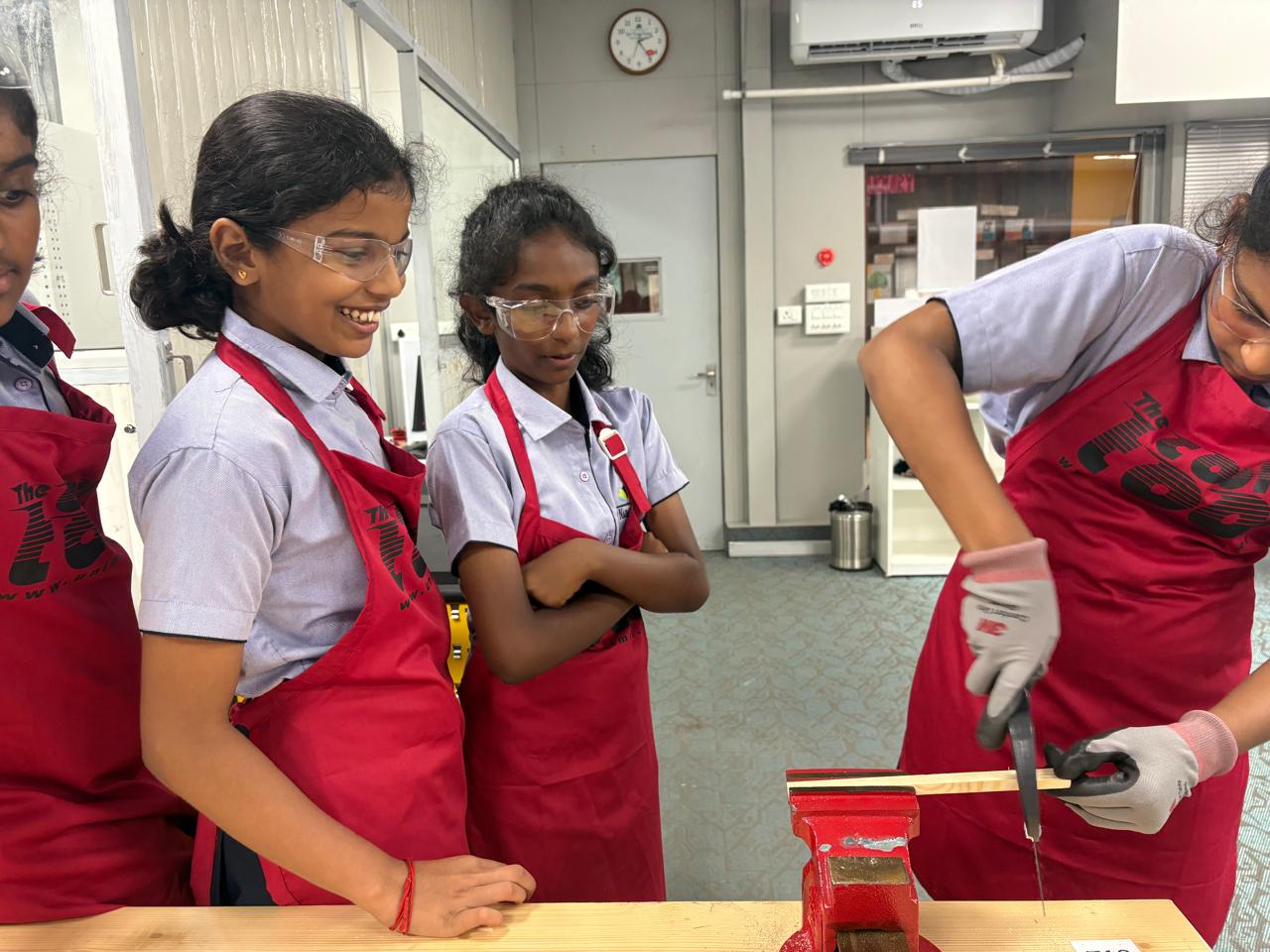
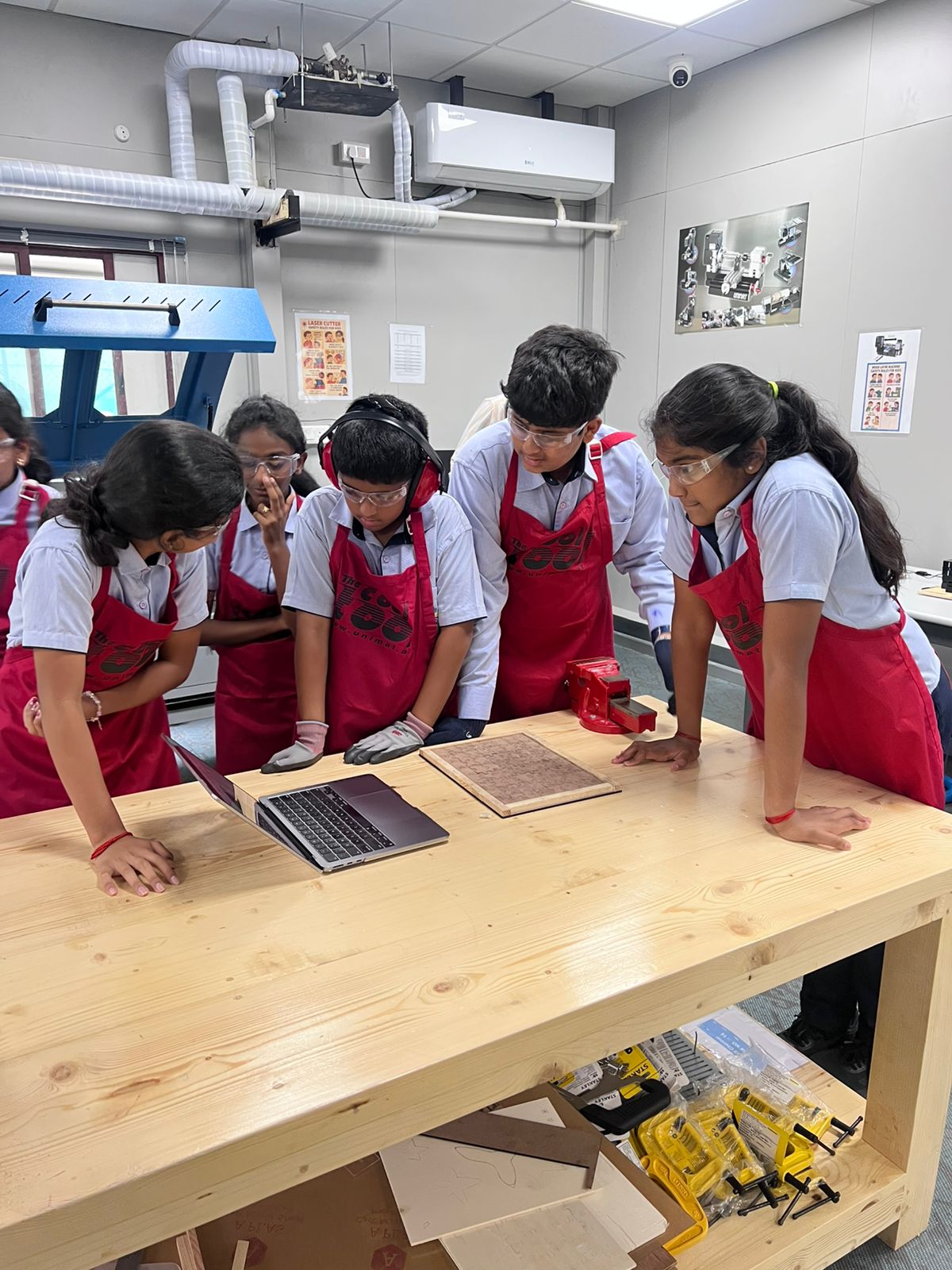
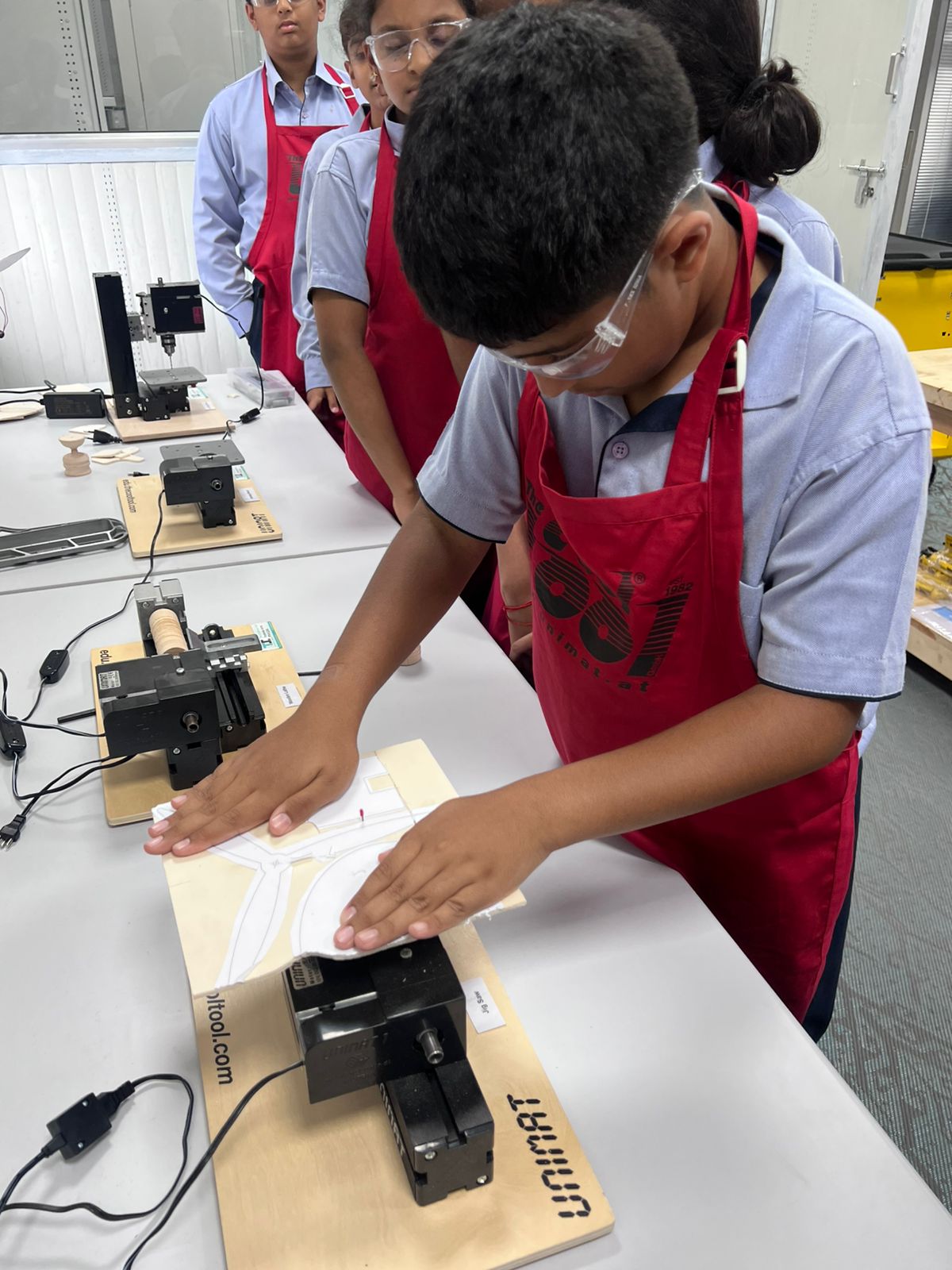
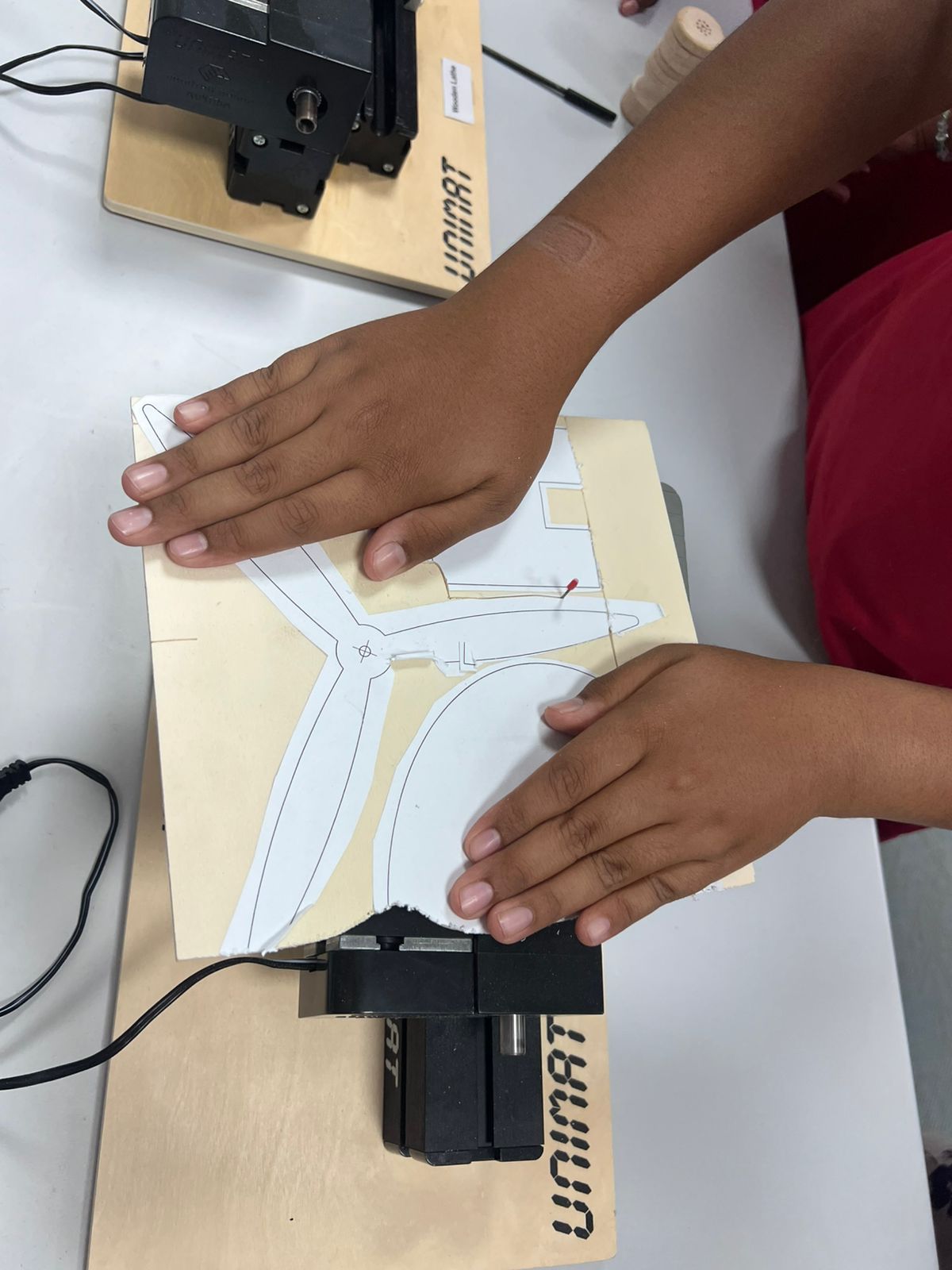
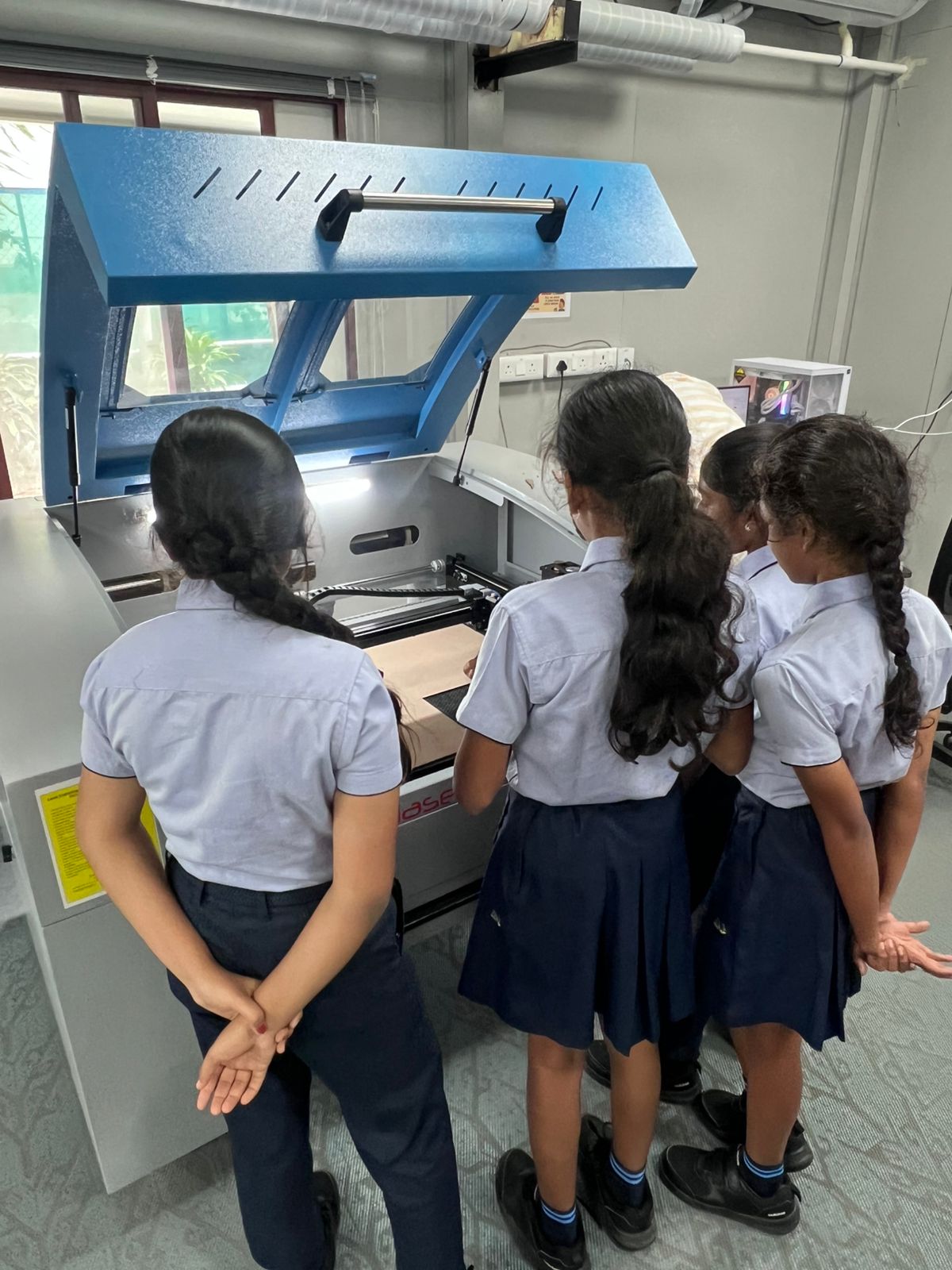
The Makerspace at Shiv Nadar School, Chennai is a a dynamic hub designed to ignite curiosity, creativity, and collaboration among students.

A Makerspace is more than just a lab; it’s a launchpad for ideas. Here, students explore Science, Technology, Engineering, Art, and Mathematics (STEAM) through hands-on projects that blend imagination with innovation. Whether they’re coding, building prototypes, experimenting with materials, or exploring design thinking, students learn to approach challenges with curiosity and confidence.

This space encourages them to think like inventors, problem-solvers, and creators.  To tinker, test, fail, and try again. It nurtures essential 21st-century skills such as critical thinking, collaboration, and resilience, preparing them not just for exams, but for life.

The Makerspace embodies our belief that learning happens best when students create, question, and explore. It stands as a celebration of our school’s commitment to fostering a spirit of innovation and joyful learning.

The Makerspace empowers our learners to imagine boldly, work collaboratively, and bring their ideas to life, one prototype at a time.


Curriculum ,

Education ,

IB ,

Innovation ,

Progressive ,

School ,

Science ,

Anandam 2025: Journeys That Transcend Borders


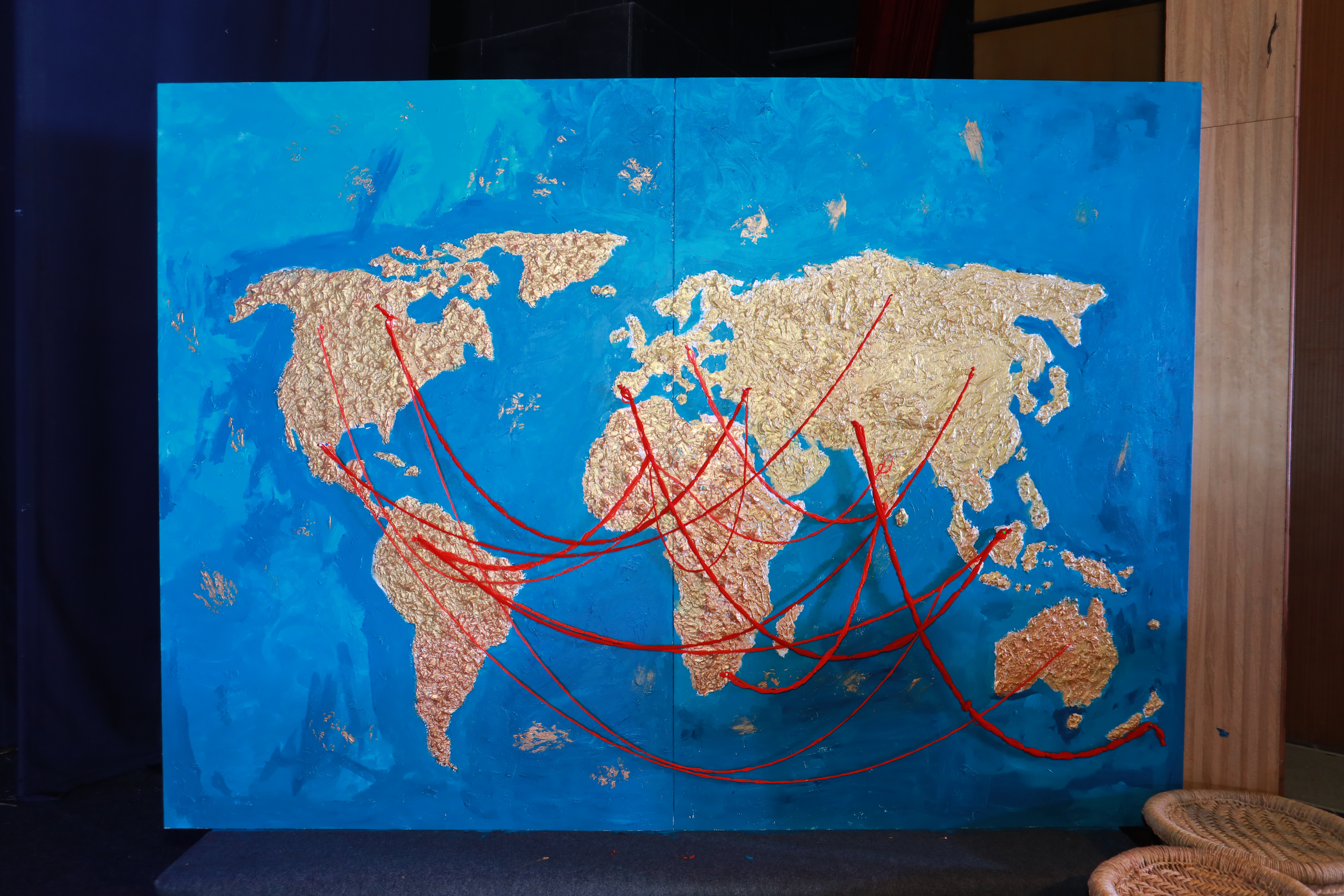
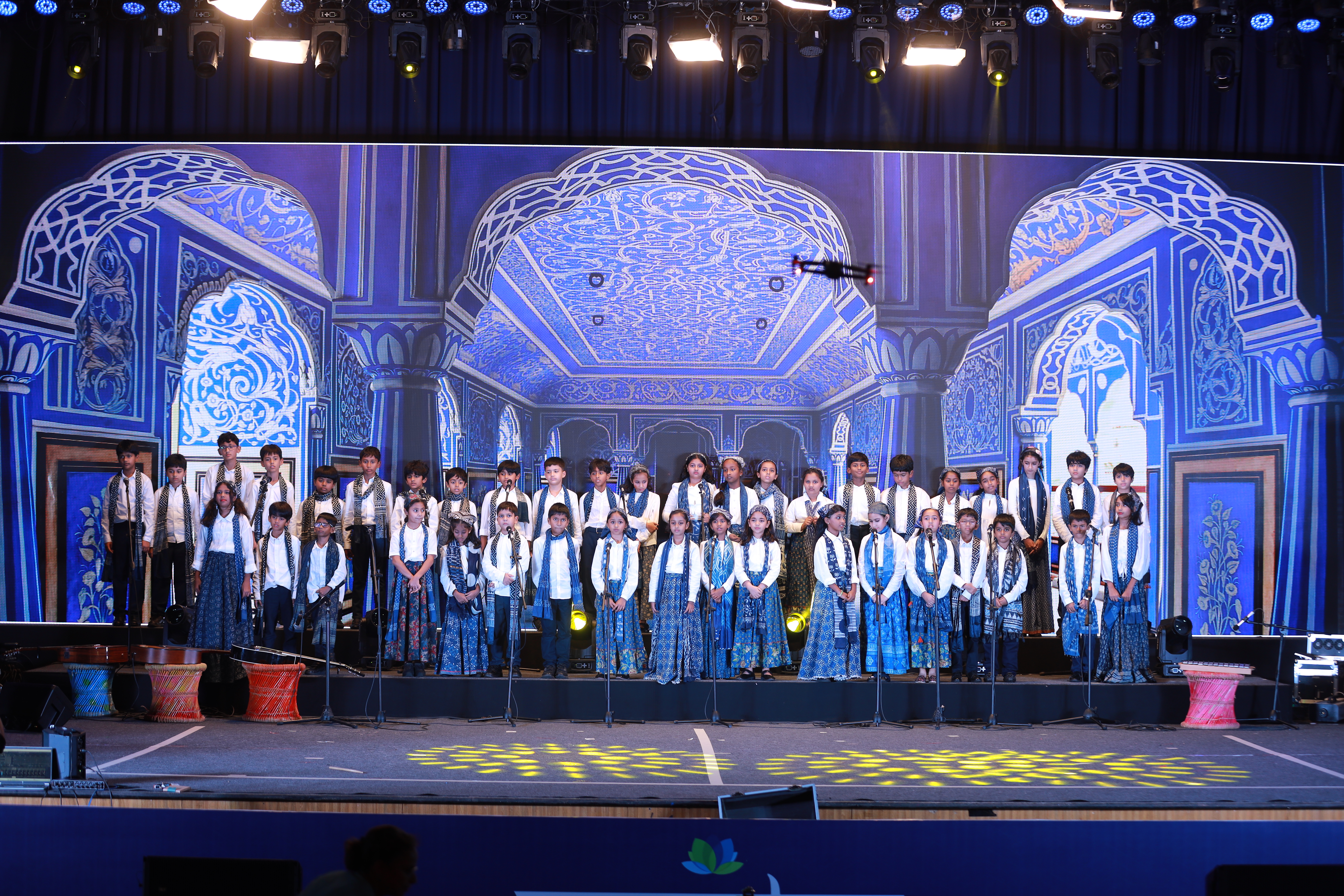
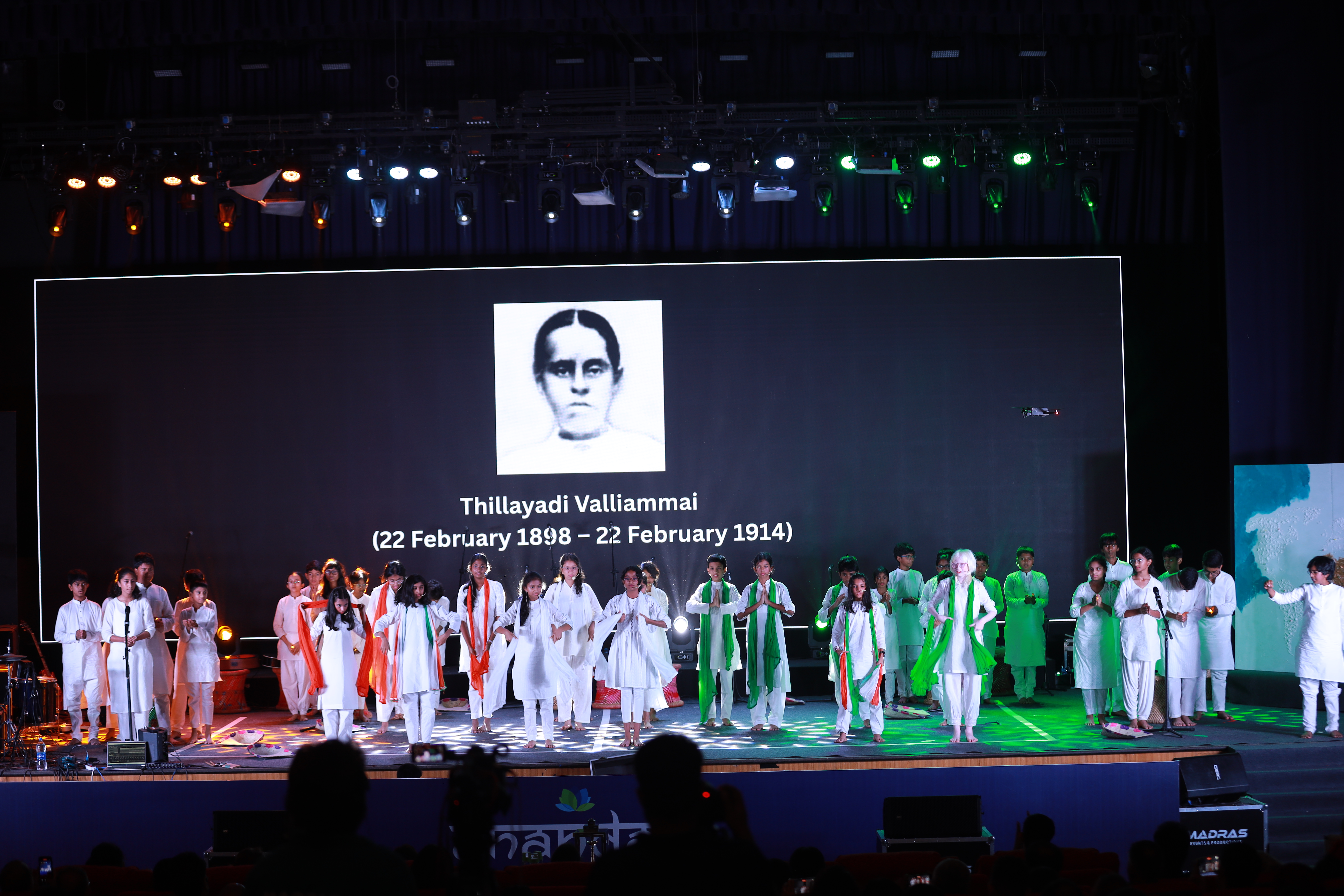
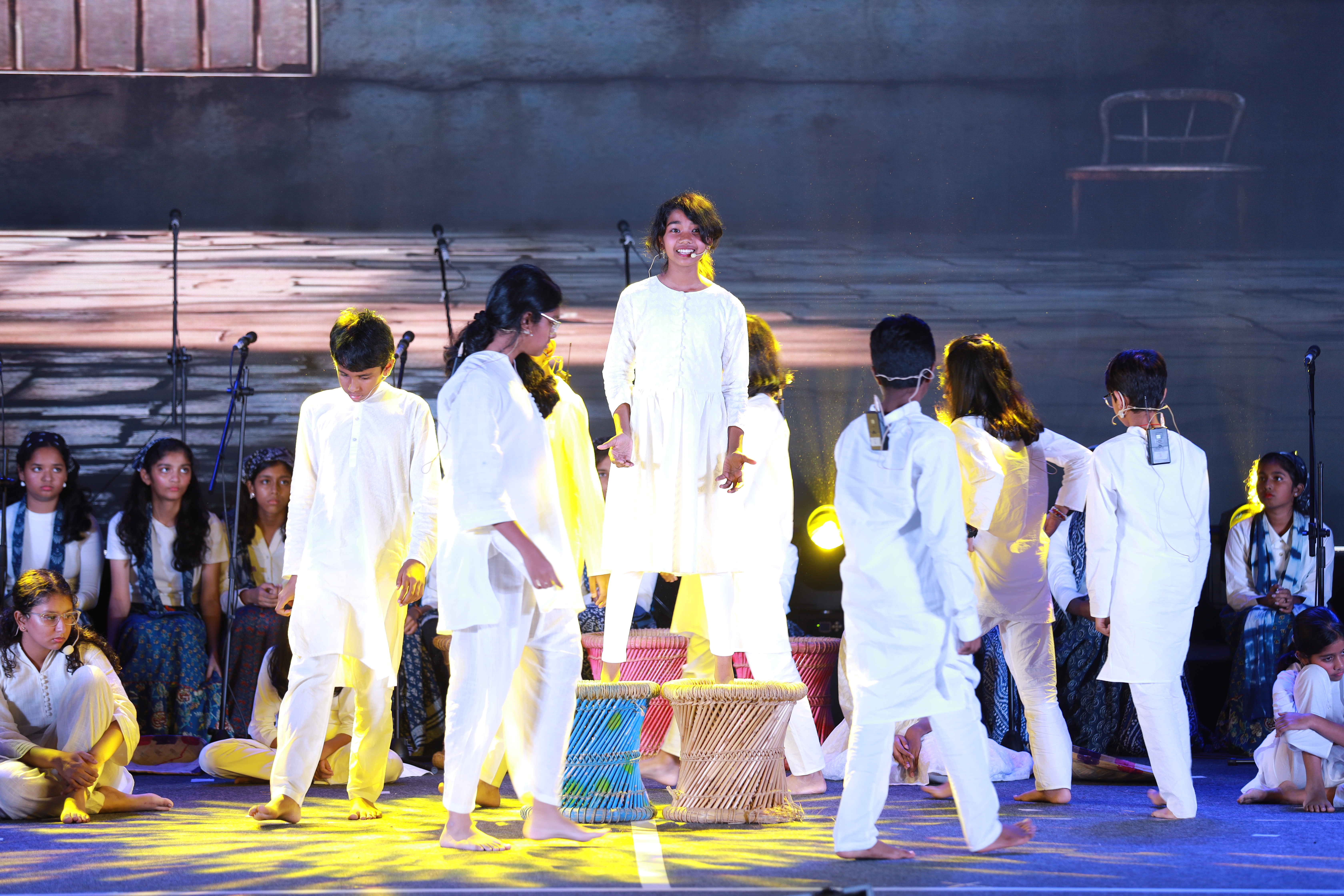
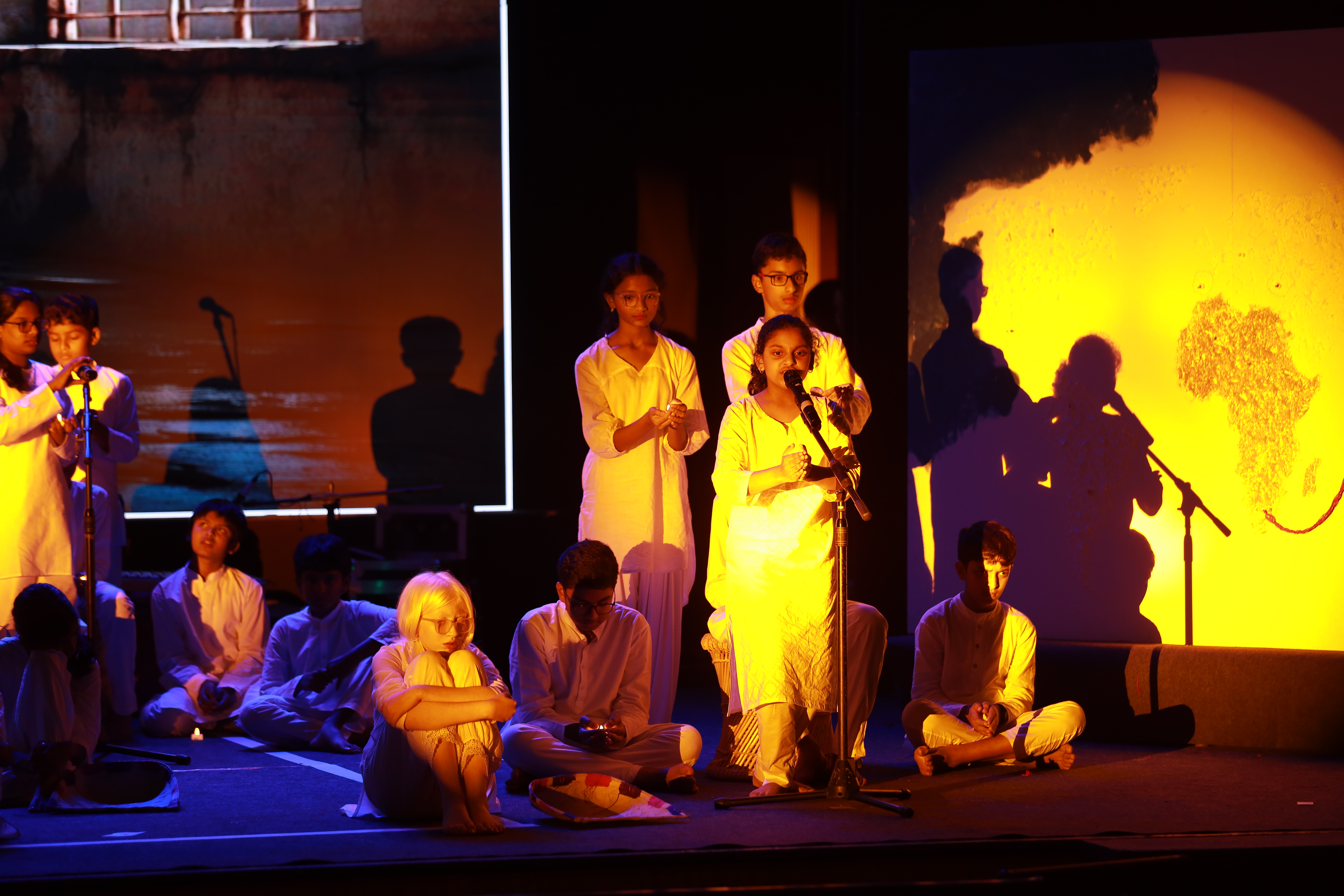
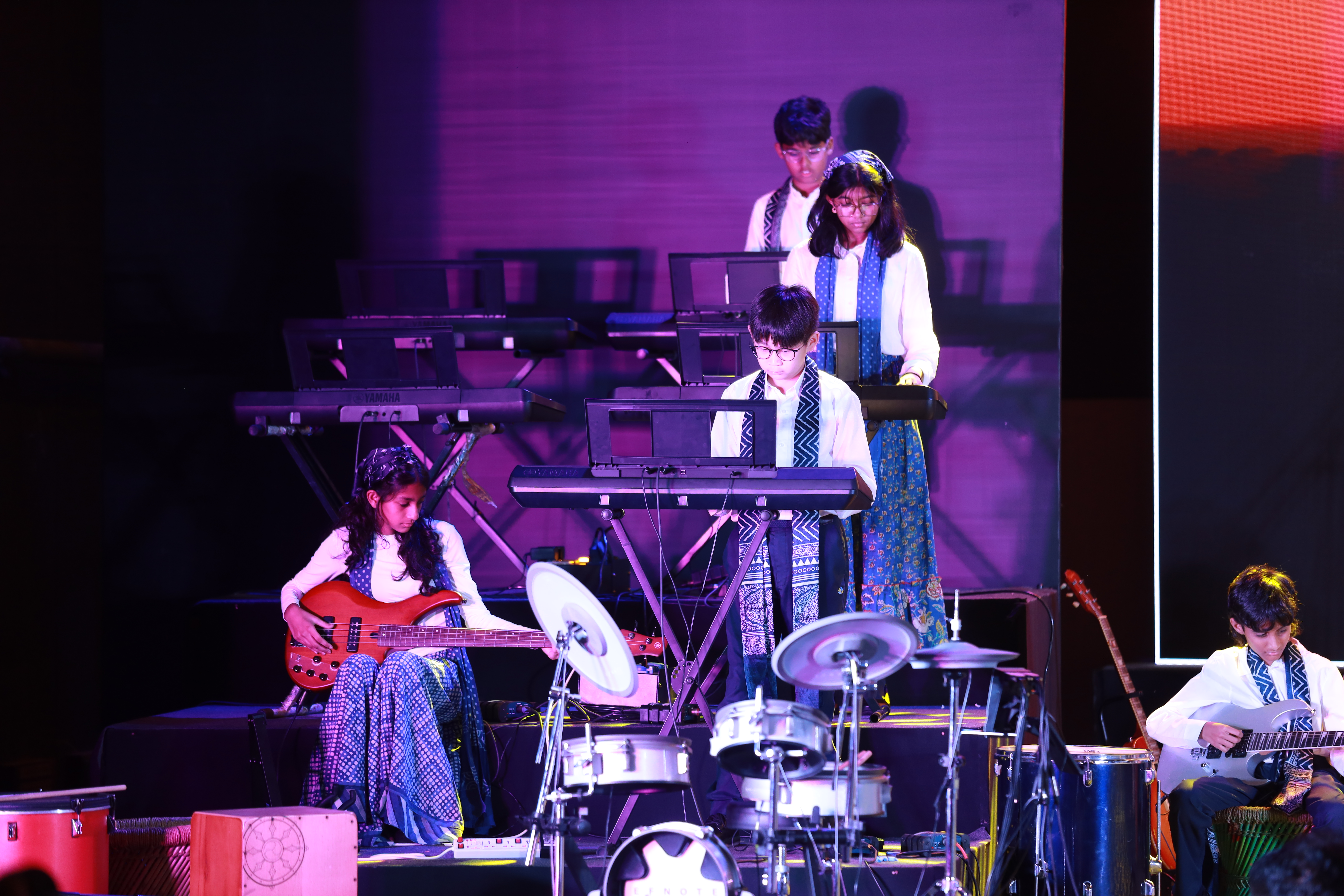
Anandam 2025, the annual culmination of the Aha! Arts Programme, was a celebration of creativity, connection, and courage — where learners came together to explore the theme “Journey Across Borders – Stories of Migrations.”

The performance began with the flight of Jonathan Livingston Seagull, symbolising humanity’s search for purpose and transcendence. As the story unfolded on stage, our Visual Arts students created a breathtaking live artwork, painting Jonathan’s journey in real time — a seamless blend of movement, music, and visual expression.

From there, the story of Thillayadi Valliammai captured one woman’s courage that sparked collective awakening. Through Pick a Bale of Cotton, learners found rhythm in resilience; while Kabir’s More Sir Se Tali Bala and Amir Khusrau’s Chaap Tilak Sab Cheeni explored the timeless quest for truth and unity.

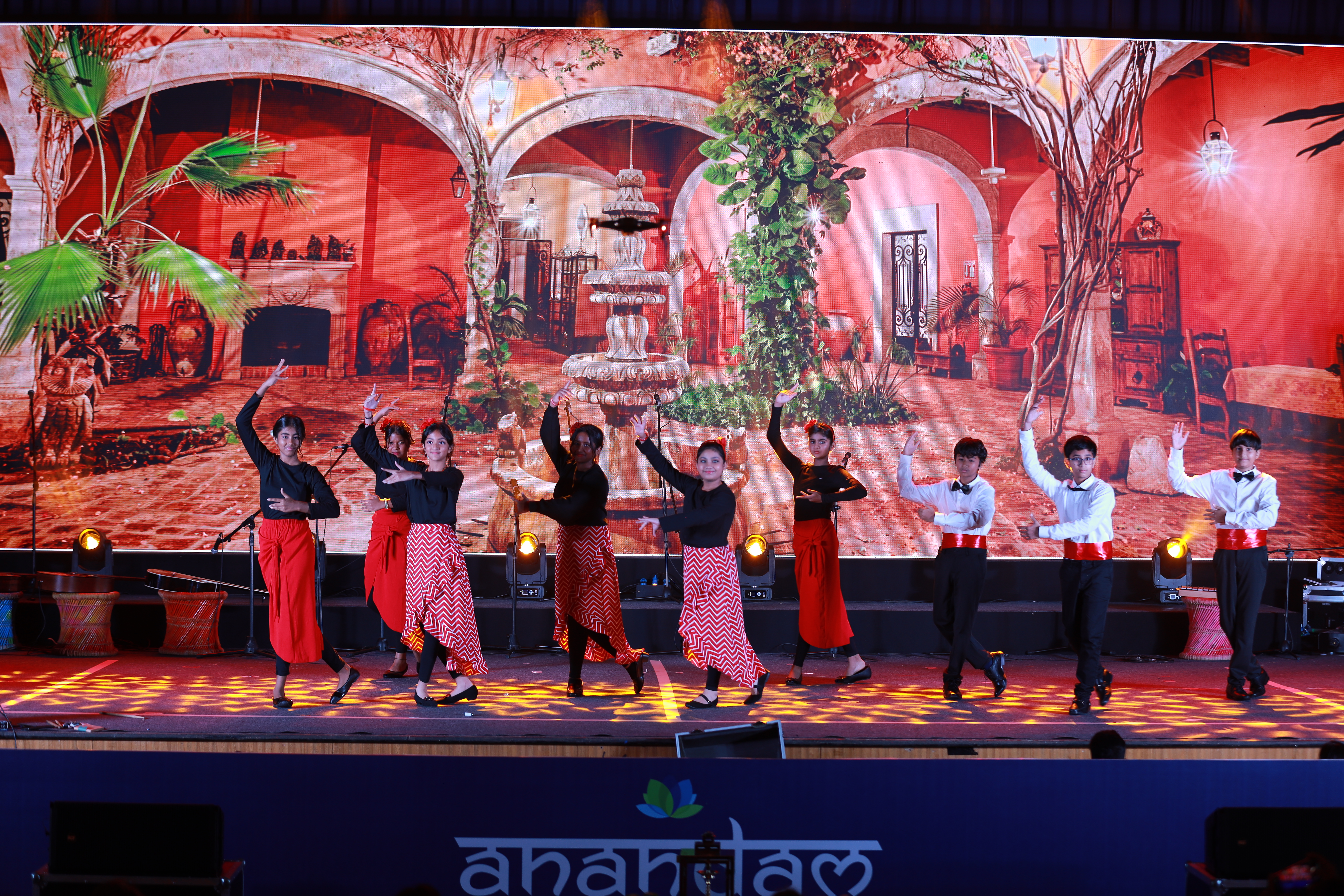
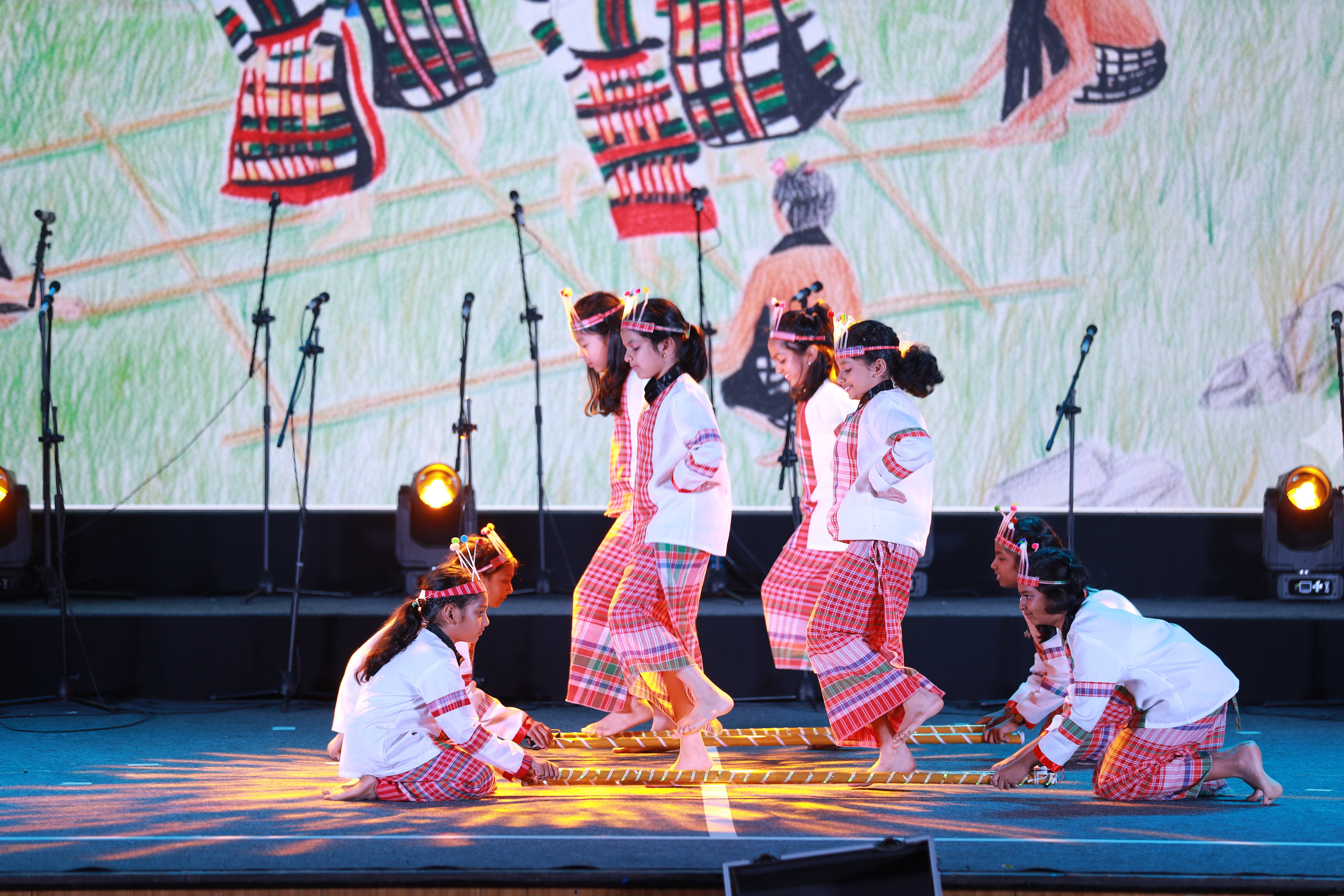
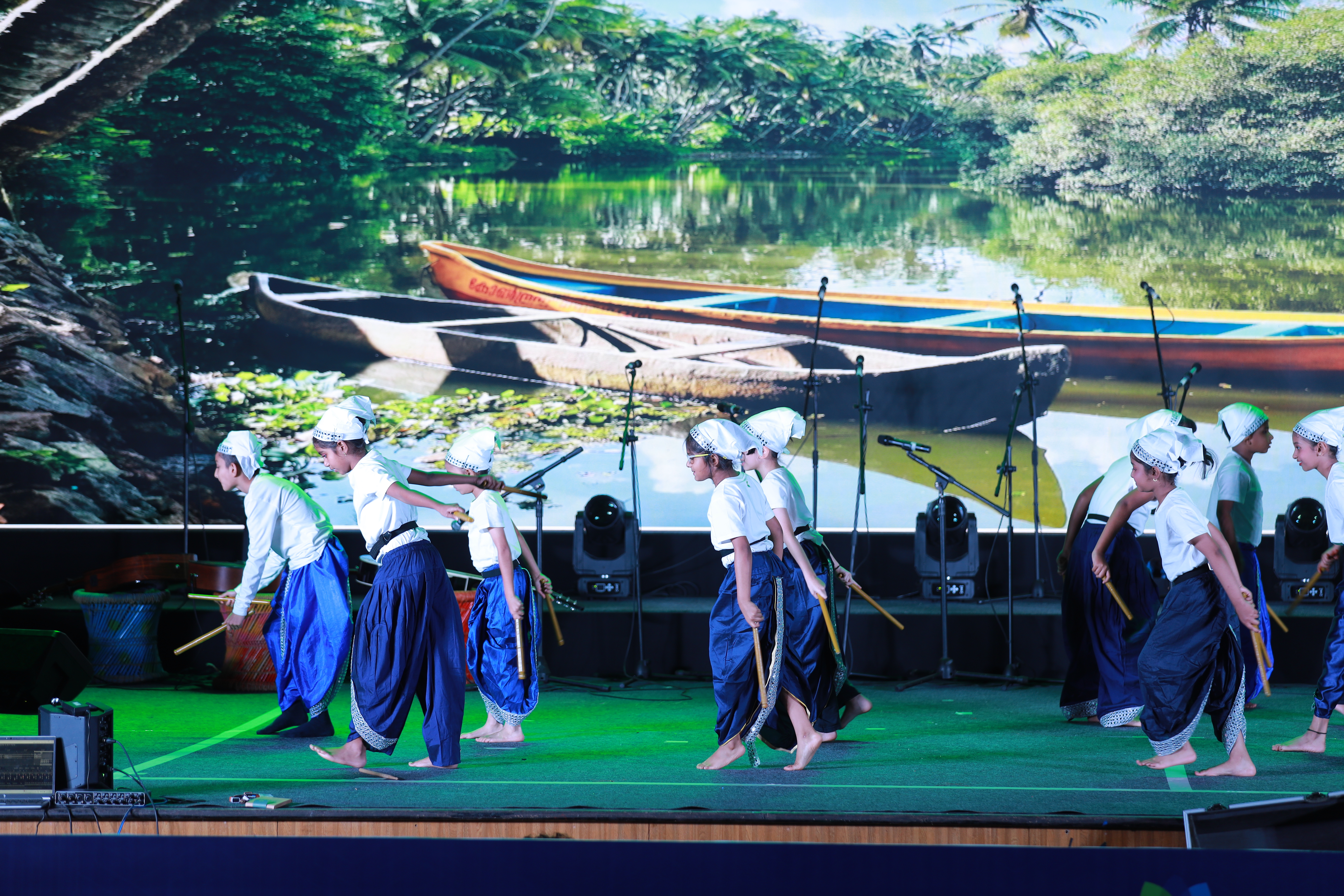
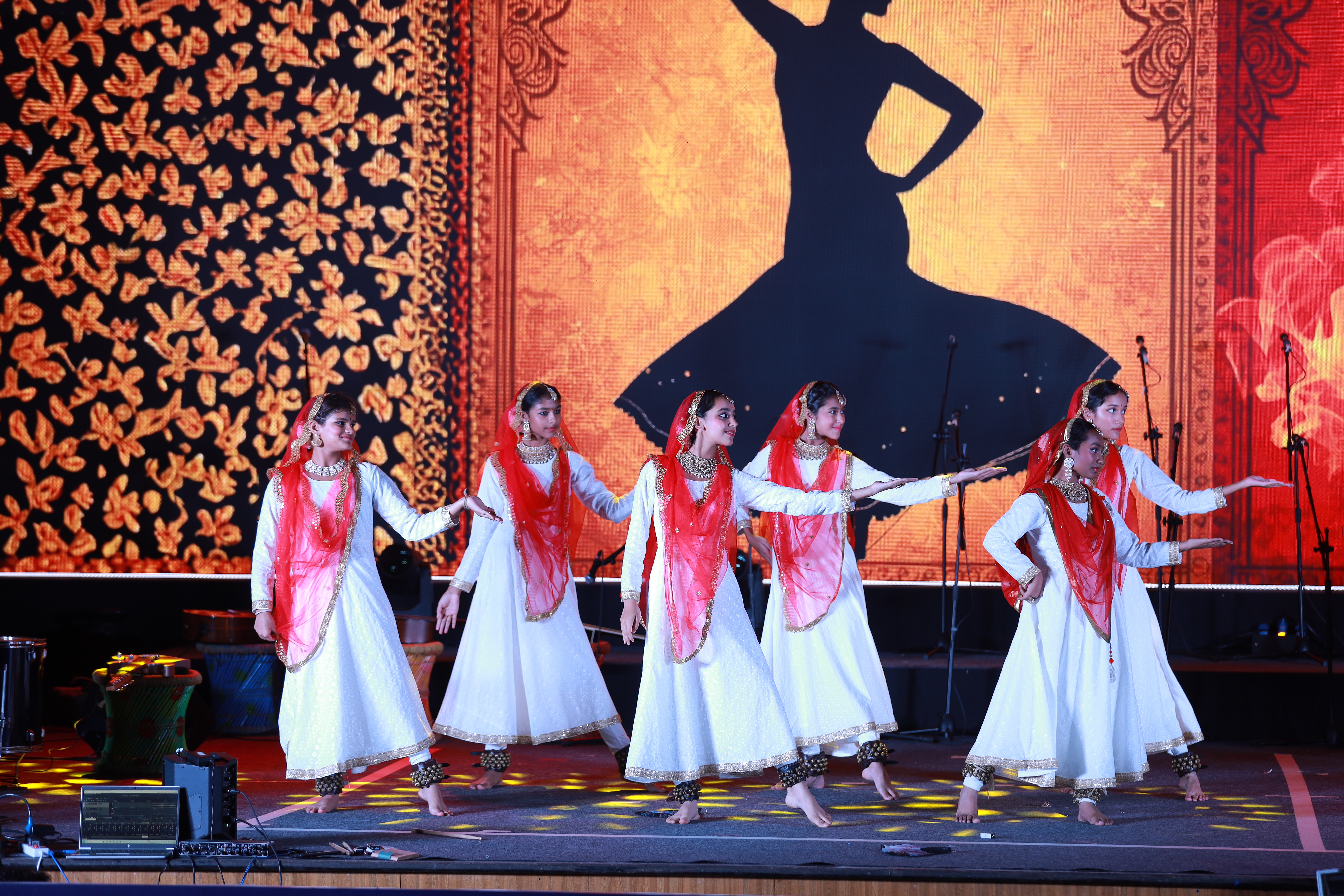
The narrative crossed cultures through the Bamboo Dance of Assam and the Tinikling of the Philippines, symbolising shared humanity through rhythm and grace. The fusion of Flamenco and Kathak mirrored dialogues across borders, while Kolkali and Circle Dance celebrated the joy of togetherness.

The evening concluded with Ode to Joy, a powerful reminder that every journey — of body, mind, or spirit — leads us toward connection.

Anandam 2025 stood as a testament to the power of art to dissolve boundaries and unite hearts — a moving reflection of our shared humanity, connected through creativity and compassion.


Creative ,

Curriculum ,

Dance ,

Education ,

Education For Life ,

IB ,

Music ,

Performing Arts ,

School ,

Theatre ,

Visual Arts ,

STEAMphony is Back!


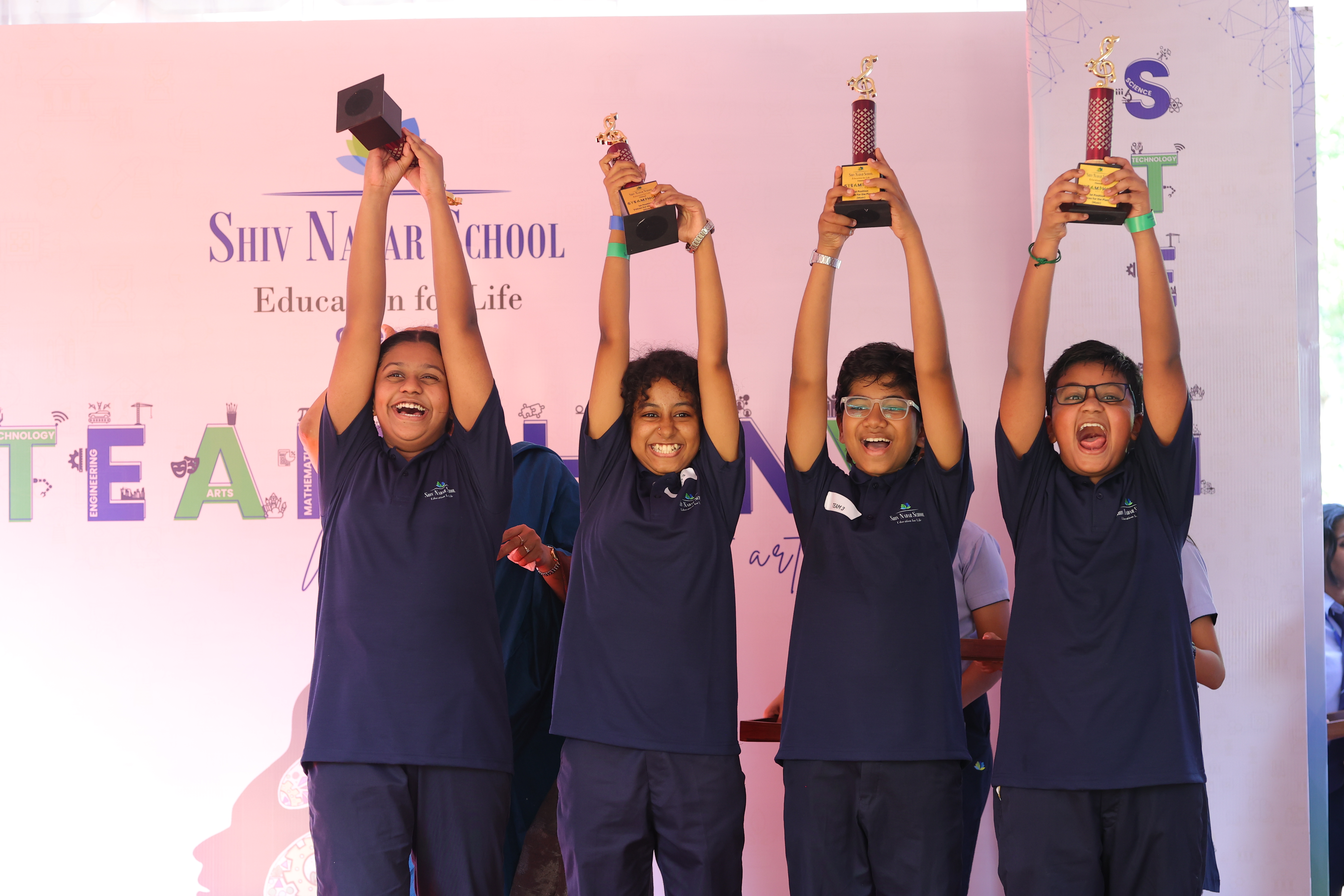
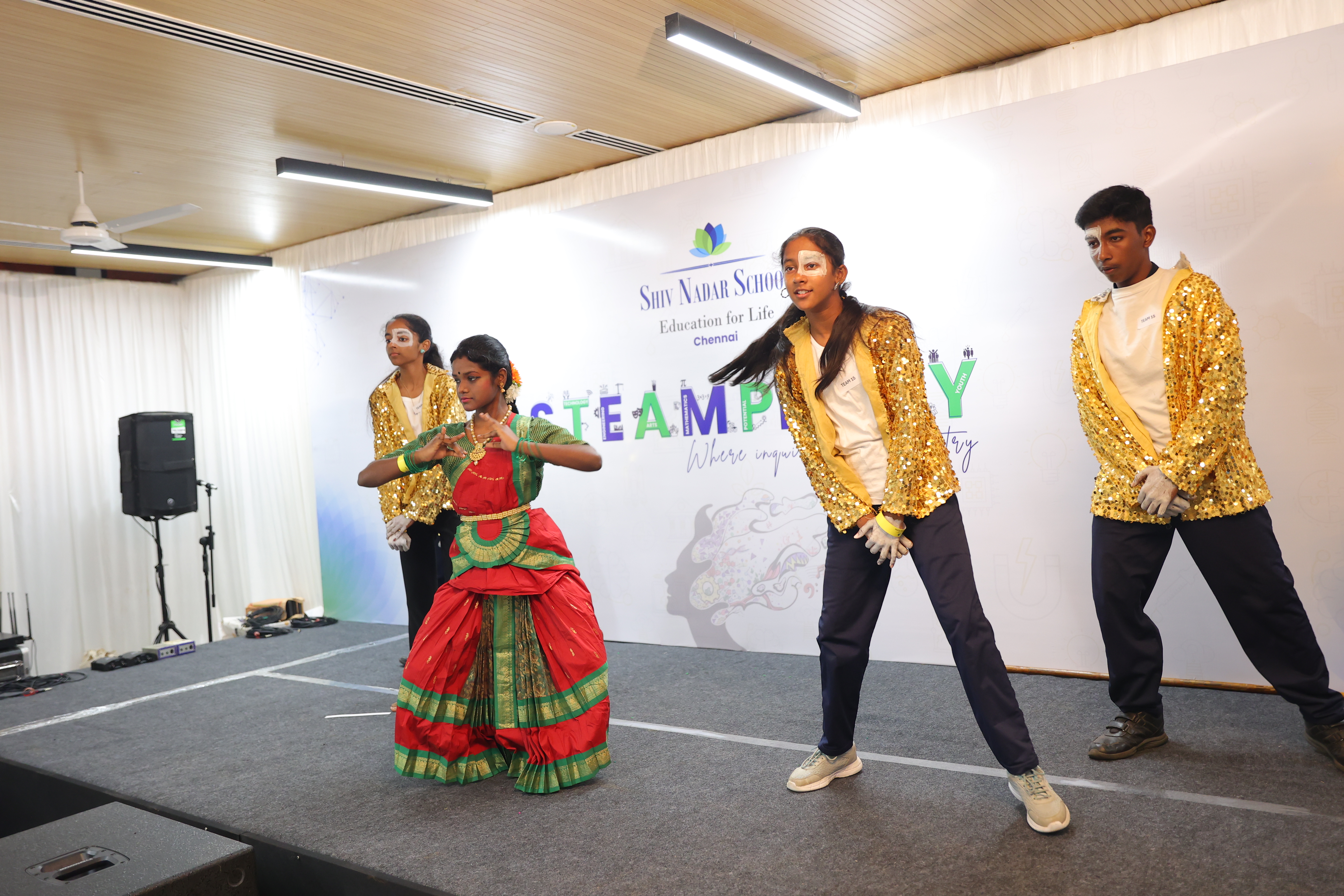
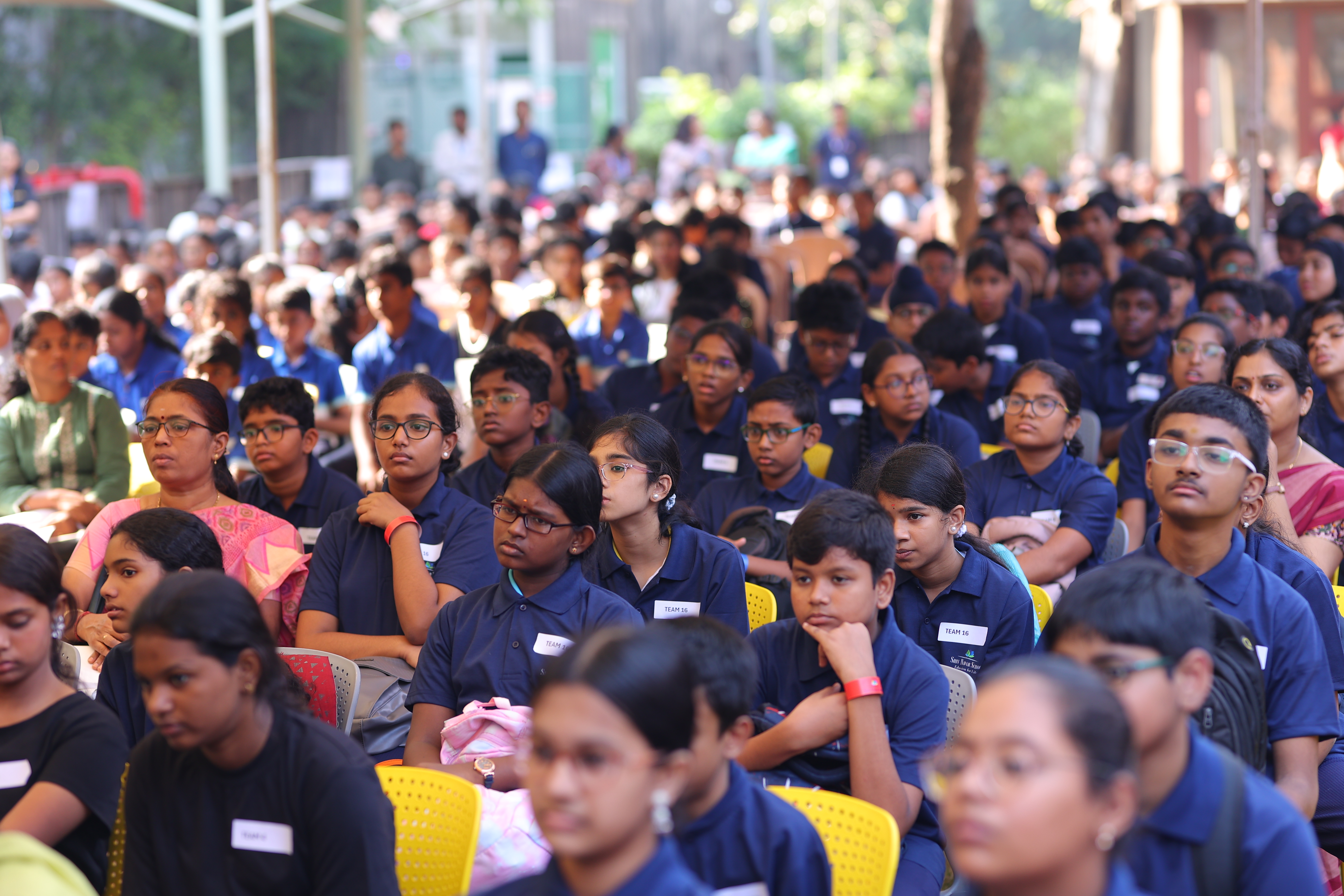
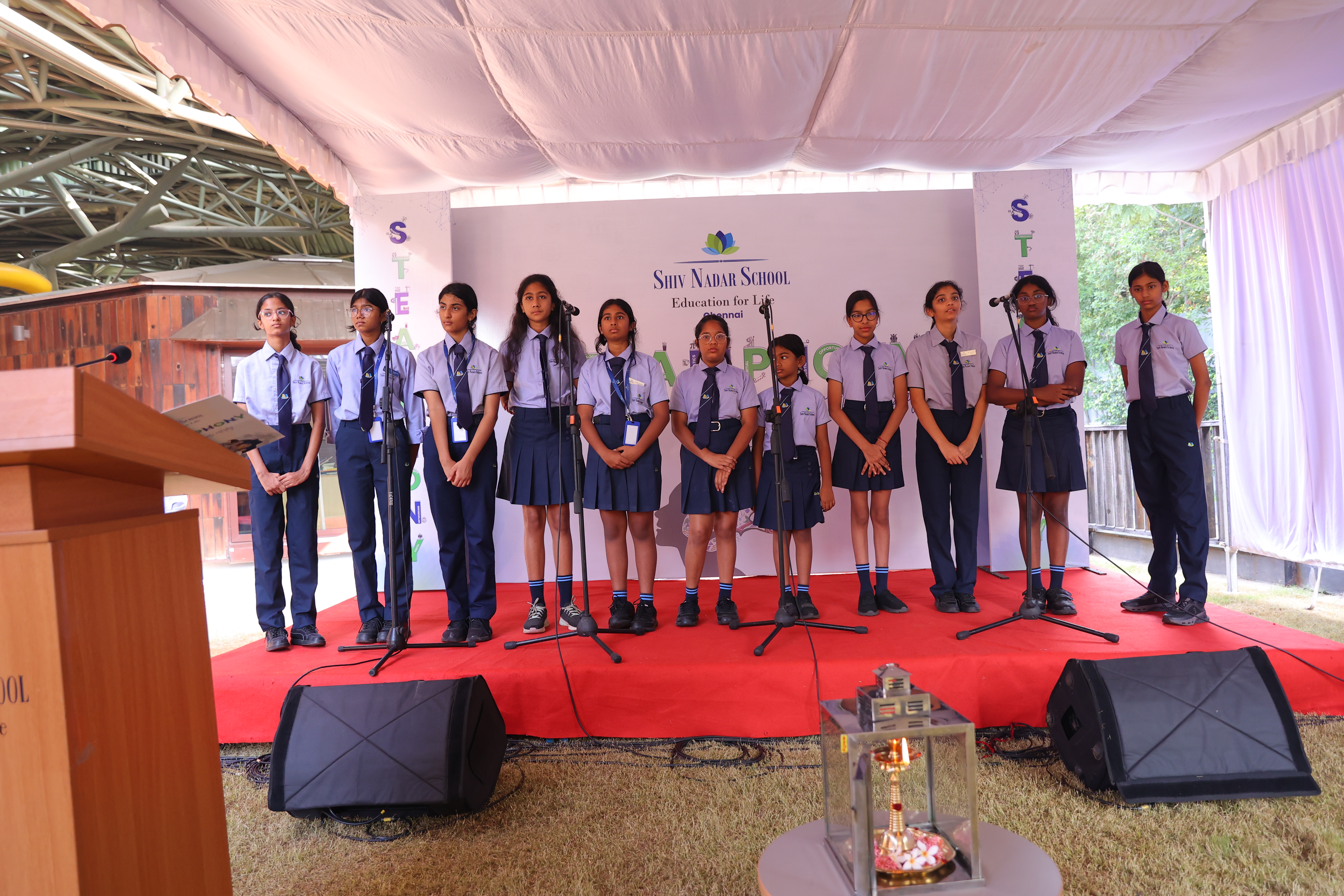
STEAMphony 2025 was an extraordinary celebration of imagination, inquiry, and innovation — an event where Science, Technology, Engineering, Art, and Mathematics (STEAM) came together in perfect harmony. Hosted by the Middle Years students of Shiv Nadar School, Chennai, the second edition of this inter-school initiative brought together over 280 students from Grades 6 to 8 across the city, creating a vibrant space for learning through collaboration and creativity.
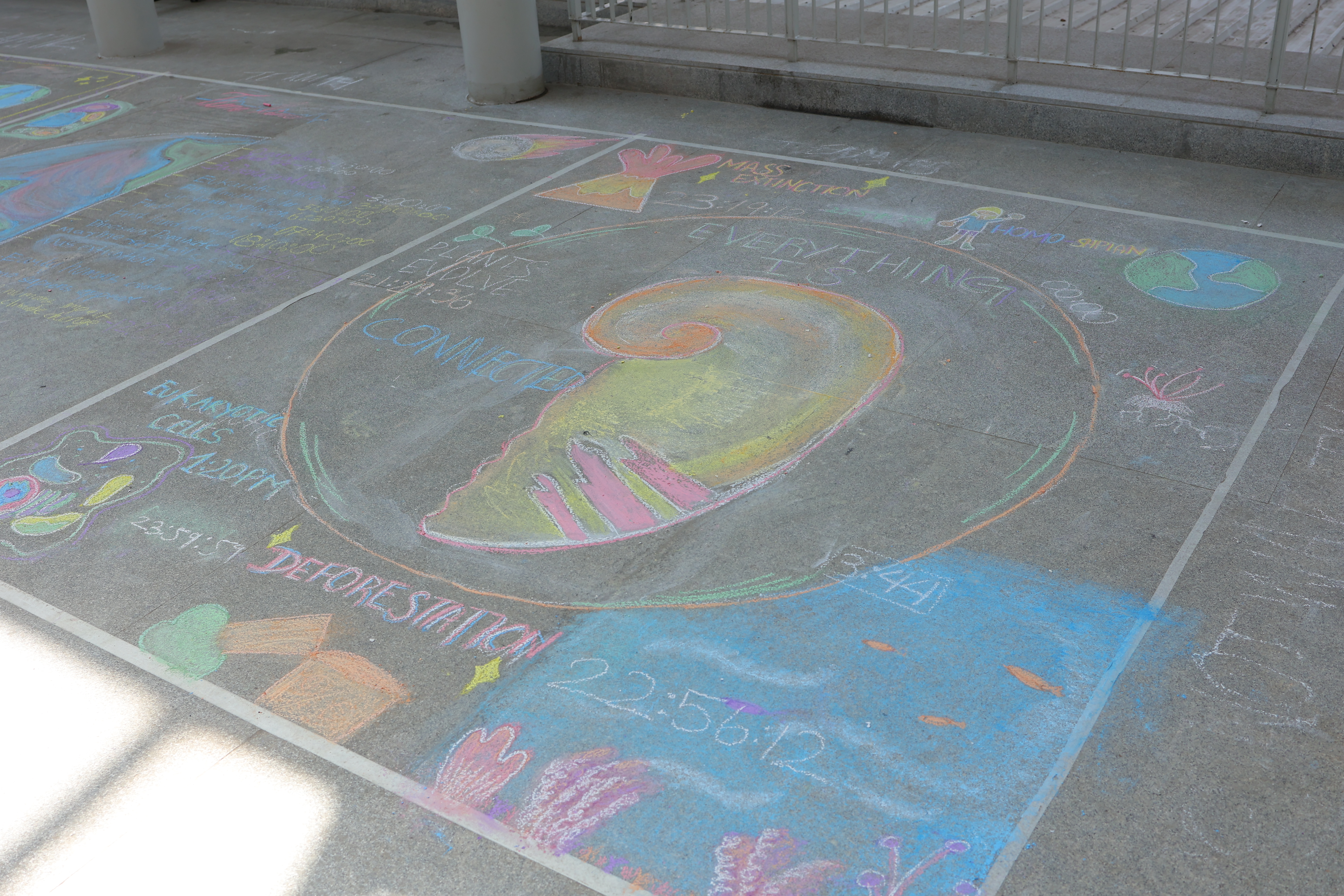
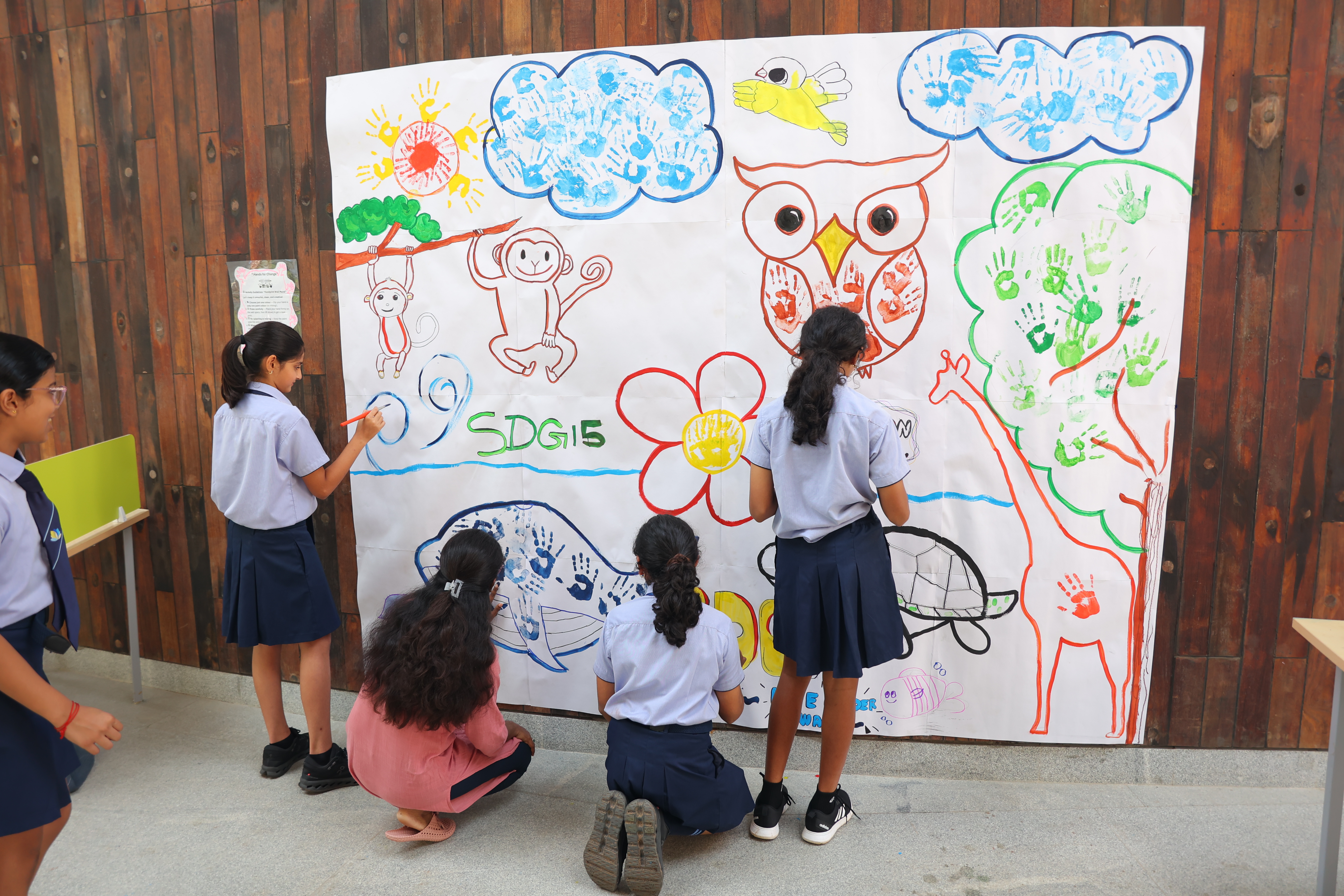
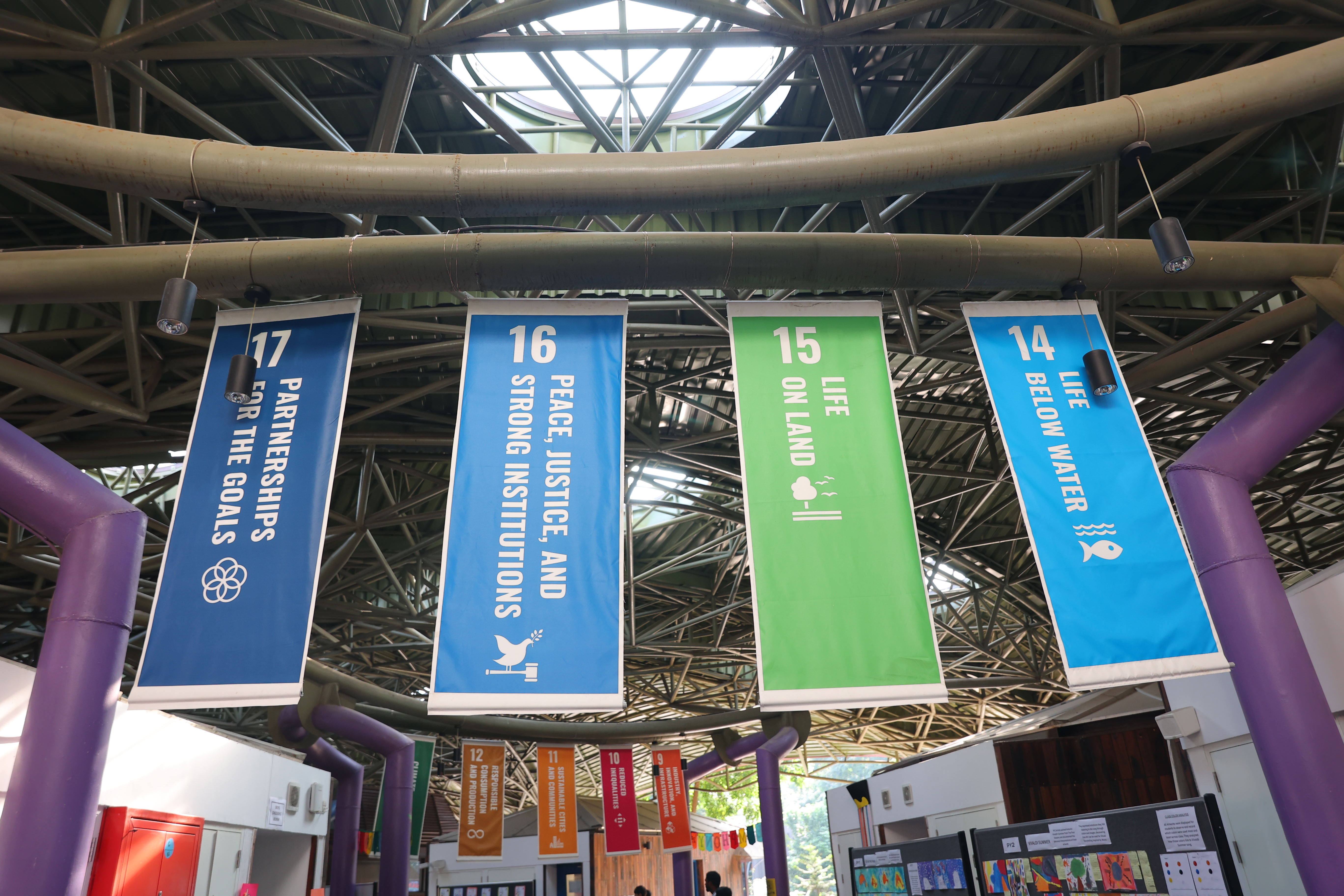
This year’s edition was anchored in Sustainable Development Goals 14 (Life Below Water) and 15 (Life on Land), inspiring participants to reflect on the delicate balance between human progress and the natural world. Through their performances, designs, debates, and experiments, students explored how innovation can coexist with empathy — and how the smallest idea can ripple outward to protect our planet’s future.

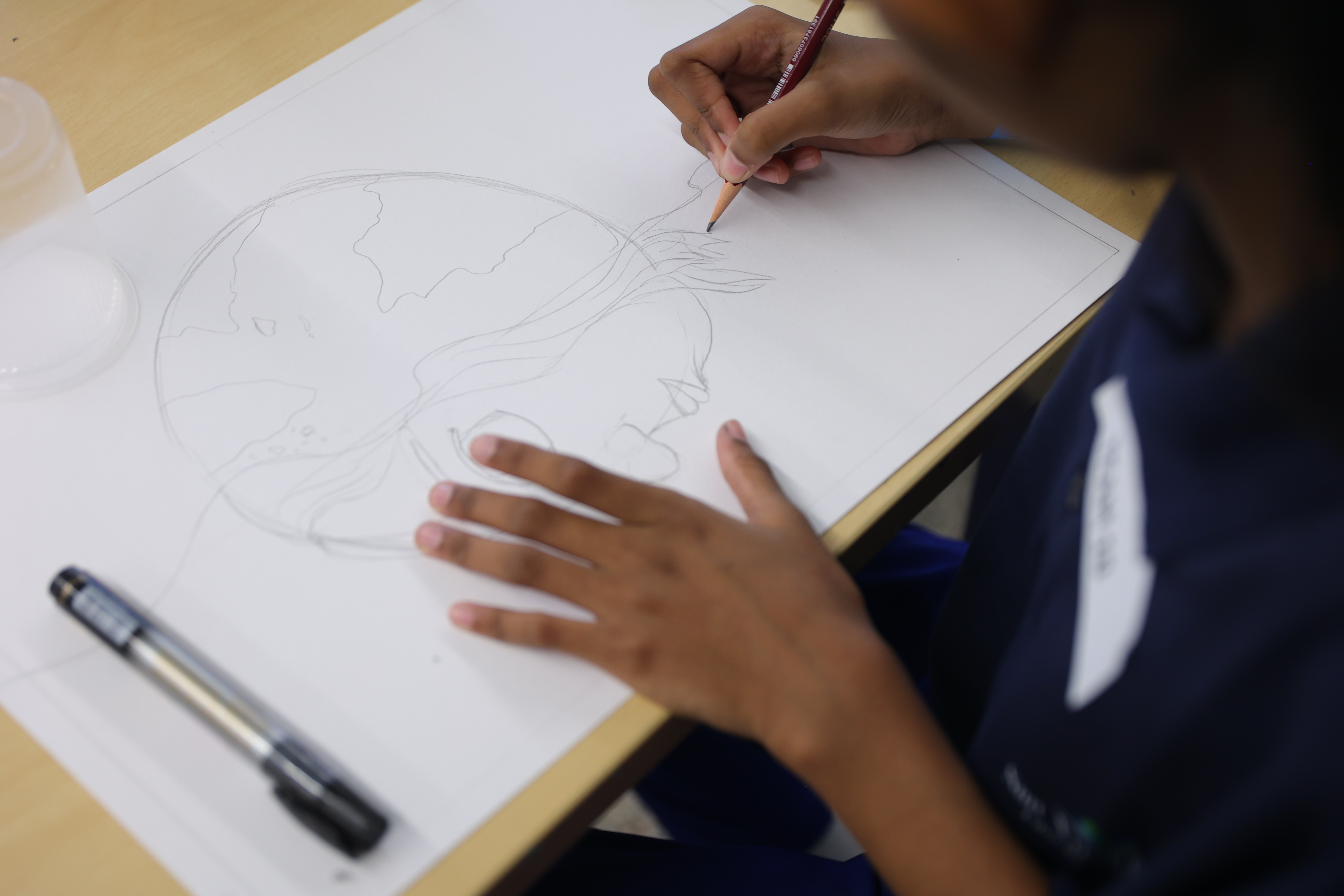
From recycled art and shadow puppetry to design challenges, music, debate, and dance, every competition encouraged young minds to blend analytical thinking with artistic expression. Each performance was a reminder that science and art are not opposites, but companions in understanding the world around us.

What made STEAMphony truly special was the leadership of our MY1, MY2, and MY3 learners, who organised the entire event — from registrations and compering to coordination and logistics. Their initiative, collaboration, and confidence reflected the IB learner profile in action, demonstrating what it means to be principled, reflective, and open-minded communicators.

STEAMphony 2025 wasn’t just a competition; it was a collective celebration of curiosity and community — a moment where learners discovered that innovation, when guided by empathy, can indeed make the world a better place.


Competition ,

Curriculum ,

Dance ,

Education ,

Education For Life ,

Environment ,

IB ,

Innovation ,

Middle ,

Music ,

Nature ,

Performing Arts ,

Progressive ,

School ,

Science ,

Secondary ,

Theatre ,

Visual Arts ,

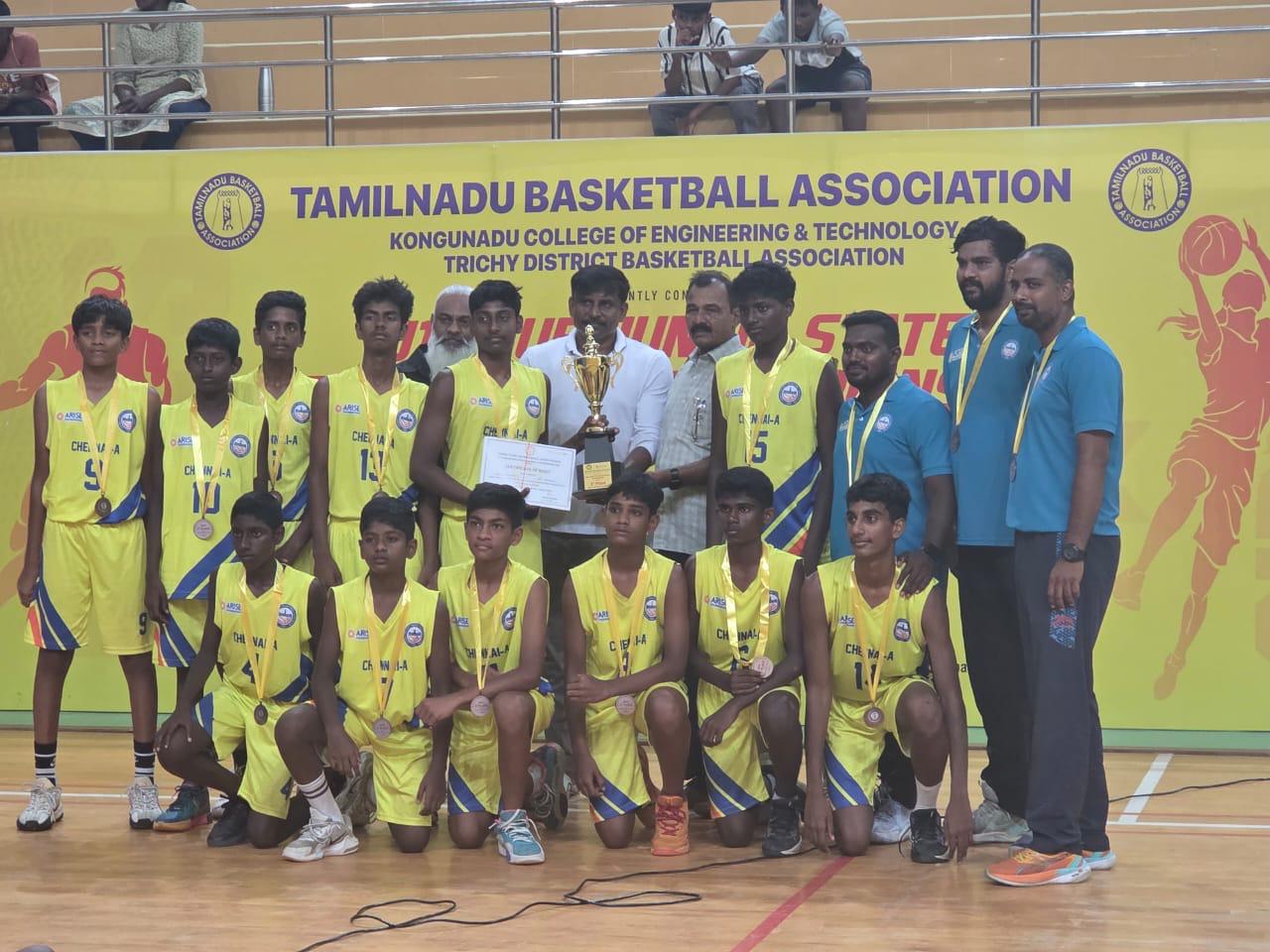
Shooting High - Basketball!

basketball

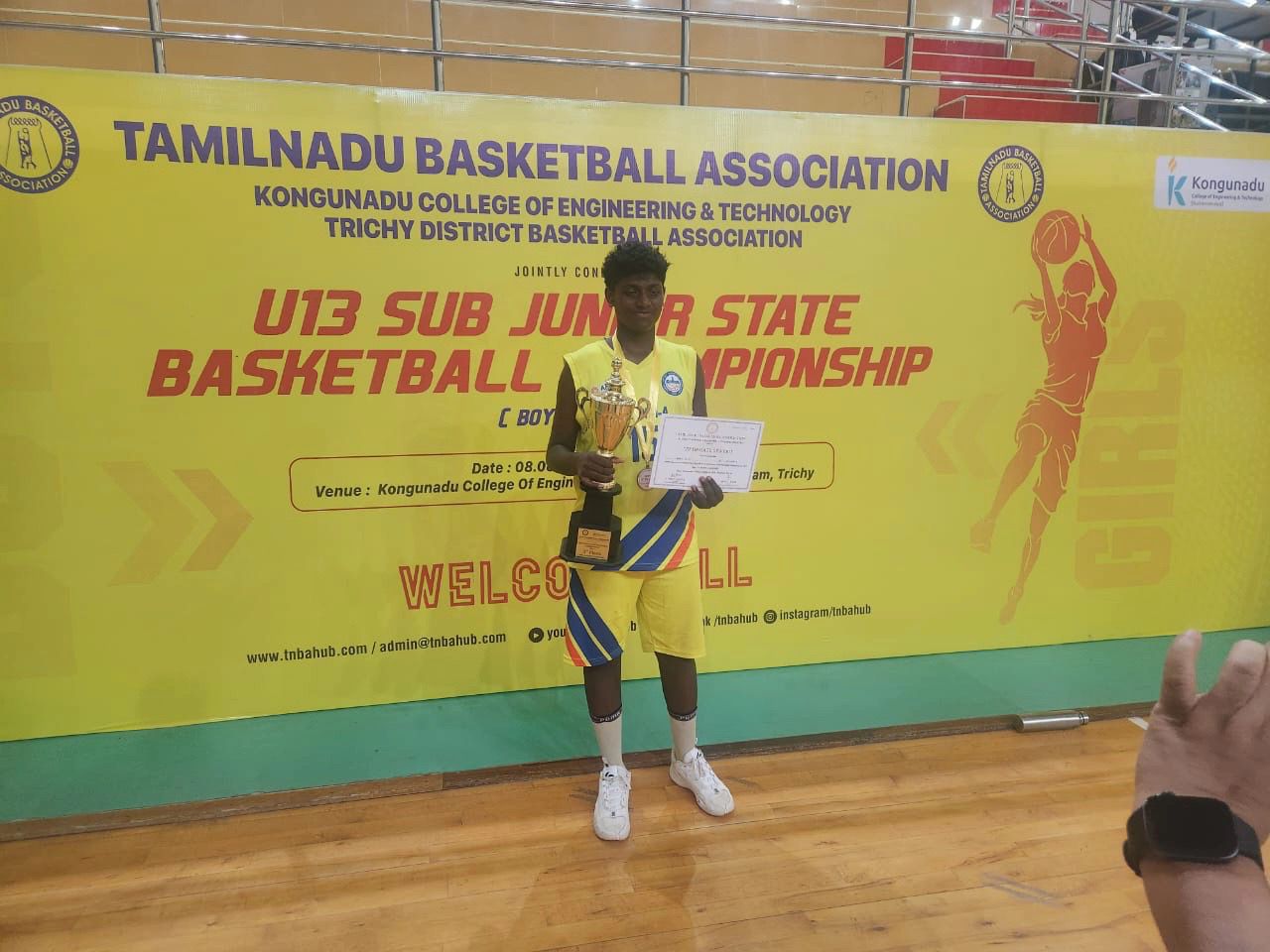
We’re proud to share that G. A. Adhik of MY3 represented the Chennai team at the U-13 Tamil Nadu State Basketball Championship and brought home a bronze medal. His achievement is a reflection of dedication, teamwork, and the spirit of perseverance — qualities we celebrate both on and off the court.

Award ,

Competition ,

Community in Action: Cleaning Coastlines, Caring for the Planet


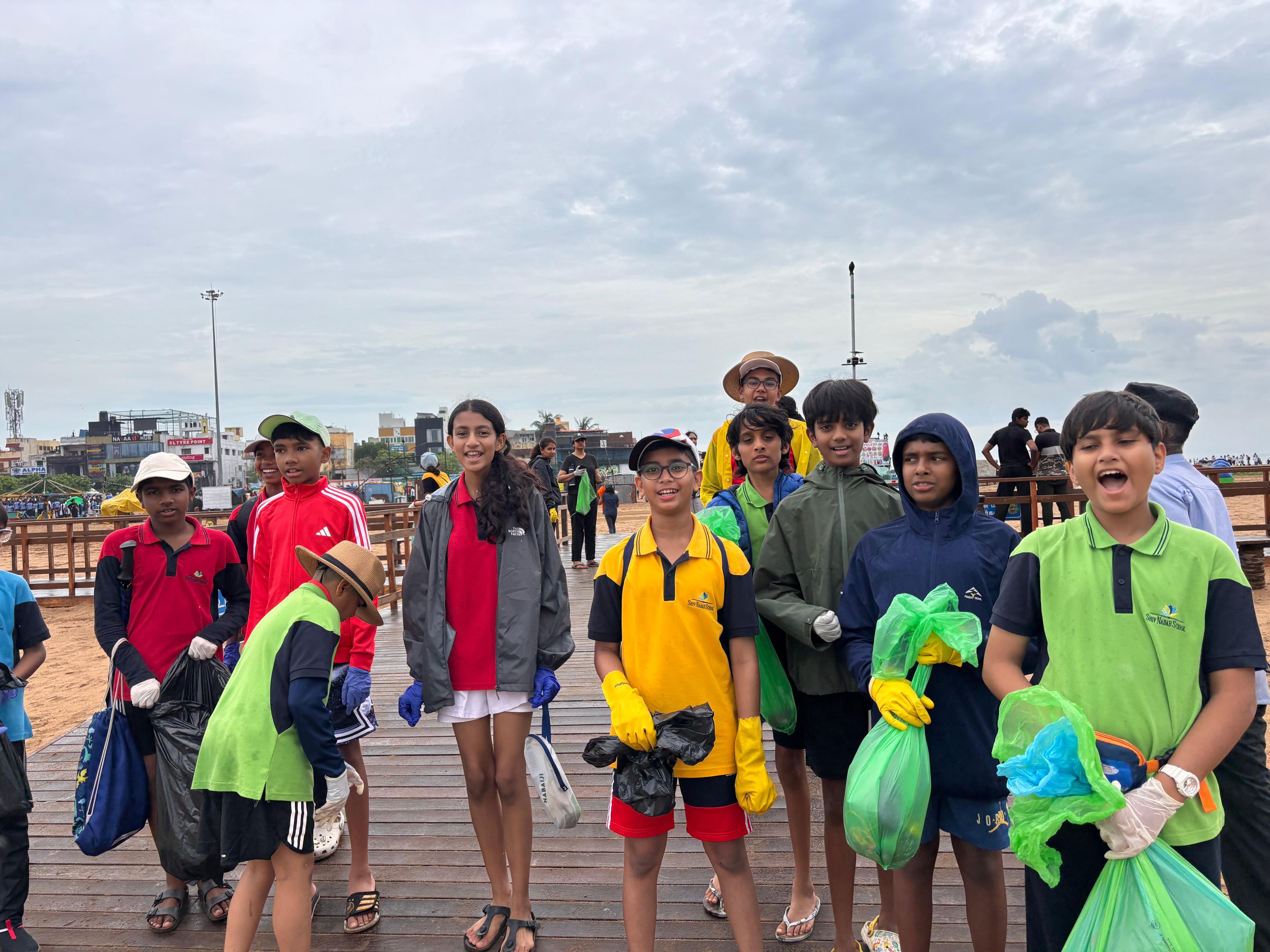
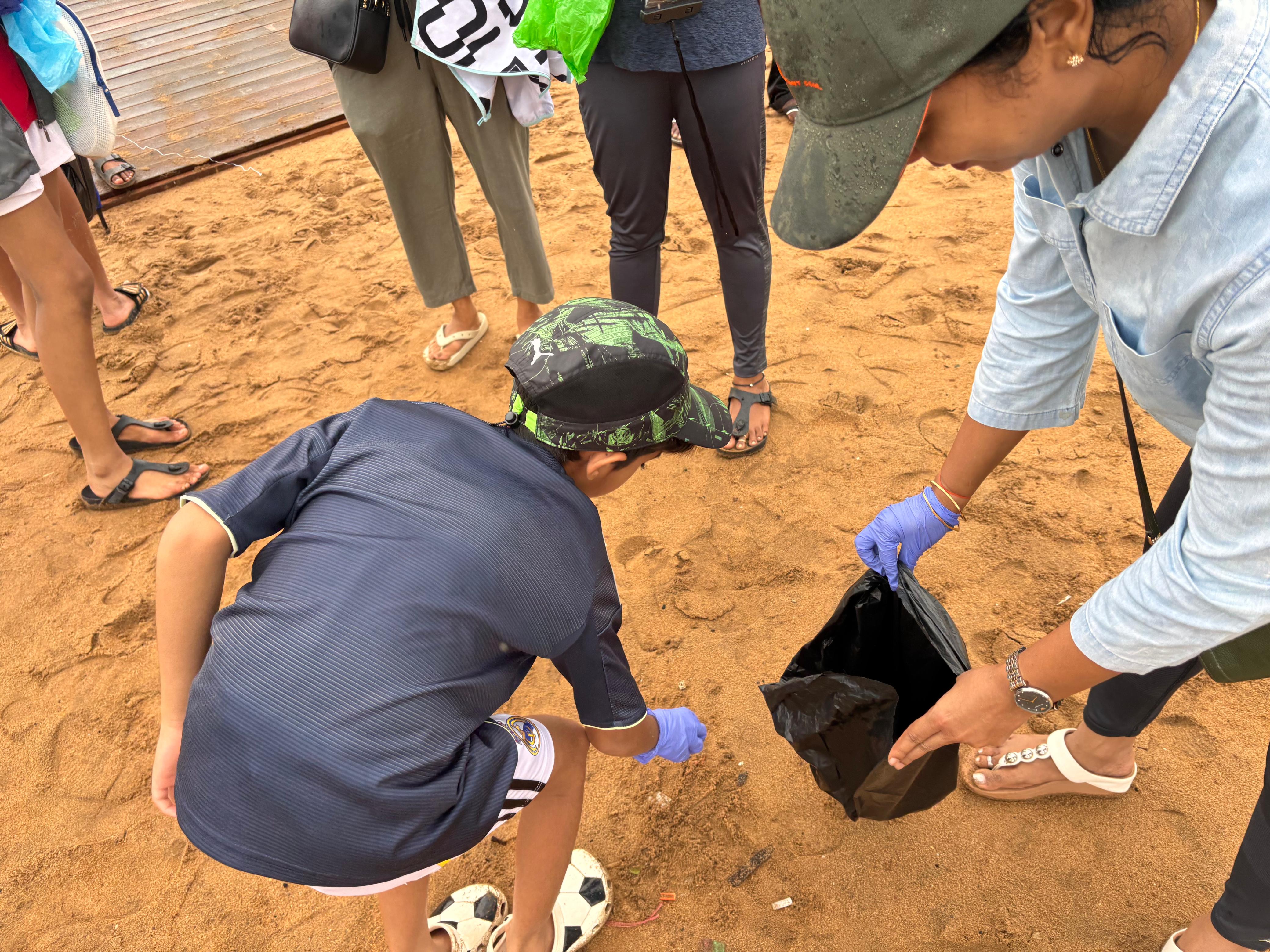
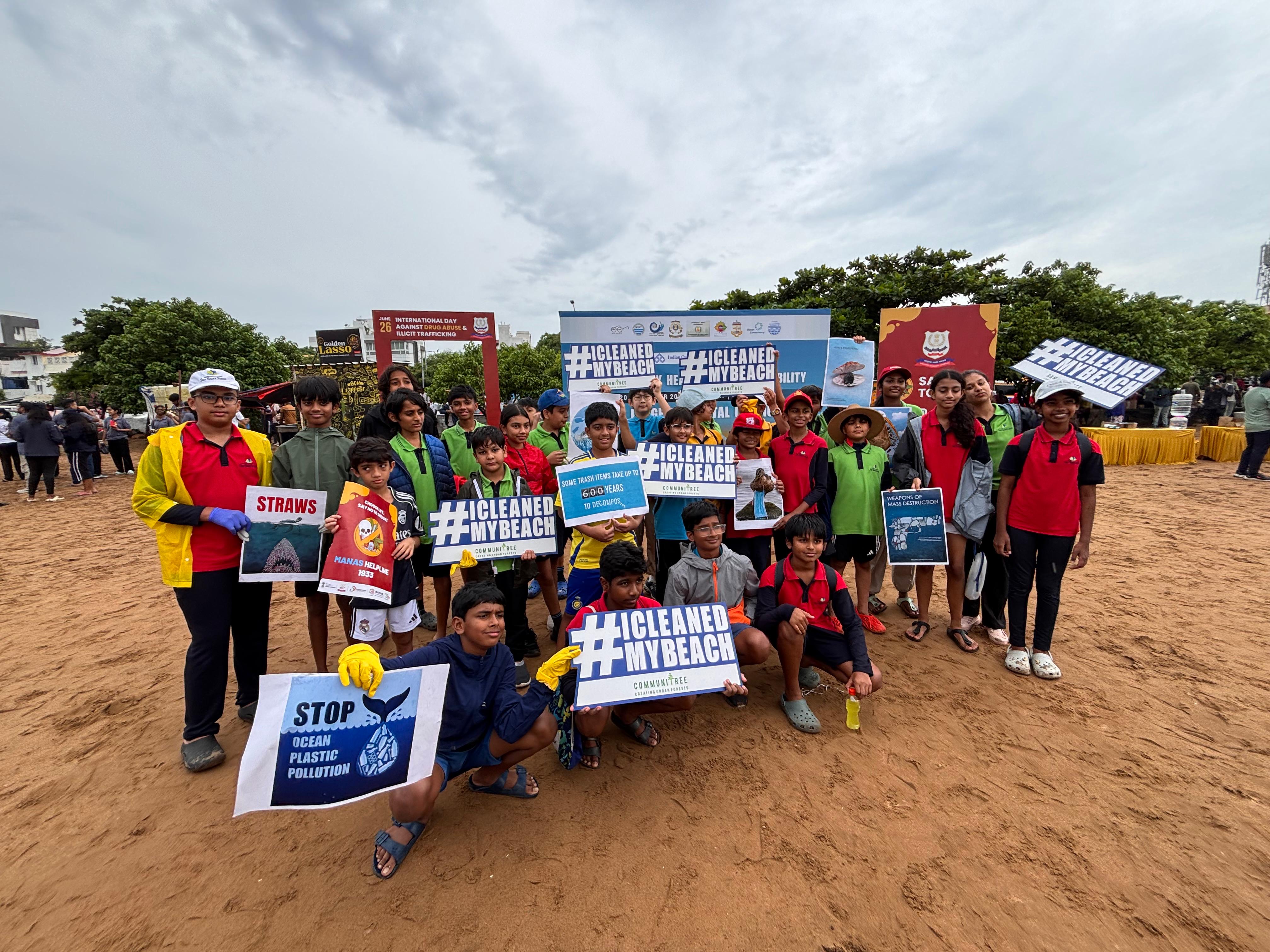
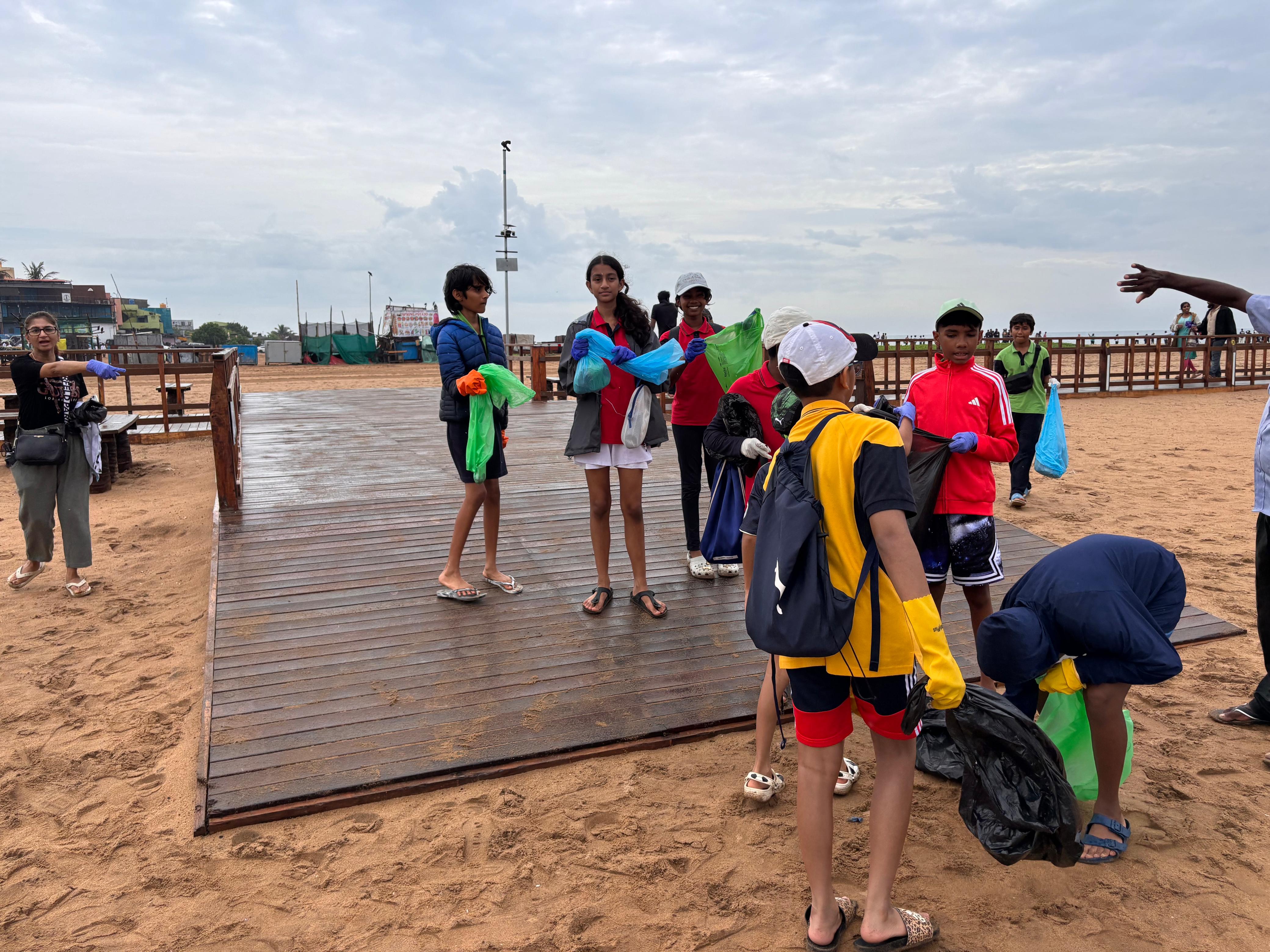
On September 20, 2025, our parent community took the lead in marking International Coastal Cleanup Day, joining millions of volunteers across the world in protecting our oceans. Parents, along with their children from Middle Years, came together as part of our Community Outreach initiative to clear waste from Chennai’s coastline — a small act with a powerful message.

This collective effort not only highlighted the urgent need to tackle plastic pollution but also reflected the spirit of shared responsibility that defines our school community. Through this parent-led initiative, learners witnessed the power of community in action and that caring for our planet begins with small, intentional acts that ripple outward to create lasting change.


Curriculum ,

Education ,

Education For Life ,

Environment ,

IB ,

Middle ,

Nature ,

Outbound Learning ,

Parenting ,

Philosopy ,

School ,

Learning from the Land: Exploring Sustainable Farming


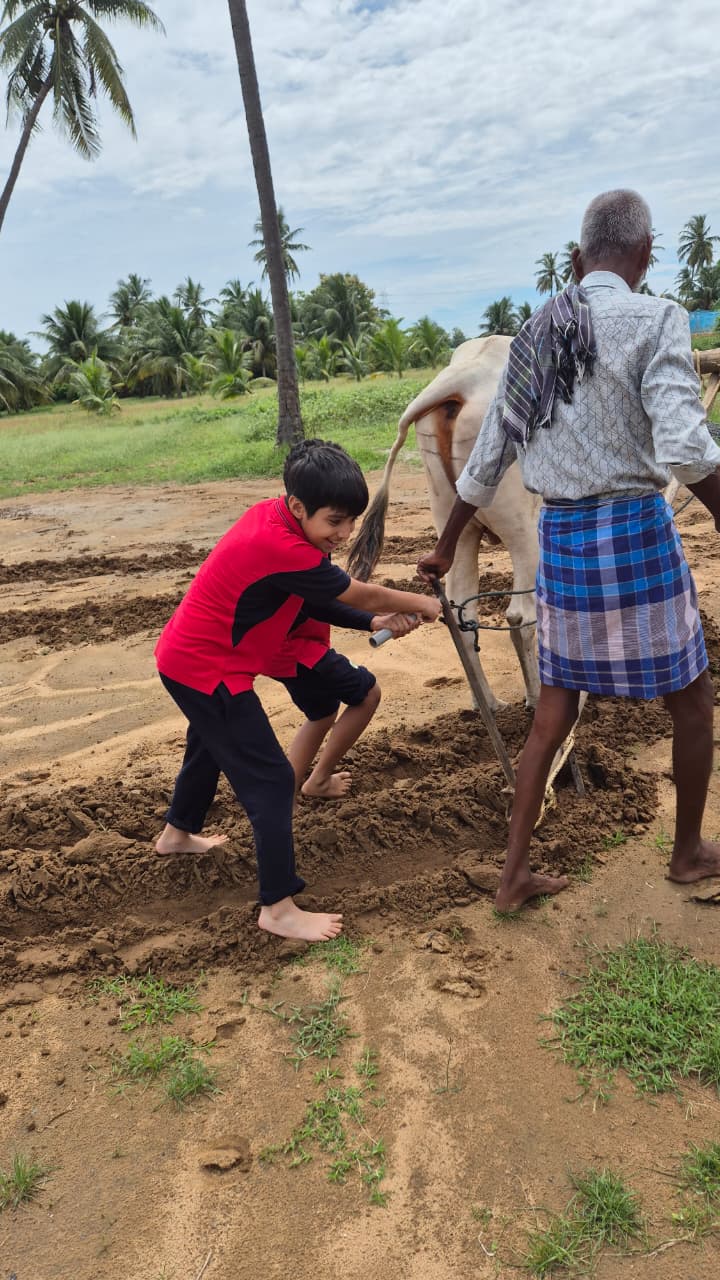
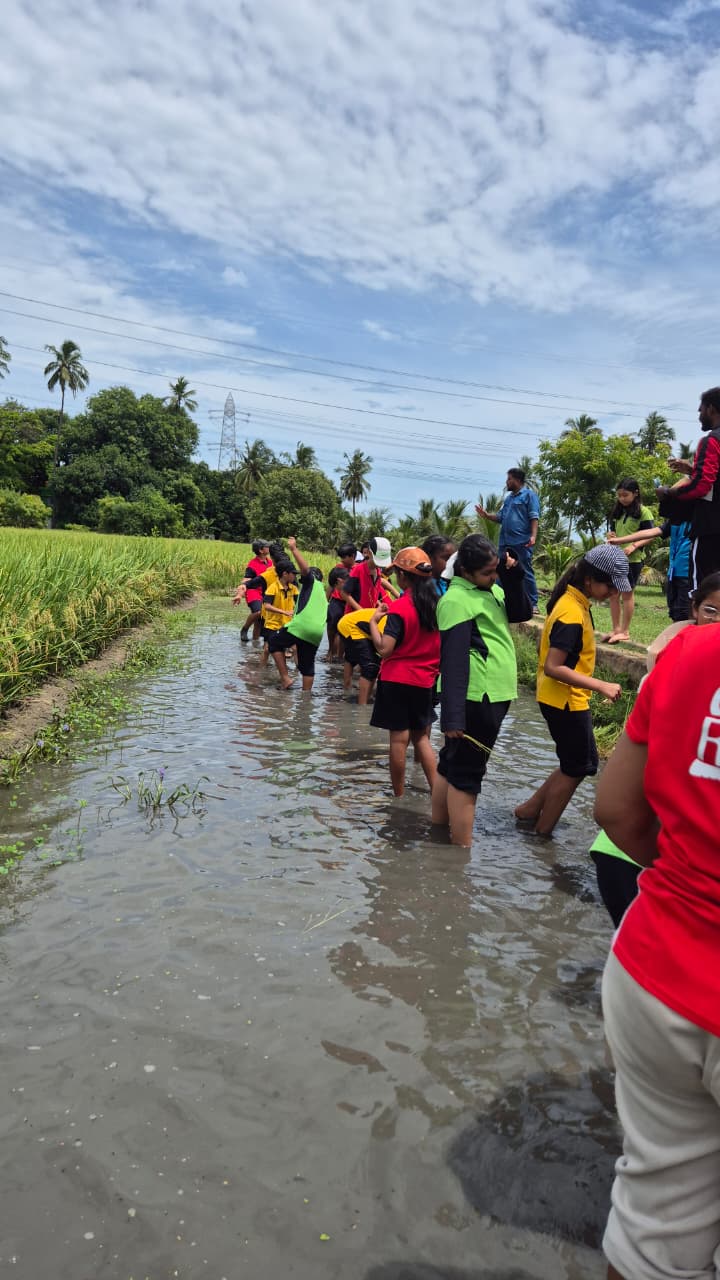
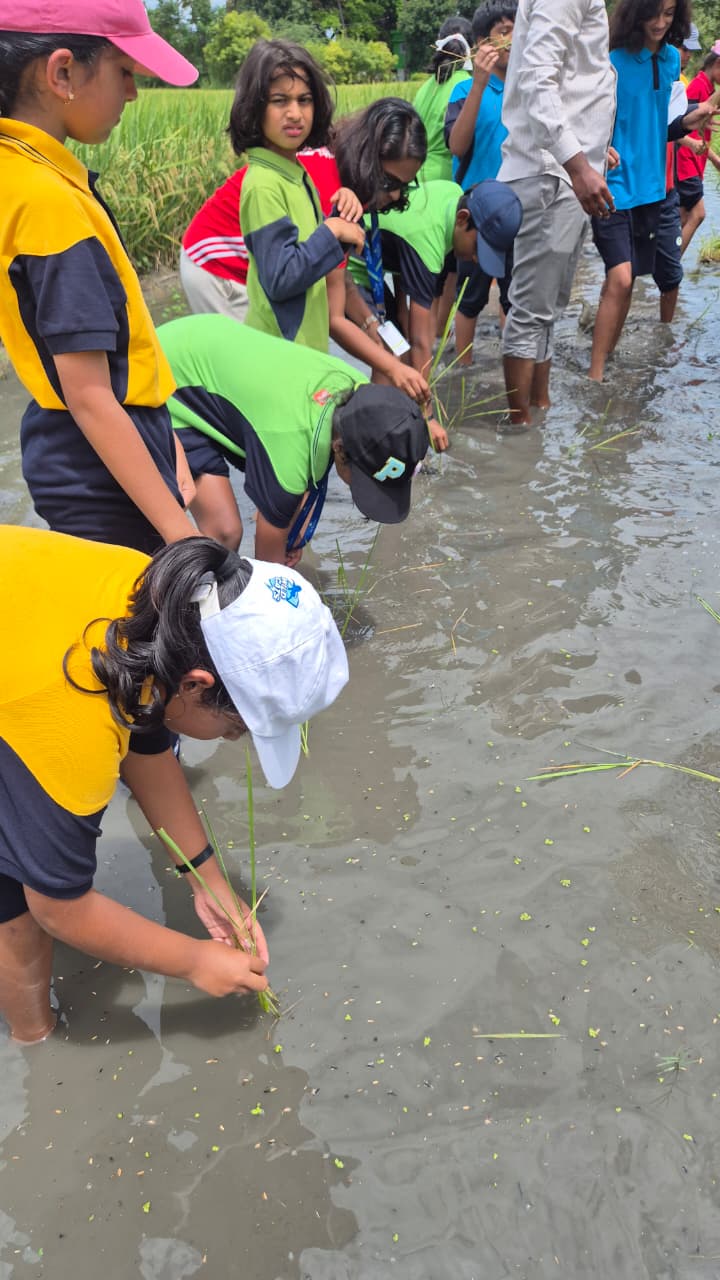
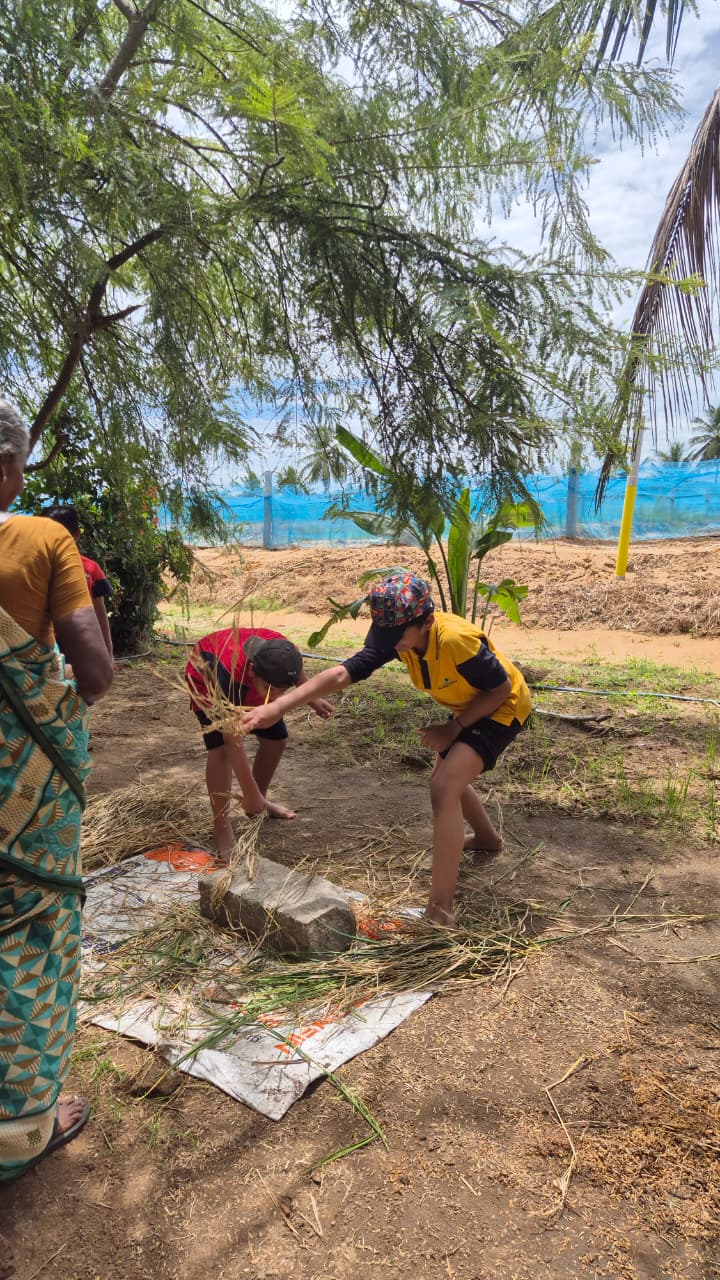
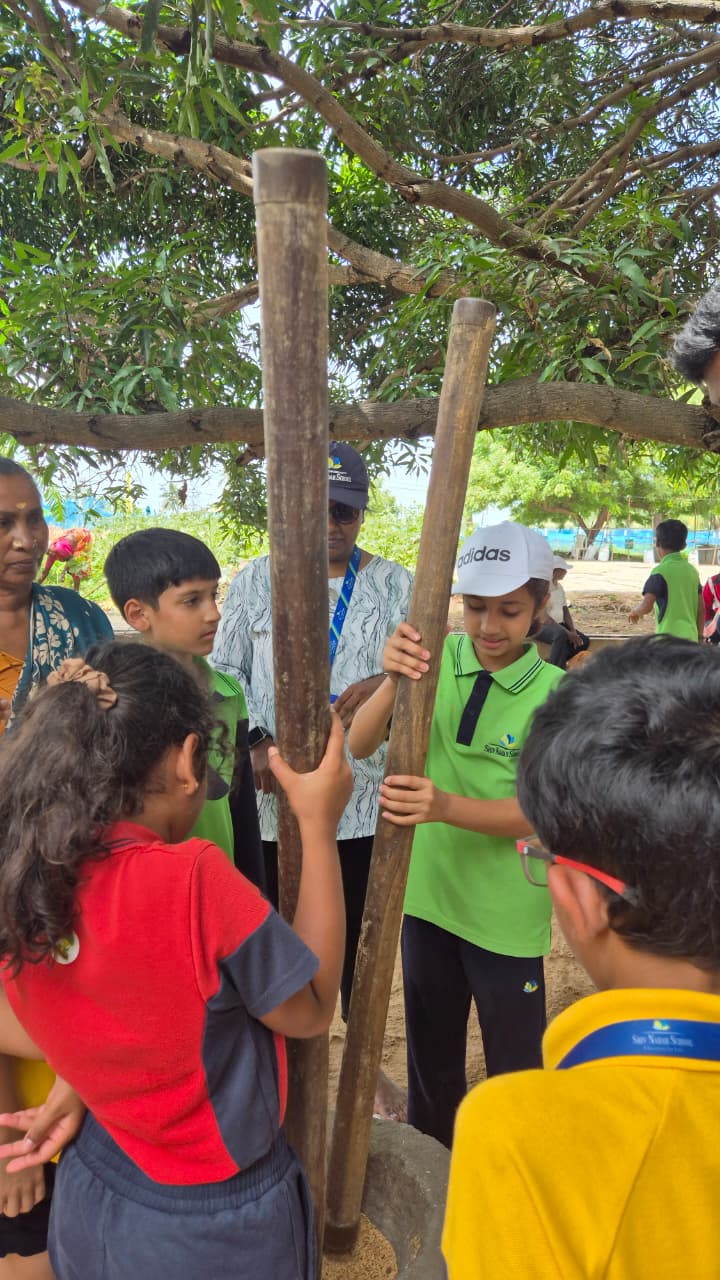
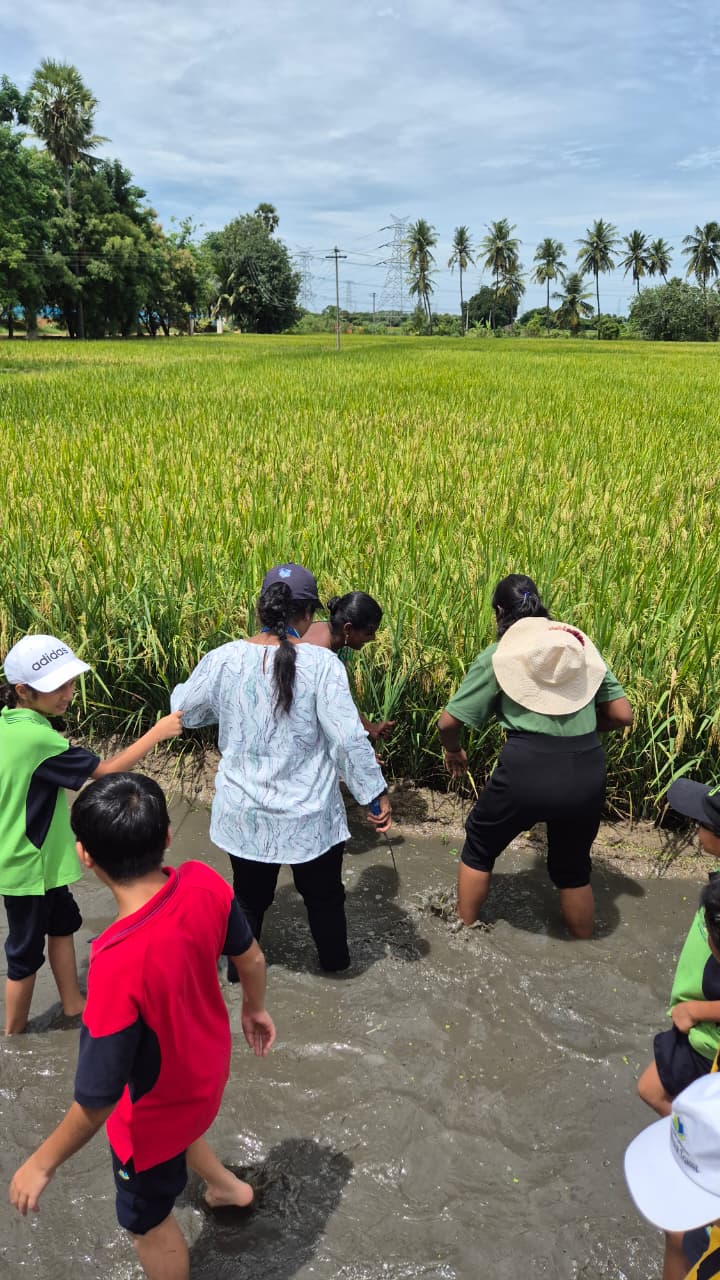
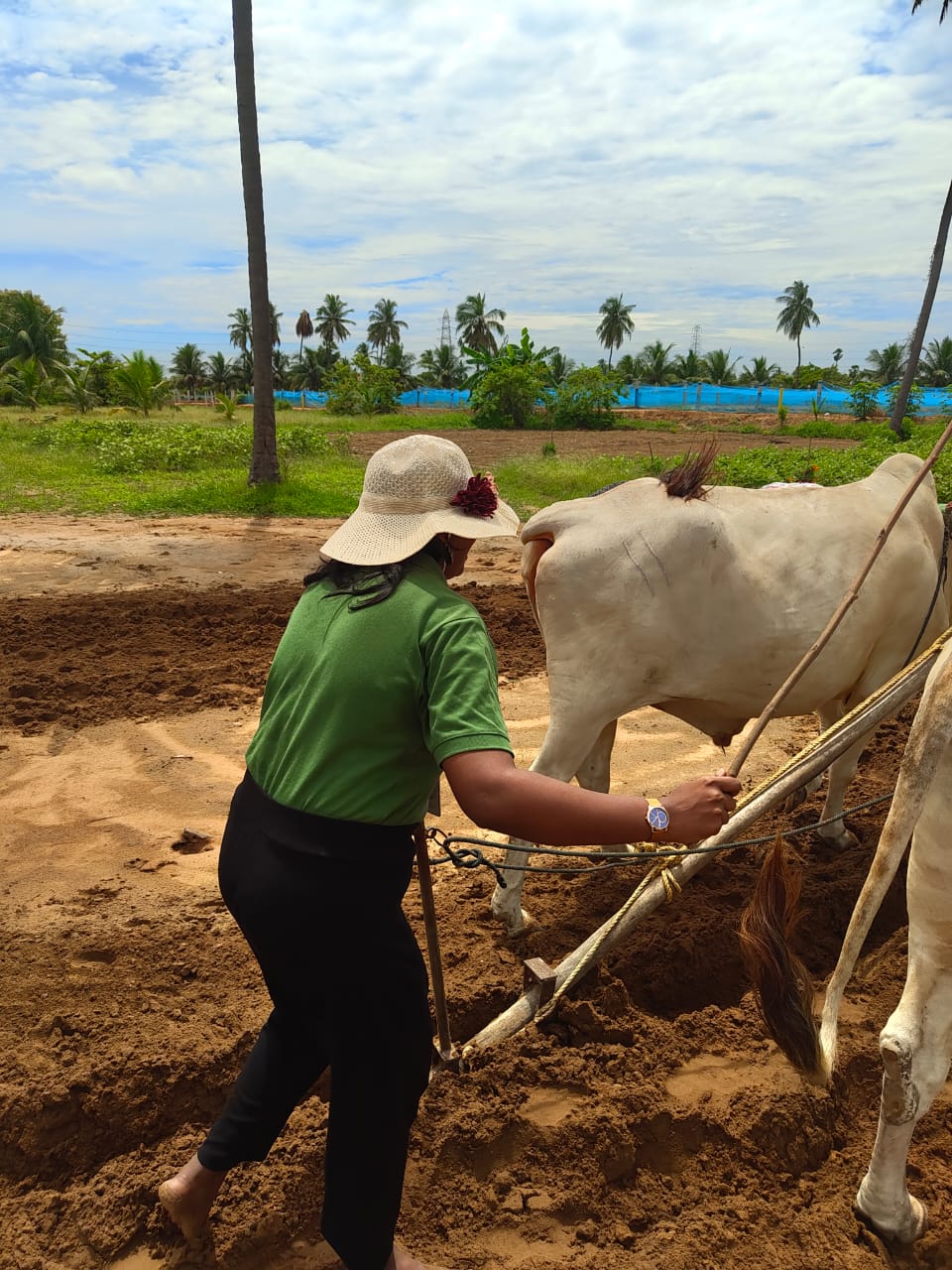
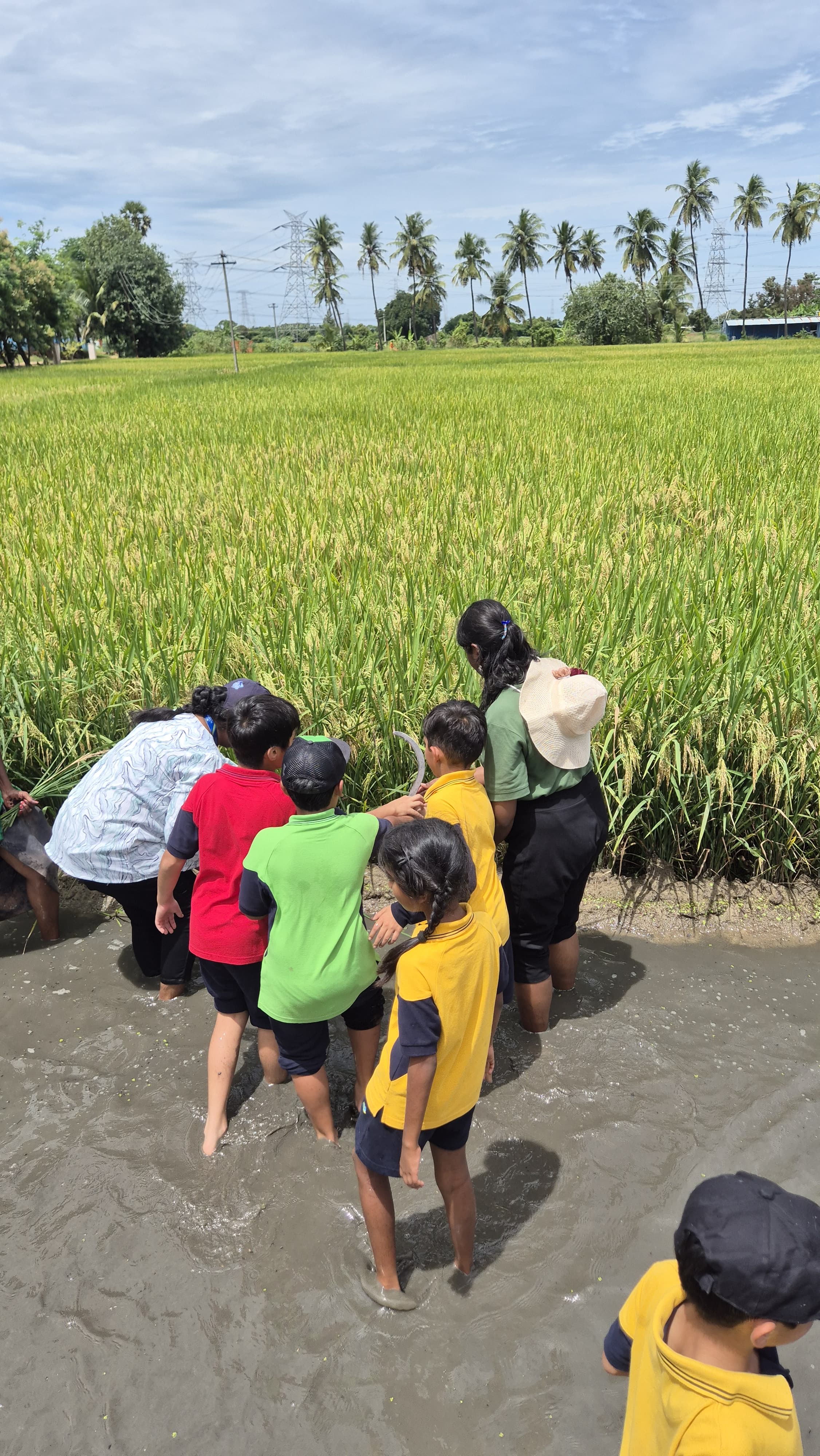
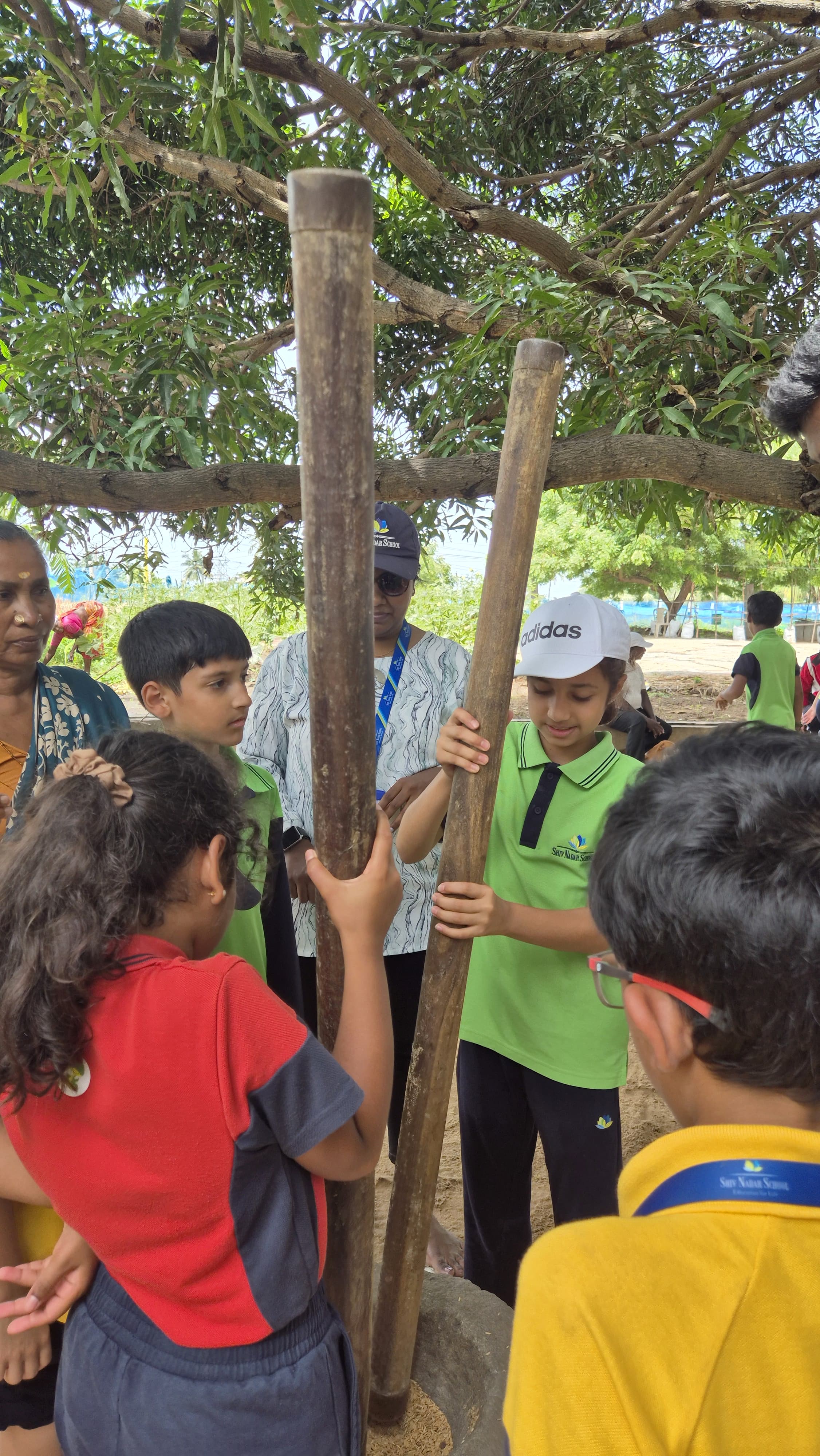
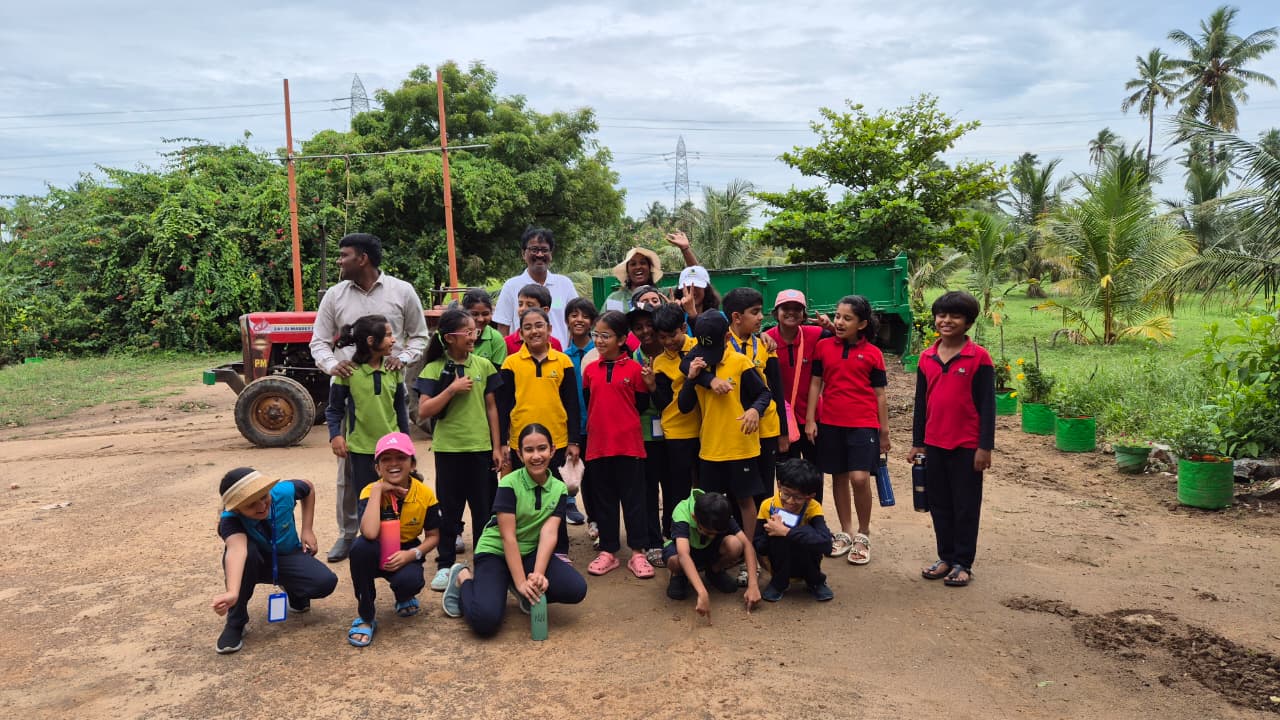
Our Grade 4 learners got their hands muddy and their minds enriched during an experiential visit to a local farm. Immersed in the rhythms of rural life, they learned about sustainable farming practices — from pounding and planting paddy to ploughing the fields with bullocks.

Excitement filled the air as learners rolled up their sleeves and tried their hands at traditional farming techniques. They pounded and planted paddy, learning how each grain begins its journey from the soil. The experience of ploughing the fields with bullocks was particularly memorable — a rare opportunity to understand how farming once relied entirely on human effort and animal partnership, long before the era of machines.

Beyond the physical activities, the visit helped students develop a deeper respect for the labour and patience that go into growing the food we eat. It also tied beautifully into their classroom learning on sustainability, ecology, and the importance of making environmentally conscious choices.

By the end of the day, the learners returned with more than just muddy feet — they carried back a sense of gratitude for farmers, an appreciation for the land, and a stronger understanding of what it means to live sustainably.

Through experiences like these, we hope to nurture young minds who value the connection between humanity and nature, and who will grow into responsible citizens.


Curriculum ,

Education ,

Education For Life ,

Environment ,

IB ,

Nature ,

Outbound Learning ,

Primary ,

School ,

Subscribe to 2025