
Perspectives Beyond
Sustainable Architecture: Reviving Himalayan Wisdom
By Rahul Bhushan
For Eco-Architect Rahul Bhushan, Himachal’s traditional methods are more than history; they are living lessons in balancing innovation with ecological sensitivity, showing how design can honour both people and planet.
The Himalayas, home to breathtaking landscapes and ancient traditions, are far more than just a geographical wonder. They are a cradle of wisdom, showcasing how humans can coexist with nature. However, these majestic mountains are now grappling with the harsh realities of climate change, flash floods, landslides, and unpredictable weather patterns are threatening their delicate ecosystems.
Looking at the bigger picture, the global building industry is one of the largest contributors to carbon emissions, accounting for about 40% of the total. Much of this is driven by the widespread use of materials such as steel, concrete, and brick, which come with significant environmental costs. In contrast, the use of wood offers a more sustainable alternative, it is a renewable resource that absorbs carbon and requires less energy to process compared to other materials, making it an environmentally friendly option for construction.
The vernacular architecture of Himachal Pradesh, where wood is used as a key resource, serves as an inspiring reminder of how the past holds solutions for the future. Rooted in ecological sensitivity, this traditional architecture provides practical and innovative answers for sustainable living.
In Himachal Pradesh, centuries-old techniques like Kathkuni and Dhajji Diwari illustrate a harmonious relationship with the environment. Kathkuni, a technique that uses interlocking wooden beams and stone masonry, creates structures that are not only earthquake-resistant but also durable enough to withstand the test of time. Dhajji Diwari, another local method, utilises a cross-braced wooden framework filled with stone, offering a sustainable, cost-effective, and climate-responsive approach to building. These techniques make use of locally available, renewable materials like wood and stone, ensuring that the architecture blends naturally into its surroundings, reducing its ecological footprint.
These traditional methods are not just about preserving the past; they offer a contemporary solution to the world’s growing sustainability challenges. In fact, what may seem like age-old building techniques are being revisited and adapted to meet the needs of the modern world. Architects today are recognising the potential of these methods, seeing in them a way to create structures that are both resilient and connected to their surroundings. By learning from the past, these architects are shaping a future that respects the wisdom of ancient traditions while embracing the innovations of the present.
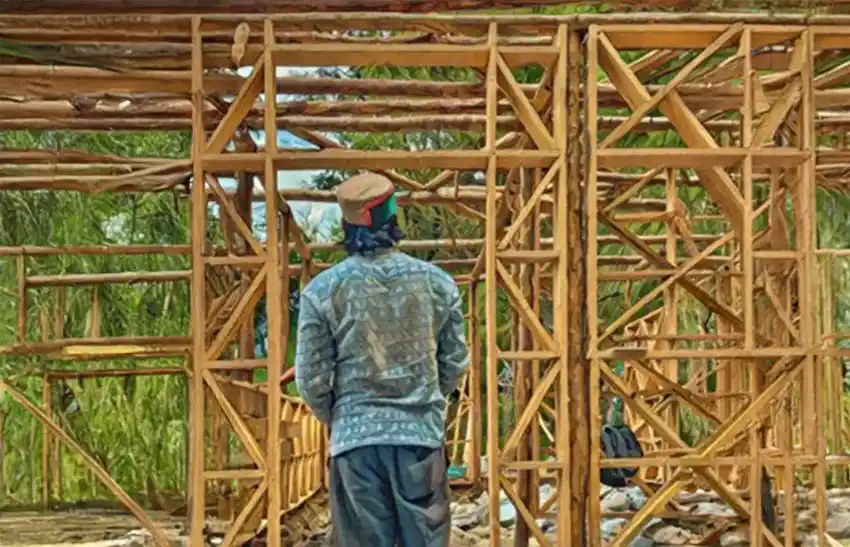
The Dhajji Diwari technique
Despite the strength and sustainability of these techniques, misconceptions still persist. Many people assume that traditional wooden buildings are fragile, temporary, or prohibitively expensive. However, the reality is that wood and stone structures can be incredibly resilient, even in seismic regions, and offer long-lasting durability. These buildings not only withstand the test of time but also create a deeper connection to the natural world, blurring the boundaries between man-made structures and the environment.
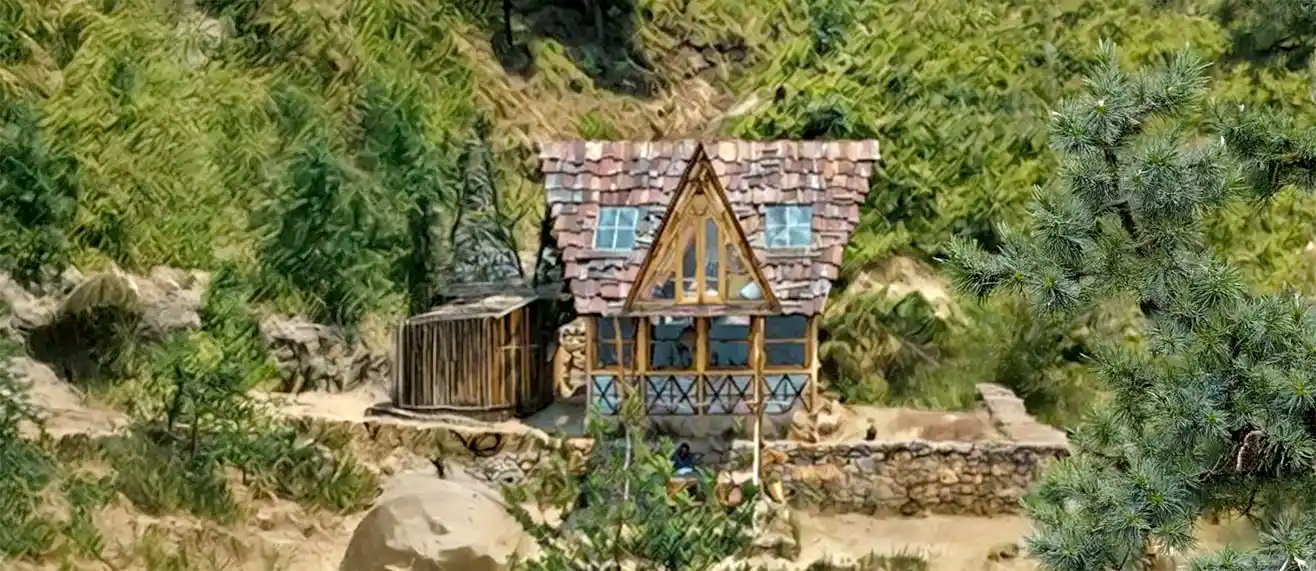
One such project that exemplifies this blend of tradition and innovation is the Dhajji Cabin, a project that I have worked on with my architectural studio, NORTH. Built using the age-old Dhajji Diwari technique, this contemporary structure dispels the notion that traditional building materials cannot accommodate modern needs. The cabin combines age-old craftsmanship with modern comforts, showcasing that sustainable homes can also be luxurious.
Another striking example is a 60-foot wooden temple in Ahmedabad. It uses locally sourced wood and Himachali slate stone to combine cultural heritage with cutting-edge architectural practices. The temple exemplifies the relevance of traditional building techniques, even for large-scale, ambitious projects. This kind of innovative architecture shows that the answers to today’s challenges lie in reimagining the methods of the past.
At the heart of these projects is the belief that sustainability goes beyond just choosing the right materials. It is a way of thinking, an approach that values the earth and its resources, using them thoughtfully and responsibly. In Himachal, the act of cutting down a tree for construction is treated with great reverence, a practice rooted in tradition and respect for nature. This cultural humility offers a powerful lesson for modern architecture, where an overreliance on industrialised materials often comes at the cost of the environment. The wisdom of ancient traditions teaches us that sustainable living is not just a set of practices, but a mindset that values balance, respect, and harmony with the earth.
But sustainability, in its truest sense, is not just about the materials we choose. It is also about how we approach building and design. It’s about learning from nature and integrating it into our work, rather than forcing nature to bend to our will. This is where Himachali architecture shines, by honouring nature, balancing progress with preservation, and creating designs that are not only practical but also deeply connected to the local environment.
Through a range of initiatives, from workshops to training programmes, we at NORTH are leading the way by empowering local artisans and inspiring the next generation of architects to value their cultural heritage. Our efforts to bridge the gap between heritage and modernity are helping to ensure that traditional knowledge is not lost but rather reimagined for the future.
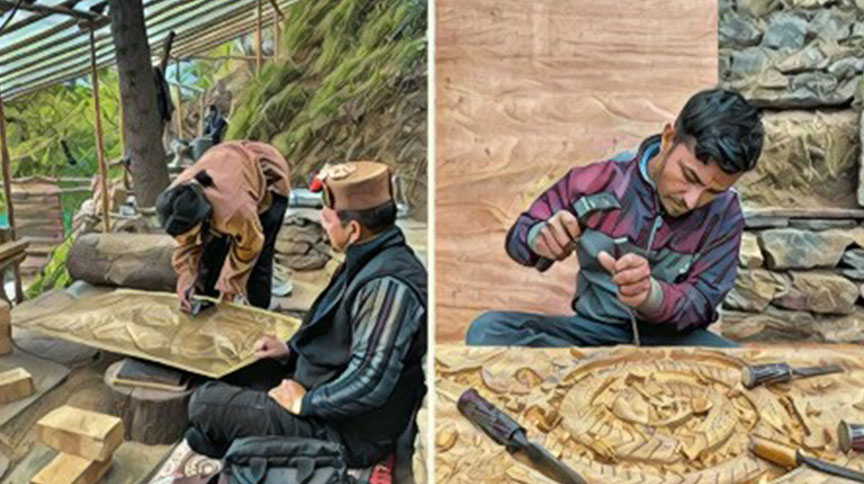
The studio’s work demonstrates that sustainable architecture is not just a trend but a deep-rooted philosophy. From eco-tourism properties to public buildings, the projects showcase how sustainability can be integrated into all aspects of life, proving that honouring tradition can coexist with innovation, and offering new ways to apply old techniques in contemporary contexts.
At its core, the philosophy of sustainability in architecture is not just about the structures we build but about how we choose to live with the earth. By blending the wisdom of the past with the possibilities of the future, we can create a world where people and nature thrive together. The Himalayas, with their timeless beauty and wisdom, offer a blueprint for a more sustainable future, one that architects, students, and communities around the world can draw inspiration from.
For aspiring architects, the message is clear: sustainable architecture begins with a shift in perspective. It is about looking back at our roots, our culture, and our environment, not as relics of the past, but as foundations for the future. Through this lens, we can build not only with the materials of the earth but with an understanding of how our creations can shape the world for generations to come.

Rahul Bhushan
Rahul Bhushan, an architect, educator, and activist from Himachal Pradesh, is the founder and Creative Director of NORTH. With a background in design, crafts, and cultural business from NIT Hamirpur, CEPT University, HFT Stuttgart, and IIM Ahmedabad, he works to empower local communities through sustainable architecture, indigenous building practices, and cultural restoration. Passionate about nature, craftsmanship, and mindful living, he combines research, design, and community-driven projects to shape a better future for Himachal.
More From Perspectives Beyond