



EduOpinion
All Under the Mighty Banyan: Building a Place of Respect, Resilience, and Reflection
By Subhashini Krishnan
Discover how the campus biodiversity at Shiv Nadar School, Chennai, enhances sustainability, well-being, and education.
Prologue
It was close to 8 in the morning as the warm October sun began moving up from the eastern horizon. The weather was pleasant, as the sea breeze swept up a bunch of yellow leaves. Amidst the scattering yellow leaves were also the shiny crimson of the Crimson Rose butterflies as they began their long flight towards Sri Lanka. Standing there and greeting the students as they walked into the school, I took a moment to take a deep breath. I felt grateful for the trees, the breeze, and the beautiful people bustling around me, excited for another day of learning at the school. This led me to think about how the biodiversity of this campus is well known across the city.
Understood and Valued
Maintaining biodiversity is not just an incidental feature of our campus environment; it is a crucial element that influences the activities on the campus
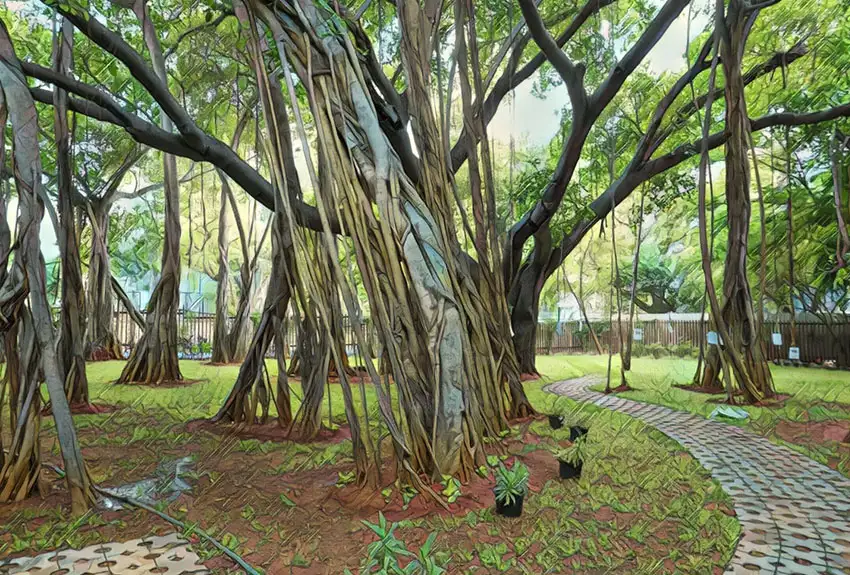
A team of people, including a dedicated horticulturist, is involved in assisting towards sustaining the ecological balance. The banyan tree on our campus is said to be about 400 years old and has withstood many changing environments. It's a tree we're proud of and nurture with great care and respect. We strive to create opportunities to learn through our immediate environment, including life lessons through dying trees and fallen insects. The integration and management of biodiversity has significant intangible benefits for everyone.
“There is something infinitely healing in the repeated refrains of nature - the assurance that dawn comes after night, and spring after winter.” — Rachel Carson, The Sense of Wonder
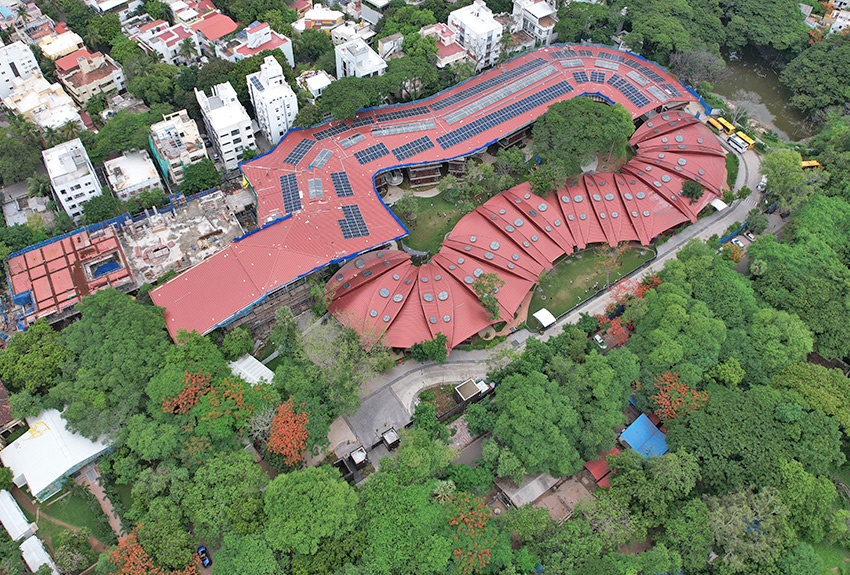
Rooted in Ecosophy, which emphasises the interconnectedness of nature and human well-being, our campus nurtures a deep respect for the environment. The campus has been developed while preserving and enhancing the natural ecosystem, creating a sanctuary where flora and fauna coexist in harmony. In the future, we will maintain gardens featuring medicinal plants, butterfly-attracting shrubs, and flowering species that educate students on the environment.
The presence of greenery and natural environments around any space has a huge impact on the emotional and social well-being of every person. I believe that most people will agree that nature, with its complex systems and ways, can reduce our stress, improve our mood, inspire our creativity, and enhance our overall well-being. All those of us who spend time walking around our campus often report feeling more relaxed and focused. The banyan tree will again take a special mention at this juncture. Whoever spends time under the banyan tree comes back rejuvenated and refreshed. Various studies indicate the importance of campus biodiversity in fostering a sense of connection to nature and encouraging environmental stewardship among the community. The water body on our campus is being restored, helping us all develop a personal commitment to conservation and sustainability.
The efforts to preserve green spaces and diverse habitats on our campus play a key role in mitigating urban heat islands, reducing rainwater runoff, and improving air quality in urban spaces. The numerous trees and plants absorb pollutants and provide shade, which lowers our overall energy consumption.
Educational Opportunities
“Progress does not have to be patented to be worthwhile. Progress can also be measured by our interactions with nature and its preservation. Can we teach children to look at a flower and see all the things it represents: beauty, the health of an ecosystem, and the potential for healing? ” — Richard Louv, Last Child in the Woods: Saving Our Children from Nature-Deficit Disorder
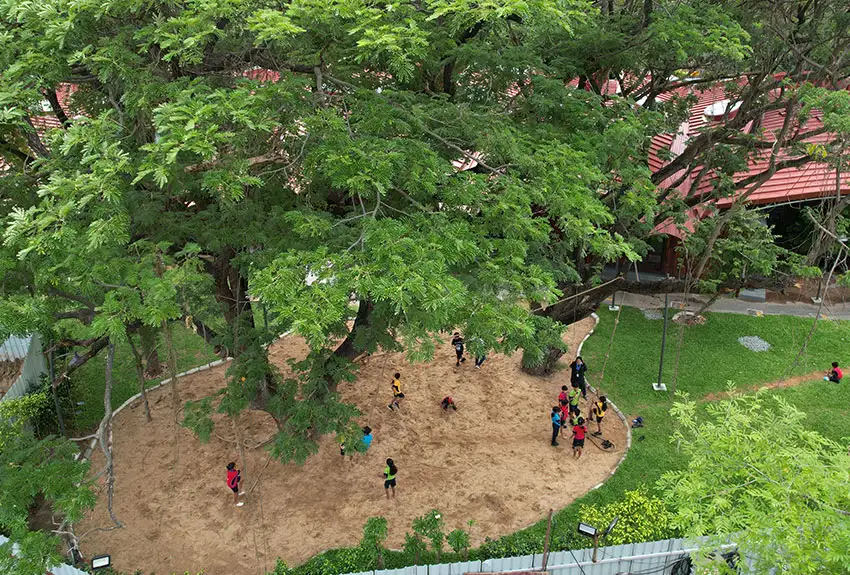
Campuses rich in biodiversity offer unique opportunities for experiential learning and research, serving as living laboratories where students and faculty engage with the natural world. Nature clubs can play a vital role in nurturing this engagement. Diverse ecosystems also encourage interdisciplinary collaboration. For example, landscape architects might work with ecologists to design sustainable spaces, while environmental policy students can assess the impact of campus operations on local biodiversity. These interactions often lead to innovative solutions and a deeper understanding of complex environmental issues.
Challenges and Considerations
“We abuse land because we regard it as a commodity belonging to us. When we see land as a community to which we belong, we may begin to use it with love and respect.” — Aldo Leopold
Managing campus biodiversity is challenging. Sustaining biodiversity requires careful planning and management, including the selection of appropriate plant species, habitat restoration, and the control of invasive species. Additionally, integrating biodiversity into campus planning and operations requires collaboration among various stakeholders, including facilities managers, academic departments, and student organisations. Also, the practice of understanding our land as the community to which we belong should be instilled at a young age.
Conclusion
“How strong, vital, enduring! How dumbly eloquent! What suggestions of imperturbability and being, as against the human trait of mere seeming. Then the qualities, almost emotional, palpably artistic, heroic, of a tree; so innocent and harmless, yet so savage. It is, yet says nothing.” — Walt Whitman
Maintaining campus biodiversity is important. By fostering diverse ecosystems, campuses can contribute to environmental sustainability, enhance educational experiences, and improve the well-being of their communities. It also sets a precedent for responsible environmental stewardship and sustainability.

Subhashini Krishnan
Subhashini Krishnan is a PYP educator at Shiv Nadar School, Chennai. She is an alumnus of the Wildlife Institute of India, and specialises in ecological research and conservation. She has been an educator for the past five years with a focus on nature-based learning for school children.
More From EduOpinion


Addressing Climate Inequity: The Disproportionate Effect on Marginalised Communities and Pathways to Solutions
Climate change worsens inequality, hitting marginalised communities hardest. This article highlights global responsibility and local solutions that can transform vulnerability into resilience