

EduOpinion
From Awareness to Action: Sustainability in Practice at Shiv Nadar School, Gurgaon
By Dr. Deepti Srivastava & Dr. Pradeep Kumar S
Through green practices and pioneering research on air quality, Shiv Nadar School, Gurgaon, blends education with action, shaping students for global sustainability.
The idea of sustainable development gained momentum with the Brundtland Report, officially titled Our Common Future, which introduced the concept of meeting "the needs of the present without compromising the ability of future generations to meet their own needs" (UN, 1987). In 2000, the UN established the Millennium Development Goals (MDGs), a set of eight goals aimed at reducing poverty, hunger, and disease by 2015. While successful in some areas, the MDGs faced criticism for their limited scope and lack of attention to environmental sustainability. These criticisms led to the idea of a more comprehensive and inclusive framework, which resulted in the Sustainable Development Goals (SDGs).
Development of the SDGs
At the 2012 Rio+20 Conference, countries agreed to create a new set of goals that would address social, economic, and environmental dimensions of sustainable development. Following extensive consultations, the UN General Assembly adopted the 2030 Agenda for Sustainable Development in September 2015, launching the SDGs as a blueprint for a more equitable and sustainable world. The SDGs comprise 17 goals, with 169 targets aimed at addressing poverty, inequality, climate change, peace, and justice by 2030.
The significance of the SDGs lies in their integrated approach to sustainability, as each goal interconnects with others.
For instance, addressing climate change (Goal 13) impacts food security (Goal 2), health (Goal 3), and water access (Goal 6). The SDGs also reflect a commitment to ‘leave no one behind’, ensuring that development efforts prioritise vulnerable populations. Their focus on partnership (Goal 17) highlights the importance of global cooperation, aligning nations toward a shared purpose.
However, the 2024 SDG progress report reveals that the world is significantly off-track, with only 16% of targets advancing. Key areas like zero hunger, sustainable cities, and environmental conservation have stalled or regressed due to COVID-19, geopolitical tensions, and the climate crisis. While gains have been made in energy access and child mortality reduction, setbacks such as rising obesity and widening inequalities persist. Individual nations are key to SDG success, integrating goals into policies, prioritising sustainability, and mobilising resources.
Role of Schools in Integrating SDGs into Student Life
Schools play a crucial role in realising the SDGs by educating and empowering the next generation. By integrating SDG education into their curriculum, schools can equip students with the knowledge, skills, and values needed to address global challenges like climate change, poverty, and inequality. This involves teaching students about the interconnectedness of social, economic, and environmental issues, fostering critical thinking and problem-solving skills, and encouraging them to take action in their communities. Schools contribute to a more sustainable and equitable future by empowering young people to become agents of change (SDG 4 - Quality Education, UN SDGs).
To instil SDG values, facilitators can encourage project-based learning focused on local and global issues and organise workshops and competitions. Schools can also encourage student-led initiatives, like forming eco-clubs, where children create sustainability campaigns or implement energy-saving measures on campus. Digital tools and educational games offer interactive ways to engage with SDG topics. Involving parents and the community helps reinforce these values at home, nurturing a lasting culture of sustainability.
Green practices in schools help reduce their ecological footprint and promote sustainability. This includes:
- Curriculum Integration: Embedding environmental education into subjects like science, geography, and social studies to encourage eco-friendly behaviour
- Waste Reduction and Recycling: Implementing waste management programmes, composting, and plastic reduction initiatives, with support from local environmental organisations and parental involvement
- Energy & Water Conservation: Adopting efficient lighting, water-saving devices, and policies encouraging mindful resource use
- Green Infrastructure & Outdoor Learning: Incorporating gardens, rainwater harvesting, and solar panels to enhance sustainability while offering hands-on learning experiences
The Role of Stakeholders in SDG Implementation:
- School Administration: Allocates resources, establishes policies, and monitors progress.
- Teachers: Integrate sustainability into the curriculum, organise awareness activities, and engage students in projects.
- Students: Participate in initiatives, promote awareness, and adopt sustainable habits
- Parents & Community: Support school programmes, volunteer for environmental projects, and encourage sustainable practices at home
Our Gurgaon campus collaborated with the Climate Reality Project India for the Green School Programme. The programme involves auditing, reviewing, altering and introducing planet-friendly practices in the areas of air quality, biodiversity, energy, waste management and water. Based on proper evaluation of the prevailing practices, the school was awarded the Platinum Category – the highest award – last year.
Green Practices at Shiv Nadar School Gurgaon Campus
The school has implemented a host of measures across its Gurgaon campus to minimise its environmental footprint:
Cleaner Air for All
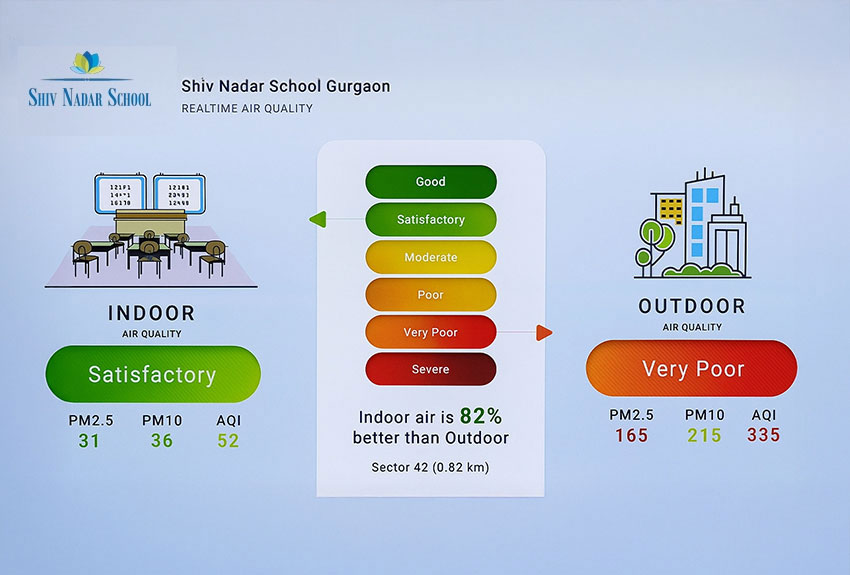
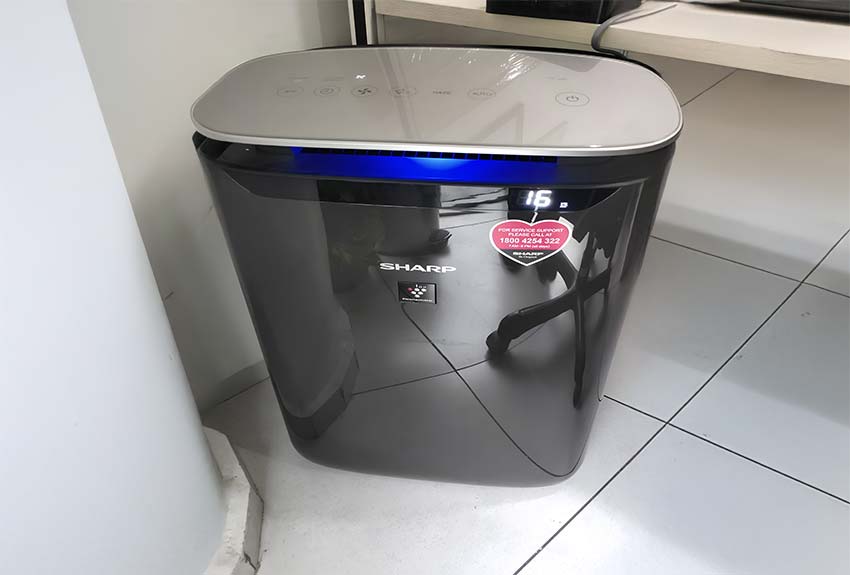
Smart air purifiers installed on the campus
Air pollution is a pressing concern, especially in urban areas. This is tackled by monitoring the Air Quality Index (AQI) in real-time and using air purifiers to maintain healthy indoor air quality. Dust-free chalk and other practices further reduce air pollutants, ensuring a safer environment for students and staff.
Supporting Biodiversity
Biodiversity is the cornerstone of ecological health. The school has planted native trees, conducted biodiversity audits, and implemented organic composting to create a thriving green campus. Deconcretising tree bases also ensures their long-term health and vitality.
Saving Energy, One Watt at a Time
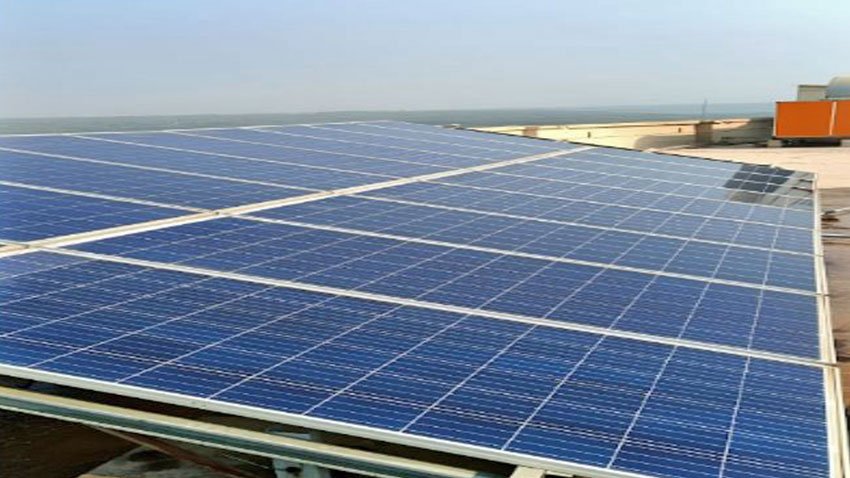
The school uses solar panels and energy-efficient appliances to reduce its carbon footprint. Use of terracotta tiles and well-planned energy audits help the school optimise energy use. This effort is complemented by regular campaigns encouraging energy-saving habits.
Smarter Waste Management
Segregated waste bins for wet, dry, and medical waste are placed throughout the campus. These are part of a broader strategy to promote recycling and minimise landfill waste. Awareness programmes further reinforce responsible waste management habits.
Water Conservation Matters
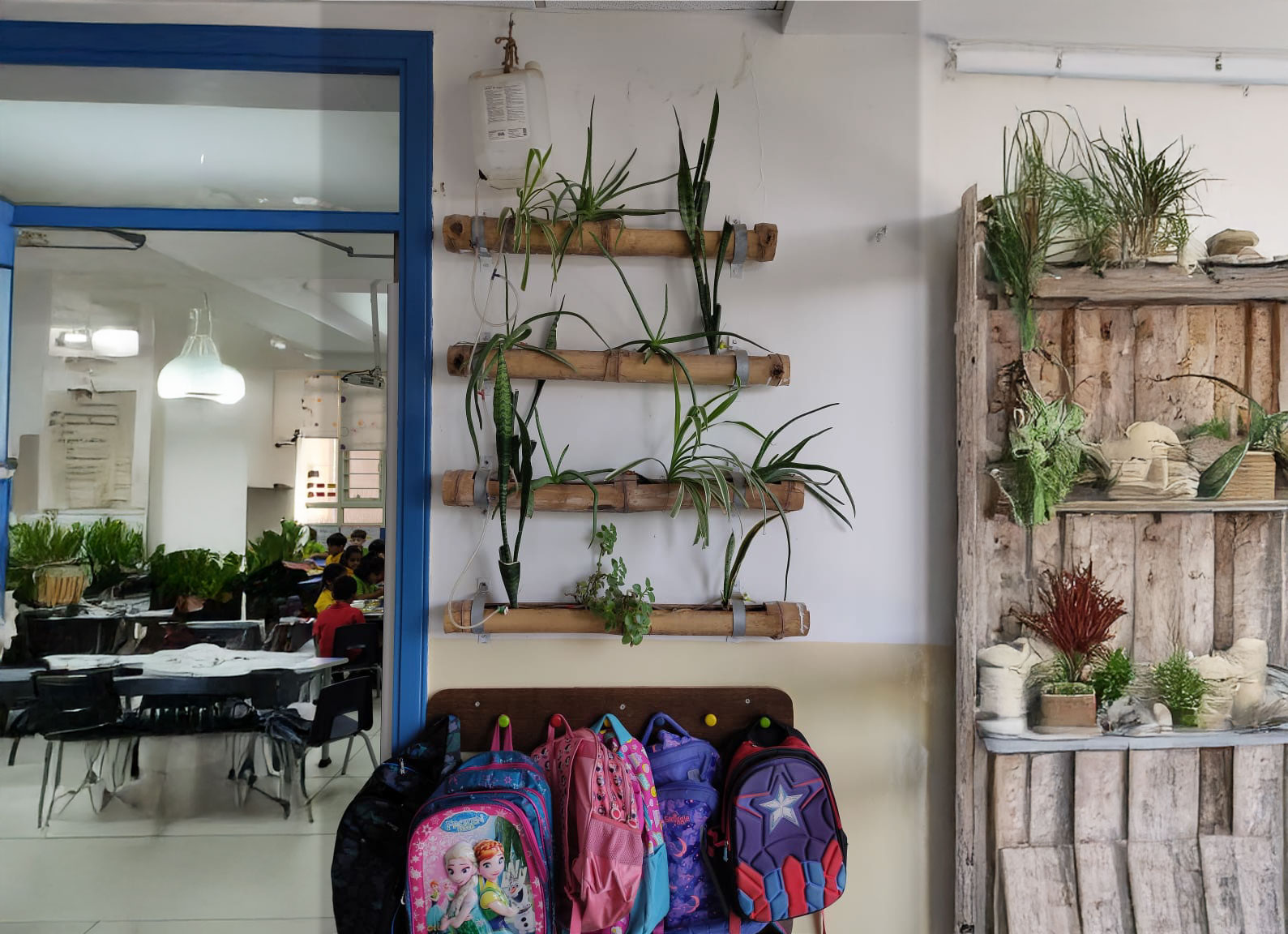
Drip irrigation: A highly effective water conservation practice
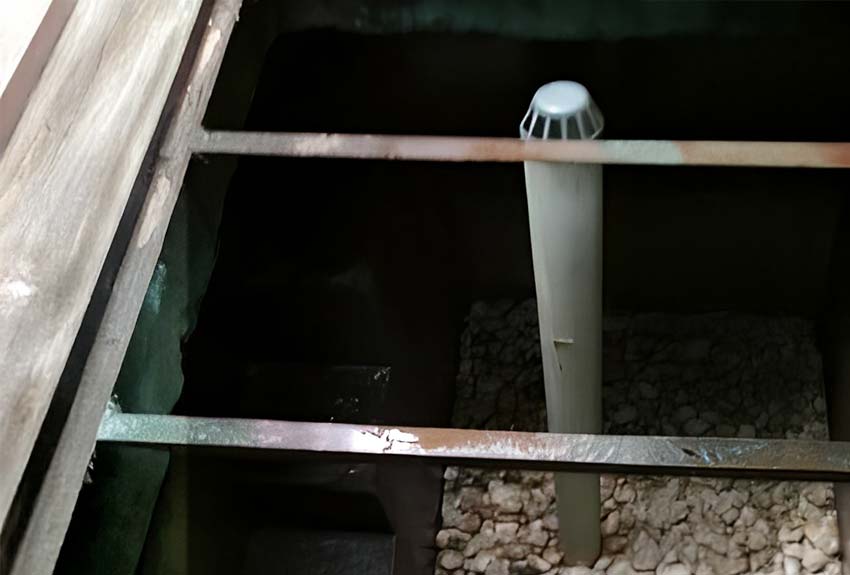
Rainwater harvesting pit at the school
Water is a finite resource, and the school takes its conservation seriously. Rainwater harvesting, dual-flush cisterns, and automatic tap sensors reduce wastage. These efforts make water use on campus efficient and sustainable.
Beyond Campus: A Data-Driven Approach to Combat Urban Air Pollution
After the successful implementation of the Green School Programme, a collaborative project concerning SDG 7, 11 and 13 was put forth for Shiv Nadar Foundation Collaboration Grants. The project was started in June 2024 with project investigators from the Department of Civil Engineering, School of Engineering - SNIoE Deemed University, Delhi-NCR, and Department of Civil Engineering and Department of Chemical Engineering, of SSN College of Engineering, Chennai, Shiv Nadar School, Faridabad and Shiv Nadar School, Noida, respectively.
The project was titled ‘Strategising control policies to combat air pollution through controlling emissions from fugitive dust in Delhi and Chennai: Application of computational models from experimental results’. The idea for the project arose from the fact that rapid urbanisation, industrialisation, and population growth in Indian megacities have exacerbated air pollution, leading to severe environmental, climatic, and health issues.
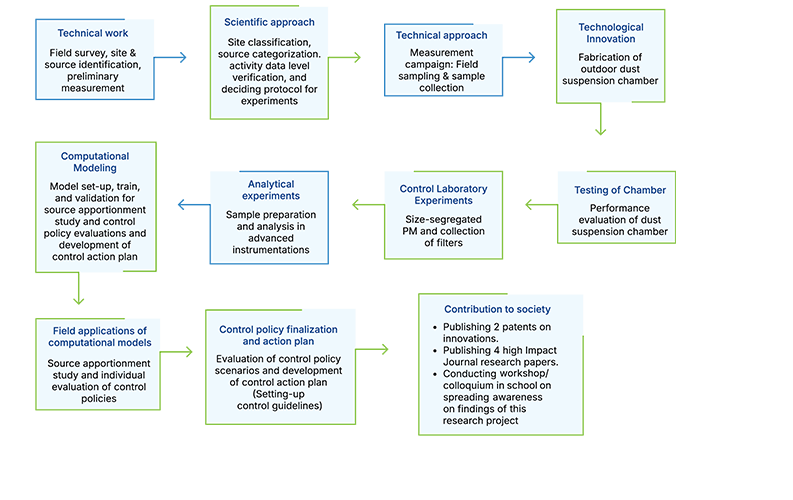
Fugitive dust emissions, emanating from road dust, construction, agriculture, and landfill activities, constitute a significant portion of particulate matter (PM) pollution in Delhi and Chennai, contributing up to 60% of PM2.5 and PM10 levels (CPCB report 2011, Sun et al., 2019). Exposure to particulate matter is linked to respiratory diseases, cardiovascular ailments, and millions of premature deaths annually. Indian megacities, including Delhi and Chennai, frequently exceed WHO air quality standards for PM 2.5. Despite significant progress in addressing combustion-related sources, systematic approaches targeting fugitive dust emissions remain underdeveloped. The project aims to design data-driven control strategies using experimental research integrated with computational modelling to develop actionable policies for mitigating fugitive dust emissions. The research project seeks to address this gap by providing scientifically validated frameworks for effective emission control and policy implementation (shown in the process of the project).
Flow sheet of the problem statement of this proposed research project
The expected outcome from this project is as follows:
- Development of comprehensive databases on fugitive dust emissions and their chemical composition
- Innovative technologies, including a dust suspension chamber and computational modelling software
- Formulation of region-specific control policies and a detailed Control Action Plan
- Increased public awareness through community workshops and dissemination of findings
- High-impact outputs: Two patents, four research papers, and collaborative frameworks for future research
The project aligns with SDG 13 by mitigating climate impacts through improved air quality management, innovative technologies, and public engagement. Its findings offer scalable solutions for combating urban air pollution globally, following a strategic methodology to be adopted during project execution (shown in Fig. below).
The findings will support regulatory bodies like CPCB and BIS in framing effective air quality guidelines. This project will enhance the technical rigour of air pollution studies and contribute to achieving Sustainable Development Goals (SDGs) by addressing urban environmental challenges.
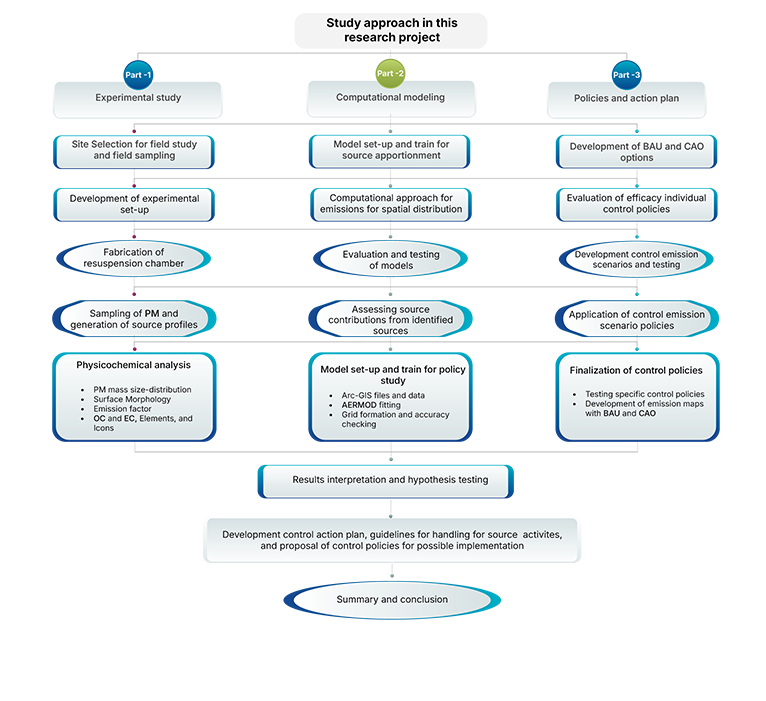
Flowchart of methodology to be adopted during project execution
References:
- United Nations. (1987). Our Common Future: Report of the World Commission on Environment and Development. UN Documents.
- United Nations. (2015). Transforming Our World: The 2030 Agenda for Sustainable Development. UN General Assembly.
- https://digitallibrary.un.org/record/4053200
- https://www.drishtiias.com/daily-updates/daily-news-analysis/un-sustainable-development-report-2024
- United Nations Sustainable Development Goals: https://sdgs.un.org/goals
- Learn and Teach: SDGs - Change for Children: https://changeforchildren.org/learn-teach/learn-and-teach-sdgs/
- Implementing the Sustainable Development Goals through social action in primary schools: https://my.chartered.college/research-hub/implementing-the-sustainable-development-goals-through-social-action-in-primary-schools/
- UNESCO - Greening every school: https://www.unesco.org/en/education-sustainable-development/greening-future/schools
- The Environmental Protection Agency (EPA): https://www.epa.gov/
- Sun, J., Shen, Z., Zhang, L., Lei, Y., Gong, X., Zhang, Q., ... & Zhang, R. (2019). Chemical source profiles of urban fugitive dust PM2. 5 samples from 21 cities across China. Science of the Total Environment, 649, 1045-1053.
Dr. Pradeep Kumar S
Dr. Pradeep Kumar S is a Senior Faculty member for Biological Sciences (Biology, ESS, EVM) at Shiv Nadar School, Gurgaon. He has over 16 years of experience teaching international curricula and a decade of research in Aquaculture Genetics, Breeding, and Biotechnology. He earned a PhD supported by the DFID program of the UK from Kuvempu University. His expertise includes sustainability-focused programs such as the Green School initiative and Ecosophy. He has received multiple awards, including the AFSIB Young Scientist Award and Best Poster Awards at renowned scientific forums.

Dr. Deepti Srivastava
Dr. Deepti Srivastava is a PGT at Shiv Nadar School, Gurgaon. She is a gold medalist from University of Delhi with a Ph.D. degree in Botany. She has twenty years of experience teaching Biology to grades IX-XII (CBSE). She also teaches Biology for international curriculum (IGCSE and IBDP). Dr. Srivastava has five years of school consultancy experience in Shri Educare Limited, a sister concern of The Shri Ram School. She has worked as an NCERT resource person to develop and review textbook content, Exemplar, and science kits.
More From EduOpinion