


NextGen Voices
The Green Legacy
By Sreelaasya Bhattiprolu
Sreelaasya Bhattiprolu, IBDP student from Shiv Nadar School, Gurgaon, shares her experience of how working with the Miyawaki method sparked interest in the community, creating a wider network of awareness and action around sustainability.
Imagine a world where lush forests spring up within months instead of decades, where barren urban spaces transform into thriving ecosystems overnight. Imagine if we could create a world where urban dwellers don’t suffer from chronic lung diseases, a world where cities wear fashion that isn’t concrete, and even dream of lush, thriving forests flourishing amidst skyscrapers instead of seasonal smog cloaking our tall towers. Is it wrong to dream of a sense of calm for the city we call home?
A Miracle Called Miyawaki
While exploring online, I came across the Miyawaki afforestation method. This is a simple yet highly effective technique where mini forests can be developed from barren lands that otherwise lie unused.
My interest in the environment began when I was quite young. I always enjoyed studying geography, especially the science behind the natural phenomena occurring on our planet. As I developed a deeper understanding of the environment and its needs, I tried to advocate for it in any way I could. It’s baffling how we keep taking more from the planet, never thinking about giving back. This is one of the reasons we now face the dangers of climate change.
Have you ever stopped to think about where the natural resources we use so freely are stored? For example, where are oil and natural gas stored? Until we gained stability in the energy sector and discovered renewable sources of energy, it seemed valid to use fuels like oil and natural gas to generate power. But over the last few decades, we have understood and adopted renewable sources of energy and even seen their potential to power all our daily needs. Unfortunately, we have not stopped to think about why oil, natural gas, and all these non-renewable energy sources are difficult to access. Why are they now only available in areas we can no longer reach (aside from the scientific explanation of the numerous mass extinctions that caused their formation)? I viewed it as a symbol of how our reliance on these should reduce as we progressed technologically, sort of like it was the Earth’s signal telling us: “You’re on your feet now, and you no longer need to take me apart to live, so stop.”
But are we listening?
It is said that proximity breeds familiarity, and familiarity breeds comfort. Our initial proximity to non-renewable resources brought a comfort that lasted hundreds of years, and so, we were unable to step out of our comfort zone. It is time for us to develop the same comfort level with renewable resources. The more comfortable we feel using it and talking about it, the more people will adopt it.
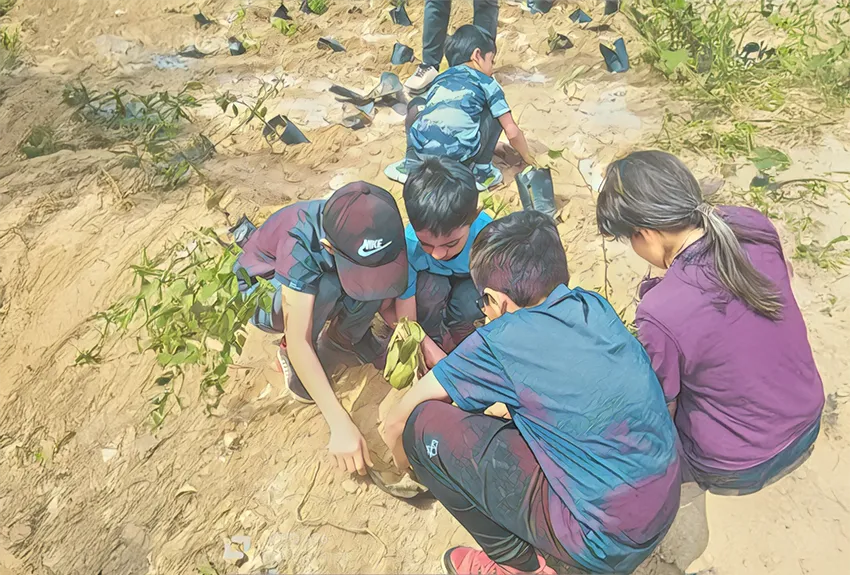
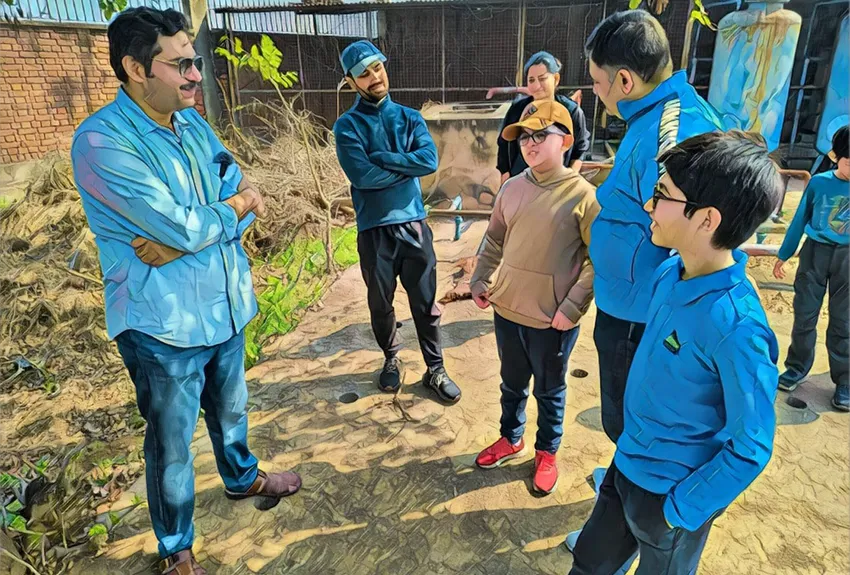
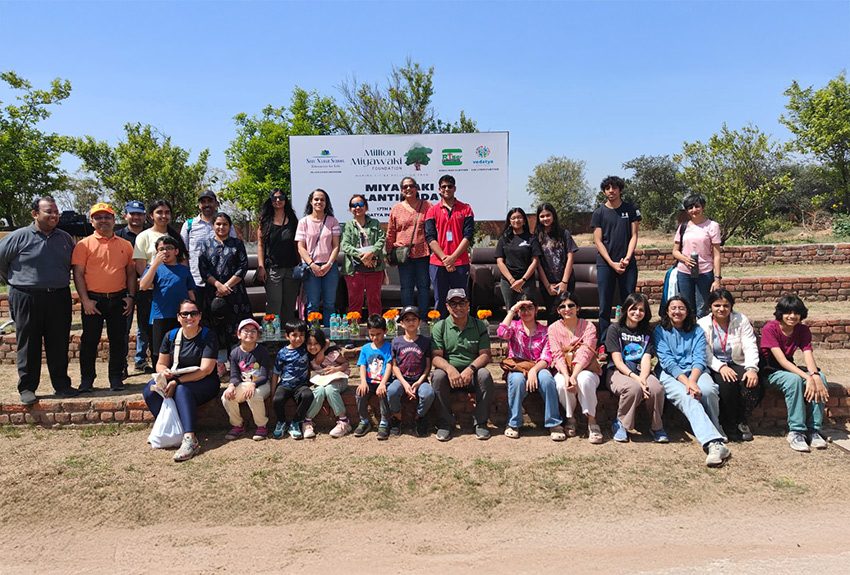
As part of my personal efforts towards my local community, I decided to join the Million Miyawaki Foundation after attending one of their SNS-sponsored plantations. The NGO works to increase green cover in urban areas using an ecological method known as the Miyawaki afforestation technique. This technique plays off the concept of healthy competition to speed up the otherwise decades-long process of a tree growing to its full height, which I found fascinating. It seemed like something straight out of a sci-fi movie, and I was convinced it could not be completely natural, but I was proven wrong. It’s surprising how growth can be accelerated when put in a bit of a hassling situation. The community of environmental advocates that I was able to connect with was overwhelming! It was eye-opening to realise how much power we unknowingly wielded, and the best one of them all was the power of bringing forests back to life in unlikely spaces.
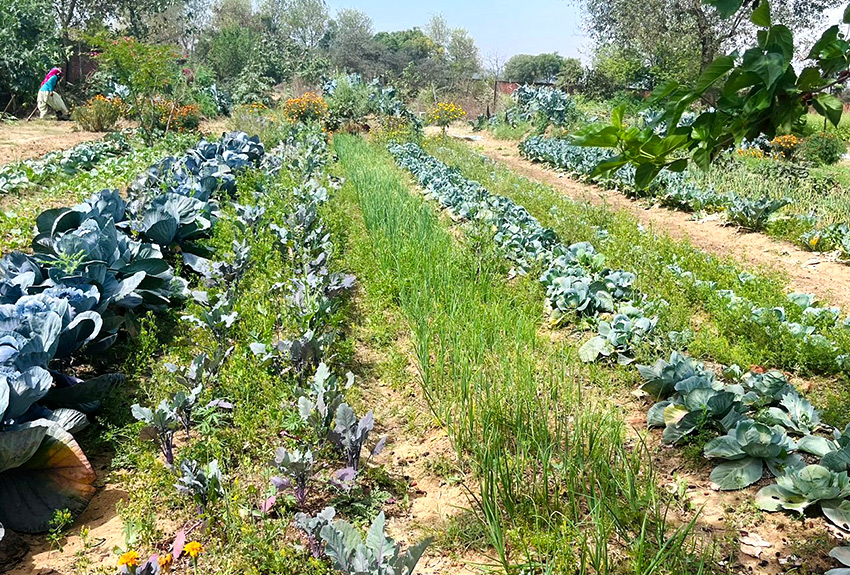
Not only does the Miyawaki afforestation method warrant the growth of dense forests, but it is also a harbinger of the biodiversity that blooms within and around it, bringing life to otherwise bleak cityscapes. The absorption of CO2 and temperature regulation are only some of the numerous ecological benefits. The forests serve as symbols of environmental resilience and can inspire similar community-driven projects as well.
The Power of Youth in Sustainability Efforts
Working with the Miyawaki method taught me about the potential for young people to make an impact, even with limited resources.
My experiences with Miyawaki sparked interest in my peers and community, creating a wider network of awareness and action around sustainability. I am also in the process of recruiting new campus ambassadors for the programme at our school. It’s imperative that the youth consider how small-scale projects can collectively drive meaningful environmental change.
To think of the change a world full of passionate people can bring seems wondrous because projects like Miyawaki forests aren’t just about trees, but about leaving a green legacy. A place where a small forest can take the first step towards reclaiming our future.

Sreelaasya Bhattiprolu
Sreelaasya Bhattiprolu is a student in Year 2 of the IBDP. She is a writer, who has constantly been publishing her work, ranging from scientific reports to fictional short stories, in media outlets within and outside the school. She’s passionate about the environment, given her deep-rooted interest towards pursuing Earth Science in the future, and has been a Student Ambassador in the Million Miyawaki Foundation for a year, spreading the word and reaching out to garner attention to the cause.
More From NextGen Voices