


EduOpinion
Engaging Young Minds: Nurturing Environmental Stewardship through Education
By Ashu Ratra
From classrooms to communities, young minds embrace sustainability, linking learning with action and inspiring responsible choices for a greener future.
Sustainability and global environmental challenges represent pressing issues impacting our planet and degrading our environment at an alarming rate. We need to instil an understanding of these challenges in children from a young age while reinforcing these lessons continuously. Then, we can significantly influence how they face these issues by adopting green practices in their daily lives.
Schools are pivotal in helping students forge deep connections with environmental topics, shaping them into reflective learners. Collaborative efforts among parents, schools, and students are essential to address climate change effectively. This collaboration requires all stakeholders to communicate in a shared language and practice sustainability at home.
While students learn about waste segregation and management from early education, they often struggle to connect these concepts to real-life applications due to a lack of corresponding practices in their environments. As a community, schools can expand students' learning experiences by engaging them in hands-on activities that explore practical solutions to everyday issues, such as alternative modes of transport to tackle traffic congestion, air and noise pollution, waste management, and rising energy consumption.
During orientation sessions at our school, students and parents are encouraged and guided to participate in carpooling. This initiative fosters community spirit and helps share important details that contribute to creating a comprehensive data repository for future reference. The collected information will be displayed outside the reception area, providing easy access for all members of the school community. This collaborative effort aims to enhance communication while promoting sustainable transportation options among families.
As Japanese writer Ryunosuke Satoro aptly stated, “Individually, we are one drop. Together, we are an ocean.
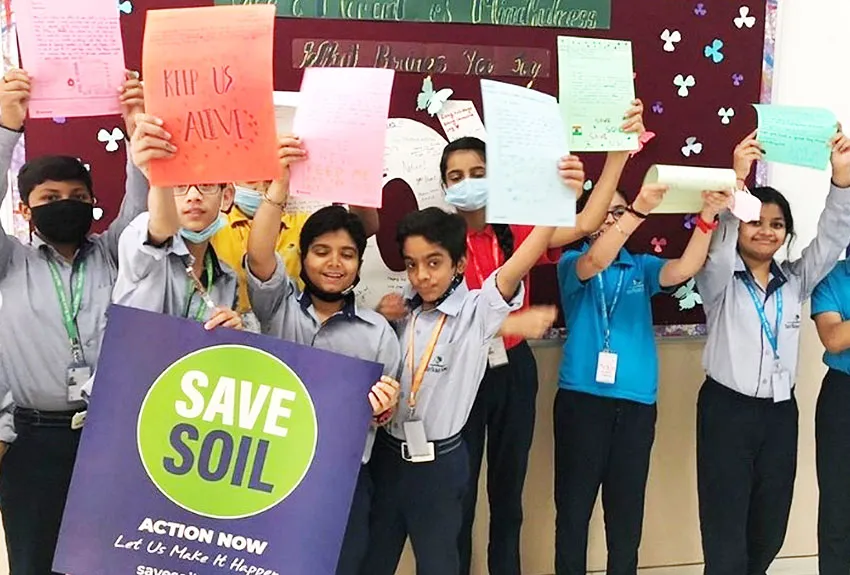
This sentiment rings true in educational settings, particularly when raising awareness about pressing ecological issues. Thoughtful exercises and hands-on activities not only engage students but also inspire them to make positive changes within their communities.
At our school, waste management is an integral part of our daily practices, promoting a culture of sustainability. Our ‘Restore’ initiative thrives on the contributions of students and parents, operating on the philosophy of sustaining fast fashion while integrating special pedagogy into our environmental and sustainability programmes.
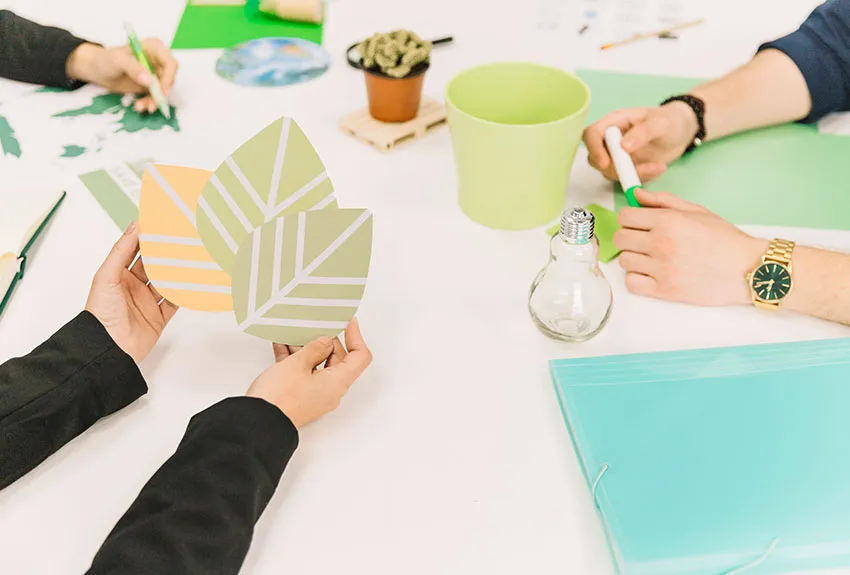

Best Out of Waste
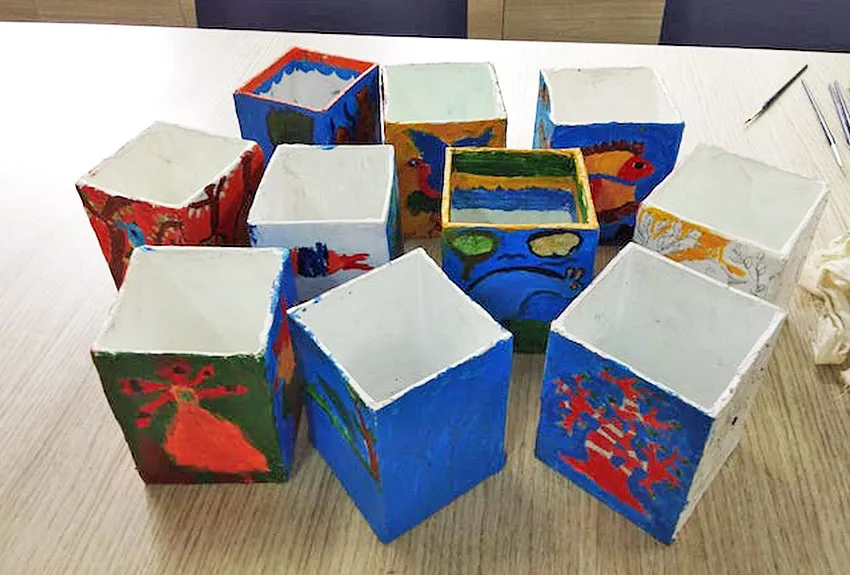
Recently, Grade 11 students took the initiative to create various art products, including diaries and coasters made from recycled paper produced within the school. This creative endeavour served as their social reform project, which they displayed and sold during the school carnival. In an innovative twist, they encouraged attendees to bring a book in exchange for the items they wished to purchase.
The books collected from this initiative were then donated to a local NGO, which will use them to establish a library within a school. This project highlights the importance of recycling and waste management, demonstrating how collective efforts can lead to significant positive changes in our environment and community. Together, we truly are an ocean.
To promote ongoing reflection on the green practices adopted by schools, an annual comprehensive audit, in collaboration with the Centre for Science and Environment (CSE), is essential for integrating crucial elements that contribute to building resource-efficient schools. Assessing the effectiveness of a green school requires auditing various parameters, including transportation methods, energy-efficient lighting, alternative energy sources, enhanced green cover, rainwater harvesting, and responsible waste segregation and disposal. This process enables us to evaluate our resource usage, consumption, and waste management each year, setting a benchmark to pursue innovative initiatives. Energy managers in each homeroom provide valuable insights into our energy consumption, which has facilitated the installation of rooftop solar panels, significantly reducing energy costs. By emphasising experiential learning, we empower students to grasp environmental concepts through textbooks and active participation.
Educators can enhance students' understanding of sustainability in various ways. By building a knowledge bank, joining the Green School Network, and participating in environmentalism workshops, they develop core competencies and effectively guide the programme. Thought-provoking, hands-on tasks introduce students to key ecological concepts, emphasising their significance for survival and growth. Additionally, this system empowers students to engage with their school community by gathering real-time data, interviewing staff, and connecting with other schools, fostering meaningful collaboration.
Climate change is a daily reality, and addressing these real-world issues within the curriculum offers diverse learning experiences for students, encouraging discussions that inspire them to become change-makers. Topics such as environmental degradation, economic development versus ecological crises, and the impact of fast fashion provide rich opportunities for inquiry-based projects and action plans. The beauty of these initiatives lies in their focus on action rather than theory.
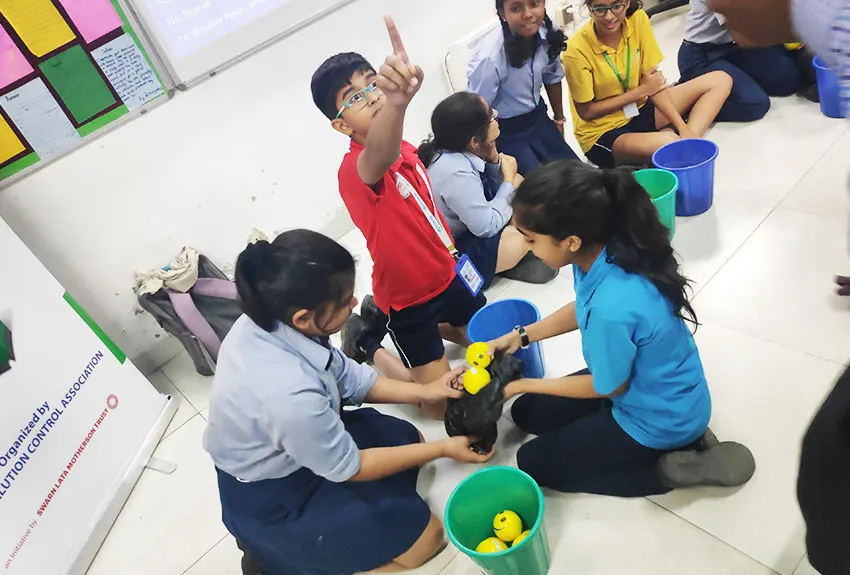
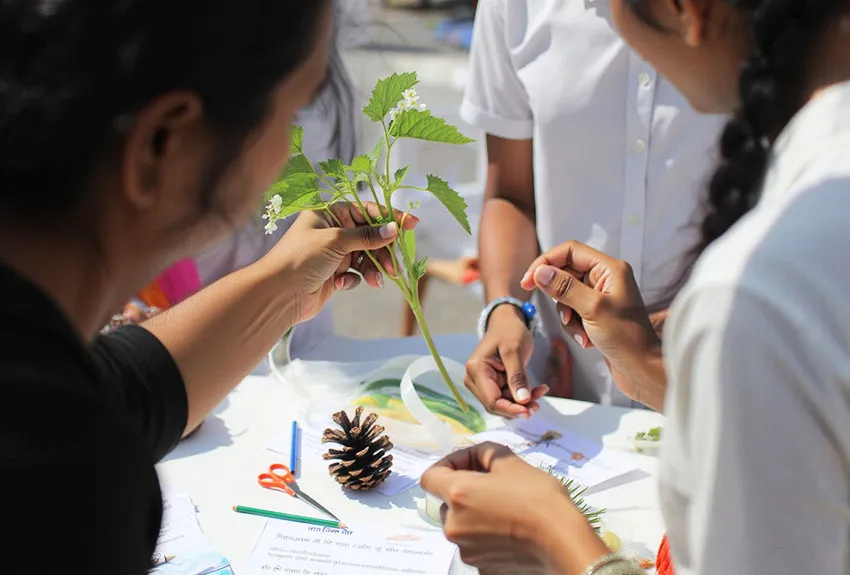
Personal projects done by students in the past, such as creating bio-enzymes, chemical-free mosquito repellents, or proposals for alternative energy sources, gave them a sense of direction and the chance to explore their passions. One of our students – Rohin, from middle years, said, “ I got my inspiration when I read the ingredients of an artificial mosquito repellent cream. The problem is that they are very irritating, and mosquito repellents are very bad for the body. My idea of a personal project is to create a completely natural and skin-friendly spray that can repel mosquitoes and can also act as an air freshener ”. His product was mainly extracted from organic ingredients such as lemon oil and lemongrass oil in sunflower oil as a carrier. Another student, Vansh Kumar, delved deeper into waste management techniques and found an innovative solution for making incense sticks from waste materials.
Homeroom teachers can have a profound impact on students’ daily learning habits, whether by collecting recyclable materials, designating energy managers in classrooms, or facilitating thought-provoking discussions on sustainability and climate action.
To contextualise learning, we must consider how the knowledge gained in school connects to the real world. While climate science education has entered the framework, it still lacks urgency in conveying the gravity of the situation to students. It is essential not to restrict its discussion to science or social studies classes and should be integrated into every subject and grade. For instance, students can write essays/articles/blogs on relevant topics in English while tackling data analysis and survey reporting in Math.
Research increasingly highlights effective approaches to teaching climate change that engage students in positive actions, enhancing their understanding of this complex issue. These strategies include making ecological issues personally relevant, interacting with scientists to experience scientific practices, and designing projects that address specific aspects of global warming and its effects. Students require a nuanced education encompassing the attitudes, motivations, and technologies necessary to combat climate change. They must acquire knowledge and possess the intent and skills to apply it responsibly and effectively.
Through comprehensive education and active engagement, we can empower the next generation to be stewards of the environment and advocate for a sustainable future. Learning through organising recycling initiatives, designating energy managers, and facilitating thought-provoking discussions about sustainability during circle time.
In conclusion, by fostering a culture of sustainability in our schools and engaging students in meaningful ways, we can empower the next generation to take charge of their environment and become informed advocates for change.
Credit source:
- https://www.greenschoolsprogramme.org/
- https://www.weforum.org/stories/2023/07/climate-change-education-schools-teachers/

Ashu Ratra
Ashu Ratra is an IB MYP Science facilitator at Shiv Nadar School, Noida. With a decade of experience as an educator, her focus has been on helping students develop a deeper understanding of core science concepts while connecting them to their daily life experiences. She has served as the Teaching and Learning Lead for Middle and Senior School, where she supported teachers in building core competencies in teaching and learning, facilitating professional development, and creating personalised learning pathways.
More From EduOpinion