
Perspectives Beyond
Communicating Realistic Hope, Shunning Irresponsible Optimism
By Bittu Sahgal
How do we talk to children about the climate crisis? We balance truth with realistic hope, empowering them to see nature’s ability to heal without falling prey to false optimism.
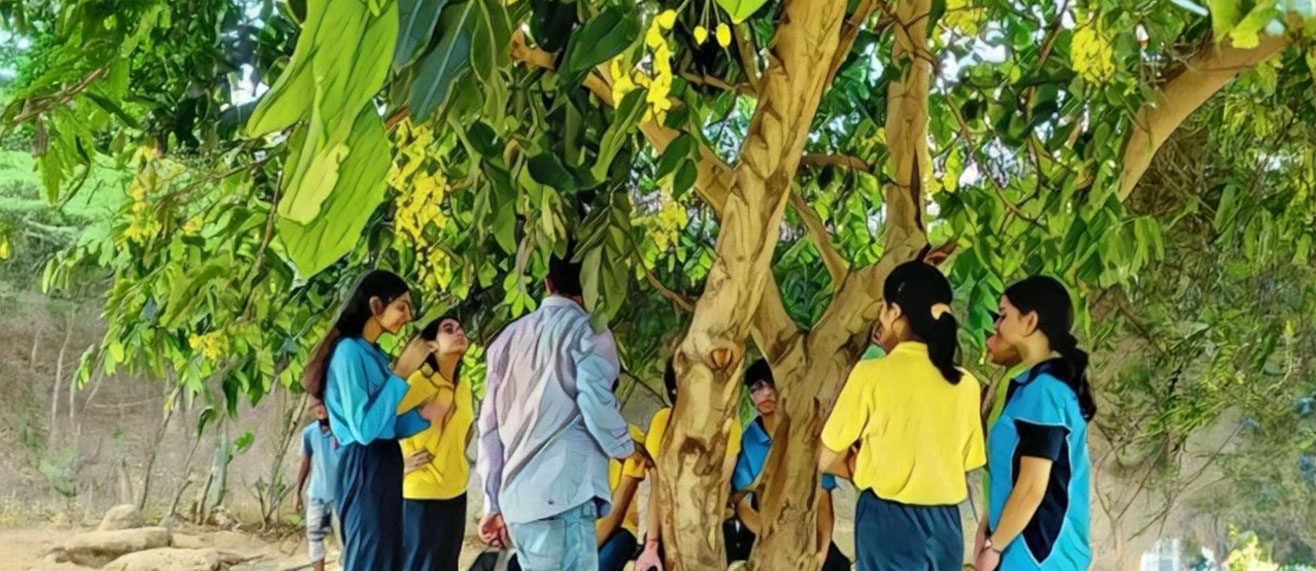
"Would you like to live in a magic house? A REAL magic house?” I asked the room full of 500+ fourteen-year-olds, at one of the many thousands of Kids for Tigers meetings conducted by Sanctuary in schools across India over the past 20+ years.
As hands went up and faces broke into expressions of joy and wonderment, the spontaneous answer was, predictably, “YES!” as the entire classroom broke into titters of laughter, excitement and joy. As the equally curious and smiling teacher returned the class to order, and silence prevailed, I continued by describing the magic house:
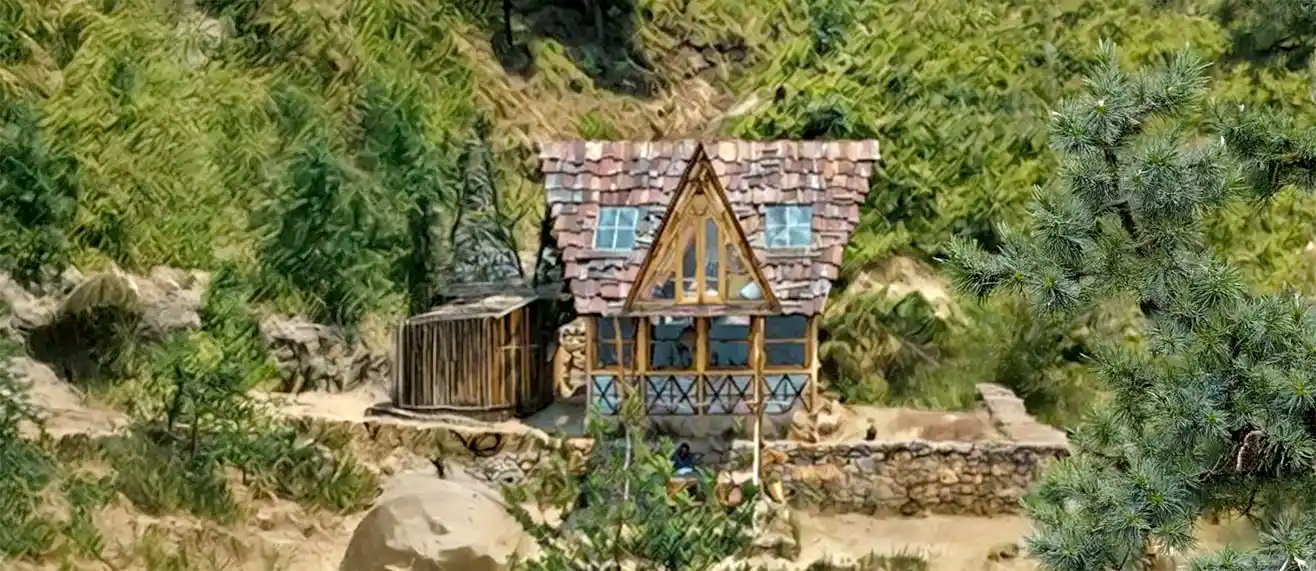
The windows are made of lollipops. The doors are made of chocolate, and every pebble or stone you see is not just edible, but yummy too! Also, the taps deliver lemonade or any drink you ask for! And all the goodies are made of natural and healthy ingredients that your mother approves! The best part is that when you go to sleep and wake up the next morning, everything is replenished, ready for you to gobble up again when you wake up!
Now, just think… what if, one fine day, some people decided to destroy your magic house? How would that make you feel?”
The subdued response and concerned faces said it all: "Horrible!"
Quietly, I went on to explain to this set of beautiful, trusting children that every bee, ant, squirrel, bird, monkey, deer and elephant, in fact, all creatures in the world, including us humans, already live in a magic home that we call Planet Earth, which has the power to regenerate all the foods eaten even by huge creatures such as elephants and whales living on land, or in water.
At this point, let me explain why I start almost all our conversations with young people with this kind of analogy, or supposition. There are two imperatives that I have internalised and lived with all my life in my capacity as a self-appointed “Ambassador for Nature”:
- I am sworn to always inform young people of the wondrous truth about the magic of wild nature and the grave threats humans pose to the biosphere.
- Equally, I am sworn never to foist ecological grief on the young at the hands of problems they did not cause. This is accomplished by the indisputable fact that our biosphere is self-repairing (like a cut or scrape on an elbow or knee) and that all the climate and other problems they hear adults speaking about – floods, droughts, cyclones, species loss and more – can be fixed over time by humans giving nature time to heal by avoiding the impulse to overwhelm Earth’s magical natural infrastructures.
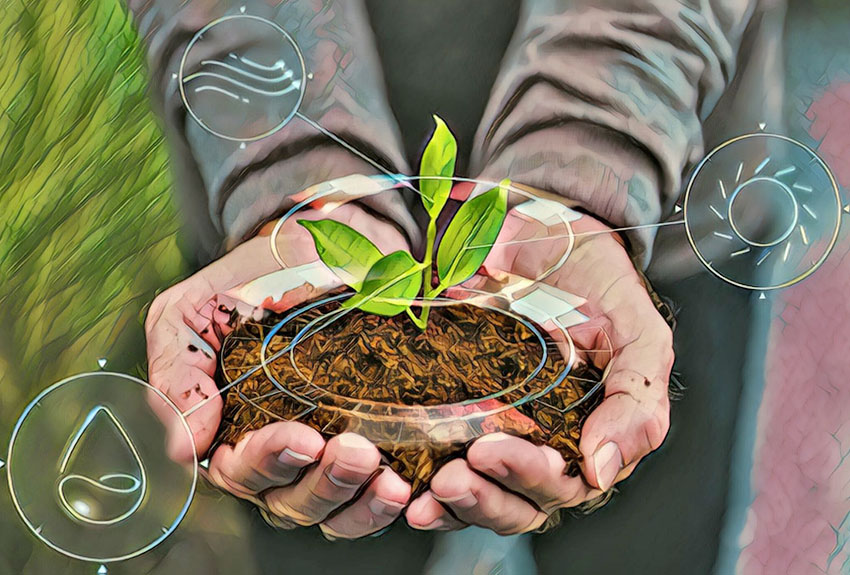
Neither of the above two objectives can be met without using the magic words ‘realistic hope’ as the cornerstone of all communications imparted to the young. Equally, when speaking about sustainability, we must warn young and old not to fall for false promises of quick-fix solutions that broadcast ‘irresponsible optimism’ exemplified by the transparently biased falsehoods of the oil, coal and gas and deforestation ‘industries’ designed to downplay current and future dangers posed by the climate crisis. The strategy there is to offer false hope through theoretical, distant future technological solutions while continuing to profit by injecting Earth’s atmosphere with still more carbon from new and enhanced oil, coal, gas and deforestation projects.
×
As food for thought, it would be wise to contemplate the fact that Homo sapiens is the only lifeform on Earth that possesses the technology to generate waste. The ‘waste’ produced by every other species of plant or animal is a life-giving resource for other plants and animals.
If ever we needed a blueprint on how to achieve the goal of sustainability, we need to ditch the concept of cradle to grave and replace it with the words ‘cradle to cradle’,
And towards this end, we need to look no further than the examples set by nature. And, of course, dig deep into the wealth of knowledge bequeathed to us by our ancestors, including those who wrote the Vedas and, more recently, the gentle but powerful wisdom of the Father of our Nation: Mahatma Gandhi, who said:
“What we do today, is our future.”
He also said, “We should not look upon the natural resources – water, air, land – as an inheritance from our forefathers… (they are loans given by our next generation)”
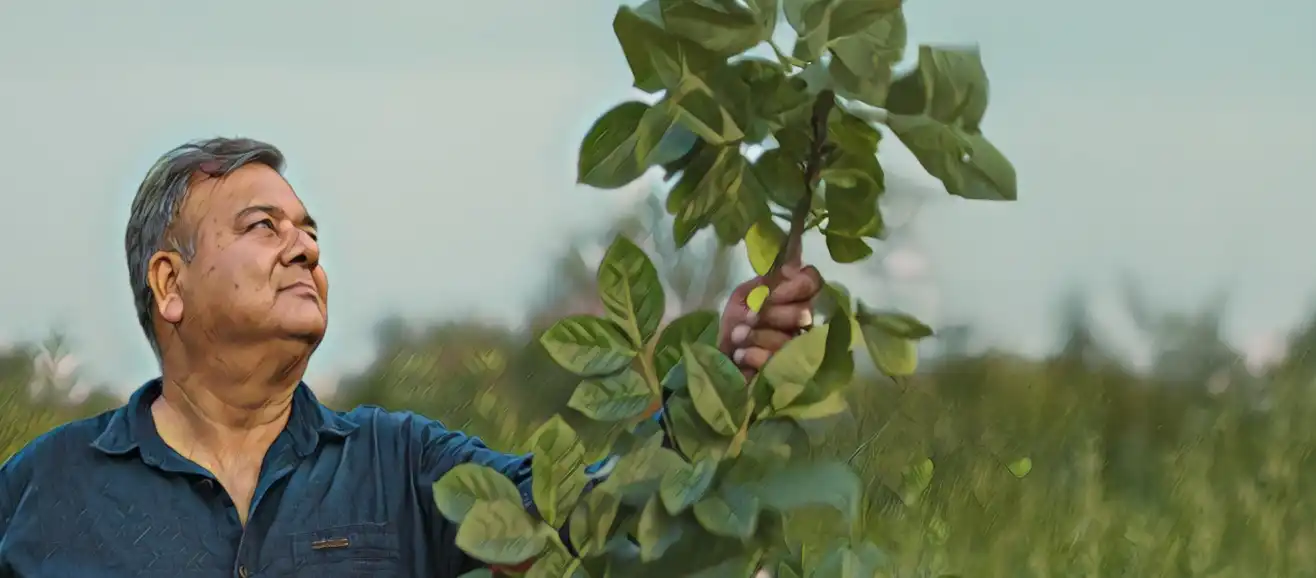
Bittu Sahgal
Bittu Sahgal is the Founder of the Sanctuary Nature Foundation and Editor of Sanctuary Asia, India’s first wildlife and ecology magazine. A key figure in Project Tiger, he has spent over four decades advocating for conservation through books, films, and campaigns. He created Kids for Tigers, a conservation programme that has reached over a million children. He has served on various government and global environmental boards, working at the intersection of biodiversity, climate change, and economics, influencing policy and public awareness.
More From Perspectives Beyond