


EduOpinion
Examining the Psychological Effects of Climate Change: Eco-Anxiety and Coping Mechanisms
By Mitu Majumdar
Learn how eco-anxiety shapes young lives, and how hands-on sustainability projects can help restore agency and hope.
Climate change has swiftly become a pressing global concern, not only for its environmental impact but also for the psychological challenges it poses. The mental health implications are significant. A 2021 survey published in The Lancet, involving 10,000 young people across 10 countries, found that nearly 60% of respondents felt "worried" or "extremely worried" about climate change. Moreover, over 45% reported that these feelings negatively impacted their daily lives, underscoring the profound emotional toll (Marks et al., 2021).
Understanding Eco-Anxiety and Its Impact
As the visible effects of climate change become increasingly evident, many individuals are grappling with distressing emotions. One emerging challenge is eco-anxiety, a chronic fear of environmental catastrophe. The American Psychological Association defines it as "a chronic fear of environmental cataclysm". Environmental psychologists point out that uncertainties surrounding the future, the increasing frequency of extreme weather events, and the perception that individual actions are insufficient often lead to feelings of helplessness, grief, and even depression (Clayton, 2020).
Eco-anxiety is particularly prevalent among young people who are acutely aware of the environmental crisis and are more likely to experience distress about the planet's future.
According to the Intergovernmental Panel on Climate Change (IPCC), over 70% of young people between 18 and 24 years express serious concern about climate change’s impact on their future. This psychological burden can lead to a sense of hopelessness or paralysis, where individuals may feel overwhelmed and unable to make lifestyle changes or participate in environmental activism (IPCC, 2022).
Sustainability as a Solution to Eco-Anxiety
Since the keywords that define the present and future of mankind are reuse, reduce and recycle, many individuals are turning to solutions that not only alleviate their personal distress but also contribute to environmental sustainability as a two-pronged combat mechanism. Urban food cultivation through methods like hydroponics and aquaponics has become a popular approach. These systems offer benefits such as reduced water usage, up to 90% less in some cases, while providing fresh, organic produce. For example, in Singapore, a densely populated city-state with limited agricultural land, hydroponics and aquaponics have gained traction as sustainable solutions to reduce reliance on imported produce, offering fresh food year-round with minimal environmental impact (Friedman, 2019).
Hydroponics involves growing plants without soil, using nutrient-rich water, while aquaponics combines fish farming with hydroponics, creating a symbiotic environment where fish waste provides nutrients for plant growth.
Case Studies: Detroit and Red Otter Farms
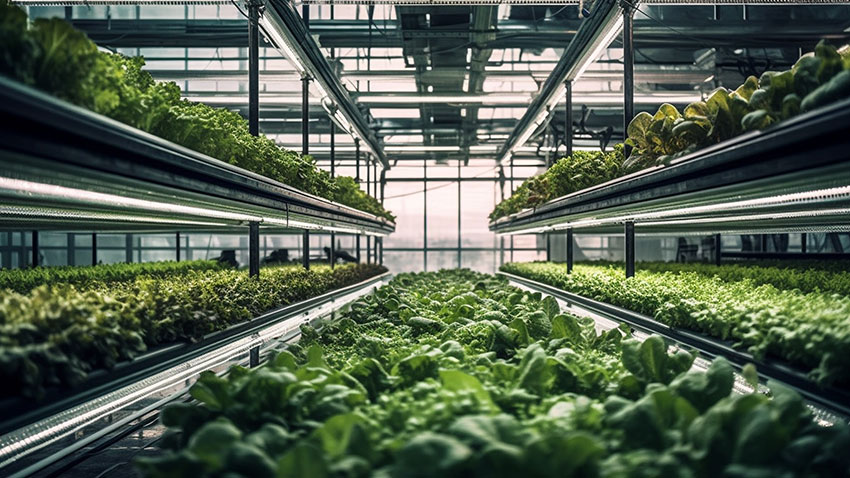
Hydroponic farming
In Detroit, Michigan, a community-based project, the Michigan Urban Farming Initiative, uses hydroponics to cultivate fresh produce for locals. The project serves as both a food source and a therapeutic activity, allowing individuals to feel empowered by their contributions to environmental sustainability and to find relief from eco-anxiety by participating in meaningful climate action (Gittleman, 2019).
Closer to home, the Red Otter Farms, in the village of Naudha, Uttarakhand, is one of India's largest aquaponic farms. It covers 12,000 square feet and produces over 70 kg of chemical-free greens each week. These sustainable food production systems offer numerous psychological benefits. Research from the Journal of Environmental Psychology shows that hands-on involvement in green projects can foster a sense of control and purpose, combating the helplessness often associated with eco-anxiety (Verplanken & Roy, 2016).
Psychological Benefits of Sustainable Practices
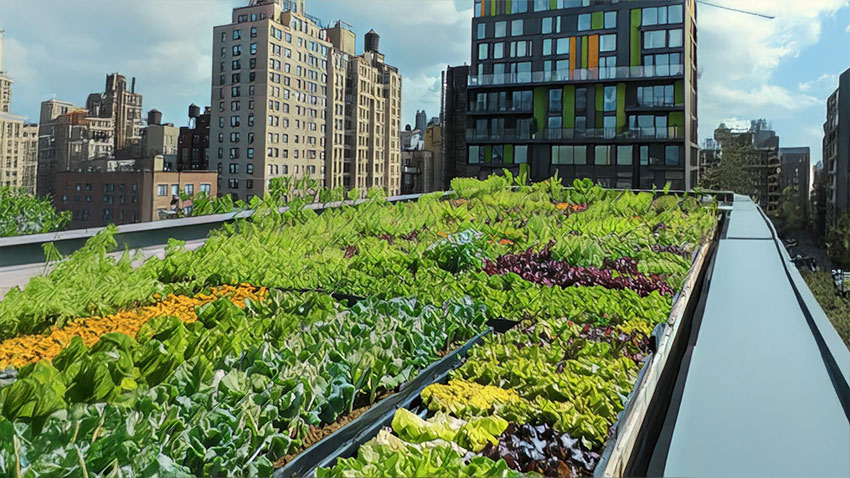
Urban food cultivation
These initiatives allow people to reduce their dependence on industrial farming, which contributes significantly to carbon emissions, pollution, and environmental degradation. By fostering a sense of agency, urban cultivation helps individuals cope with climate-related stressors and gives them a way to contribute directly to climate action and environmental improvement in their immediate surroundings.
Urban food cultivation offers more than just a sustainable source of food; it provides a holistic approach to addressing eco-anxiety by encouraging proactive involvement in sustainable practices. With solutions like hydroponics and aquaponics, people can actively participate in climate resilience efforts while gaining emotional relief from eco-anxiety.
References:
- Clayton, S. (2020). Mental health and our changing climate: Impacts, implications, and guidance. American Psychological Association.
- Friedman, L. (2019). How Singapore plans to grow more of its own food. The New York Times.
- Gittleman, M. (2019). Michigan Urban Farming Initiative: A case study in urban agriculture. Journal of Urban Food Systems.
- Marks, E., et al. (2021). Young people’s voices on climate anxiety, government betrayal, and moral injury: A global phenomenon. The Lancet.
- Verplanken, B., & Roy, D. (2016). Empowering individuals to act on eco-anxiety: The role of self-efficacy and action readiness. Journal of Environmental Psychology.

Mitu Majumdar
Mitu Majumdar, a senior school English educator at Shiv Nadar School, Faridabad, holds an M.Phil and MA in History and English. The JNU alumnus is currently pursuing her MA in Journalism and Media Studies. With 14 years of experience in communications and publishing, followed by 12 years in education, she is a CBSE-certified Teacher Trainer and a CENTA TPO National rank holder for three years. An avid reader and traveller, she cherishes her time in the classroom with her students.
More From EduOpinion