


Parent Reflections
Sustainability and Climate Change: Small Acts, Big Impacts
By Anshu Sharma
Sustainability begins with awareness and teamwork. Shiv Nadar School parent and climate resilience expert Dr. Anshu Sharma outlines the multiple ways schools and young changemakers can address the climate crisis.
In August 2023, the Yamuna River swelled dangerously close to Delhi NCR, near Noida. Several underpasses were flooded, and hundreds of families along with thousands of cattle were forced to seek refuge on the embankment road. Fortunately, the floodwaters did not reach our homes, and the immediate disruptions were manageable. This incident was a stark reminder of our vulnerability in the era of intensifying climate change.
The floods were triggered by relentless downpours in Himachal Pradesh and Uttarakhand. Thankfully, when water levels peaked in the Delhi-Noida region, it wasn’t raining locally. Had the local rains coincided with the upstream surge, the situation could have been catastrophic. We have seen such devastating floods in many cities across India and abroad, and witnessed the horrors nature can unleash.
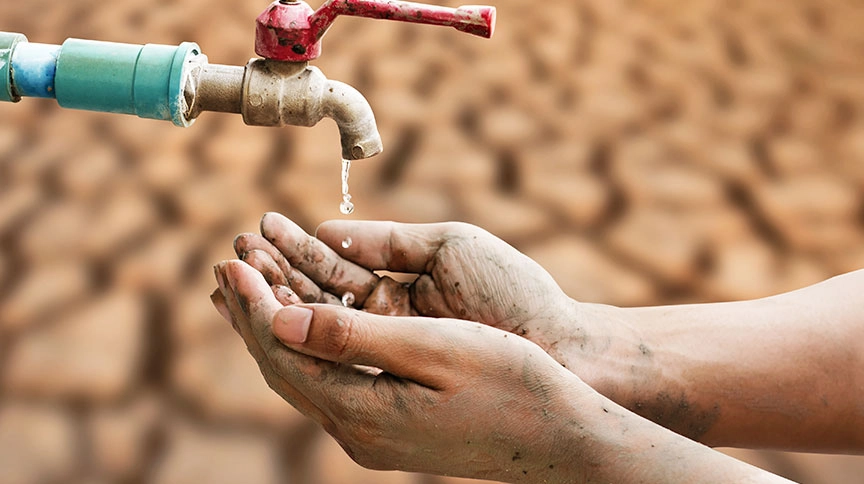
Unprecedented heatwaves have also gripped vast regions of the world. In the summer of 2024, temperatures soared to nearly 50°C, with the heatwave lasting twice as long as usual. Those working outdoors or without access to cooling suffered greatly. The increased use of air conditioners, while providing temporary relief, only exacerbated the problem by consuming more energy, raising greenhouse gas emissions, and releasing additional heat into the environment. Across the globe, heat records were shattered, with heatwaves reported even in places typically associated with the cold, such as the snowy regions of Kashmir and the depths of Antarctica.
Climate change is no longer a distant threat; it is a crisis unfolding before our eyes.
Scientists warn that this is only the beginning, with higher temperatures, longer heatwaves, water shortages, increased pollution, and sudden extreme weather events becoming more frequent and severe. But there is hope. History has shown that the strongest force of nature is the human spirit. In the face of these challenges, we must act with determination and resilience to restore balance with our environment.
Here are six ways we can start making a difference, recognising that small acts can have a big impact:
-

1. Understand the Risks
Identify the hazards around our homes, schools, and daily routes. Conducting a hazard hunt in our classroom, school, and neighbourhood is an excellent first step towards understanding what could go wrong and how we can prepare..
-

2. Organise for Collective Action
The fight against climate change requires teamwork. Appointing eco-champions in each homeroom and creating an eco-club can help coordinate initiatives. These groups can work with the wider community and local authorities to plan and act.
-

3. Improve Early Warning Systems
By understanding scientific data, such as rainfall patterns and river flow rates, we can better anticipate and respond to threats. Decoding these details helps us interpret forecasts accurately and protect those most at risk.
-

4. Leverage Knowledge and Innovation
Schools are centres of knowledge and creativity. We can apply our learning, from cultural wisdom to emerging technologies like AI, to develop solutions for thriving in a changing climate. A climate lab could lead this innovative approach.
-

5. Identify and Reduce Vulnerabilities
Climate events are not the only danger; existing vulnerabilities magnify their impact. Poorly constructed homes in low-lying areas, or modern buildings that ignore local risks, are particularly vulnerable.
-

6. Be Ready to Respond
Despite our best efforts at prevention, some disasters may still occur. Having a clear plan and practising it regularly will ensure we respond effectively and keep ourselves and others safe, becoming true climate heroes.
Let’s pledge to deepen our understanding of climate change and strengthen our resolve to protect the planet. The future is in our hands, and the small steps we take today can create a lasting impact tomorrow.
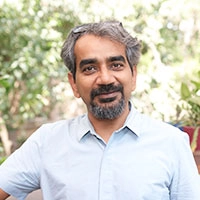
Anshu Sharma
Dr. Anshu Sharma has dedicated over 30 years to addressing disaster risk and climate crises, with a focus on vulnerable communities. Trained as an urban planner at the School of Planning and Architecture, Delhi, and holding a PhD in Global Environmental Studies from Kyoto University, he has been on the front lines of more than 30 major emergency responses across 12 countries. He has published widely in international journals and co-edited influential works, including the World Disaster Report. Anshu is the co-founder of SEEDS, which won the 2022 UN Sasakawa Award. He also co-founded SEEDS Technical Services and Resilience AI, a climate-tech startup from a Microsoft-supported AI initiative, both focused on scaling global resilience strategies.